The Sumerians themselves believed Eridu was the very first city on Earth, the place where kingship was lowered down from heaven at the dawn of time, according to the Sumerian King List. Modern archaeology has been unusually kind to that legend: radiocarbon dates from Eridu’s earliest temple layers reach back to around 5400 BCE, making it one of the oldest continuously rebuilt religious sites anywhere in the world.
Table of Contents
- A legend recorded on a clay tablet
- A temple rebuilt eighteen times on the same spot
- The tiny shrine beneath the ziggurat
- A city built at the edge of the marshes
- Fishing, farming, and an early economy
- Enki, the god who loved humanity
- A god who warns of the flood
- A holy city that outlasted its own population
- Why “first city” is a claim worth questioning
- Rival claims from other early sites
- Digging through four thousand years in one pit
- Fish bones by the ton: an economy of offerings
- Who were the Ubaid people who founded Eridu?
- The Eridu Genesis and the world’s oldest flood story
- Running a temple economy without money
- Why the water finally left Eridu behind
- Kings who kept restoring a city no one lived in
- Reading a city’s growth through broken pottery
- Digging Eridu in the shadow of the World Wars
- A World Heritage Site still waiting for full protection
- Enki’s long afterlife in later Mesopotamian religion
- Eridu next to the world’s other “first city” claims
- Eridu’s ruins today
- Nearby in Mesopotamia’s ancient story
- Closing thoughts
A legend recorded on a clay tablet
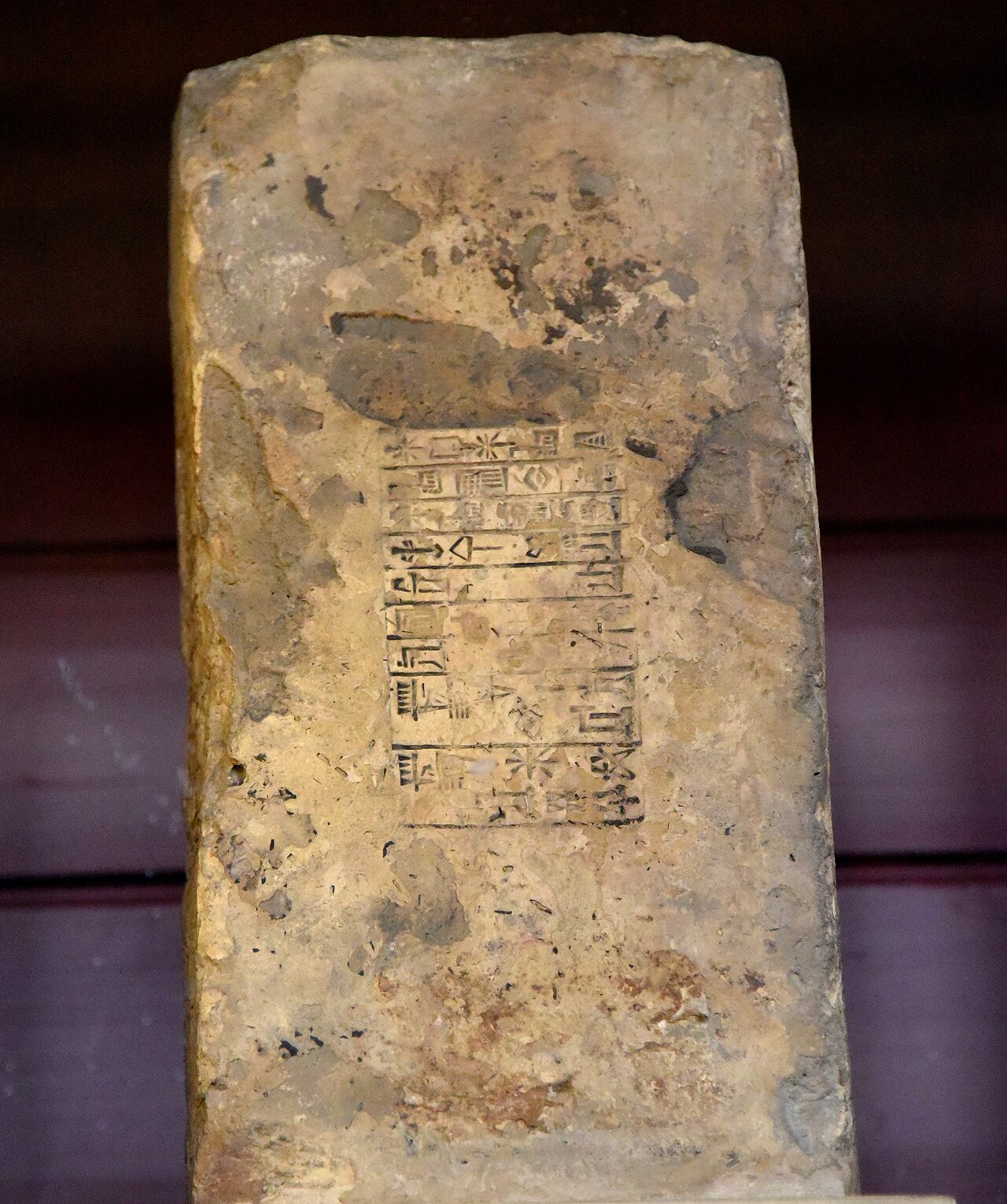
The Sumerian King List, a semi-mythical chronicle compiled centuries after the events it claims to describe, opens with the line that kingship first descended from heaven at Eridu, before the great flood swept the world and kingship had to descend again at Kish. The list’s earliest kings are given absurdly long reigns lasting tens of thousands of years, a clear sign the document blends genuine historical memory with myth, yet the choice of Eridu as the very first named city has struck many historians as a plausible echo of real, very ancient settlement priority.
Whether or not the list’s specific claims about semi-divine kings are taken literally, the Sumerians’ own cultural memory clearly ranked Eridu as uniquely old and uniquely sacred among their cities, a reputation modern excavation has done remarkably little to contradict.
A temple rebuilt eighteen times on the same spot
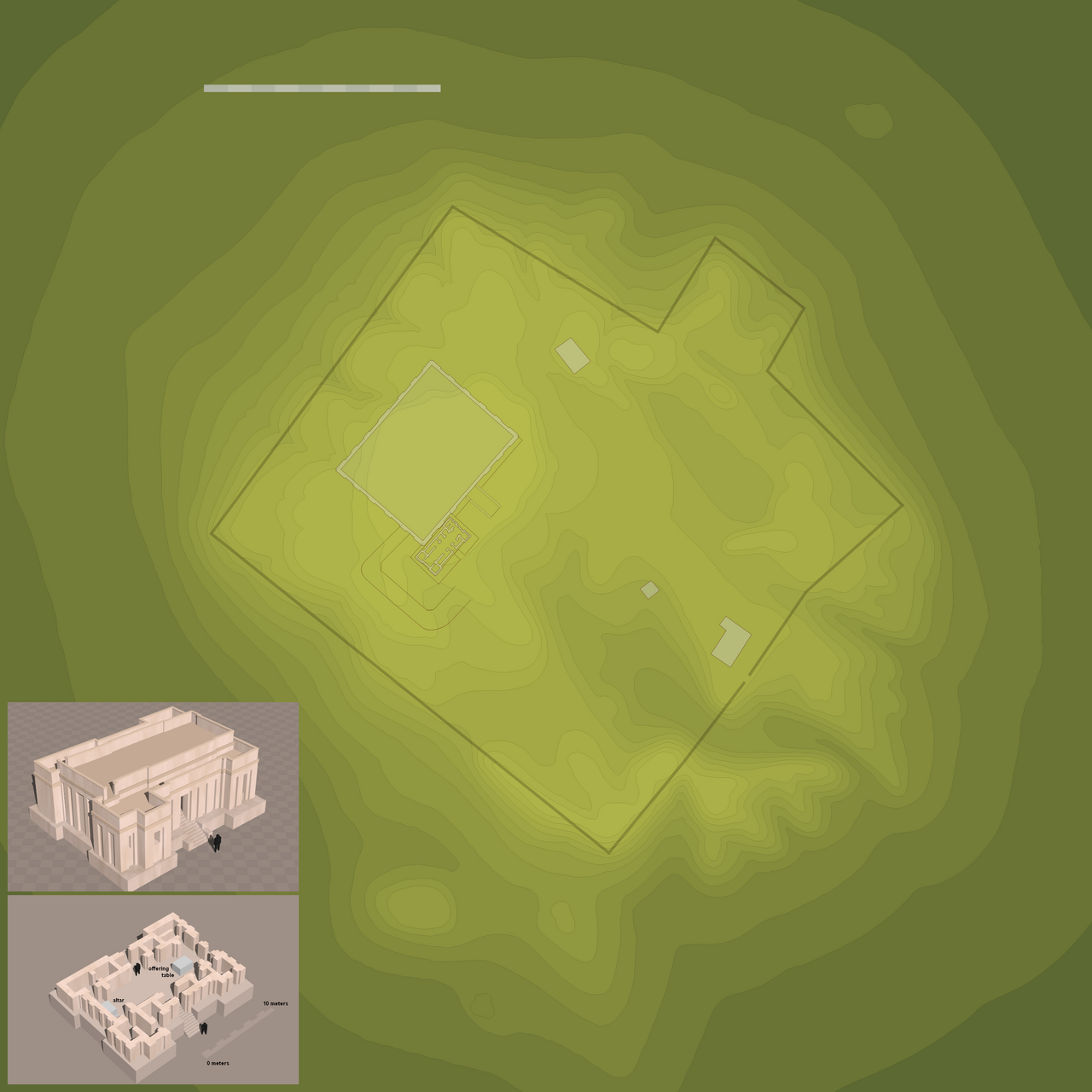
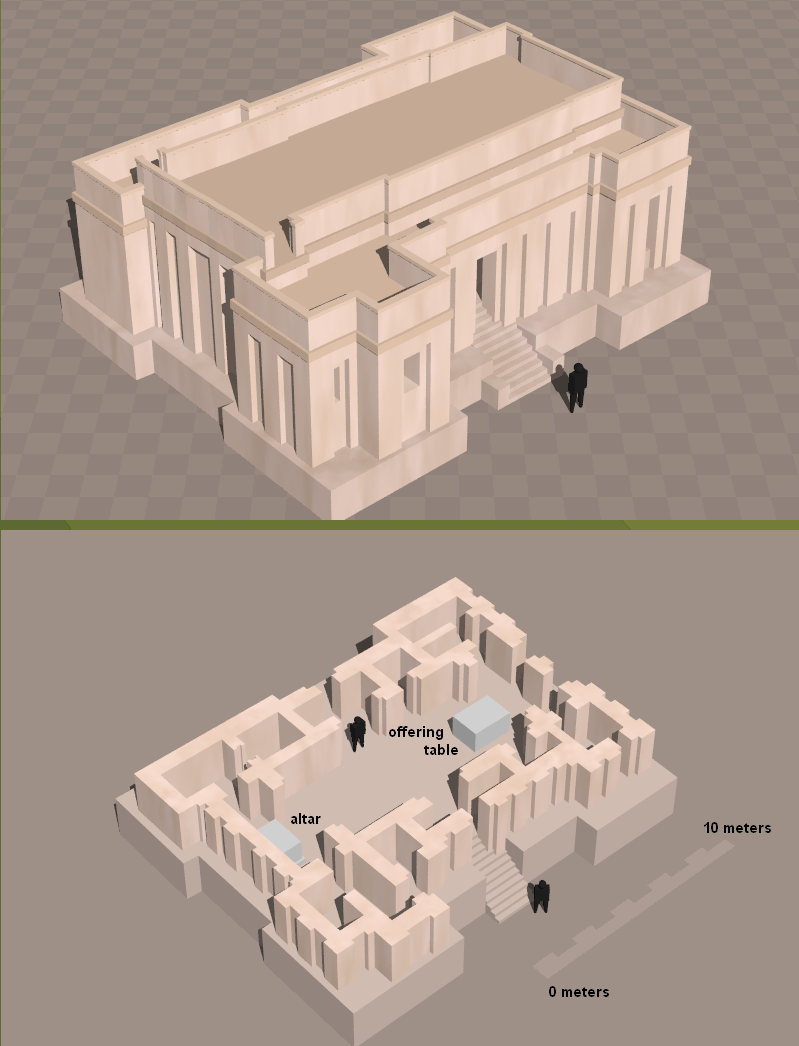
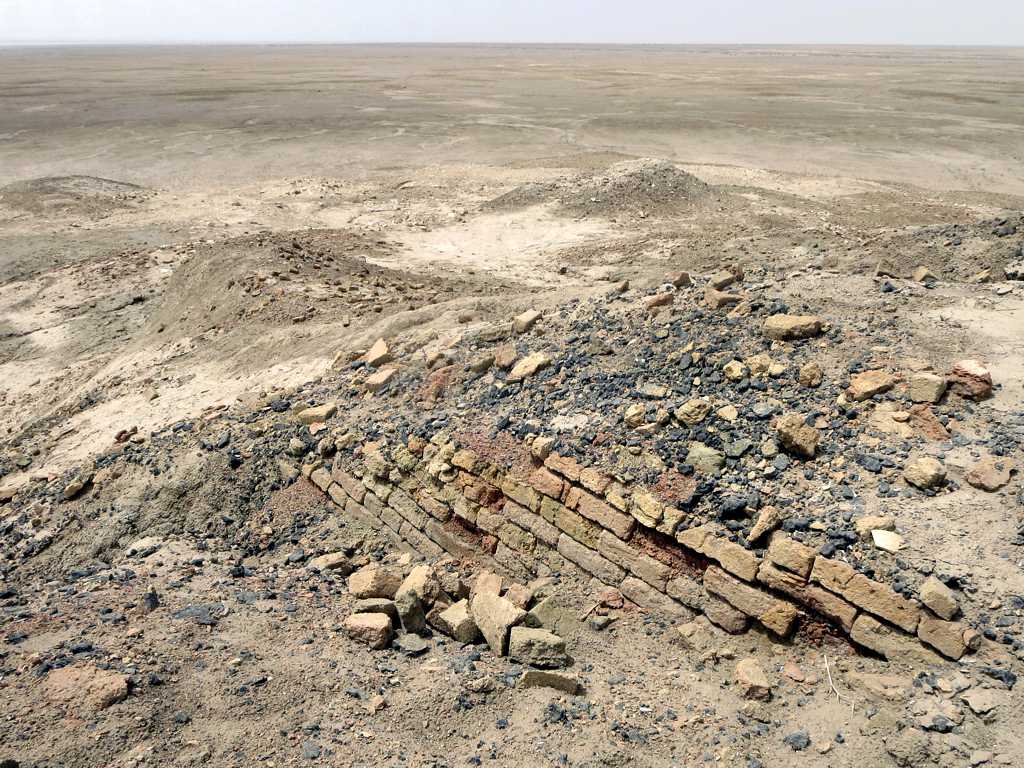
Excavators found that Eridu’s temple to the water god Enki was not just old, it was rebuilt again and again directly on top of its own earlier foundations, at least eighteen times across roughly four thousand years, each generation apparently unwilling to move the sacred site even by a few meters. The final version rose as a proper ziggurat, but beneath it lay a small mudbrick shrine barely large enough for a single altar and offering table.
This pattern of continuous rebuilding directly on top of earlier religious structures is not unique to Eridu within Mesopotamia, but few other sites preserve so complete and so deep a sequence, giving archaeologists an almost uninterrupted architectural timeline of how temple design evolved across the entire span of early Mesopotamian history.
The tiny shrine beneath the ziggurat
The earliest identifiable shrine at Eridu was a modest single-room mudbrick structure containing little more than a raised altar platform and an offering table, alongside fish bones left as apparent offerings to the resident deity, a far cry from the monumental ziggurat that would eventually rise above it across the following millennia.
The consistency of fish offerings across the shrine’s earliest layers is itself telling, linking the temple’s very first religious practices directly to the marshland fishing economy that sustained the surrounding community long before agriculture or urban administration had fully developed.
A city built at the edge of the marshes
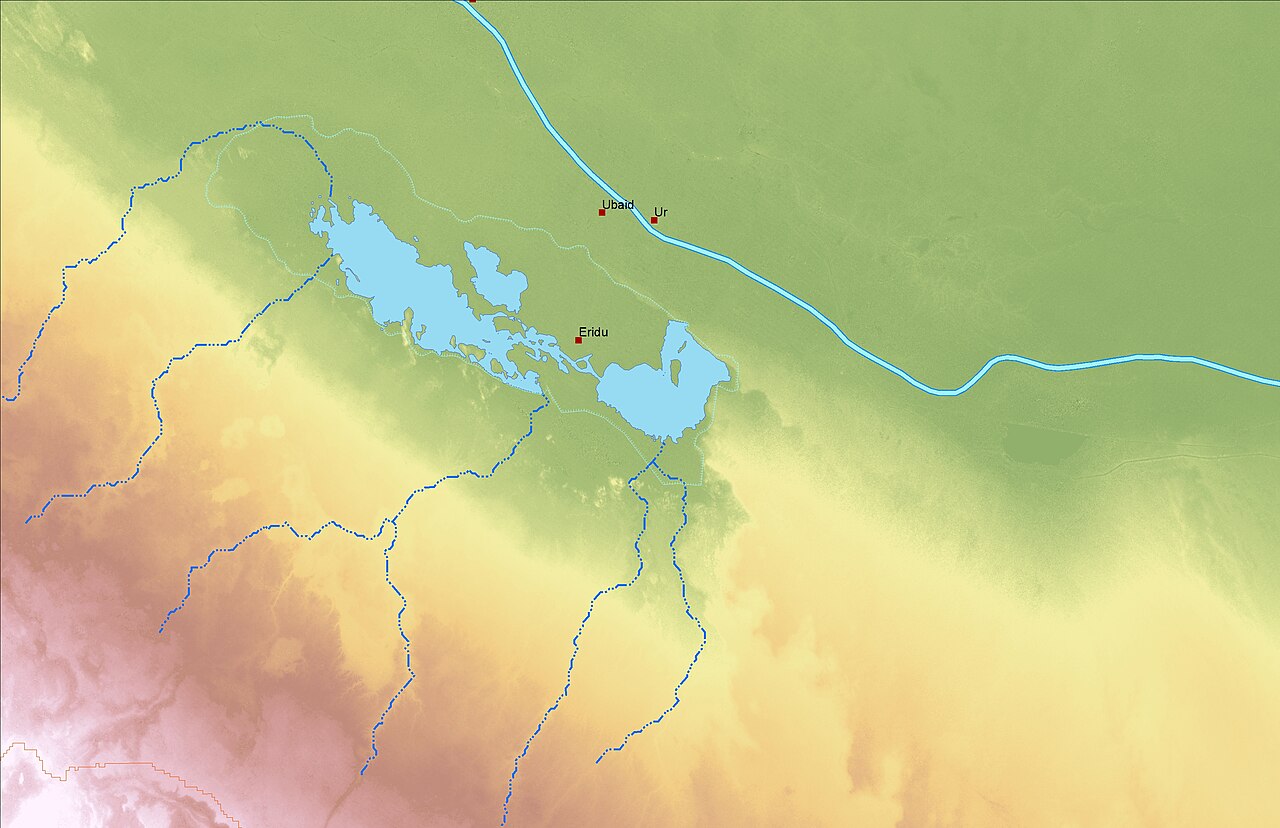
Eridu sat where the Euphrates met the marshlands of southern Iraq, a landscape of reed beds and shallow water that shaped the city’s earliest identity around fishing, since fish bones and clay fish figurines dominate its oldest offering deposits far more than any farmed grain.
Over the following centuries, as irrigation agriculture expanded across the southern Mesopotamian floodplain, Eridu’s economy diversified, but its foundational identity as a marsh-edge fishing settlement remained embedded in its religious practice and mythology for as long as the city continued to function.
Fishing, farming, and an early economy
Archaeological deposits at Eridu show a gradual shift over centuries from a subsistence economy dominated by fishing and wild plant gathering toward one increasingly supplemented by irrigated barley and date palm cultivation, mirroring the broader agricultural transformation occurring across southern Mesopotamia during the same period.
This transition did not erase the city’s older identity so much as layer new economic activity on top of it, much as its temple was physically layered with new construction on top of older foundations, a pattern of continuity through accumulation that defines much of Eridu’s long history.
Enki, the god who loved humanity
Unlike many Mesopotamian deities associated with storms or war, Enki was remembered as a clever, relatively benevolent god of fresh water, wisdom, and craft, who in later myth even warns a favored human of an approaching flood, a story that would echo forward into the Sumerian, Babylonian, and eventually biblical flood narratives.
Enki’s association with the Abzu, a mythical body of fresh water believed to underlie the earth, tied him conceptually to the very marshland environment surrounding Eridu itself, making the god’s cult and the city’s physical geography almost inseparable in Sumerian religious imagination.
A god who warns of the flood
In the Sumerian flood myth, later echoed in the Babylonian Epic of Gilgamesh and eventually in the biblical story of Noah, Enki secretly warns his favored worshiper of the gods’ plan to destroy humanity with a flood, instructing him to build a boat and save his family and animals, a narrative thread scholars have traced across multiple ancient Near Eastern cultures back toward this same Mesopotamian source tradition.
Eridu’s central role as Enki’s cult city gives it a claim, however indirect, to being the mythological point of origin for one of the most widely retold stories in world literature and religion.
A holy city that outlasted its own population
Even after Eridu’s population shrank and the city was effectively abandoned as a living settlement by around 2050 BCE, kings continued to build and repair its temple for another fifteen hundred years, treating it as a pilgrimage and ceremonial site long after ordinary people had stopped living there.
This separation between a city’s political and residential life, which ended relatively early, and its religious life, which continued for over a millennium afterward, is one of the more unusual patterns in Eridu’s long history, and it complicates any simple definition of when the city “really” ceased to exist.
Why “first city” is a claim worth questioning
Whether Eridu truly deserves the title of the world’s first city depends heavily on how “city” is defined, since other contenders across the Fertile Crescent and beyond were growing at similar times, but few other sites combine Eridu’s sheer depth of continuous religious use with such an early foundation date.
Some archaeologists prefer to describe Eridu as one of several roughly contemporary “first cities” emerging across southern Mesopotamia during the same broad period, rather than granting it sole and exclusive priority, a more cautious framing that better reflects the genuinely gradual and multi-centered nature of early urbanization in the region.
Rival claims from other early sites
Nearby Uruk, along with the northern Syrian site of Tell Brak, both show comparably early evidence of urban-scale settlement, and scholars continue to debate which of these sites, if any single one, truly deserves priority as the world’s first genuine city rather than merely a large village or ceremonial center.
Rather than a single clear winner, current evidence increasingly suggests that urbanization in Mesopotamia emerged as a broader regional process across several centers at roughly the same time, with Eridu’s advantage lying specifically in the religious memory the Sumerians themselves attached to it rather than in any decisive archaeological proof of earliest priority.
Digging through four thousand years in one pit
The Iraqi and British excavations that uncovered Eridu’s stacked temple layers in the 1940s had to dig through the accumulated debris of nearly two hundred generations to reach the earliest shrine, a single excavation trench that reads almost like a core sample of early urban religion.
Led by Iraqi archaeologist Fuad Safar alongside British colleagues, the excavation remains one of the relatively few major twentieth-century digs at a key Mesopotamian site to have been substantially directed by Iraqi archaeologists themselves, a point of some importance in the broader history of archaeology in the region.
Eridu’s ruins today
Eridu today lies in a remote part of southern Iraq, its mudbrick ruins eroded by wind and largely unprotected compared to more heavily visited Mesopotamian sites, a combination of remoteness, decades of regional instability, and limited tourism infrastructure that has kept visitor numbers extremely low relative to the site’s historical importance.
Iraqi heritage authorities have periodically proposed further conservation and stabilization work at the site, though funding and security conditions in the surrounding region have repeatedly limited how much can realistically be accomplished.
Fish bones by the ton: an economy of offerings
One of the more striking discoveries at Eridu’s temple mound was an enormous accumulation of fish bones, deposited in such quantity around the shrine that excavators concluded they represented not household refuse but repeated ritual offerings made to Enki over centuries. Fish, drawn from the marshes and lagoons surrounding the city, appear to have been Eridu’s characteristic sacrifice, a fitting tribute to a god whose own mythology cast him as lord of the fresh waters welling up from beneath the earth, the abzu, from which the city and its temple took their sacred purpose.
These fish deposits, layered and re-layered as the temple was rebuilt again and again on the same spot, give archaeologists an unusually direct window into ritual practice sustained across an almost unbroken span of religious use, from the small Ubaid-period shrine at the base of the mound to the towering Neo-Sumerian ziggurat that crowned it more than two thousand years later.
Who were the Ubaid people who founded Eridu?
The population that founded Eridu belonged to what archaeologists call the Ubaid culture, named after another southern Mesopotamian site, Tell al-Ubaid, where its distinctive painted pottery was first identified. Ubaid communities were already practicing irrigation agriculture and living in permanent mudbrick settlements well before 5000 BCE, and their characteristic pottery style, spread across an enormous area from the Gulf coast up into northern Mesopotamia and even into parts of the Arabian Peninsula, suggests active trade and cultural contact networks stretching far beyond any single settlement.
Whether the people who eventually identified as Sumerians descended directly from the Ubaid population, arrived later and adopted Ubaid settlements, or represent some blend of both remains a genuinely open question in Mesopotamian archaeology, complicated by the fact that Sumerian, the language eventually written at Eridu and across southern Mesopotamia, has no known relatives and cannot be linked with confidence to any other identified population by linguistic means alone.
The Eridu Genesis and the world’s oldest flood story
A fragmentary Sumerian text modern scholars call the Eridu Genesis places the city at the very center of humanity’s origin story, describing kingship descending from heaven and being first established at Eridu before a great flood swept across the land, sparing only a pious king named Ziusudra who built a boat and survived. This narrative structure, a flood sent to destroy humanity, a single righteous survivor, a boat that preserves life, would echo forward through the Babylonian Epic of Gilgamesh and its flood hero Utnapishtim, and eventually into the biblical story of Noah, making Eridu’s local mythology an ancestor, however indirect, of one of the most widely known stories in the world.
Whether these overlapping Mesopotamian flood narratives preserve the memory of a genuine catastrophic flooding event in the southern Iraqi floodplain, where rivers regularly changed course and periodically inundated huge areas, or whether they represent an independently invented mythic template, remains debated, but the persistence of the story across three thousand years of Mesopotamian literary tradition, always beginning near Eridu, speaks to how deeply the city was embedded in the region’s sense of its own deep past.
Running a temple economy without money
Long before coinage existed anywhere in the world, Eridu’s temple functioned as an economic redistribution hub, collecting agricultural surplus, wool, dates, and fish from surrounding farmers and fishers, storing it in temple granaries, and redistributing it as rations to priests, craftsmen, and laborers who worked for the temple rather than for themselves. Administrative tablets from related sites describe this system in detail, recording quantities of barley and other goods measured out using standardized containers, a bureaucratic solution to the basic problem of managing a surplus economy without the abstraction of money.
This temple-centered economic model, sometimes called a redistributive economy, is thought by many economic historians to represent one of the very first formal institutions capable of coordinating labor and resources at a scale beyond the individual household or kin group, making Eridu’s temple not just a religious center but arguably an early prototype of formal economic administration itself.
Why the water finally left Eridu behind
Eridu’s fate was ultimately decided not by war or conquest but by geography. The Euphrates river’s course drifted eastward over the centuries, and the marshes and lagoons that had once lapped against the city’s edge gradually receded, leaving Eridu increasingly isolated from the water sources that had defined its economy and its religious identity as home to the god of fresh water. By the early second millennium BCE the surrounding countryside had grown too dry to sustain the population that once lived there, and Eridu’s residential areas emptied out even as its temple continued to receive occasional royal patronage for centuries afterward.
This slow environmental abandonment, rather than any single dramatic event, is a pattern that recurs across several of the oldest Mesopotamian cities, a reminder that the rivers whose shifting channels made southern Iraq fertile enough to support the world’s first cities were never fixed features of the landscape, and that the very unpredictability of the floodplain that enabled civilization to emerge there also guaranteed that no single city’s advantage would last forever.
Kings who kept restoring a city no one lived in
What makes Eridu’s later history unusual is that its temple kept being rebuilt by rulers long after the surrounding city had emptied of ordinary residents. Ur-Nammu of Ur, Amar-Sin, and other kings of the Third Dynasty of Ur invested resources in restoring Eridu’s shrine to Enki even as the settlement around it had dwindled, treating the site less as a living city and more as an essential pilgrimage and coronation destination whose religious prestige justified continued investment regardless of its practical population.
This pattern continued into the Neo-Babylonian period nearly two thousand years after Eridu’s peak, when King Nabonidus, always keenly interested in Mesopotamia’s oldest religious traditions, ordered restoration work at the site, treating Eridu the way a modern government might treat an ancient national monument, worth preserving and honoring precisely because of its deep antiquity rather than any ongoing practical function.
Reading a city’s growth through broken pottery
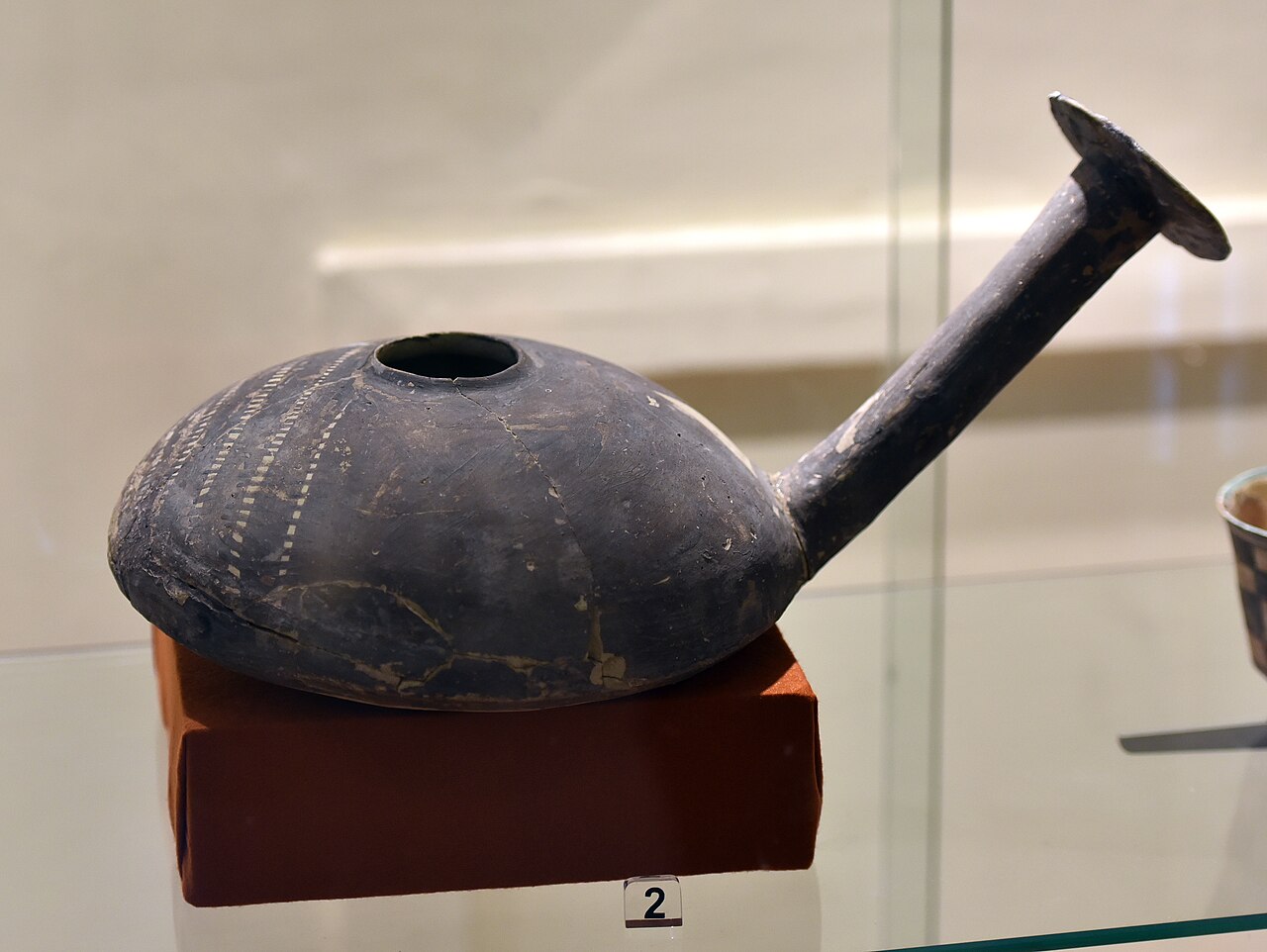
Because Eridu’s temple mound was rebuilt in place at least eighteen times, each layer sealing the one below it, the site has become one of the most important reference sequences for dating early Mesopotamian pottery styles. Archaeologists excavating the surrounding settlement mounds have used the changing styles of painted Ubaid pottery, moving from simple geometric designs in the earliest layers to more elaborate painted motifs in later ones, to build a chronological framework that is still used to date other Ubaid-period sites across the wider Gulf region where similar pottery has turned up in trade contexts far from Eridu itself.
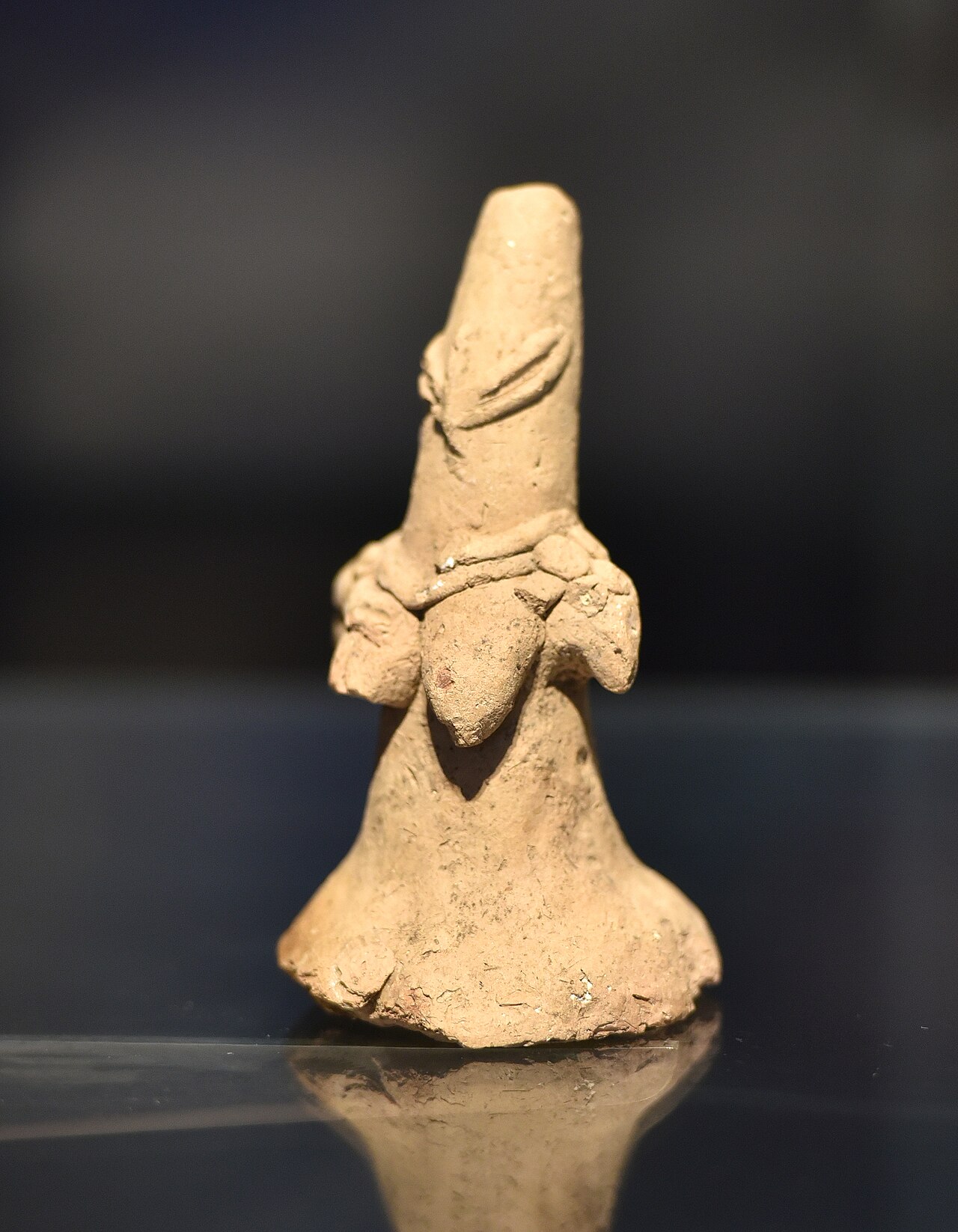
The cemetery excavated near the settlement further reveals how the community treated its dead, with burials typically extended on their backs and accompanied by modest grave goods including pottery vessels and occasionally clay figurines, offering a rare direct look at Ubaid-period mortuary practice from a period when no written records existed to describe belief systems in the community’s own words.
Digging Eridu in the shadow of the World Wars
Eridu was first identified and partially excavated by the British officer and antiquarian J. E. Taylor in the 1850s, working for the British Museum during a period when European institutions were racing to acquire Mesopotamian antiquities with methods that would be considered wildly destructive by modern archaeological standards. Serious scientific excavation did not begin until the late 1940s, when Iraqi archaeologists Fuad Safar and Seton Lloyd led a joint expedition that painstakingly cut through the full eighteen-layer sequence of temples, establishing the site’s importance far beyond what Taylor’s earlier, cruder digging had revealed.
Safar and Lloyd’s excavation remains a landmark in Iraqi archaeology specifically because it was led by an Iraqi antiquities service working in genuine partnership with foreign specialists rather than as a purely foreign-directed enterprise, a model of collaborative practice that was still unusual for Middle Eastern archaeology at the time and that later Iraqi archaeologists have pointed to as an early example of local leadership in excavating the country’s own deep past.
A World Heritage Site still waiting for full protection
Eridu was inscribed as part of the Ahwar of Southern Iraq UNESCO World Heritage designation in 2016, grouped together with the southern Iraqi marshlands and several other archaeological sites including Ur and Uruk under a single mixed cultural and ecological listing. This designation recognizes both the archaeological significance of the ancient cities and the unique wetland ecosystem that once surrounded them, an ecosystem that has itself been severely damaged by twentieth-century drainage projects and only partially restored in the years since 2003.
Despite the UNESCO listing, Eridu remains one of the less accessible and less visited of Iraq’s major archaeological sites, lacking the visitor infrastructure available at Ur, and conservation experts have repeatedly flagged the exposed mudbrick remains of the temple mound as vulnerable to erosion from wind and the occasional heavy rains that do still reach the region, an ongoing concern for a site whose entire scientific value rests on the careful preservation of eighteen stacked layers of building history.
Enki’s long afterlife in later Mesopotamian religion
Even after Eridu itself faded into a half-abandoned pilgrimage site, its patron god Enki, known later by the Akkadian name Ea, remained one of the most important deities in the entire Mesopotamian pantheon for another two thousand years. Ea was consistently portrayed as the friend of humanity among the gods, the deity who warned Ziusudra of the coming flood, who granted craftsmanship and magical knowledge to human civilization, and who was regularly invoked in healing rituals and protective incantations found on tablets from sites as far away as Nineveh and Babylon, cities that flourished long after Eridu’s own population had dwindled to almost nothing.
Temples to Ea appear in later Mesopotamian cities that had no direct geographic connection to Eridu at all, showing how a religious tradition born in one small marsh-edge settlement in the fifth millennium BCE could detach itself from its place of origin and continue shaping Mesopotamian belief for the entire span of cuneiform civilization, right up until the last cuneiform tablets were written in the first century CE, some three and a half thousand years after Eridu’s first small shrine was built.
Eridu next to the world’s other “first city” claims
Eridu is far from the only site that has attracted the label of the world’s first city, and comparing the claims side by side is instructive. Uruk, only a short distance away and rising to prominence slightly later, is credited by many archaeologists with the first true urban population density and the earliest writing system. Jericho, in the Jordan valley, claims a far earlier date for permanent settlement and defensive walls but never grew into anything resembling an urban center with the specialized economy Eridu and Uruk developed. Çatalhöyük in Anatolia was densely populated and remarkably early but organized as a large agglomeration of near-identical households rather than a hierarchical city with temples, palaces, and centralized administration.
What sets Eridu apart in this comparison is not necessarily size or population, which never rivaled Uruk’s, but continuity and self-conscious memory. Sumerian scribes themselves, writing more than a thousand years after Eridu’s founding, chose Eridu as the answer to the question of where kingship and civilization first began, making it not simply an archaeologically early site but the one that Mesopotamian civilization itself considered its own point of origin, a distinction no other candidate for “first city” can claim in quite the same way.
Nearby in Mesopotamia’s Ancient Story
Eridu’s story sits at the very root of the same Mesopotamian world already explored through its neighboring cities.
- Uruk and Sumer: The First Cities and the Birth of Writing
- Tell Brak: The Syrian Mound That May Rewrite Where Cities Began
Closing thoughts
Eighteen temples, one on top of the other, on the same patch of marshy ground: if any single site earns the right to call itself the place where urban religion began, Eridu has a strong claim on it.
You May Like

Mafra, the Palace a King Built From a Vow