When we tell the story of the world’s first cities, we almost always start in southern Mesopotamia, down where the Tigris and Euphrates near the Persian Gulf, in the land of Uruk and Sumer. That is where writing was born and where, the textbooks say, humanity first crowded together into true cities. But there is a mound in the dusty plains of northeastern Syria that quietly complicates this neat picture. Its name is Tell Brak, and the evidence coming out of it suggests that cities may have been growing up in the north just as early as in the south, if not earlier. It is one of the most important, and most underappreciated, archaeological sites in the world.
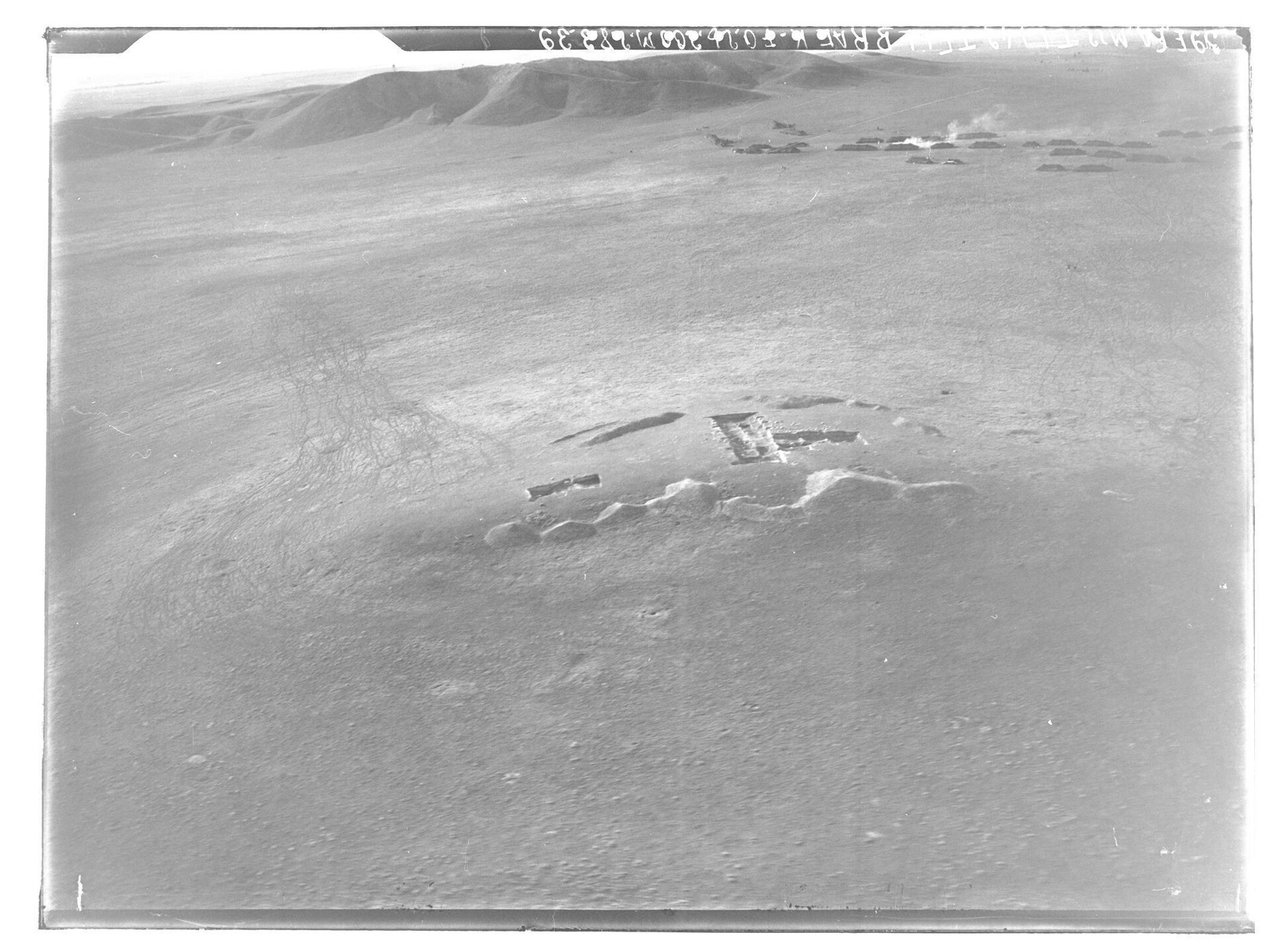
I love Tell Brak precisely because it forces us to rethink a story we thought we had figured out. The idea that urban life spread outward from a single southern cradle is tidy and memorable, but it may simply be wrong. Tell Brak hints that the great human experiment of city-building happened in more than one place at once, that it was less a single invention and more an idea whose time had come across a whole region. And it left behind some of the strangest, most haunting artifacts of the ancient world: thousands of little figures with enormous staring eyes.
Where is Tell Brak?
Tell Brak sits in the Khabur river region of northeastern Syria, part of the broad, fertile arc of land often called Upper Mesopotamia. This is the northern reach of the same world that gave us Sumer and Babylon, but with an important difference: up here, there is enough rainfall to grow crops without the elaborate irrigation that the arid south depended on. That simple fact, reliable rain, turns out to be crucial, because it means large populations could gather in the north without first having to master large-scale canal building.
The site lies near important ancient routes connecting Mesopotamia with Anatolia to the north and the Mediterranean to the west. Like so many great early settlements, Tell Brak was a place of connection, sitting where trade, resources, and people flowed between regions. Metals, timber, and stone from the highlands passed this way toward the resource-poor southern plains, and Tell Brak was perfectly placed to grow rich as a hub in that exchange.
Reading a tell
The word “tell” itself tells you something about how these sites work. A tell is an artificial mound built up over thousands of years as people lived, built with mudbrick, watched their buildings crumble, leveled the rubble, and built again on top. Layer upon layer, generation upon generation, the settlement slowly rises above the surrounding plain until it becomes a hill made entirely of the accumulated debris of human life. Tell Brak is one of the largest such mounds in the region, a testament to just how long and how intensively people lived here.
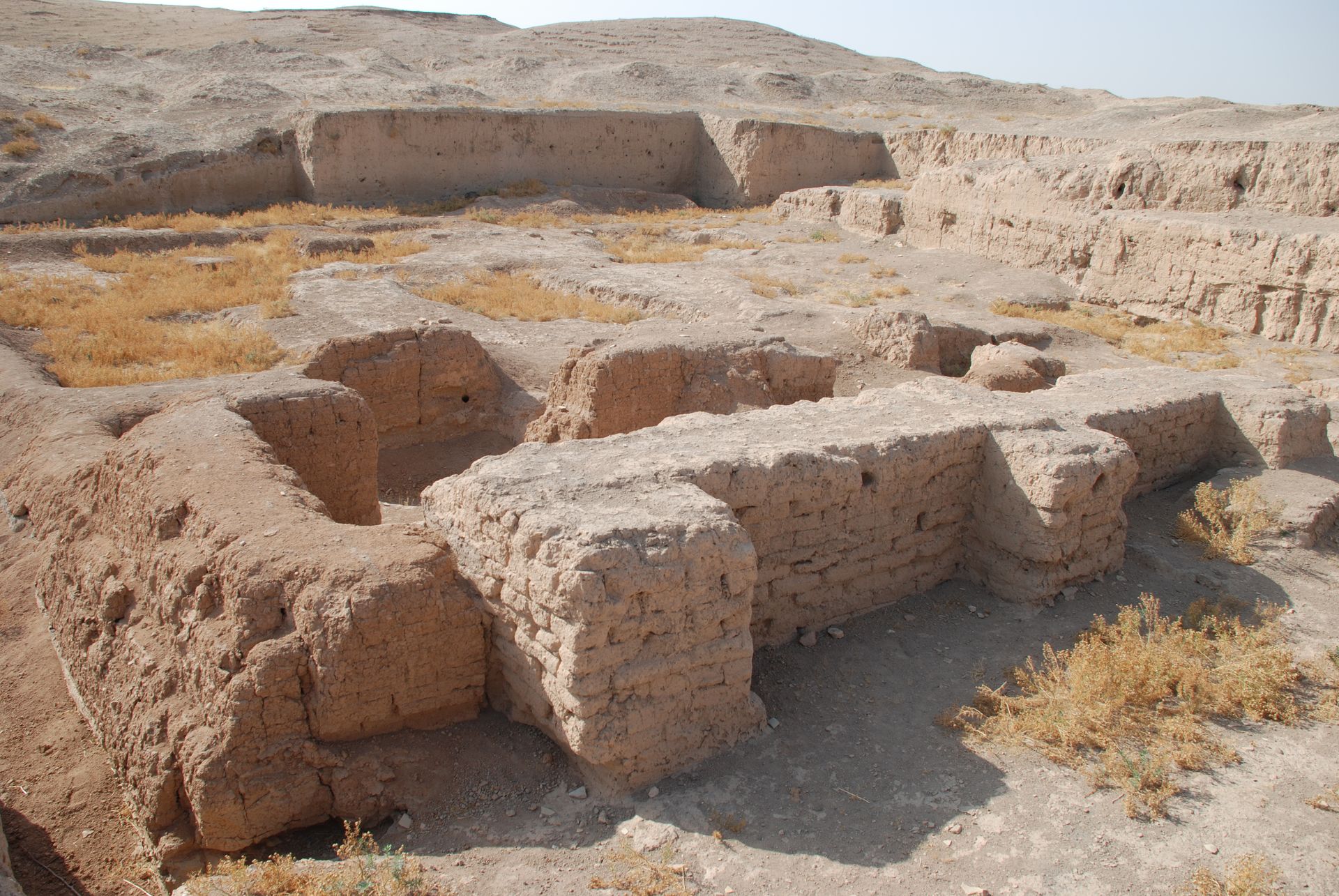
Excavations at Tell Brak have a long and distinguished history, beginning with the pioneering British archaeologist Max Mallowan in the 1930s, whose wife, the novelist Agatha Christie, famously joined him in the field. Later work, especially the campaigns led by researchers from the 1970s onward, revealed the true scale and antiquity of the place. Each season of digging peeled back more layers, and the deeper the archaeologists went, the more they realized they were dealing with something extraordinary: a settlement that had grown to city size at a startlingly early date.
Just how old and how big?
The occupation at Tell Brak stretches back a very long way, with the mound growing through the sixth, fifth, and fourth millennia BCE and continuing to be important well into the Bronze Age. But the truly headline-grabbing discovery concerns its size in the fourth millennium BCE. Detailed surveys of the site and its surroundings showed that, by around 3500 BCE, Tell Brak and its immediate outlying settlements sprawled across a very large area, on a scale comparable to the great southern city of Uruk at a similar date.
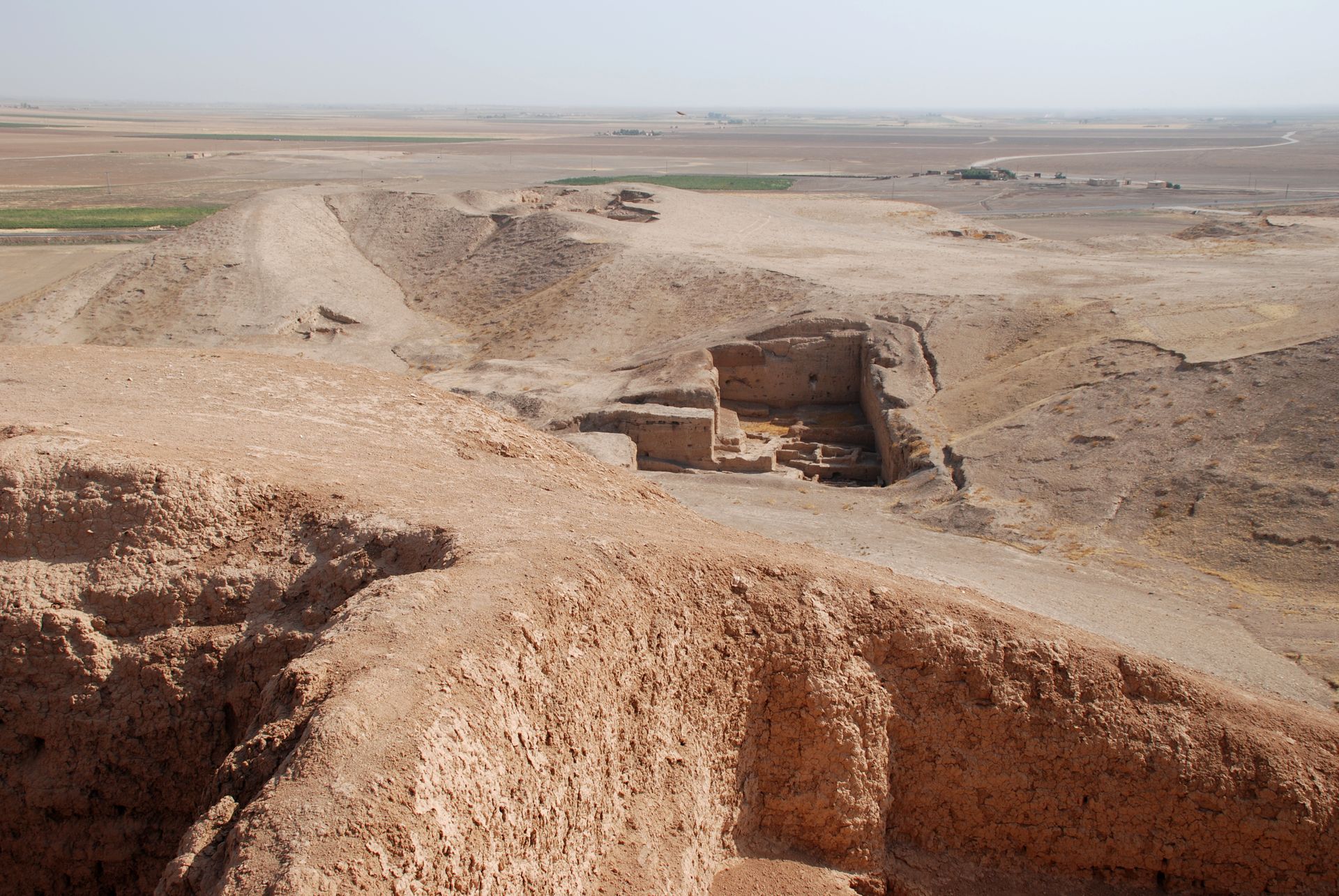
That is a genuinely big deal. For a long time, Uruk in the south was held up as the world’s first city, the place where urbanism was invented. Tell Brak’s size at the same early period suggests that the north was not simply copying the south but developing its own cities in parallel. In other words, the birth of the city may have been a shared achievement of Mesopotamia as a whole, north and south together, rather than a single spark that spread from one location.
Rethinking where cities began
The traditional story goes like this: in the harsh but fertile south, the need to irrigate the land forced people to cooperate on a large scale, and out of that cooperation grew the first cities, ruled by powerful temples and, later, kings. It is a compelling narrative, and it has dominated our understanding of early urbanism for generations. Tell Brak asks us to widen the frame.
What is fascinating about Tell Brak is that it seems to have grown into a city in a different way. Some researchers argue that instead of expanding outward from a single powerful center, the settlement may have grown by the coming together of many separate communities around a shared space, a kind of urbanism assembled from the edges inward rather than dictated from a central authority. If that reading is right, it means there was more than one recipe for building a city, more than one path that different human societies could take toward crowding together into something new.
This matters far beyond the dusty plains of Syria. It speaks to one of the deepest questions in all of human history: how and why did we start living in cities at all? Tell Brak suggests the answer is richer and more varied than we assumed. Urbanism was not a single trick that one clever society figured out and everyone else imitated. It was an idea that welled up in different forms, in different places, driven by the same basic human impulse to gather, trade, worship, and build together.
The mysterious eye idols
Now for the artifacts that make Tell Brak unforgettable. Excavators here uncovered thousands of small figures carved from stone, flat and simple, dominated by one striking feature: a pair of enormous, wide-open eyes. These are the famous “eye idols” of Tell Brak, and once you have seen them you never quite forget them. They stare out at you across five thousand years with an intensity that is genuinely arresting.
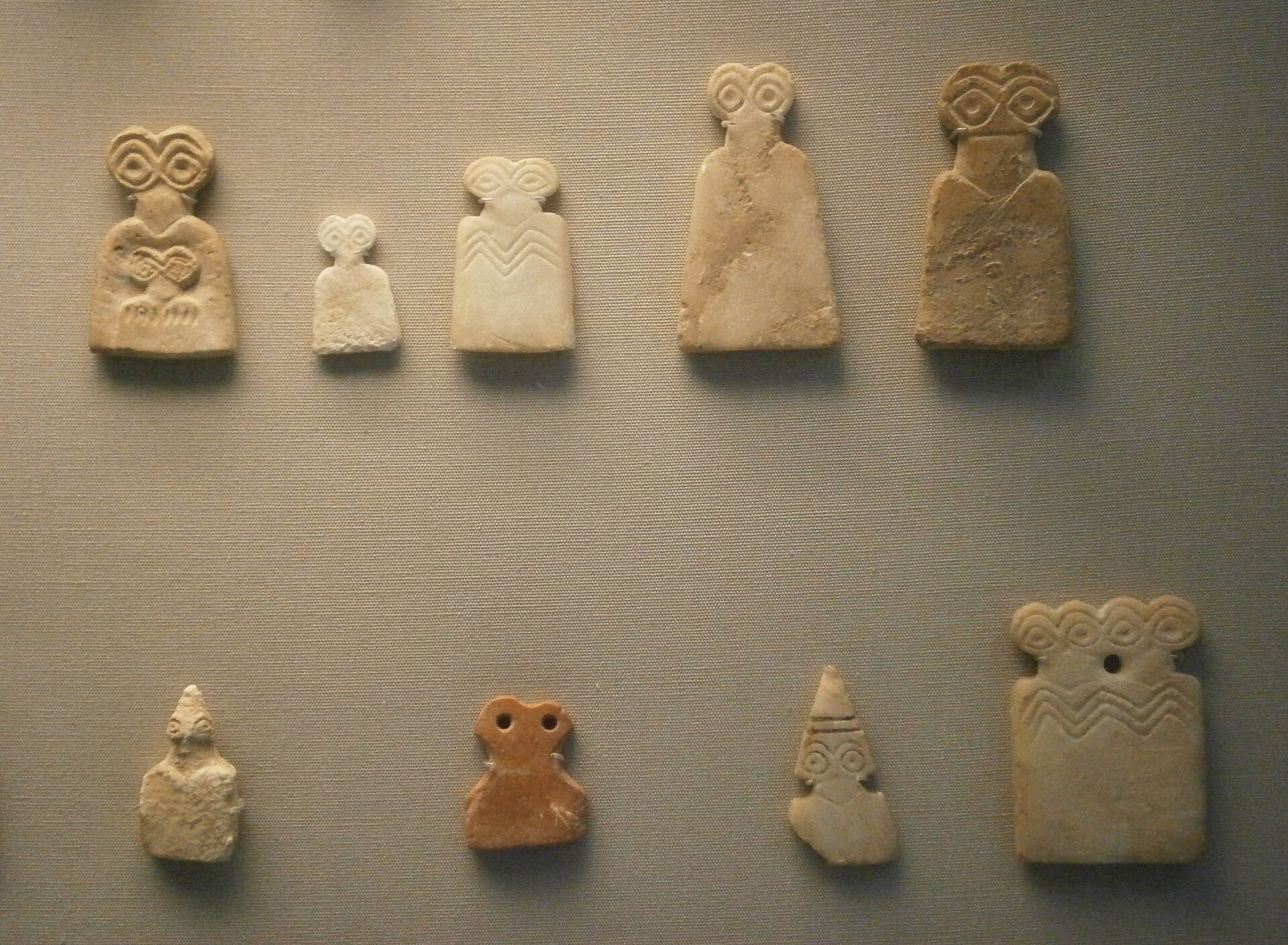
What were they for? The honest answer is that we are not entirely sure, and that mystery is part of their appeal. The most common interpretation is that they were votive offerings, objects left at a temple as a way of placing oneself, symbolically, in the perpetual gaze and presence of a deity. The eyes, in this reading, represent the worshipper attentively watching the god, or perhaps the ever-watchful god watching over the worshipper. Some are single figures; others show pairs or even little “families” with smaller eyes nestled against larger ones.
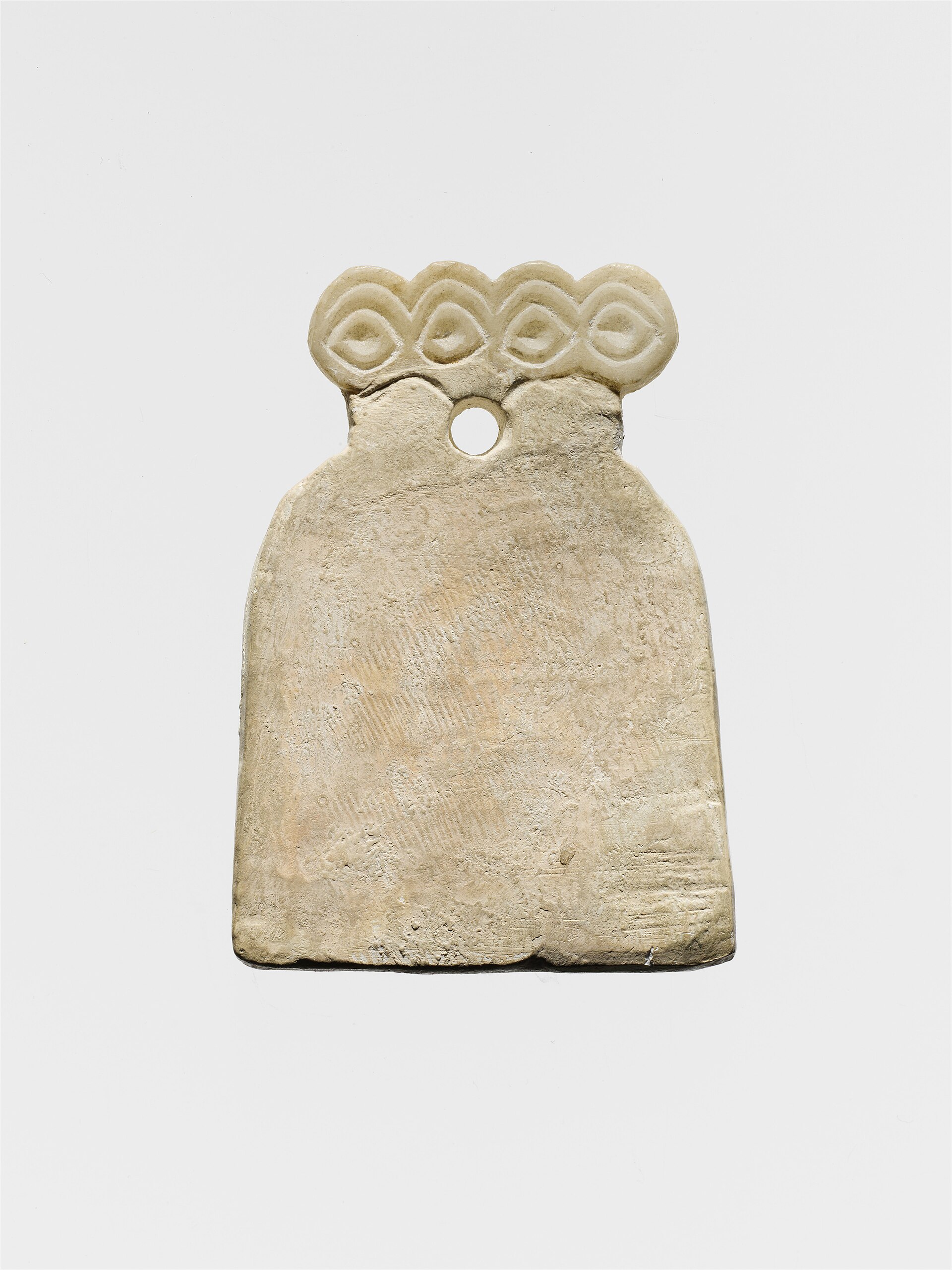
Whatever their exact meaning, the eye idols speak of a rich and specific spiritual life. Someone, or many someones, sat and carved these figures by the thousand, investing them with meaning, and carried them to a sacred place. They are among the most evocative religious artifacts of the ancient Near East, and they are pure Tell Brak, a signature of this particular place and its particular way of reaching toward the divine.
The Eye Temple
The eye idols get their name from the building where so many of them were found: the so-called Eye Temple. This was a monumental structure dating to around the mid-fourth millennium BCE, decorated with colored stone and clay cones set into the walls in patterns, a technique also known from the south. It was a place of real grandeur, and the profusion of eye idols within and around it confirms that it was a major religious focus for the community.
The Eye Temple is important because monumental religious architecture is one of the clearest signs of a complex, organized society. Building and maintaining a temple like this required planning, labor, resources, and a shared belief system powerful enough to justify the effort. That the people of Tell Brak could raise such a structure so early is yet more evidence that this was a genuinely urban, sophisticated community, not some provincial backwater.
I find it moving to imagine the temple in its heyday: its decorated walls catching the light, worshippers streaming toward it with their little eye figures in hand, the whole community bound together by shared devotion. Religion, here as at so many early sites, was a powerful glue holding the growing city together, giving people a common center around which to organize their lives.
Crafts, seals and trade
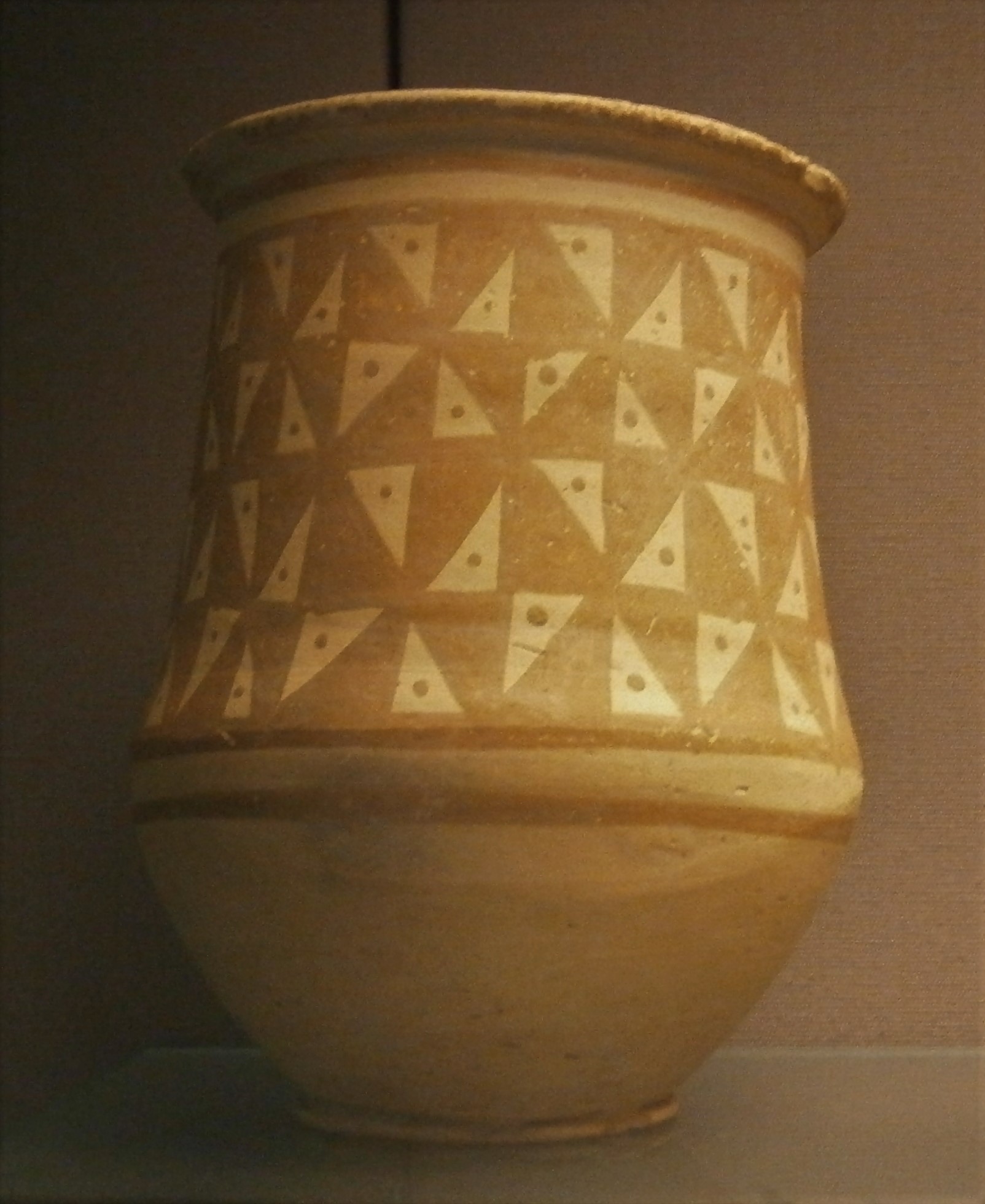
Tell Brak was a hive of craft and commerce. The site has yielded beautiful painted pottery, including the distinctive Khabur ware of later periods, along with objects in stone, metal, and other materials that show a community of skilled makers. These were not just subsistence farmers; they were potters, carvers, metalworkers, and traders operating within a complex economy.
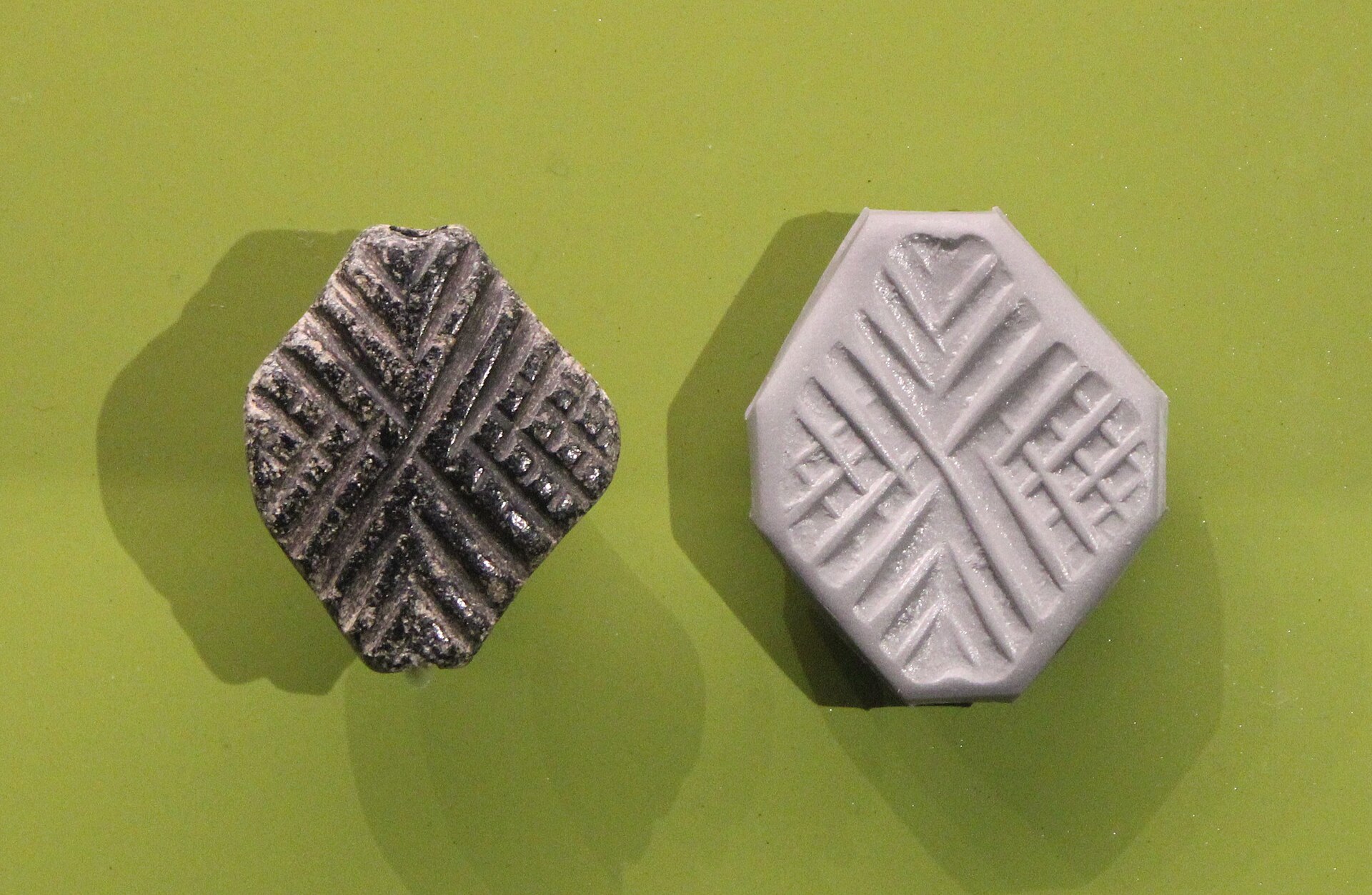
Among the most telling finds are seals, both stamp seals and, later, cylinder seals, used to mark ownership and to seal containers and doors. Seals are a quiet but powerful indicator of administrative complexity. They imply property, accounting, and the need to control the movement of goods, all the bureaucratic machinery of an organized society. The presence of so many seals at Tell Brak shows a community that was managing surpluses, tracking transactions, and administering its affairs with real sophistication.
All of this activity was fueled by trade. Tell Brak imported raw materials from far afield and worked them into finished goods, plugging the northern plains into networks that reached across Mesopotamia and beyond. The wealth generated by this exchange helped underwrite the temples, the crafts, and the whole apparatus of urban life. In this respect Tell Brak fits a pattern we see again and again in the ancient world: cities grew where trade routes crossed, and trade, in turn, made cities possible.
Nagar, Akkad and the wider world
By the third millennium BCE, Tell Brak had become a major regional power, and it is widely identified with the ancient city of Nagar, known from written records of the period. Nagar was an important center in the political landscape of Upper Mesopotamia, and its name appears in the archives of other cities, showing that Tell Brak was firmly plugged into the diplomatic and economic web of its age.
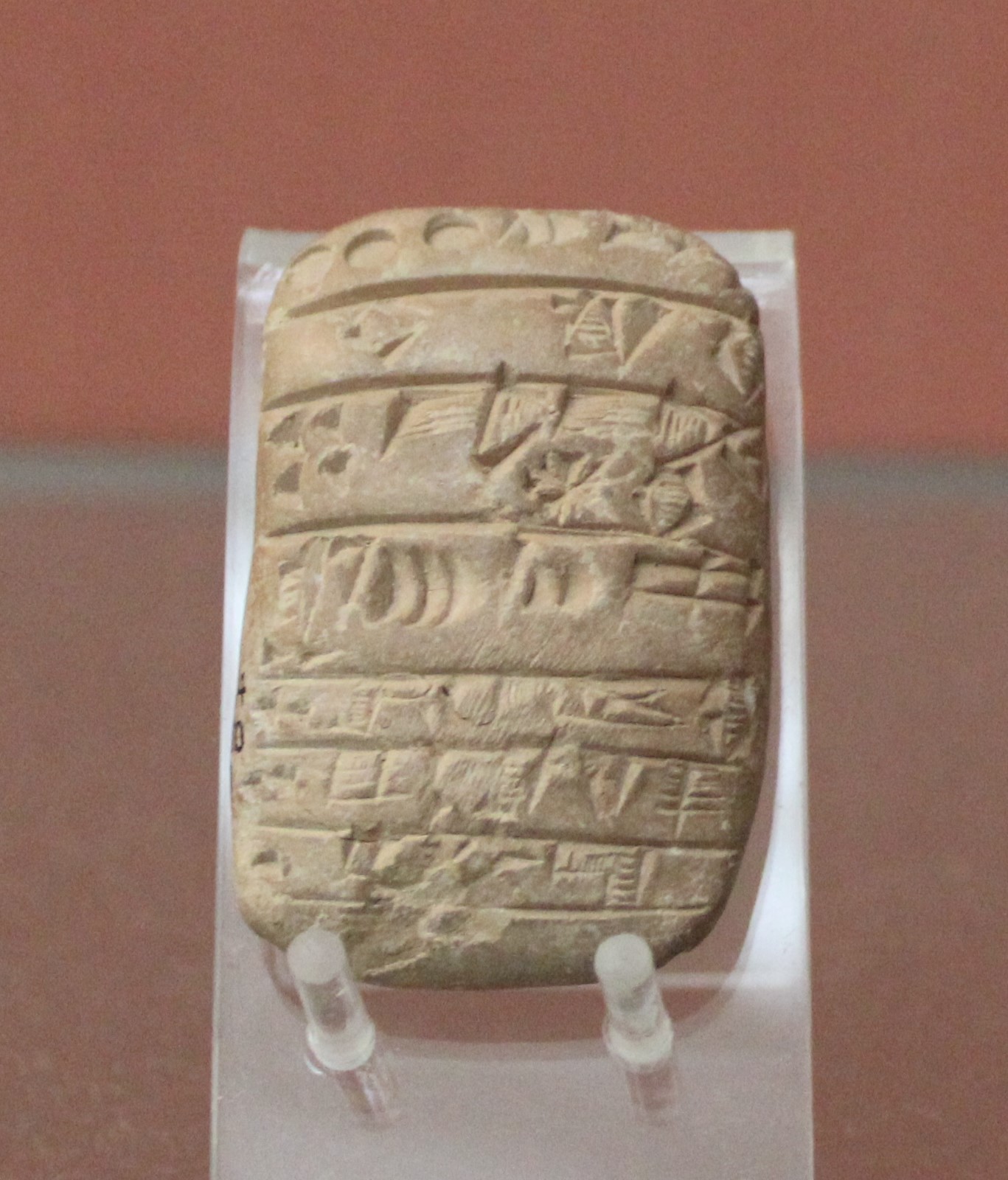
Later in the third millennium, the region fell under the sway of the Akkadian Empire, the first great empire in history, forged by Sargon of Akkad and expanded by his successors. At Tell Brak, the Akkadians built a massive administrative structure, sometimes linked to the ruler Naram-Sin, a powerful statement of imperial control planted on the northern plains. Cuneiform tablets and other finds from this period show the city functioning as part of a sprawling imperial system, its local life woven into the grand politics of Mesopotamia.
This imperial chapter reminds us that Tell Brak was not an isolated curiosity but a full participant in the great sweep of Near Eastern history. From its early rise as one of the first cities, through its heyday as Nagar, to its incorporation into the Akkadian Empire, the site was continuously entangled with the largest developments of its world. Few places let you trace so much of the region’s story from a single mound.
Dark hints of early violence
Not everything about early urban life was temples and trade. One of the more sobering discoveries at Tell Brak came in the form of mass graves dating to the period when the city was growing rapidly. These deposits contained the remains of many individuals, apparently buried together after some episode of violence or crisis, then marked with feasting.
Discoveries like this add a shadow to the story of early cities. Crowding large numbers of people together created not just opportunities but tensions: competition for resources, struggles for power, and the possibility of conflict on a scale that small villages never had to face. The growth of cities may have brought new forms of cooperation, but it seems it also brought new forms of violence. Tell Brak, in its very stones and bones, records both sides of that bargain.
I think it is important not to romanticize the ancient past, and finds like these keep us honest. The birth of the city was one of humanity’s great achievements, but it was not a simple tale of progress. It was messy, sometimes brutal, and full of the same human capacity for both cooperation and cruelty that we still wrestle with today. Tell Brak shows us the whole picture, light and dark together.
The long decline
Like every great settlement, Tell Brak eventually faded. After its Bronze Age heyday, the site saw periods of contraction and reduced importance, though it was never entirely forgotten and continued to be occupied at various levels for a very long time. The reasons for its decline are the familiar mix that undoes so many ancient cities: shifting climate and the droughts that periodically struck the region, changing trade routes, and the endless rise and fall of the empires that dominated the area.
The famous “4.2 kiloyear” climate event, a period of severe drought around 2200 BCE, is often linked to the collapse of the Akkadian Empire and to hardship across Upper Mesopotamia, and Tell Brak felt these pressures along with everyone else. Yet the sheer height of the mound is testament to how long people kept returning to this spot, drawn back again and again by its fertile plains and useful location, even as its days as a great city receded into memory.
Why Tell Brak matters
So why should Tell Brak, a name few people outside archaeology would recognize, matter so much? Because it rewrites one of the most fundamental stories we tell about ourselves: the story of how we became city-dwellers. For generations we assumed cities were born in one place and spread from there. Tell Brak makes a powerful case that the north of Mesopotamia was building cities just as early, and perhaps in a different way, than the celebrated south.
It also gives us one of the richest windows onto early urban life anywhere: monumental temples, thousands of haunting eye idols, seals and tablets documenting a complex economy, evidence of trade reaching across regions, and even the darker traces of violence that came with crowding people together. Few sites pack so much of the human story into a single mound. And its identification with ancient Nagar, and its later role under the Akkadian Empire, tie it directly into the grand narrative of Near Eastern history.
When I picture Tell Brak now, I see the great mound rising from the plain, its Eye Temple bright with colored stone, worshippers carrying their staring little figures, seals pressing into clay, caravans arriving from the highlands, and beneath it all the accumulated weight of five thousand years of human life. For a place that so few people have heard of, it may hold one of the biggest secrets of all: that the city, that defining human invention, was not born once, but many times, wherever people found the will to build a world together.
Agatha Christie and the romance of the dig
One of the more delightful footnotes to Tell Brak’s story is its connection to Agatha Christie, the best-selling novelist. Her second husband was the archaeologist Max Mallowan, who dug here in the 1930s, and Christie spent long seasons in the field with him across the Near East. She helped clean and record finds, photographed artifacts, and soaked up the atmosphere of expedition life, later drawing on it for novels and for a warm memoir of her years in Syria and Iraq.
There is something charming about picturing one of the world’s most famous storytellers sitting in the dust of Tell Brak, gently brushing the soil off an eye idol that had been buried for five thousand years. It is a reminder that archaeology is a deeply human endeavor, carried out by real people with their own quirks and passions, and that the great sites of the past were often uncovered by teams whose lives were every bit as interesting as the ruins they studied.
That early work laid the foundation for everything that came after. Mallowan’s excavations put Tell Brak on the map and revealed the Eye Temple with its extraordinary hoard of figures. Later archaeologists, armed with new techniques and new questions, would go on to uncover the site’s true antiquity and scale, but they were building on those first careful seasons in the 1930s, when a novelist and an archaeologist camped on a Syrian mound and began to coax its secrets into the light.
Tell Brak in a troubled land
It is impossible to write about Tell Brak today without acknowledging the difficult recent history of the region around it. Northeastern Syria has endured years of conflict and instability, and the wider country has seen immense suffering and the tragic damage or loss of many cultural treasures. Archaeological sites are always vulnerable in times of war, exposed to looting, neglect, and destruction, and the heritage of this ancient land has been placed under enormous strain.
That vulnerability lends a particular urgency to appreciating and protecting places like Tell Brak. These sites are not just local treasures; they belong to all of humanity, holding chapters of our shared story that exist nowhere else. When a mound like this is damaged or looted, knowledge is lost that can never be recovered, and a piece of everyone’s heritage vanishes with it.
My hope, and the hope of everyone who cares about the past, is that sites like Tell Brak survive these hard times and that future generations of archaeologists will one day return to continue the work. There is surely much more waiting in that great mound, more eye idols, more tablets, more clues to the birth of the city. The story of Tell Brak is far from fully told, and it deserves to be finished in a time of peace.
What daily life might have felt like
It is worth pausing to imagine what it might actually have been like to live in early Tell Brak. Picture a bustling settlement of mudbrick houses packed close together, narrow lanes winding between them, the air thick with the smells of baking bread, animal pens, and pottery kilns. People would have risen with the sun to tend fields of wheat and barley on the surrounding plain, watered by the northern rains, while others worked at their crafts in the town, shaping clay, carving stone, or hammering metal.
At the heart of it all stood the temple, its decorated walls a focus for the whole community. On special days, people would have carried offerings there, including perhaps one of those little eye figures, and taken part in the rituals that bound them together. Markets and workshops would have hummed with the exchange of local produce and exotic goods brought by traders from distant regions, turquoise and other stones, metals from the highlands, all the raw materials of a connected world.
And, as the mass graves remind us, this crowded life had its darker side too, its rivalries and dangers, its moments of crisis and conflict. Living cheek by jowl with thousands of strangers was a new experience for human beings, exhilarating and difficult in equal measure. In all of this, the people of Tell Brak were pioneers, among the first anywhere to work out how to live together at the scale of a city. We are, in a very real sense, still living with the consequences of the experiment they helped begin.
What Tell Brak teaches us about ourselves
Step back from the details and Tell Brak offers a few lessons that feel surprisingly relevant today. The first is humility about how much we still have to learn. For decades the story of the first cities seemed settled, and then careful work at one Syrian mound reopened the whole question. The past is not a fixed thing we have finished discovering; it is a living field that keeps surprising us, and every confident narrative should be held a little loosely.
The second lesson is about diversity. Tell Brak suggests there was no single blueprint for the city, no one correct way for humans to come together at scale. Different societies found different routes to urban life, shaped by their own environments, resources, and cultures. That plurality is worth celebrating. It means the human story is richer and more varied than any single tidy account can capture, full of parallel experiments and independent inventions.
And the third lesson is simply awe. Standing before those eye idols, or gazing at the great mound rising from the plain, it is hard not to feel a deep connection to the people who lived here so long ago. They worshipped, traded, quarreled, created, and dreamed, just as we do, and they took some of the very first steps toward the crowded, connected, complicated world we now inhabit. Tell Brak is a bridge across five thousand years, and to cross it, even in imagination, is to feel the long, unbroken thread of our shared humanity.
There is a temptation, when a place lacks the instant grandeur of the pyramids or the Parthenon, to overlook it. Tell Brak is a standing rebuke to that instinct. Its treasures are quieter, an eye idol here, a sealed tablet there, a survey map showing an unexpectedly large footprint, but stitched together they overturn textbook certainties and hand us a bigger, more generous vision of the human past. Sometimes the most revolutionary discoveries come not from the most spectacular ruins but from the patient reading of a humble mound.
If Tell Brak has you wondering where else the human story took these dramatic turns, there is a whole series of ancient places waiting for you. The obvious next stop is Uruk and Sumer, the southern rival where writing was born, but you could just as easily explore the other Mesopotamian threads through the Indus at Mohenjo-daro and Dholavira, or trace farming itself back to Mehrgarh and Çatalhöyük. For the very oldest temples, wander to Göbekli Tepe and Karahan Tepe, or step inside the walls of Jericho. The urge to build monuments echoes across the world at Stonehenge, Newgrange, the temples of Malta, and the tidy village of Skara Brae. Further afield lie Liangzhu and Sarazm, the desert city of Caral, the palace of Knossos, the painted caves of Lascaux and Chauvet, the reef city of Nan Madol, the temple of Chavín de Huántar, the sprawling towns of Cucuteni-Trypillia, the carved warriors of Cerro Sechín, and the earthworks of Poverty Point. Every one of them adds another piece to the puzzle of how we first came together to build a world. The story of the first villages leads straight to Aşıklı Höyük, where people entered their homes through the roof. The deep roots of music lead straight to Jiahu, where crane-bone flutes still make melodies after nine thousand years. The deep roots of astronomy lead straight to Chankillo, where a row of desert towers still tracks the sun. If early farming towns fascinate you, don’t miss Kalibangan, where a five-thousand-year-old field still shows its furrows. Don’t miss the Cairn of Barnenez, one of Europe’s oldest and largest stone monuments. Don’t miss Vinča, whose nine-metre mound holds a thousand years of European prehistory. Don’t miss Gavrinis, the 6,000-year-old carved passage tomb on a drowned Breton island. Don’t miss Los Millares, the 5,000-year-old Copper Age stronghold of Almería. It pairs beautifully with the story of Bougon, where farming communities built stone tombs nearly seven thousand years ago. The same ancient impulse echoes at the Almendres Cromlech, one of the oldest megalithic monuments in all of Europe. The same ancient ambition rises at the Ġgantija temples, raised on Gozo around 3600 BC. The same deep past unfolds at Knowth, a great Boyne Valley tomb with two passages and a ring of smaller mounds. The same ancient devotion shines at the Tarxien temples, home to a colossal statue and remarkable carvings. The same ancient sky-watching shines at Mnajdra, whose stones catch the sun at the turning points of the year. For another chapter in the same deep past, visit Ħaġar Qim, Malta’s great cliff-top temple. For another chapter in the same ancient story, visit Dowth, the overlooked third mound of the Boyne. For another chapter in the same deep past, wander the endless rows of Carnac in western France. For another chapter in the same deep past, visit Callanish, Scotland’s great circle at the edge of the sea. For another face of prehistory, visit Filitosa, where ancient stone figures still watch over the hills. For another face of the ancient world, visit Ale’s Stones, Scandinavia’s great ship traced in standing boulders.
You May Like
The Bardo, a Palace of the Beys Filled With Roman Mosaics


3 thoughts on “Tell Brak: The Syrian Mound That May Rewrite Where Cities Began”