On a wooded hill in the Dedinje district of Belgrade, screened from the city by parkland and tall trees, stands a group of palaces that together form the historic seat of Serbia’s royal family. The Royal Compound is a place of quiet grandeur, where two great palaces, a chapel, and their gardens create a world apart from the bustle of the capital below. It is one of the most fascinating royal sites in southeastern Europe.
Unlike many royal residences with roots deep in the medieval past, the Royal Compound is a creation of the twentieth century, built by a modern dynasty seeking to establish its permanence and prestige. Its two principal palaces reflect very different tastes and eras, one drawing on the Byzantine and Serbian traditions, the other on the elegant classicism of the English country house, and together they tell the story of a royal family and its country.
The compound has also been at the centre of the dramatic history of the region, from the golden age of the monarchy through war and revolution to the era of communist rule and beyond. Its rooms have hosted kings and dictators, dignitaries and artists, and its walls hold a remarkable collection of art gathered by the royal family. Few places capture so much of a nation’s modern history in one setting.
In this guide you will explore the Royal Compound from its origins under the dynasty that built it, through its two contrasting palaces, its chapel, its art collection, and its gardens, and its extraordinary journey through the turbulent twentieth century. By the end you will understand why this hillside estate in Belgrade holds such a special place in the story of Serbia.
In This Article
- A New Dynasty’s Home on the Hill
- The Kings Who Built It
- The Royal Palace and Its Byzantine Spirit
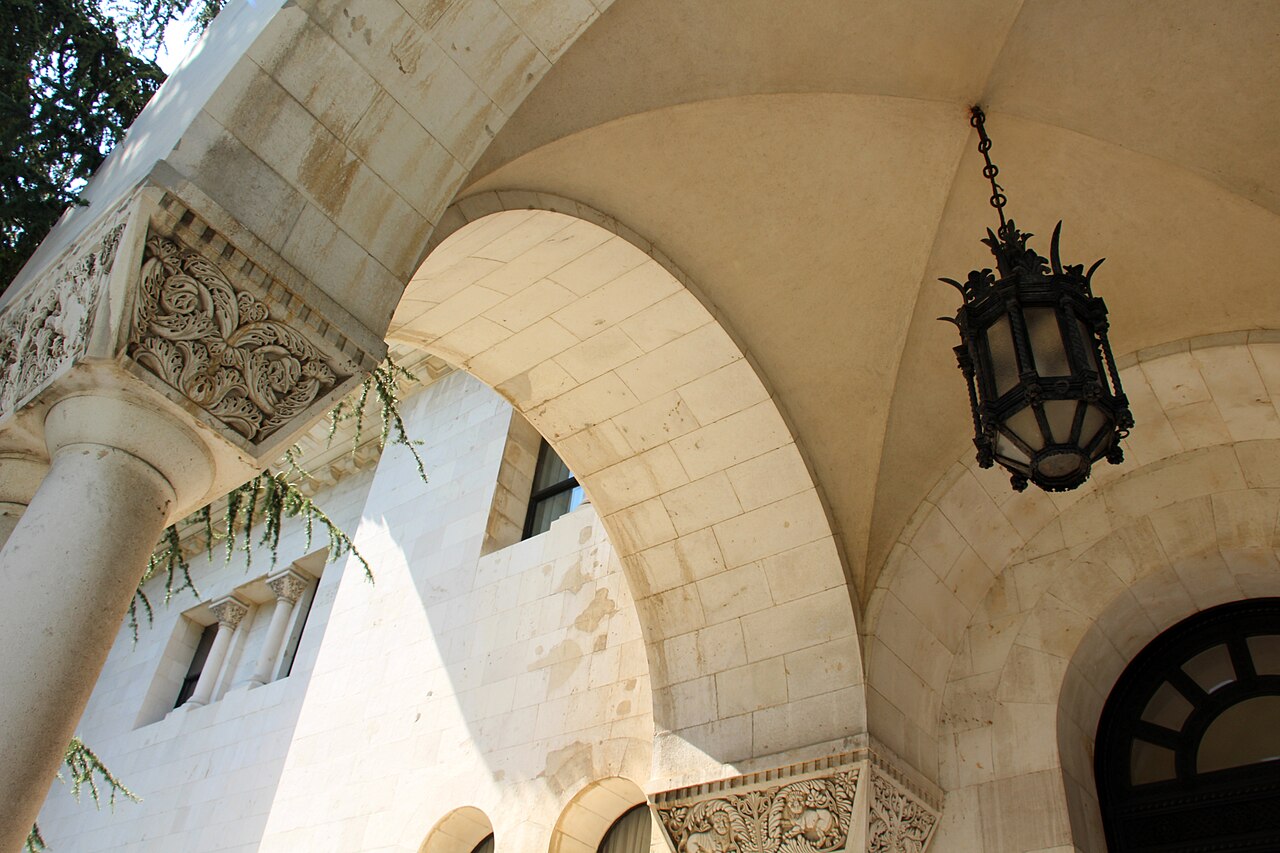
- The White Palace in the English Manner
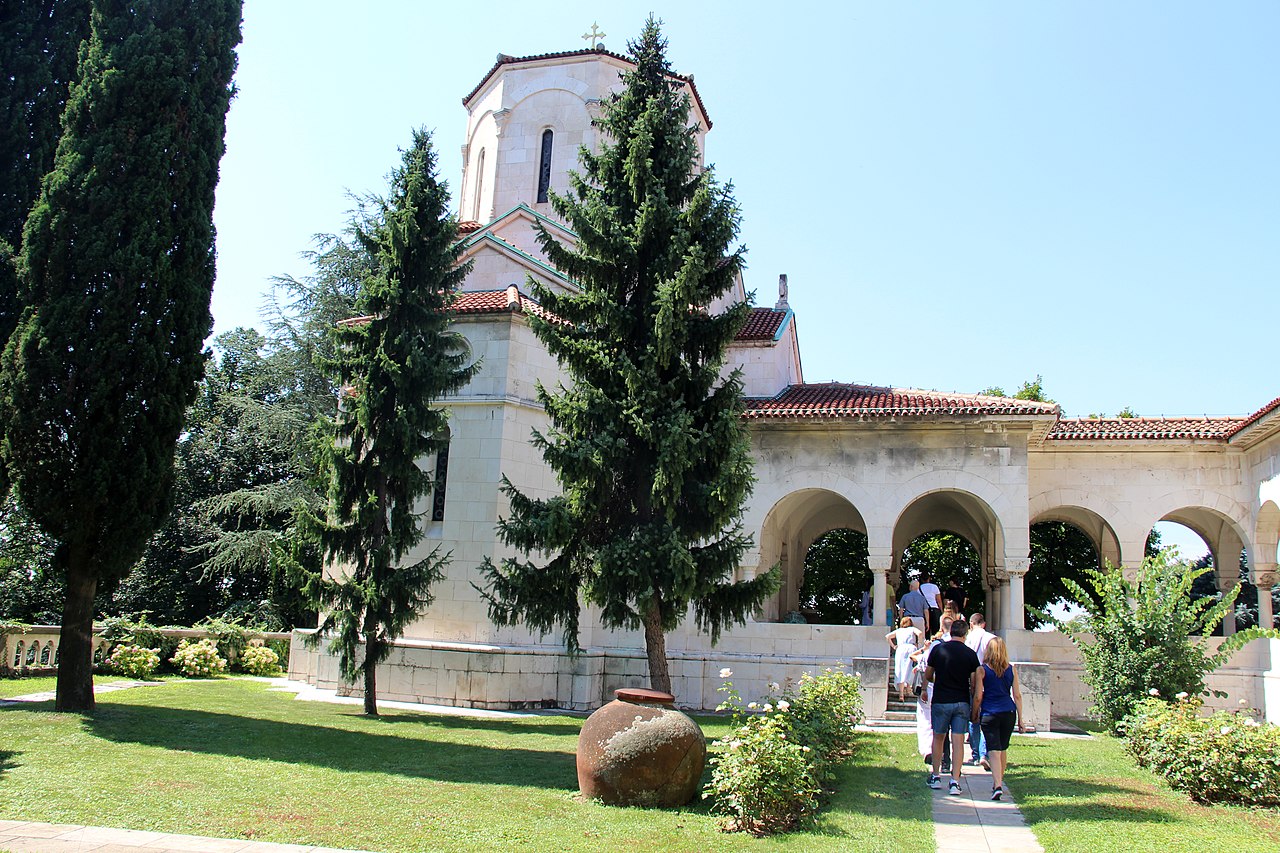
- The Chapel of Saint Andrew
- Splendour Within the Palaces
- A Remarkable Art Collection
- The Grounds at Dedinje
- The Palace in the Age of Tito
- The Dynasty’s Return
- A Symbol of Serbian History
- Planning a Visit to the Compound
- See the Royal Compound for Yourself
A New Dynasty’s Home on the Hill
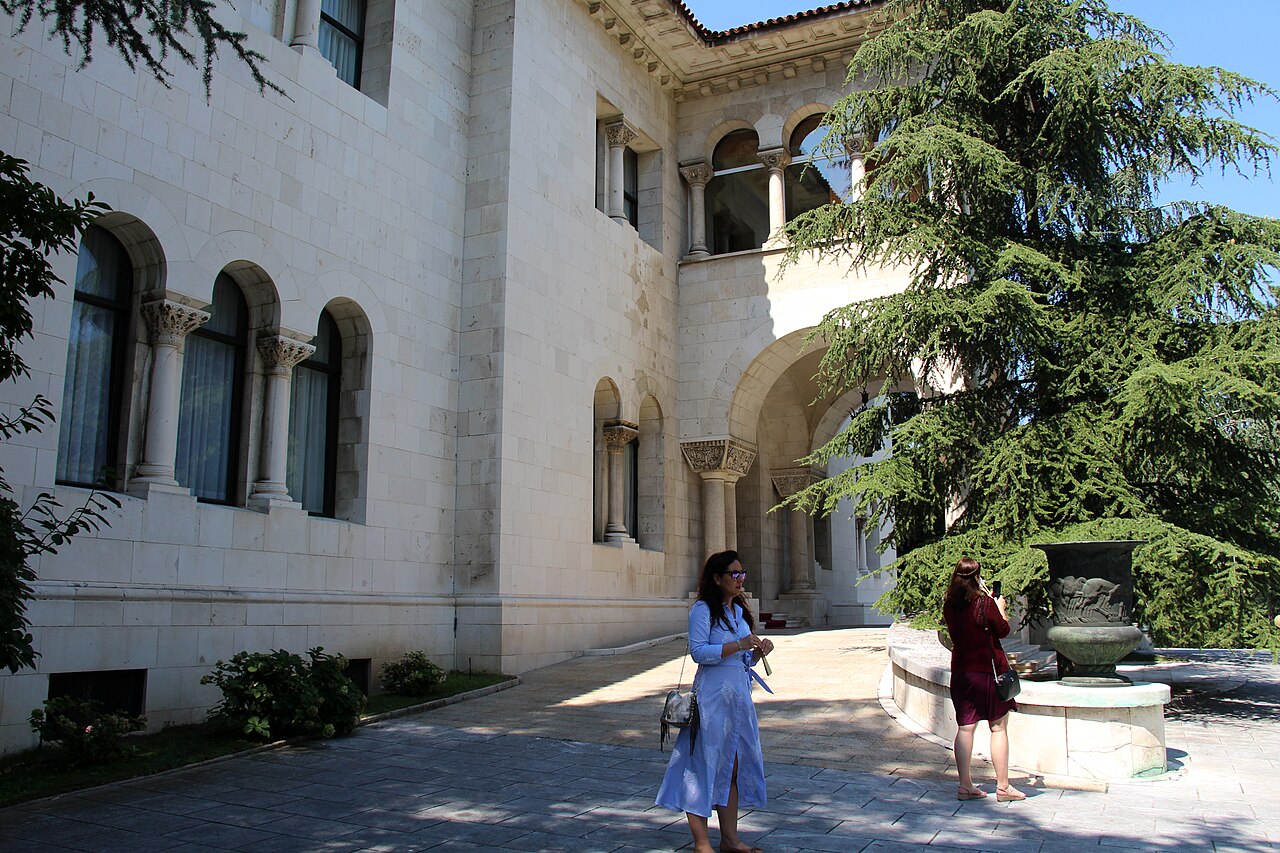
The Royal Compound owes its existence to the ambitions of a modern royal dynasty seeking a fitting home. In the years after the First World War, a new and enlarged South Slav state had come into being under a Serbian royal house, and the king wished to build a residence worthy of his expanded realm and his dynasty’s prestige. He chose the green heights of Dedinje, on the edge of Belgrade, as the site.
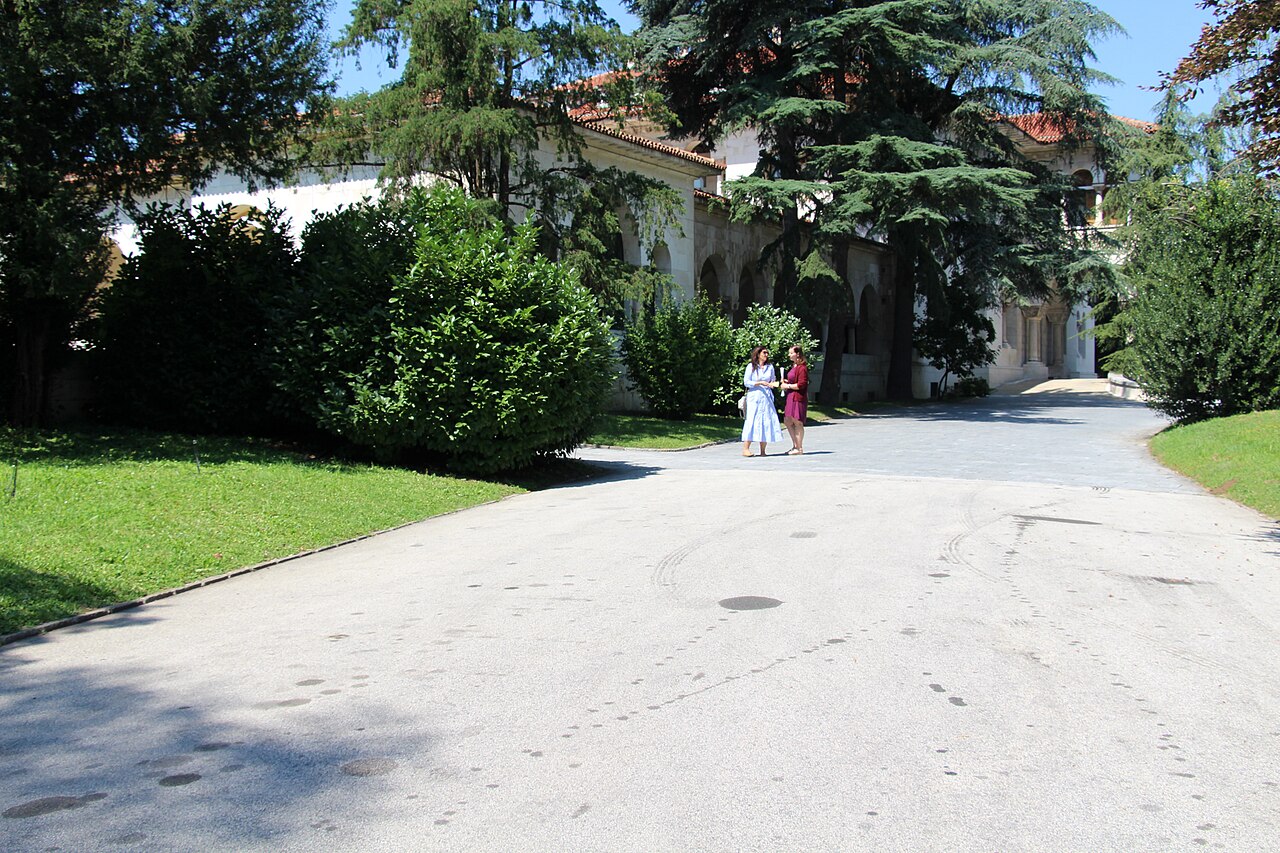
The location offered many advantages. Set apart from the crowded city yet close to the centre of power, the wooded hill provided space, privacy, and beauty, an ideal setting for a royal estate. Here the king could create a residence that combined the seclusion of a country retreat with proximity to the capital, a private world for the royal family amid parkland and gardens.
The king took a close personal interest in the project, funding much of it himself and involving himself in the design and construction. This was to be more than an official residence; it was to be the true home of the dynasty, a place that expressed its identity and its permanence. The care lavished on the estate reflected the importance the king attached to it.
From these beginnings grew the compound as it exists today, developed over the following years with the addition of a second great palace and other buildings. What began as one king’s vision became the enduring seat of the royal family, a hillside estate that would witness the triumphs and tragedies of the dynasty and the nation through the turbulent decades to come.
The decision to build on Dedinje also reflected a wider modernisation of Belgrade in the interwar years, as the capital of the new state grew and acquired the institutions and residences befitting its enlarged role. The Royal Compound was part of this transformation, a statement that the monarchy and its capital had arrived on the European stage, and its hillside setting gave the dynasty a dignified seat above the growing city.
The Kings Who Built It
The Royal Compound is inseparable from the dynasty that created it, a royal house whose origins lay in the struggles for Serbian independence in earlier centuries. By the twentieth century this family had come to rule not only Serbia but a larger united kingdom of South Slavs, and the compound became the principal residence of its kings.
The king who founded the estate was a ruler of strong will and personal vision, determined to consolidate his dynasty and his state. His reign was marked by great ambitions and great difficulties, and the building of the compound was part of his effort to give the monarchy a solid and dignified foundation. The estate reflects his character and his aspirations for his house.
The dynasty’s fortunes were closely tied to the dramatic history of the region, and its kings faced war, political turmoil, and personal tragedy. The compound witnessed these events at close hand, serving as the backdrop to the private lives and public roles of the royal family through a period of extraordinary upheaval in the history of Europe.
Understanding the dynasty is essential to understanding the compound. This was not merely a grand residence but the home and symbol of a royal house that played a central role in the history of its nation. The palaces and their contents reflect the tastes, ambitions, and fate of the family that built them, and to visit the compound is to enter their world.
The family’s roots in the popular struggles for Serbian freedom gave it a particular character among European royal houses, for its legitimacy rested in large part on its association with national liberation. This heritage shaped the way the dynasty presented itself, and it is reflected in the compound, especially in the national spirit of the Royal Palace, which sought to connect the modern monarchy to the deep roots of Serbian history.
The tragedies that befell the dynasty, including violent losses and the traumas of exile, lend a sombre depth to the compound’s story. These were not distant, storybook royals but a family that lived through the full turbulence of twentieth-century Europe, and the estate they built carries the weight of that experience. Knowing their history gives every room and every view an added resonance for the thoughtful visitor.
The Royal Palace and Its Byzantine Spirit
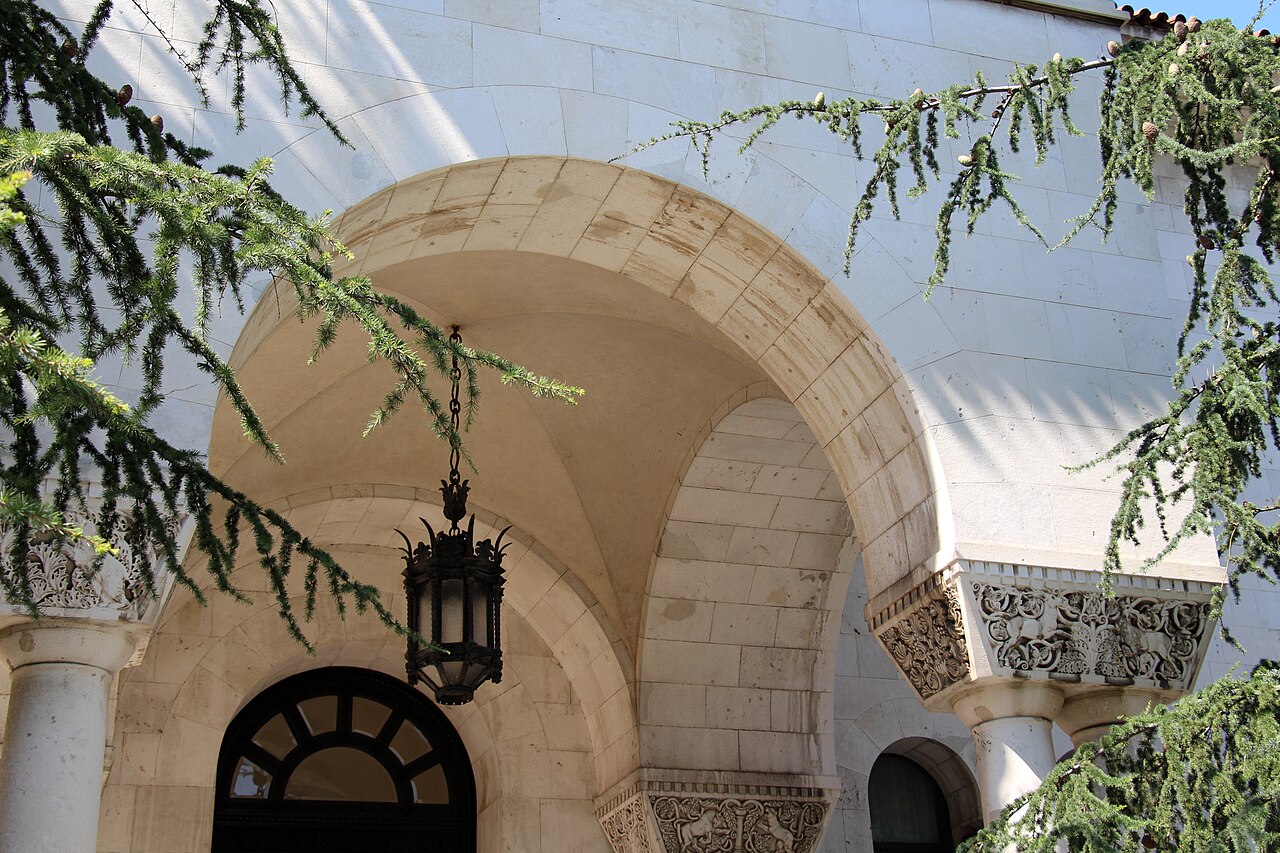
The first and older of the two great palaces is the Royal Palace, built in the years following the war as the main residence of the king and his family. Its architecture draws on the Serbo-Byzantine tradition, reflecting the national and historical consciousness of the dynasty and its desire to root the modern monarchy in the deep heritage of the Serbian past.
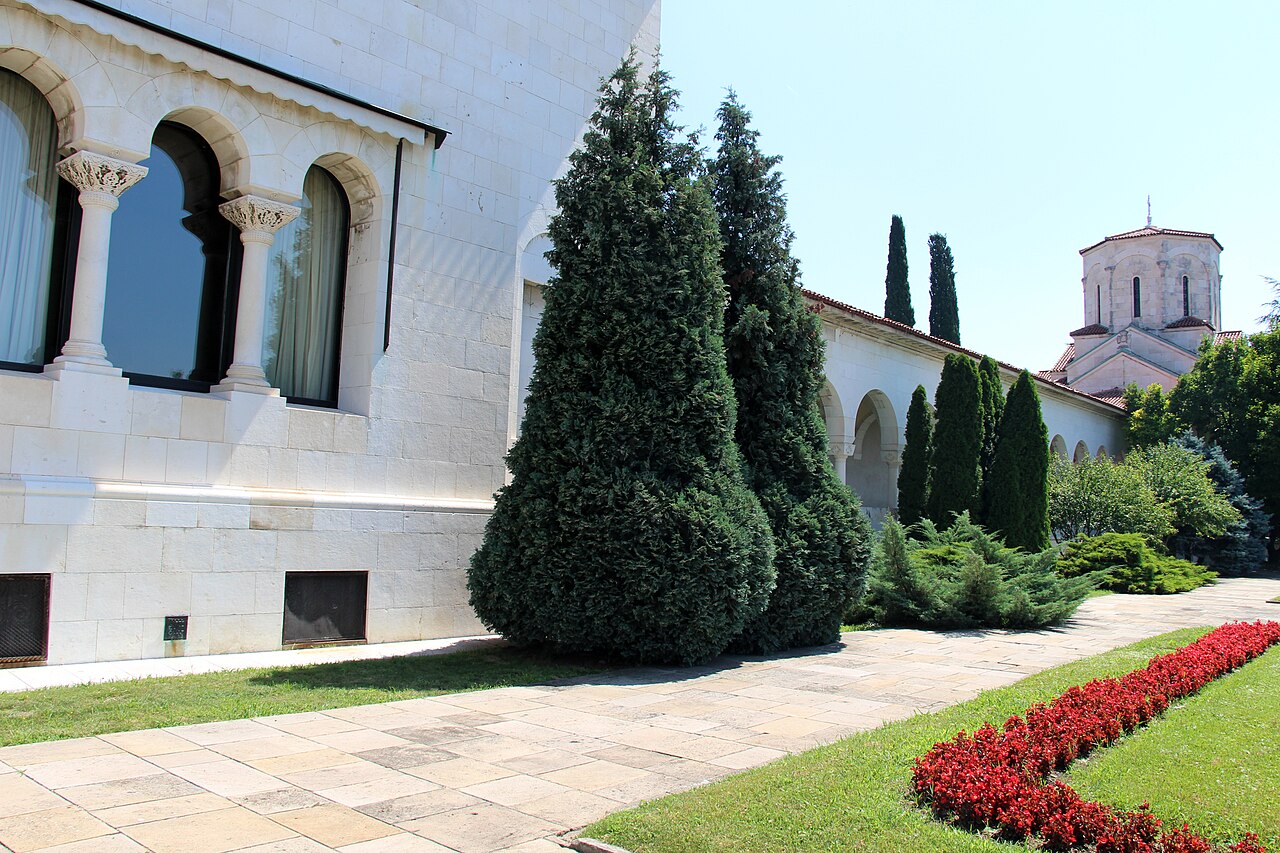
The style of the Royal Palace evokes the medieval churches and monasteries of Serbia, with forms and details that recall the Byzantine world from which Serbian culture drew so much. This choice was deliberate and meaningful, linking the new dynasty to the glorious traditions of medieval Serbia and expressing a distinctly national vision of royal architecture.
Within, the palace combines this national spirit with the comforts and grandeur expected of a royal residence, its rooms decorated and furnished to a high standard. It served as the working heart of the monarchy, the place where the king lived, worked, and received guests, and where the daily life of the royal family unfolded.
The Royal Palace remains the more formal and official of the two residences, embodying the public face of the monarchy and its connection to Serbian history and identity. Its Byzantine-inspired architecture sets it apart from the classical elegance of its neighbour and gives the compound its distinctive dual character, national tradition and international refinement side by side.
The revival of the Serbo-Byzantine style at the Royal Palace was part of a broader movement in Serbian architecture that looked to the nation’s medieval heritage for inspiration. By clothing his residence in these forms, the king made a statement about continuity and identity, presenting his dynasty as the heir to the great Serbian past. The palace thus carries a message as well as a beauty, a vision of national history rendered in architecture.
The White Palace in the English Manner
The second great palace of the compound, the White Palace, presents a striking contrast to its older neighbour. Built in the 1930s, it was designed in an elegant classical style reminiscent of the English country house, with a restrained, refined facade quite different from the Byzantine spirit of the Royal Palace. Its pale walls give it the name by which it is known.
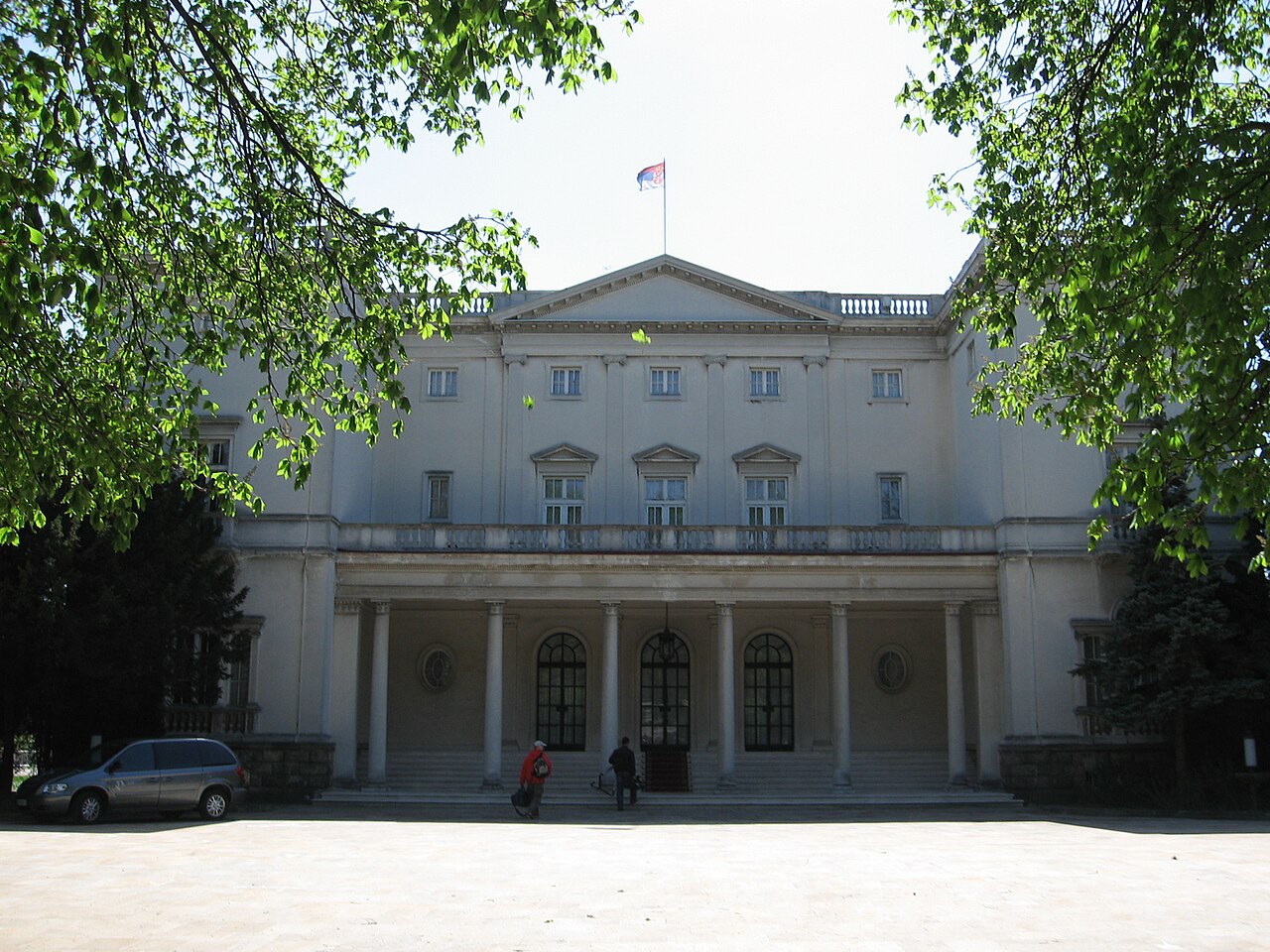
The White Palace reflects the international, cosmopolitan tastes of the royal family and the fashions of its era. Where the Royal Palace looked to the Serbian and Byzantine past, the White Palace looked to the classical traditions of western Europe, embodying a more modern and outward-looking sensibility. Together the two palaces express the dual identity of the dynasty.
The palace was completed during a period of transition for the monarchy and was intended in part as a residence for the younger generation of the royal family. Its elegant interiors, decorated in classical styles and filled with fine art and furnishings, made it a residence of great refinement, a graceful counterpart to the more formal Royal Palace.
Today the White Palace is renowned for its beauty and for the treasures it contains, and it is often the highlight of a visit to the compound. Its blend of English-inspired architecture and rich interiors, set amid the gardens of Dedinje, makes it one of the most elegant royal residences in the region, a jewel of twentieth-century palatial design.
The English inspiration of the White Palace was no accident, for the royal family had close ties to Britain and admired its culture and its country houses. The palace reflects this affinity, bringing a touch of the English aristocratic world to the hills of Belgrade. In its restrained elegance it offers a striking counterpoint to the national romanticism of the Royal Palace, and together the two buildings embody the dual outlook of the dynasty.
The completion of the White Palace during a time of change for the monarchy gave it a somewhat poignant character, for the era of stability it was meant to serve proved short-lived. Yet the palace endured, and its elegant rooms went on to witness the whole subsequent drama of the compound’s history, from the departure of the royal family to their eventual return, making it a silent witness to the fortunes of the dynasty.
The Chapel of Saint Andrew
Within the grounds of the compound stands a chapel dedicated to Saint Andrew the First-Called, serving the spiritual needs of the royal family. This place of worship reflects the deep Orthodox faith of the dynasty and the important role of religion in the life and identity of the Serbian monarchy.
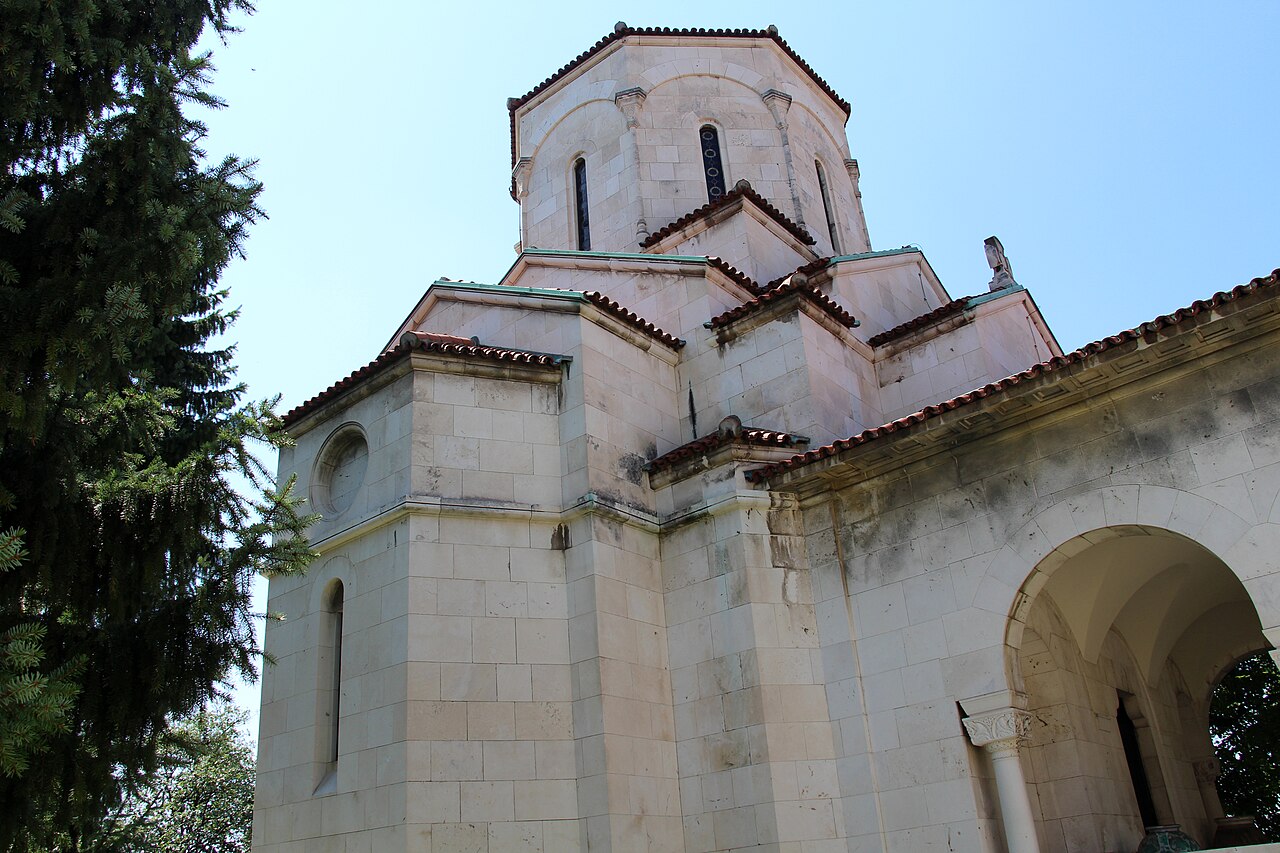
The chapel is built and decorated in the traditions of Serbian Orthodox church architecture and art, with frescoes and iconography in the Byzantine-inspired style that also shaped the Royal Palace. It provided a private setting for the religious observances of the royal family, from regular worship to the ceremonies that marked the great occasions of their lives.
For the dynasty, the chapel was more than a convenience; it was an expression of the sacred dimension of monarchy and of the family’s connection to the Orthodox faith that lay at the heart of Serbian identity. Its presence within the compound underlines the close bond between the crown and the church in Serbian history.
The chapel adds a note of spiritual depth to the compound, complementing the grandeur of the palaces with a place of quiet devotion. For visitors, it offers insight into the religious life of the royal family and into the traditions of Serbian Orthodox art and architecture, enriching the experience of the estate as a whole.
The dedication to Saint Andrew the First-Called carried particular meaning for the dynasty, linking the royal house to a revered figure of the Christian tradition and reinforcing the sacred character of its rule. Such dedications were common among royal houses, but in the Serbian context they resonated with the deep bond between the monarchy, the Orthodox Church, and the national identity, a bond that the chapel made visible at the heart of the estate.
Splendour Within the Palaces
The interiors of the compound’s palaces are as impressive as their exteriors, decorated and furnished with great care and filled with beautiful objects. From grand reception rooms to more intimate private chambers, the rooms reflect the taste and wealth of the royal family and provide a fitting setting for the life of a modern monarchy.
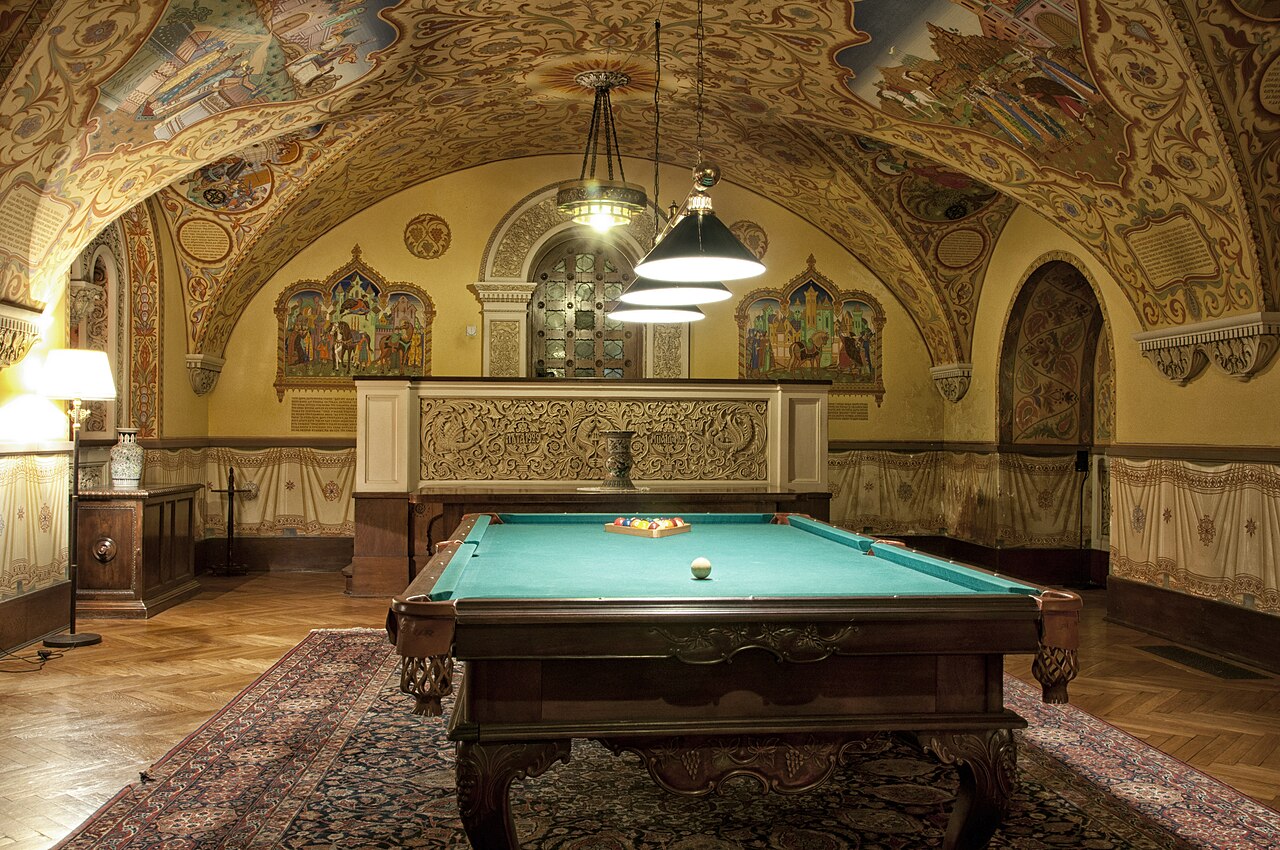
The decoration draws on a range of styles, from the national traditions expressed in the Royal Palace to the classical elegance of the White Palace. Fine woodwork, plaster, painted decoration, and rich furnishings create interiors of great beauty, and the rooms are enhanced by the works of art and precious objects that the family gathered around them.
Particular rooms stand out for their splendour and their historical associations, having hosted important events and distinguished guests over the years. These spaces witnessed the ceremonies, receptions, and private moments of the royal family, and they retain the atmosphere of a living residence rather than a mere museum.
Throughout the palaces, the combination of architecture, decoration, and art creates an impression of refined luxury. The interiors reflect not only the wealth of the dynasty but its cultural aspirations, its desire to surround itself with beauty and to express its status through the arts. To walk through them is to experience the world of a twentieth-century royal court.
The survival of so much of the palaces’ original decoration and furnishing through these changes of regime is remarkable, and it allows visitors today to experience the interiors much as they were in the heyday of the monarchy. The continuity of the setting, despite the upheavals of the surrounding history, gives the compound a rare authenticity and makes a visit an intimate encounter with the world of the royal family.
A Remarkable Art Collection
One of the great treasures of the Royal Compound is its collection of art, gathered by the royal family over the years. The palaces contain paintings, sculptures, tapestries, and decorative objects of considerable value, including works by celebrated European masters, making the compound a treasure house as well as a residence.
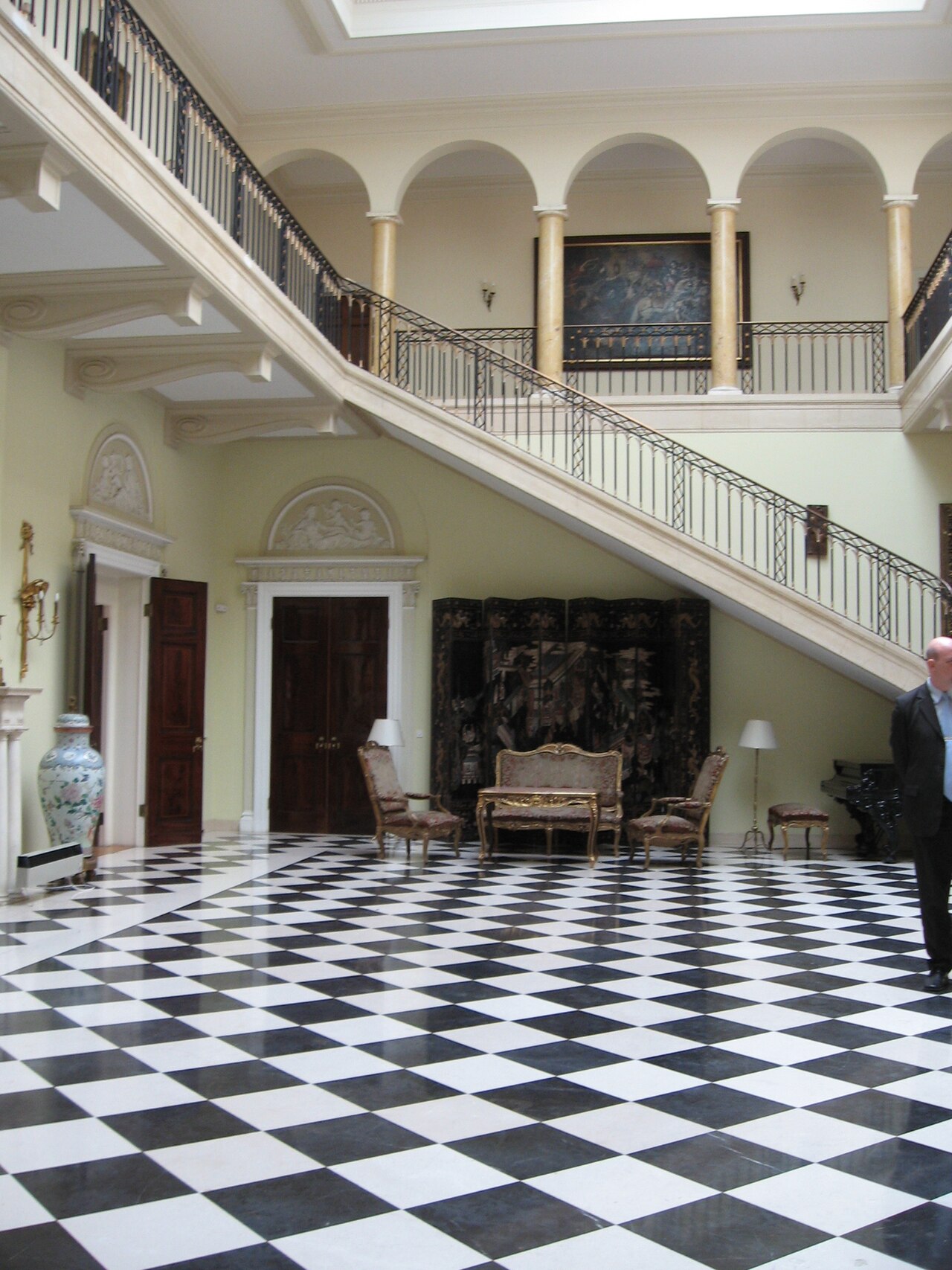
The collection reflects the cultivated tastes of the dynasty and its engagement with European art and culture. Old master paintings hang alongside fine furniture, porcelain, and other works, creating interiors that are as much galleries as living spaces. The presence of such art underlines the cultural ambitions of the royal family and its place among the cultivated courts of Europe.
Among the most notable works are paintings attributed to great names of European art, treasures that would grace any major museum. These works were acquired to adorn the palaces and to express the refinement of the dynasty, and their survival within the compound makes it a destination for lovers of art as well as of history.
The art collection adds greatly to the interest and importance of the compound. It transforms the palaces from mere residences into repositories of beauty and culture, and it provides a tangible link to the wider world of European art. For visitors, the chance to see such works in the setting for which they were gathered is one of the special pleasures of the estate.
The gathering of such a collection was itself an act of statecraft as much as of personal taste, for a monarchy that could display great art alongside the courts of Europe asserted its own standing among them. The works acquired for the compound thus served a double purpose, adorning the palaces and proclaiming the cultural credentials of the dynasty, and their presence continues to lend the estate an air of refinement and importance.
The Grounds at Dedinje
The palaces of the compound are set within extensive grounds, laid out as gardens and parkland that provide a beautiful and secluded setting for the royal residences. The wooded hill of Dedinje, with its mature trees and landscaped spaces, creates a green world that shields the estate from the city and offers a peaceful retreat for the royal family.
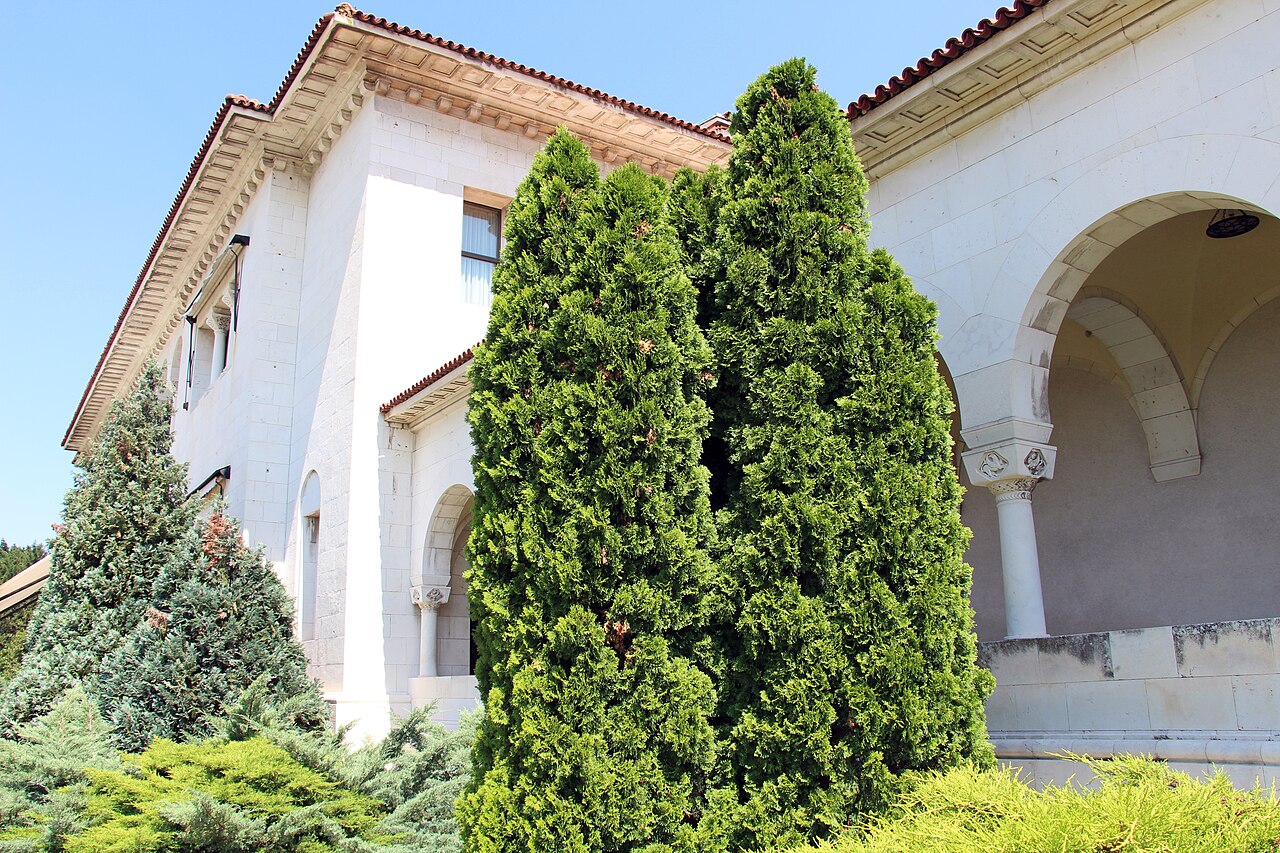
The gardens combine formal and informal elements, with ornamental plantings and terraces near the palaces giving way to woodland and open spaces beyond. Paths wind through the grounds, connecting the different buildings and offering pleasant walks amid the greenery, and the whole estate has the character of a private park.
The setting was carefully chosen and developed to provide both privacy and beauty, and the grounds play an important role in the character of the compound. They soften the transition between the palaces and the surrounding city, and they provide a fitting frame for the elegant buildings, enhancing their beauty and their sense of seclusion.
For visitors, the grounds are an integral part of the experience of the compound, offering the chance to appreciate the palaces in their landscape and to enjoy the peaceful atmosphere of the estate. The combination of fine architecture and beautiful gardens makes the Royal Compound a place of great charm as well as historical importance.
The seclusion afforded by the grounds was not merely a matter of comfort but of security and dignity, allowing the royal family, and later the state, a measure of privacy from the public eye. This sense of a world apart, screened by trees and set above the city, remains one of the defining qualities of the compound, and it contributes greatly to the special atmosphere that visitors feel on entering the estate.
The Palace in the Age of Tito
The history of the compound took a dramatic turn in the aftermath of the Second World War, when the monarchy was abolished and the region came under communist rule. The royal family went into exile, and the palaces that had been their home passed into the hands of the new state, beginning a new and very different chapter in the life of the estate.
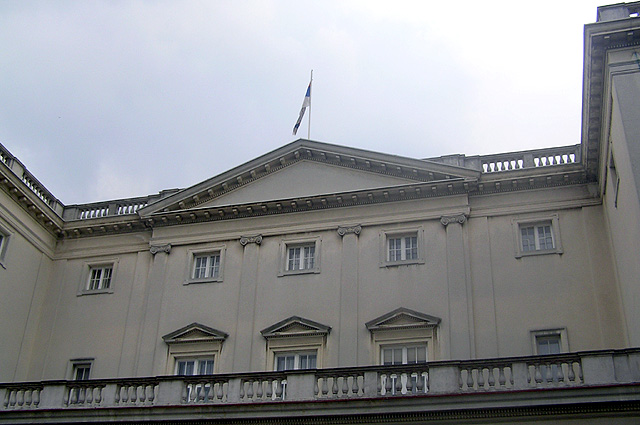
Under the communist era, the compound became associated with the country’s new leader, who used the palaces for official purposes and as a residence. The elegant halls that had hosted the royal court now served the needs of the communist state, welcoming foreign leaders and dignitaries and playing a role in the diplomacy of the era.
This period saw the compound at the centre of national and international affairs once more, though in a wholly different context. The palaces witnessed the receptions and meetings of a new political order, and their grandeur lent prestige to the state that now controlled them. The estate adapted to serve new masters while retaining its beauty and its aura of importance.
The years of communist use form a fascinating chapter in the history of the compound, illustrating the dramatic political transformations of the twentieth century. That the same palaces should have served both a royal dynasty and a communist leader reflects the turbulent history of the region, and it adds a further layer of interest to the story of the estate.
It is one of the striking ironies of the compound’s history that a residence built to glorify a monarchy should have become the seat of the man who abolished it. Yet the palaces served their new occupant well, their grandeur lending weight to his reception of world leaders during a period when the country played a notable role on the international stage. The estate thus witnessed two very different chapters of national history within a single generation.
The Dynasty’s Return
After the fall of communism and the great changes that swept the region at the end of the twentieth century, the story of the compound took another turn. In time, members of the royal family were able to return from exile, and the dynasty reestablished a connection with its historic home, opening a new chapter in the long saga of the estate.
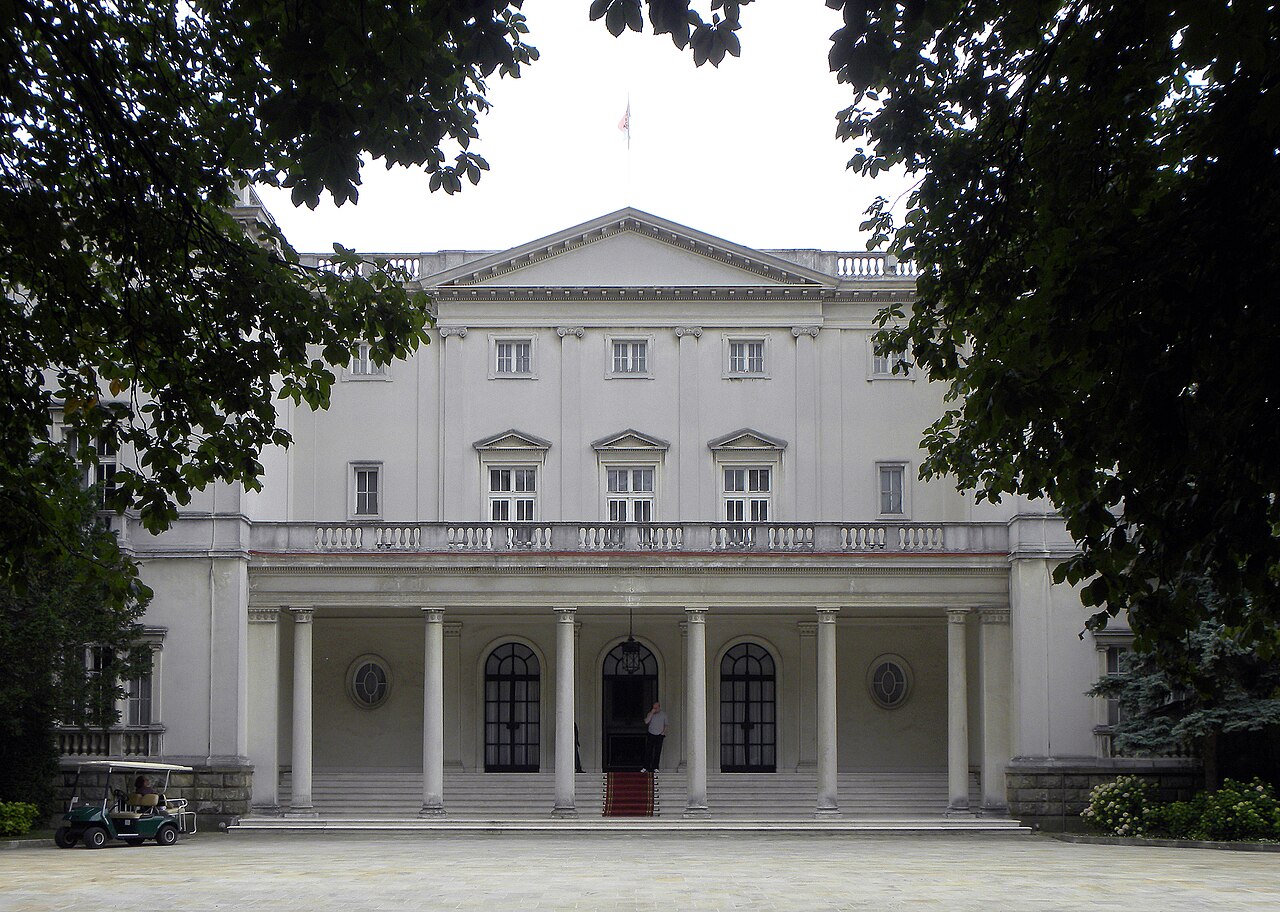
The return of the royal family to the compound was a moment of great significance, symbolising reconciliation with the past and the restoration of a link that had been severed for decades. Once again the palaces became associated with the dynasty that had built them, and the family took up residence in its ancestral home after long years away.
This restoration allowed the compound to resume something of its original role as the seat of the royal family, even in a country that remained a republic. The presence of the dynasty gave the estate renewed meaning, and efforts were made to care for the palaces and their collections and to open them, at times, to the public.
The dynasty’s return brought the story of the compound full circle, reconnecting the estate with the family for whom it was built. It stands today as both a historic monument and a living residence, a place where the long and dramatic history of the Serbian monarchy continues to unfold, and where past and present meet on the wooded hill of Dedinje.
The process of the family’s return was gradual and not without difficulty, reflecting the complex politics of a country coming to terms with its past. Yet the reestablishment of the dynasty’s presence at the compound was widely seen as a moment of healing, a symbolic reconnection with a heritage that decades of upheaval had interrupted. It gave the estate a living purpose once more, beyond its role as a monument.
A Symbol of Serbian History
The Royal Compound is far more than a collection of beautiful buildings; it is a symbol of the modern history of Serbia and its royal house. Its story encompasses the rise of a dynasty, the creation of a state, the trauma of war and revolution, the era of communism, and the return of the royal family, mirroring the wider history of the nation.
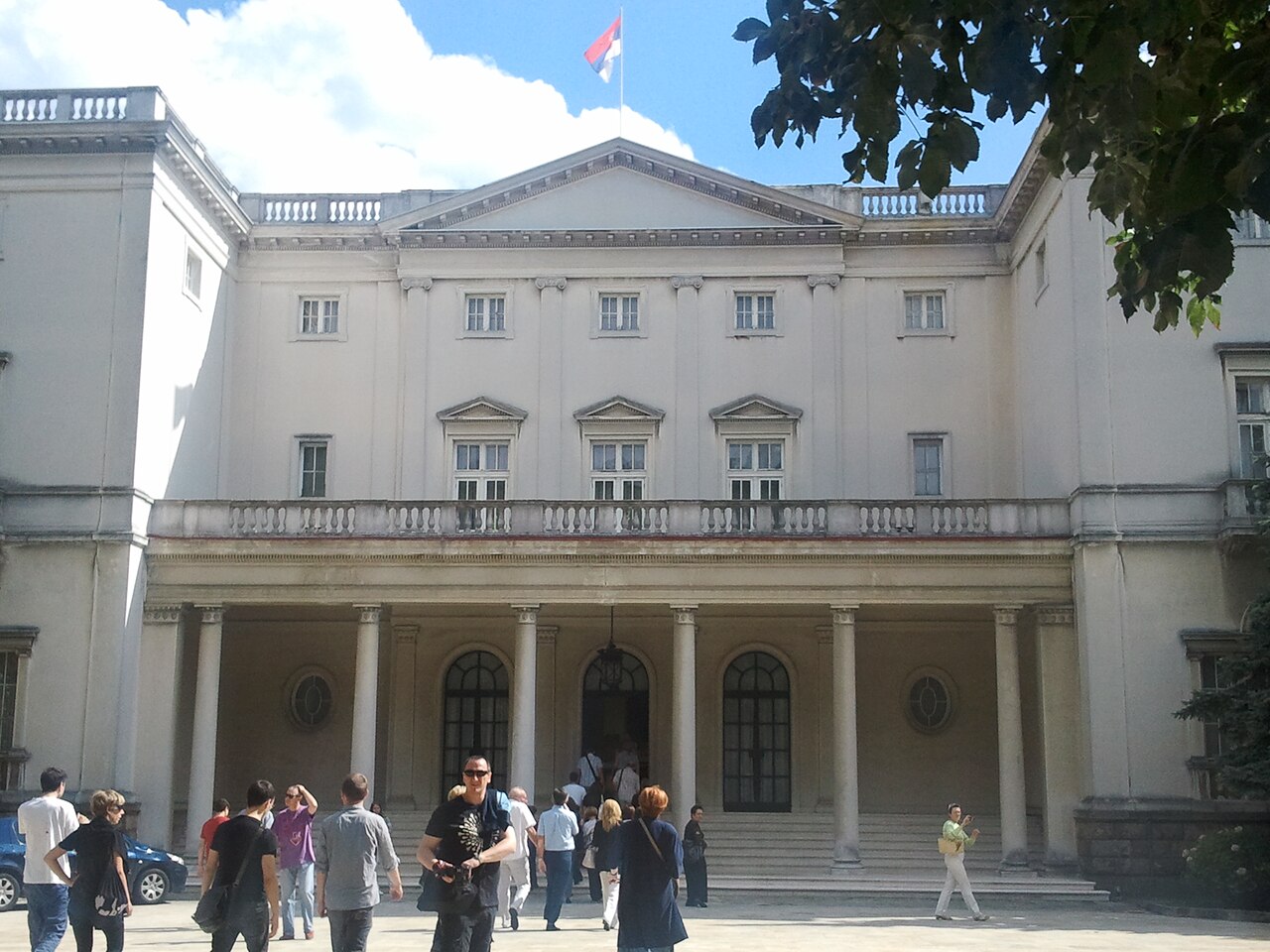
For many Serbians, the compound represents an important part of the national heritage, a tangible link to the era of the monarchy and to the dramatic events of the twentieth century. Its palaces and their contents preserve the memory of the dynasty and of the country’s journey through one of the most turbulent periods in its history.
The estate also embodies the cultural aspirations of the Serbian monarchy, its desire to express national identity through the Byzantine-inspired Royal Palace and to engage with European culture through the classical White Palace and its art collection. In this way the compound reflects the complex identity of a nation poised between East and West.
As a symbol, the compound carries great emotional and historical weight. It stands as a reminder of the achievements and tragedies of the monarchy, of the resilience of the dynasty, and of the rich cultural heritage of Serbia. To visit it is to engage with the deep currents of the nation’s modern history, made visible in stone, art, and memory.
In a region where borders, states, and regimes have shifted so dramatically over the past century, the compound stands as a rare thread of continuity. Through every transformation it has endured, adapting to new roles while preserving its essential character, and in doing so it has become a repository of collective memory. Few buildings hold so much of a nation’s recent history within their walls.
Planning a Visit to the Compound
The Royal Compound lies in the Dedinje district of Belgrade, a short distance from the centre of the Serbian capital. Because it remains connected to the royal family and serves official functions, access is more limited than at some royal sites, and visits are typically arranged through organised tours during certain seasons, so planning ahead is essential.
View the Royal Compound, Belgrade on Google Maps
Tours of the compound usually take in the principal palaces, the chapel, and the grounds, offering the chance to see the contrasting architecture of the Royal Palace and the White Palace, the art collection, and the beautiful setting. Guides bring the history of the estate to life, recounting the dramatic story of the dynasty and the palaces through the twentieth century.
Because arrangements for visiting can vary and are subject to the estate’s continuing use, it is important to check current information on how and when tours are available before planning a visit. Booking in advance is generally necessary, and the experience of touring this working royal residence is all the more special for its exclusivity.
You can find the compound and orient yourself using the map link below. Whether you come for the contrasting palaces, the art collection, the chapel, or the dramatic history of the Serbian monarchy, the Royal Compound offers a unique and memorable experience. Its combination of beauty, history, and continuing royal connection makes it one of the most fascinating sites in Belgrade.
Those fortunate enough to arrange a visit often describe it as a highlight of their time in Belgrade, for the compound offers an intimacy and exclusivity rarely found at grander, more crowded royal sites. To walk through its palaces and grounds is to feel close to the dramatic history of the dynasty and the nation, and the relative rarity of access makes the experience all the more memorable and rewarding.
See the Royal Compound for Yourself
A royal estate as rich in history as the Royal Compound is best appreciated in motion, and the short film below offers a closer look at its palaces, their interiors, and their setting. It conveys the contrasting characters of the Royal Palace and the White Palace, the beauty of their decoration and art, and the peaceful grandeur of the grounds at Dedinje.
As you watch, keep in mind the extraordinary story behind it: a dynasty that built its home in the twentieth century, a nation that passed through war, revolution, and communist rule, and a royal family that returned at last to its ancestral seat. The Royal Compound is a place where the modern history of Serbia lives on, gathered on a wooded hill above Belgrade.
Palaces Nearby
If the Royal Compound has drawn you into the royal heritage of southeastern Europe, two more palaces of the region make natural companions, each with its own character.
- Peles, the Fairy-Tale Castle of Romania’s First King — a Neo-Renaissance castle in the Carpathians, blending romantic splendour with modern technology.
- Euxinograd, Bulgaria’s Hidden Palace by the Black Sea — a French-inspired royal summer palace with a celebrated park near Varna.
You May Like
Inside the Azm Palace, a Hidden Paradise of Old Damascus


One thought on “Belgrade’s Royal Compound and the Two Palaces of a Dynasty”