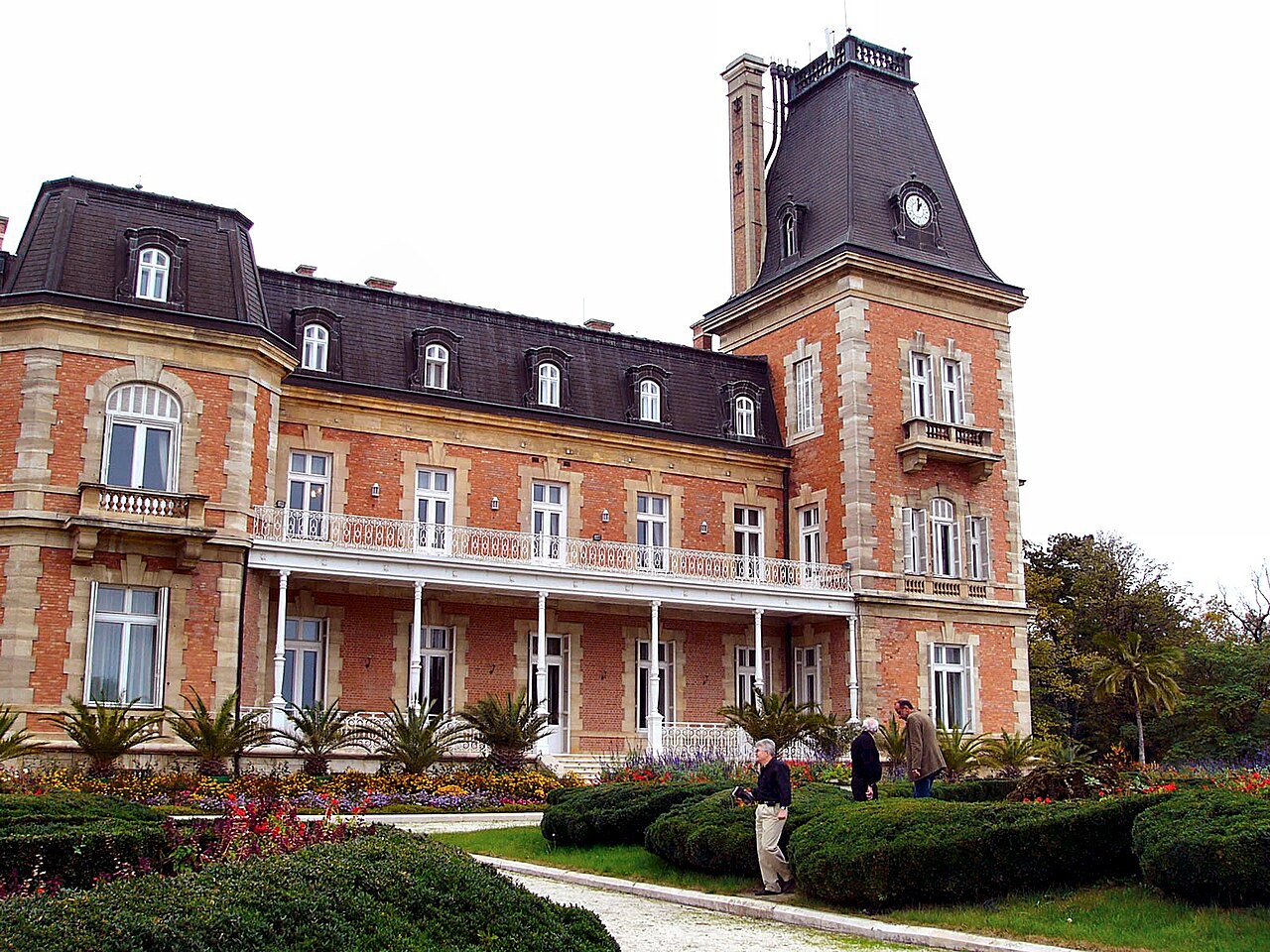
On the Black Sea coast just north of Varna, where wooded slopes run down to the water, stands one of Bulgaria’s most elegant and least accessible palaces. Euxinograd rises above its gardens like a French chateau transported to the shores of an ancient sea, its graceful facade, terraces, and towers looking out over the water. It is a place of refinement and seclusion, long associated with the Bulgarian royal family and, later, with the highest levels of the state.
Built in the late nineteenth century as a summer residence for the rulers of a newly independent Bulgaria, Euxinograd reflects the tastes and ambitions of a young monarchy eager to take its place among the courts of Europe. Its French-inspired architecture, its magnificent park, and its coastal setting made it a jewel of the Bulgarian crown, a retreat where the royal family could escape the summer heat beside the cooling sea.
For much of its history the palace has remained largely closed to the public, serving first the monarchy and later the government as a private retreat, which has only added to its air of mystery and allure. Behind its gates lie beautiful interiors, a celebrated park, and even vineyards that produce wine, all preserved in a setting of great natural and architectural beauty.
In this guide you will explore Euxinograd from its origins as a royal summer residence, through its evocative name, its French-inspired architecture, its park and vineyards, and its coastal setting, to its modern role and what is known of visiting it today. By the end you will understand why this secluded coastal palace holds such a special place in the story of Bulgaria.
In This Article
- A Summer Palace by the Black Sea
- A Name from an Ancient Sea
- The Princes and Kings of Bulgaria
- A French Chateau on the Bulgarian Coast
- Inside the Summer Residence
- The Great Park and Its Gardens
- The Vineyards and Royal Cellars
- Life Beside the Sea
- From Royal Retreat to State Residence
- A Palace Rarely Seen
- A Symbol of the Bulgarian Monarchy
- Planning a Visit to Euxinograd
- See Euxinograd for Yourself
A Summer Palace by the Black Sea
Euxinograd came into being in the years after Bulgaria emerged as a modern state in the later nineteenth century, freed after centuries of foreign rule. The young principality, and later kingdom, sought to establish the trappings of a European monarchy, and among these was a fitting summer residence for its ruler, a place of retreat away from the capital.
The Black Sea coast near Varna offered an ideal location. Its mild climate, beautiful scenery, and refreshing sea breezes made it a natural choice for a summer palace, a place where the royal family could escape the heat of the interior and enjoy the pleasures of the coast. On a wooded site running down to the water, the palace and its grounds took shape.
The creation of the palace was a project of considerable ambition for the new state, reflecting the desire of its rulers to build a residence worthy of comparison with the summer palaces of the established monarchies of Europe. No expense was spared in creating a residence of elegance and beauty, set in magnificent grounds beside the sea.
From these beginnings grew one of the loveliest royal residences in the Balkans, a summer palace that combined French-inspired architecture with a spectacular coastal setting. Euxinograd became a cherished retreat of the Bulgarian royal family, a place associated with leisure, beauty, and the private life of the monarchy away from the formality of the capital.
The building of a summer palace so soon after independence was a deliberate assertion of the new state’s confidence and permanence. In an age when a monarchy’s prestige was measured partly by its residences, Euxinograd announced that Bulgaria intended to be counted among the settled kingdoms of Europe, with all the trappings that such a status implied. The palace was thus a political statement as much as a private retreat.
A Name from an Ancient Sea
The very name of the palace carries an echo of the ancient world. Euxinograd draws on the classical Greek name for the Black Sea, which was known in antiquity as the Euxine Sea, meaning the hospitable sea. The palace’s name thus links it to the deep history of the coast on which it stands and to the classical heritage that so appealed to the cultured tastes of the age.
The choice of such a name was fitting for a residence beside the Black Sea, evoking the long history of the coast, which had been settled and sailed since antiquity. It gave the new palace a sense of connection to the classical past, lending it dignity and romance and situating it within the great sweep of Mediterranean and Black Sea history.
Names of this kind were fashionable among the cultured monarchies of the nineteenth century, which delighted in classical references and in associating their creations with the prestige of antiquity. In naming the palace Euxinograd, its creators expressed both their learning and their aspiration to place the young Bulgarian state within the wider heritage of European civilisation.
The name has become inseparable from the palace and its coastal setting, a poetic evocation of the hospitable sea beside which it stands. For all its brevity, it captures something of the character of the place, a residence of beauty and welcome beside an ancient and storied sea, and it remains one of the most evocative names among the royal palaces of the region.
There is a pleasing harmony between the palace’s classical name and its role as a place of welcome and repose. Just as the ancient Greeks called the sea hospitable in the hope of safe passage, so the palace named for that sea became a place of hospitality and ease for the royal family and their guests. The name and the function of the palace thus echo one another across the centuries.
The Princes and Kings of Bulgaria
Euxinograd is closely associated with the rulers of modern Bulgaria, the princes and kings who led the country through its early decades of independence. The palace served as the summer residence of successive monarchs, and it reflects the tastes and ambitions of a dynasty seeking to establish itself among the royal houses of Europe.
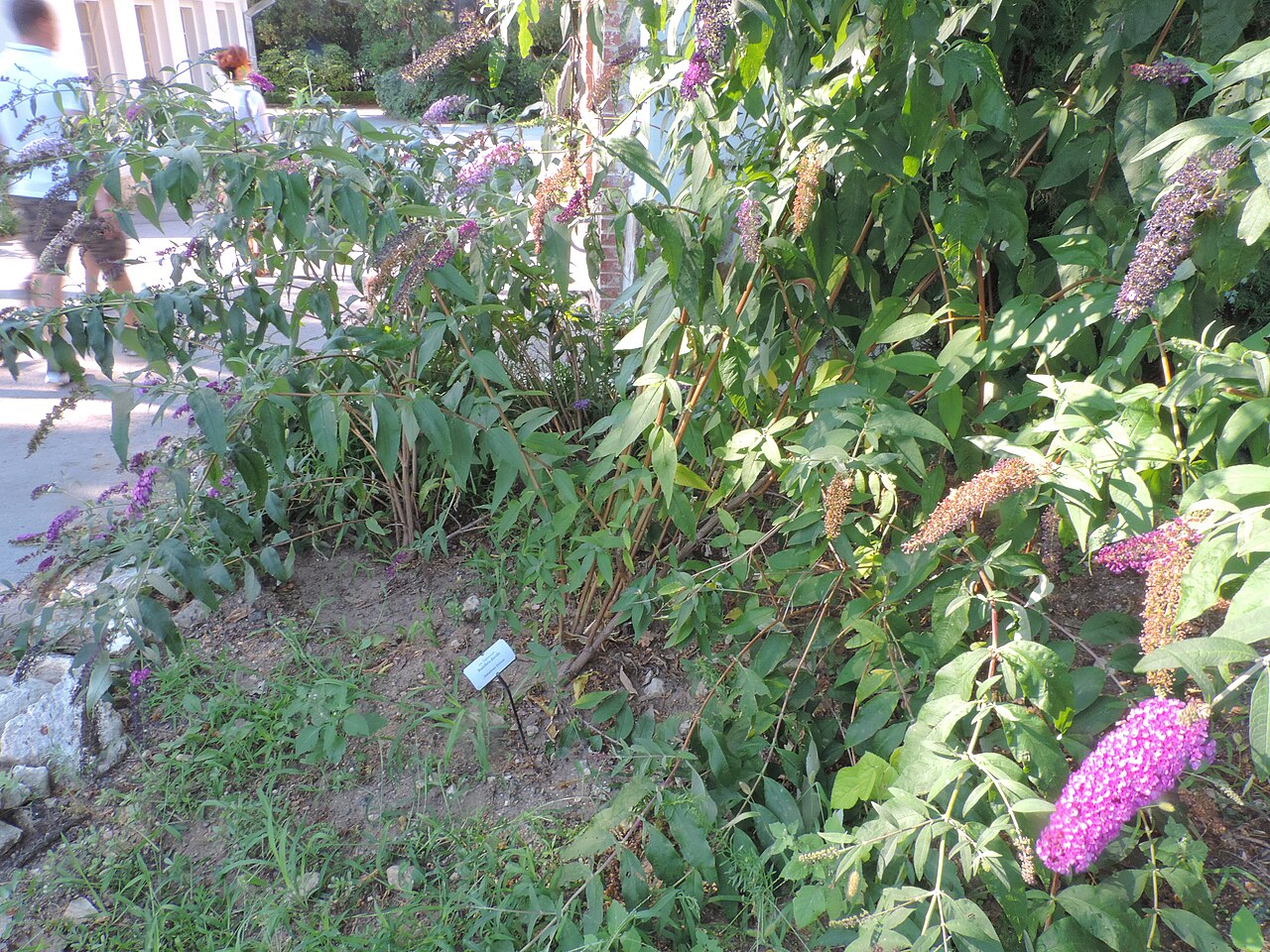
The ruler most associated with the flowering of the palace was a monarch of wide culture and cosmopolitan tastes, whose interests ranged across the arts, the sciences, and the natural world. Under his patronage the palace and especially its park were developed and enriched, and his passions left a lasting mark on the character of the estate.
The Bulgarian monarchy of this period was a young institution, and its rulers were keenly aware of the need to demonstrate the sophistication and permanence of their state. Residences like Euxinograd played an important role in this effort, providing settings where the monarchy could display its refinement and receive distinguished guests in surroundings of beauty and elegance.
The story of the palace is thus bound up with the story of the Bulgarian monarchy itself, from its hopeful beginnings through the dramatic events of the twentieth century. Euxinograd witnessed the private life of the royal family and the public occasions of the crown, and it remains a monument to the era of the Bulgarian kings and their aspirations for their nation.
The passions of the royal patrons shaped Euxinograd in lasting ways, and nowhere more than in the park, where a monarch’s love of botany filled the grounds with rare and exotic species. This personal enthusiasm turned the estate into something more than a residence, a place of scientific as well as aesthetic interest, and it left a legacy that visitors and horticulturists still appreciate today.
The dramatic fate of the Bulgarian monarchy in the twentieth century, including the loss of the throne and the exile of the royal family, lends a note of melancholy to the palace’s history. Euxinograd outlived the monarchy that created it, and to walk its grounds is to sense both the confidence of the era that built it and the poignancy of the world that has since passed away.
A French Chateau on the Bulgarian Coast
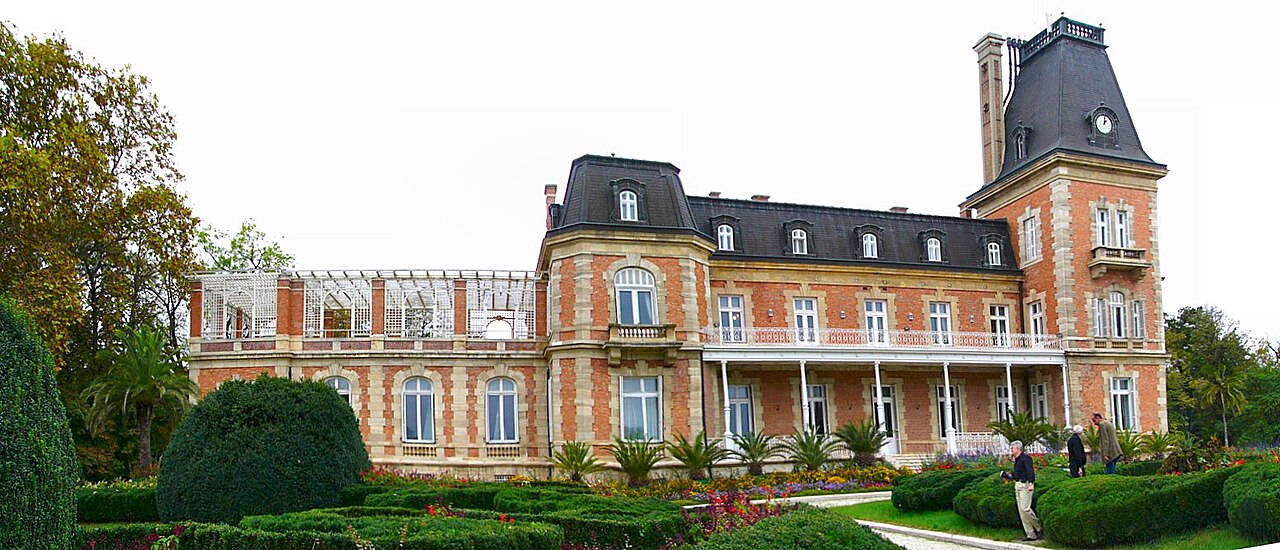
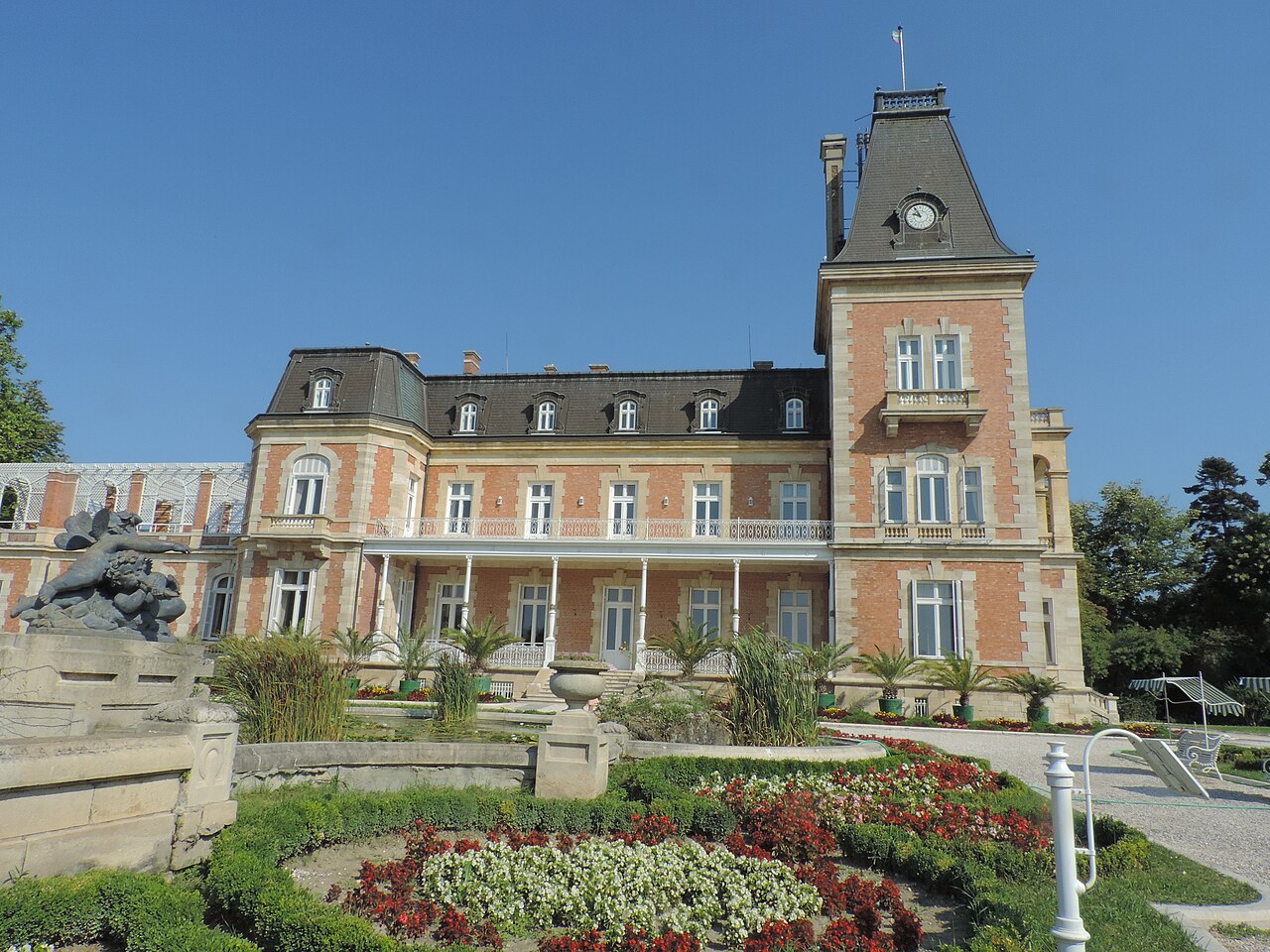
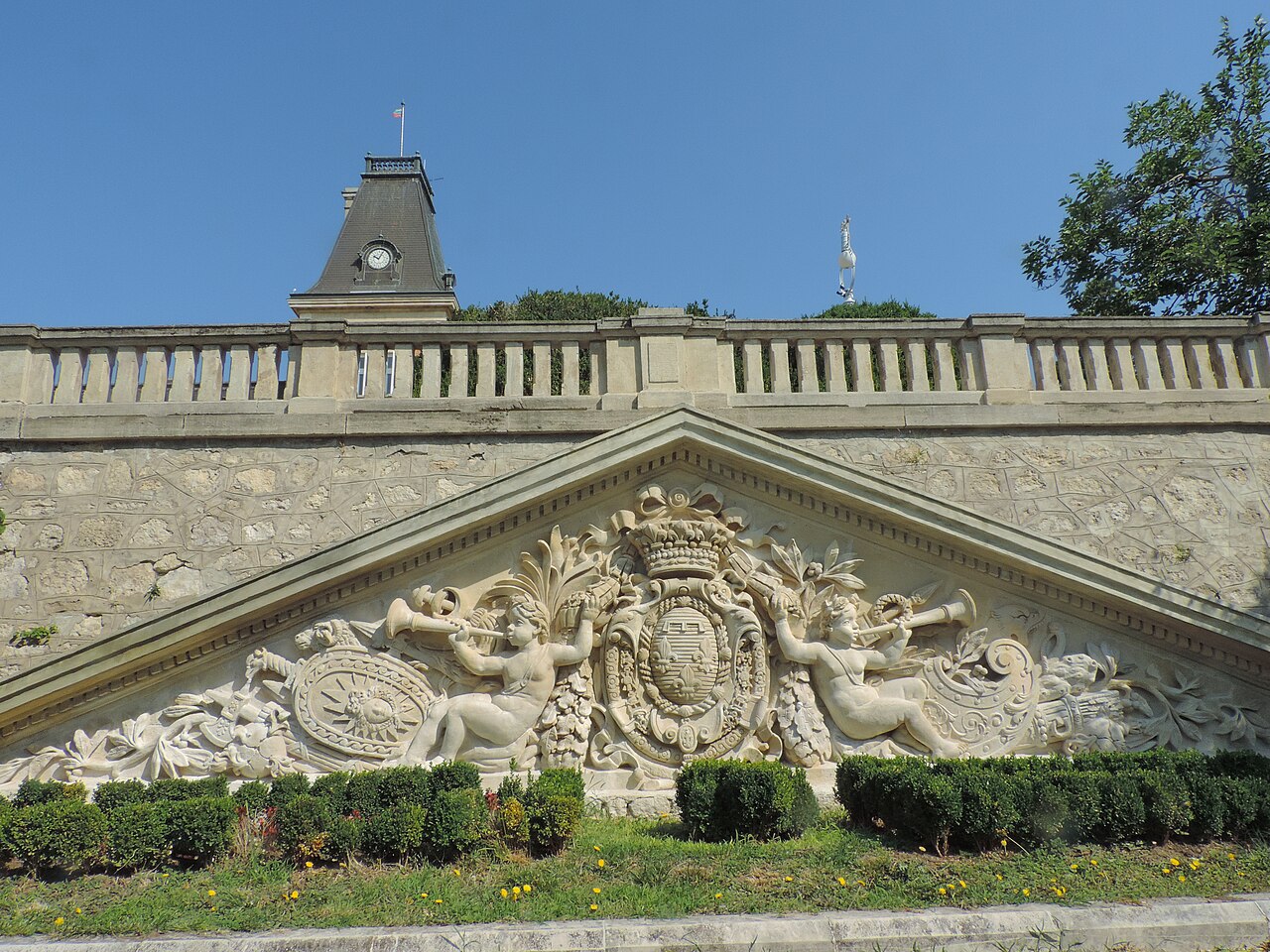
Architecturally, Euxinograd is a graceful evocation of the French chateau, its design inspired by the great country houses of France and executed with elegance and refinement. Its facade, with its balanced composition, decorative detailing, and towers, recalls the chateaux of the Loire and the fashionable residences of nineteenth-century France, transplanted to the Bulgarian coast.
The choice of the French style reflected the cultural prestige of France in the nineteenth century, when French taste dominated the courts and salons of Europe. For a young monarchy seeking to demonstrate its sophistication, a French-inspired palace was a natural choice, associating the Bulgarian crown with the height of European fashion and refinement.
The palace was created with the involvement of accomplished architects and craftsmen, and its design combines beauty with the practical requirements of a summer residence. Terraces and balconies open toward the sea, taking advantage of the coastal setting, while the interiors were arranged for the comfort and pleasure of the royal family during the summer months.
Set against the backdrop of the Black Sea and surrounded by its magnificent park, the French-inspired palace creates a scene of great beauty. The elegant architecture, the coastal setting, and the lush greenery combine to make Euxinograd one of the most picturesque royal residences in the region, a fairy-tale chateau beside a hospitable sea.
The transplantation of the French chateau style to the Black Sea coast was part of a wider phenomenon across nineteenth-century Europe, as monarchies and aristocrats everywhere looked to France for models of elegance. Yet at Euxinograd the style takes on a particular charm from its unexpected setting, the graceful chateau forms meeting the light and landscape of the Bulgarian coast to create something distinctive and memorable.
The palace’s relatively compact and elegant form, rather than an overwhelming scale, suited its role as an intimate summer retreat rather than a grand seat of state. This human scale is part of its charm, giving Euxinograd the feel of a beloved country house rather than an imposing official residence, a place made for the private pleasures of the royal family beside the sea.
Inside the Summer Residence
The interiors of Euxinograd were created to serve as the summer home of the royal family, combining elegance with comfort in surroundings of refined beauty. The rooms were decorated and furnished in the tastes of the age, with fine materials and craftsmanship creating an atmosphere of gracious living appropriate to a royal summer retreat.
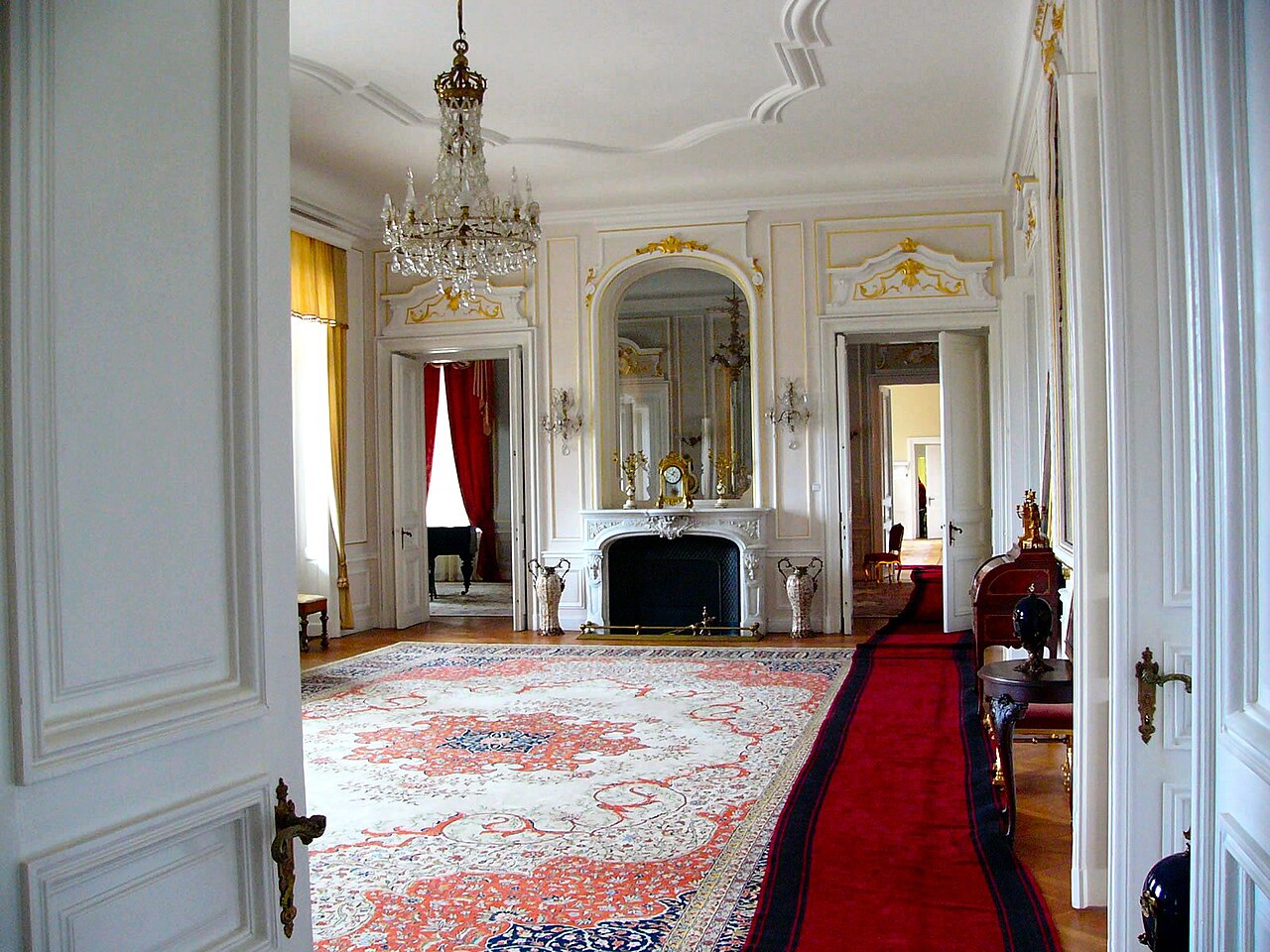
The decoration of the rooms reflected the cosmopolitan tastes of the Bulgarian monarchy and its engagement with European culture. Furnishings, art, and decorative objects filled the interiors, and the arrangement of the rooms was designed for the pleasures of summer life, with an emphasis on light, air, and views toward the sea and the park.
As a residence used chiefly in the summer, the palace had a somewhat different character from a formal year-round seat, with an atmosphere of leisure and relaxation. The interiors served the private life of the royal family and the entertainment of guests, providing settings for the pleasures of a coastal summer far from the cares of the capital.
Much of the character of these interiors has been preserved through the palace’s continued use as a residence, and they retain the atmosphere of an elegant summer home. For the fortunate few who see them, the rooms offer a glimpse into the private world of the Bulgarian monarchy at leisure, a world of refinement and beauty beside the sea.
The emphasis on light and openness in the interiors reflected the palace’s purpose as a summer residence, where the goal was to welcome in the sea air and the views rather than to shut them out. Large windows, terraces, and airy rooms created a sense of connection between inside and out, so that the beauty of the park and the sea became part of the experience of the rooms themselves.
The Great Park and Its Gardens
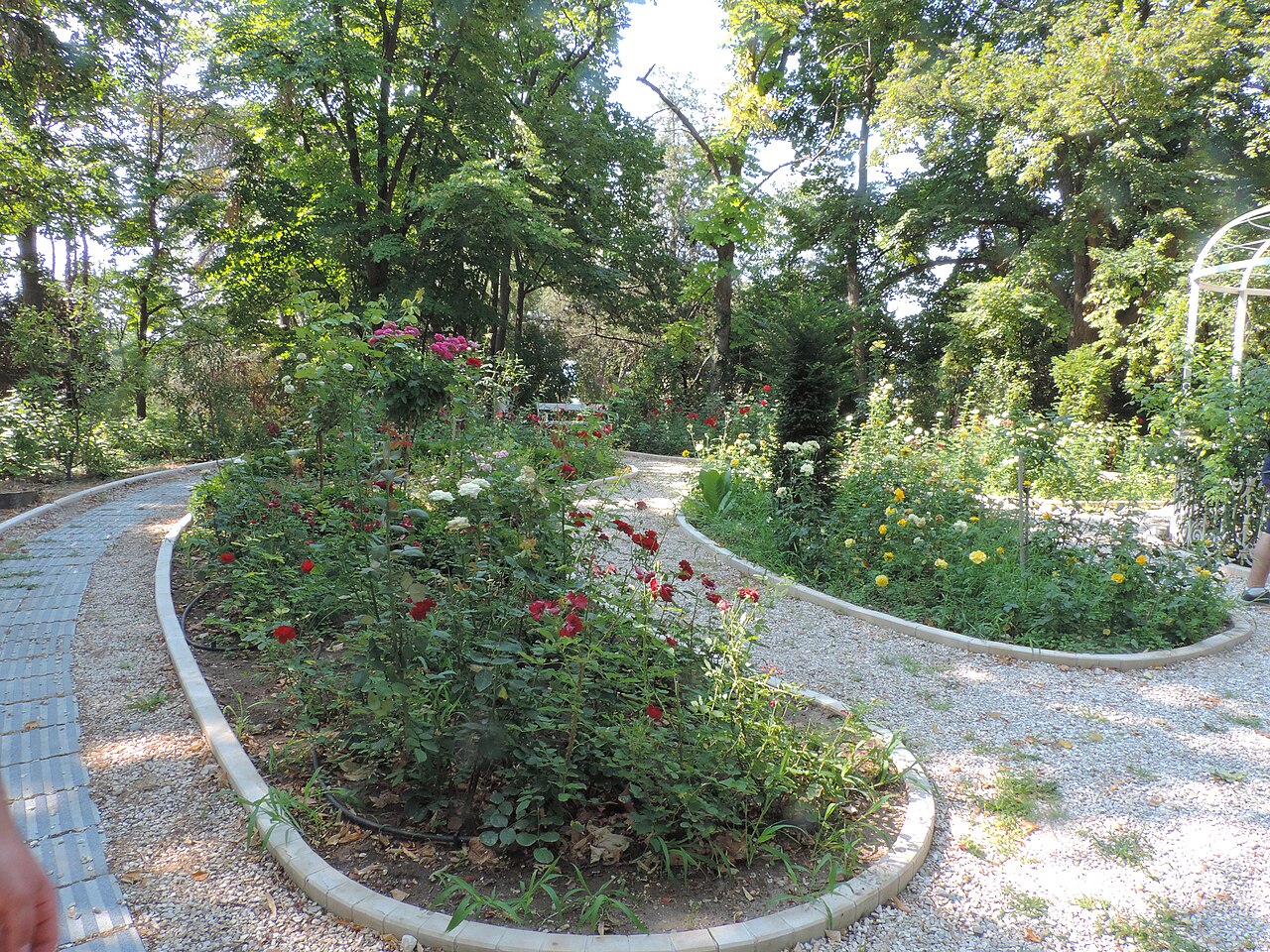
If the palace is beautiful, its park is legendary. The grounds of Euxinograd are among the finest of any royal residence in the region, a magnificent park created with great care and planted with an extraordinary variety of trees and plants gathered from around the world. The park is, in many ways, as much a treasure as the palace itself.
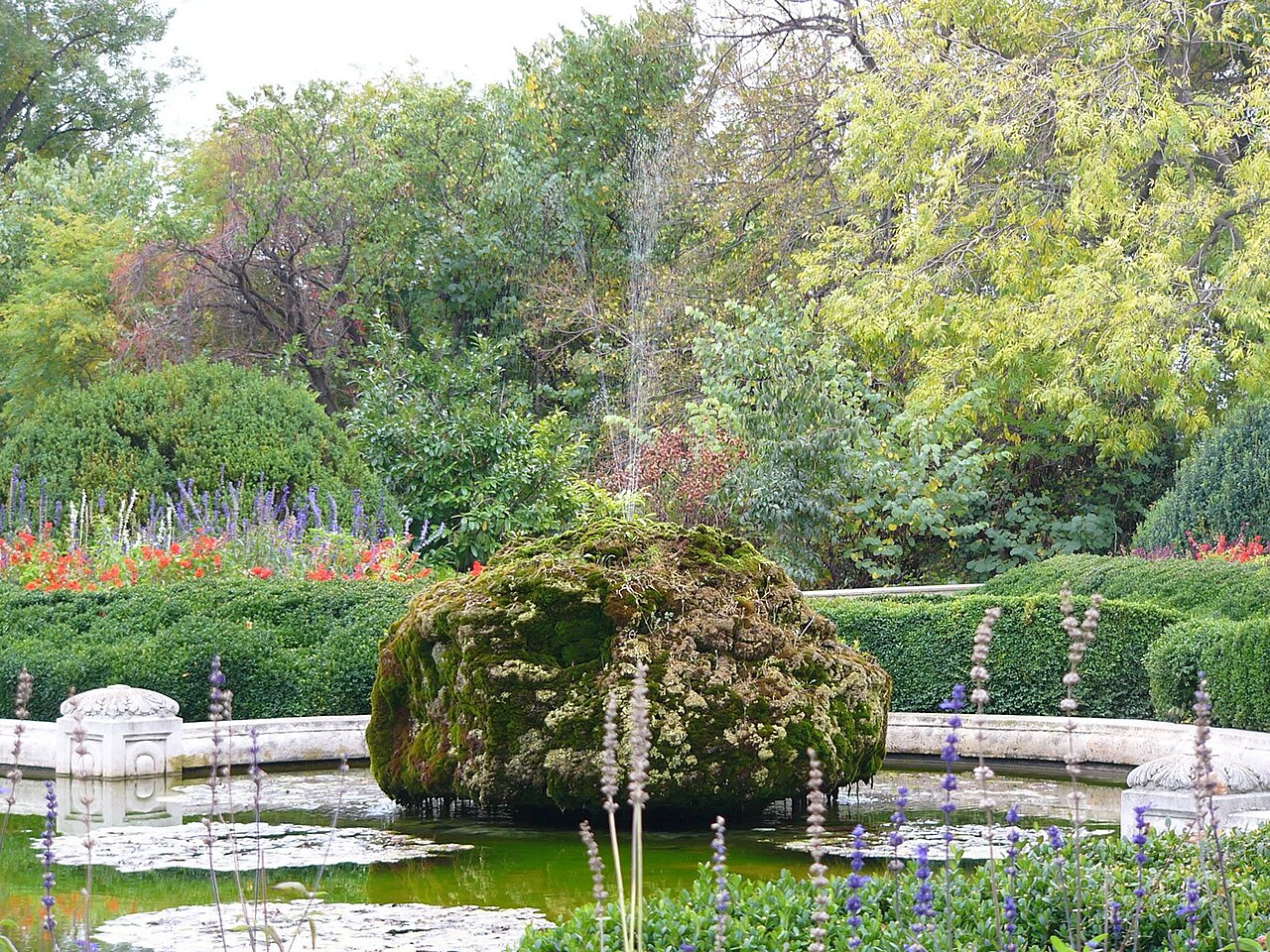
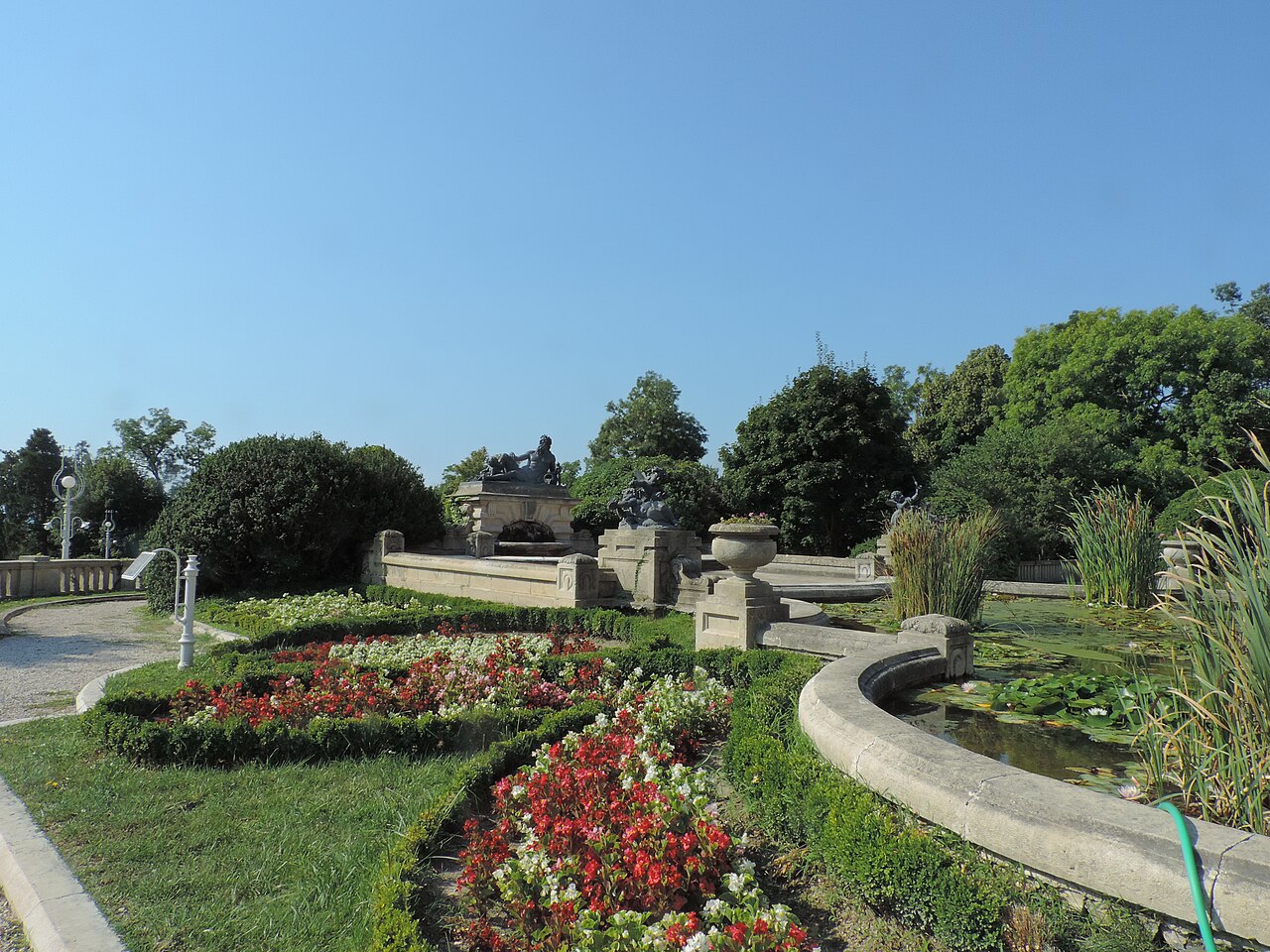
The creation of the park drew on the skills of accomplished gardeners and landscape designers, who laid out the grounds with a combination of formal and naturalistic elements. Terraces, lawns, avenues, fountains, and ornamental features were arranged to create a series of beautiful scenes, taking advantage of the sloping site and the views toward the sea.
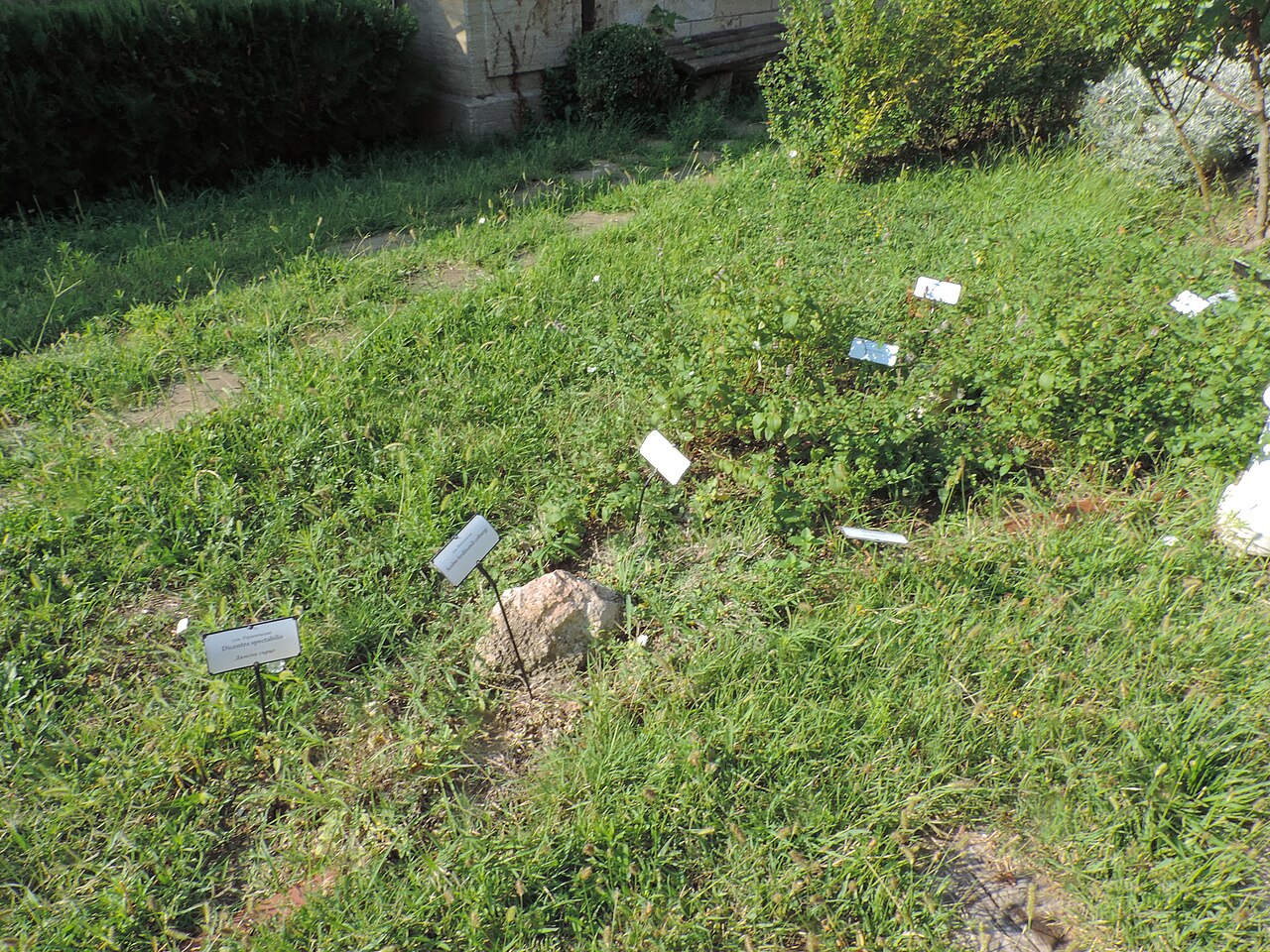
The rich planting of the park reflects the interests of the royal patrons, some of whom were passionate about botany and the natural world. Exotic species from many lands were brought to Euxinograd and cultivated in its mild coastal climate, turning the park into a living collection of great botanical as well as aesthetic value.
Today the park remains one of the glories of Euxinograd, a place of beauty and tranquillity where art and nature combine. Its combination of designed landscape, exotic plantings, and coastal setting makes it one of the most remarkable parks in the region, a fitting complement to the elegant palace at its heart and a testament to the vision of those who created it.
The park was conceived on a grand scale, extending over a large area and incorporating a great diversity of landscapes, from formal gardens near the palace to wilder, more naturalistic areas beyond. This variety allowed for many different experiences within a single estate, and it reflected the sophisticated approach to landscape design that the royal patrons brought to the creation of their summer retreat.
Among the delights of the park are its fountains and water features, which make use of the sloping terrain to create cascades and pools that catch the light and cool the air. Combined with the sea beyond, these waters give the grounds a refreshing, luminous quality, and they were an essential part of the pleasure the estate offered to a royal family seeking respite from the summer heat.
The Vineyards and Royal Cellars
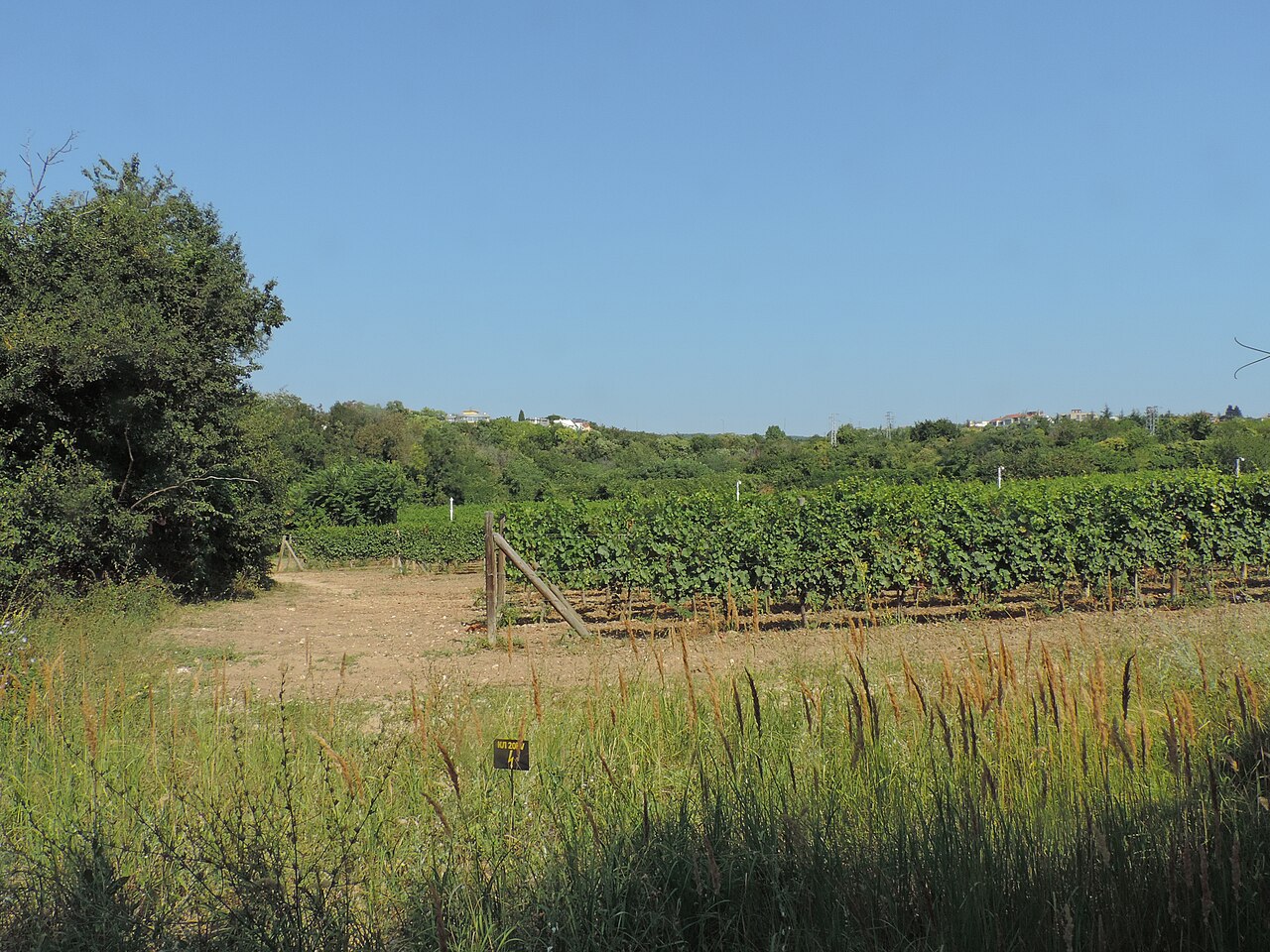
One of the most distinctive features of Euxinograd is its vineyards. The estate has long been home to vineyards that produce wine, a tradition established under the royal family and continued to the present day. The mild coastal climate and fertile soil proved well suited to viticulture, and the wines of Euxinograd became a celebrated product of the estate.
The royal cellars of Euxinograd are renowned, producing wines and other beverages that carry the name of the estate. This tradition reflects the way the palace functioned not merely as a residence but as a working estate, with its lands put to productive use in the manner of the great country houses of Europe.
The wines of Euxinograd have acquired a certain prestige, associated with the royal heritage of the estate and produced in limited quantities. The continuation of winemaking on the estate provides a living link to its royal past and adds another dimension to the character of Euxinograd as a place of both beauty and productivity.
For the estate, the vineyards and cellars are a source of both income and identity, tying the palace to the land and to the traditions of the region. The presence of working vineyards amid the beauty of the park and the elegance of the palace gives Euxinograd a special character, a royal residence that is also a productive estate beside the sea.
The tradition of winemaking at Euxinograd connects the palace to the long viticultural heritage of the Black Sea region, where the vine has been cultivated since antiquity. In continuing this tradition, the royal estate placed itself within a history far older than the monarchy itself, and the wines produced here carry something of that deep connection between the land, the sea, and the fruit of the vine.
Bottles bearing the Euxinograd name have become sought-after souvenirs of the estate’s royal heritage, prized as much for their association with the palace as for the wine within. In this way the vineyards keep the name of Euxinograd alive far beyond its gates, carrying a taste of the royal estate out into the wider world even as the palace itself remains largely hidden from view.
Life Beside the Sea
The setting of Euxinograd beside the Black Sea is fundamental to its character and appeal. The palace was created precisely to take advantage of its coastal location, and life at the estate was shaped by the presence of the sea, which offered coolness, beauty, and recreation to the royal family during the summer months.
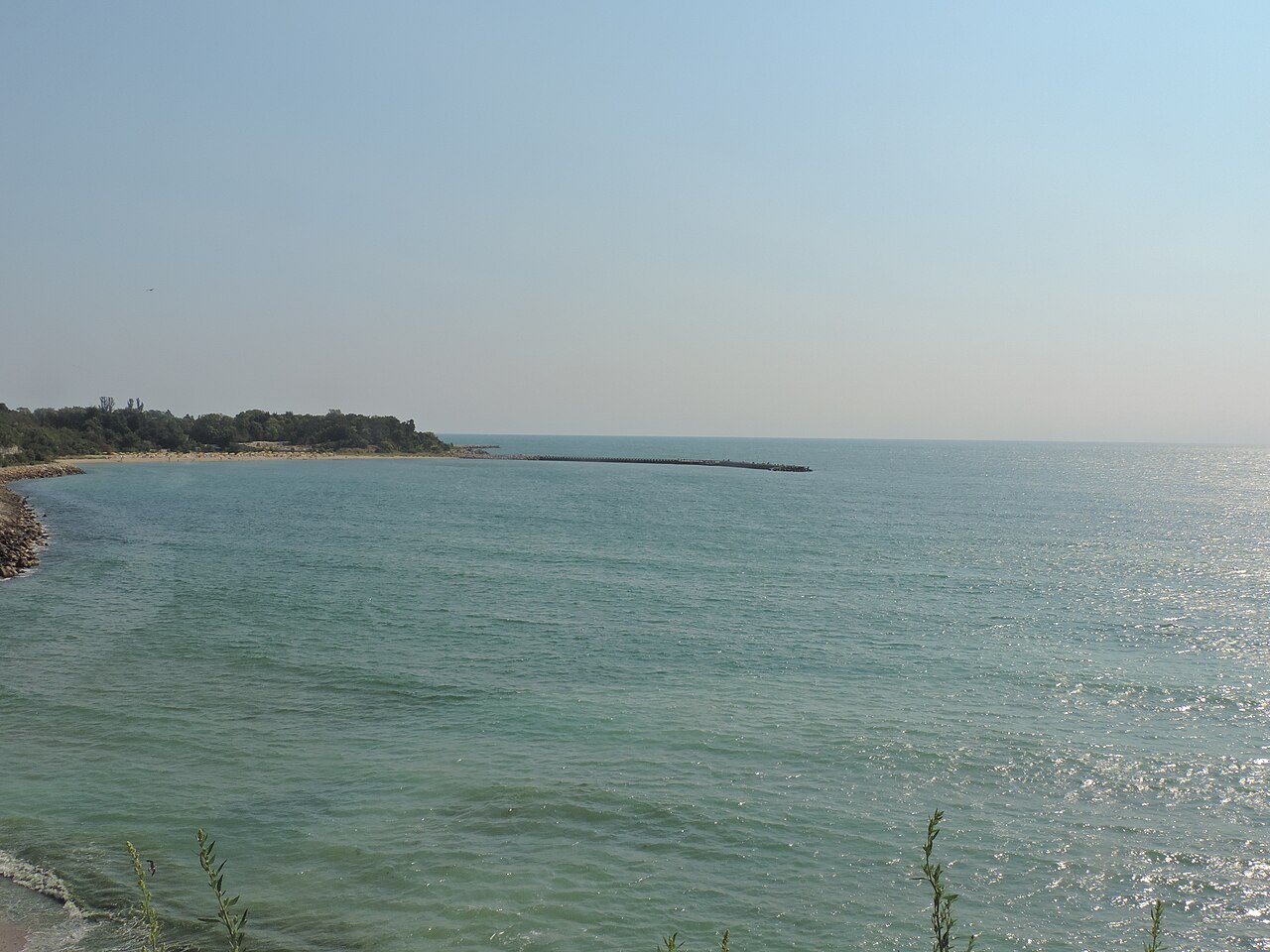
The grounds run down toward the water, and the estate includes access to the sea, allowing the royal family to enjoy the pleasures of the coast. The combination of palace, park, and shoreline created a complete summer world, where the royal family could relax, entertain, and escape the pressures of public life in surroundings of great natural beauty.
The sea also gave the estate its strategic and symbolic importance, connecting it to the wider world and to the maritime heritage of the Black Sea coast. Ships and boats could reach the estate by water, and the sea views formed an essential part of the experience of the palace, linking it to the horizon and the distant shores beyond.
This intimate relationship with the sea distinguishes Euxinograd from inland palaces and gives it a particular romance. The sound of the waves, the sea breezes, and the ever-changing views of the water are part of the magic of the place, and they help to explain why the estate became such a beloved retreat of the Bulgarian monarchy.
The maritime setting also opened the estate to the wider Black Sea world, a region of ports, trade, and shared history stretching around the whole coast. From Euxinograd the royal family looked out on the same waters that had carried ships and cultures for thousands of years, and the palace became, in a sense, Bulgaria’s elegant window onto this ancient and connected sea.
From Royal Retreat to State Residence
The history of Euxinograd, like that of the Bulgarian monarchy, was transformed by the great political changes of the twentieth century. With the end of the monarchy and the coming of a new political order, the palace passed from royal to state ownership, beginning a new chapter in its long life as a residence of the highest levels of government.
Under the new regime, Euxinograd was used as a government residence and retreat, hosting officials and distinguished guests in its elegant surroundings. The beauty and seclusion that had appealed to the royal family now served the needs of the state, and the palace continued to function as a place of retreat and reception at the highest level.
This continuity of use, from monarchy to modern state, helped to preserve the palace and its grounds, which remained carefully maintained as an official residence. Rather than falling into neglect, Euxinograd continued to serve an important function, and its beauty was preserved for the enjoyment of those who had access to it.
Today the palace remains a state residence, used for official purposes and largely reserved for the government. This continuing role has kept it in excellent condition but has also limited public access, preserving its air of exclusivity and mystery. Euxinograd thus remains, as it has always been, a place apart, a beautiful retreat reserved for the few.
The transition from royal to state use, though born of political upheaval, spared Euxinograd the fate of many royal residences that were neglected or destroyed after the fall of their monarchies. By remaining a functioning residence of value to those in power, the palace retained its purpose and its upkeep, and much of its beauty survived intact into the present, a fortunate outcome of its continued usefulness.
A Palace Rarely Seen
Unlike many royal palaces that have become museums open to all, Euxinograd has remained largely closed to the public, reserved for official use. This exclusivity is one of the defining features of the palace and a source of its enduring allure, for it is a place that most people know only from a distance or from photographs.
The continued use of the palace as a government residence means that access is restricted and carefully controlled. For much of the year the estate is closed to visitors, and even when access is possible it is often limited to certain areas or particular times. This makes a visit to Euxinograd a rare and special experience.
The relative inaccessibility of the palace has, paradoxically, added to its fame and fascination. The sense of a beautiful and secluded palace hidden behind its gates, glimpsed only occasionally, has given Euxinograd an air of mystery that more accessible sites lack. It remains, in the popular imagination, a hidden jewel of the Bulgarian coast.
In recent years there have been opportunities for limited public access to parts of the estate, particularly the park, at certain times, allowing a fortunate few to experience something of its beauty. Yet the palace remains, for the most part, a place apart, and the difficulty of seeing it only enhances the desire of many to catch a glimpse of this legendary coastal retreat.
For photographers and lovers of architecture, the difficulty of access has made even distant glimpses of Euxinograd prized, and images of the palace circulate widely precisely because so few can see it in person. In an age when so many monuments are crowded with visitors, there is something appealing about a great palace that guards its privacy, and the mystery only deepens the fascination it inspires.
A Symbol of the Bulgarian Monarchy
Euxinograd stands as one of the most evocative symbols of the era of the Bulgarian monarchy, a reminder of the period when the country was ruled by its princes and kings. Its elegance and beauty embody the aspirations of that era, when a young state sought to establish itself among the nations of Europe and to express its dignity through art and architecture.
For many Bulgarians, the palace represents an important part of the national heritage, a link to the monarchy and to a formative period in the country’s modern history. Its preservation, even through great political changes, has kept alive the memory of that era and the cultural achievements associated with it.
The palace also embodies the cosmopolitan and European orientation of the Bulgarian monarchy, its desire to connect the young nation to the wider currents of European culture. The French-inspired architecture, the magnificent park, and the refined interiors all speak of this aspiration, of a monarchy that looked outward to Europe while building a home beside its own sea.
As a symbol, Euxinograd carries both beauty and a certain poignancy, recalling an era that has passed while remaining vividly present in the landscape. It stands as a monument to the Bulgarian kings and their vision, a beautiful and secluded reminder of a chapter of national history that continues to fascinate and to inspire.
The survival of Euxinograd through the twentieth century’s upheavals gives it a particular value as one of the more complete reminders of the Bulgarian royal era. Where much associated with the monarchy was lost or transformed, this coastal palace endured, and it stands today as a rare and precious link to a chapter of the nation’s history that shaped its emergence as a modern European state.
Planning a Visit to Euxinograd
Euxinograd lies on the Black Sea coast a short distance north of Varna, one of Bulgaria’s major coastal cities and a popular destination for travellers. While the palace itself is largely reserved for official use, its fame and beauty make it a point of interest for many who visit the region, even if only to learn its story and glimpse its setting.
View Euxinograd Palace on Google Maps
Access to the estate is limited and subject to its continuing role as a government residence, so opportunities to visit can vary and are often restricted to certain parts of the grounds or particular times. Those hoping to see the estate should check carefully for current information on whether and how any part of it can be visited, as arrangements may change.
When access to the park or grounds is possible, visitors can enjoy something of the beauty of the estate, from its magnificent plantings to its coastal setting. Even a partial visit offers a sense of the elegance and seclusion that made Euxinograd so cherished a retreat, and the surrounding coast offers many other attractions for those exploring the region.
You can locate the estate and orient yourself using the map link below. Whether you are able to visit part of the grounds or simply wish to learn the story of this legendary palace, Euxinograd remains one of the most fascinating royal sites in Bulgaria. Its beauty, its seclusion, and its rich history make it a place that captures the imagination, even from beyond its gates.
Visitors to the Varna region often find that simply learning the story of Euxinograd enriches their appreciation of the coast, even when the palace itself cannot be entered. The knowledge that such a jewel lies behind the trees along the shore adds a layer of romance to the landscape, and for those able to glimpse the park or grounds, the experience becomes a memorable highlight of a journey along the Bulgarian coast.
See Euxinograd for Yourself
A palace as secluded and beautiful as Euxinograd is best appreciated through film, especially given how rarely it can be seen in person, and the short film below offers a closer look at the palace, its park, and its coastal setting. It conveys the elegance of the French-inspired architecture and the beauty of the grounds beside the Black Sea.
As you watch, keep in mind the story behind it: a young monarchy seeking its place among the nations of Europe, a summer palace created beside an ancient sea, and a residence that has remained a place apart from the royal era to the present day. Euxinograd is a hidden jewel of the Bulgarian coast, a beautiful and mysterious retreat beside the hospitable sea.
Palaces Nearby
If Euxinograd has drawn you into the royal heritage of southeastern Europe, two more palaces of the region make natural companions, each with its own character.
- Peles, the Fairy-Tale Castle of Romania’s First King — a Neo-Renaissance castle in the Carpathians, blending romantic splendour with modern technology.
- Belgrade’s Royal Compound and the Two Palaces of a Dynasty — the Serbian royal family’s hillside estate of two contrasting palaces at Dedinje.
You May Like
Inside the Azm Palace, a Hidden Paradise of Old Damascus