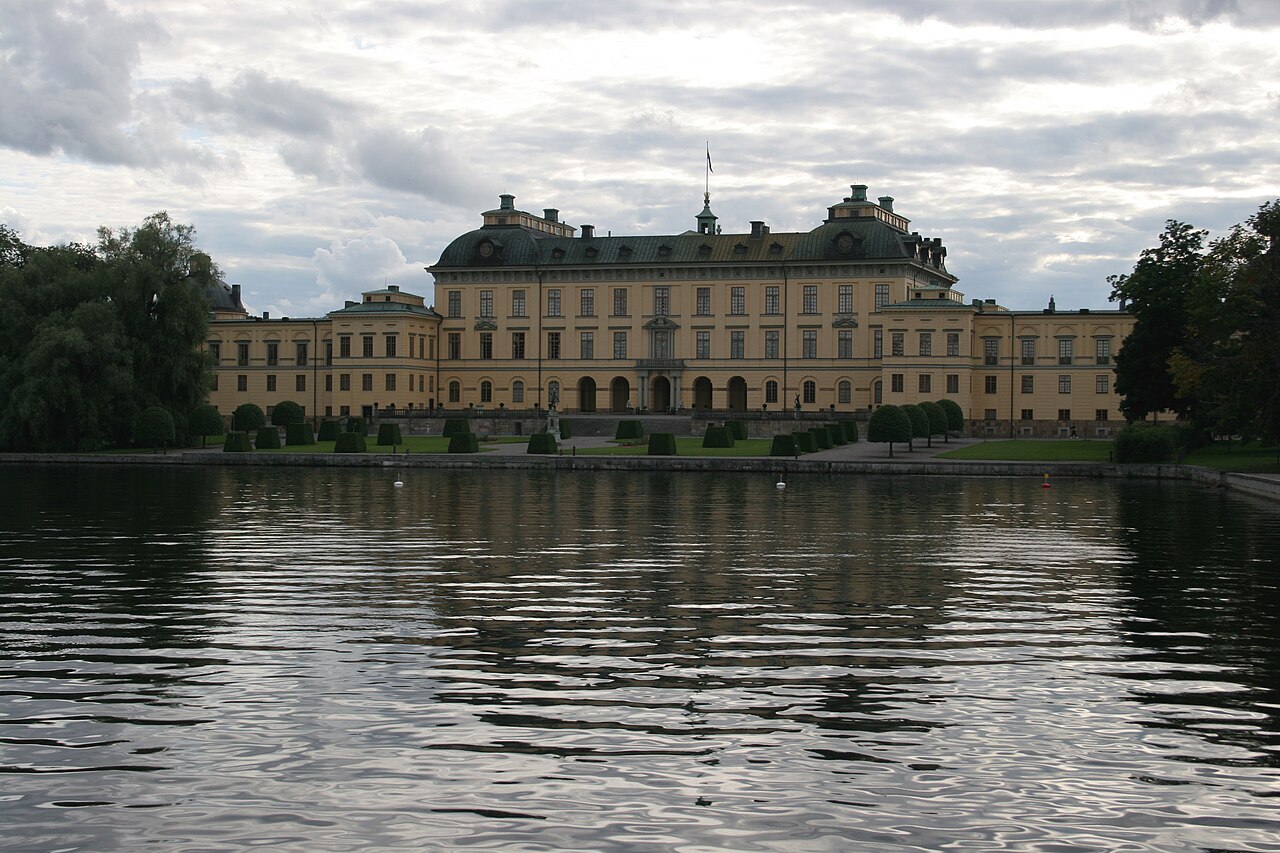
On a green island in Lake Malaren, a short way west of Stockholm, stands a palace that has been called the Versailles of the North. Drottningholm greets you across water and formal gardens, its long Baroque facade reflected in still pools, its dome and wings arranged with a symmetry that speaks of confidence and calm. It is grand without being cold, and even on a first visit it feels less like a monument than like a place still very much alive.
That impression is exact, because Drottningholm is a living royal residence. The Swedish royal family makes its home in one wing of the palace, and yet the rest of the estate, with its state rooms, its gardens, its extraordinary court theatre, and its Chinese pavilion, is open to visitors. Few places in Europe let you walk so freely through a working royal world, one that has been continuously inhabited for centuries.
The palace is also a remarkably complete survival. Where so many royal residences have been rebuilt, burned, or stripped of their contents, Drottningholm preserves an unusually intact picture of court life across several centuries, from the Baroque splendour of its origins to the refined tastes of the eighteenth century. That completeness earned it recognition as one of the first sites in Sweden to be granted World Heritage status.
In this guide you will follow Drottningholm from the queen who first built it, through the great architects who shaped it and the monarchs who filled it with beauty, to its unique theatre, its exotic Chinese pavilion, its gardens, and its life today as both a royal home and a treasured public landmark. By the end you will see why this island palace holds such a special place in the story of Sweden.
In This Article
- A Queen’s Palace on an Island
- The Tessins and the Making of a Masterpiece
- Baroque Grandeur Beside the Water
- The State Rooms and Their Splendour
- The Grand Staircase at the Heart of the Palace
- The Formal Gardens and the Hercules Fountain
- The Court Theatre That Time Forgot
- The Chinese Pavilion and a Royal Surprise
- A Palace That Is Still a Royal Home
- Recognised as a World Heritage Site
- Neglect, Rediscovery, and Careful Restoration
- Planning a Day at Drottningholm
- See Drottningholm for Yourself
A Queen’s Palace on an Island
The name Drottningholm means the queen’s islet, and a queen stands at the very beginning of its story. An earlier royal house had existed on the site, but it burned down in the second half of the seventeenth century, and it fell to the dowager queen Hedvig Eleonora to build anew. A woman of formidable taste and political influence, she seized the chance to create a palace worthy of Sweden’s growing stature as a great power.
Sweden in this era was at the height of its imperial ambitions, a major force in northern Europe, and its rulers wished their architecture to reflect that standing. Hedvig Eleonora shared this vision, and she commissioned a palace in the grand Baroque manner then sweeping the continent, one that would announce Sweden’s arrival among the sophisticated courts of Europe. Drottningholm was to be both a personal retreat and a national statement.
The queen’s project set the character of the whole estate. From the outset Drottningholm was conceived as a total composition, a palace united with its gardens and its setting on the water, planned as a single harmonious whole in the French and Italian taste. This ambition, unusual in the Sweden of its day, gave the palace the coherence and grandeur that still impress visitors centuries later.
It is worth pausing on the fact that a queen, rather than a king, drove this great enterprise. Hedvig Eleonora’s determination and cultivated eye shaped one of the most important buildings in Swedish history, and Drottningholm remains in part a monument to her vision. The palace that carries the queen’s name in its very title truly began as a queen’s creation.
The choice of an island setting was itself significant. Water surrounded the palace with a natural moat of beauty and calm, separating the royal retreat from the city and lending every approach a sense of arrival. In an age when travel by boat was common, reaching Drottningholm across the lake would have felt like passing into a world set apart, and that sense of a place slightly removed from ordinary life clings to it still.
The Tessins and the Making of a Masterpiece
To realise her vision, Hedvig Eleonora turned to the finest architectural talent in the kingdom, and the result was a partnership across generations that shaped Drottningholm into a masterpiece. The design was entrusted to Nicodemus Tessin the Elder, the leading architect of the Swedish Baroque, who laid out the palace and its grand scheme with a confident command of the continental style.
When Tessin the Elder died, the work passed to his son, Nicodemus Tessin the Younger, who carried the project forward and brought to it an even deeper knowledge of European architecture gained through travel and study abroad. Under the two Tessins, Drottningholm absorbed the lessons of French and Italian palace design and translated them into a distinctly Swedish idiom, refined and dignified.
The Tessins were more than builders; they were tastemakers who defined what royal magnificence should look like in Sweden. Their work at Drottningholm influenced the direction of Swedish architecture for generations, and the palace became a school of style in its own right, setting standards that later designers would follow. The name Tessin remains almost synonymous with the Swedish Baroque.
The collaboration between an ambitious queen and a dynasty of gifted architects produced something greater than any of them could have achieved alone. Drottningholm’s harmony of building, decoration, and garden reflects this meeting of vision and skill, and it is one of the reasons the palace feels so unified. It is, in the best sense, a designed world rather than a mere accumulation of grand rooms.
The Tessin dynasty’s involvement did not end with the building’s structure. The family’s deep engagement with European art and design meant that Drottningholm was conceived from the first as a place where architecture, interior decoration, and garden design would all speak the same sophisticated language. This unity of conception, guided by a single cultivated vision across two generations, is exactly what gives the palace its enduring sense of harmony.
Baroque Grandeur Beside the Water
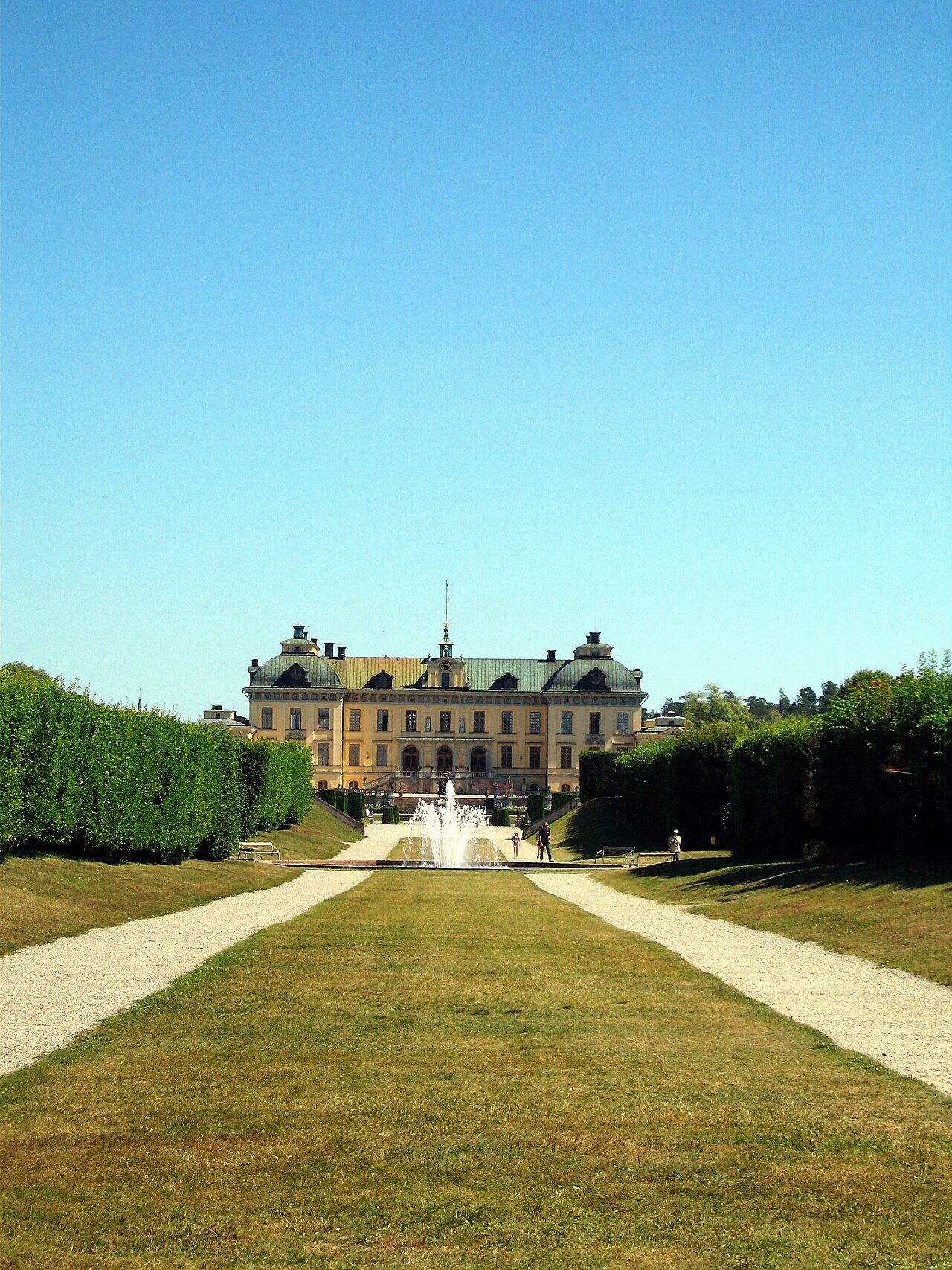
Approached from the water or across its gardens, Drottningholm presents one of the most satisfying Baroque compositions in northern Europe. The long main building stretches horizontally, its central section crowned and its wings reaching out to embrace the visitor, the whole balanced with a symmetry that gives the palace its serene authority. Pale walls and a green setting soften the grandeur, so that the effect is welcoming rather than overwhelming.
The architecture speaks the international language of the seventeenth-century Baroque, with its ordered facades, its rhythmic windows, and its dignified proportions, yet it is adapted to the Swedish climate and light. The palace sits low and broad against the flat island landscape, its horizontal lines echoing the water and sky, so that building and setting seem made for one another. This sensitivity to place is part of the Tessins’ achievement.
Every element was designed to work together. The palace, its terraces, its avenues, and its gardens form a single axial composition, drawing the eye outward from the building into the landscape and back again. Walking the grounds, you become aware of how carefully the views were planned, each vista framed and each approach calculated to reveal the palace at its most impressive.
Later additions and adjustments were made over the centuries, but they respected the original vision, and the palace retains its Baroque coherence to a remarkable degree. Drottningholm never suffered the wholesale rebuilding that transformed so many royal residences, and as a result it stands today as one of the purest surviving expressions of the northern Baroque, a building at peace with itself and its surroundings.
Seen at different times of day, the palace reveals the care that went into its siting. Morning light catches the eastern facade, while the low northern sun of the afternoon rakes across the garden front and its terraces, and the still water doubles the whole composition in reflection. The Tessins understood that a building beside water is never seen alone but always with its mirrored twin, and they composed Drottningholm accordingly.
The State Rooms and Their Splendour
Step inside Drottningholm and the restrained dignity of the exterior gives way to rich and varied interiors that chart the changing tastes of the Swedish court across the centuries. The state rooms preserve decoration from the Baroque origins of the palace through the elegant Rococo and neoclassical periods that followed, so that moving through them is like walking through a history of European style.
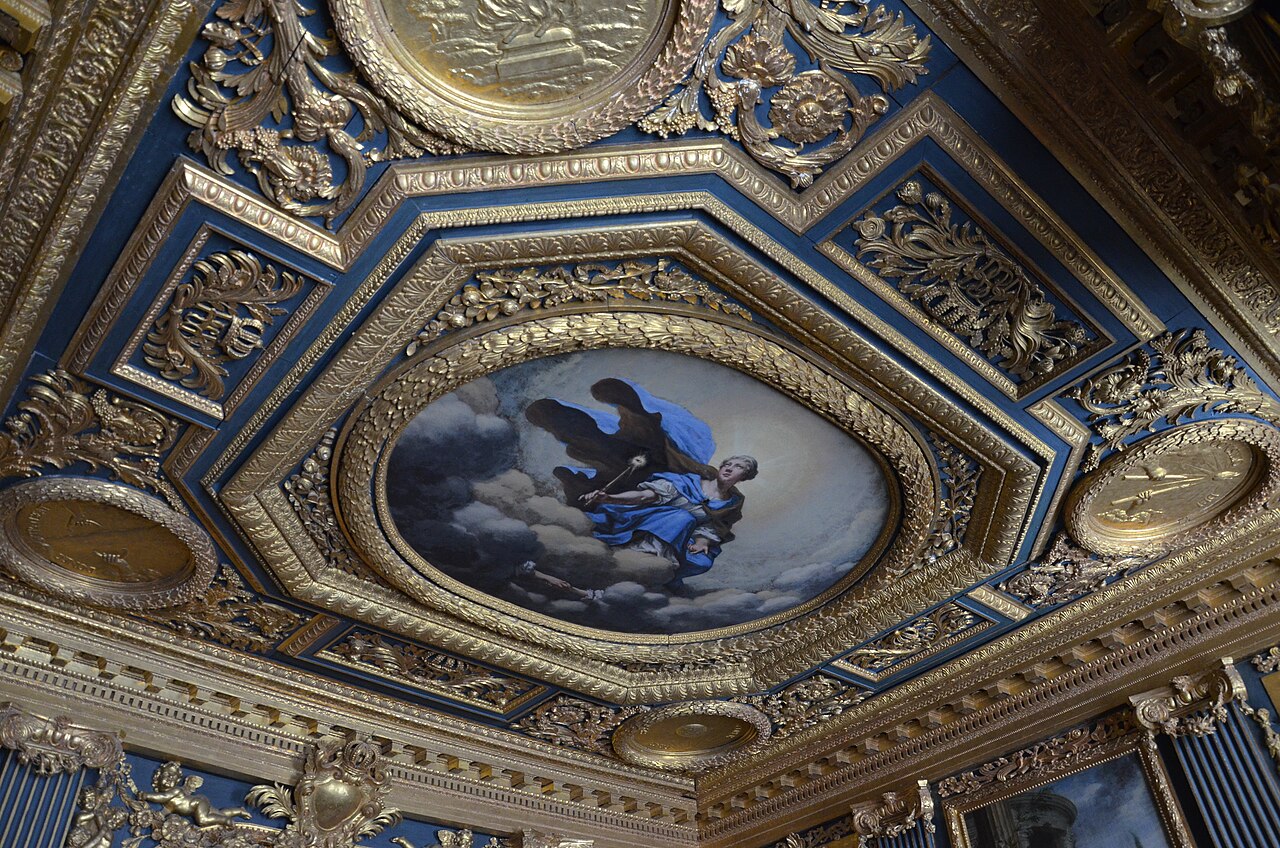
The grandest rooms are lavishly decorated with painted ceilings, gilded ornament, fine furniture, tapestries, and portraits, all arranged to convey the magnificence of the monarchy. Because the palace was continuously used and cared for, many of these interiors survive in excellent condition, retaining their original schemes and furnishings to a degree that is rare among royal residences.
Individual rooms reflect the personalities of the monarchs who shaped them. Successive kings and queens added their own touches, commissioning decoration in the latest fashion and filling the rooms with the art and objects they loved. The result is a layered richness, where each generation left its mark without erasing what came before, giving the interiors a depth of history you can feel.
For visitors, the state rooms offer both spectacle and intimacy. There is the expected grandeur of a great royal palace, but also the sense of real lives lived amid all the splendour, of a court that worked, played, and governed within these walls. That combination of magnificence and humanity is one of the pleasures of exploring Drottningholm’s interior.
Among the pleasures of the interiors is the chance to trace how European taste evolved. A room decorated in the heavy, muscular Baroque of the seventeenth century gives way to another in the lighter, more playful Rococo, and then to the cool restraint of neoclassicism, all under one roof. For anyone interested in the history of design, Drottningholm is a living textbook, its rooms preserving each successive fashion in its authentic setting.
The Grand Staircase at the Heart of the Palace
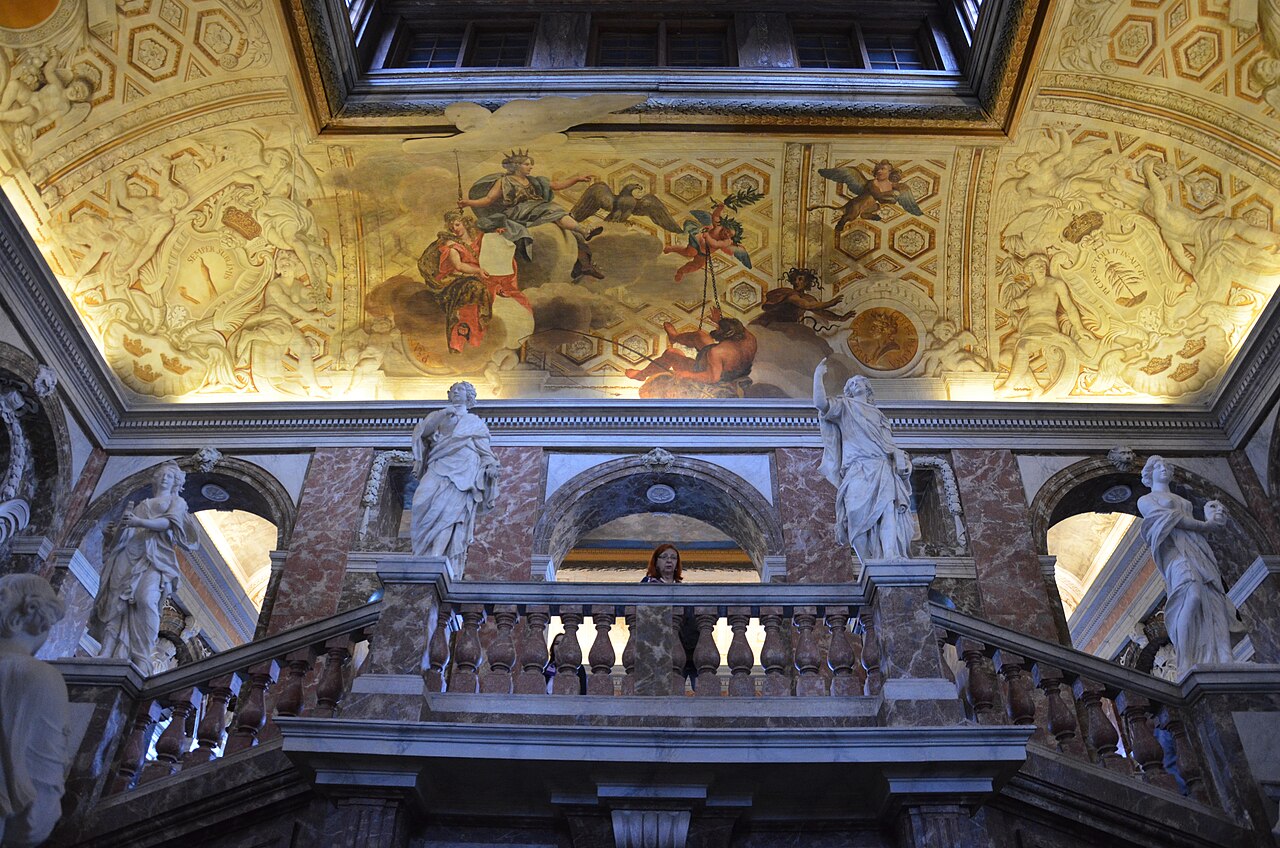
At the ceremonial centre of Drottningholm rises its grand staircase, one of the finest achievements of the Tessins and a masterpiece of Baroque theatre. Designed to impress visitors from the moment they entered, the staircase turns the simple act of ascending into a grand procession, guiding the eye upward past sculpture and painted decoration toward the state apartments above.
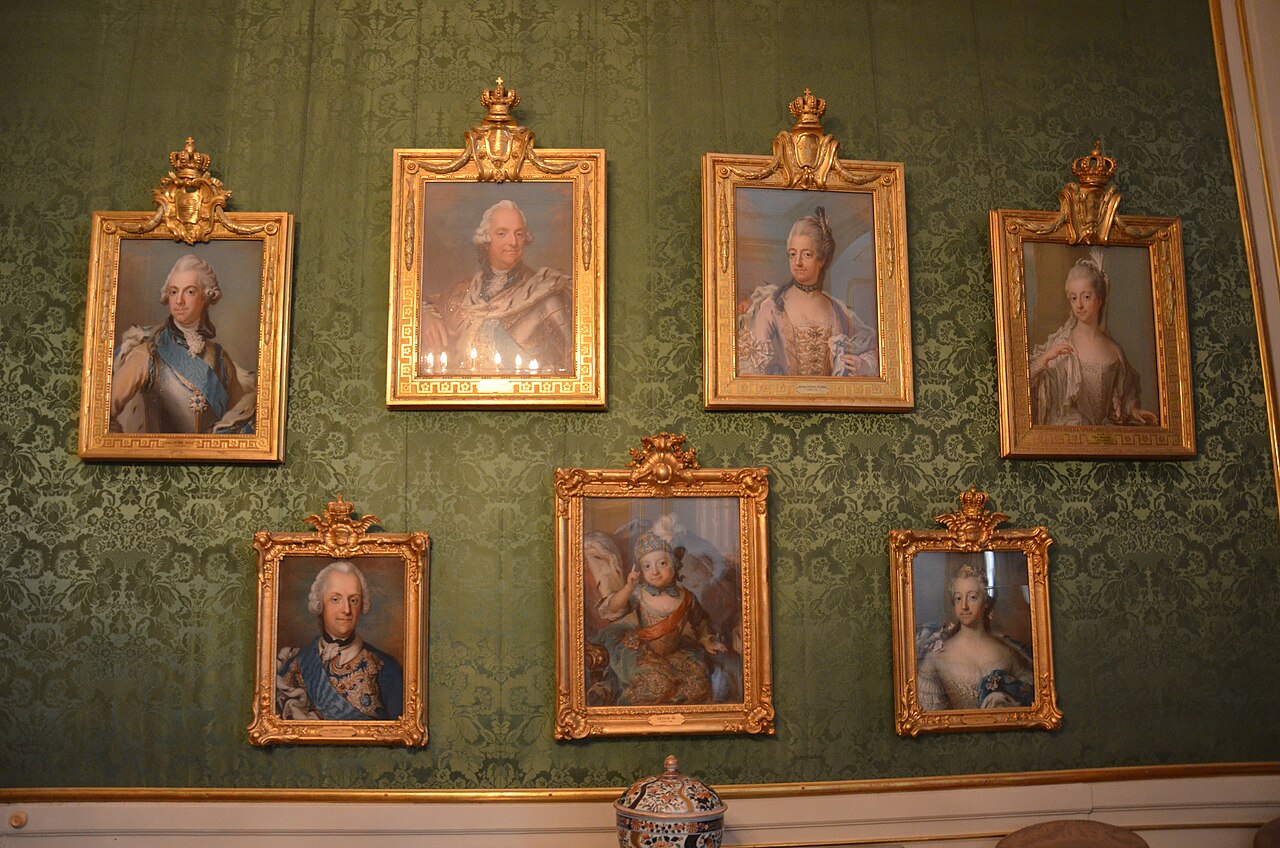
The staircase is richly adorned with statues and trompe-l’oeil painting that blur the line between architecture and illusion, a favourite device of the Baroque. Figures and painted vistas surround the visitor, creating a sense of movement and grandeur that prepares you for the splendour of the rooms beyond. It is architecture designed to stage an experience, not merely to move you between floors.
In the age of court ceremony, such a staircase served a real purpose. The approach to the monarch was carefully choreographed, and the ascent through this magnificent space was part of the ritual that reinforced the majesty of the crown. Visitors would have felt their own smallness and the king’s grandeur with every step, exactly as the design intended.
Today the staircase remains one of the highlights of a visit, a place to pause and take in the artistry of its creators. It captures in a single space the ambitions of the whole palace: the fusion of architecture, sculpture, and painting into a unified work, and the desire to turn the everyday movements of the court into moments of beauty and meaning.
Details in the staircase repay close attention. The sculptures, the painted architecture, and the play of real and illusory space were all calculated by the Tessins to overwhelm the senses in a controlled, deliberate way. Standing at the foot of the stairs and looking up, you can still feel the effect they engineered, a sense of being drawn irresistibly upward into a world of royal magnificence.
The Formal Gardens and the Hercules Fountain
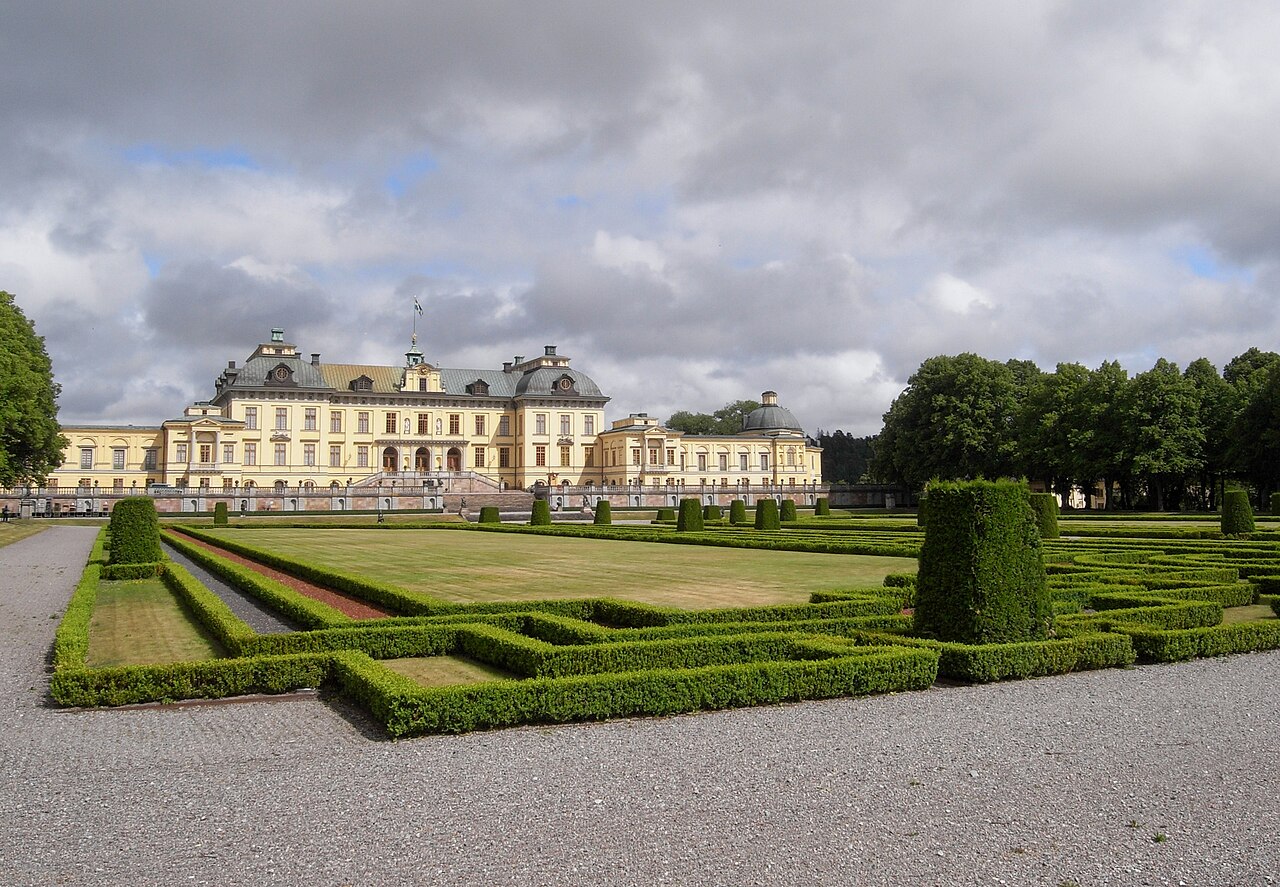
No visit to Drottningholm is complete without its gardens, which are as much a part of the palace’s greatness as the building itself. Laid out in the formal Baroque manner, with geometric parterres, clipped hedges, avenues, and fountains, the gardens extend the palace’s order and symmetry out into the landscape, creating a grand green stage that unfolds behind the building.
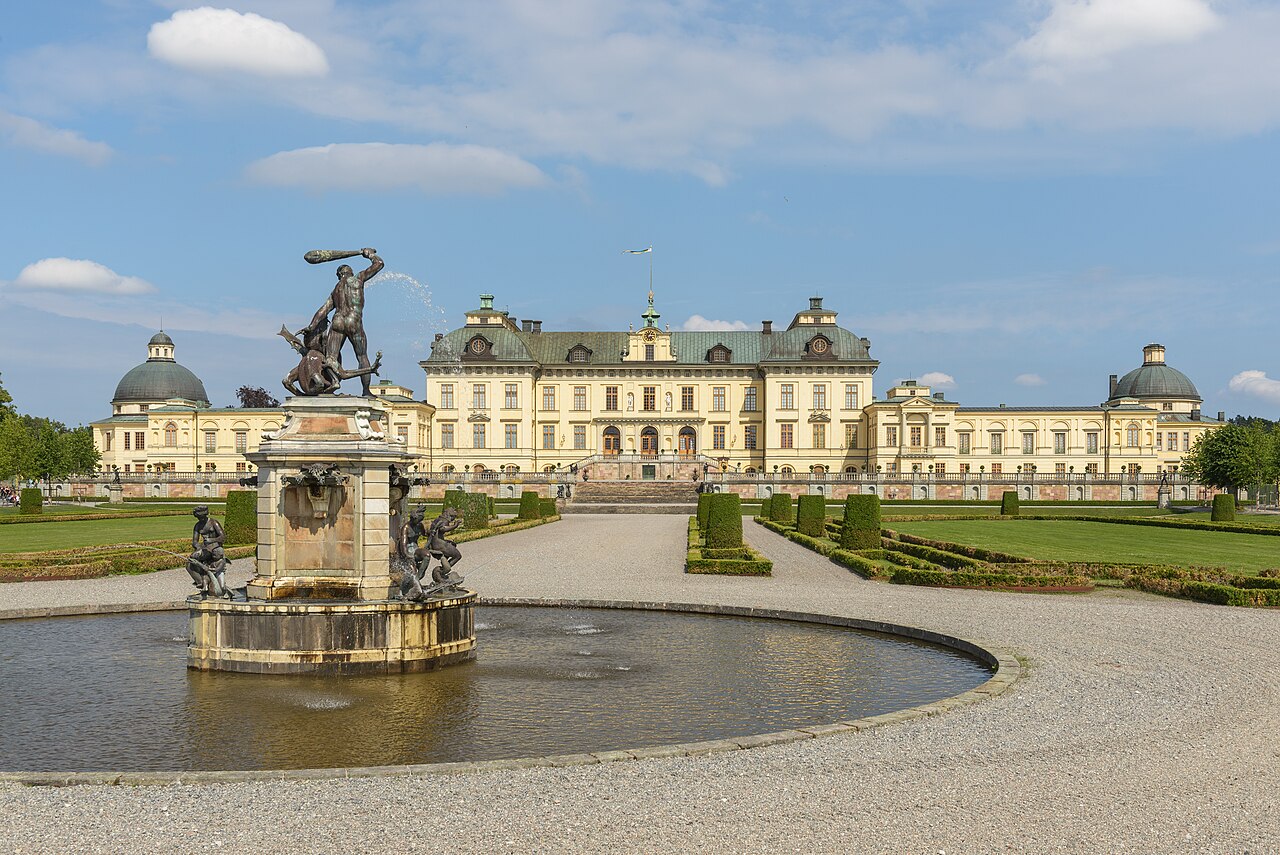
The centrepiece of the formal garden is a spectacular set of bronze sculptures, including the famous Hercules fountain and other figures that were brought to Sweden as war trophies in earlier centuries. These works of art, arranged among the fountains and parterres, give the garden a richness and a history all its own, and they are among the finest Renaissance and Baroque bronzes to be found anywhere in the country.
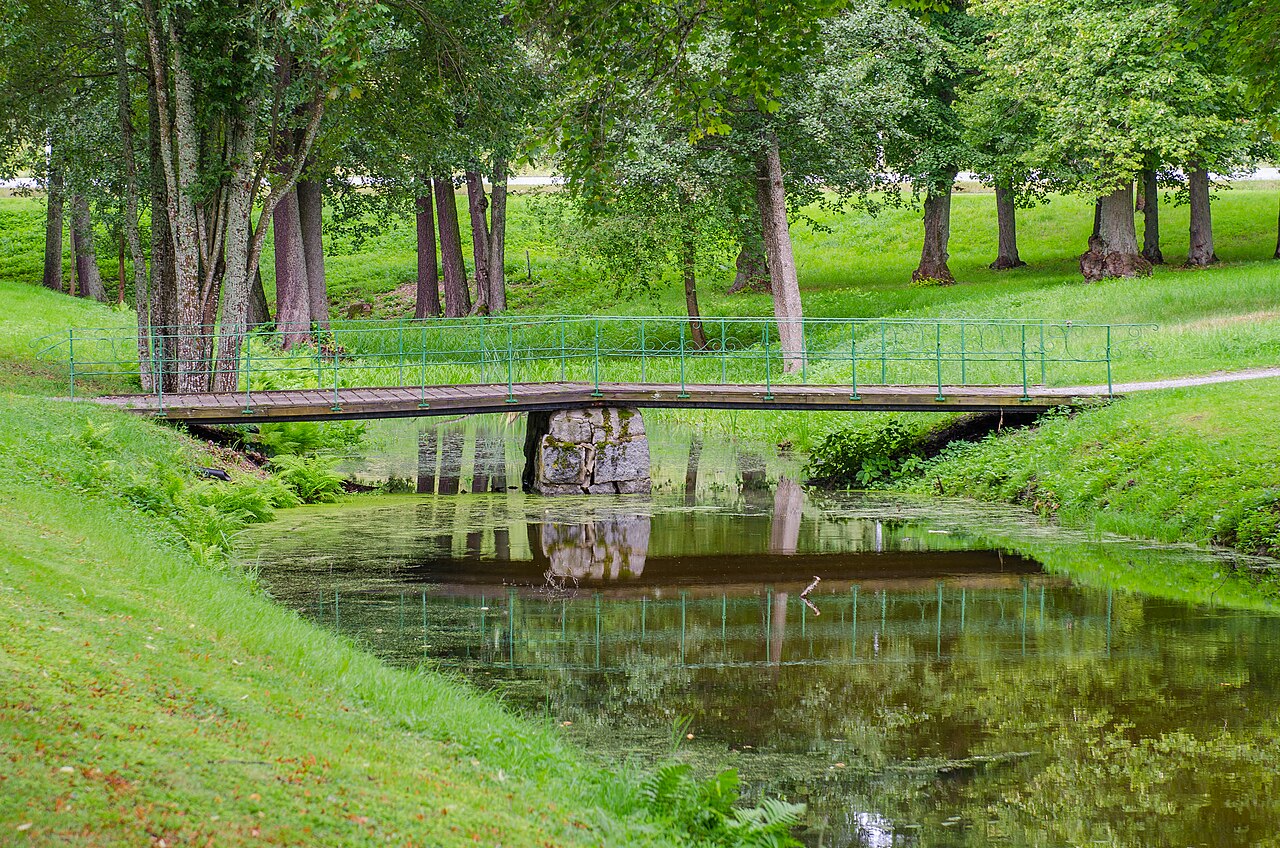
Beyond the formal Baroque garden lies a very different landscape, an English-style park created in the later eighteenth century in the informal, naturalistic taste that came into fashion across Europe. Here winding paths, irregular plantings, canals, and open lawns create a more relaxed and romantic mood, a deliberate contrast to the geometry nearer the palace.
Together the two gardens tell the story of changing ideas about nature and design, and they make the grounds of Drottningholm endlessly rewarding to explore. Whether you prefer the ordered grandeur of the Baroque parterres or the gentle informality of the English park, the gardens offer space to wander and a constantly shifting series of views back toward the palace on its island.
The bronze sculptures deserve special mention as objects of history as well as art. Many were taken as spoils of war during Sweden’s era as a great military power, carried north from the battlefields and gardens of central Europe to adorn the queen’s new palace. Their presence at Drottningholm is a reminder that the beauty of the gardens rests, in part, on the turbulent history of a kingdom that once dominated the Baltic world.
The Court Theatre That Time Forgot
Of all Drottningholm’s treasures, none is more extraordinary than its court theatre. Built in the eighteenth century, the Drottningholm Palace Theatre is one of the very few theatres in the world to survive from that era with its original stage machinery, sets, and equipment still intact and in working order. To step inside is to travel back more than two centuries into the world of Baroque and early Classical theatre.
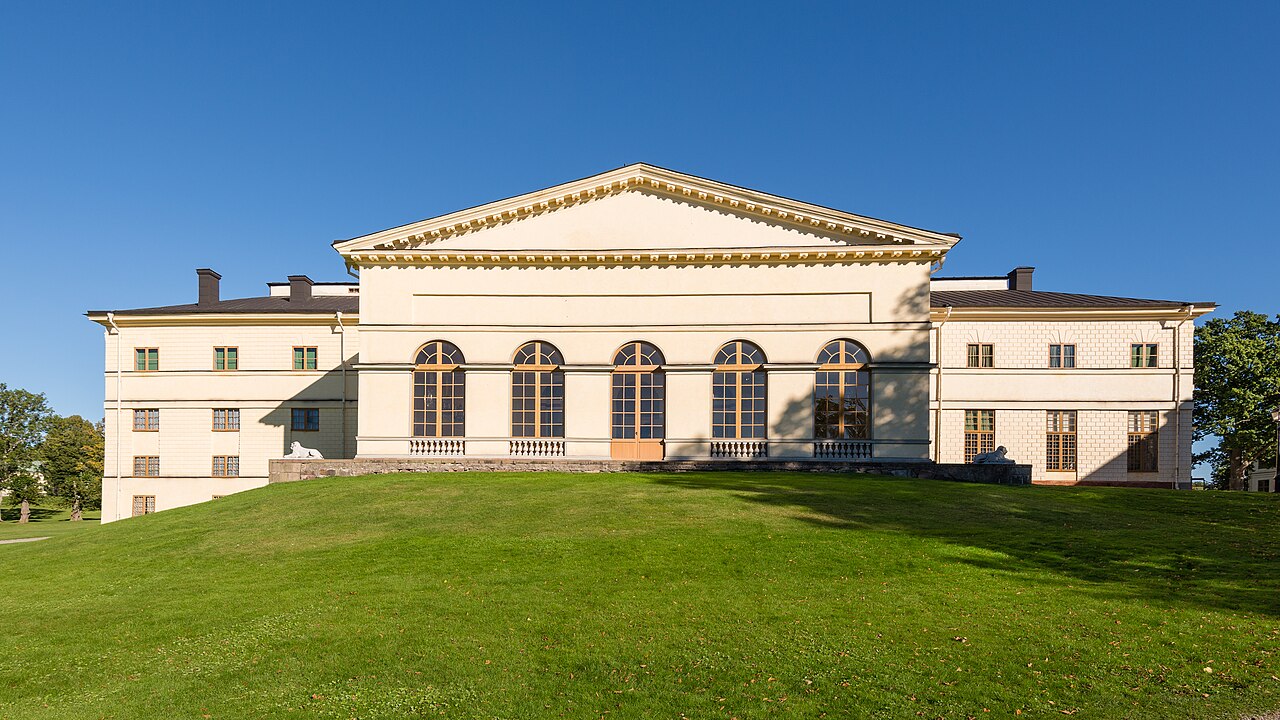
The theatre owes its survival to a remarkable stroke of neglect. After a period of intense use in the late eighteenth century, it fell out of fashion and was largely forgotten, closed up and used for storage rather than demolished or modernised. This accidental preservation, more than any deliberate plan, is why its fragile wooden machinery and painted scenery survived when almost everything comparable elsewhere was lost.
Rediscovered in the early twentieth century, the theatre was found to be astonishingly complete, its hand-operated machinery for changing scenes, creating sound effects, and moving actors still functional. Restored to use, it now hosts performances of the very operas and ballets it was built for, staged with the original techniques, so that audiences can experience eighteenth-century theatre almost exactly as it once was.
This makes the Drottningholm theatre unique in the world, a living museum of historical stagecraft. The wooden wing machines slide, the wave and thunder machines rumble, and the painted perspectives create their illusions just as they did for the eighteenth-century court. For lovers of music and theatre, it is one of the most magical places on the entire estate, and reason enough to make the journey.
It is hard to overstate how rare the theatre’s survival is. Across Europe, the wooden theatres of the eighteenth century, with their flammable sets and fragile machinery, almost all burned, were rebuilt, or were modernised beyond recognition. That Drottningholm’s should have come through the centuries essentially unchanged is a kind of miracle, and it allows scholars and audiences a direct, physical connection to a lost world of performance that exists almost nowhere else.
The Chinese Pavilion and a Royal Surprise
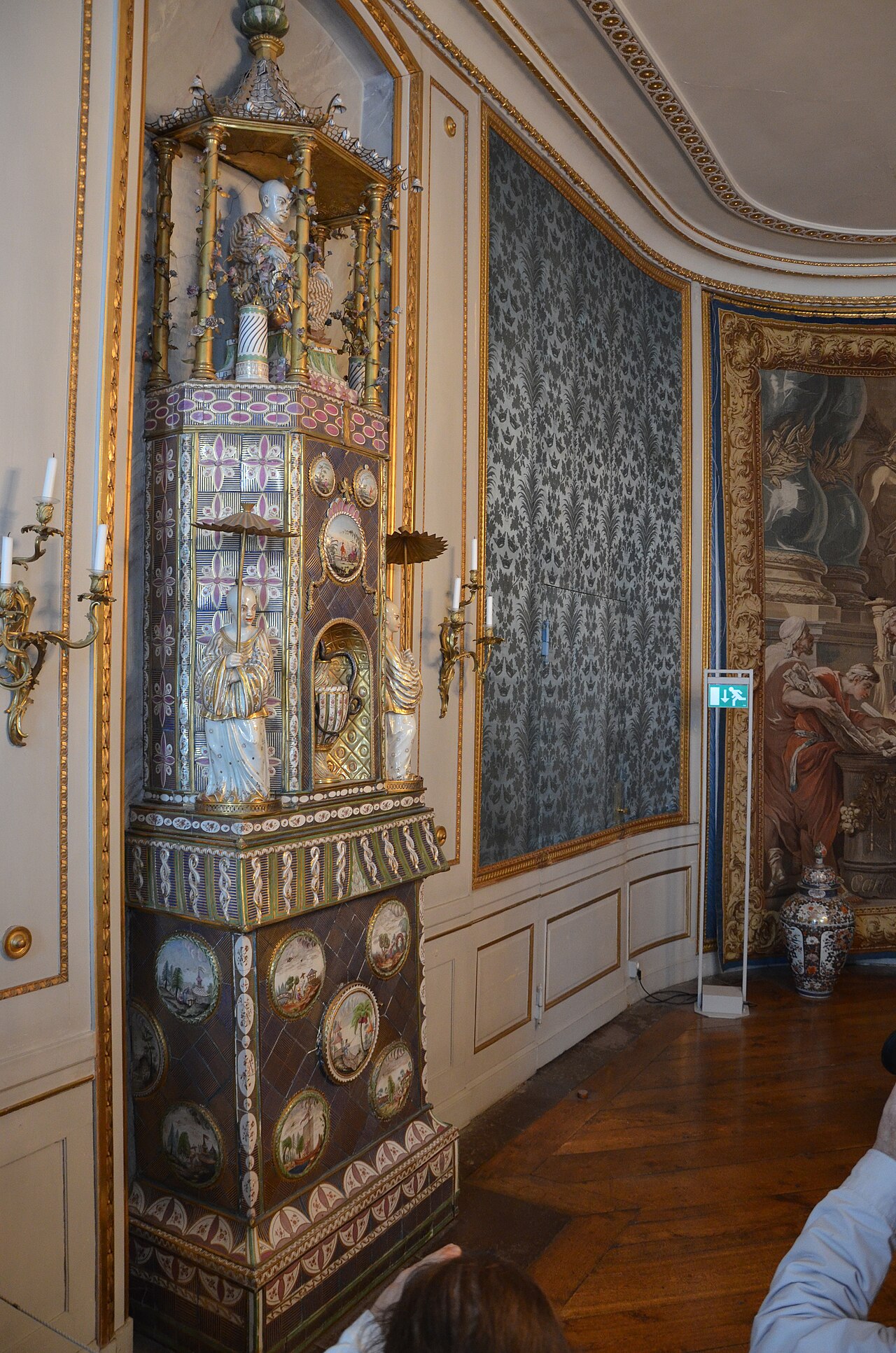
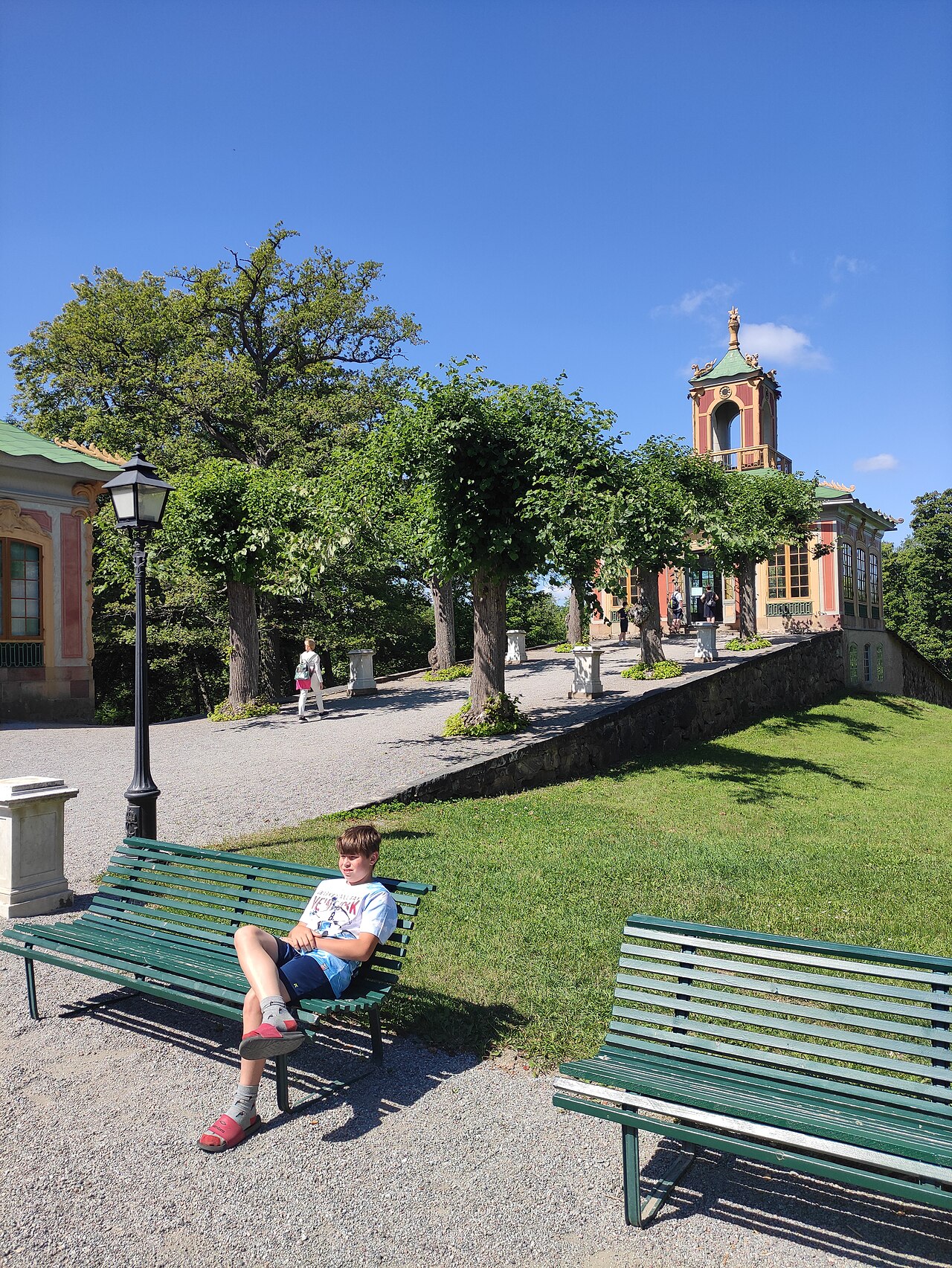
Tucked away in the park stands another of Drottningholm’s wonders, the Chinese Pavilion, known in Swedish as Kina slott. This exquisite little palace reflects the eighteenth-century European craze for all things Chinese, when the exotic art and design of the Far East, filtered through European imagination, became the height of fashion at courts across the continent.
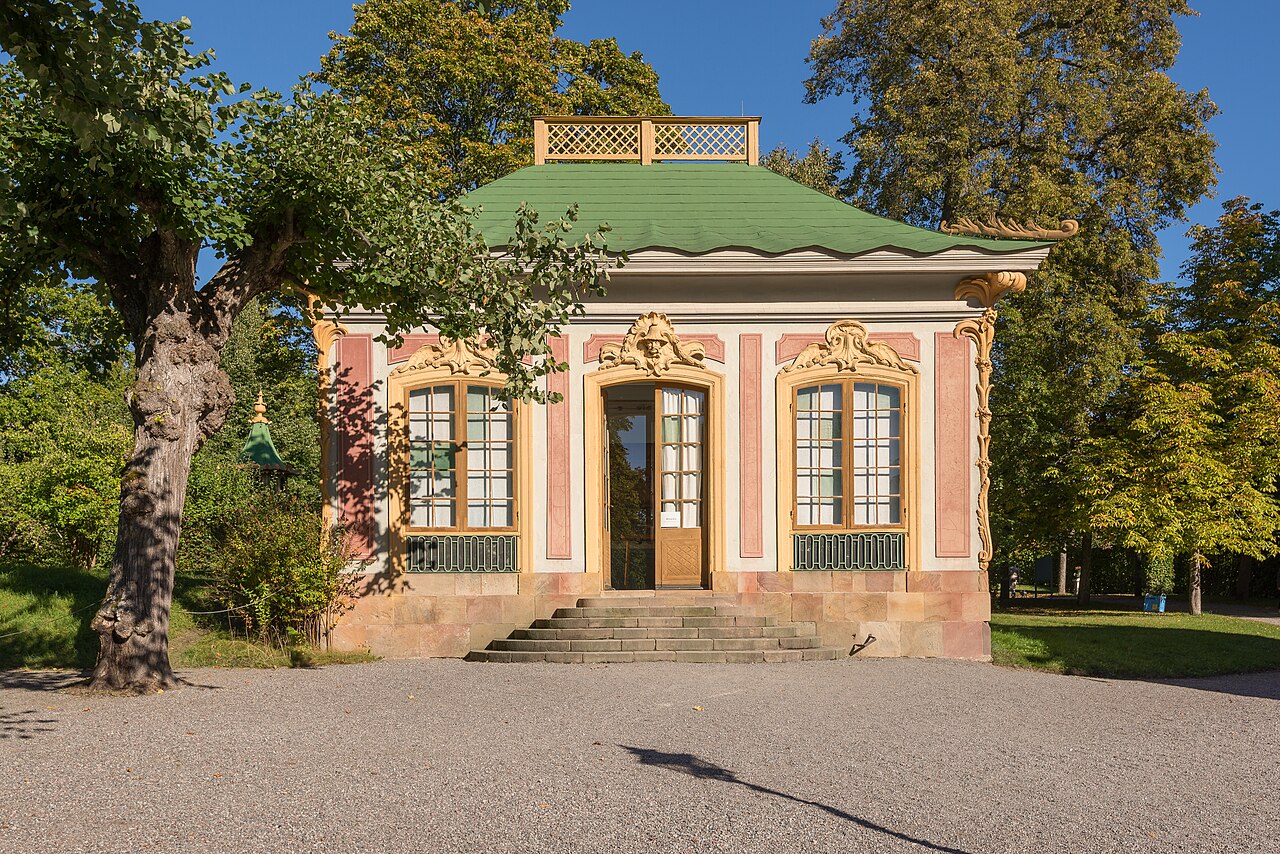
The pavilion has a charming origin story. The first version was created as a surprise birthday gift for a queen, secretly built and then revealed to her delight, a gesture of royal affection on a grand scale. When the original structure aged, it was replaced by the more permanent and elaborate pavilion that stands today, a jewel of the chinoiserie style set among the trees of the park.
Inside, the Chinese Pavilion is decorated with lacquerwork, porcelain, silk, and furnishings inspired by or imported from the East, creating an atmosphere of exotic luxury quite different from the rest of the estate. It was a place of leisure and fantasy, where the court could indulge its taste for the faraway and the fashionable in an intimate, playful setting.
The pavilion adds a note of delight and whimsy to Drottningholm, balancing the grandeur of the main palace with something more personal and imaginative. It reminds us that royal life was not only ceremony and power but also pleasure and play, and that even the most formal of courts made room for surprise, affection, and the sheer enjoyment of beautiful things.
The taste for chinoiserie that produced the pavilion tells us something about how the eighteenth century saw the wider world. Europe’s fascination with China was based as much on fantasy as on knowledge, an imagined East assembled from imported porcelain, lacquer, and traveller’s tales. The Chinese Pavilion is a perfect expression of that dream, less an accurate picture of China than a European daydream of an exotic paradise, beautiful precisely because of its playful unreality.
A Palace That Is Still a Royal Home
One of the things that makes Drottningholm so special is that it remains a genuine royal residence. Since the 1980s it has served as the permanent private home of the Swedish king and queen, who occupy a wing of the palace closed to the public. This gives the estate a rare quality of being both a historic monument and a living household at the same time.
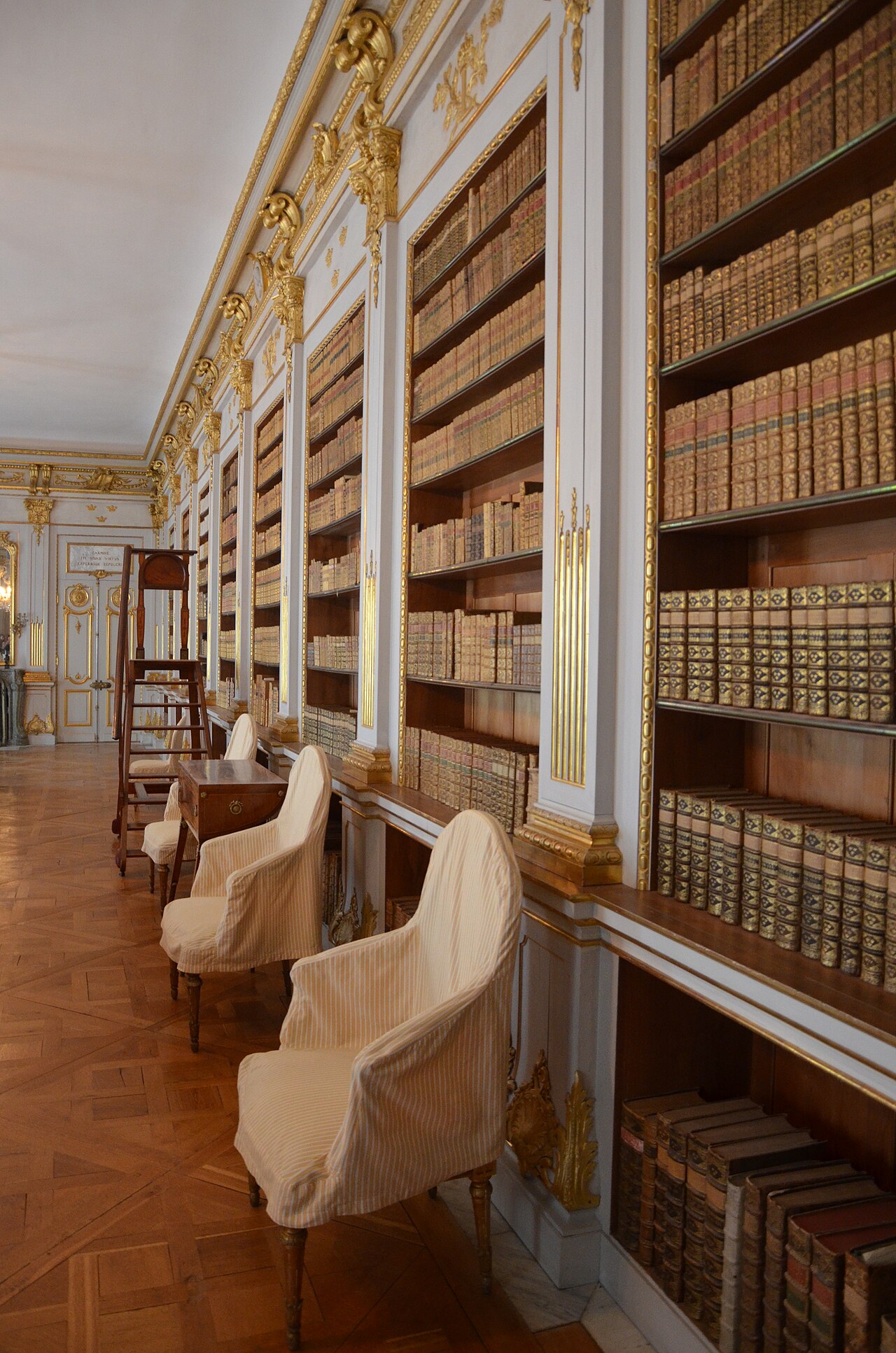
The arrangement is a model of how a modern monarchy can share its heritage. While the royal family lives in one part of the palace, the state apartments, the theatre, the Chinese pavilion, and the gardens are open to visitors, allowing the public to enjoy the great majority of the estate without disturbing its role as a home. It is a balance that few royal sites manage so gracefully.
Living at Drottningholm connects the present royal family to centuries of their predecessors who shaped these rooms and gardens. The continuity is palpable; this is not a museum recreating a vanished world but a place where royal life goes on, in the same setting, generation after generation. That living tradition gives the palace a warmth that purely historic sites often lack.
For visitors, the knowledge that the royal family is at home somewhere within the palace adds a certain frisson to a visit. You are walking through the private world of a living monarchy, sharing its spaces and its views, and glimpsing the setting of a story that is still being written. Drottningholm is history and present life intertwined.
This continuity also shapes how the palace is cared for. Because it is a home as well as a monument, decisions about conservation and change are made with an eye to living use, not just historical display. The result is a place that feels tended and loved rather than embalmed, where the ordinary business of a household continues quietly alongside the streams of visitors who come to admire its history.
Recognised as a World Heritage Site
In recognition of its exceptional value, Drottningholm was inscribed on the UNESCO World Heritage List, among the first sites in Sweden to receive that honour. The listing acknowledges not just the palace but the whole estate, the building together with its theatre, its Chinese pavilion, and its gardens, as an outstanding example of a royal residence of its period.
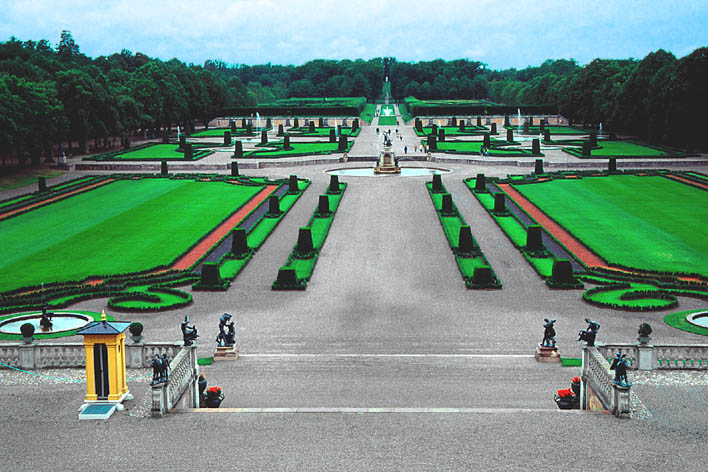
What made Drottningholm worthy of this recognition is above all its completeness and authenticity. The estate survives as a unified ensemble, preserving the palace, its unique working theatre, its exotic pavilion, and its designed landscape in a state that gives an unusually full picture of European court culture and royal life across several centuries.
The theatre in particular contributed to the site’s international importance. As one of the best-preserved eighteenth-century theatres in the world, still equipped and in use, it is a cultural treasure of the first rank, and it exemplifies the kind of rare survival that the World Heritage designation exists to protect. Few sites combine so many exceptional elements in one place.
World Heritage status has helped ensure the careful conservation of Drottningholm and raised its profile among travellers from around the globe. It confirms what visitors sense the moment they arrive: that this is not merely a beautiful palace but a place of universal significance, a window into a whole world of royal art, architecture, and life.
The recognition also carries a responsibility that shapes the estate’s future. World Heritage status commits those who care for Drottningholm to preserving its authenticity for generations to come, balancing the needs of a living royal residence, a working theatre, and a public monument. Meeting that challenge, year after year, is part of what keeps the palace both genuine and alive rather than frozen behind glass.
Neglect, Rediscovery, and Careful Restoration
Drottningholm’s history has not been one of uninterrupted glory. Like many royal residences, it passed through periods of reduced use and relative neglect, especially as the court’s attention shifted elsewhere and fashions changed. Yet in a curious way, these quieter times helped preserve the palace, sparing it the drastic modernisations that transformed grander, busier residences.
The most famous example is the court theatre, which owed its extraordinary survival precisely to being forgotten. What might have seemed a misfortune, a treasured space closed up and left to gather dust, turned out to be the very thing that saved its fragile eighteenth-century machinery for future generations. Neglect became, in effect, an accidental form of conservation.
The twentieth century brought a new appreciation of Drottningholm’s importance and a serious commitment to its care. The theatre was rediscovered and restored to working order, the palace and its collections were studied and conserved, and the whole estate came to be valued as a national and international treasure. Restoration work has aimed to protect authenticity rather than to remake the palace in a modern image.
This blend of survival and stewardship is why Drottningholm feels so genuine. Rather than a heavily reconstructed showpiece, it is a place where the past has largely been allowed to endure, tended with care and respect. The result is an estate of rare integrity, where visitors encounter the real fabric of centuries of royal life rather than a modern imitation of it.
Planning a Day at Drottningholm
Drottningholm is easy to reach from Stockholm, and getting there is part of the pleasure. In the warmer months you can travel by boat across the water, arriving at the palace much as visitors did in centuries past, while buses and other transport serve the estate year-round. The journey out of the city sets the mood for a day among gardens and water.
View Drottningholm Palace on Google Maps
A full visit can easily fill a day. Beyond the state apartments of the main palace, you can explore the court theatre, the Chinese pavilion, and the extensive gardens and park, each a distinct experience. Guided tours help bring the history to life, and the theatre in particular rewards a visit timed to one of its performances, when the historic machinery is brought back to work.
As always with a major site, it pays to check current opening hours and ticket arrangements before you go, since access to different parts of the estate, and especially to the theatre, can vary with the season and with events. Because Drottningholm is a working royal residence, some areas remain private, but the great majority of the estate is open to explore.
You can locate the palace and plan your route using the map link below. Whether you come for the Baroque grandeur, the unique theatre, the exotic pavilion, or simply a walk in the gardens by the water, Drottningholm offers one of the richest and most rewarding royal experiences in Scandinavia. Give yourself time to wander; the estate reveals its many pleasures slowly.
It is worth remembering, too, that the estate changes with the seasons. In summer the gardens are in full bloom, the boats run across the lake, and the theatre stages its performances; in winter the palace takes on a quieter, more austere beauty, its Baroque lines stark against snow and grey water. Each season offers a different Drottningholm, and returning at another time of year can feel almost like visiting a new place.
See Drottningholm for Yourself
A palace set among gardens and water is best appreciated in motion, and the short film below offers a closer look at Drottningholm, from its Baroque facade and state rooms to the gardens and the treasures of the estate. It gives a sense of the scale, the setting, and the atmosphere that make this island palace so memorable.
As you watch, remember the layers of history gathered here: a queen’s ambition, a dynasty of great architects, centuries of royal life, and the rare good fortune that preserved so much of it intact. Drottningholm is a place where the past remains vividly alive, and where a living monarchy still makes its home amid the beauty of earlier ages.
Palaces Nearby
If Drottningholm has drawn you into Scandinavia’s royal heritage, two more northern palaces make natural companions, each with its own distinct character.
- Rosenborg, the Castle That Guards Denmark’s Crown Jewels — Christian IV’s fairy-tale Renaissance castle in central Copenhagen.
- The Royal Palace of Oslo and the King Who Built It — Norway’s neoclassical royal residence at the head of Karl Johans gate.
You May Like
Euxinograd, Bulgaria’s Hidden Palace by the Black Sea


One thought on “Drottningholm, the Versailles of the North”