High in Ecuador’s Canar province, at over 3,000 meters elevation, an elliptical stone platform sits atop a hill surrounded by the ruins of storehouses, plazas, and residential structures. This is Ingapirca, whose Quechua name simply means Inca wall, and it remains the largest known Inca archaeological complex anywhere in Ecuador.
But calling Ingapirca purely an Inca site misses half its story. Long before Inca armies reached this valley, the Canari people had already built a sacred center here, and rather than erasing it, the Inca did something rarer: they built on top of it, blending two distinct architectural and religious traditions into a single hybrid monument.
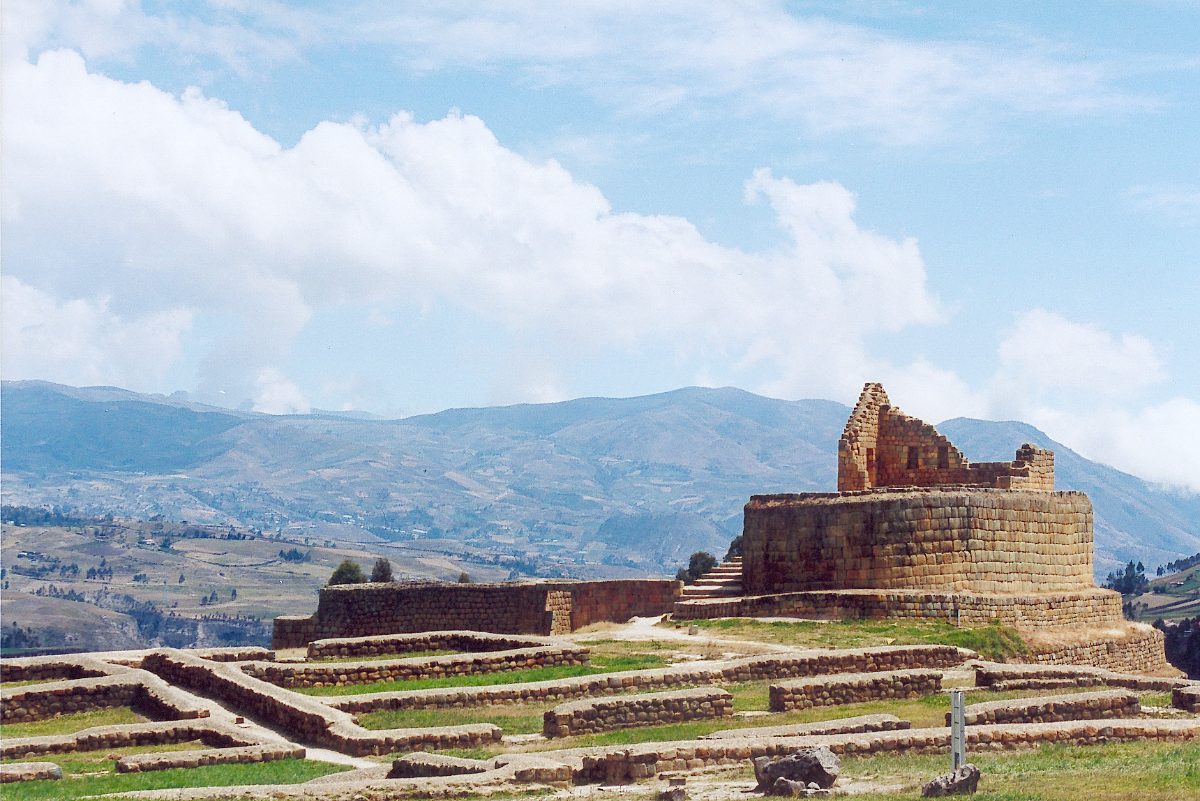
Table of Contents
- Ecuador’s Largest Inca Ruin
- A Sacred Site Long Before the Inca Arrived
- Conquest Without Complete Replacement
- The Elliptical Temple of the Sun
- What Language Did the Canari Speak?
- Sun Worship Meets Moon Worship
- Storehouses Along the Royal Road
- Solstice Light and Andean Astronomy
- Decline, Quarrying, and Colonial Neglect
- Excavation and Visiting Ingapirca Today
- Nearby Places to Explore
Ecuador’s Largest Inca Ruin
Ingapirca sits in the highlands north of the colonial city of Cuenca, along a route that once connected the Inca Empire’s southern heartland around Cuzco to its northern territories reaching toward modern Quito. That position along the empire’s road network, known as the Qhapaq Nan, made the site strategically valuable well beyond its religious significance alone.

Compared to the vast urban centers of Cuzco or the terraced grandeur of Machu Picchu further south in Peru, Ingapirca is modest in scale, yet its combination of scale, preservation, and cultural layering still makes it Ecuador’s single most important surviving pre-Columbian monumental site.
Ecuador’s relatively limited number of major surviving Inca sites, compared to the dramatic concentration of monumental architecture in Peru’s former imperial heartland, reflects the country’s position at the empire’s northern frontier, incorporated only a few decades before Spanish conquest arrived and disrupted further Inca expansion and construction in the region.
Cuenca itself, a UNESCO World Heritage listed colonial city, was built partly using stone quarried from the ruins of Tomebamba, another major Inca settlement that once stood nearby, meaning the wider region around Ingapirca preserves a layered history of Inca construction, colonial reuse, and modern heritage recovery extending well beyond the boundaries of Ingapirca’s own archaeological park.
Guided tours at Ingapirca today typically emphasize this Canari-Inca duality explicitly, a shift in interpretive framing that reflects broader academic and cultural moves within Ecuador to recognize indigenous contributions to national heritage as something more than a mere prelude to Inca or Spanish colonial history.
For travelers combining a visit to Ingapirca with time in Cuenca itself, the two sites together offer a fuller picture of the region’s layered history, moving from pre-Inca Canari religious practice through Inca imperial administration and on into Spanish colonial urban development, all within a relatively compact geographic area.
A Sacred Site Long Before the Inca Arrived
Before Inca expansion reached this region in the late fifteenth century, the Canari people maintained their own religious and ceremonial center at this same hilltop location, one closely associated with moon worship rather than the solar religion the Inca would later bring with them.
Archaeologists have identified distinctly Canari construction techniques and layout patterns beneath and alongside the later Inca additions, evidence that this hilltop held spiritual significance for local communities well before Cuzco’s armies, and Cuzco’s masons, ever arrived in the Canar valley.
Canari settlement in this valley predates Inca arrival by a considerable margin, and archaeological survey across the wider Canar province has identified numerous smaller sites reflecting a well-established regional culture with its own distinct pottery styles, agricultural terracing, and settlement patterns well before imperial conquest reshaped the area’s political and religious landscape.
Ceramic remains and burial evidence recovered from the immediate site area confirm sustained Canari occupation prior to Inca arrival, giving archaeologists a reasonably clear stratigraphic picture of the transition from purely Canari to combined Canari-Inca use of the hilltop across the decades surrounding conquest.
Some researchers have proposed that the Canari site predating Inca arrival may itself have incorporated even earlier local traditions, part of a broader pattern across the Andes in which sacred hilltop locations were repeatedly reused and reinterpreted by successive cultures over long spans of time rather than being sanctified fresh by any single civilization.
Conquest Without Complete Replacement
When Inca forces under Tupac Inca Yupanqui, and later Huayna Capac, brought the Canari region under imperial control, they followed a pattern seen elsewhere in the empire: incorporating existing sacred sites and local elites into the imperial system rather than always demolishing what came before.
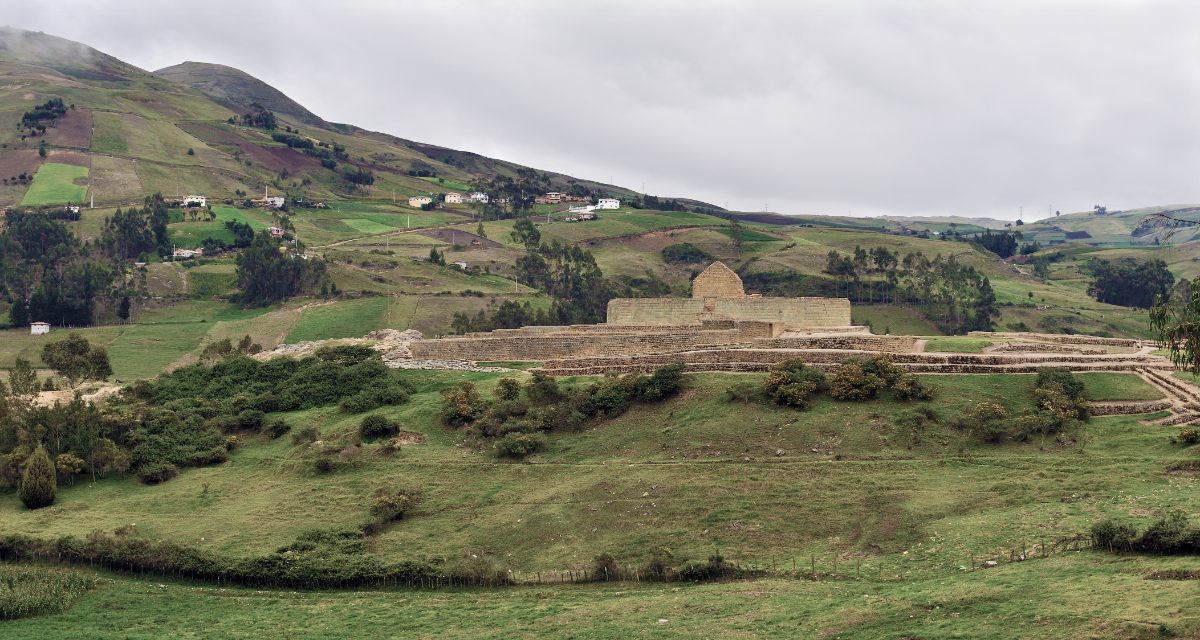
At Ingapirca, this meant building distinctly Inca stonework, finely cut and fitted without mortar in the empire’s signature style, directly alongside and sometimes atop earlier Canari construction, producing a site where two architectural traditions remain visibly, deliberately intertwined rather than one simply overwriting the other.
This strategy of selective incorporation rather than wholesale destruction served clear imperial purposes, allowing the Inca to project authority while reducing the risk of prolonged local resistance, a pragmatic approach to conquest that historians have documented at numerous other sites across the empire’s vast and culturally diverse territory.
Huayna Capac in particular is credited by some colonial-era chroniclers with maintaining a personal residence or administrative presence in the wider Canar region, reflecting the strategic and symbolic importance Inca rulers placed on securing loyalty in this northern frontier territory rather than governing it purely through military garrison alone.
This pattern of layered construction, visible clearly at Ingapirca, offers archaeologists a useful comparative case study alongside similar Inca-local hybrid sites documented elsewhere across the empire, helping build a broader picture of how consistently, or inconsistently, Inca administrators applied strategies of religious and architectural accommodation across such a vast and culturally diverse territory.
The Elliptical Temple of the Sun
Ingapirca’s centerpiece, often called the Temple of the Sun or El Castillo, is an elliptical stone platform, a shape considered unusual for Inca religious architecture, which more typically favored rectangular or trapezoidal forms across the empire’s other major temple sites.

Many archaeologists interpret this oval design as a direct architectural compromise, reflecting the circular and oval forms favored in earlier Canari construction, adapted and rebuilt using precise Inca stone-cutting technique, making the temple itself a physical symbol of the cultural fusion that defines the wider site.
Stone blocks used in the temple’s construction are fitted together with the same precise, mortarless technique associated with major Inca sites throughout the empire, a construction method requiring careful shaping of each block to interlock tightly with its neighbors, providing both structural stability and the smooth, monumental appearance for which Inca masonry remains widely admired.
Visitors familiar with rectangular Inca temple architecture at sites further south often find the Temple of the Sun’s oval footprint the most immediately striking feature of Ingapirca, a visual signal, even to casual observers, that something culturally distinctive occurred at this particular site compared to more conventionally Inca religious structures elsewhere in the empire.
Structural engineers examining the temple’s foundation have noted that its elevated platform position would have made it visible from a considerable distance across the surrounding valley, likely reinforcing its symbolic role as a visible marker of both religious authority and imperial presence for travelers and local communities passing along the nearby road network.
What Language Did the Canari Speak?
The Canari originally spoke their own distinct language, generally referred to simply as Canari, which was gradually absorbed following Inca conquest as Quechua, the empire’s administrative language, spread through imperial policy across the newly incorporated territory.
Very little of the original Canari language survives in documented form today, and the Kichwa, or Ecuadorian Quechua, spoken by many Canari descendant communities in the region now reflects centuries of Inca and later Spanish colonial linguistic influence layered over whatever the Canari originally spoke, another case in this series where the honest answer involves significant uncertainty about a culture’s original language.
This linguistic transition mirrors patterns documented at other conquered regions across the Inca Empire, where Quechua’s spread often reflected deliberate imperial administrative policy rather than organic language change, gradually displacing local languages across a territory stretching from modern Colombia down through Chile and Argentina over the course of the empire’s rapid fifteenth-century expansion.
Modern linguistic and cultural revitalization efforts among Canari descendant communities in Ecuador have grown in recent decades, part of a broader national recognition of indigenous nationalities and their distinct historical identities, even as the specific original Canari language itself remains effectively lost beyond scattered place names and limited colonial-era documentation.
Comparative study of Canari-influenced Kichwa dialects spoken in the region today occasionally turns up vocabulary or place names that may preserve fragments of the original Canari language, though as with several other genuinely uncertain linguistic cases in this series, these traces remain too limited to support full reconstruction of the ancient tongue.
Sun Worship Meets Moon Worship
Canari religious tradition placed particular emphasis on lunar worship, a contrast to the Inca state religion’s strong solar focus centered on Inti, the sun god, and the Inca ruler’s own claimed descent from that solar deity.
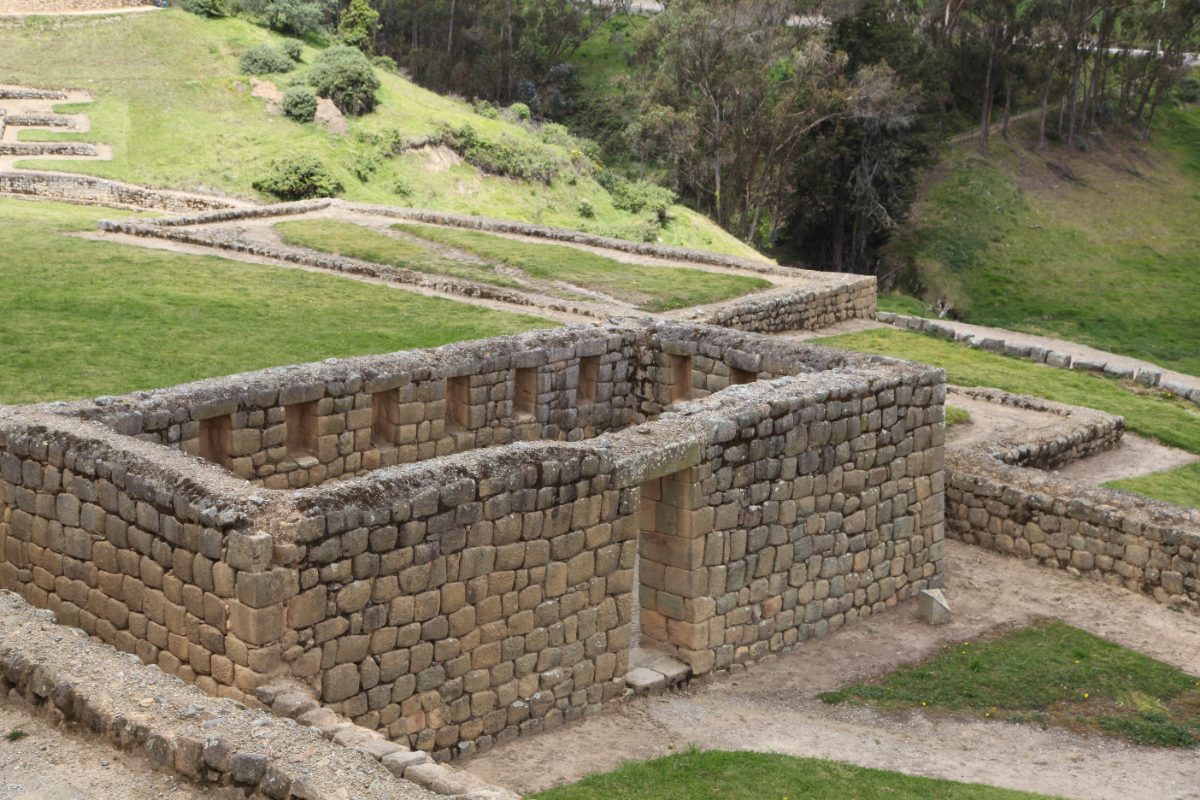
Some researchers argue that Ingapirca’s combined temple complex may have functioned as a genuinely shared sacred space, accommodating both traditions rather than forcing local Canari religious practice to disappear entirely beneath imposed Inca solar worship, a rare documented instance of religious accommodation within the otherwise often assertively centralizing Inca imperial system.
Whether this accommodation reflected genuine religious tolerance or simply pragmatic political strategy aimed at securing local cooperation remains debated among historians, though the physical evidence at Ingapirca itself, blending two distinct architectural and religious traditions in a single structure, is difficult to explain as anything other than deliberate cultural negotiation of some kind.
Some ethnographers studying contemporary Canari communities in the region note that lunar-associated agricultural and ceremonial practices persist in certain local traditions today, offering tentative, indirect continuity with the moon-focused religious emphasis long associated with the pre-Inca Canari culture that first sanctified this hilltop.
This kind of religious blending is documented at other conquered regions across the Inca Empire as well, though rarely as clearly expressed in a single, well-preserved architectural form as it is at Ingapirca’s oval Temple of the Sun, making the site an unusually direct physical illustration of a phenomenon historians otherwise have to reconstruct mainly from written colonial sources.
Storehouses Along the Royal Road
Surrounding the central temple complex, archaeologists have identified the remains of qollqas, Inca storage structures used to hold grain, textiles, and other goods collected as tribute or distributed along the empire’s road network, confirming Ingapirca’s role as an administrative and logistical waypoint as well as a religious center.
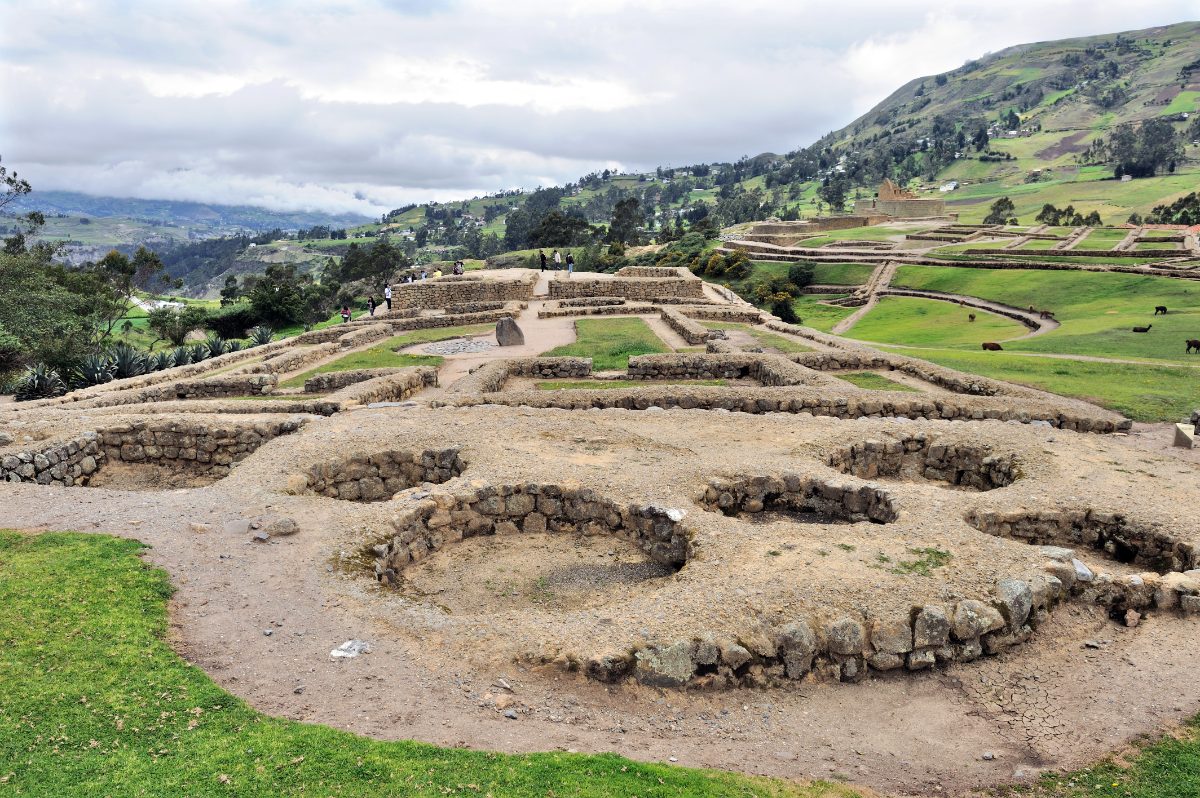
This combination of storage infrastructure and sacred architecture reflects the broader Inca strategy of binding religious authority and practical imperial administration tightly together at key sites throughout their road network, rather than treating temples and logistics as separate concerns.
Goods stored in these qollqas likely included maize, potatoes, and other Andean staple crops adapted to the region’s high elevation growing conditions, alongside textiles and other manufactured goods moved along the imperial road network connecting Ingapirca to both the Inca capital at Cuzco and other administrative centers scattered across the empire’s northern provinces.
The broader Qhapaq Nan road network connecting Ingapirca to the rest of the empire received UNESCO World Heritage recognition in 2014 as a shared, multi-country nomination spanning six Andean nations, underscoring the road system’s significance as an engineering and administrative achievement comparable to the individual monumental sites it once connected.
Excavated qollqa foundations at Ingapirca follow a design broadly consistent with storage structures documented at other Inca administrative sites, typically featuring elevated floors and ventilation designed to protect stored grain from moisture, a practical engineering solution adapted to the cool, damp highland climate typical of this part of the Andes.
Solstice Light and Andean Astronomy
Researchers studying the Temple of the Sun have documented apparent alignments between specific windows or niches in the structure and the sun’s position during the June solstice, suggesting the building served an astronomical observation function tied to the agricultural and ceremonial calendar alongside its purely religious role.
Such solar alignments appear at numerous major Inca religious sites across the empire, reflecting the broader importance the Inca placed on tracking solstices and equinoxes for both practical agricultural planning and religious ceremony honoring the sun god central to imperial ideology.
Andean astronomical knowledge more broadly integrated close observation of celestial movements with agricultural planning, since accurately predicting seasonal changes at high elevation, where growing seasons could be unforgiving, carried genuine practical stakes well beyond the religious significance solstice observation held within Inca state ideology.
Similar solstice-aligned architectural features have been documented at Machu Picchu and several other major Inca ceremonial sites, suggesting a consistent, empire-wide architectural approach to encoding astronomical observation directly into religious buildings rather than relying solely on separate observational instruments or open-air markers.
Local guides at Ingapirca today often organize special visits timed to the June solstice specifically so travelers can observe the alignment firsthand, a modern tourism practice that, intentionally or not, echoes the same seasonal attentiveness that shaped the temple’s original construction centuries earlier.
Decline, Quarrying, and Colonial Neglect
Following Spanish conquest and the disruption of Inca imperial administration, Ingapirca gradually lost its original religious and logistical function. Colonial-era settlers reportedly quarried finished stone from the site for use in nearby construction projects, a common fate for abandoned pre-Columbian monuments across the former Inca territories.
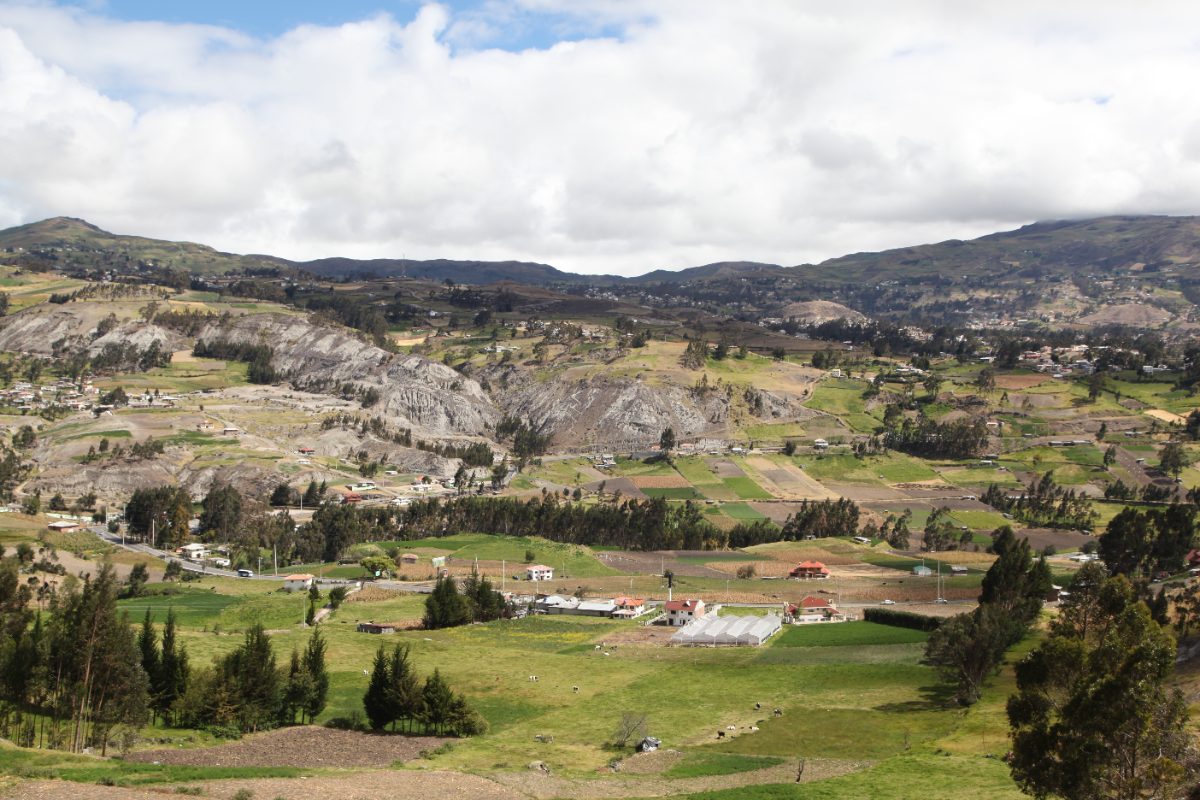
Cattle ranching and agricultural activity in the surrounding countryside further encroached on the site over subsequent centuries, and it was only through sustained twentieth-century archaeological attention that Ingapirca’s remaining structures received the formal protection and study needed to stabilize what had survived this long period of neglect.
Local communities in the centuries following Spanish conquest often had little institutional incentive to preserve pre-Columbian monuments, viewing dressed Inca stone blocks primarily as convenient, already-shaped building material for churches, houses, and other colonial-era construction rather than as heritage worth protecting for its own sake, a pattern repeated at abandoned Inca sites throughout the former empire.
Written colonial-era accounts of the region occasionally reference the ruins, though detailed, sustained documentation of Ingapirca’s condition and history did not really begin until considerably later, leaving a gap of several centuries during which the site’s decline proceeded largely unrecorded by any systematic outside observer.
Some of the finely cut stone blocks removed from Ingapirca over the centuries have reportedly been identified in the walls of nearby colonial-era churches and homes, giving researchers occasional physical leads for tracing exactly how much original material was dispersed before formal protective measures were finally established at the site.
Excavation and Visiting Ingapirca Today
Ecuadorian archaeologists have led extensive study and restoration work at Ingapirca over recent decades, and the site now operates as a protected archaeological park with an on-site museum displaying artifacts recovered from both its Canari and Inca occupation phases.
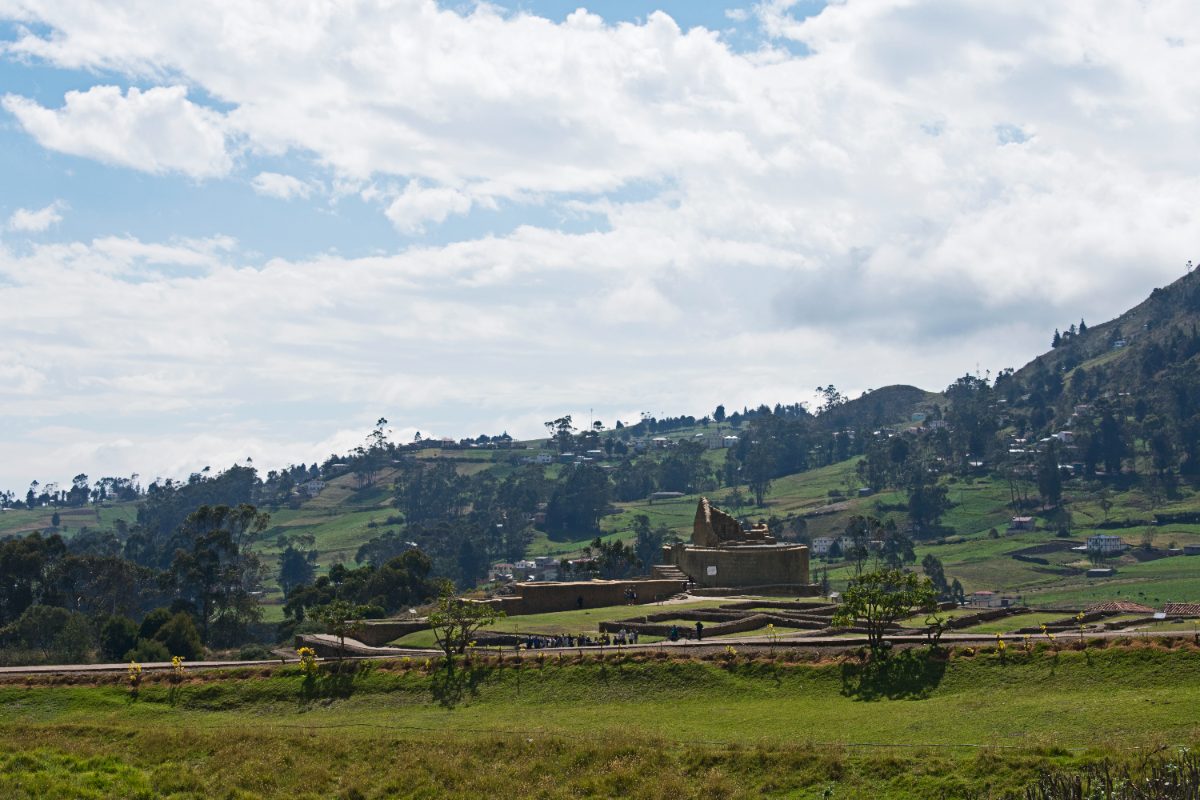
Located within a manageable day trip from Cuenca, Ingapirca remains an accessible highlight for visitors exploring Ecuador’s southern highlands, offering a considerably gentler visitor experience than more remote Andean sites while still conveying the genuine cultural complexity of Canari and Inca coexistence at a single sacred hilltop.

Restoration efforts have had to carefully distinguish between original Canari and Inca construction phases during stabilization work, a technical challenge requiring detailed archaeological documentation to avoid inadvertently blurring the very cultural layering that makes the site historically significant in the first place.
The on-site museum at Ingapirca displays ceramics, textiles, and other artifacts recovered from both Canari and Inca occupation layers, helping visitors distinguish between the two cultural traditions represented at the site rather than experiencing the ruins as a single undifferentiated Inca monument.
Ecuador’s national government has periodically invested in additional conservation and visitor infrastructure improvements at Ingapirca, recognizing the site’s importance both as a heritage asset and as a meaningful contributor to regional tourism revenue in the southern highland provinces surrounding Cuenca.
Nearby Places to Explore
Ingapirca’s history connects to other Andean sites covered elsewhere in this series.
- Kuelap, the Andean Fortress the Inca Struggled to Conquer
- How the Wari Empire Ruled the Andes Long Before the Inca
- Sipan’s Looted Royal Tomb Rewrote Moche History
Closing Thoughts
Ingapirca offers something genuinely distinct among the Inca sites in this series: not a story of pure conquest and replacement, but of two religious traditions, Canari moon worship and Inca sun worship, negotiating a shared physical and spiritual space on the same hilltop.
That blending, visible today in the unusual oval shape of its central temple, makes Ingapirca as much a monument to cultural accommodation as to imperial power, a nuance easy to overlook next to the more famous, purely Inca grandeur of sites further south in Peru.
You May Like
Mafra, the Palace a King Built From a Vow


One thought on “Ingapirca Blends Inca Sun Worship With Canari Moon Rites”