No site in this entire series needs less introduction than Machu Picchu, the mountaintop Inca citadel that has become perhaps the single most recognizable ancient ruin in the Americas. Yet much of what most visitors assume about it, that it was lost, hidden, or a secret refuge, turns out to be more complicated than the popular story suggests.
Built during the reign of the Inca emperor Pachacuti in the mid-fifteenth century, Machu Picchu functioned not as a defensive fortress or a last hideout, but most likely as a royal estate, a retreat built for an emperor who wanted a private mountain sanctuary befitting his status as a living descendant of the sun.
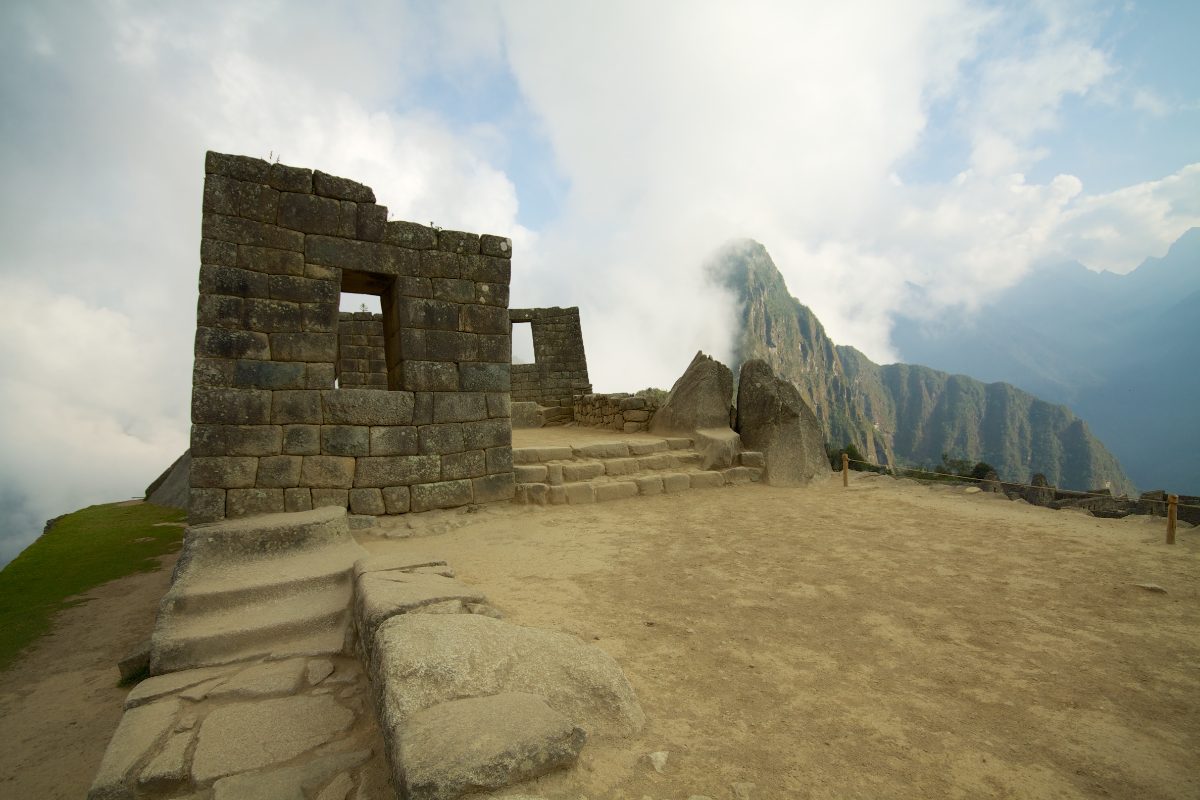
Table of Contents
- A Royal Estate on a Mountain Ridge
- Built for an Emperor, Not for Defense
- Never Actually Lost
- Hiram Bingham and the Search for Vilcabamba
- What Language Was Spoken Here?
- The Intihuatana Stone That Survived
- Water, Terraces, and Earthquake-Proof Stone
- The Temple of the Sun
- Artifacts, Yale, and a Long Dispute
- Overtourism and Visiting Machu Picchu Today
- Nearby Places to Explore
A Royal Estate on a Mountain Ridge
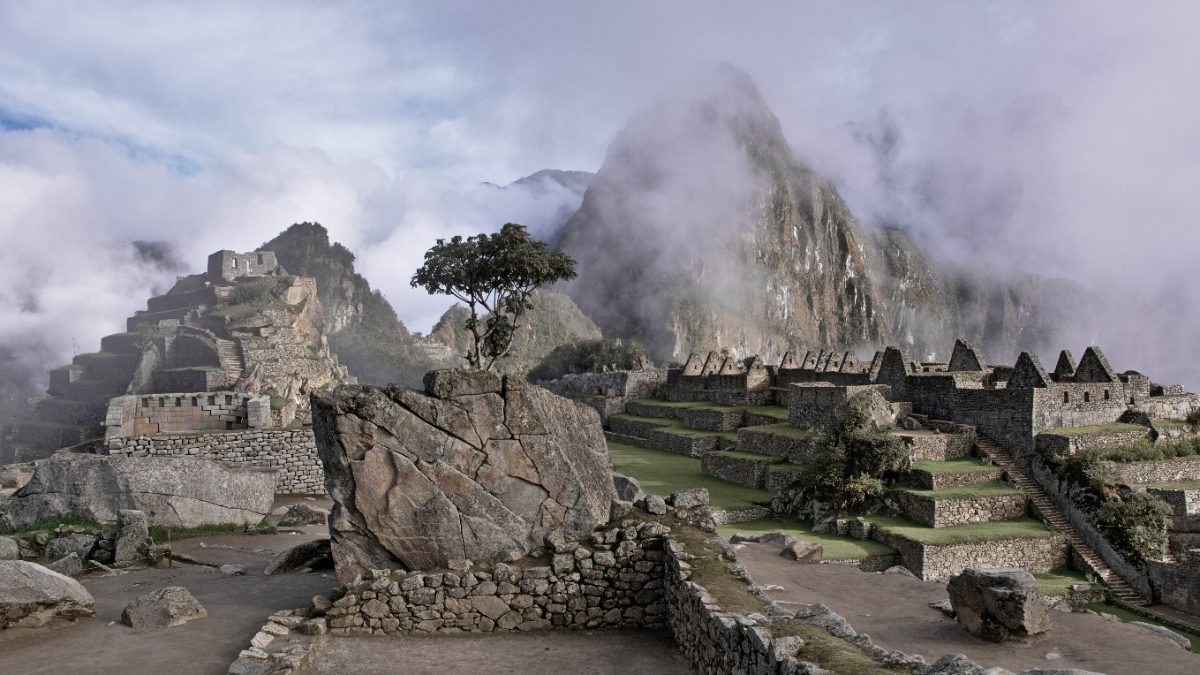
Machu Picchu sits at roughly 2,430 meters elevation on a narrow ridge between the peaks of Machu Picchu and Huayna Picchu, high above a bend in the Urubamba River in Peru’s Sacred Valley, a location chosen as much for its dramatic beauty as for any practical or defensive consideration.
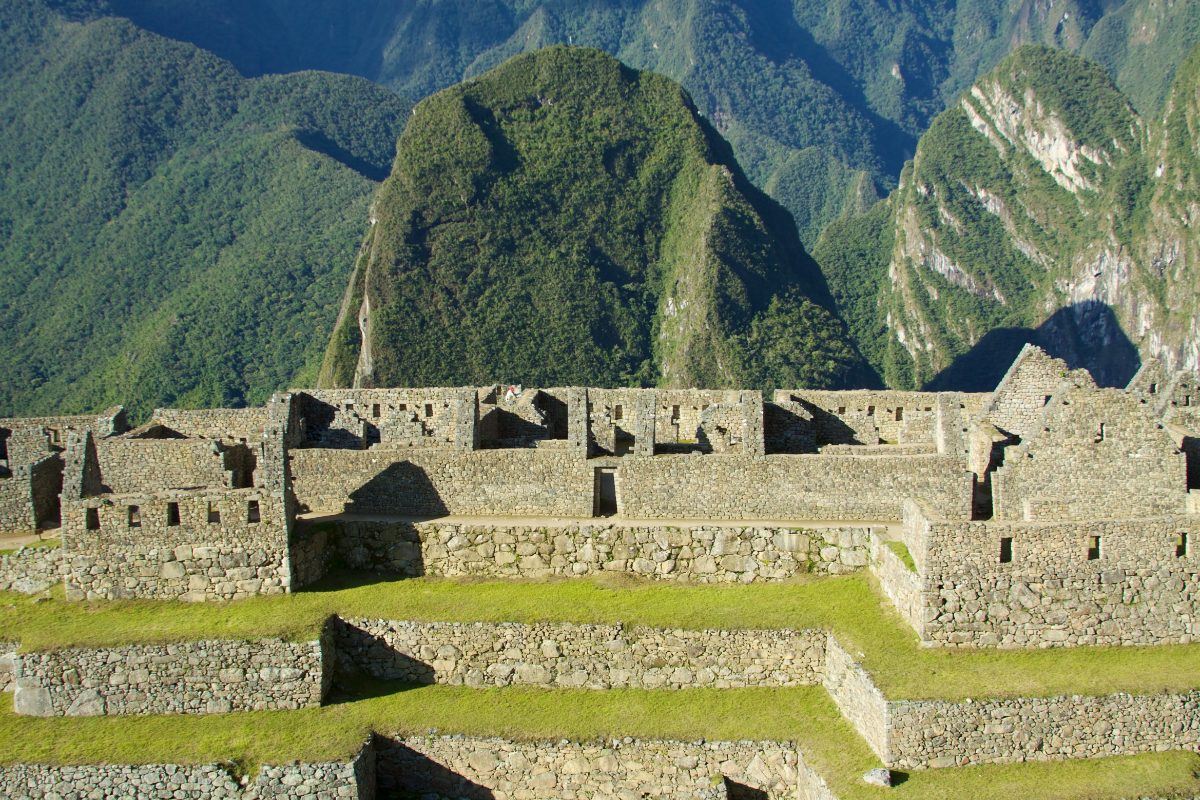
The site comprises roughly two hundred structures divided between agricultural, residential, and religious sectors, connected by stone stairways carved directly into the mountainside, a layout that reflects careful, deliberate urban planning rather than opportunistic construction squeezed onto available flat ground.
Surrounding peaks and the winding Urubamba River far below create one of the more dramatic natural settings for any major archaeological site anywhere in the world, a combination of engineering achievement and landscape beauty that likely explains much of Machu Picchu’s enduring hold on public imagination well beyond its purely historical significance.
Excavated residential quarters distinguish between more elaborate structures likely reserved for the emperor and his immediate retinue and simpler buildings housing agricultural workers and support staff, a spatial hierarchy reflecting the same social stratification documented at other major Inca administrative and ceremonial centers throughout the empire.
Excavation has also identified specialized structures likely used for astronomical observation, food storage, and craft production, reinforcing the picture of Machu Picchu as a largely self-sufficient estate capable of supporting its resident population across extended seasonal stays without heavy reliance on supplies transported up from the valley floor below.
Built for an Emperor, Not for Defense
Most archaeologists today interpret Machu Picchu as a royal estate built for Pachacuti, the Inca ruler credited with transforming the Inca state from a regional power into a rapidly expanding empire, rather than as a military stronghold or a secret refuge from external threat.
Evidence suggests the site was occupied only seasonally, staffed by a permanent population, likely including retainers, priests, and agricultural workers, numbering somewhere around several hundred people, swelling further whenever the emperor and his court made use of the estate themselves.
Some researchers have also proposed that the estate served religious and astronomical functions alongside its role as a royal retreat, meaning Pachacuti and his successors likely used the site for ceremonial purposes tied to the Inca ritual calendar in addition to more personal leisure and administrative activities during their seasonal visits.
Textual sources describing Pachacuti’s reign, drawn largely from Spanish colonial-era chronicles based on Inca oral history, credit him with initiating the rapid imperial expansion that transformed a regional Cusco-based kingdom into an empire stretching across much of the western length of South America within just a few generations, making his personal retreat at Machu Picchu a fitting symbol of that transformative reign.
Because Pachacuti’s estate appears to have functioned seasonally rather than as a permanent capital, some researchers describe Machu Picchu as closer in concept to a royal country retreat, comparable in social function, if not architectural style, to rural retreats maintained by elite rulers in various other historical societies around the world.
Ownership and inheritance customs among Inca royalty reportedly held that an emperor’s estate remained his personal property even after death, maintained by his descendants and household rather than passed automatically to his successor, a system some historians cite as a further explanation for why Inca rulers continued building new personal estates like Machu Picchu rather than simply inheriting and reusing those of their predecessors.
Never Actually Lost
Despite its popular nickname as a lost city, Machu Picchu was never truly forgotten. Quechua-speaking farming families lived in the surrounding valley continuously in the centuries following Inca collapse, and at least some local residents knew of the ruins long before any foreign explorer arrived to document them for the outside world.
What Machu Picchu did avoid, seemingly by chance rather than deliberate concealment, was Spanish colonial attention. No Spanish chronicle from the conquest era mentions the site directly, meaning it escaped the kind of deliberate destruction and looting that damaged so many other major Inca monuments during the earliest, most violent decades of colonial rule.
This distinction matters considerably for how historians now frame the site’s story. Rather than a dramatic tale of Western discovery uncovering something entirely unknown, the more accurate account involves local knowledge that had simply never been widely documented or publicized beyond the immediate valley before Bingham’s expedition brought international academic attention to it.
Local farming families reportedly used portions of the site’s agricultural terraces for their own cultivation in the years before Bingham’s visit, meaning the ruins existed within an active, if modest, agricultural landscape rather than sitting entirely abandoned and untouched within dense, impenetrable jungle as some popular accounts still suggest.
This nuance has led some historians and Peruvian scholars to push back against framing Bingham’s visit as a ‘discovery’ at all, preferring instead to describe it as the moment Machu Picchu entered international scholarly and popular awareness, a distinction that matters for properly crediting the local knowledge that made his expedition possible in the first place.
Hiram Bingham and the Search for Vilcabamba
American historian and explorer Hiram Bingham reached Machu Picchu in 1911, guided by local farmer Melchor Arteaga and families already living and cultivating small plots near the ruins, a detail popular retellings of the discovery story frequently downplay or omit entirely.
Bingham was not actually searching for Machu Picchu specifically. He was hunting for Vilcabamba, the last refuge of Inca resistance against Spanish rule, and initially believed he had found it at Machu Picchu, a misidentification only corrected decades later once archaeologists confirmed Vilcabamba’s true location at a separate, less visually dramatic site called Espiritu Pampa.
Bingham’s own expedition notes and photographs, later published and studied extensively, reveal a gradual process of exploration and identification rather than a single dramatic moment of discovery, complicating the popular narrative of an explorer suddenly stumbling upon a completely unknown ruin hidden deep in impenetrable jungle.
Bingham published his findings widely, including in a popular National Geographic feature that helped introduce Machu Picchu to an international audience for the first time, cementing the site’s association with dramatic jungle exploration even though the surrounding vegetation at the time was considerably less dense than later popular imagery often suggested.
What Language Was Spoken Here?
Unlike several of the more linguistically uncertain sites covered elsewhere in this series, Machu Picchu presents little mystery on this front. Quechua, the administrative and court language of the Inca Empire, was almost certainly the primary language spoken by the site’s occupants, from the emperor’s retinue down to the agricultural laborers maintaining its terraces.
Quechua remains a living language today, spoken by millions of people across Peru, Bolivia, Ecuador, and neighboring countries, giving Machu Picchu a direct, unbroken linguistic connection to the present that many other sites in this series simply cannot claim.
Descendant Quechua-speaking communities in the surrounding Sacred Valley and throughout the Cusco region maintain a strong, ongoing cultural connection to Inca heritage, participating actively in tourism, agriculture, and cultural preservation efforts tied to Machu Picchu and other regional Inca sites, a living continuity that stands in sharp contrast to sites elsewhere in this series where the builders’ descendants and language have been lost entirely.
Modern Peruvian education and cultural policy increasingly incorporates Quechua language instruction and cultural heritage programming in the Cusco region, reflecting a broader national effort to strengthen and formally recognize indigenous linguistic heritage that remained marginalized within Peru’s education system for much of the twentieth century.
The Intihuatana Stone That Survived
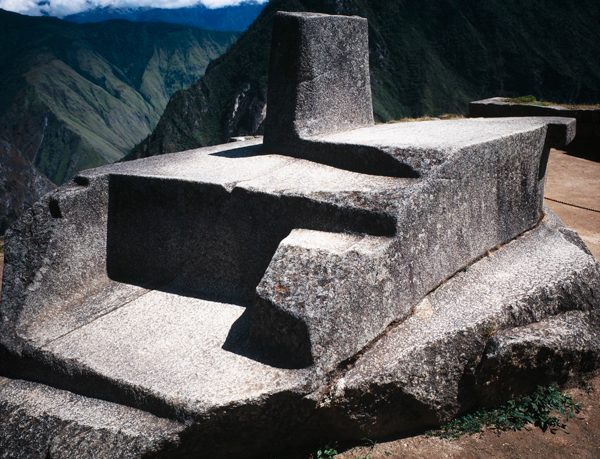
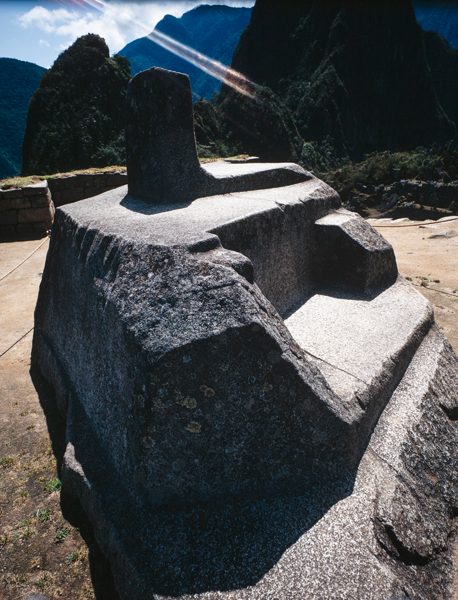
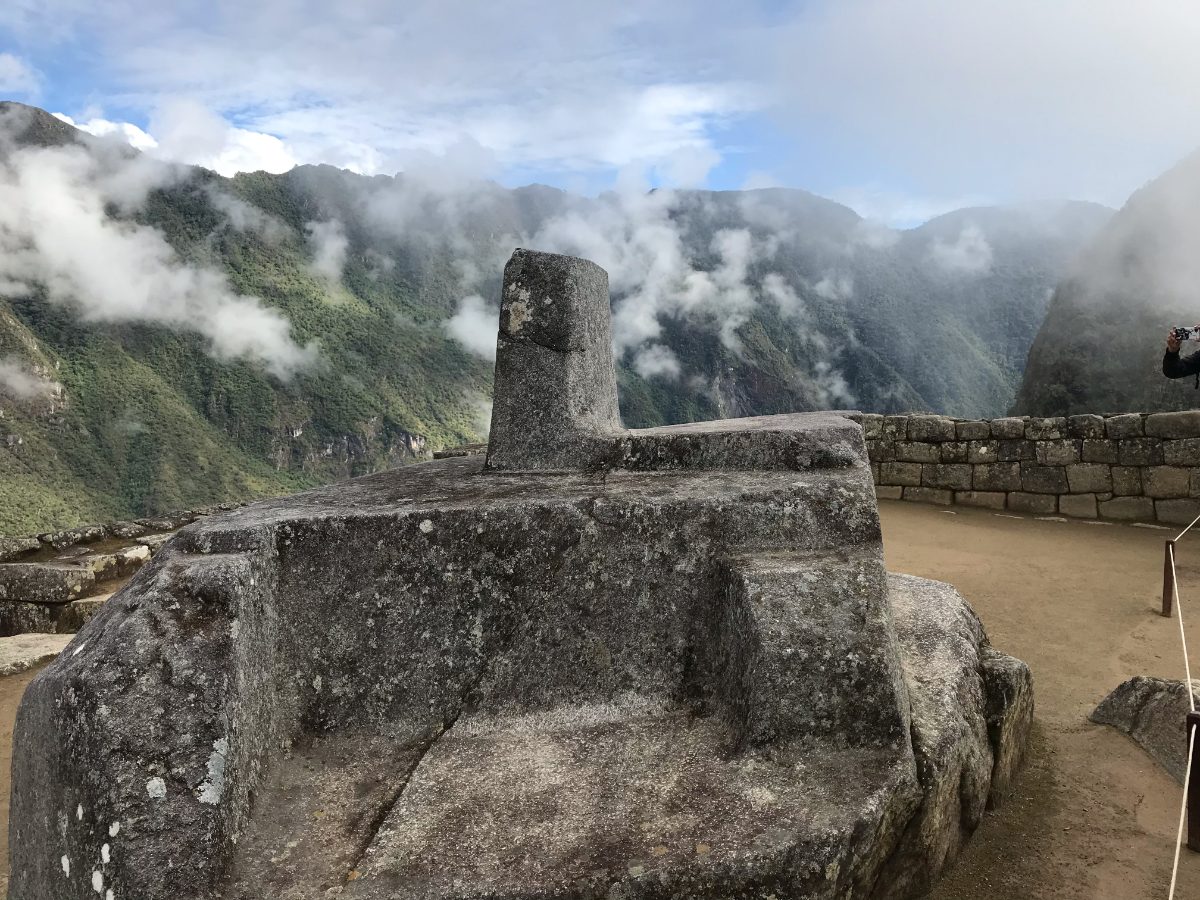
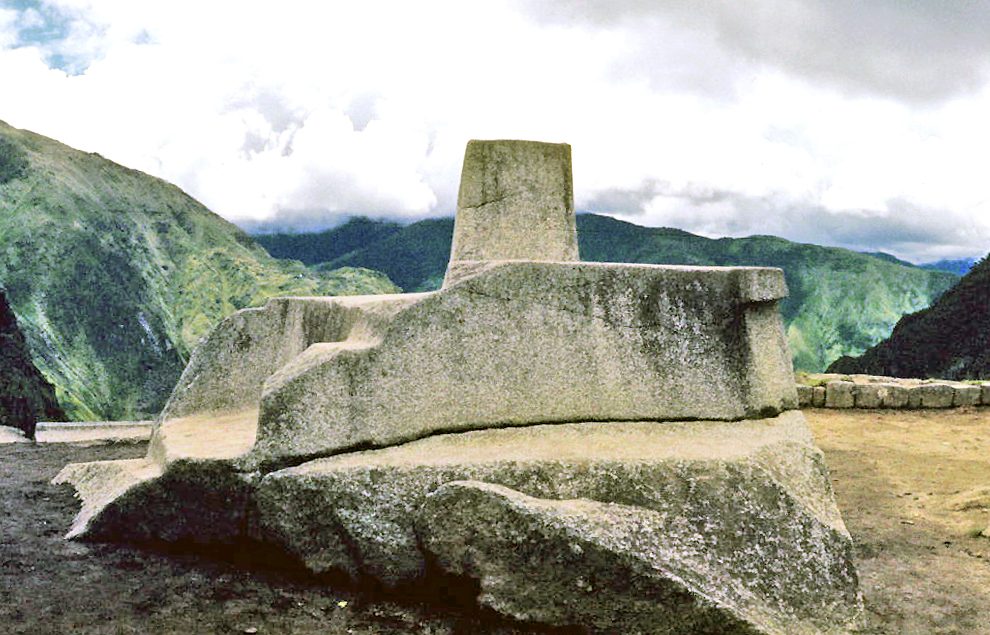
Among Machu Picchu’s most significant ritual objects is the Intihuatana, a carved stone pillar whose name translates roughly to hitching post of the sun, believed to have served an astronomical function tied to solstice observation and the Inca agricultural and ceremonial calendar.
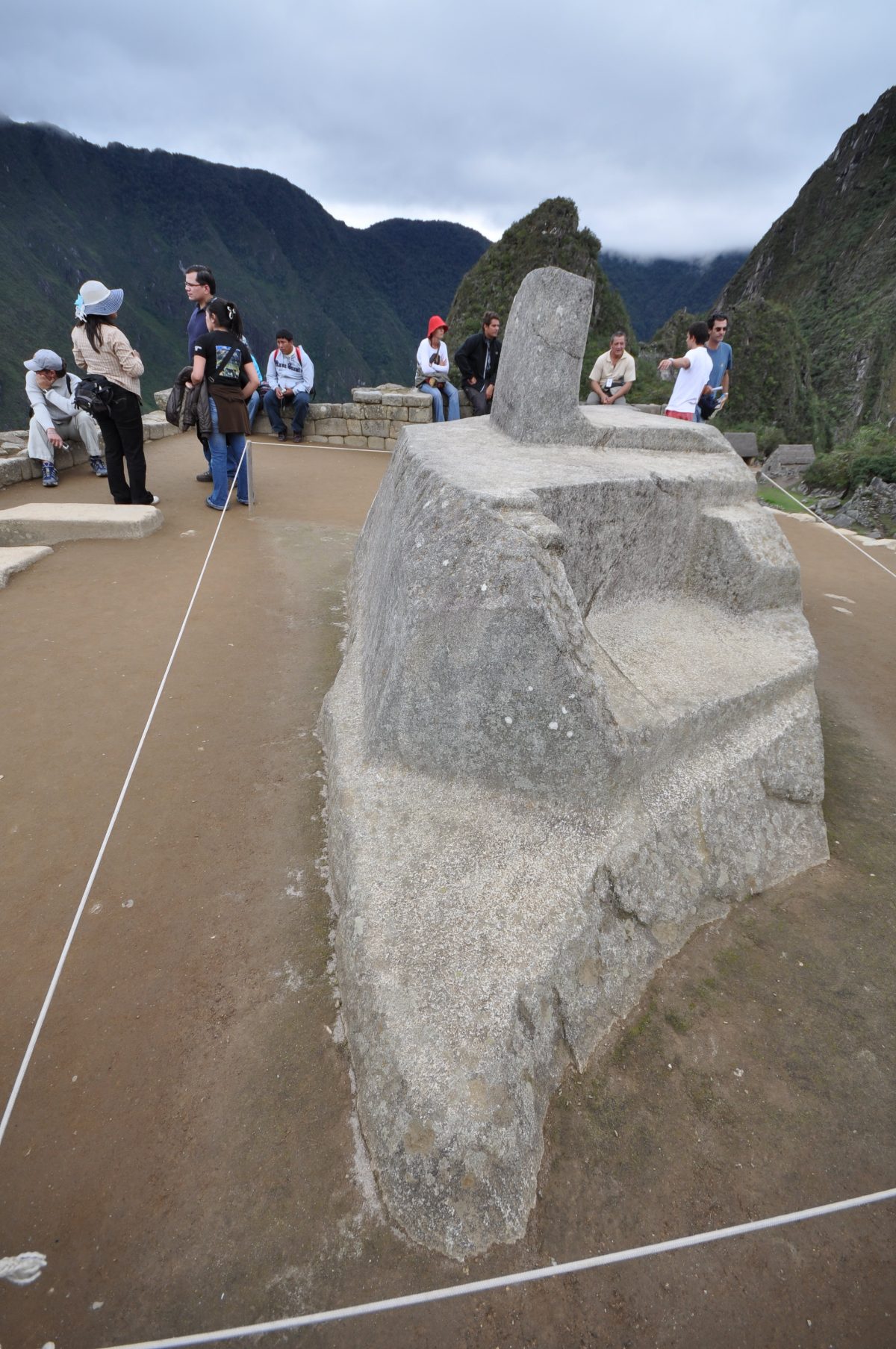
Spanish colonizers deliberately destroyed similar Intihuatana stones at other Inca sites as part of a broader campaign to suppress indigenous religious practice, making Machu Picchu’s surviving example, protected by the site’s isolation from colonial attention, one of the few of its kind to survive intact into the modern era.
Unfortunately, the stone has not escaped all modern damage. In 2000, a crane being used for a beer commercial filming accidentally struck and chipped the Intihuatana, an incident that drew significant public criticism and led to tighter restrictions on commercial filming access at the site going forward.
Beyond its damage from the 2000 filming incident, the stone remains one of the most closely protected features at the site today, with visitors generally kept at a respectful distance to prevent further accidental contact given how few comparable Intihuatana stones survive anywhere else in the former Inca Empire.
Researchers continue to debate the Intihuatana’s precise ceremonial use, with proposals ranging from a purely astronomical calendar marker to a more directly religious object believed to physically bind or anchor the sun’s path across the sky during the year’s shortest days.
Water, Terraces, and Earthquake-Proof Stone
An extensive system of stone channels and fountains distributed water from a natural spring throughout the site, supporting both agricultural terraces and the daily needs of its resident population, an engineering achievement that required careful planning given the mountain’s steep, uneven terrain.
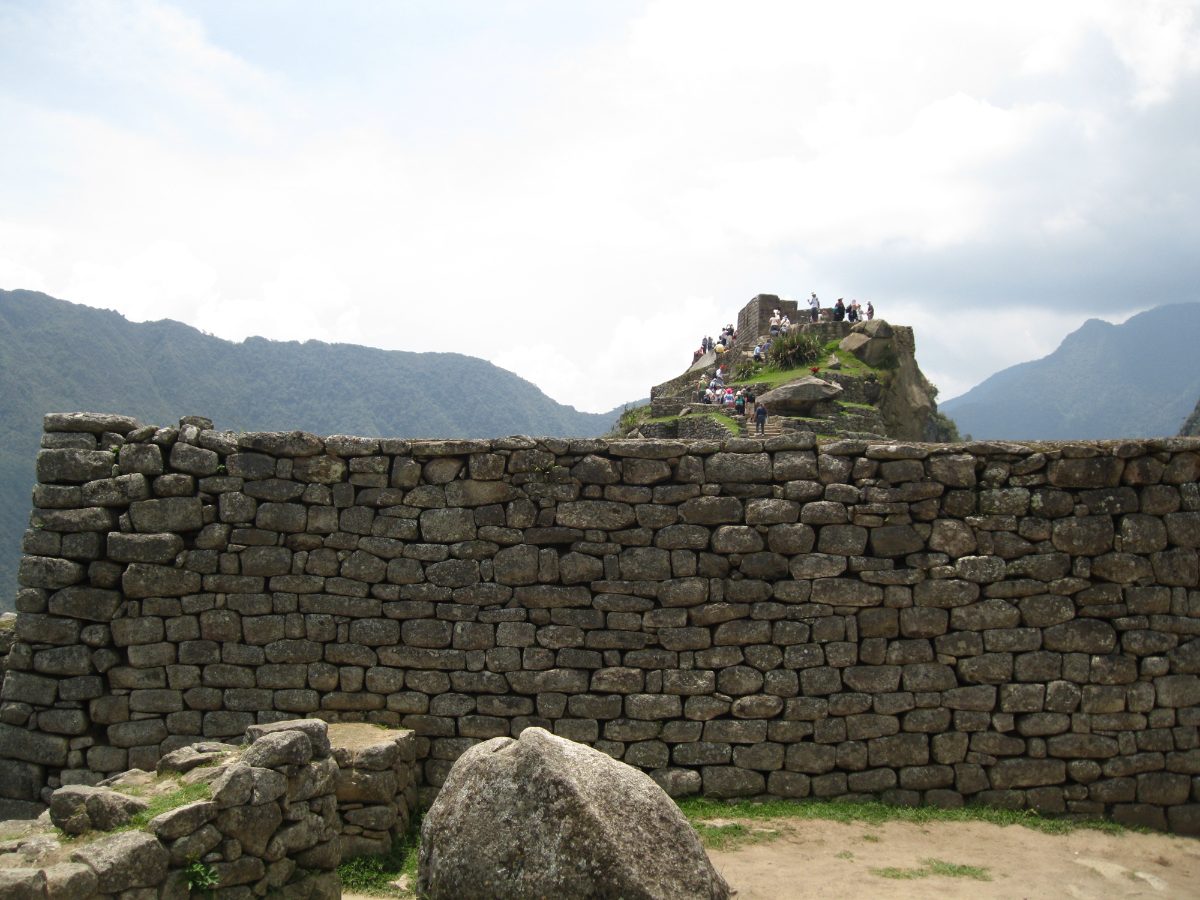
Inca masons built using a dry-stone technique that fitted blocks together with remarkable precision and no mortar, a method that also happened to make structures more resilient during earthquakes, since individual stones could shift slightly during tremors and settle back into place rather than shattering outright.
Engineers studying the site’s water system have documented sixteen separate fountains connected by a continuous channel network, each positioned to maintain consistent water pressure and flow despite the significant elevation changes across the site, a level of hydraulic sophistication that continues to impress modern civil engineers studying pre-industrial water management.
Agricultural terraces at Machu Picchu were engineered with layered fill, combining topsoil, sandy subsoil, and gravel drainage layers beneath the surface, a construction method that prevented waterlogging during heavy Andean rains while still retaining enough moisture to support crops on otherwise steep, unstable mountainside terrain.
Studies of the site’s spring source have confirmed it maintained reliable year-round flow even during Peru’s drier months, an essential prerequisite for supporting a permanent resident population at this elevation, where alternative water sources would have required considerably more difficult transport up steep mountain paths.
The Temple of the Sun
One of the site’s most refined structures, the Temple of the Sun, features a curved tower built with exceptionally precise stonework, including a window aligned to capture sunlight during the June solstice, part of the same broader Inca tradition of encoding astronomical observation directly into sacred architecture documented at Ingapirca in Ecuador as well.
Beneath the temple, a carved rock chamber sometimes called the Royal Tomb, though no confirmed burial has ever been found there, adds to ongoing scholarly debate about the full range of ceremonial functions this particular structure served within the wider estate.
Comparable curved temple architecture is relatively rare within the broader Inca architectural tradition, making the Temple of the Sun one of the more distinctive structures at Machu Picchu and a frequent subject of detailed archaeological study focused on precisely how its builders achieved such refined curved stonework using the same basic dry-stone techniques employed throughout the rest of the site.
Some archaeologists have proposed that the chamber beneath the Temple of the Sun, sometimes called the Royal Tomb despite the absence of confirmed royal remains, may instead have served a broader ceremonial function tied to ancestor veneration or ritual offerings, illustrating how much interpretation of specific Machu Picchu structures still relies on careful inference rather than definitive textual confirmation.
Precision alignment of the temple’s window with the June solstice sunrise required exact knowledge of the sun’s seasonal position at this specific latitude and elevation, underscoring how deeply astronomical observation was integrated into Inca religious architecture rather than existing as a separate, purely scientific pursuit distinct from ceremonial practice.
Artifacts, Yale, and a Long Dispute
Bingham’s expeditions removed thousands of artifacts, including ceramics, metal objects, and human remains, to Yale University in the United States for study, a common practice for foreign-led excavations during that era but one that left Peru without a significant portion of the material evidence recovered from its own most famous archaeological site.
Decades of diplomatic and legal pressure from the Peruvian government eventually led Yale to agree to return the collection, with repatriation of thousands of artifacts beginning around 2011 and 2012, a resolution frequently cited in broader international discussions about the ethics of retaining archaeological material removed from its country of origin.
The repatriation agreement between Yale and Peru is now frequently cited by museums and universities worldwide as a reference case when navigating similar disputes over archaeological material removed from its country of origin during earlier eras of less regulated foreign-led excavation, particularly across Latin America, Africa, and Asia.
Yale’s Peabody Museum retained a smaller collection for continued academic research under a formal agreement with Peru, while the bulk of the artifacts were transferred to Peruvian institutions, including a dedicated museum in Cusco built specifically to house and display the returned material for both scholarly study and public exhibition.
Public awareness of the repatriation dispute grew substantially following renewed Peruvian government pressure in the 2000s, including formal legal action, ultimately contributing to the broader international conversation about restitution of colonial and early twentieth-century era archaeological removals that continues to shape museum policy well beyond this single case.
Overtourism and Visiting Machu Picchu Today
Machu Picchu’s fame has become something of a double-edged achievement. Visitor numbers grew so substantially in recent decades that Peruvian authorities introduced timed entry tickets, daily visitor caps, and mandatory guided routes specifically to reduce erosion and structural stress on stonework never designed to support modern mass tourism.
Most visitors today arrive via train to the town of Aguas Calientes followed by a bus up the mountain, though the multi-day Inca Trail trek remains a popular alternative for those wanting to approach the site the way ancient travelers once did, arriving on foot through the Sun Gate for a first view over the ruins below.
UNESCO has periodically flagged concerns about Machu Picchu’s visitor capacity and infrastructure strain, prompting ongoing negotiations between Peruvian authorities, local communities dependent on tourism revenue, and international heritage bodies over how to balance economic benefit against long-term preservation of the site’s fragile stonework and surrounding ecosystem.
Peru’s tourism authority has experimented with several different ticketing and circuit systems over the years, adjusting visitor caps and designated walking routes in response to both conservation concerns and feedback from tour operators and local communities whose livelihoods depend heavily on steady, predictable visitor access to the site.
For travelers with more time, alternative approaches including the Salkantay trek offer scenic routes to Machu Picchu that avoid the more heavily trafficked classic Inca Trail entirely, part of a broader effort by Peruvian tourism authorities to distribute visitor pressure across multiple access routes rather than concentrating foot traffic along a single historic path.
Nearby Places to Explore
Machu Picchu’s history connects to other Andean sites covered elsewhere in this series.
- Ingapirca Blends Inca Sun Worship With Canari Moon Rites
- Kuelap, the Andean Fortress the Inca Struggled to Conquer
- How the Wari Empire Ruled the Andes Long Before the Inca
Closing Thoughts
Machu Picchu’s real history turns out to be more interesting than the myth of a secret lost city: a royal retreat built for an emperor, occupied by a working community of retainers and farmers, abandoned after Spanish conquest disrupted Inca succession, and preserved largely by accident because colonial forces simply never found it.
That accident of history left behind one of the most complete surviving examples of Inca architecture, engineering, and religious practice anywhere in the Andes, a site whose modern fame now poses its own preservation challenge, one Peru continues to manage more than a century after Bingham’s guides first led him up the mountain.
You May Like
Mafra, the Palace a King Built From a Vow


3 thoughts on “Machu Picchu Was Never Actually a Lost City”