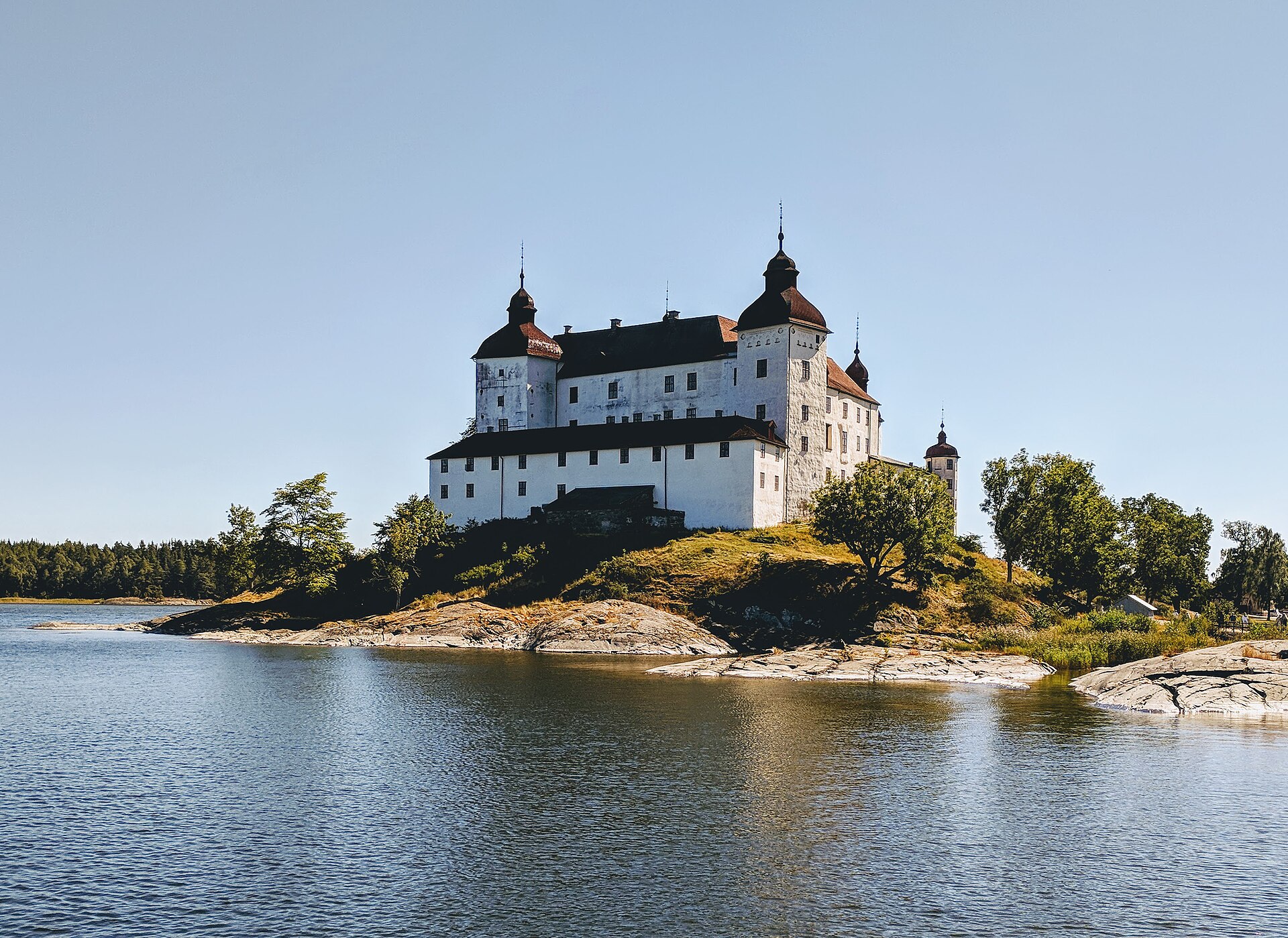
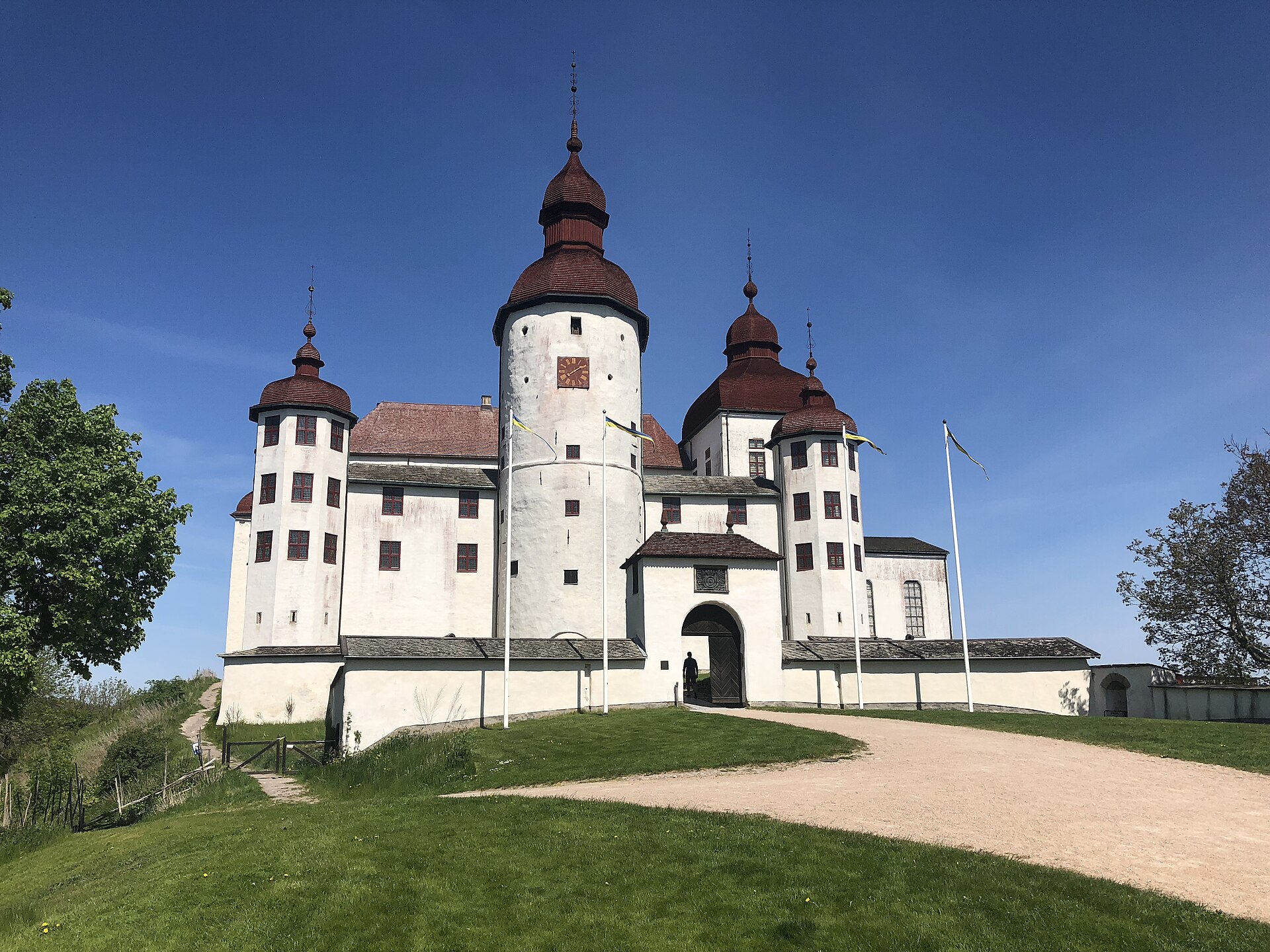
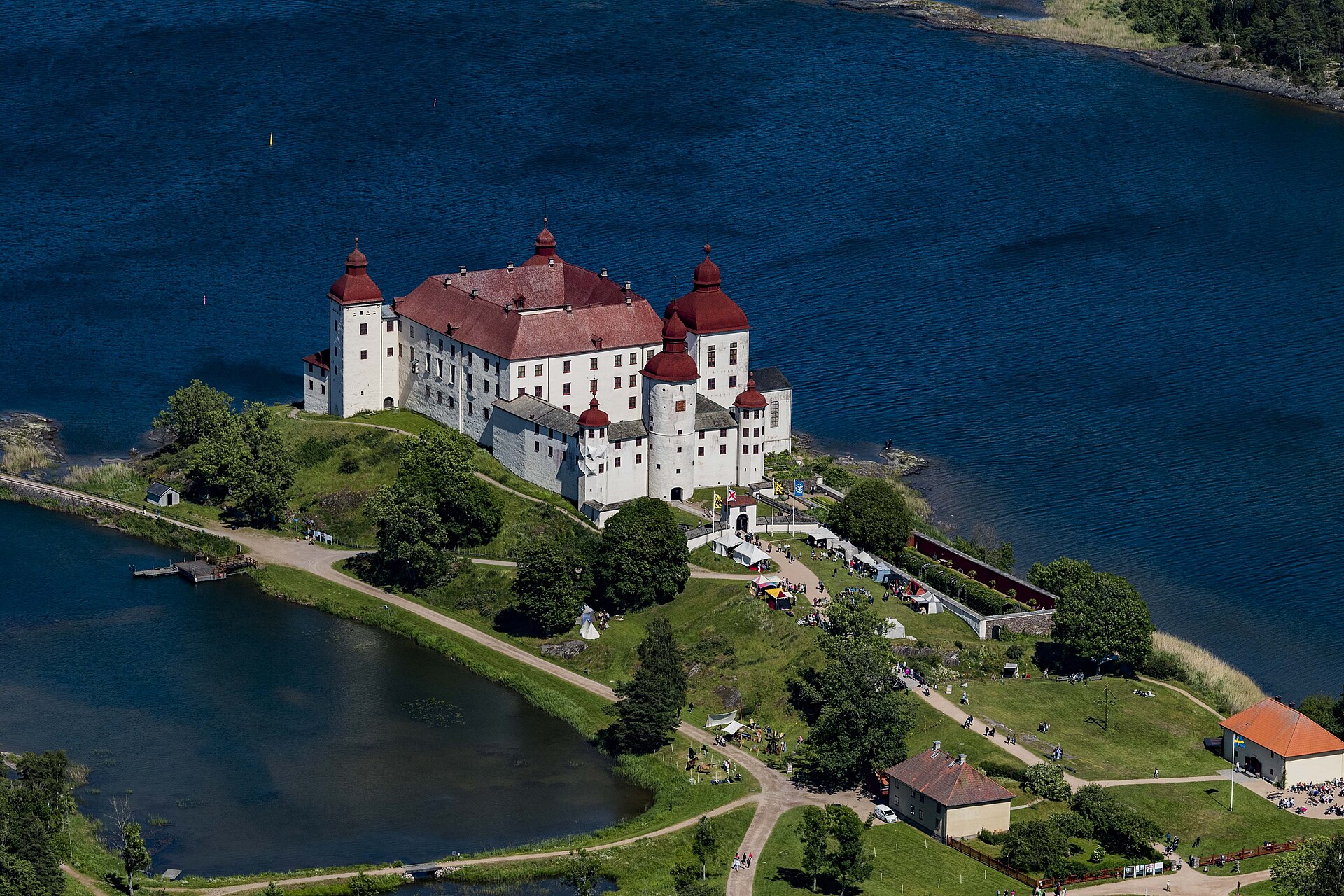
On a green island in Lake Vänern, the largest lake in Sweden, stands a castle so white and so graceful that it looks as though it has stepped straight out of a fairy tale. Läckö is one of the best-preserved baroque castles in the whole country, a gleaming cluster of towers and gables crowned by a great central tower, rising above the blue water of the vast northern lake. Yet behind its dreamlike beauty lies a rich and dramatic history, for this is a castle that began as a medieval bishop’s fortress and was transformed, in Sweden’s age of greatness, into a magnificent baroque palace of some two hundred and fifty rooms.
The story of Läckö is above all the story of one remarkable man, Count Magnus Gabriel De la Gardie, one of the most powerful and cultured figures in seventeenth-century Sweden, who poured his vast fortune into making this castle one of the wonders of the kingdom, only to lose it in a dramatic fall from favour. That loss, strange to say, is the reason so much of his masterpiece survives today, frozen in its baroque splendour. In this article you will follow the whole of that tale, from medieval fortress to baroque palace to living cultural treasure. Come and discover the white castle on Lake Vänern.
What makes Läckö so rewarding is the way it lets you experience the whole arc of a great castle’s life within a single visit. In the space of an afternoon you can pass from the medieval fortress of the bishops to the dazzling baroque palace of a count at the height of Sweden’s power, and on into the vibrant cultural life of the castle today. Few places gather so much history, art, and beauty into one setting, and fewer still where it all sits gleaming white on an island in the largest lake in the land.
In This Article
- The White Castle on Lake Vänern
- A Bishop’s Medieval Stronghold
- From Fortress to Noble Seat
- Magnus De la Gardie, the Great Builder
- A Baroque Palace of Many Rooms
- The Splendour of the Interiors
- The Chapel and the Great Halls
- Fall from Favor and the Royal Reduction
- Frozen in Baroque Splendour
- A Castle Reawakened
- Art, Gardens, and Culture by the Lake
- Exploring Läckö Today
- Finding Läckö Castle
- Castles Nearby
The White Castle on Lake Vänern
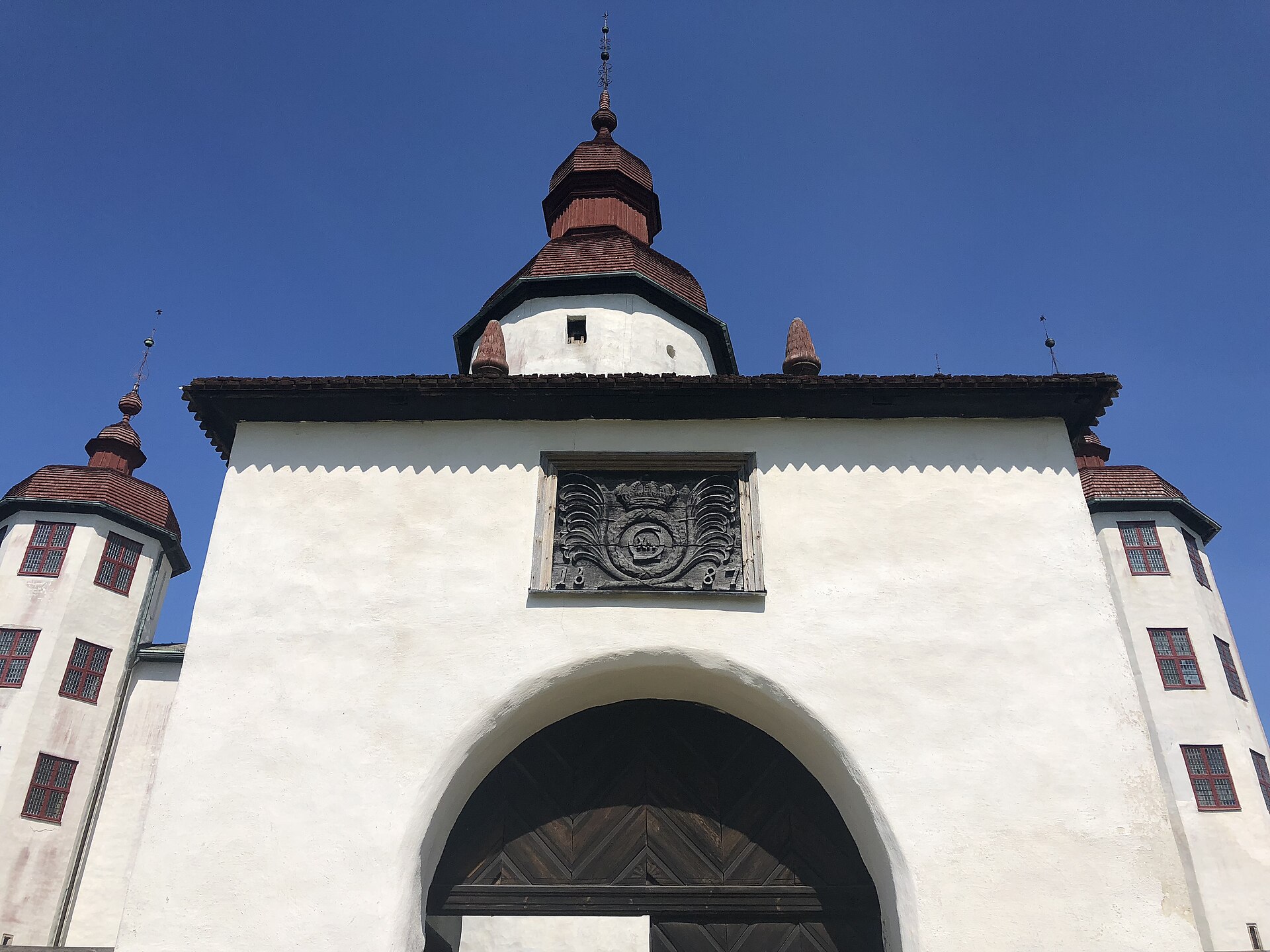
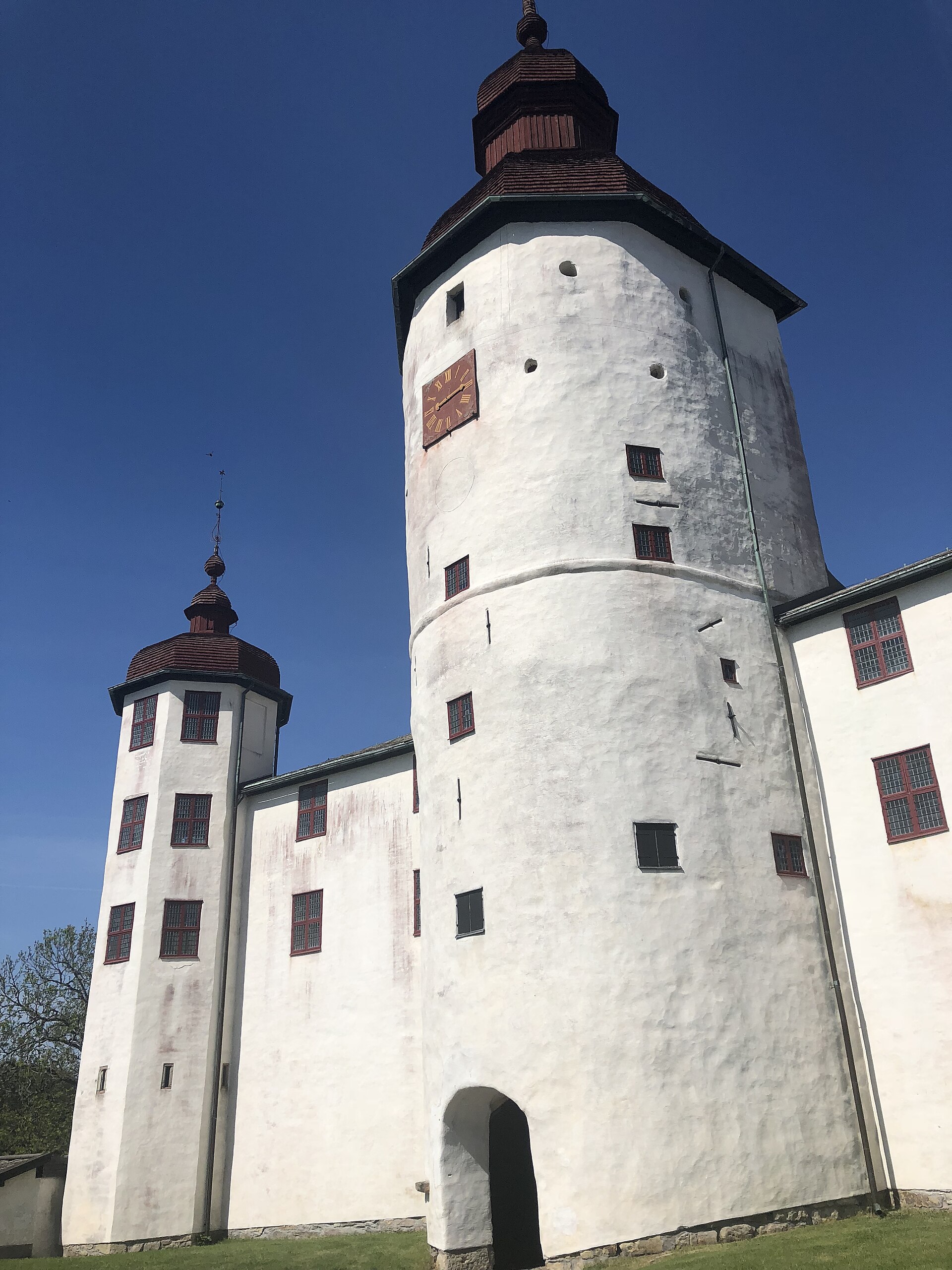
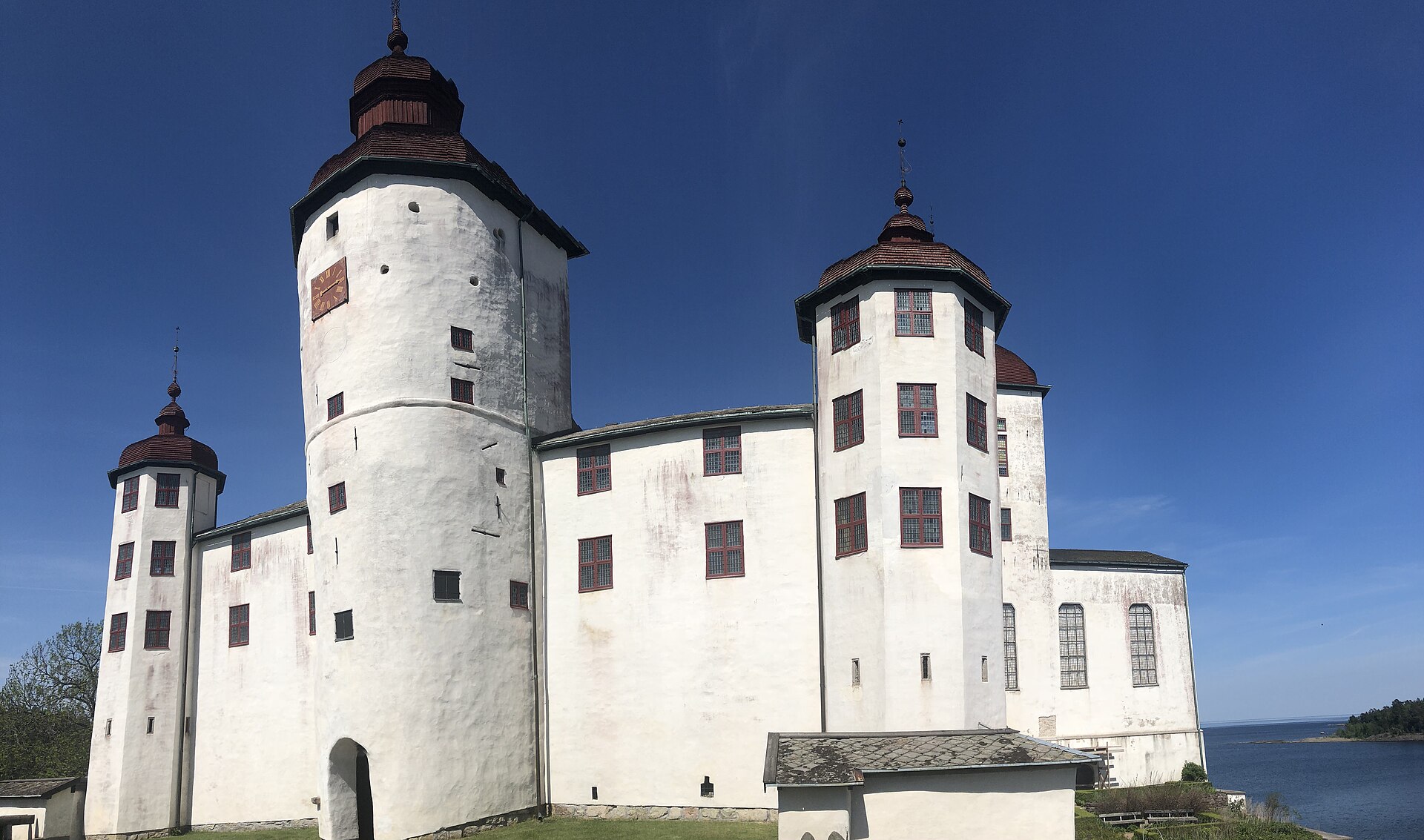
On a green island in Lake Vänern, the largest lake in Sweden and one of the biggest in all of Europe, stands one of the most beautiful and best-preserved baroque castles in the country. Läckö rises in gleaming white above the water, a fairy-tale cluster of towers, gables, and roofs crowned by a great central tower, its walls bright against the blue of the lake and the sky. It is a place that seems to belong more to a story than to real life, and yet it is very real, a genuine survival from the golden age of the Swedish empire.
Läckö is a castle of two very different characters woven together. At its heart lies a medieval fortress, stern and defensive, but wrapped around and over that core is a magnificent baroque palace created in the seventeenth century by one of the most powerful and cultured men in Sweden. The result is a building that carries you from the hard world of the Middle Ages into the dazzling splendour of the baroque, all within a single set of white walls above the lake. This is the story of Läckö, the white castle on Lake Vänern, and of the great count who made it one of the wonders of Sweden.
There is a quality of light around Läckö that photographers and painters have always loved. Surrounded on all sides by the vast waters of Lake Vänern, the castle seems to catch and reflect the changing skies of the north, glowing warm at sunset and standing crisp and bright against the blue of a clear summer day. In winter, wrapped in snow and ice, it takes on a stark and haunting beauty. However you find it, the sight of the white castle rising from its island is one that stays with you long after you have left.
A Bishop’s Medieval Stronghold
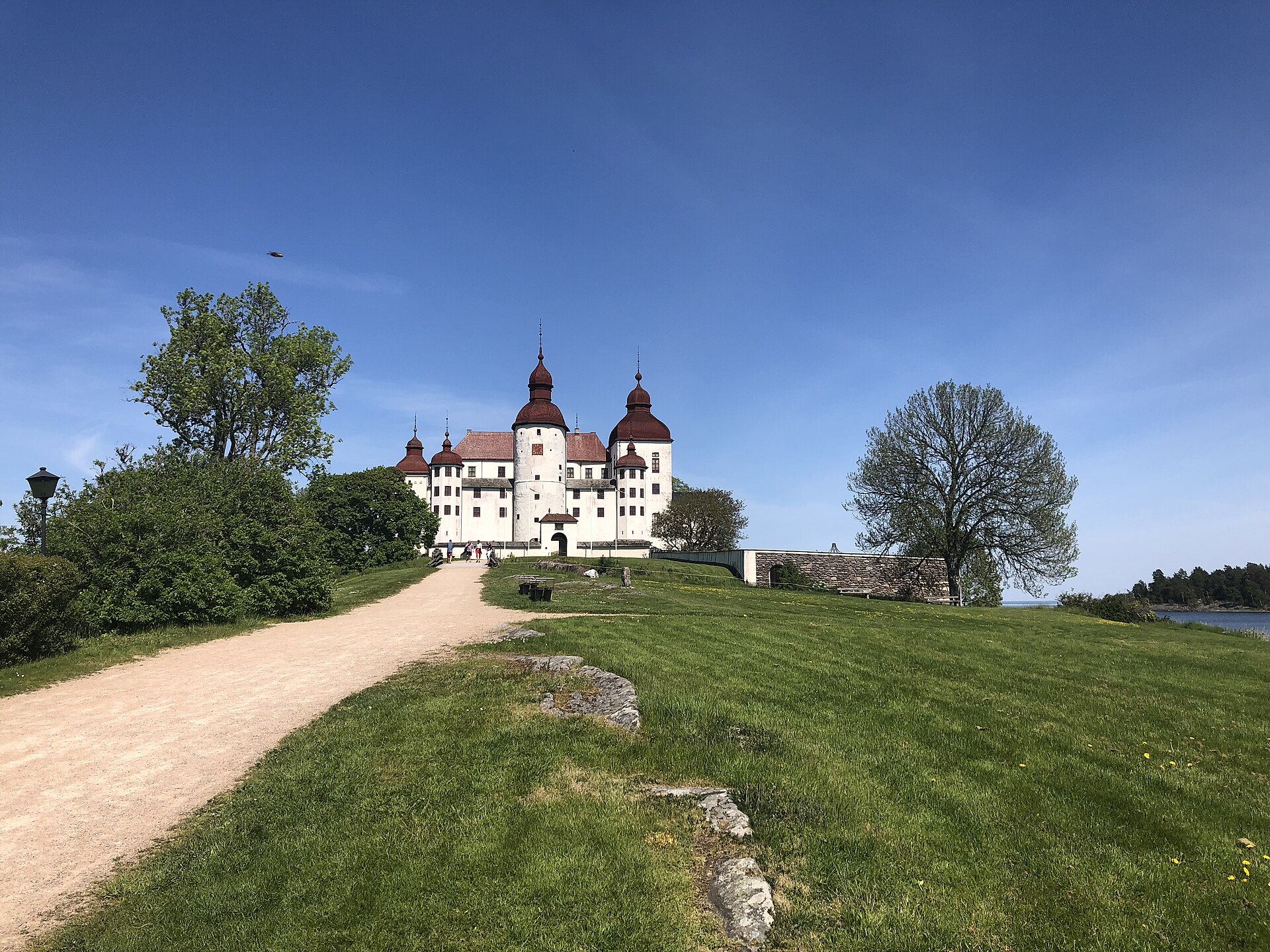
Läckö’s story begins not with a king or a count but with a bishop. Around the end of the thirteenth century, a bishop of the nearby diocese of Skara established a fortified stronghold on this island in Lake Vänern, a secure seat from which the powerful churchmen of the region could exercise their authority. In an age when bishops were great lords as well as spiritual leaders, commanding lands, revenues, and men, such a fortress was both a practical necessity and a mark of status.
The medieval castle grew and changed over the following centuries, expanded and strengthened by successive bishops as their power and needs demanded. It remained in the hands of the church for a long time, a bastion of ecclesiastical authority on the great lake. But the tides of history would eventually sweep the bishops away, for the Reformation that transformed Sweden in the sixteenth century broke the power of the old church, and Läckö, like so much church property, passed into the hands of the crown. That change set the castle on the path toward its greatest era, when it would be transformed from a bishop’s fortress into a count’s palace.
The choice of an island site was no accident, for water has always been one of the finest of natural defences, and a fortress surrounded by the great lake was far harder to attack than one on open ground. The bishops who built here understood this well, and they chose their spot with the same strategic eye that guided the builders of secular castles. That the island setting which once served defence now serves beauty is one of the pleasing ironies of Läckö’s long history, the hard logic of the fortress transformed into the romance of the fairy-tale palace.
From Fortress to Noble Seat
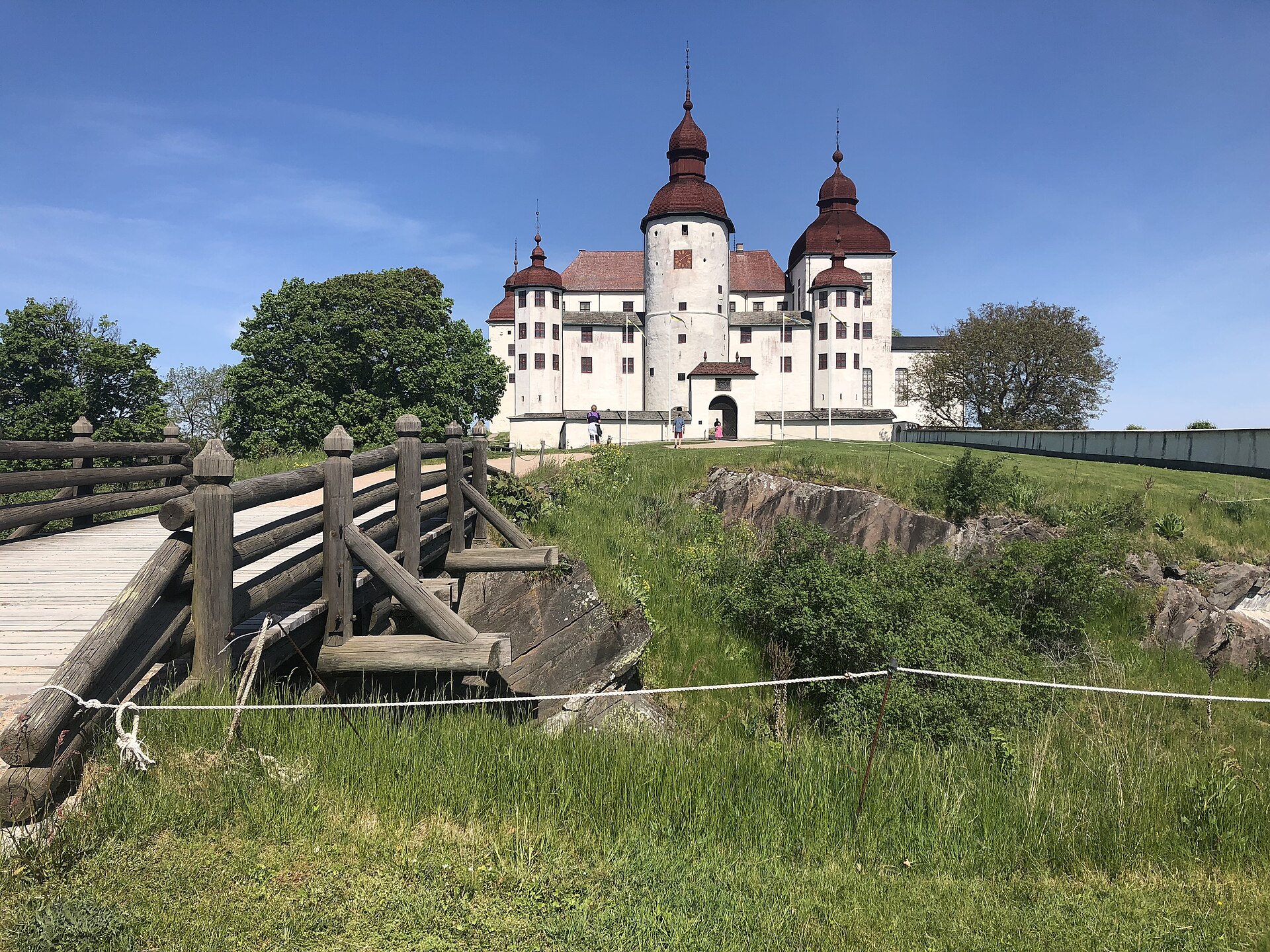
With the Reformation, Läckö ceased to be a church stronghold and became instead a possession of the Swedish crown, and from there it began its transformation into a noble residence. The crown granted the castle and its lands to leading families as a mark of favour, and it became a prized aristocratic seat, one of the great estates of western Sweden. The stern medieval fortress began to soften into something more comfortable and more magnificent as its new owners adapted it to the tastes of the age.
This was the period when Sweden was rising to become a great power in northern Europe, and its leading noble families grew enormously wealthy and ambitious. A castle like Läckö was a fitting prize for such families, a place to display their status and to enjoy the pleasures of country life on a grand scale. The medieval bones of the fortress remained, but around them a new and grander building began to take shape. The stage was set for the arrival of the man who would make Läckö truly extraordinary, transforming it from an impressive noble seat into one of the finest baroque palaces in the whole of Sweden.
The passing of Läckö from church to crown to nobility mirrors the great upheavals that reshaped Sweden in the sixteenth and seventeenth centuries. The Reformation broke the old order and redistributed its wealth, while the rise of Sweden as a military power created a new class of enormously rich and ambitious nobles hungry for grand estates. Läckö rode these waves of change, and each new owner left their mark upon it, so that the castle became a kind of record in stone of the shifting balance of power in the Swedish realm.
Magnus De la Gardie, the Great Builder
The man who gave Läckö its glory was Count Magnus Gabriel De la Gardie, one of the most powerful, wealthy, and cultured figures in seventeenth-century Sweden. A great statesman who rose to the very highest offices of the realm, De la Gardie was also a passionate patron of the arts and architecture, and he lavished his enormous resources on building projects across his estates. Läckö became one of his greatest passions, and he set about transforming the castle into a residence worthy of his own towering ambitions.
Under De la Gardie’s direction, and with the wealth of one of the richest men in the kingdom behind it, Läckö was expanded and remodelled on a magnificent scale. He added new storeys and buildings, richly decorated the interiors, and turned the old fortress into a sprawling baroque palace filled with art and splendour. He was a builder in the grandest sense, driven by a love of beauty and a desire to leave a lasting mark, and at Läckö he succeeded triumphantly. The castle as we see it today, in all its white baroque glory, is very much his creation, the monument of a great count at the height of his power.
De la Gardie was in many ways the very embodiment of the Swedish age of greatness, a man whose life reached the giddiest heights of wealth and power. Connected by marriage to the royal family and holding the highest offices of state, he moved at the very centre of national life, and his cultural ambitions matched his political ones. He collected art and books, patronised scholars and artists, and built on a scale few could rival. Läckö was the jewel of his many projects, the place where his love of magnificence found its fullest and most lasting expression.
His story also carries a lesson about the fragility of fortune, for the same man who could command such wealth and raise such a palace would live to see it all taken away. There is a poignancy in walking through the rooms he created, knowing how his tale would end, and it lends the beauty of Läckö a certain wistful depth. The castle stands as both a monument to his genius and a reminder that even the greatest of men are subject to the turning of fortune’s wheel.
A Baroque Palace of Many Rooms
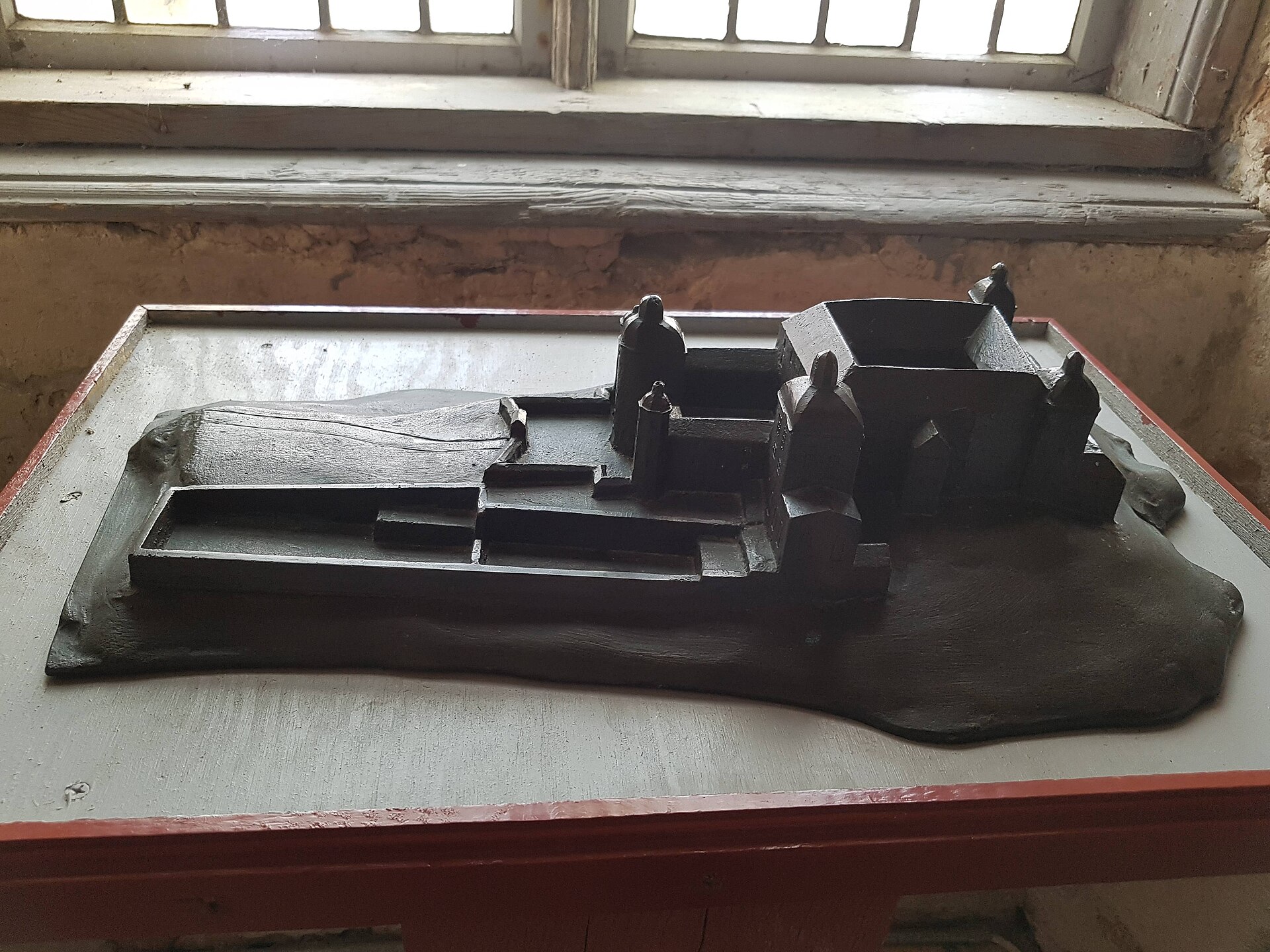
The scale of what De la Gardie created at Läckö is genuinely staggering. By the time his work was complete, the castle had grown into a vast palace containing around two hundred and fifty rooms, an enormous complex of halls, chambers, galleries, and service spaces spread across the island stronghold. This was no modest country house but a palace fit for one of the greatest men in a great empire, a place designed to impress visitors with the wealth and taste of its owner at every turn.
Wandering through such a building, contemporaries would have passed from one richly decorated space to another, each more splendid than the last, all proclaiming the power and refinement of the count who had created them. The sheer number of rooms speaks of the scale of aristocratic life in this golden age, when a great lord needed space for his family, his household, his guests, his art collections, and all the elaborate ceremony of noble life. Läckö was a world unto itself, a self-contained palace on an island, and its two hundred and fifty rooms made it one of the largest and most ambitious residences in the whole of Sweden.
To create and maintain a palace on this scale required not just wealth but a whole small army of servants, craftsmen, and administrators, and Läckö in its heyday would have hummed with activity. Behind the splendid public rooms lay a world of kitchens, workshops, and service quarters where the practical business of running such an establishment was carried on. The two hundred and fifty rooms encompassed both the glittering world of the count and his guests and the hidden world of those who made that glittering life possible, a whole community contained within the walls of a single island castle.
The Splendour of the Interiors
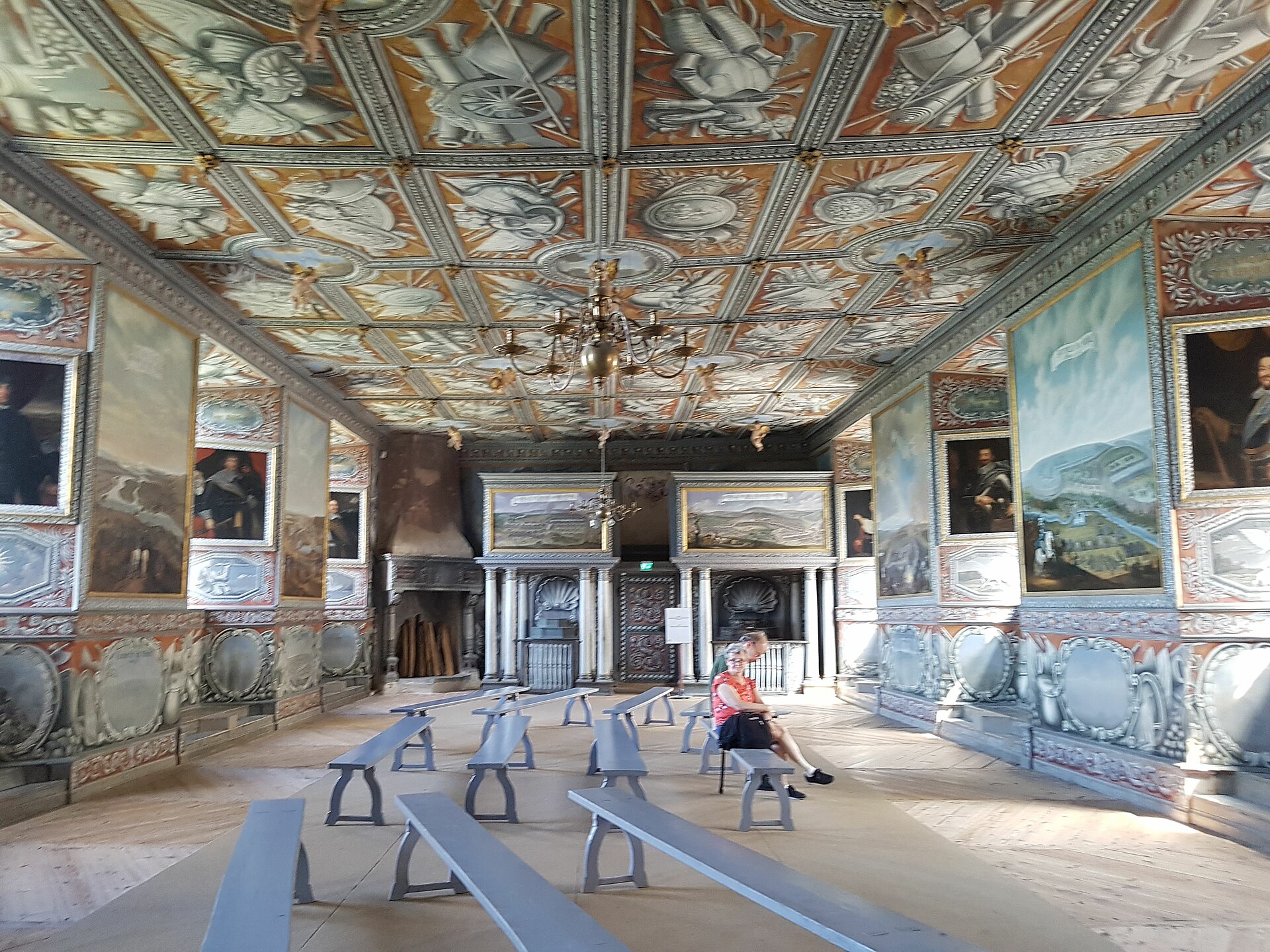
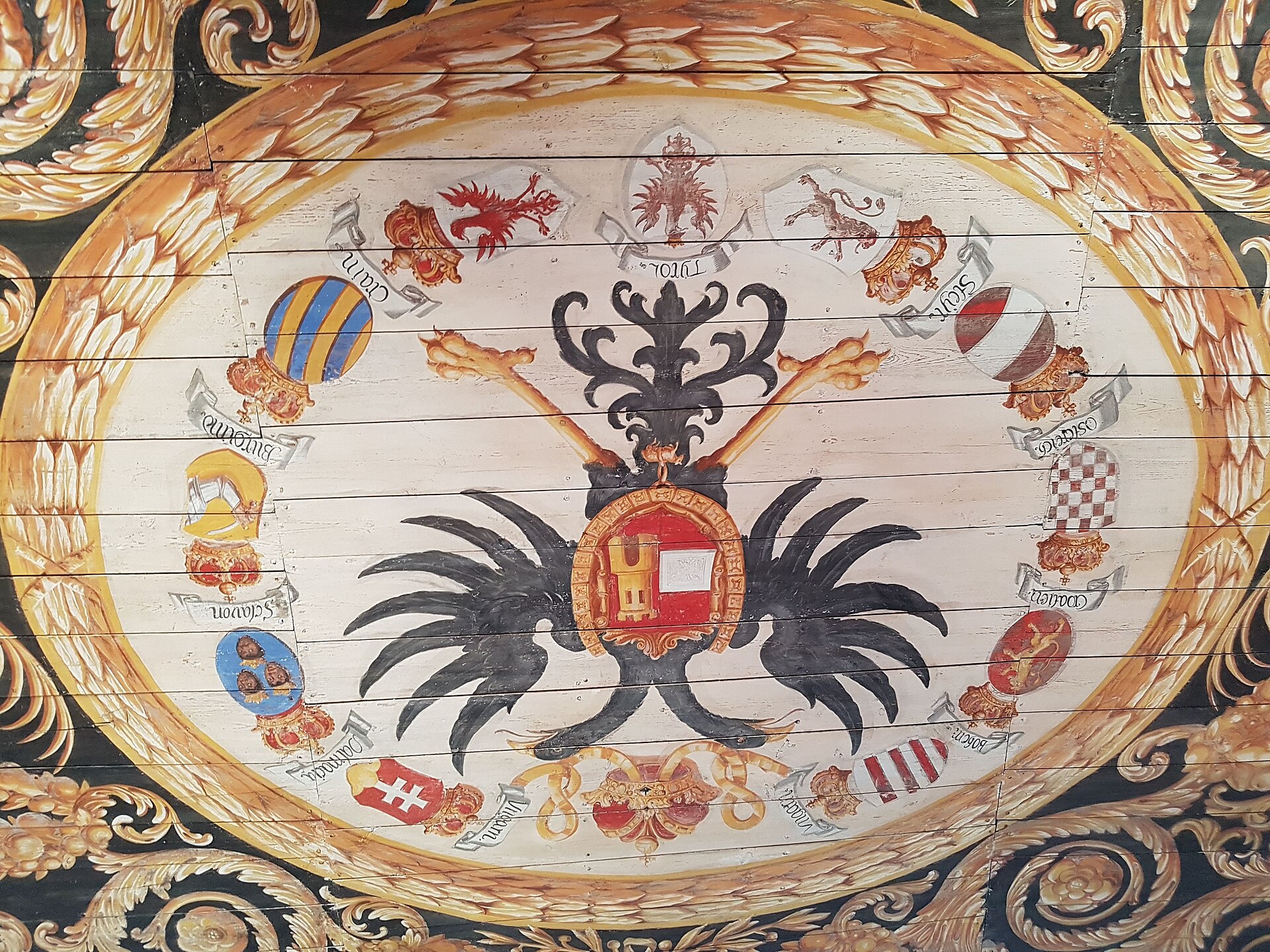
It is inside Läckö that the genius of De la Gardie’s vision truly reveals itself, for the castle contains some of the most magnificent baroque interiors to be found anywhere in Sweden. The count employed the finest artists and craftsmen to decorate his palace, and the rooms are filled with elaborate painted ceilings, richly ornamented walls, and a wealth of detail that speaks of enormous expense and exquisite taste. To move through these spaces is to be surrounded by the exuberant beauty of the baroque at its height.
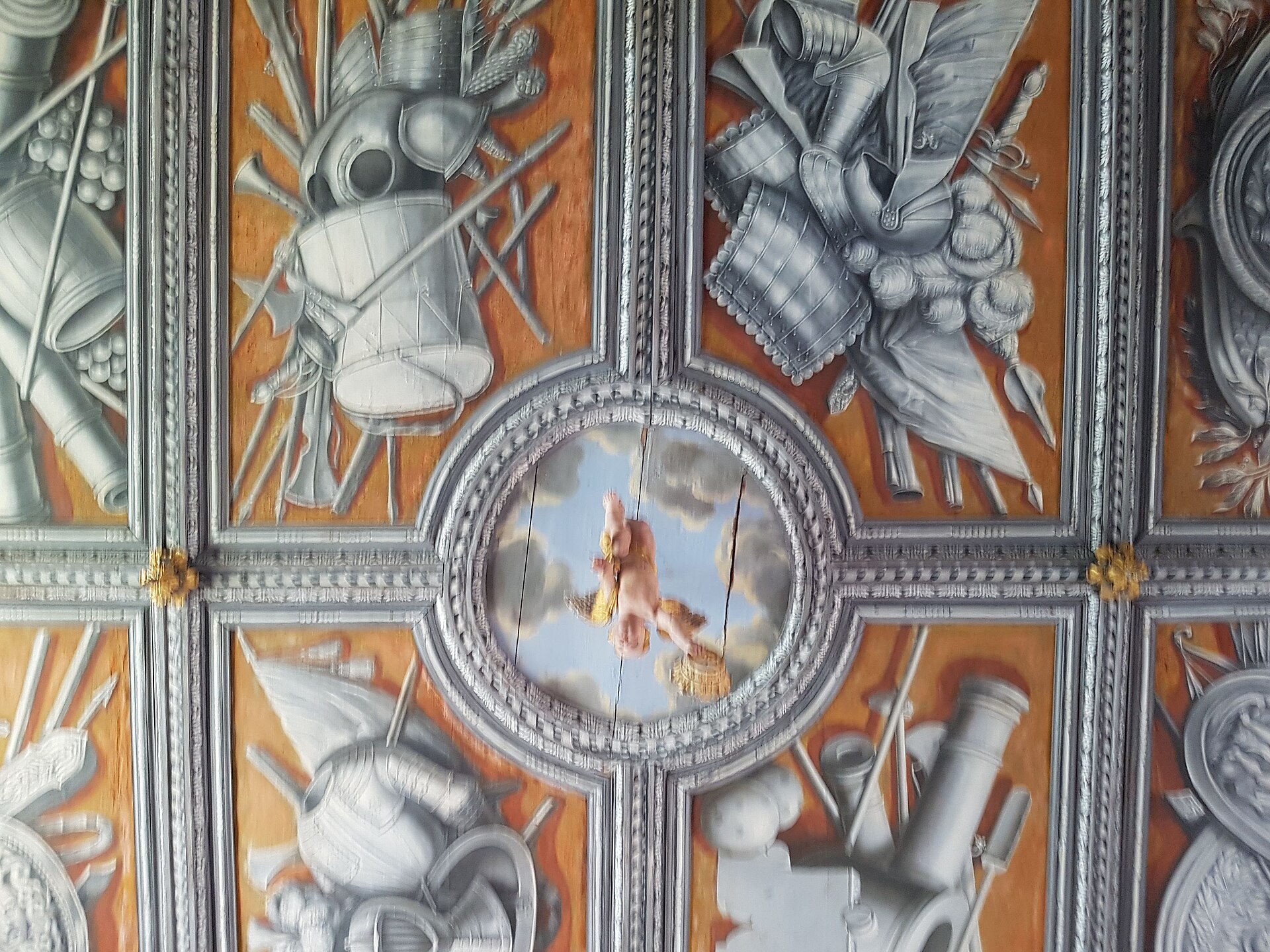
The decoration was not merely decorative but deeply meaningful, filled with allegories, classical themes, and symbols designed to glorify the count, his family, and the values they wished to project. Baroque art loved to tell stories and to impress through spectacle, and Läckö’s interiors do both magnificently, drawing the eye upward to painted heavens and surrounding the visitor with images of virtue, triumph, and splendour. That so much of this decoration survives, still glowing with colour after more than three centuries, is one of the great wonders of the castle, and it makes a visit here a feast for the eyes.
The preservation of these interiors is what truly sets Läckö apart from so many other historic houses. In most great palaces, the original decoration has been lost many times over, painted out, torn down, or replaced as tastes changed. At Läckö, by a happy turn of fate, so much of the seventeenth-century work survives that you can experience the baroque interior more or less as it was meant to be seen. It is this authenticity, this sense of standing in a real and complete baroque world rather than a patched-together approximation, that makes the interiors so moving and so valuable.
Look up, in particular, at the painted ceilings, for it is there that the baroque imagination soars most freely. Skies open above you filled with figures and allegories, drawing the eye heavenward in a way that was meant to lift the spirit and to impress the mind with the grandeur of the count and his house. These ceilings are among the finest achievements of the artists who worked at Läckö, and taking the time to study them rewards the visitor with an ever-deepening appreciation of the sheer ambition and artistry that went into the making of this remarkable palace.
The Chapel and the Great Halls
Among the most beautiful spaces at Läckö are its chapel and its great ceremonial halls, which survive in remarkable condition. The chapel is a jewel of baroque religious art, richly decorated and filled with the atmosphere of seventeenth-century devotion, a place where the count and his household would have gathered for worship amid surroundings of great beauty. Its survival gives us a precious glimpse into the spiritual life of a great noble household in the age of the Swedish empire.
The grand halls, meanwhile, were the settings for the public life of the castle, the spaces where the count received guests, held feasts, and displayed his magnificence to the world. Their scale and decoration were designed to overawe, to leave visitors in no doubt of the wealth and importance of the man who owned Läckö. Together, the intimate beauty of the chapel and the grandeur of the halls capture the two sides of aristocratic life in this era, the devotional and the ceremonial, and they are among the highlights of any visit to the castle today.
Spaces like these remind us that a great castle was never just a private home but a stage for the whole drama of aristocratic and religious life. Worship, feasting, ceremony, and display all had their proper settings, each designed to reinforce the social and spiritual order of the age. Walking through them today, we can still read that order in the architecture and decoration, and understand something of how the people of the seventeenth century saw their world and their place within it. The chapel and the halls are not just beautiful rooms but windows into a whole vanished way of life.
Fall from Favor and the Royal Reduction
The glory of De la Gardie’s Läckö was not to last in his own hands, for the count’s fortunes fell as dramatically as they had risen. In the later seventeenth century, the Swedish king Charles the Eleventh set about a great reclamation of crown lands and revenues that had been granted away to the nobility, a policy known as the reduction. This sweeping measure stripped many of the greatest noble families of much of their wealth and property, and Magnus Gabriel De la Gardie, for all his former power, was among those who suffered.
Läckö was reclaimed by the crown, and the count who had poured his fortune and his passion into transforming it lost the palace he had created. It was a bitter end to a magnificent project, and De la Gardie died in reduced circumstances, his great days behind him. Yet in a strange way, his loss was history’s gain, for the castle passed out of the hands of a family that might have continued to alter and modernise it, and instead entered a long period of relative stillness. That very stillness would prove to be the secret of Läckö’s extraordinary preservation.
The reduction under Charles the Eleventh was one of the most dramatic episodes in Swedish history, a deliberate effort by the crown to claw back the wealth and power that had flowed to the nobility during the age of expansion. For the great families it was a shattering reversal, and for De la Gardie, who had risen so high, the fall was especially bitter. Yet the policy strengthened the Swedish state and reshaped the balance between crown and nobility for generations, and Läckö, caught up in these great events, became one of its most famous casualties.
Frozen in Baroque Splendour
Here lies one of the happiest accidents in the history of Läckö. After it was reclaimed by the crown and passed out of De la Gardie’s hands, the castle was never again subjected to the kind of thorough modernisation that transformed so many great houses over the following centuries. Fashions changed, and other palaces were rebuilt and redecorated again and again to suit the tastes of successive generations, but Läckö was largely left alone, its baroque interiors preserved almost as the count had left them.
The result is that Läckö survives today as one of the best-preserved baroque castles in Sweden, a rare and precious time capsule of seventeenth-century taste and craftsmanship. Where other buildings offer only fragments or reconstructions of the baroque age, Läckö offers the real thing on a grand scale, its painted rooms and richly decorated spaces still speaking directly of the era that created them. What looked at the time like a misfortune, the loss of the castle by its great builder, turned out to be the very thing that saved his masterpiece for us to enjoy, frozen in its baroque splendour.
It is worth reflecting on how much we owe to this accidental preservation, for without it one of the greatest baroque interiors in Sweden might well have been lost. Time and again across Europe, the masterpieces of one age have been swept away by the fashions of the next, and only a lucky few survive to tell us what such places were truly like. Läckö is one of those fortunate survivors, and its escape from later modernisation has made it a priceless resource for anyone seeking to understand the art, taste, and life of the seventeenth century.
In this sense Läckö is a gift from history, an unusually complete survival that lets us look directly into a world that has otherwise almost entirely vanished. Every painted wall and decorated ceiling is a page from the seventeenth century, preserved by the accidents of fortune for us to read today. That is a rare and wonderful thing, and it is worth savouring as you walk the rooms, knowing that few places anywhere allow so intimate and authentic an encounter with the splendour of the baroque age.
A Castle Reawakened
After long centuries of relative quiet, Läckö has been reawakened in modern times and brought back to vibrant life as one of Sweden’s most celebrated cultural destinations. Careful attention has been given to preserving and presenting its remarkable interiors, and the castle now welcomes visitors who come from far and wide to marvel at its baroque splendour and its beautiful island setting. The stillness that preserved it has given way to a new liveliness, as the old palace finds a fresh purpose for a new age.
Today Läckö is far more than a museum to be walked through in silence. It has become a lively centre of art and culture, hosting exhibitions, events, and performances that fill its ancient spaces with energy and creativity. The combination of its extraordinary historical fabric and its vibrant contemporary programme makes it a place that appeals to a wide range of visitors, from lovers of history and architecture to those drawn by art, gardens, and the simple pleasure of a beautiful day out by the lake. The white castle has found a wonderful second life.
The reawakening of Läckö reflects a wider modern appreciation for the treasures of the past and a determination to make them live again rather than merely preserving them behind glass. By combining careful conservation with a lively programme of events and exhibitions, those who care for the castle today have found a way to honour its history while giving it a vital role in the present. It is a model of how a great historic building can be both protected and brought fully to life, and it has made Läckö one of the most admired cultural destinations in Sweden.
Art, Gardens, and Culture by the Lake
Among the great pleasures of modern Läckö are its art exhibitions and its beautiful garden, which have become attractions in their own right. Each year the castle stages exhibitions that draw visitors to see contemporary and historical art displayed amid the incomparable setting of the baroque interiors, creating a fascinating dialogue between old and new. The castle has earned a reputation as a place where culture thrives, where the splendours of the past provide a stage for the creativity of the present.
The castle garden, meanwhile, is a delight, a productive and beautiful space that supplies the castle’s acclaimed restaurant and provides a lovely place to wander. The idea of a garden that is both ornamental and useful, feeding the kitchen as well as pleasing the eye, has deep roots in the history of such estates, and at Läckö it has been revived with great success. Between the art, the garden, the fine food, and the magnificent castle itself, a visit offers a wonderfully rich experience, blending the pleasures of history, beauty, and good living in one unforgettable setting by the shores of Lake Vänern.
The pairing of world-class heritage with excellent food and beautiful gardens has helped make Läckö a destination that appeals far beyond the ranks of dedicated history enthusiasts. Visitors come for a whole experience, one that engages all the senses and offers pleasure as well as instruction. In this the castle has rediscovered something of its original purpose, for De la Gardie’s palace was always meant to delight and impress, to be a place of beauty and enjoyment as much as of power. That spirit lives on in the Läckö of today, welcoming and generous to all who come.
Exploring Läckö Today
A visit to Läckö today is a wonderfully rewarding experience, and there is a great deal to see and enjoy within its white walls. Guided tours lead visitors through the castle, revealing both the medieval fortress at its core and the baroque grandeur that De la Gardie wrapped around it, and bringing to life the long and dramatic story of the place. Moving from the older, sterner parts of the building into the dazzling decorated rooms is like travelling through the centuries, and it gives a vivid sense of how the castle grew and changed.
Beyond the interiors, the castle’s island setting is a joy to explore, with beautiful views out over the vast expanse of Lake Vänern and the surrounding landscape. The whole site has a magical, slightly otherworldly quality, set apart on its island and gleaming white above the water, and it is easy to spend a full and happy day here taking it all in. Whether you come for the history, the art, the gardens, or simply the beauty of the place, Läckö offers one of the most memorable castle experiences in all of Sweden.
Try, if you can, to allow plenty of time for your visit, for Läckö is not a place to be rushed. The pleasure lies as much in lingering, in wandering the grounds, gazing out over the lake, and letting the atmosphere of the place work upon you, as in ticking off the rooms one by one. There are quiet corners to be discovered, beautiful views to be savoured, and a sense of peace that comes from being on an island surrounded by the great waters of Vänern. Give the castle your time, and it will reward you richly.
Finding Läckö Castle
Läckö Castle stands on the island of Kållandsö in Lake Vänern, in the historic province of Västergötland in western Sweden, not far from the town of Lidköping. Though it feels wonderfully remote on its island in the great lake, it is quite accessible by road, and the journey through the western Swedish countryside to reach it is a pleasure in itself, leading you at last to the causeway and the first magical glimpse of the white castle above the water.
The castle sits within a beautiful natural area, and it pairs wonderfully with the wider attractions of the Lake Vänern region, from the lake itself to the gentle landscapes and small towns of Västergötland. A visit to Läckö makes a superb day out for anyone exploring this part of Sweden, combining history, art, nature, and fine food in one unforgettable setting. Here are the exact coordinates so you can find your way to the white castle on the lake.
Castles Nearby
If Läckö has enchanted you, two more Swedish royal residences make a natural next stop.
- Drottningholm Palace, near Stockholm, is Sweden’s enchanting baroque royal Versailles.
- Gripsholm Castle, on a lakeshore near Stockholm, is one of Sweden’s great royal castles.
The White Castle on the Lake
Läckö is a castle that seems to hold two worlds within its white walls. At its heart is the stern medieval fortress of the bishops who first built here, but wrapped around that core is the dazzling baroque palace of a great count, one of the most magnificent creations of Sweden’s age of greatness. That a single building should contain such contrasts, and that so much of its seventeenth-century splendour should survive intact after more than three hundred years, makes Läckö one of the true treasures of Swedish heritage.
That is what makes a visit here so special. You are not looking at a ruin or a reconstruction but at a genuine baroque palace, preserved almost as its great builder left it, set in a place of extraordinary natural beauty on an island in the largest lake in the land. To wander its painted rooms, to explore its gardens, and to gaze out over the vast waters of Lake Vänern is to experience the golden age of Sweden brought vividly to life. Läckö is the white castle on the lake, a masterpiece of the baroque that has survived every turn of fortune to enchant us still.
If your travels take you to western Sweden, make the journey out to Läckö. Follow the road across the countryside and out to the island, and step into a world of baroque splendour set against the vast blue of Lake Vänern. Wander the painted rooms, explore the gardens, and take time to simply stand and look out over the water. The white castle has survived the rise and fall of counts and kingdoms to reach us almost unchanged, and it is ready to share the golden age of Sweden with everyone who comes to visit.
You May Like
Mafra, the Palace a King Built From a Vow