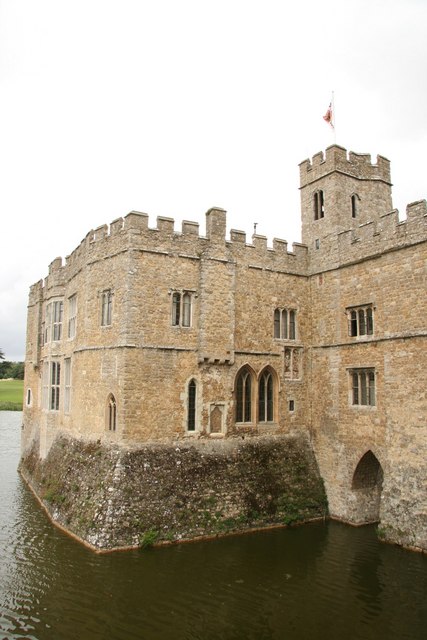
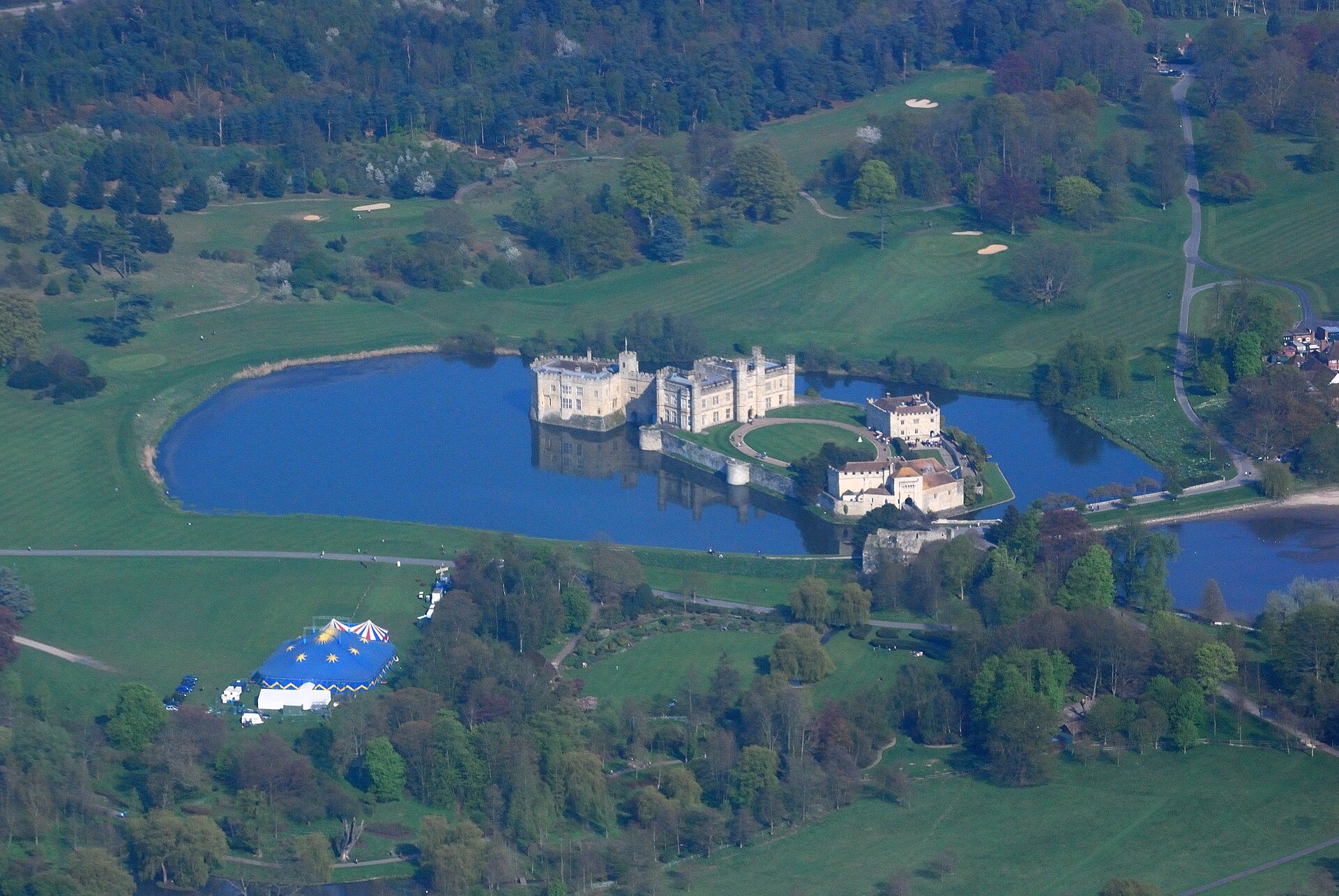
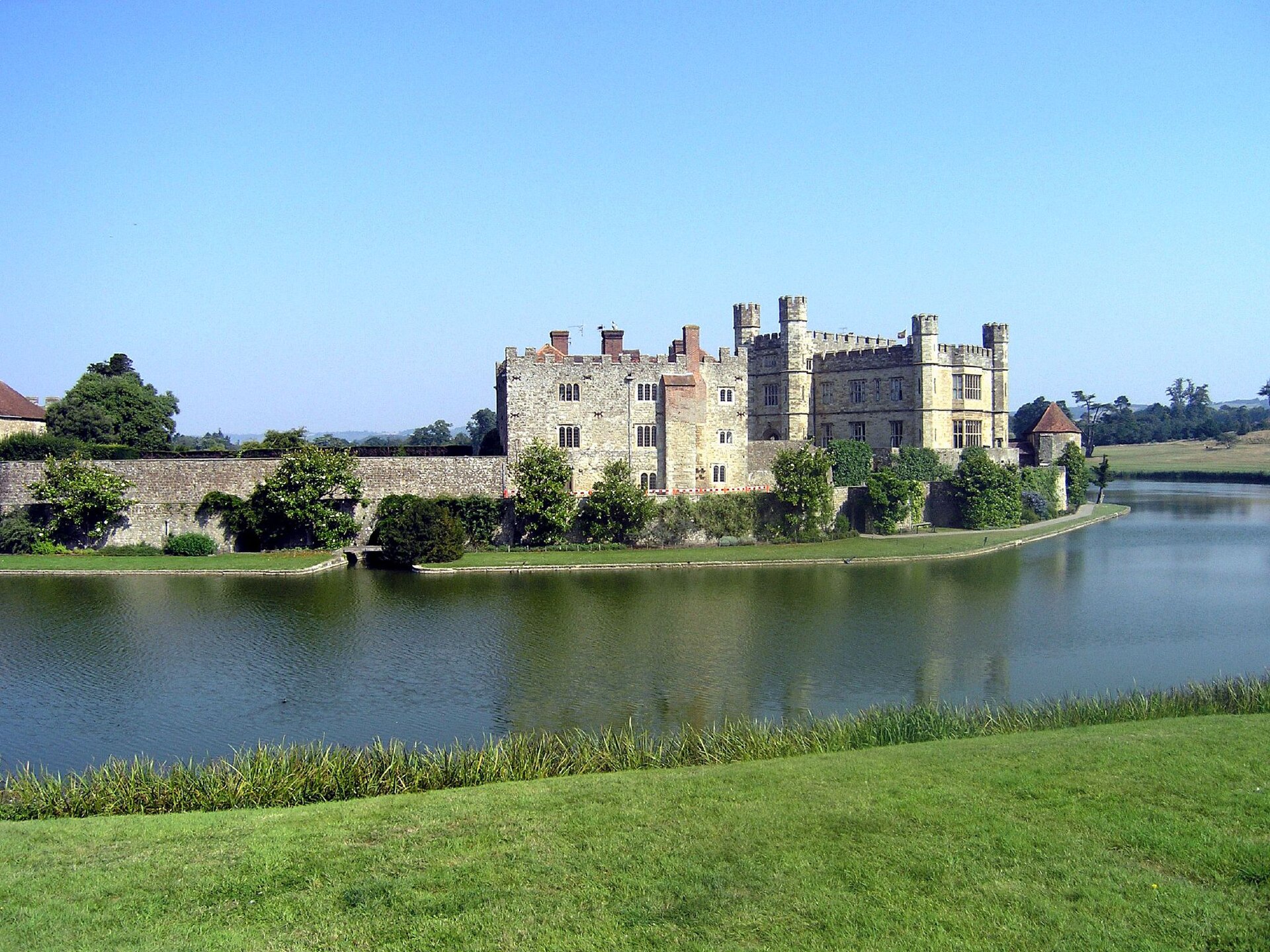
There is a photograph that gets taken a few million times a year: a honey-coloured castle seeming to float on a still lake in the Kent countryside, its towers doubled perfectly in the water below. That is Leeds Castle, and it has been called, again and again, the loveliest castle in the world. Whether or not you agree, it is hard to argue that any fortress in England makes better use of water. Built across two islands in a lake, ringed on every side by its own moat, Leeds looks less like a defensive stronghold than a fairy-tale palace that grew out of the water itself.
But behind the postcard prettiness lies a genuinely fascinating history, and a rather unusual one. Leeds is often called the castle of queens, because for centuries it belonged, over and over again, to the queens of England. Six medieval queens held it, and kings kept giving it to their wives as a favourite retreat, so that its story is threaded through with royal women in a way few castles can match. It has been a Norman fort, a royal palace, a private home, and finally one of England’s best-loved visitor attractions.
It also came within a whisker of being lost, before a remarkable American-born heiress poured her fortune into saving and beautifying it in the twentieth century. So this is a story of water, of queens, and of rescue. Let’s cross the bridge and go in.
We will follow the water all the way through, because at Leeds the lake is not just scenery, it is the reason the castle exists, the source of its defences, and the secret of its beauty. From a Norman lord’s island fort through six medieval queens, a Tudor king, and a twentieth-century heiress, the story keeps coming back to that shining sheet of water and the towers mirrored in it.
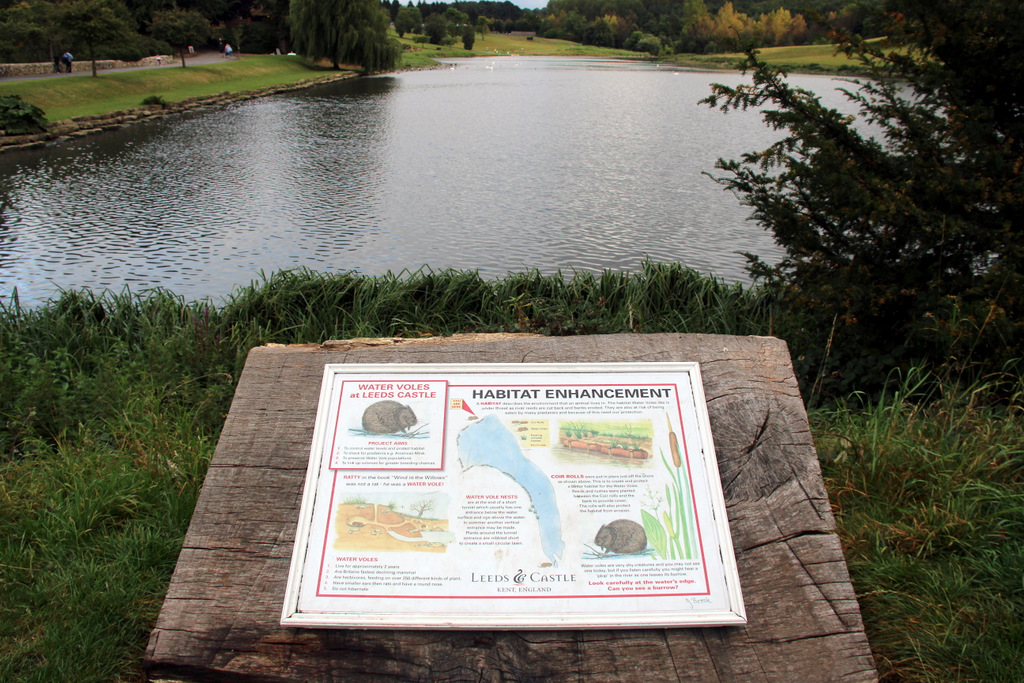
Table of Contents
- A Castle Born on the Water
- The King Who Gave It to His Queen
- Six Queens and Their Castle
- Henry VIII and a Castle Transformed
- From Royal Retreat to Private Home
- The Heiress Who Saved It
- Inside the Castle of Queens
- Gardens, Grounds, and a Famous Maze
- A Castle for Celebrations
- The Legend of the Black Dog
- Finding Leeds Castle
- Nearby Castles
- Before You Go
A Castle Born on the Water
Leeds Castle takes its name not from the northern city but from a Saxon called Led or Leed, whose manor stood here long before the stone castle rose. The place we see today began in 1119, when a Norman lord built the first proper castle on two small islands in a lake formed by the little River Len. From the very start, then, water was the whole idea. Rather than piling up on a hill, Leeds spread itself across islands and let the lake do the defensive work a moat and walls did elsewhere.
It was a clever choice. A castle surrounded by deep water is extremely hard to attack: there is nowhere to bring up siege towers, nowhere to mine under the walls, and any assault has to cross open water under fire. The lake made Leeds genuinely strong while also, as it turned out, making it genuinely beautiful, a rare and happy combination that the castle has traded on ever since.
For its first century or so Leeds was a straightforward baronial fortress, held by Norman lords. But in the late thirteenth century it caught the eye of a king, and from that moment its character changed. It stopped being merely a nobleman’s stronghold and became something far grander and more romantic: a royal retreat, and above all a castle of queens.
It is a subtly different philosophy of defence from a place like Dover or the Tower. There the answer to attack was height, thickness, and sheer mass of stone. At Leeds the answer was water, an obstacle that costs nothing to maintain, never sleeps, and happens to be beautiful into the bargain. The castle’s designers understood that a wide lake could be as good as a high wall, and they built accordingly.
The King Who Gave It to His Queen
The turning point came in 1278, when the castle passed to King Edward I, one of the most formidable of all English monarchs, the same king who built the great chain of castles in Wales. Edward loved Leeds, and he transformed it, strengthening its defences and adding comfortable royal apartments. He built up the lake into a broad and beautiful sheet of water, enhancing both its defences and its charm, and he made it a favourite home.
Crucially, Edward gave the castle to his beloved wife, Eleanor of Castile. This began the tradition that would define Leeds for centuries. It became a dower castle, part of the property settled on the queen, and so it passed from queen to queen as English kings gave it to their wives as a private retreat. That is why Leeds is remembered above all as the castle of queens.
Edward’s rebuilding also gave Leeds one of its most distinctive features, the Gloriette, a self-contained tower block set on its own small island at the far end of the castle, linked to the rest by a bridge. This innermost stronghold, part fortress and part private royal lodging, is the romantic heart of Leeds, and it captures perfectly the castle’s blend of defence and delight.
Edward I’s affection for Eleanor of Castile was famous. When she died, the grief-stricken king marked every place her funeral procession rested with a stone cross, the so-called Eleanor Crosses, and the name Charing Cross in London comes from one of them. That such a devoted royal husband chose Leeds as a gift for his wife tells you a great deal about how the castle was regarded: not as a cold garrison, but as a place beautiful and comfortable enough to give to someone you loved.
Six Queens and Their Castle
Over the medieval centuries, no fewer than six queens of England held Leeds Castle, giving it a female history almost unique among English fortresses. Eleanor of Castile, Edward I’s queen, was the first. She was followed over the generations by others, including Margaret of France, Isabella of France, the formidable Joan of Navarre, and Catherine de Valois, each in turn making this watery castle their own private domain.
These were not passive figures. Isabella of France, remembered by some as the She-Wolf, was a queen of real political weight, and Joan of Navarre, held here in her widowhood, was even accused of witchcraft and imprisoned for a time. The castle was bound up with their fortunes, their retreats, and sometimes their troubles, so that its walls hold a distinctly royal and distinctly feminine slice of English history.
The tradition of Leeds as a queen’s castle gave it a particular character. Kept and beautified by royal women rather than garrisoned as a hard border fortress, it leaned steadily toward comfort, elegance, and beauty, a place of retreat and pleasure as much as of defence. That gentle, luxurious streak, running right back to the medieval queens, is still part of the castle’s atmosphere today.
There is a small siege in the middle of all this royal romance, too. In the fourteenth century, when Queen Isabella’s estranged son and his supporters were manoeuvring for power, Leeds was actually besieged and taken after its keeper refused entry to a queen, an episode that ended with harsh punishment for the defenders. Even the gentlest of English castles, it turns out, saw its share of drama when queens and kings fell out.
Henry VIII and a Castle Transformed
The most famous royal owner of all was Henry VIII, who inherited Leeds and lavished attention on it in the early sixteenth century. Henry transformed the medieval fortress into a more comfortable and fashionable palace, softening its military edges and adapting it to the luxurious tastes of the Tudor court. He did much of this work for his first wife, Catherine of Aragon, keeping alive the old tradition of Leeds as a queen’s castle.
Henry is said to have loved the place, and it became one of the many great houses through which his glittering, dangerous court moved. Under him Leeds continued its long drift away from being a serious fortress and toward being a palace and a home, a shift that would define the rest of its history. The Tudor period left its mark on the buildings and helped set the castle on the path to its later life as a grand private residence.
After Henry, though, the castle passed out of royal hands, and its centuries as a crown property came to an end. It was granted to a courtier and became a private home, owned by a succession of families rather than by kings and queens. That change of ownership would, over the following centuries, take Leeds on a very different journey.
It is one of history’s small ironies that Henry, who treated his own wives so brutally, kept up the old custom of Leeds as a queen’s castle for Catherine of Aragon, the wife he would later cast aside. The castle he beautified for her passed on untouched by the storms of his reign, a rare survivor from a court where so much else ended in disgrace or the executioner’s block.
From Royal Retreat to Private Home
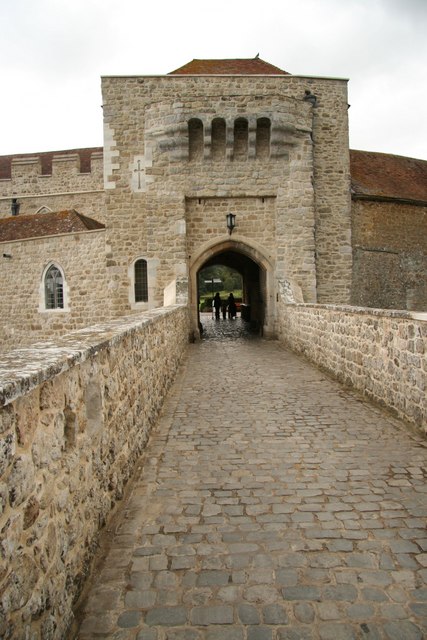
Once it left royal ownership in the sixteenth century, Leeds became the home of private families for the next four hundred years. Different owners rebuilt and remodelled it to suit the tastes and fortunes of their times, so that the castle you see today is a patchwork of many periods, medieval at its core but much altered by later hands. In the nineteenth century the main block was substantially rebuilt in a grand Tudor-revival style.
This long spell as a private house meant that Leeds, unlike so many castles, was never slighted, abandoned, or left to fall into ruin. It stayed lived-in and cared for, which is why it survives so complete and comfortable. But maintaining a great water-girt castle was hugely expensive, and by the early twentieth century the estate had run into difficulties and the castle’s future looked uncertain.
What Leeds needed was a wealthy owner with the money, the taste, and the sheer determination to save it and restore it to glory. In the 1920s, it found exactly that in one of the most remarkable figures in the whole of its long story.
Each family that owned Leeds left something behind, and part of the pleasure of a visit is reading those layers. A medieval wall here, a Tudor doorway there, a Victorian remodelling of the main range, and finally the plush twentieth-century interiors all sit together, and the castle makes no attempt to pretend it belongs to a single moment. Like most great old houses, it is really a collaboration between everyone who ever lived in it.
The Heiress Who Saved It
In 1926 Leeds Castle was bought by Lady Baillie, a wealthy Anglo-American heiress whose fortune came from her American mother’s family. She fell in love with the castle and devoted much of her life and a great deal of her money to restoring it, refurbishing the interiors in sumptuous style with the help of leading French designers, and turning it into one of the most glamorous private homes in England.
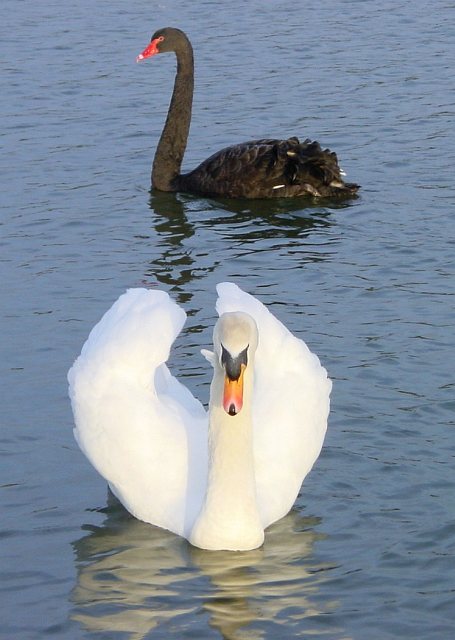
Between the 1920s and 1970s, Lady Baillie made Leeds a byword for fashionable luxury. She entertained a dazzling stream of guests, including film stars, royalty, and politicians, and her house parties were legendary. She also had a passion for exotic birds, and established a collection at the castle that survives, in a way, in the aviaries and wildfowl that still grace the grounds today.
Her greatest gift, though, was to secure the castle’s future. On her death in 1974 she left Leeds to a charitable foundation, ensuring that this beautiful place would be preserved and opened to the public rather than broken up or lost. Almost everything visitors enjoy at Leeds today, from the restored interiors to the open grounds, owes a huge debt to the American heiress who fell in love with an English castle and refused to let it fade.
It is worth pausing on how easily Leeds could have been lost. All over England in the early twentieth century, great houses and castles were being demolished, their contents sold, their estates broken up, as families ran out of money to keep them. Leeds escaped that fate purely because one determined woman with a large fortune decided it was worth saving. Without Lady Baillie, the loveliest castle in the world might well be a memory.
Inside the Castle of Queens
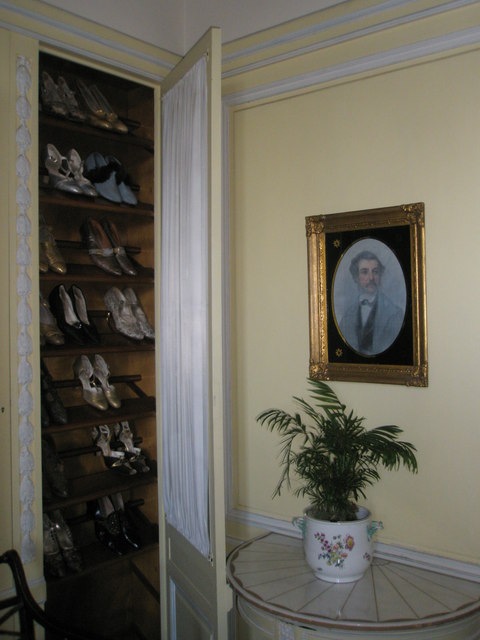
Step inside and Leeds reveals its split personality. The oldest parts, especially the Gloriette, retain a genuinely medieval feel, with stone chambers, a chapel, and rooms dressed to evoke the age of the queens who once lived here. Move into the main block, and you find the lavish twentieth-century interiors created by Lady Baillie, all rich fabrics, fine furniture, and the comfortable glamour of a great country house between the wars.
That mix is part of the fun. In one part of the castle you are in the Middle Ages, imagining a medieval queen at her devotions; in another you are in a 1930s house party, half expecting a film star to walk in for cocktails. Few castles let you time-travel quite so abruptly between the medieval and the modern, and it gives Leeds a warmth that purely ancient ruins can lack.
Throughout, the presence of the water is never far away. Windows look out onto the lake and the moat, light bounces off the surface onto the ceilings, and swans drift past below. The whole interior is shaped by the fact that this is a castle on an island, and that watery setting gives even the grandest rooms a peculiar, dreamlike calm.
Lady Baillie’s taste ran to understated richness rather than showy grandeur, and she hired the very best French decorators of the day to achieve it. The result is a series of rooms that feel genuinely lived in and loved rather than roped off and museum-like, and that warmth is a big part of why visitors respond to Leeds so strongly. You can imagine actually staying here, which is not something you can say of most castles.
Gardens, Grounds, and a Famous Maze
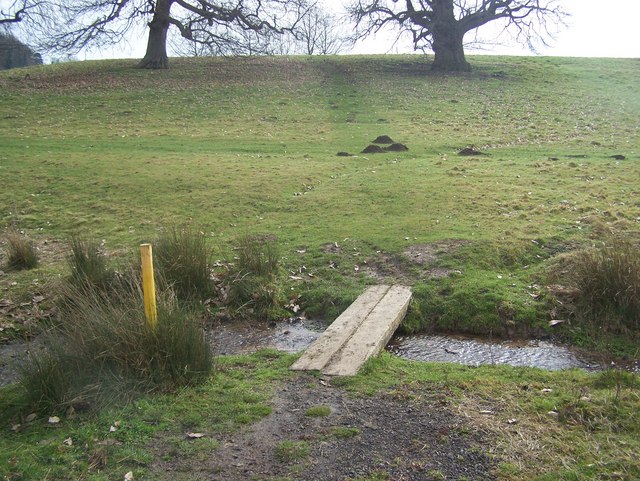
Leeds is as much about its grounds as its buildings. The castle sits in a great park of lawns, lakes, and woodland, laid out to show the fortress off to perfection from every angle, and simply walking around the water to see the castle from different viewpoints is one of the chief pleasures of a visit. Gardens, wildfowl, and open parkland make it a wonderful place to spend a whole day outdoors.
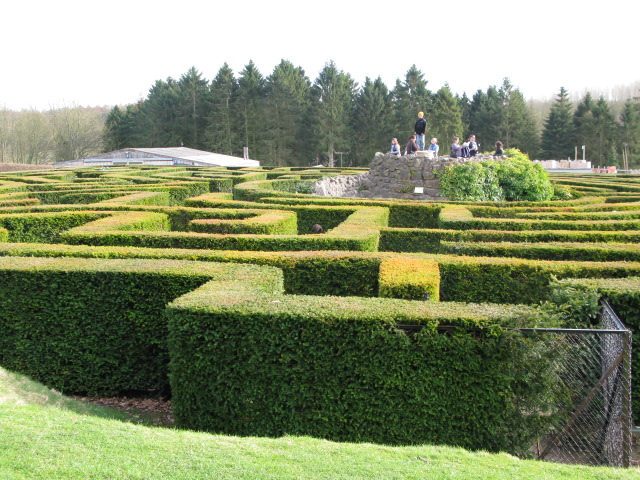
Among the most popular modern additions is the yew maze, a proper puzzle of clipped hedges that draws visitors young and old, with a hidden underground grotto at its centre as a reward for those who find their way through. There are also gardens created in memory of Lady Baillie, aviaries continuing her love of birds, and plenty of space for children to run about.
All of this makes Leeds a slightly different kind of castle experience. It is less about grim history and epic sieges, and more about beauty, leisure, and pleasure, which is entirely in keeping with its long past as a royal and private retreat rather than a hard-bitten frontier fortress. It was always, at heart, a place designed to be enjoyed.
Part of what makes the grounds special is how they frame the castle. Paths are laid out so that the towers keep reappearing across the water from new angles, each view a little different, so that the walk itself becomes a slow reveal of the building. It is landscape design working hand in hand with architecture, and it is no accident that Leeds is one of the most photographed castles anywhere.
A Castle for Celebrations
In its modern life under the foundation that owns it, Leeds has become a busy and beloved public place. It hosts concerts, festivals, and events throughout the year, and it is one of the most sought-after wedding venues in the country, which feels entirely right for a castle so long associated with queens and romance. Hot-air balloons rise over the lake, open-air concerts fill the grounds, and the castle glows in the evening light.
This lively public role has secured the castle’s future and kept it firmly in the nation’s affections. Rather than being a solemn monument, Leeds is a place of enjoyment, exactly as Lady Baillie intended when she left it to be preserved and shared. It manages to wear its long history lightly, welcoming crowds without losing its romance.
That accessibility is a big part of why Leeds is so loved. It is grand enough to take the breath away, yet warm and welcoming enough to feel like a place made for pleasure rather than power, a castle you visit not to be awed by force but to be charmed by beauty.
The Legend of the Black Dog
Like any castle worth its salt, Leeds has a ghost story, and it is an unusual one. The castle is said to be haunted by a phantom black dog, a spectral hound that appears within its walls. Black dog legends are common across the English countryside, and usually the creature is an omen of death or disaster, a frightening thing to meet on a dark night.
At Leeds, though, the story has a happier twist. According to the castle’s own tradition, the black dog is not always an omen of doom but, on at least one occasion, a kind of guardian. The tale goes that a woman who saw the dog followed it, and in doing so was drawn away from a spot where the masonry then collapsed, so that the ghostly hound actually saved her life. It is a rare example of a supposedly sinister spectre turning out to be a protector.
Whether you believe a word of it or not, the legend suits the character of Leeds rather well. Even its ghost is gentler and more benign than the grim spectres that stalk bloodier castles, in keeping with a place whose whole history leans toward beauty, comfort, and good fortune rather than horror.
Finding Leeds Castle
Leeds Castle sits in the heart of Kent, near the town of Maidstone in south-east England, and despite the name it has nothing to do with the city of Leeds far to the north. It is easily reached by car from London and the Channel ports, and lies close to the main motorway through Kent, making it a natural stop on the way to or from Dover and the coast. There are also organised tours and coach trips from London for those without a car.
Give yourself a full day, because Leeds is designed to be lingered over. Beyond the castle interiors, there are the gardens, the maze, the wildfowl, and long walks around the lake, plus a regular calendar of events worth checking before you go. It pairs beautifully with a wider tour of Kent’s castles and the white cliffs, and on a fine day, with the towers mirrored in the still water, you will understand exactly why people keep calling it the loveliest castle in the world.
The castle sits at roughly 51.2487, 0.6307. Punch that into Google Maps and it will take you straight to Leeds Castle in Kent.
Nearby Castles
A Castle Made for Water and Women
Leeds is proof that a castle does not have to be grim to be great. Where so many English fortresses tell stories of siege and slaughter, Leeds tells one of water, queens, and beauty, a place kept and cherished by royal women, softened over the centuries into a palace, and finally rescued by an heiress who could not bear to see it fade.
Stand on the far side of the lake as the light softens in the evening, with the towers floating on their own reflection and the swans drifting past, and the old nickname stops sounding like marketing. Leeds really may be the loveliest castle in the world, and, just as importantly, it feels like a place that was always meant to be enjoyed rather than feared.
You May Like
Mafra, the Palace a King Built From a Vow


One thought on “Leeds Castle: The Loveliest Castle in the World and Its Six Queens”