In the deserts of Sudan, along the banks of the Nile far south of Egypt, rise scores of steep, narrow pyramids, the burial places of the kings and queens of Meroe. This was the capital of the ancient Kingdom of Kush, a powerful African civilisation that rivalled and even ruled Egypt, yet is still too little known today.
Meroe was a city of pyramids, temples, iron and its own written script, the heart of a wealthy state that traded across Africa and the ancient world. Its warrior queens, its distinctive art and its half-read language make it one of the most fascinating civilisations of the ancient world.

Table of Contents
- The Capital of the Kingdom of Kush
- Nubia and the Black Pharaohs
- The Royal City of Meroe
- The Pyramids of Meroe
- The Meroitic Script
- The Iron Industry: An African Powerhouse
- Temples of Amun
- The Lion God Apedemak
- The Warrior Queens
- Decline, Rediscovery, and UNESCO
- Getting There
- Nearby Places
- Closing Thoughts
The Capital of the Kingdom of Kush
Meroe was the last and greatest capital of the Kingdom of Kush, the Nubian civilisation that flourished along the Nile in what is now Sudan. From here its rulers governed a wide and prosperous realm for many centuries.
The city stood on a fertile stretch of the river with access to trade routes reaching deep into Africa. Its ruins include a royal city, temples and, most famously, great cemeteries of pyramids.

Nubia and the Black Pharaohs
The people of Kush were the southern neighbours of Egypt, and the two civilisations were closely linked through trade, war and shared culture. For a time the tables were turned, and Kushite kings conquered Egypt itself.
These rulers, sometimes called the Black Pharaohs, governed Egypt as its twenty-fifth dynasty. Even after they were driven back south, the kingdom of Kush remained a major power, eventually centred on Meroe.
The Royal City of Meroe
The royal city of Meroe held palaces, temples, baths and workshops, surrounded by a wall. Its rulers lived in considerable splendour, and the city was a centre of administration, religion and craft.
Around the city stretched the wider landscape of the kingdom, with farms, other towns and religious sites. Meroe was the beating heart of a sophisticated and well-organised African state.

The Pyramids of Meroe
Meroe is most famous for its pyramids, of which there are more here than in all of Egypt. Steeper and narrower than the Egyptian pyramids, and much smaller, they served as royal tombs, each with a small offering chapel attached.
Row upon row of these distinctive monuments rise from the desert sands, the burial places of generations of Kushite kings and queens. They are among the most striking and least visited ancient sites in the world.

The Meroitic Script
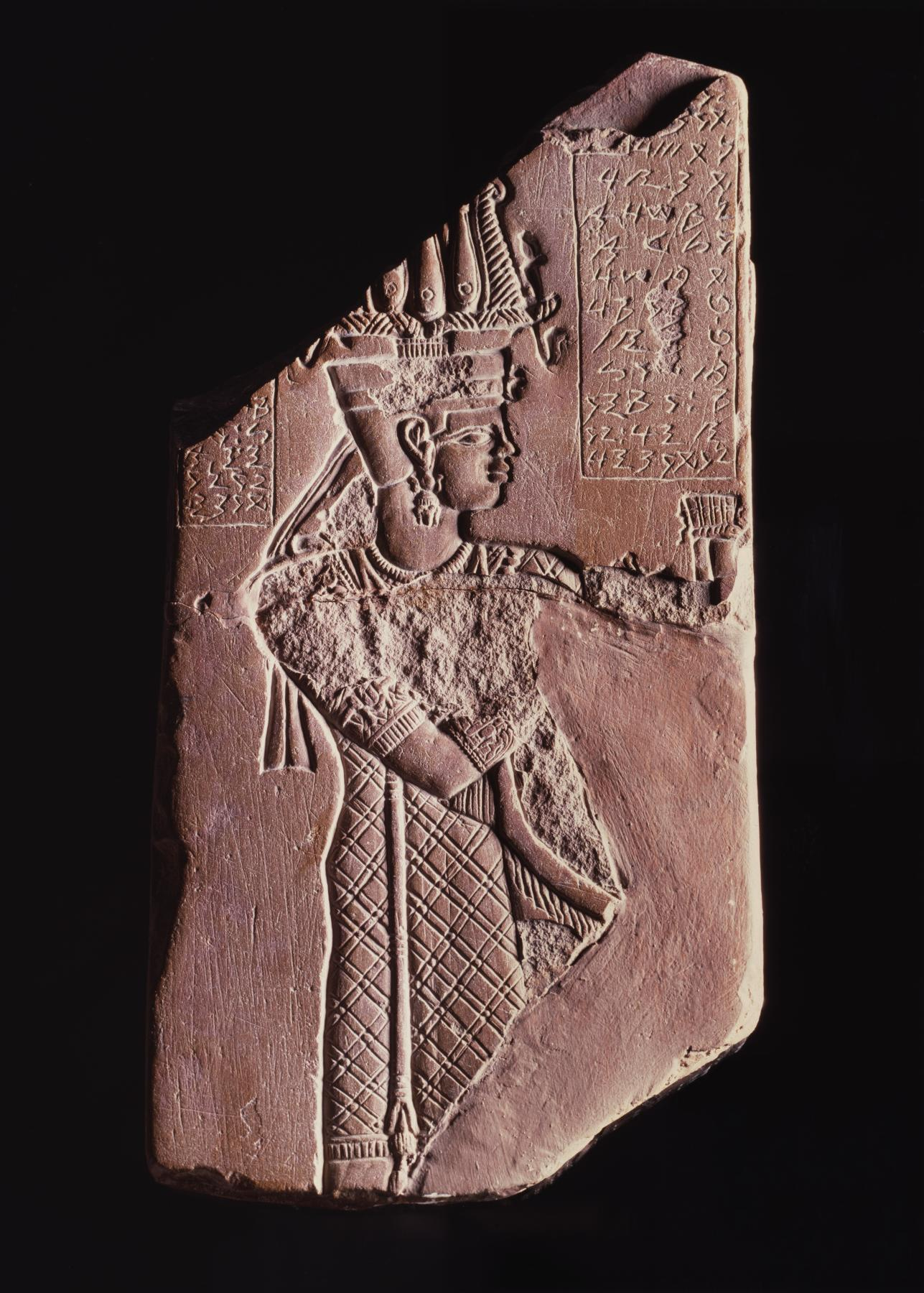
The people of Meroe developed their own system of writing, known as Meroitic, to record their language. It is the oldest known written language of sub-Saharan Africa.
Although scholars can sound out the Meroitic script, the language it records is still only partly understood. Much of what the people of Meroe wrote about themselves therefore remains tantalisingly out of reach.
The Iron Industry: An African Powerhouse
Meroe was a major centre of ironworking, so much so that it has sometimes been described as an ancient industrial powerhouse. Great mounds of slag around the city testify to centuries of smelting.
Iron tools and weapons strengthened the kingdom’s farming and its armies, and iron goods were an important part of its trade. This mastery of metal was one of the foundations of Meroe’s wealth and power.
Temples of Amun
Like the Egyptians, the Kushites worshipped the great god Amun, and they built temples to him at Meroe and nearby sites. Some were approached by grand avenues lined with statues of rams, the sacred animal of Amun.
These temples show how deeply Egyptian religion influenced Kush, even as the kingdom developed its own distinctive beliefs and gods. Worship of Amun linked Meroe to the older traditions of the Nile.

The Lion God Apedemak
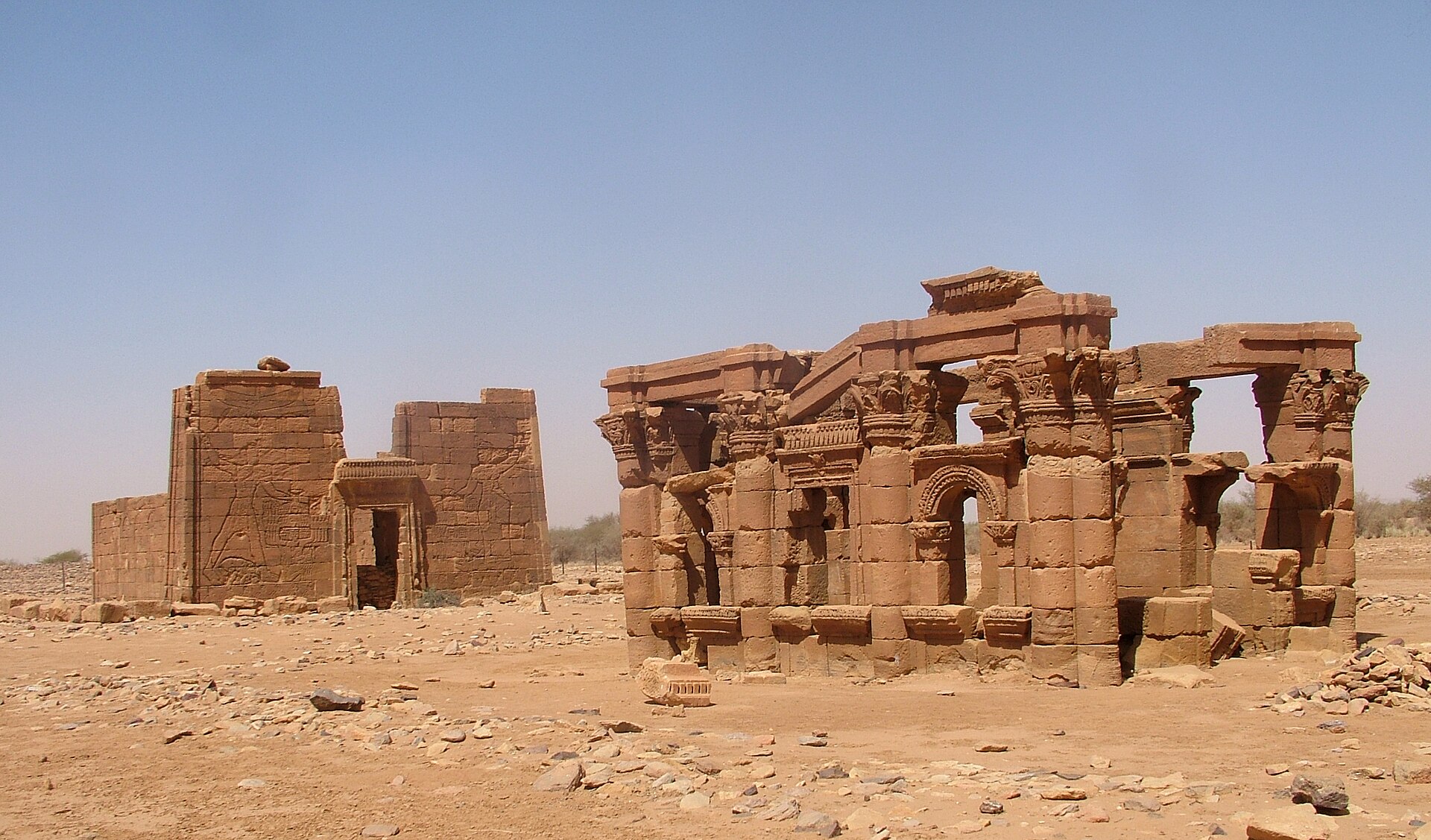
Alongside the borrowed gods of Egypt, Meroe had powerful deities of its own. Chief among them was Apedemak, a fierce lion-headed war god who had no Egyptian equivalent and was worshipped across the kingdom.
Temples to Apedemak, decorated with images of the lion god and the royal family, express the distinct identity of Kushite religion. They show a civilisation that took what it wanted from Egypt but remained proudly itself.
The Warrior Queens
Meroe is famous for the prominence of its royal women. Powerful queens, known by the title Kandake, ruled the kingdom in their own right or alongside kings, and led its armies in war.
One such queen is said to have confronted the armies of Rome. These formidable rulers appear in the art of Meroe as commanding figures, and their prominence sets Kush apart from many other ancient societies.

Decline, Rediscovery, and UNESCO
After many centuries of power, Meroe declined and was eventually eclipsed, its territory absorbed by other rising states. The city was abandoned and its pyramids left to the desert.
Rediscovered by travellers and archaeologists, and sadly damaged by treasure-hunters, the sites of Meroe were inscribed on the UNESCO World Heritage List in 2011. They preserve the memory of a great and long-overlooked African civilisation.

Getting There
The pyramids of Meroe lie in the desert of northern Sudan, near the village of Bagrawiyah, on the east bank of the Nile, roughly two hundred kilometres northeast of the capital, Khartoum.
They are reached by road from Khartoum, usually as part of an organised tour. Travel in Sudan depends heavily on the political and security situation, which has been very unstable in recent years, so current conditions must be checked carefully.
Coordinates: 16.9333, 33.7500 — open the Pyramids of Meroe in Google Maps.
Nearby Places
- The Nubian Pyramids of Kush — a closer look at the remarkable royal pyramids of Meroe and its sister cities.
- Kerma — the earlier Nubian capital whose civilisation laid the foundations for the later kingdom of Meroe.
- The Pyramids of Giza — the Egyptian monuments that inspired, and were once ruled by, the pyramid-builders of Kush.
Closing Thoughts
Meroe was a great African civilisation in its own right: a kingdom of pyramids and iron, warrior queens and its own written language, that rivalled Egypt and traded with the wider ancient world.
Its steep desert pyramids, still too little known, stand as a powerful reminder that the story of the ancient Nile did not stop at Egypt’s southern border. Meroe deserves its place among the great civilisations of antiquity.
You May Like
Mafra, the Palace a King Built From a Vow