On a desert plateau at the edge of modern Cairo stand the most famous monuments ever built by human hands: the pyramids of Giza and the Great Sphinx. Raised more than four and a half thousand years ago, the Great Pyramid is the last survivor of the Seven Wonders of the Ancient World and still astonishes everyone who stands before it.
For over three millennia the Great Pyramid was the tallest structure on earth. Together with its neighbours and the enigmatic Sphinx, it embodies the power, ambition and religious vision of ancient Egypt at the height of the Old Kingdom.
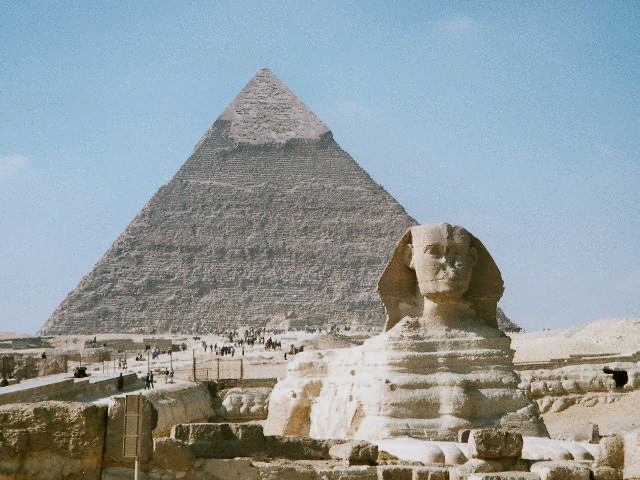
Table of Contents
- The Last Wonder of the Ancient World
- The Old Kingdom and the Age of Pyramids
- The Great Pyramid of Khufu
- Building the Great Pyramid
- The Pyramids of Khafre and Menkaure
- The Great Sphinx
- The Solar Boats of Khufu
- Temples, Causeways, and the Funerary Complex
- Tombs, Robbers, and Lost Treasures
- On the Edge of Cairo: The Plateau Today
- Getting There
- Nearby Places
- Closing Thoughts
The Last Wonder of the Ancient World
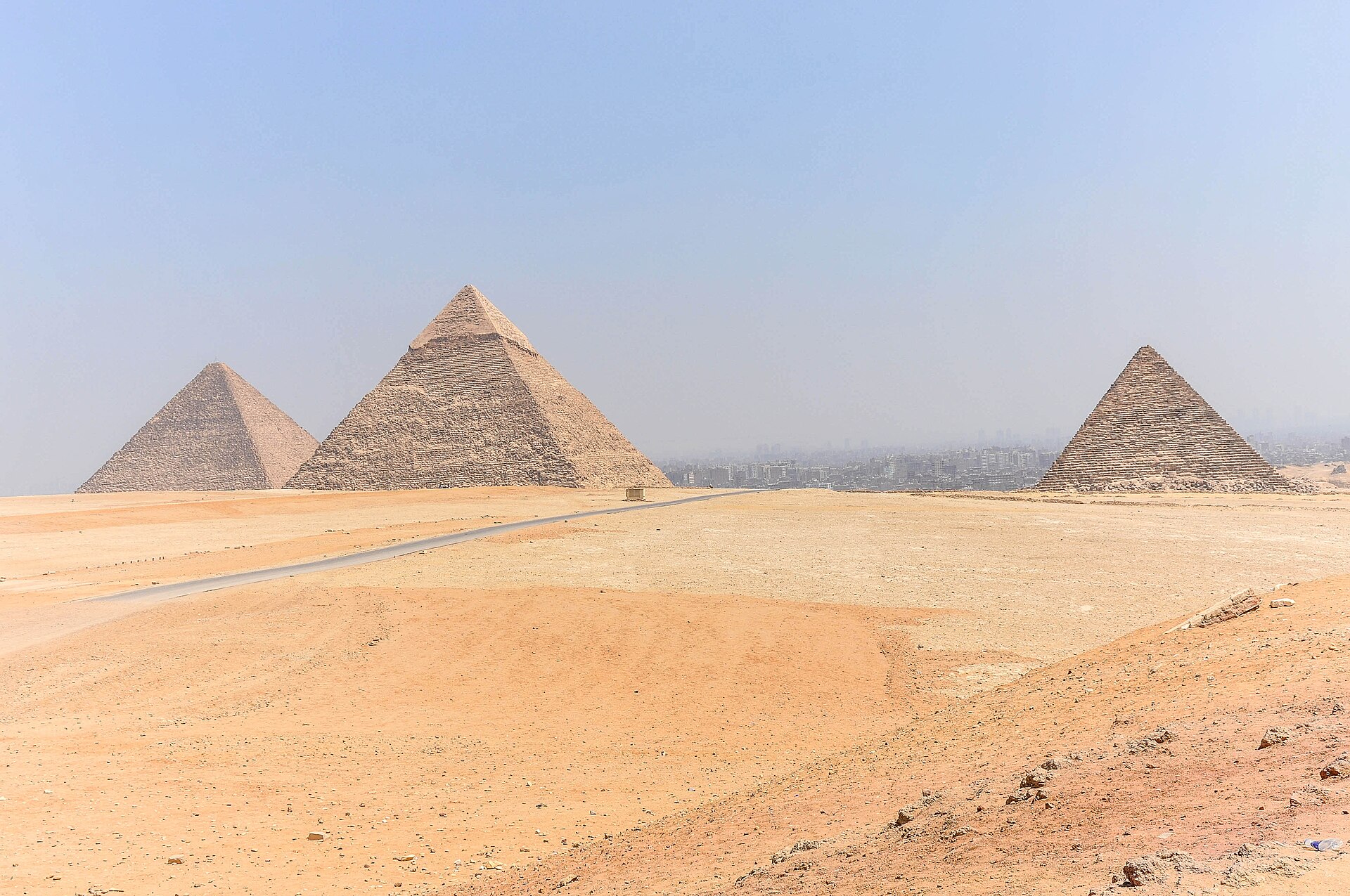
The Giza plateau holds three great pyramids, built for three successive pharaohs, along with smaller pyramids, temples and the Sphinx. Of all the ancient wonders listed by Greek writers, the pyramids are the only ones still standing.
Their scale is staggering. Built without iron tools, wheels for heavy haulage or modern machinery, they remain among the largest and most precisely constructed monuments ever raised, a permanent challenge to our sense of what ancient people could achieve.
The Old Kingdom and the Age of Pyramids
The pyramids were built during the Old Kingdom, around 2600 to 2500 BC, a period of strong central government and immense royal power. The pharaoh was seen as a living god, and his tomb was designed to secure his eternal life.
Pyramid building on this scale required a highly organised state, able to feed, house and direct a huge workforce. The Giza pyramids represent the peak of this extraordinary age of monumental construction.
The Great Pyramid of Khufu
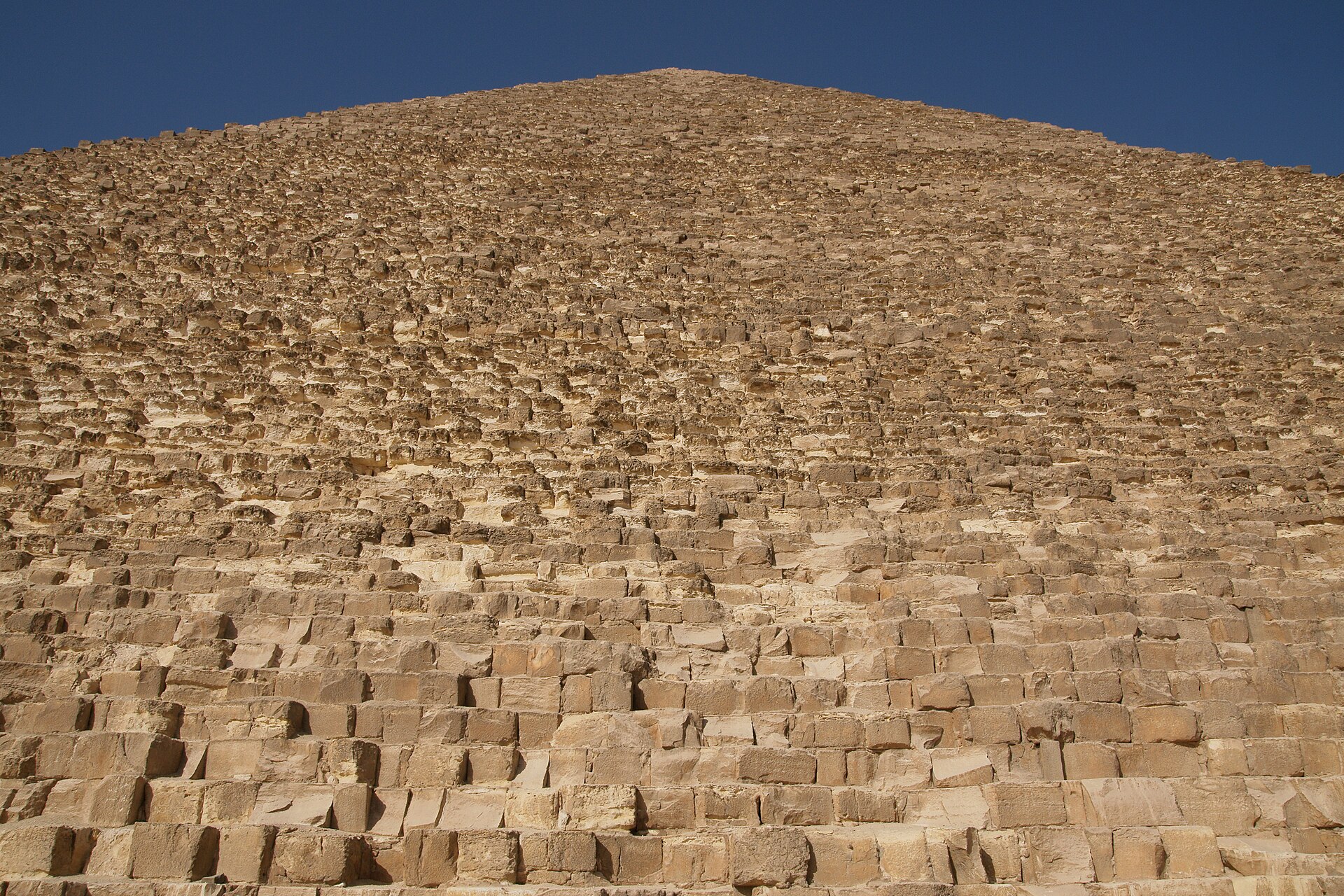
The largest of the three, the Great Pyramid, was built for the pharaoh Khufu. It originally stood around 146 metres tall and was made of over two million blocks of stone, each weighing several tonnes on average.
The precision of its construction is remarkable: its sides are aligned almost exactly to the points of the compass, and its base is nearly perfectly level. For thousands of years it was the tallest building in the world.
Building the Great Pyramid
Exactly how the Great Pyramid was built is still studied and debated. Most scholars agree that huge gangs of skilled workers, not slaves, quarried, hauled and set the blocks using ramps, sledges, levers and sheer organised manpower.
Inside, a series of passages leads to burial chambers, including the King’s Chamber reached by the soaring Grand Gallery. These internal spaces, built of massive granite blocks, are engineering feats in their own right.
The Pyramids of Khafre and Menkaure
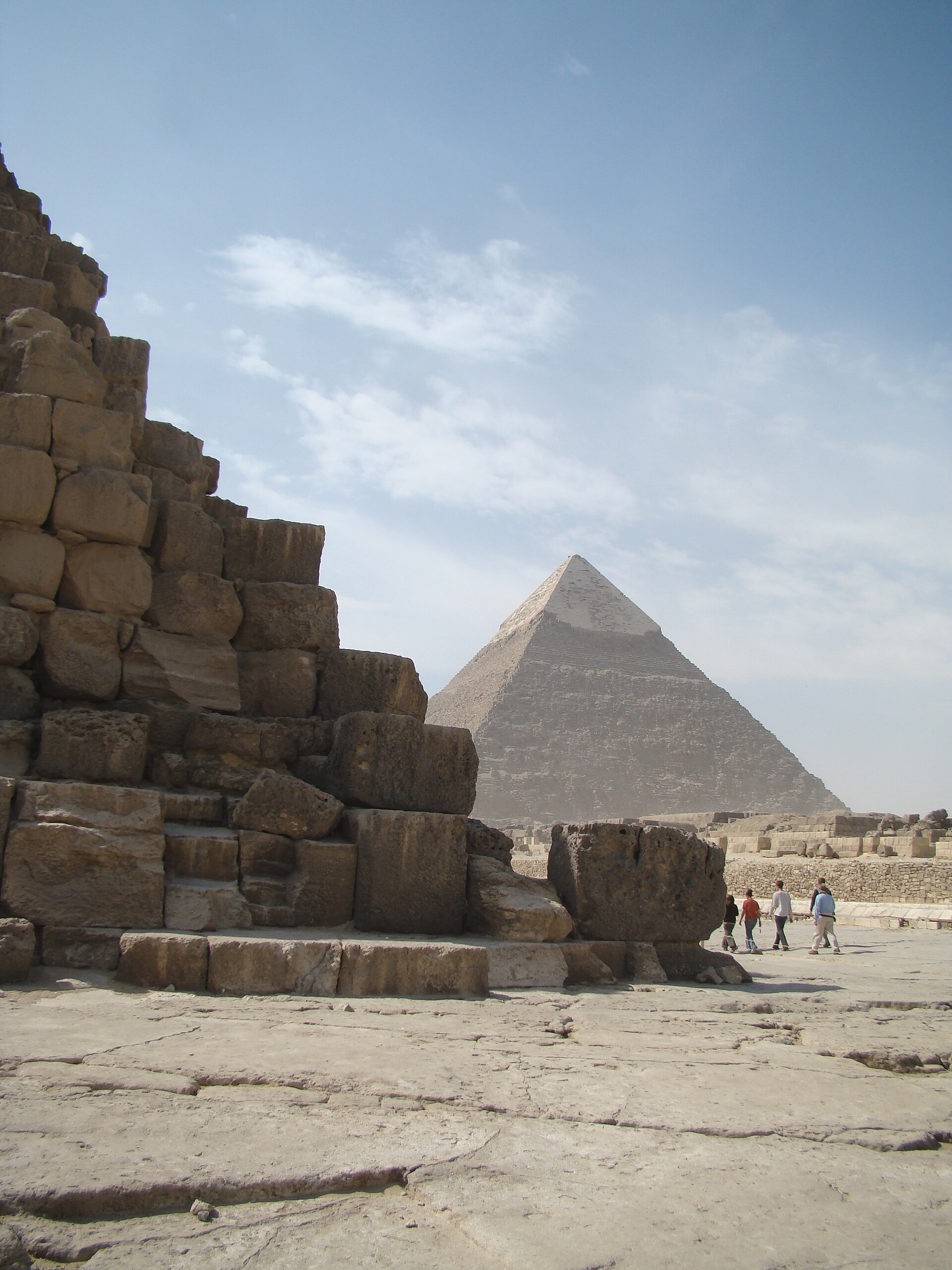
The second pyramid was built for Khufu’s son Khafre. Though slightly smaller, it appears taller because it stands on higher ground, and it still keeps some of its original smooth limestone casing near the top.
The third and smallest pyramid belonged to Menkaure. Together the three form the classic Giza skyline, each surrounded by its own temples and the smaller pyramids of queens.
The Great Sphinx
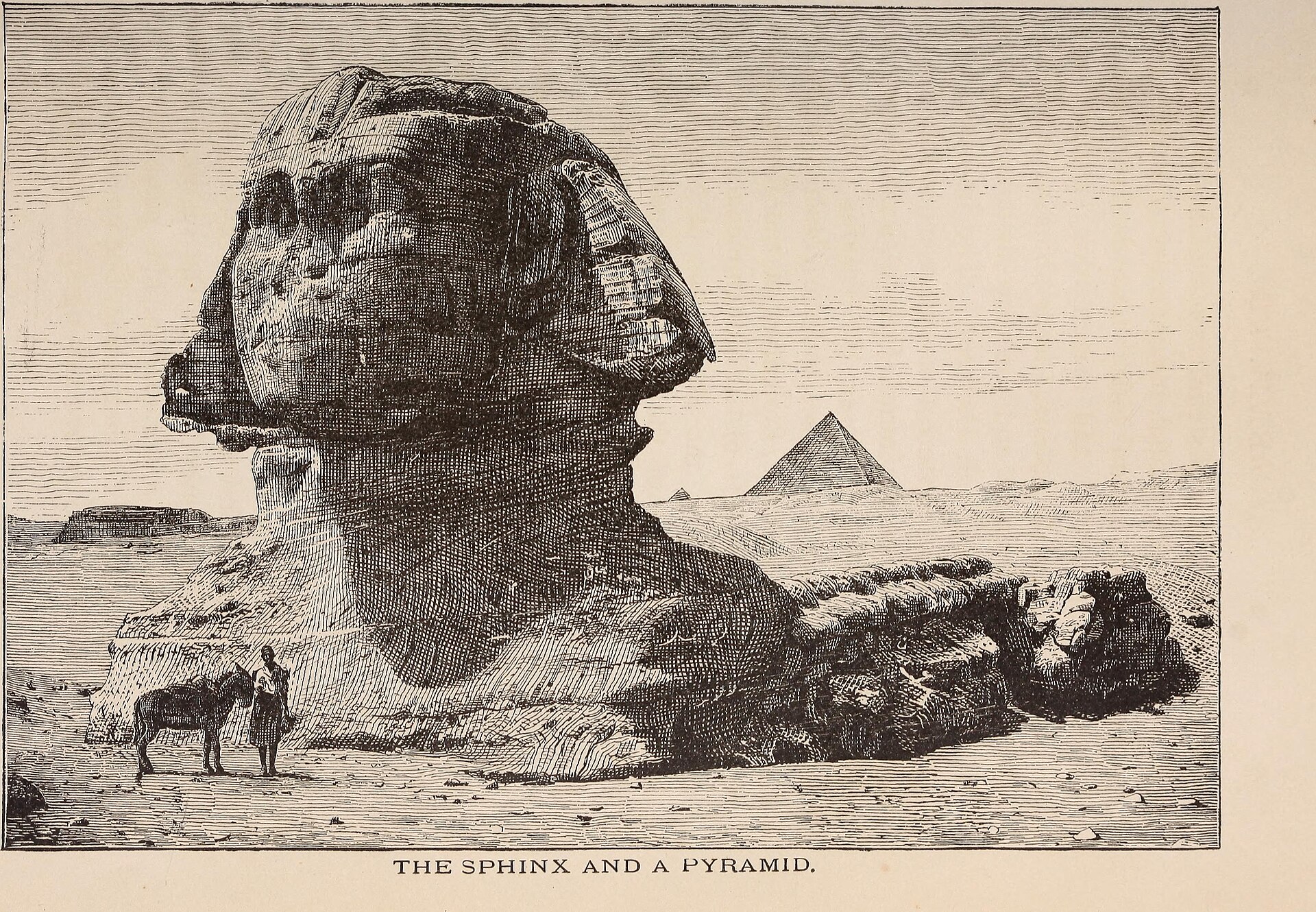
Guarding the plateau is the Great Sphinx, a colossal statue with the body of a lion and the face of a man, carved from a single mass of natural rock. It is one of the largest sculptures in the world.
Most scholars believe it was built for Khafre and bears his features, facing the rising sun. Its missing nose and weathered surface have only deepened the air of mystery that has surrounded it for millennia.

The Solar Boats of Khufu
Buried in pits beside the Great Pyramid, archaeologists found dismantled full-sized wooden boats. One has been painstakingly reconstructed, revealing an elegant vessel over forty metres long.
These solar boats were meant to carry the dead pharaoh across the sky with the sun god, or to serve him in the afterlife. Their survival gives a vivid glimpse of ancient Egyptian craftsmanship and belief.

Temples, Causeways, and the Funerary Complex
Each pyramid was not a lone monument but the centre of a larger complex. A temple stood at the pyramid’s base, linked by a long causeway to a valley temple near the edge of the Nile floodplain, where the funeral rites began.
The granite Valley Temple of Khafre, near the Sphinx, survives especially well, its massive polished blocks a marvel of stonework. These structures reveal the elaborate rituals that surrounded the burial of a god-king.

Tombs, Robbers, and Lost Treasures
Despite their security, the pyramids were robbed in antiquity, and the burial chambers were found empty of their treasures long ago. What the tomb of Khufu originally contained can only be imagined.
Around the pyramids lie fields of smaller tombs belonging to officials and relatives, and the remains of the villages that housed the workers. Together they help us understand the vast human effort behind the monuments.
On the Edge of Cairo: The Plateau Today
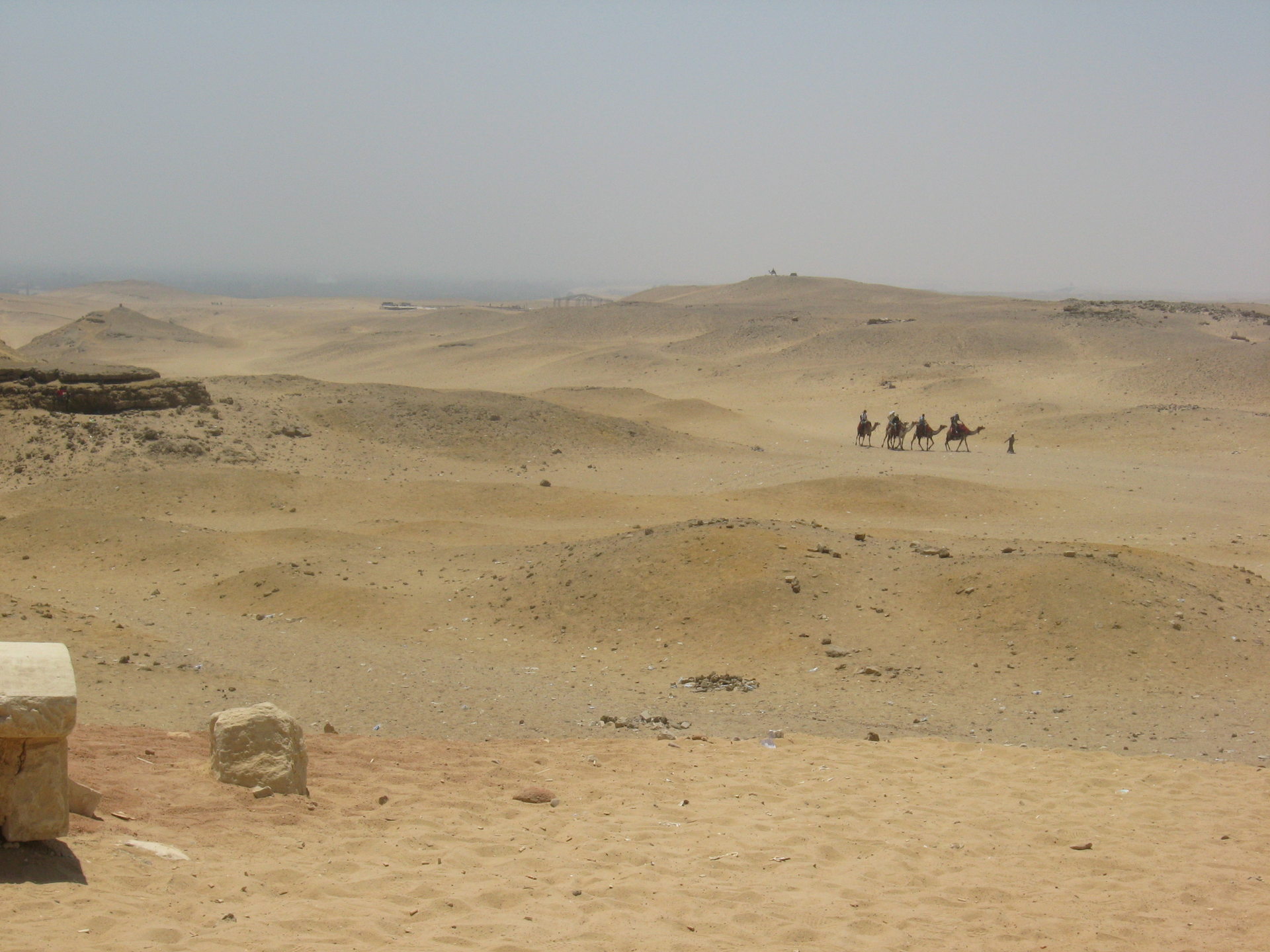
Once isolated in the desert, the Giza plateau now sits on the very edge of the sprawling city of Cairo, its pyramids visible from nearby streets. Millions of visitors come each year to see them.
A new grand museum built nearby displays treasures of ancient Egypt, including the finds of Tutankhamun, complementing a visit to the pyramids themselves. Giza remains the single most iconic destination in the ancient world.
Getting There
The Giza pyramids stand on the Giza plateau on the southwestern edge of greater Cairo, Egypt. They are only a short drive from the city centre and close to Cairo International Airport, making them among the most accessible of all ancient wonders.
Visitors reach the site easily by taxi, tour or public transport, and the new Grand Egyptian Museum lies nearby. The plateau is open daily, and it is possible to enter some of the pyramids and to walk right up to the Sphinx.
Coordinates: 29.9792, 31.1342 — open the Pyramids of Giza in Google Maps.
Nearby Places
- The Step Pyramid of Djoser — the earlier pyramid at Saqqara whose design led directly to the giants of Giza.
- Thebes — the later royal capital of Egypt, where the pharaohs abandoned pyramids for hidden rock-cut tombs.
- Abu Simbel — the colossal rock temples of a later pharaoh who inherited Egypt’s tradition of monumental building.
Closing Thoughts
The pyramids of Giza are the ultimate symbol of the ancient world: mountains of stone raised to carry god-kings into eternity, and the only ancient wonder still standing after forty-five centuries.
With the Sphinx keeping its silent watch beside them, they continue to embody the mystery and grandeur of ancient Egypt. No monuments on earth are more famous, and few so completely capture the human urge to defy time itself.
You May Like
Mafra, the Palace a King Built From a Vow


One thought on “The Pyramids of Giza: The Last Ancient Wonder and the Riddle of the Sphinx”