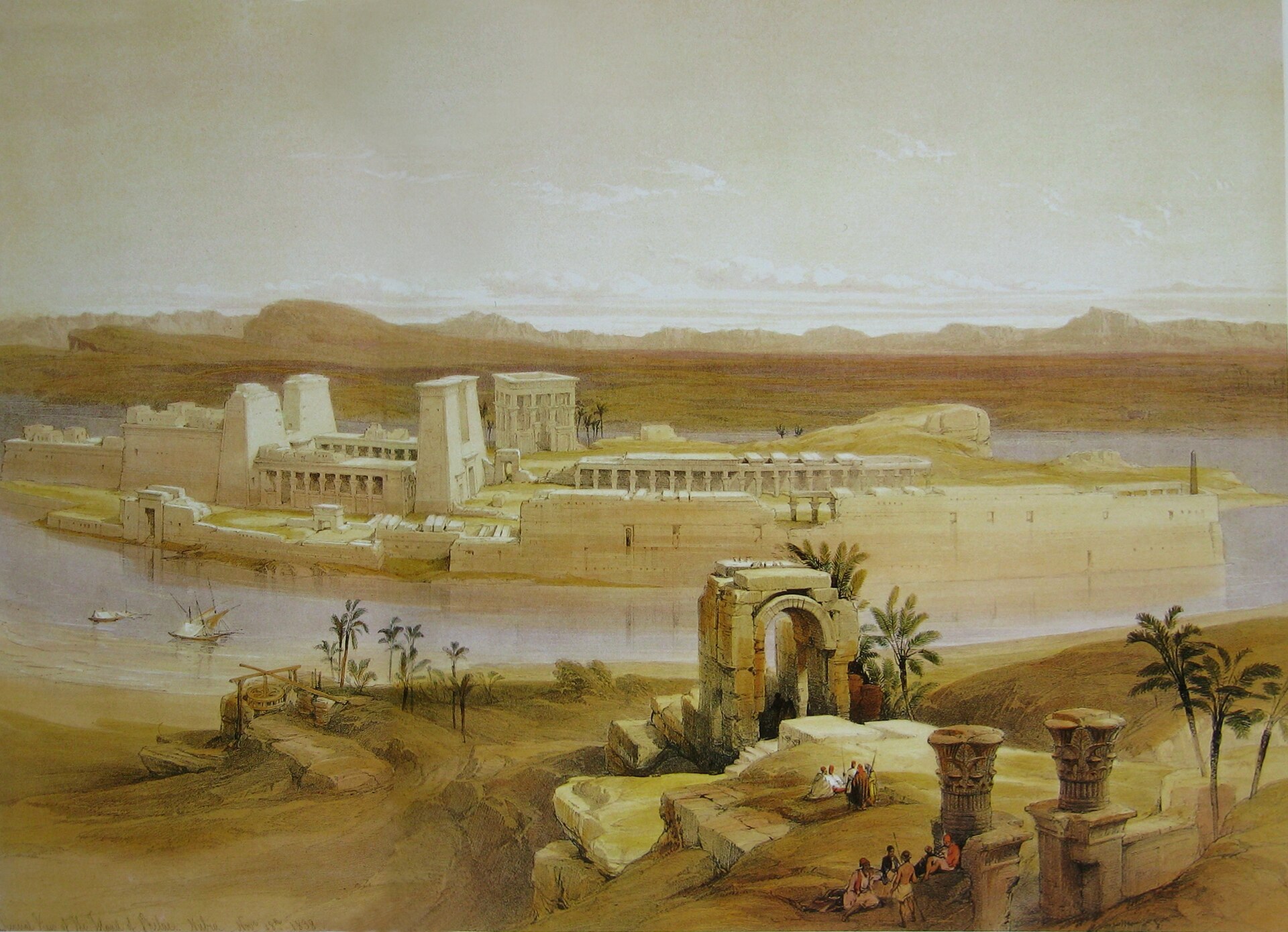
On an island in the Nile near Aswan stands one of the most romantic of all Egyptian temples: Philae, the sanctuary of the goddess Isis. Rising straight from the water, its pylons, colonnades and graceful Roman kiosk have enchanted travellers for centuries, and it was here that the ancient Egyptian religion made its last stand.
Philae is remarkable twice over: as the great temple of Isis, worshipped across the whole ancient world, and as a monument saved from destruction in the twentieth century, when the entire complex was cut apart and moved to higher ground to escape the rising waters of a new dam.

Table of Contents
- The Island Temple of Isis
- Isis, the Great Goddess
- The Last Stronghold of the Old Religion
- The Great Temple of Isis
- Colonnades and Halls
- The Kiosk of Trajan
- Pilgrimage from Across the Ancient World
- Christianity and the Closing of the Temple
- Drowned by the Dams
- The UNESCO Rescue and Relocation
- Getting There
- Nearby Places
- Closing Thoughts
The Island Temple of Isis
Philae lies at the southern edge of Egypt, near the ancient frontier with Nubia, on an island in the Nile just above Aswan. Its temples seem to float on the water, framed by the river and the surrounding hills.
This beautiful setting made Philae one of the most admired sites in Egypt. For the ancient Egyptians it was a sacred place associated with the goddess Isis and the mysteries of life and death.
Isis, the Great Goddess
Isis was one of the most powerful and beloved deities of ancient Egypt, the devoted wife of Osiris and mother of Horus. She was a goddess of magic, healing, motherhood and protection, worshipped as a saviour and comforter.
Her cult spread far beyond Egypt, reaching across the Greek and Roman worlds, from Greece to Rome itself. Philae was the greatest centre of her worship, drawing pilgrims from many lands.

The Last Stronghold of the Old Religion
Philae holds a special place in history as the last active temple of the ancient Egyptian religion. Long after the rest of Egypt had turned to Christianity, the priests of Isis continued their rituals here.
The very last known hieroglyphic inscription was carved at Philae, closing a tradition of writing that had lasted for over three thousand years. The temple was a final refuge of the old gods before the ancient world gave way to the new.
The Great Temple of Isis
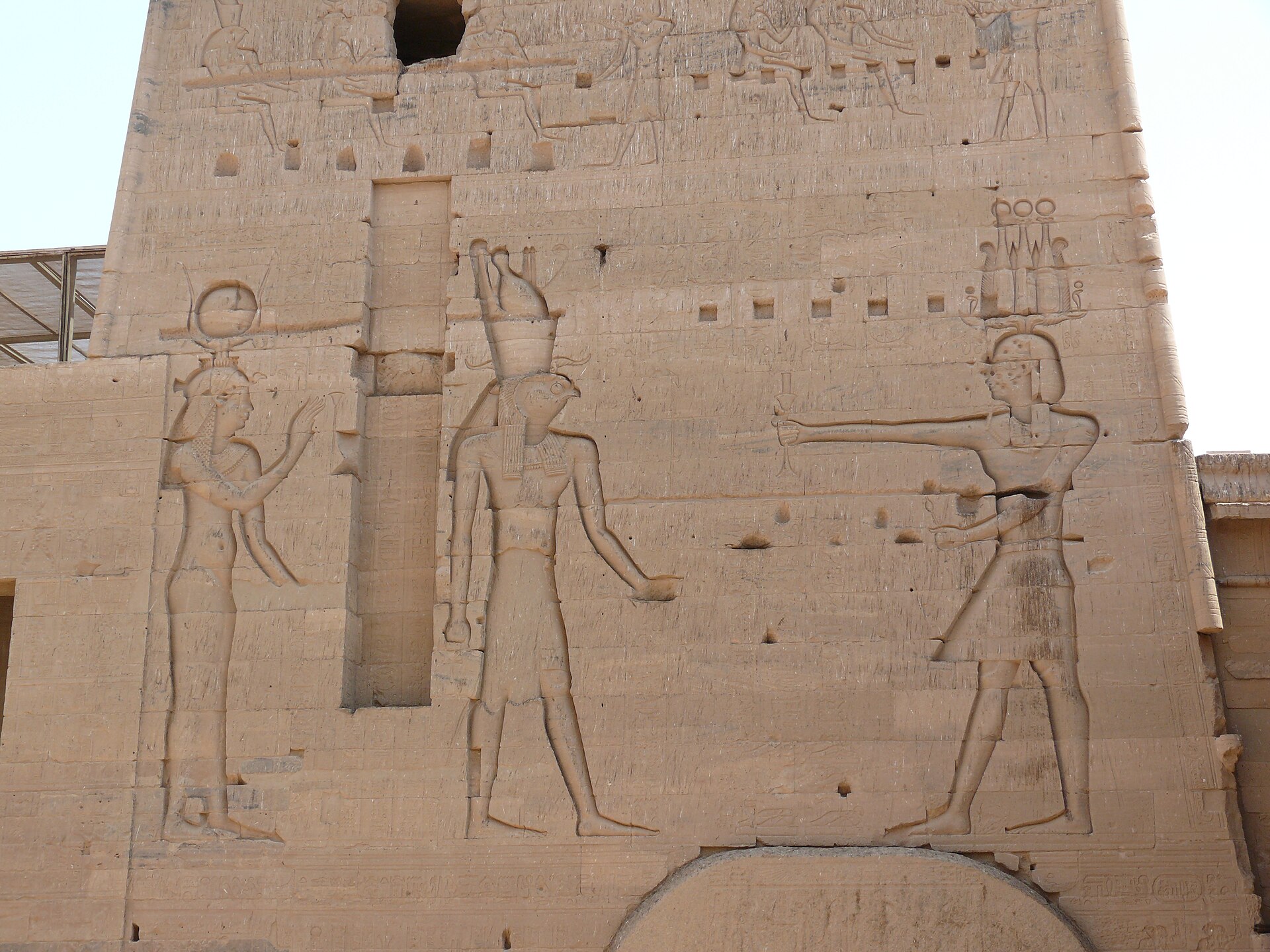
The main temple of Isis is a classic Egyptian sanctuary, entered through a great pylon carved with colossal images of the king before the gods. Beyond lie courts, halls and the inner sanctuary of the goddess.
Much of the temple dates from the Ptolemaic and Roman periods, when Egypt was ruled by Greeks and then Romans who nonetheless honoured Isis in traditional style. It is beautifully preserved and richly decorated.
Colonnades and Halls
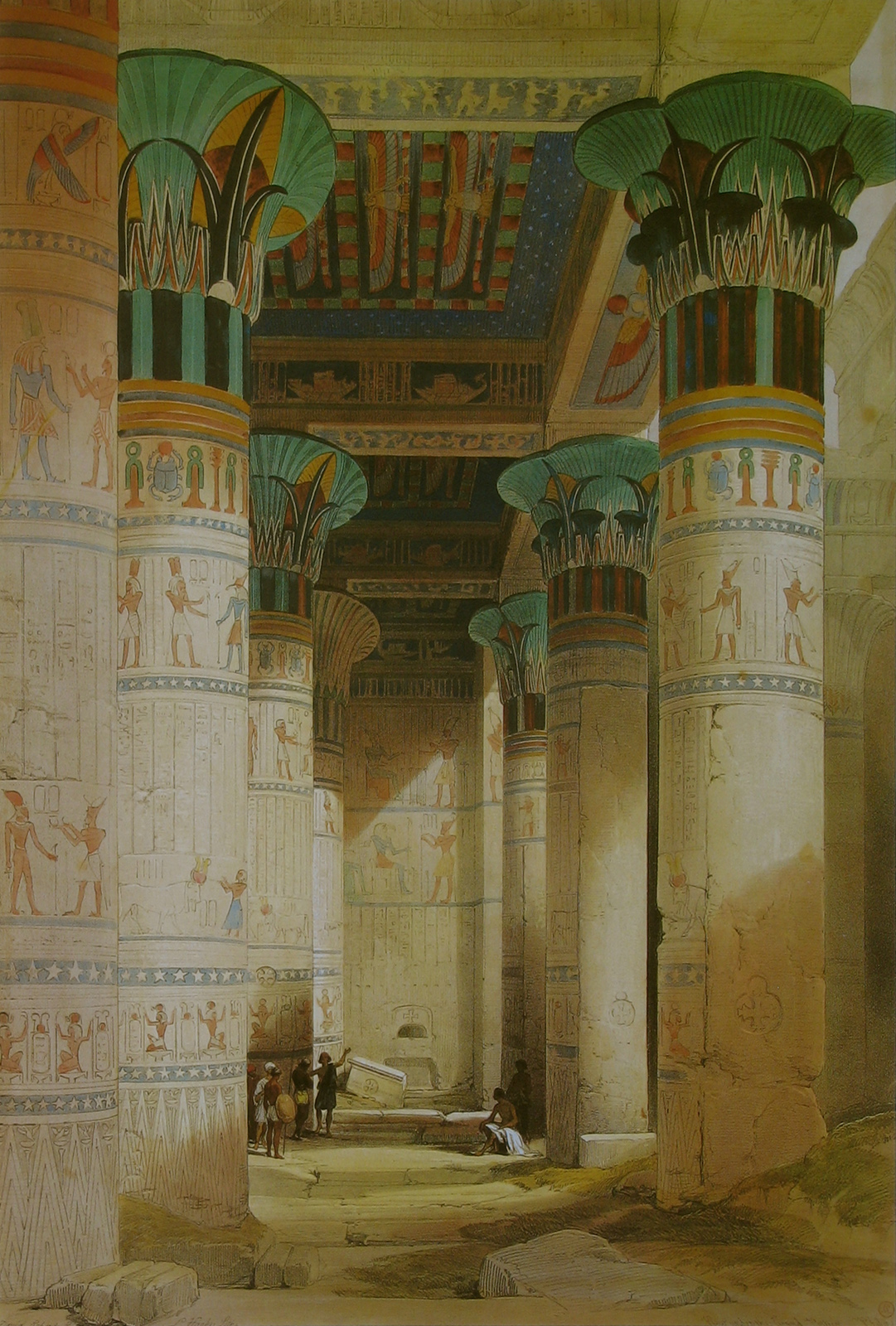
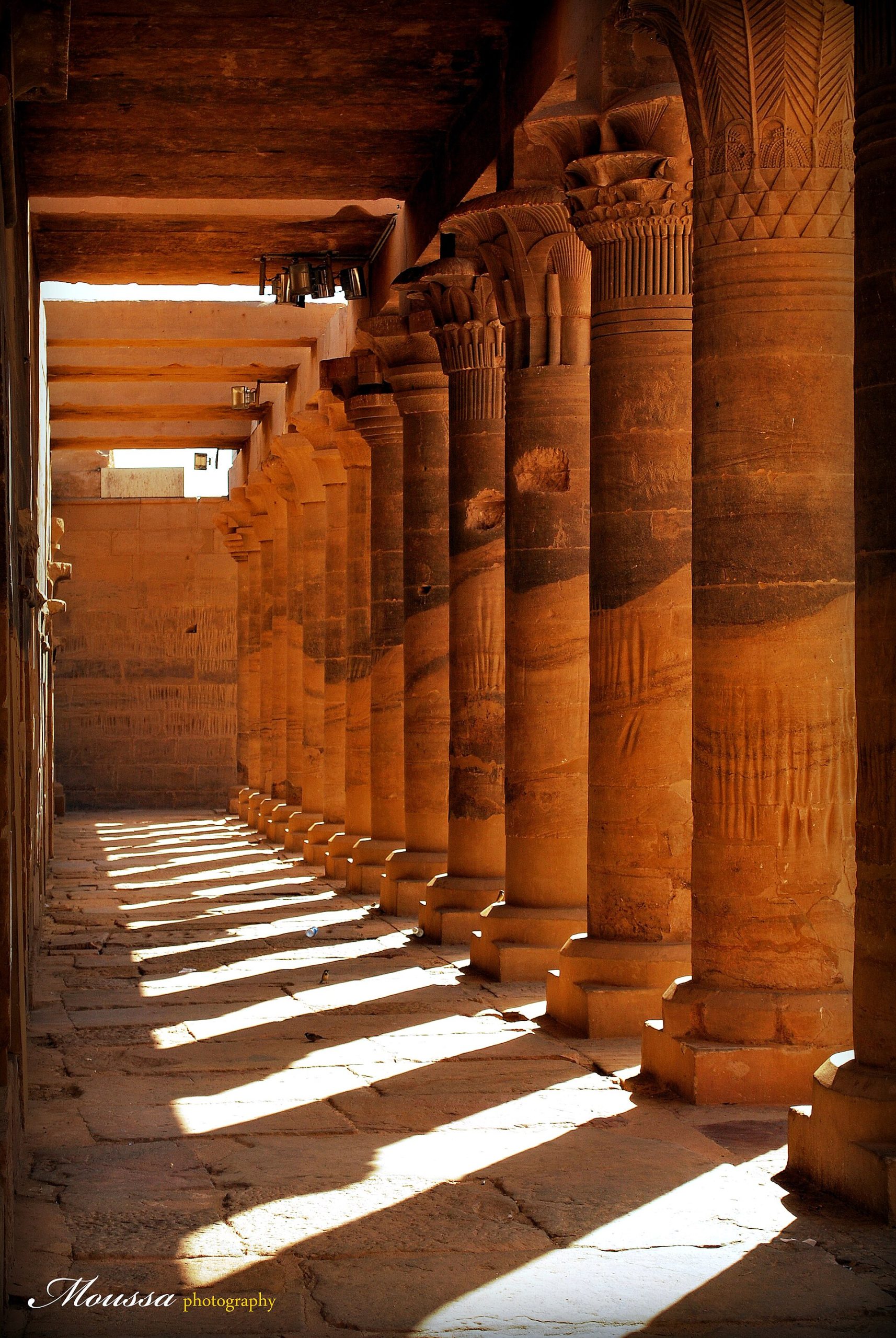
Approaching the temple, visitors pass along elegant colonnades whose columns are topped with varied and beautiful capitals. These graceful walkways lead the eye toward the great pylon and the sacred heart of the island.
Inside, the columned halls are covered with reliefs of Isis and the other gods. The combination of fine architecture and its watery setting gives Philae a serene and enchanting atmosphere.

The Kiosk of Trajan
One of the most famous structures on the island is the Kiosk of Trajan, an elegant open pavilion of columns from the Roman period, sometimes called Pharaoh’s Bed. It stands near the water’s edge and once served as a formal entrance to the island.
Its graceful proportions have made it one of the most beloved and frequently painted monuments in Egypt, a symbol of the beauty of Philae itself.

Pilgrimage from Across the Ancient World
In Roman times Philae was a major place of pilgrimage, drawing worshippers of Isis from all around the Mediterranean. Nubians from the south also revered the temple and shared in its cult.
Inscriptions left by visitors record their prayers and their journeys. Philae was a truly international sanctuary, linking Egypt to the wider ancient world through the universal appeal of the goddess.
Christianity and the Closing of the Temple
As Christianity spread, the temples of Egypt were closed one by one, but Philae held out longer than most. Eventually, however, the worship of Isis was ended, and part of the temple was converted into a church.
Crosses carved into the ancient walls mark this change of faith. The closing of Philae, in the sixth century AD, symbolises the final end of the ancient Egyptian religion.
Drowned by the Dams
In the twentieth century the building of dams at Aswan raised the level of the Nile, and for much of each year the temples of Philae stood half-submerged in the water. Visitors rowed among the flooded columns.
When the great Aswan High Dam was built, it threatened to drown Philae permanently beneath a reservoir. The much-loved temple faced the prospect of being lost forever beneath the river.
The UNESCO Rescue and Relocation
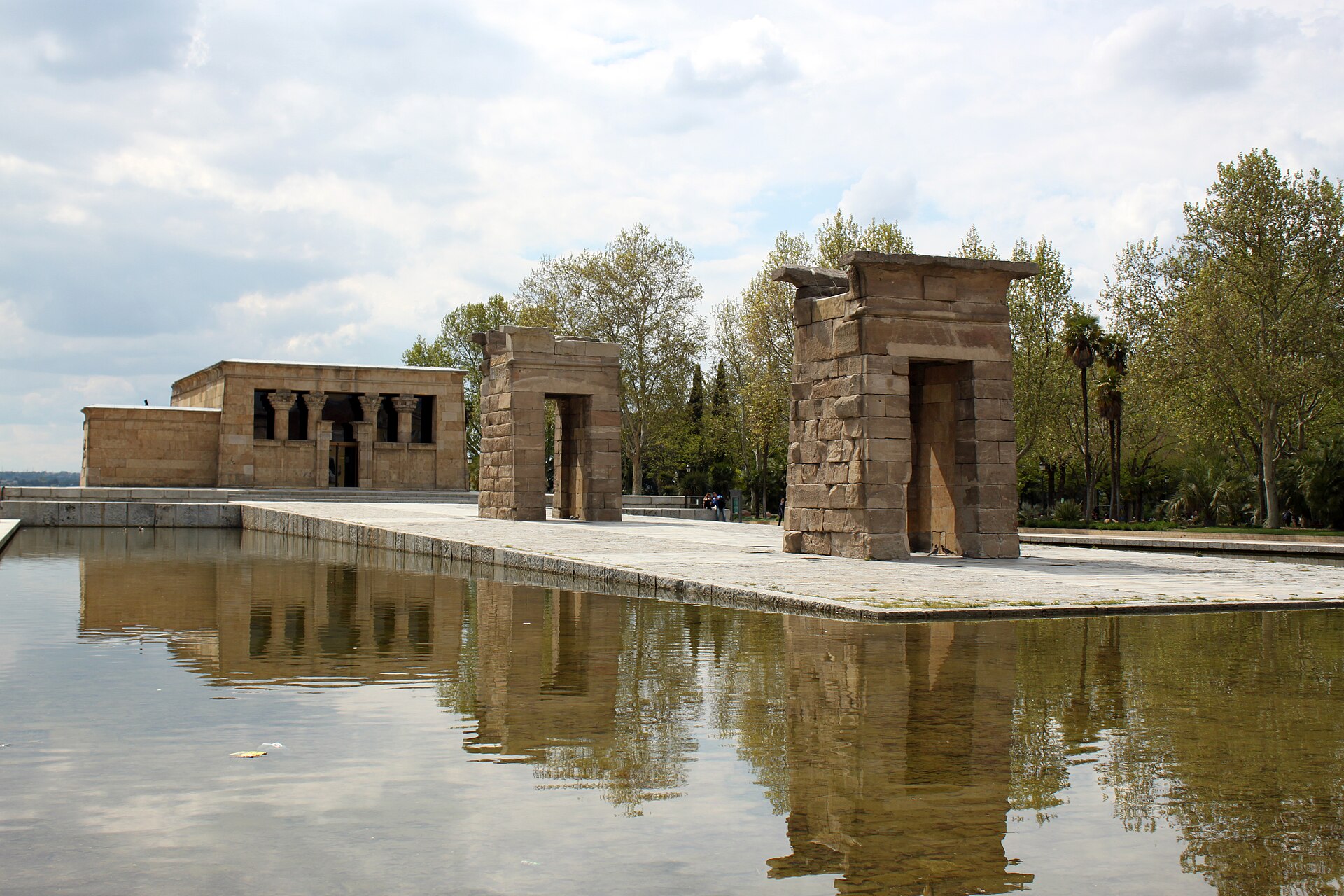
To save Philae, an international campaign led by UNESCO carried out a remarkable rescue. The temples were enclosed by a dam, the water pumped out, and the entire complex cut into thousands of blocks.
These were then reassembled on the nearby higher island of Agilkia, carefully landscaped to resemble the original Philae. The rescue, completed in the 1970s and 1980s, saved one of Egypt’s most beautiful monuments for future generations.
Getting There
Philae stands on an island in the Nile just south of the city of Aswan, in southern Egypt. Aswan has an airport with flights from Cairo and is a major stop on Nile cruises.
The temple can only be reached by boat, and small motorboats carry visitors across from a landing near the Aswan dams. An evening sound-and-light show is a popular way to experience the island.
Coordinates: 24.0253, 32.8843 — open Philae in Google Maps.
Nearby Places
- Kom Ombo — the riverside double temple just downstream, usually visited on the same journey near Aswan.
- Abu Simbel — another Nubian temple saved from the rising Nile by a great UNESCO rescue, near Aswan.
- Abydos — the holy city of Osiris, husband of Isis, the goddess worshipped at Philae.
Closing Thoughts
Philae is the perfect ending to a journey through ancient Egypt: the island temple of Isis, last refuge of the old gods, rising in beauty from the waters of the Nile.
Saved from drowning by one of the great rescues in the history of heritage, and moved stone by stone to a new island, Philae still enchants everyone who crosses the water to reach it. It remains one of the most beautiful and moving of all Egypt’s sacred places.
You May Like
Mafra, the Palace a King Built From a Vow