In the dry plains of north-central Sri Lanka lie the ruins of Polonnaruwa, the island’s second great ancient capital and one of its most beautiful archaeological sites. Compact, well-preserved and rich in masterpieces, it flourished after the fall of Anuradhapura and reached its height under a great king who turned the surrounding land green with a vast man-made lake.
Polonnaruwa is famous above all for the serene rock-cut Buddha statues of Gal Vihara, among the finest sculptures in Asia. Its temples, stupas, palaces and reservoirs together make it a jewel of medieval Sri Lankan civilisation.
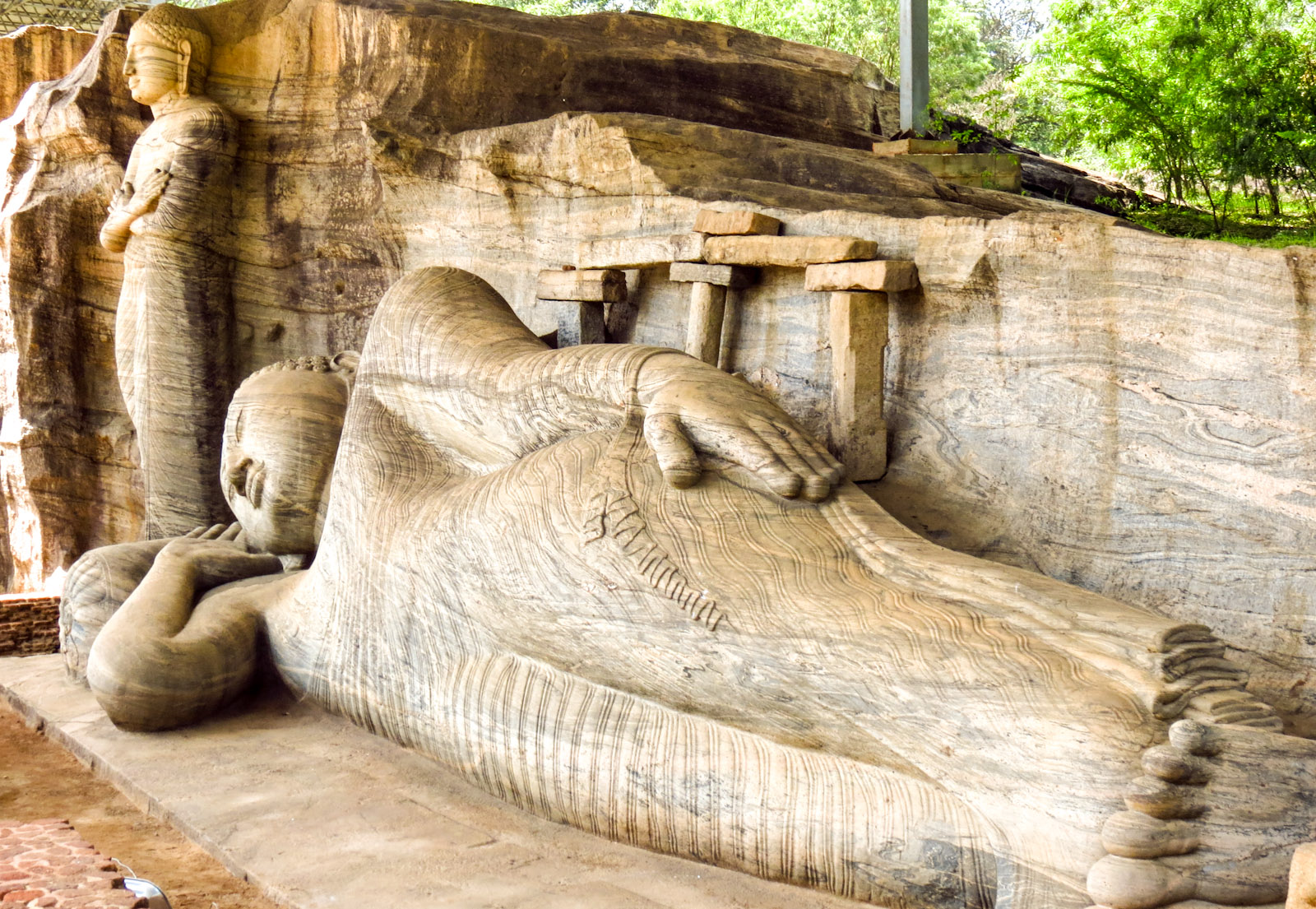
Table of Contents
- The Second Ancient Capital of Sri Lanka
- King Parakramabahu the Great
- The Sea of Parakrama
- Gal Vihara: Rock-Cut Buddhas
- The Vatadage and the Quadrangle
- The Great Stupas
- Lankatilaka and Brick Temples
- The Royal Palace
- A Blend of Cultures
- Decline, Rediscovery, and UNESCO
- Getting There
- Nearby Places
- Closing Thoughts
The Second Ancient Capital of Sri Lanka
After the ancient capital of Anuradhapura declined, Polonnaruwa rose to become the new centre of power in Sri Lanka, flourishing especially in the eleventh and twelfth centuries. It was a planned and prosperous royal city.
Its ruins are more compact and better preserved than those of Anuradhapura, making it easier to explore and appreciate. Within a relatively small area stand palaces, temples, stupas and superb sculpture.
King Parakramabahu the Great
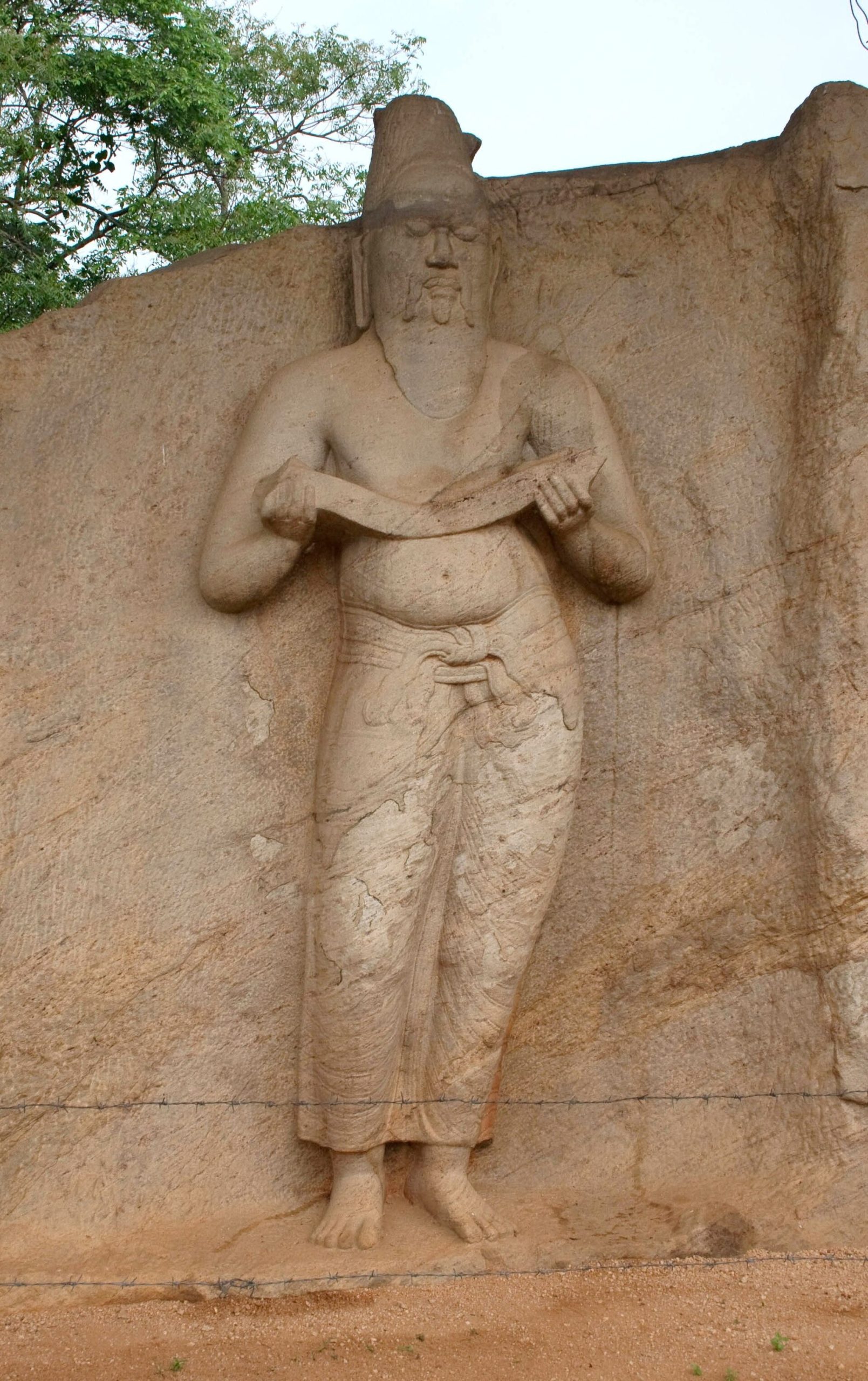
Polonnaruwa reached its golden age under King Parakramabahu the Great, one of the most celebrated rulers in Sri Lankan history. He unified the island, reformed its religion and administration, and adorned his capital with magnificent buildings.
He is remembered for a famous saying that not a drop of rain should reach the sea without being used for the benefit of the people, a principle he put into practice through great works of irrigation.
The Sea of Parakrama
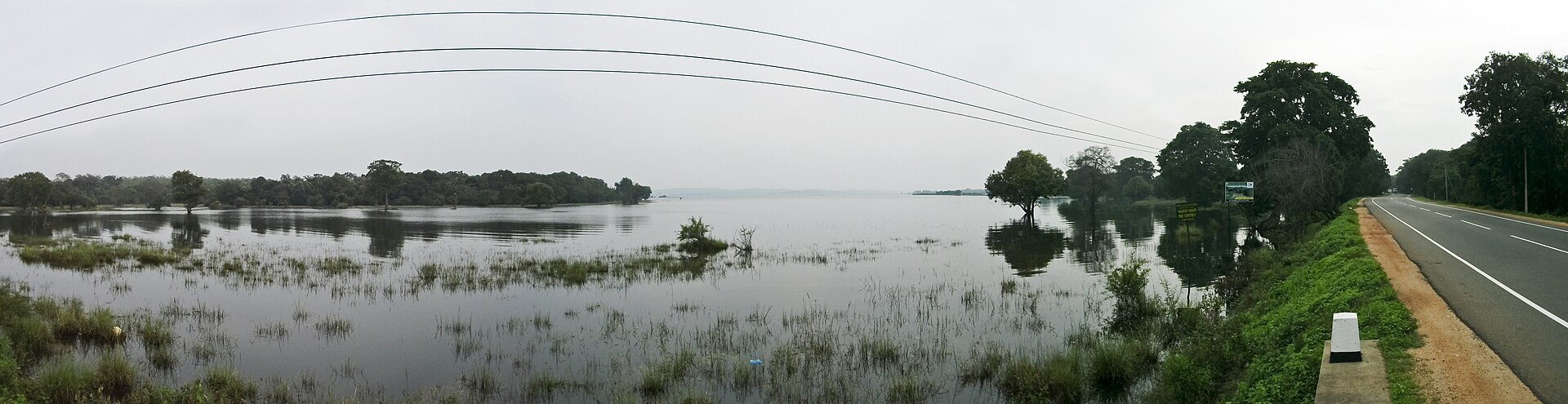
The greatest achievement of Parakramabahu was a vast reservoir beside the city, so large it was called the Sea of Parakrama. Fed by an elaborate system of canals, it watered the fields and made the dry region bloom.
This masterpiece of ancient hydraulic engineering, following a long Sri Lankan tradition, was the foundation of the city’s prosperity. Its shimmering waters still stretch beside the ruins today.
Gal Vihara: Rock-Cut Buddhas
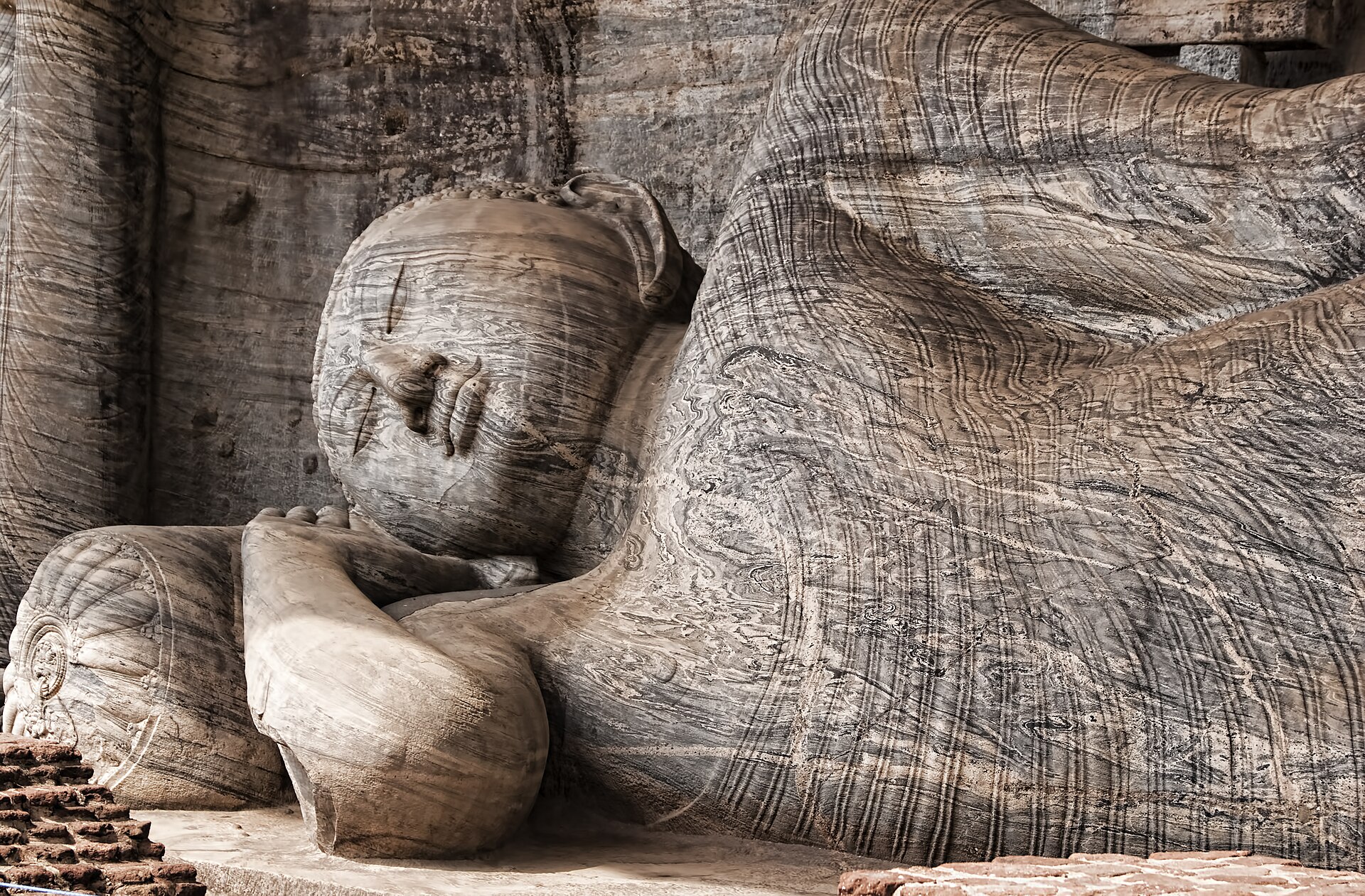
The most famous monument of Polonnaruwa is Gal Vihara, where four great images of the Buddha are carved from a single long granite wall. They include seated, standing and reclining figures, each rendered with extraordinary skill.
The serene expressions and flowing lines of these statues, especially the great reclining Buddha depicting the passing into nirvana, make them masterpieces of world sculpture. They are the artistic high point of the whole site.
The Vatadage and the Quadrangle
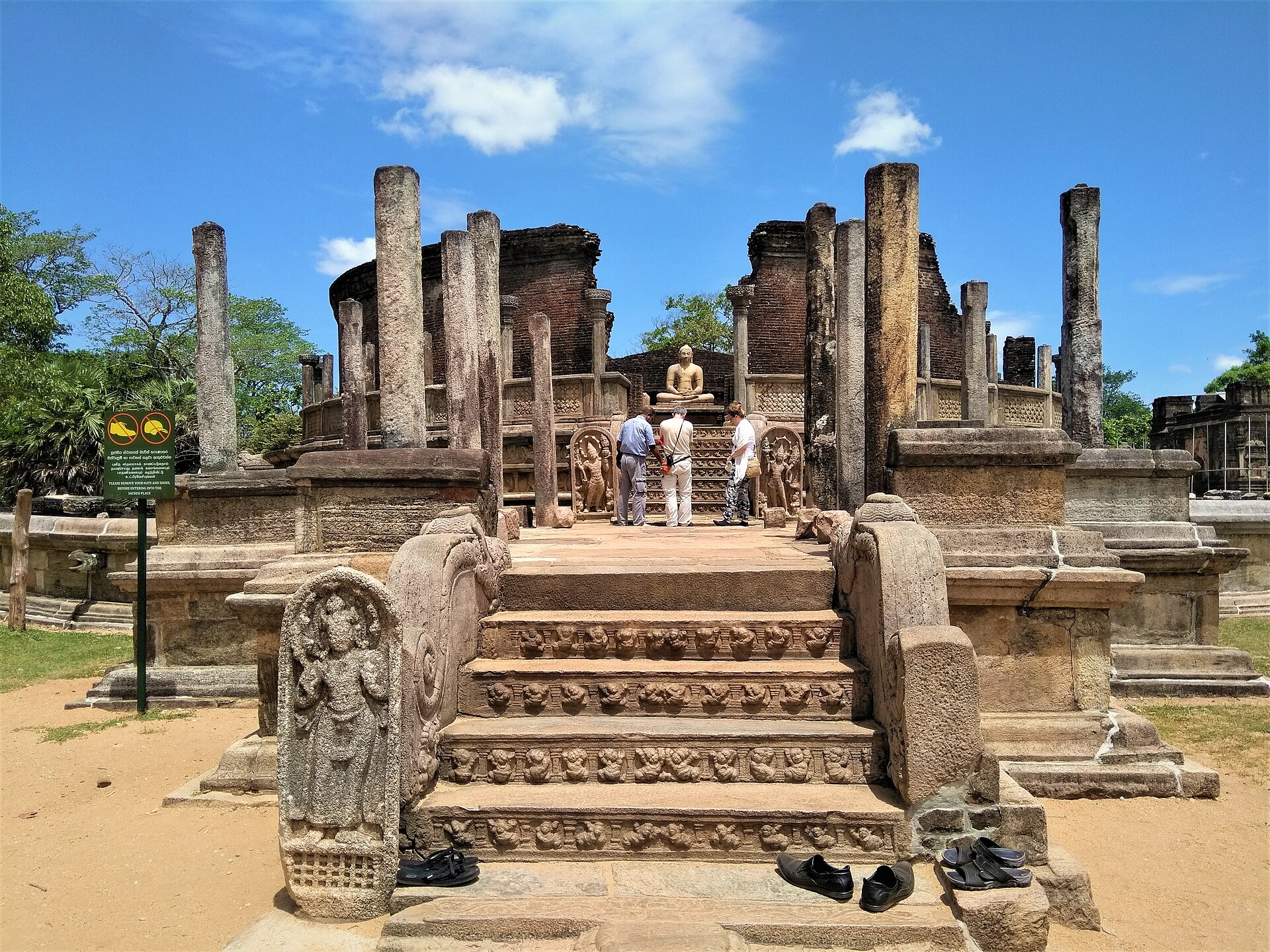
At the heart of Polonnaruwa lies a raised terrace known as the Quadrangle, packed with sacred buildings. The most beautiful is the Vatadage, a circular shrine built to protect a stupa and a relic, ringed by columns and guarded by carved stone.
Its elegant design, with entrances flanked by finely carved moonstones and guard stones, makes it one of the gems of Sri Lankan architecture. The Quadrangle as a whole is a treasury of religious monuments.
The Great Stupas
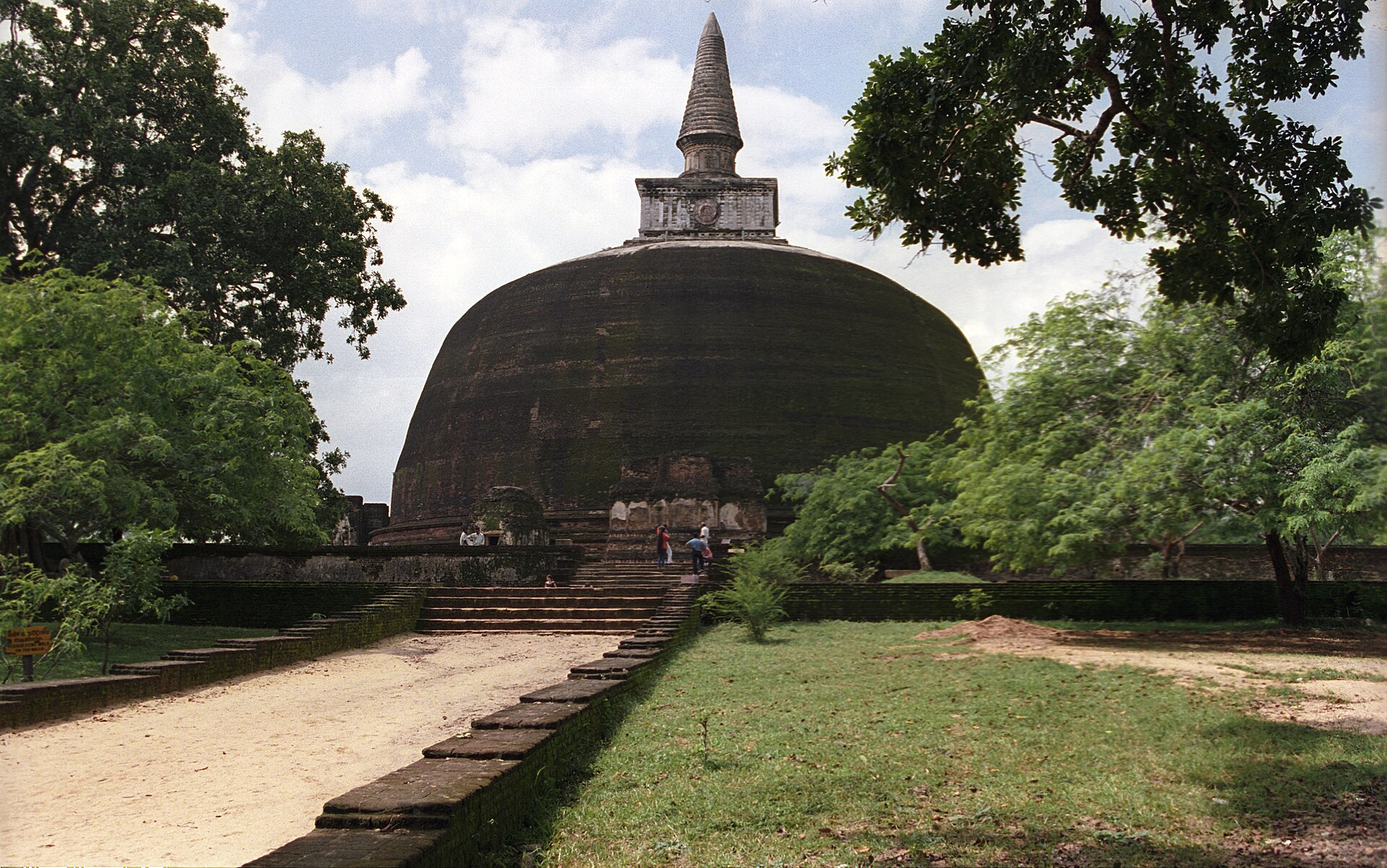
Like Anuradhapura, Polonnaruwa is home to great stupas, or dagobas, huge dome-shaped monuments enshrining relics. The largest is the Rankot Vihara, whose massive brick dome rises high above the surrounding trees.
These monuments continued the ancient Sri Lankan tradition of building colossal stupas, and they remain places of worship and pilgrimage. Their scale reflects the wealth and devotion of the kingdom.
Lankatilaka and Brick Temples
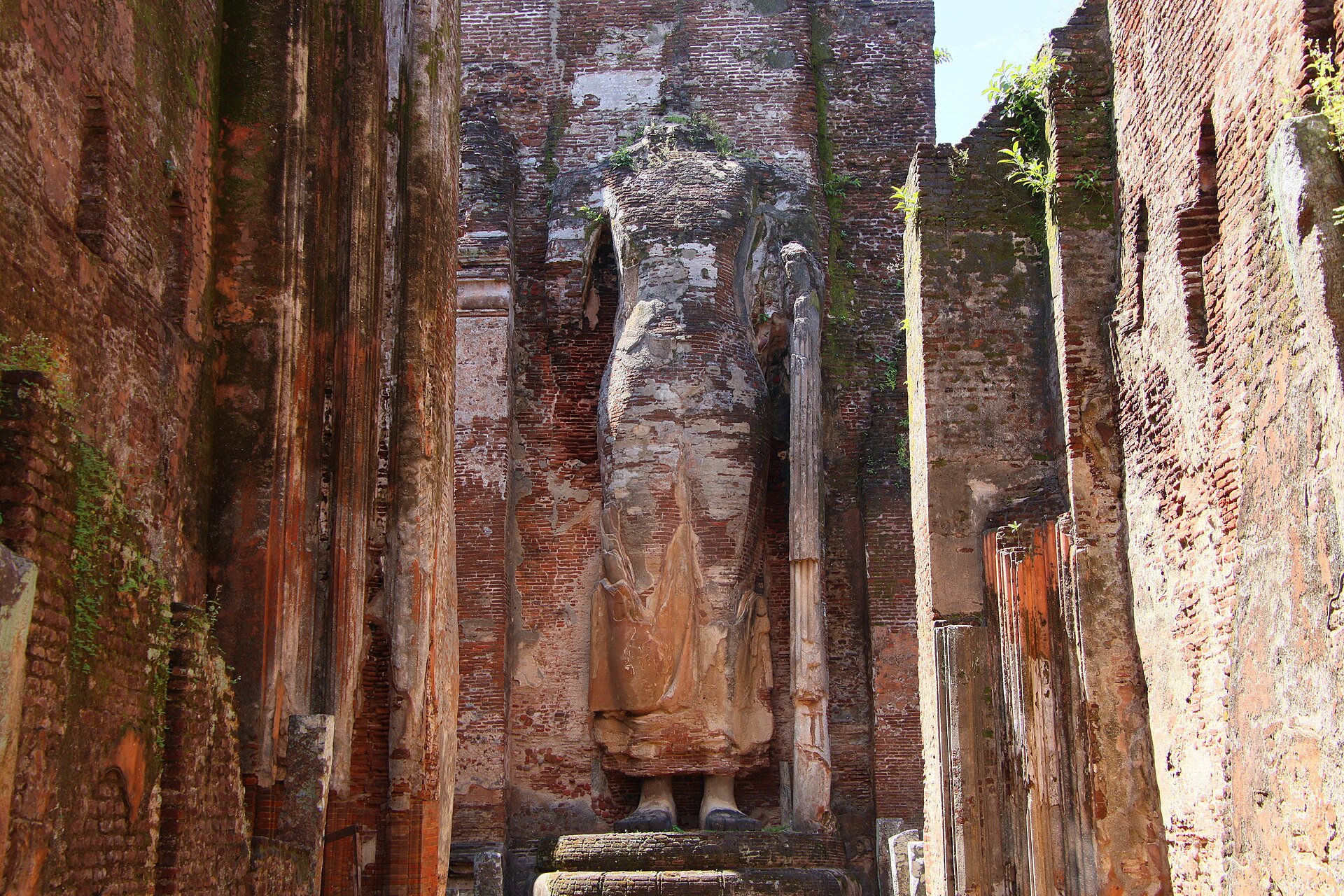
Among the most striking buildings is the Lankatilaka, a towering brick temple whose enormous walls, though roofless, still soar to a great height, framing a huge standing Buddha image within.
This and other brick temples show a distinctive style of Polonnaruwa architecture, monumental and dramatic. Their tall, narrow forms create a powerful sense of the sacred.
The Royal Palace
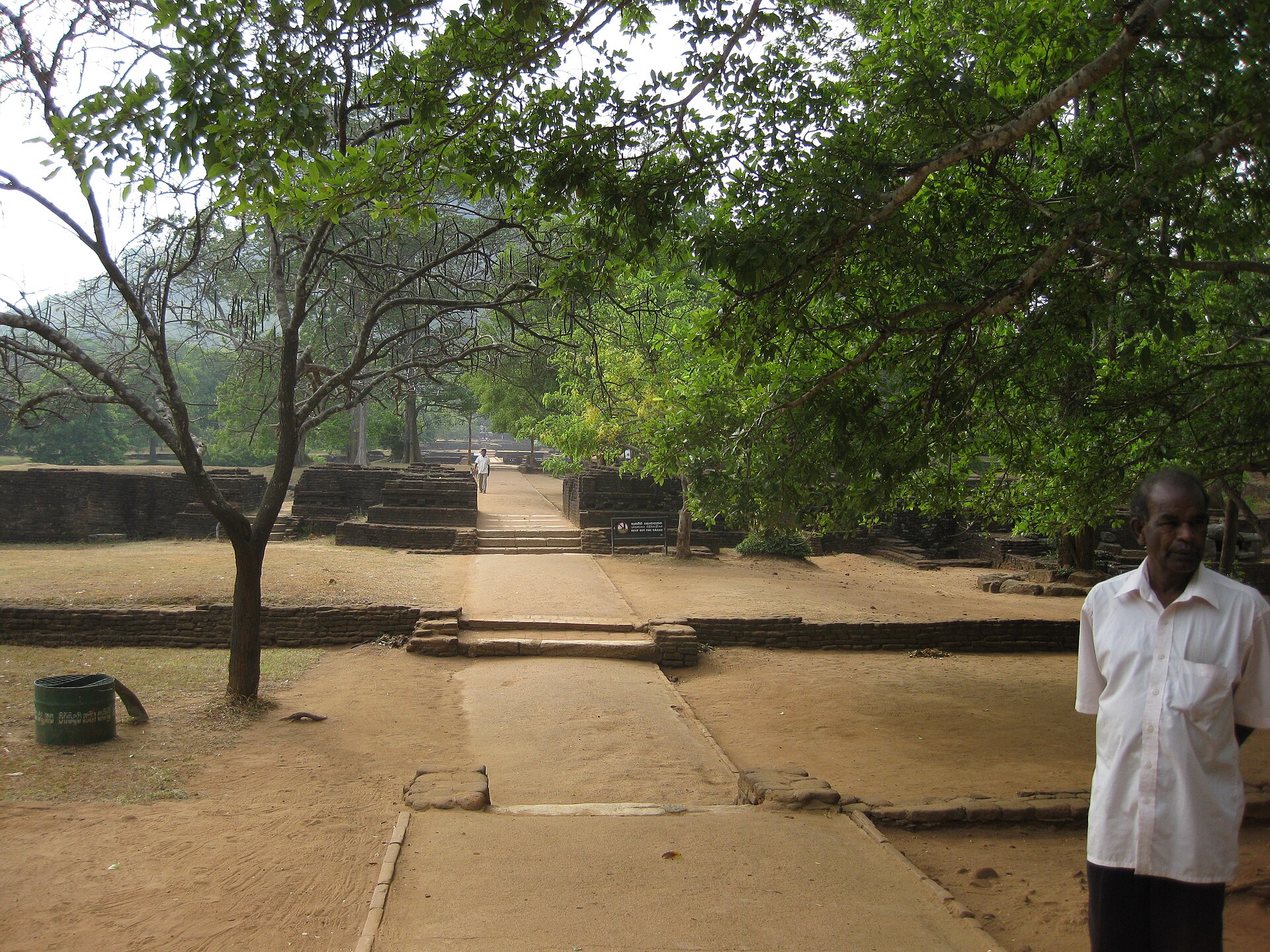
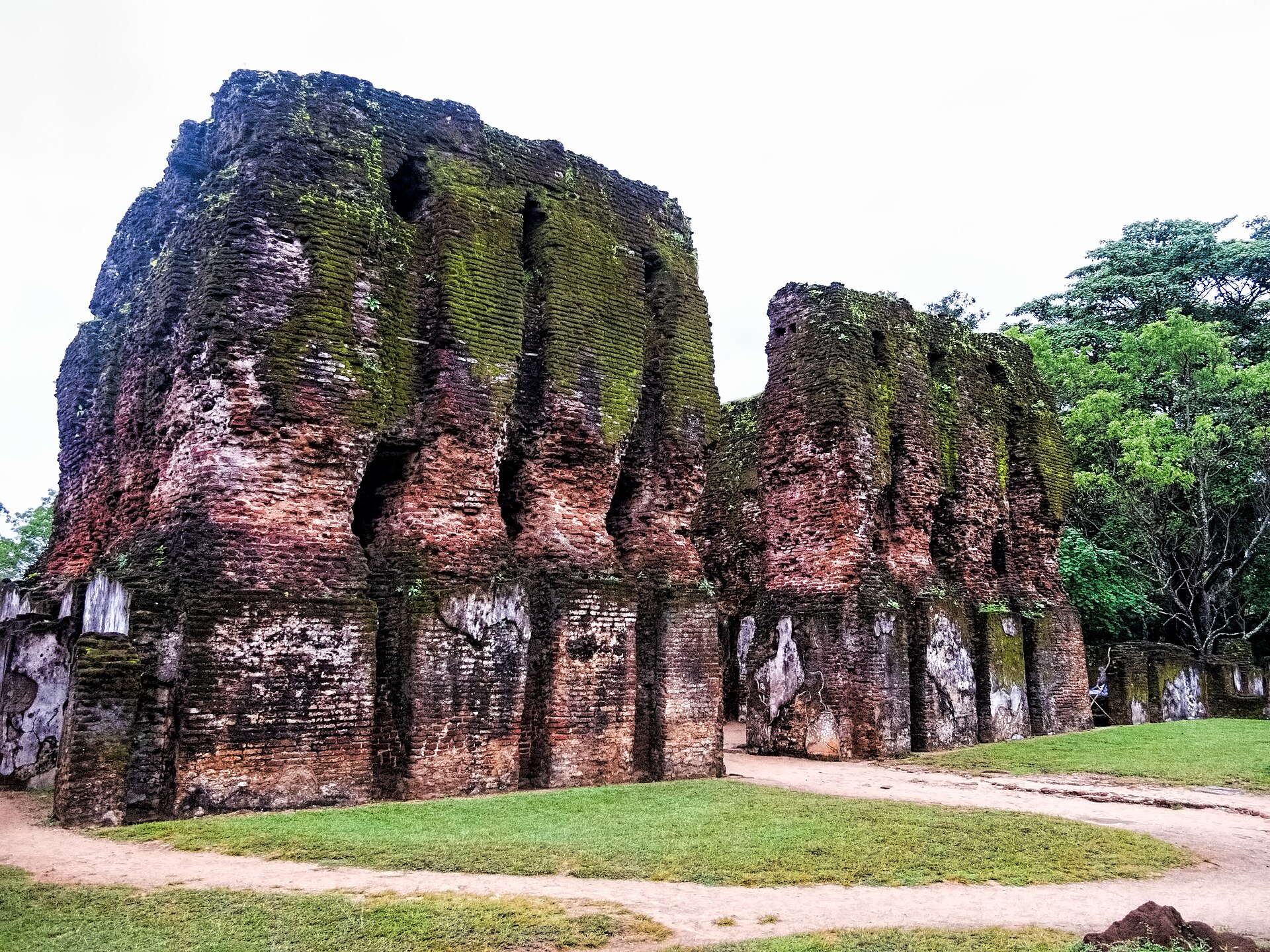
Polonnaruwa also preserves the remains of the royal palace of Parakramabahu, once a grand multi-storeyed building. Its thick brick walls, with sockets for the wooden floors of upper storeys, hint at its former magnificence.
Around it lay audience halls, bathing pools and other royal structures, giving a picture of courtly life in the medieval capital. These remains complement the religious monuments with a glimpse of secular power.
A Blend of Cultures
Polonnaruwa reflects a meeting of influences. For a time the city was ruled by South Indian powers, and Hindu temples and bronzes were made here alongside the Buddhist monuments, giving the site a rich cultural mix.
This blending of Sinhalese Buddhist and South Indian Hindu traditions is visible in its art and architecture. Polonnaruwa was a cosmopolitan capital at a crossroads of the Indian Ocean world.
Decline, Rediscovery, and UNESCO
After its golden age, Polonnaruwa declined as power shifted elsewhere on the island, and the city was eventually abandoned to the jungle. Its monuments lay hidden for centuries.
Rediscovered and excavated, Polonnaruwa was inscribed on the UNESCO World Heritage List in 1982. Today it is one of Sri Lanka’s most rewarding ancient sites, celebrated for its sculpture, its temples and its serene beauty.
Getting There
Polonnaruwa lies in the North Central Province of Sri Lanka, in the island’s dry zone, about two hundred kilometres from the capital, Colombo. It is well connected by road and has its own railway station.
The compact site is often explored by bicycle, which suits its scale and flat terrain. It is frequently combined with the nearby ancient sites of Sigiriya and Anuradhapura on a tour of Sri Lanka’s cultural triangle.
Coordinates: 7.9403, 81.0188 — open Polonnaruwa in Google Maps.
Nearby Places
- Anuradhapura — the earlier great capital of Sri Lanka, whose fall led to the rise of Polonnaruwa.
- Sigiriya — the dramatic rock fortress nearby, part of the same cultural triangle of Sri Lanka.
- Bagan — a contemporary Buddhist capital of Southeast Asia, sharing Polonnaruwa’s age of great temple building.
Closing Thoughts
Polonnaruwa is medieval Sri Lanka at its finest: a compact, well-preserved royal capital of temples, stupas and palaces, watered by a great man-made sea and crowned by the serene Buddhas of Gal Vihara.
Its rock-cut statues rank among the masterpieces of world art, and its ruins blend Buddhist and Hindu traditions in a beautiful setting. Few ancient cities offer so much splendour in so rewarding and walkable a space.
You May Like
Mafra, the Palace a King Built From a Vow