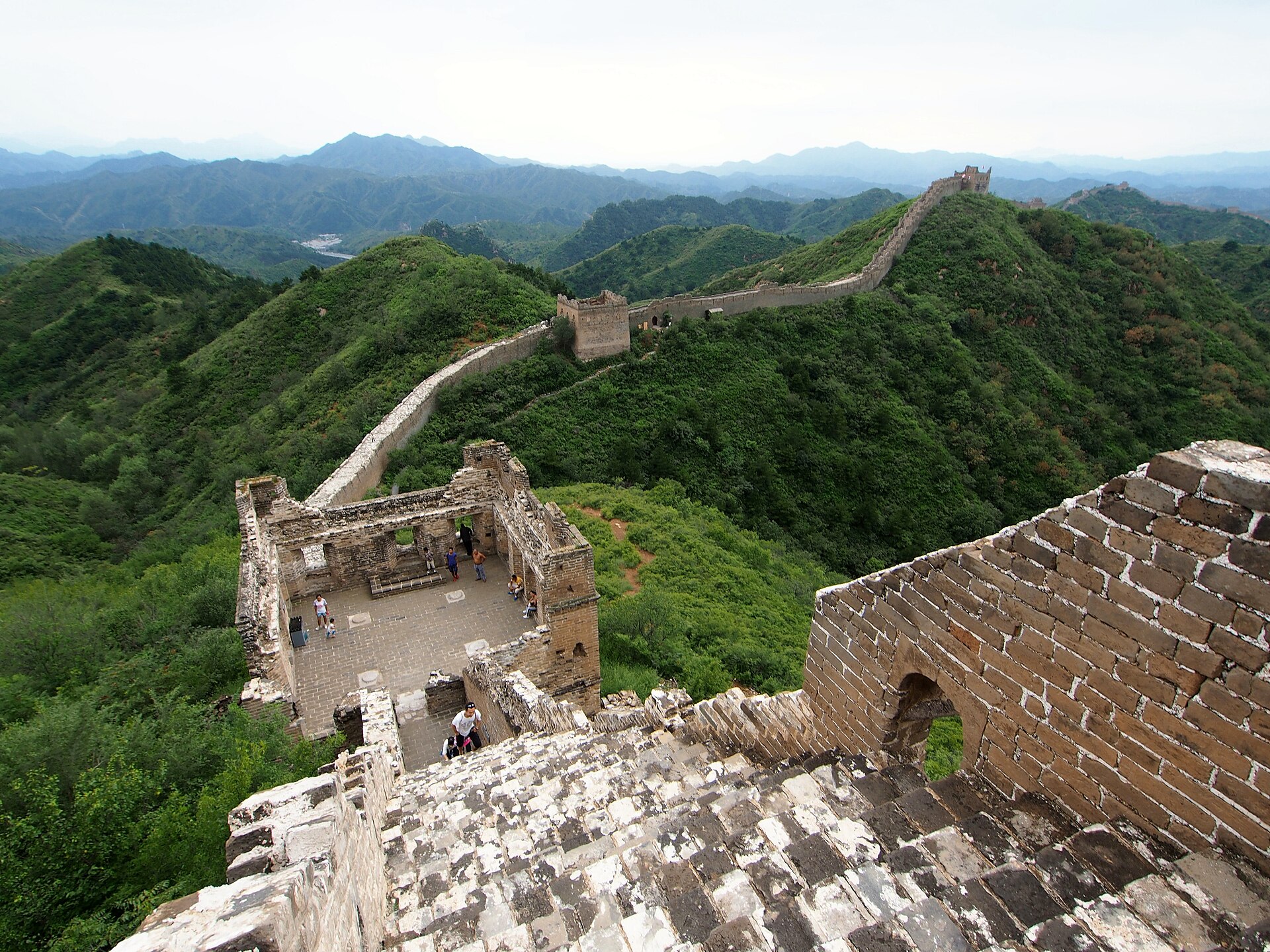
Snaking for thousands of kilometres across the mountains, deserts and grasslands of northern China is the greatest fortification ever built by human hands: the Great Wall of China. Raised and rebuilt over more than two thousand years to defend the Chinese heartland from northern invaders, it is one of the most famous and awe-inspiring monuments on earth.
The Great Wall is not a single wall but a vast network of walls, towers and forts built by many dynasties. Winding along the crests of steep ridges, it is a staggering feat of engineering, labour and endurance, and it has become the enduring symbol of China itself.
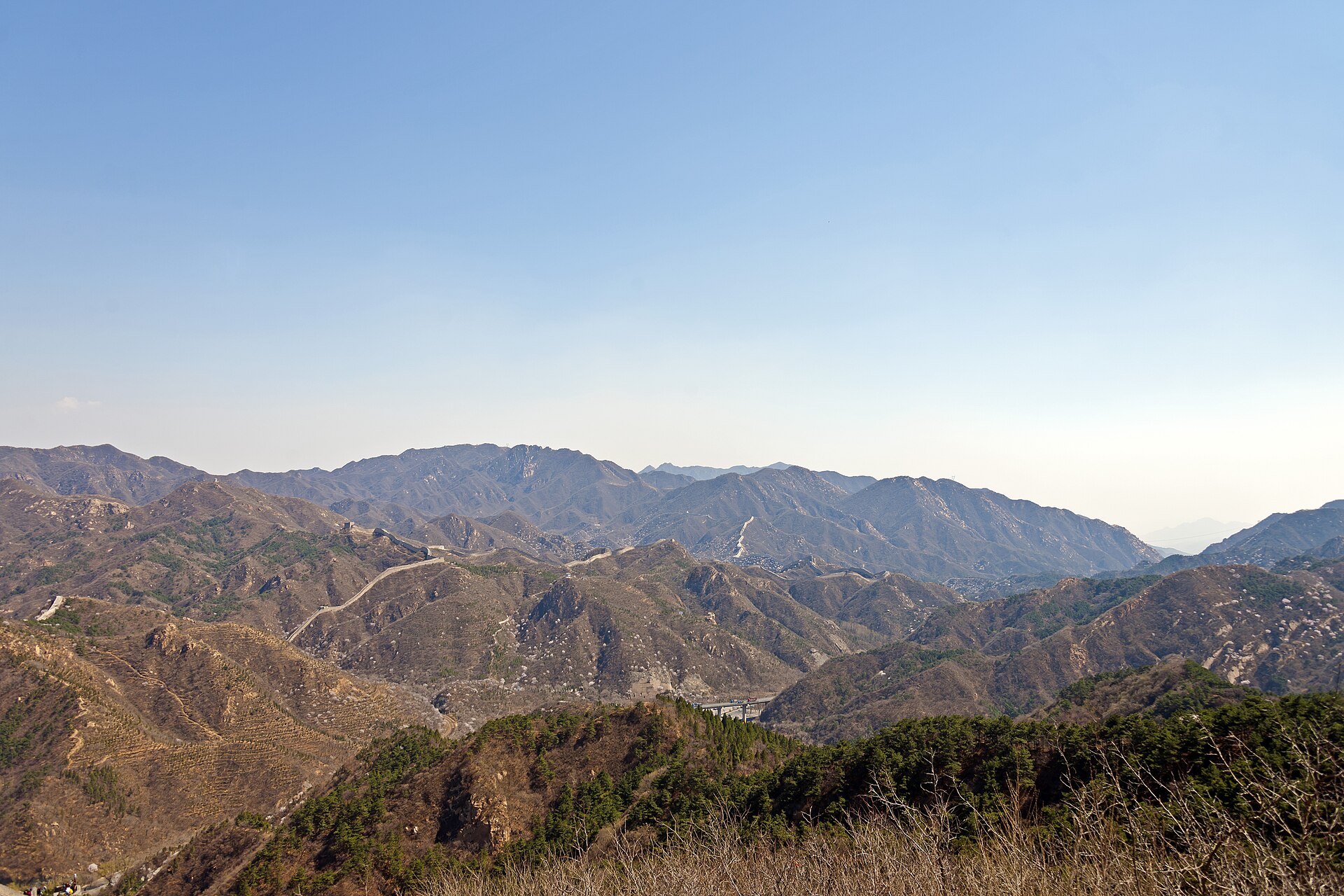
Table of Contents
- The Longest Structure Ever Built
- Not One Wall but Many
- Early Walls and the First Emperor
- The Ming Great Wall
- Watchtowers and Beacon Fires
- Building Across Mountains and Desert
- The Western Fortress of Jiayuguan
- Wild Walls and Restored Sections
- Myths and Misconceptions
- A Symbol of China and UNESCO
- Getting There
- Nearby Places
- Closing Thoughts
The Longest Structure Ever Built
The Great Wall is by far the longest structure ever built. Counting all its branches and the walls of different periods, its total length runs to many thousands of kilometres, stretching across the width of northern China.
It climbs mountains, crosses valleys and marches over deserts, following the natural contours of the land. Its sheer scale is almost impossible to grasp, and it remains one of the wonders of the world.

Not One Wall but Many
Despite its name, the Great Wall is not a single continuous barrier but a collection of walls built at different times by different dynasties, sometimes along different lines. Some sections run parallel, others have been abandoned and replaced.
What we usually picture as the Great Wall is largely the work of the last great wall-building dynasty. Behind it lie many earlier walls, some now little more than ridges of earth.
Early Walls and the First Emperor
The building of long defensive walls in northern China began well over two thousand years ago, when rival states raised barriers against each other and against nomadic peoples. The First Emperor, who unified China around 221 BC, linked and extended these into an early Great Wall.
This early wall, built at enormous cost in human labour, was mostly of rammed earth. Over the following centuries, successive dynasties repaired, extended or abandoned the walls as their fortunes and enemies changed.
The Ming Great Wall
The Great Wall as most people know it today was largely built by the Ming dynasty, between the fourteenth and seventeenth centuries. Facing threats from the north, the Ming rebuilt the wall on a grand scale in brick and stone.
These well-engineered ramparts, wide enough for soldiers to march along and studded with towers, are the sections most visited today. The famous stretches near Beijing are all Ming work.
Watchtowers and Beacon Fires
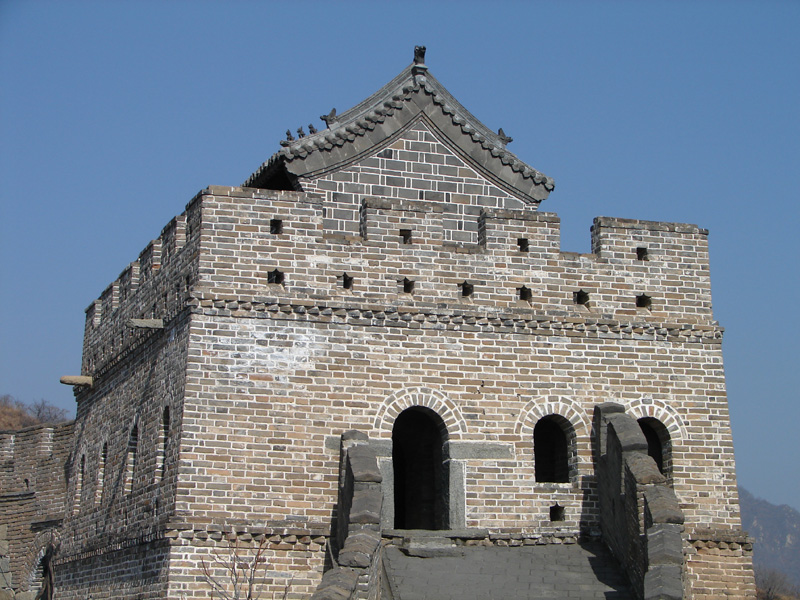
The Great Wall was far more than a barrier; it was a whole defensive system. Watchtowers stood at intervals along it, garrisoned by soldiers who kept watch for enemies and stored weapons and supplies.
Beacon towers allowed messages to be sent rapidly over great distances using smoke by day and fire by night, warning of attacks. In this way news of an invasion could travel along the wall far faster than any messenger.
Building Across Mountains and Desert
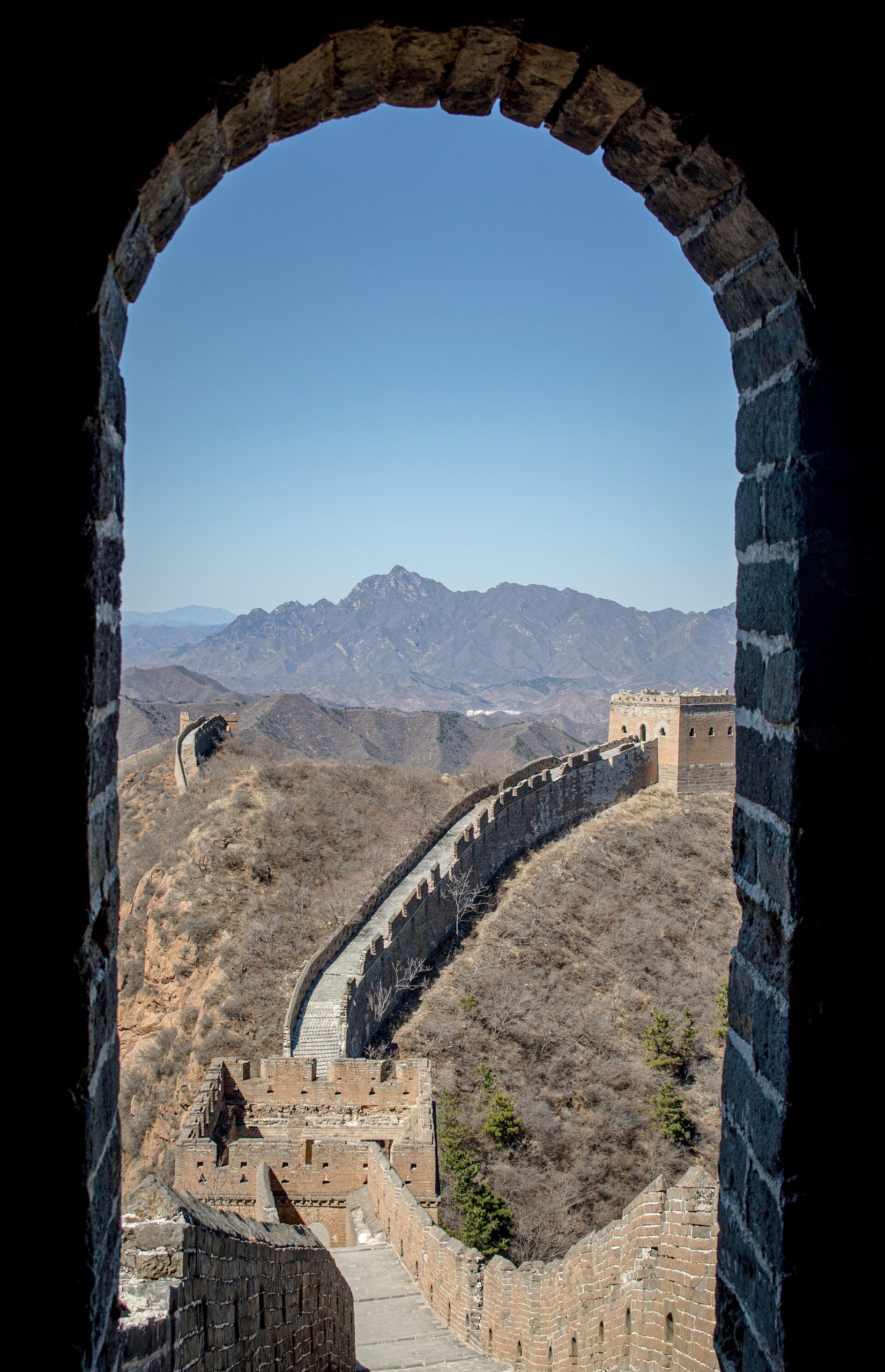
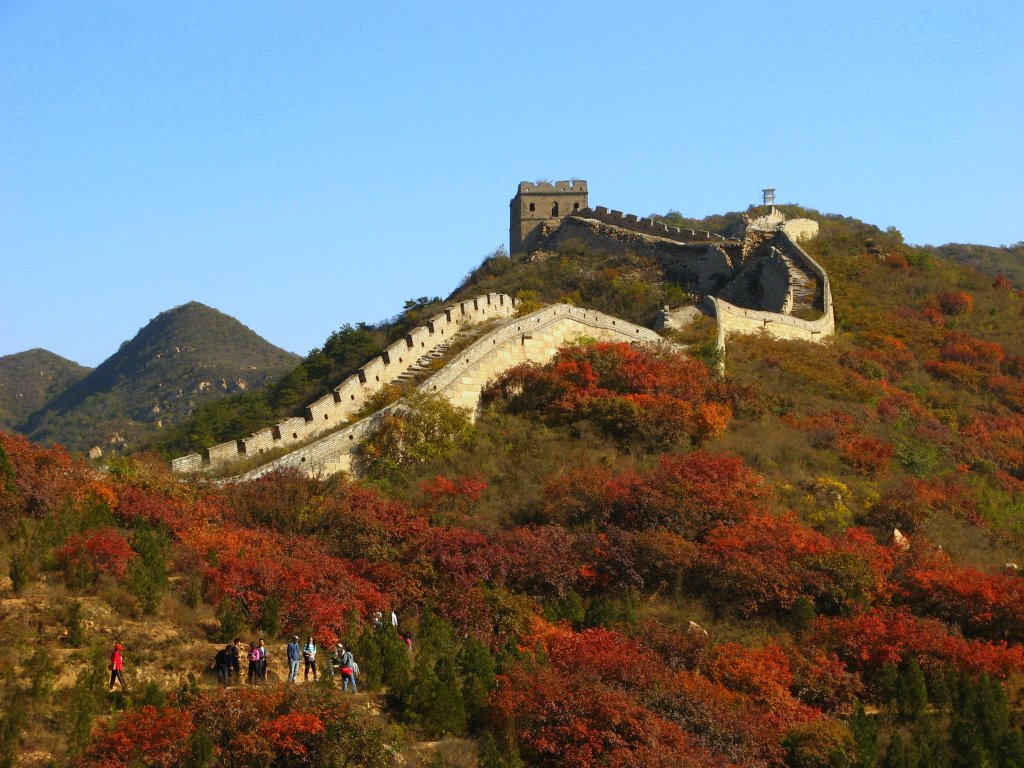
Constructing the wall across such difficult terrain was an immense undertaking. In the mountains it was built of stone and brick along the sharp crests of ridges; in the deserts of the west it was often made of rammed earth and reeds.
Vast armies of soldiers, peasants and prisoners laboured on its construction over the centuries, and many died in the work. The wall is a monument to their toil as much as to imperial power.
The Western Fortress of Jiayuguan
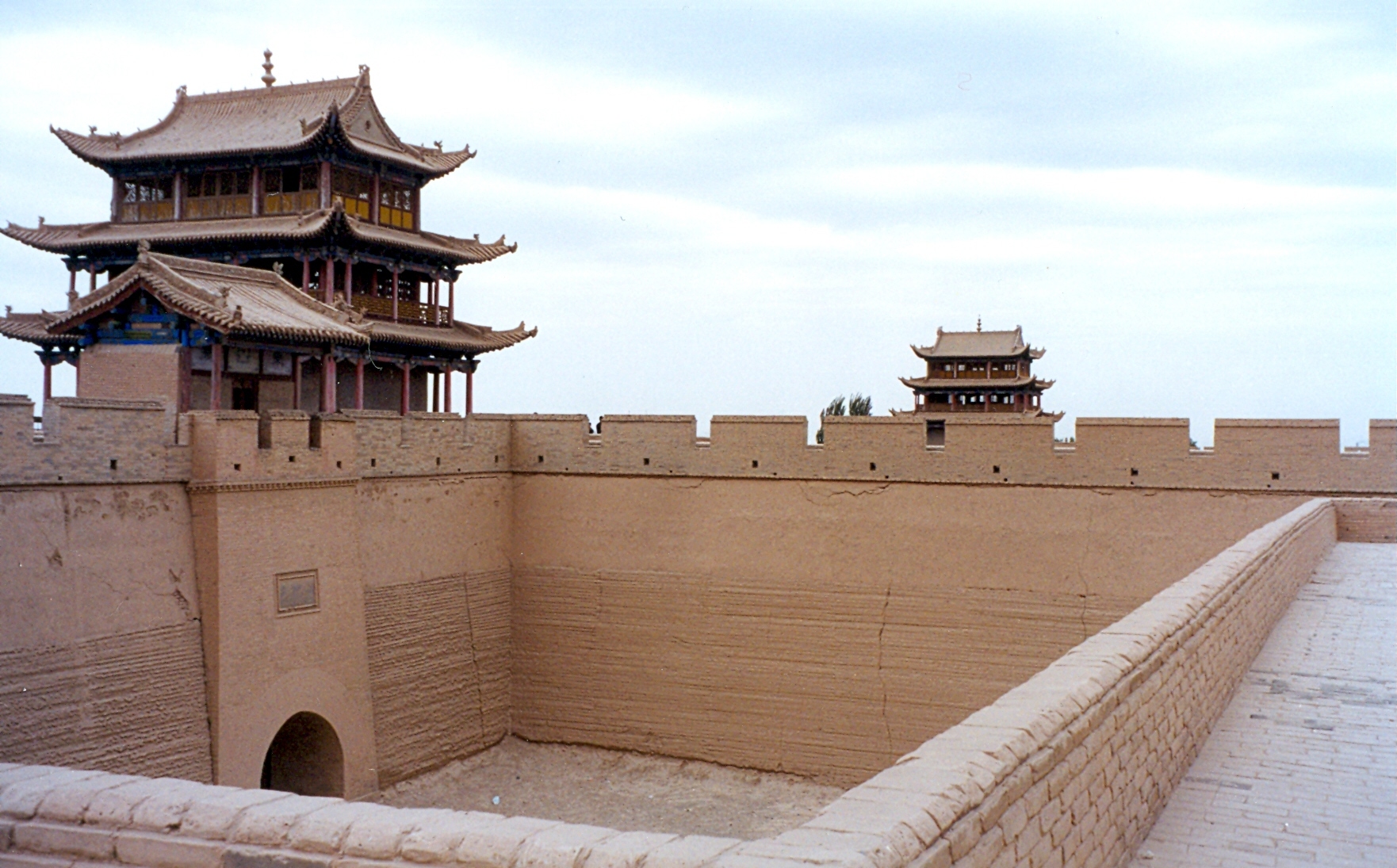
At the western end of the Ming wall stands the great fortress of Jiayuguan, guarding a strategic pass on the edge of the desert. It marked the frontier between the Chinese world and the lands beyond.
With its massive gates, towers and ramparts, Jiayuguan is one of the best-preserved forts on the whole wall. It was a key point on the Silk Road and the last major stronghold before the western wastes.
Wild Walls and Restored Sections
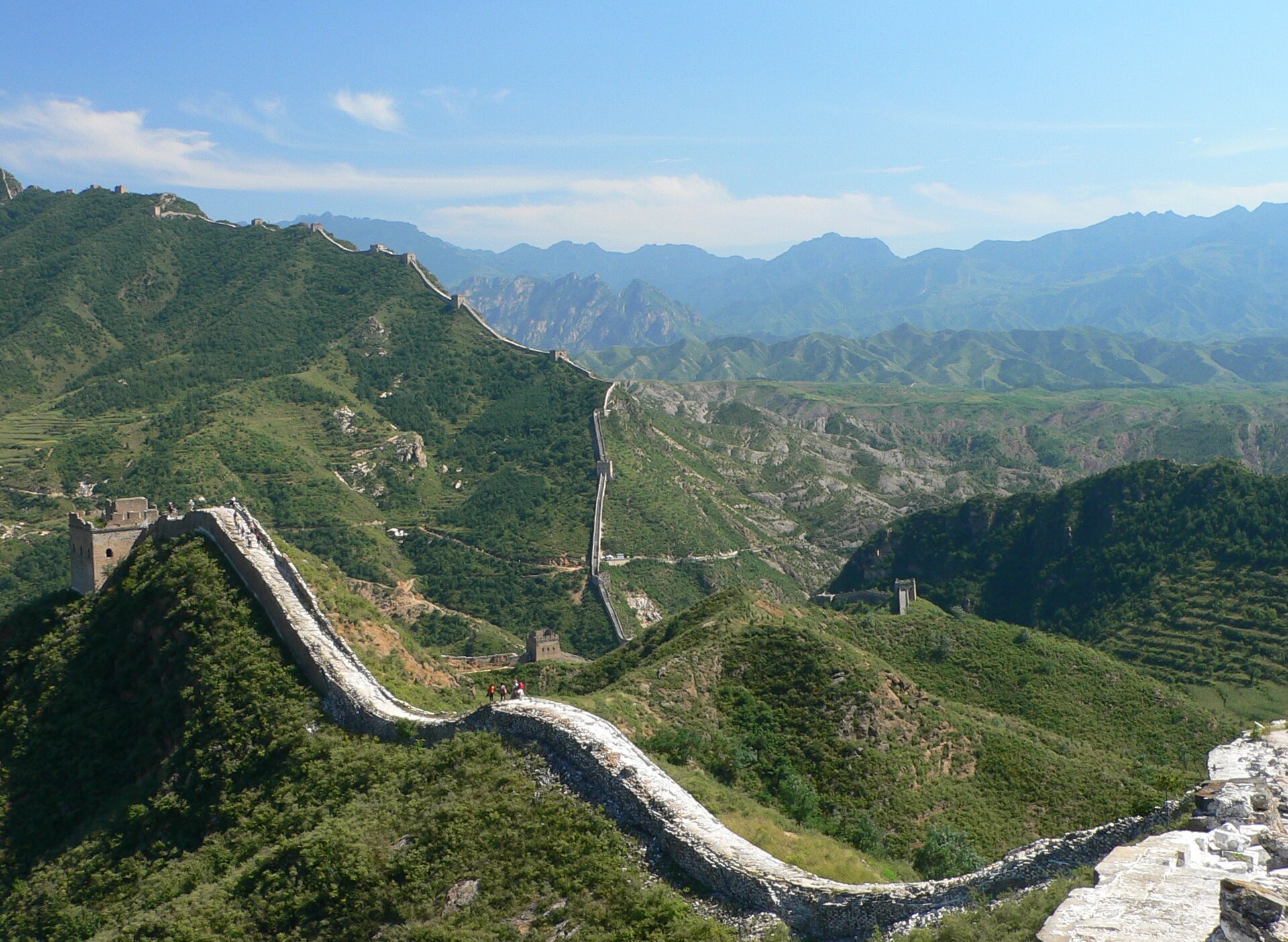
Today parts of the Great Wall have been carefully restored for visitors, especially the popular sections near Beijing. Here the wall is solid and easy to walk, crowded with tourists enjoying the spectacular views.
Elsewhere the wall runs wild and unrestored, crumbling and overgrown, snaking dramatically over remote hills. Many travellers find these lonely, ruined stretches even more evocative than the restored ones.
Myths and Misconceptions
The Great Wall is surrounded by myths. One popular claim is that it is the only human-made object visible from space, which is not true; it is very hard to see with the naked eye from orbit.
Other legends surround its construction, including tales of workers buried within it. While the human cost of building the wall was certainly enormous, many of the more dramatic stories are folklore rather than fact.
A Symbol of China and UNESCO
Over time the Great Wall has become the supreme symbol of China, representing the country’s long history, its ingenuity and its endurance. It appears in art, literature and the national imagination.
The Great Wall was inscribed on the UNESCO World Heritage List in 1987. Today it draws millions of visitors a year, and efforts continue to protect its many fragile and remote sections for the future.
Getting There
The most visited sections of the Great Wall lie within a few hours of Beijing, the Chinese capital, which has a major international airport. Popular stretches such as Badaling and Mutianyu are reached by road or organised tour.
For a wilder experience, more distant and unrestored sections can be visited with local guides. The western fortress of Jiayuguan lies far away in Gansu Province, near the edge of the Gobi Desert.
Coordinates: 40.4319, 116.5704 — open the Great Wall of China in Google Maps.
Nearby Places
- The Terracotta Army — the buried guardians of the First Emperor, who created the early Great Wall.
- Yinxu at Anyang — the ancient Shang capital, from the deep roots of the Chinese civilisation the wall defended.
- Persepolis — the capital of another great ancient empire that, like China, built to project and defend its power.
Closing Thoughts
The Great Wall of China is the greatest fortification ever built: thousands of kilometres of wall, tower and fort marching across mountains and deserts, raised over two thousand years at immense human cost.
Symbol of China’s history and endurance, it astonishes everyone who walks its ramparts or sees it snaking to the horizon. Few human creations so completely combine staggering scale, dramatic beauty and the weight of history.
You May Like
Mafra, the Palace a King Built From a Vow