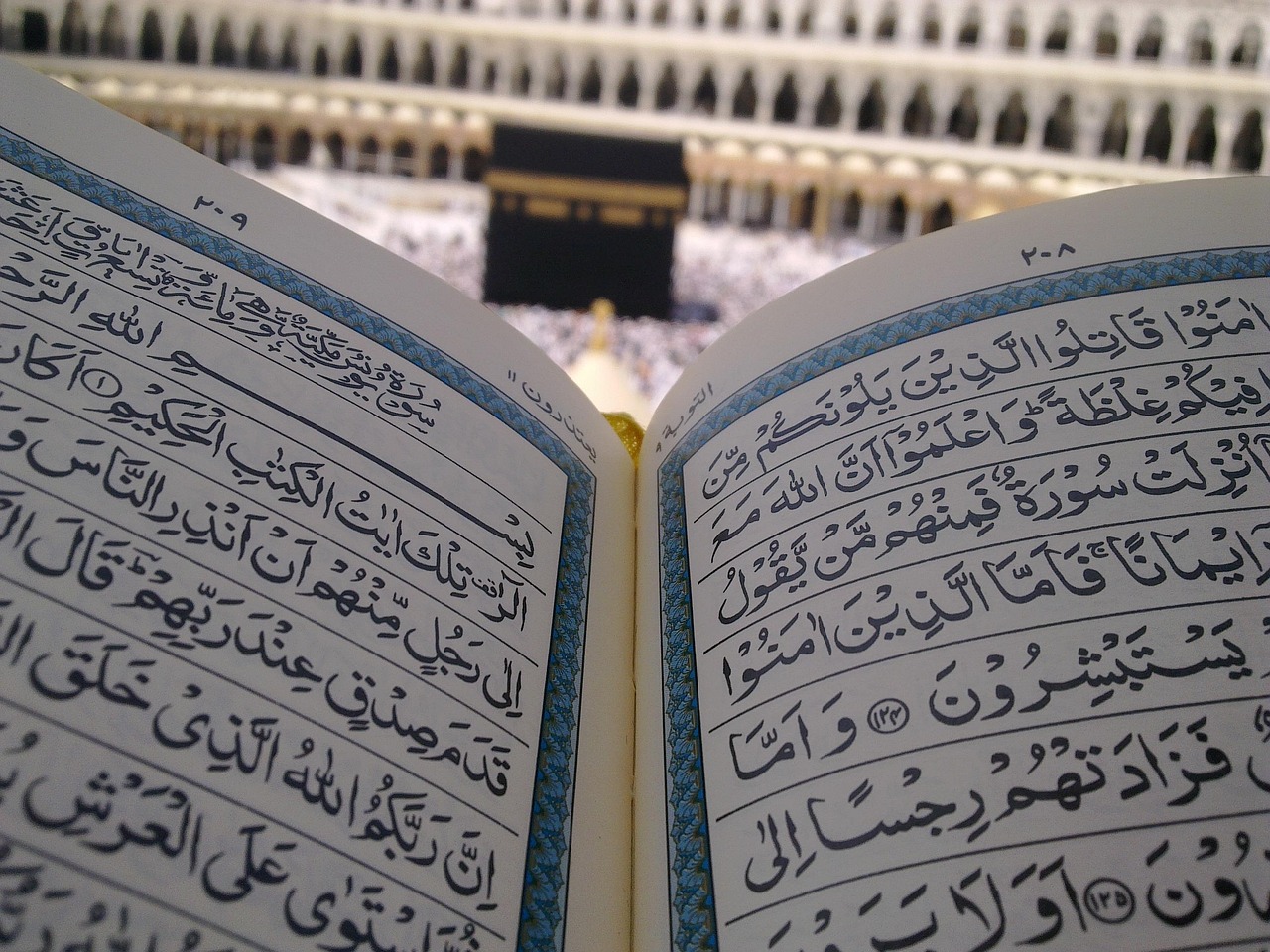
Across the Muslim world, three cities hold a sanctity above all others. Mecca, Medina, and Jerusalem are the destinations toward which believers direct their devotion, their pilgrimages, and their prayers. Each carries its own history and meaning, yet together they form the spiritual geography at the centre of Islam. This guide gathers our full series on the holy cities and links to each of our detailed collections.
Mecca: The Holiest City
Mecca is the most sacred city in Islam, the birthplace of the Prophet Muhammad and the focus of the daily prayers of Muslims everywhere. At its heart stands the Kaaba within the Great Mosque, and each year millions arrive to perform the pilgrimage. Explore the full series in our guide to Visiting Mecca: A Complete Guide to Islam’s Holiest City, covering the Kaaba and the Masjid al-Haram, the rites of Hajj and Umrah, and the holy sites scattered across the surrounding valleys.
Medina: The Radiant City
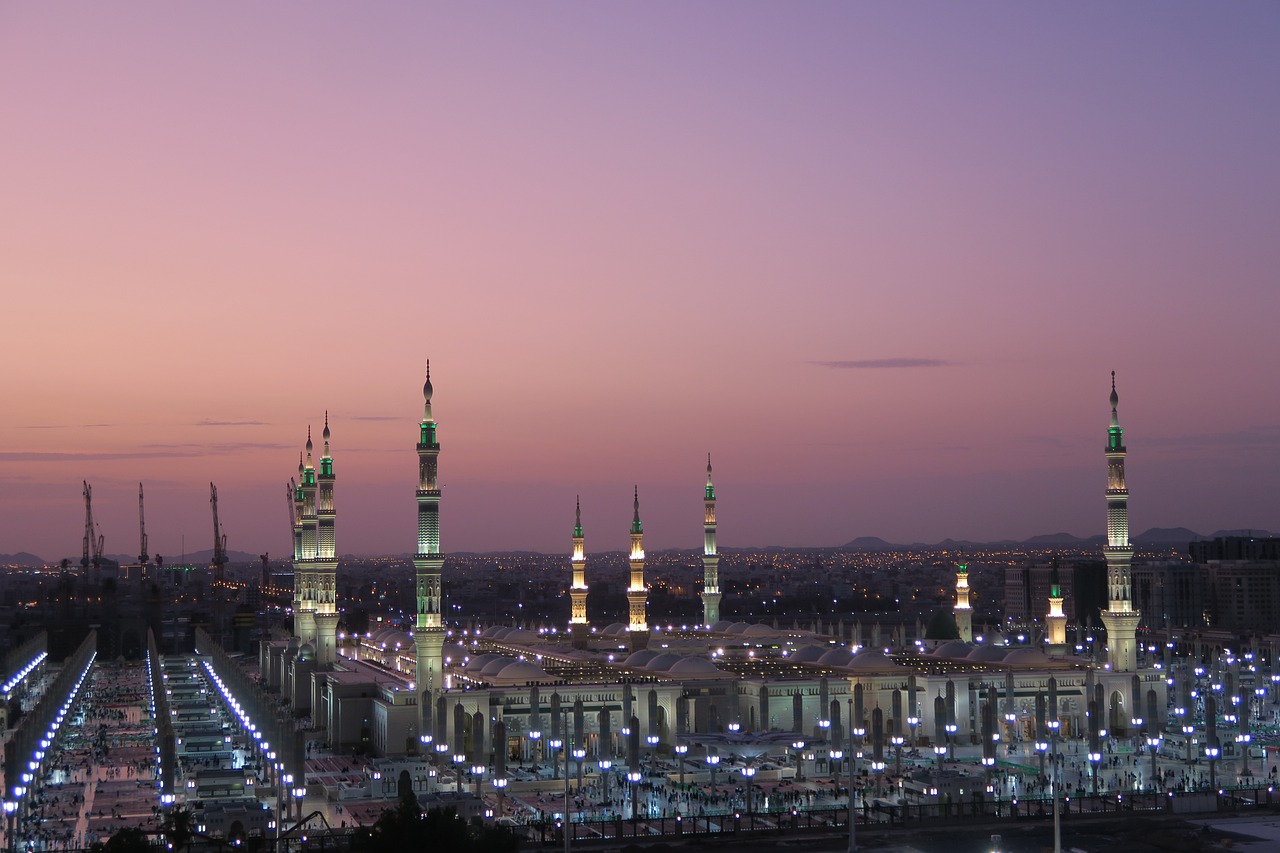
Medina, the second holiest city, is where the early Muslim community took shape after the migration from Mecca, and where the Prophet is buried beneath the green dome of his mosque. Our complete series, Visiting Medina: A Complete Guide to the Radiant City, explores the Prophet’s Mosque, the historic early mosques including Quba, and the migration known as the Hijrah that gave the city its lasting importance.
Jerusalem: The Farthest Mosque
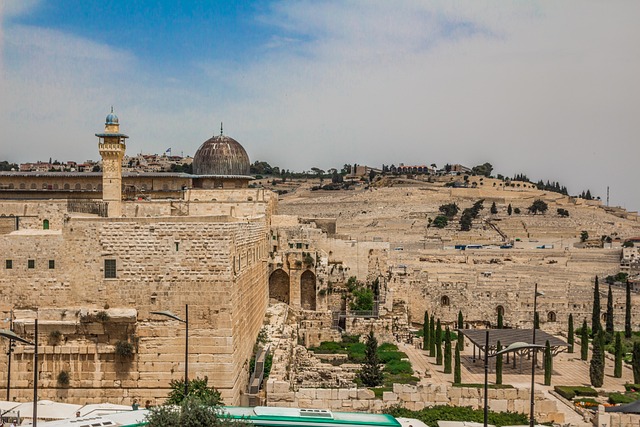
Jerusalem holds the third holiest site in Islam, Al-Aqsa, the first direction of prayer and the destination of the Prophet’s Night Journey. Our full series, Visiting Al-Aqsa: A Complete Guide to Jerusalem’s Holy Compound, covers the meaning of the compound, the story of the Isra and Miraj, the golden Dome of the Rock, and the walled Old City that surrounds the sacred precinct.
Hagia Sophia: A Living Monument in Istanbul
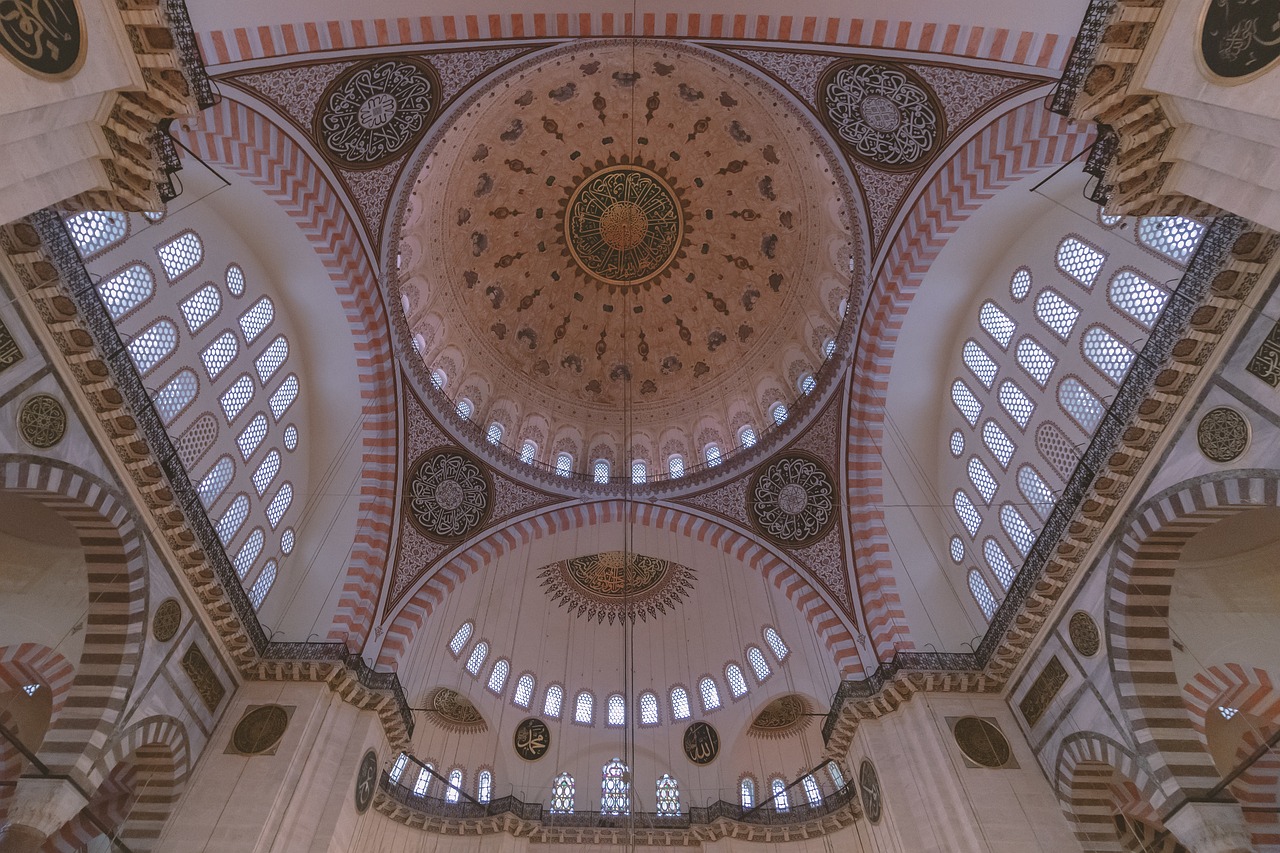
Beyond the three holiest cities stands another monument of profound importance to Muslims: Hagia Sophia in Istanbul. Built as the greatest cathedral of the Byzantine Empire and converted into a mosque after the conquest of the city in 1453, it remains a working mosque today and one of the most celebrated buildings in the world. Our full series, Visiting Hagia Sophia: A Complete Guide, explores its Byzantine origins and architecture, its transformation into a mosque, and the historic Istanbul district that surrounds it.
The Umayyad Mosque of Damascus
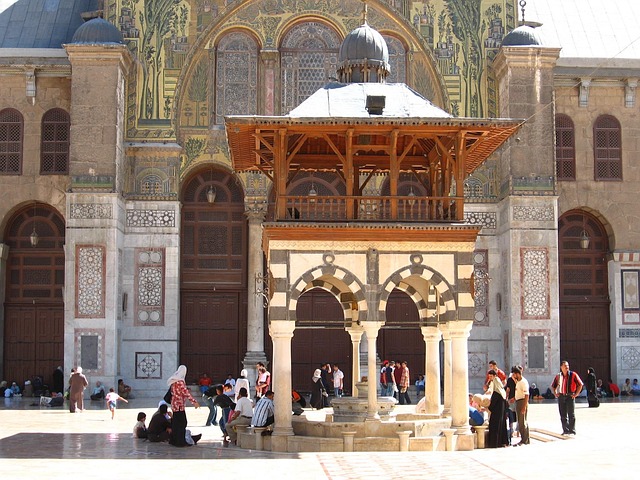
Among the oldest great mosques in Islam is the Umayyad Mosque of Damascus, built in the early eighth century when the city was the capital of a vast empire. It set a template for mosque architecture across the Muslim world and holds revered shrines as well as the tomb of Saladin nearby. Our full series, The Umayyad Mosque and Old Damascus: A Complete Guide, explores its history, its famous golden mosaics, and the ancient city that surrounds it.
The Great Mosque of Kairouan
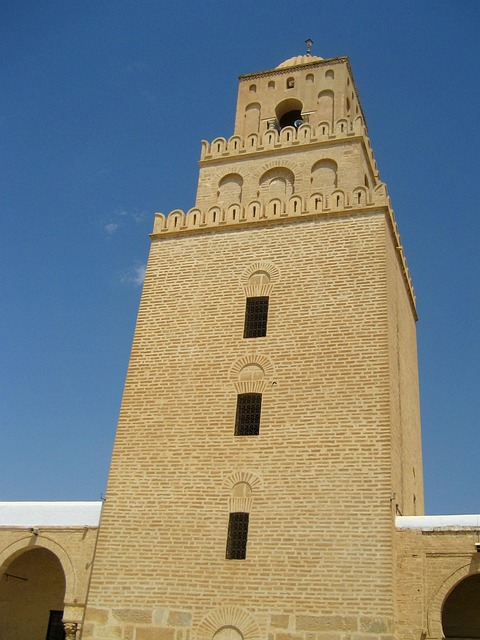
In North Africa, the city of Kairouan in Tunisia stands as a founding centre of Islam in the region and one of its most revered holy cities. Its Great Mosque, also known as the Mosque of Uqba, is among the oldest in the world and shaped mosque architecture across the western Islamic world. Our full series, Visiting Kairouan: A Complete Guide to Tunisia’s Holy City, explores the mosque, its architecture, and the historic medina around it.
The Mezquita of Cordoba
At the western edge of the Islamic world stands the Mezquita of Cordoba, the great mosque of Al-Andalus in southern Spain. Founded in 786 and famous for its endless forest of red-and-white arches, it was the spiritual heart of a city once renowned across Europe for its learning. Later transformed into a cathedral, it remains a singular monument to the meeting of cultures. Read our complete guide to the Mezquita of Cordoba.
The Mevlana Shrine in Konya
In the heart of Anatolia, the turquoise-domed shrine of Rumi in Konya draws pilgrims and poetry lovers from across the world. The thirteenth-century mystic and his Mevlevi order, famous for the whirling Sema ceremony, gave the city a spiritual character that endures to this day. Read our complete guide to Konya and the Mevlana shrine.
Samarkand on the Silk Road
Far to the east, the Uzbek city of Samarkand was once hailed as a jewel of the Islamic world. Capital of Timur’s empire and a great crossroads of the Silk Road, it is famous for the turquoise domes of the Registan and the pilgrimage shrine of Shah-i-Zinda. Read our complete guide to Samarkand.
Sanliurfa: The City of Prophets
In southeastern Turkey, the ancient city of Sanliurfa is revered as a place of prophets, above all the Prophet Abraham. At its heart lies Balikligol, the Pool of Sacred Fish, where tradition holds that Abraham was saved from the fire. Nearby stand the world-changing ruins of Gobekli Tepe. Read our complete guide to Sanliurfa.
Bukhara: Dome of Islam in the East
Another jewel of the Silk Road, the Uzbek city of Bukhara was so revered as a centre of learning that Muslims called it the Dome of Islam in the East. Its old town of mosques, madrasas and Sufi shrines, closely tied to the Naqshbandi order, is one of the best-preserved medieval cities in Central Asia. Read our complete guide to Bukhara.
Najaf and Karbala: The Shrine Cities of Iraq
In southern Iraq lie Najaf and Karbala, two of the holiest cities of Shia Islam. Najaf is home to the golden-domed shrine of Imam Ali, while Karbala holds the shrine of Imam Husayn, the Prophet’s grandson, whose stand in the year 680 became one of the most powerful memories in Islamic history. Together they draw some of the largest pilgrimages on earth. Read our complete guide to Najaf and Karbala.
Three Cities, One Tradition
What unites these three places is more than geography. A well-known tradition names the mosques of Mecca, Medina, and Jerusalem as the three toward which believers undertake special journeys, and the Night Journey itself links Mecca and Jerusalem in a single narrative. Together they trace the foundations of the faith, from the call to monotheism associated with Ibrahim to the life of the Prophet Muhammad and the rise of the early Muslim community. For many believers, learning about all three deepens an understanding of Islam that no single city could provide alone.


