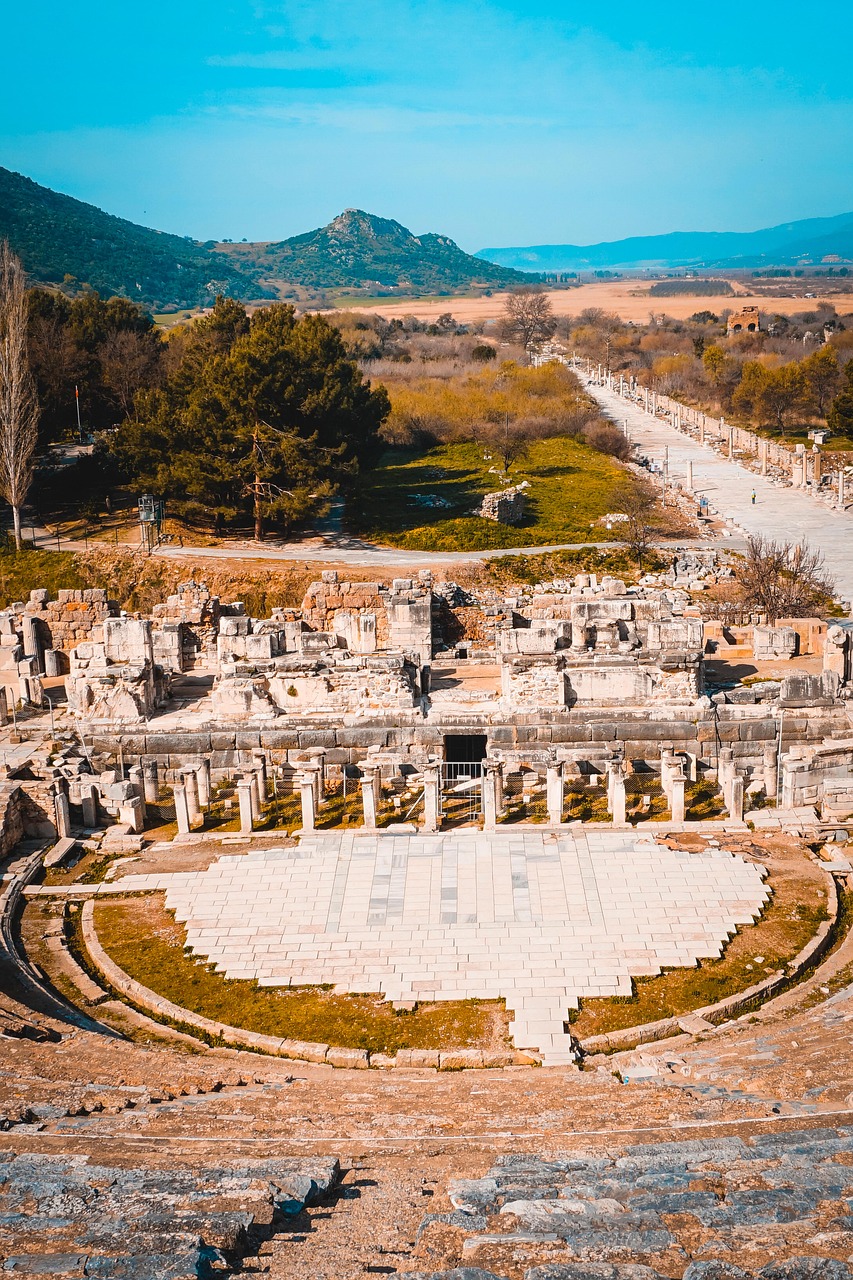
On the wooded slopes of Bülbül Mountain, a short drive above the ancient ruins of Ephesus in western Türkiye, stands a small stone chapel that draws Christian pilgrims from around the world. Known as the House of the Virgin Mary – Meryem Ana Evi in Turkish – it is venerated by many Catholic and Orthodox visitors as the place where Mary, the mother of Jesus, is believed to have spent her final years.
A House Found Through a Vision
The site as known today was identified in the nineteenth century. Its location was guided by the recorded visions of Anne Catherine Emmerich, a German nun who described a small house near Ephesus though she never travelled there herself. Following her descriptions, clergy located a ruined structure on the hillside that matched the account, and the place gradually became a centre of pilgrimage. The building incorporates older foundations, and a modest Byzantine-era chapel marks the spot today.
Why Pilgrims Come
According to a long-standing tradition, the Apostle John brought Mary to the Ephesus region, where she lived under his care. For visitors who hold this belief, the house is a quiet place of prayer rather than a grand monument. Many pause at the small spring below the chapel and tie written wishes and intentions to a nearby wall, a custom shared by people of different faiths who visit. The Catholic Church has never issued a formal ruling on whether the house was truly Mary’s home, yet several popes have visited, and it remains an officially recognised place of pilgrimage.
Set Within Ancient Ephesus
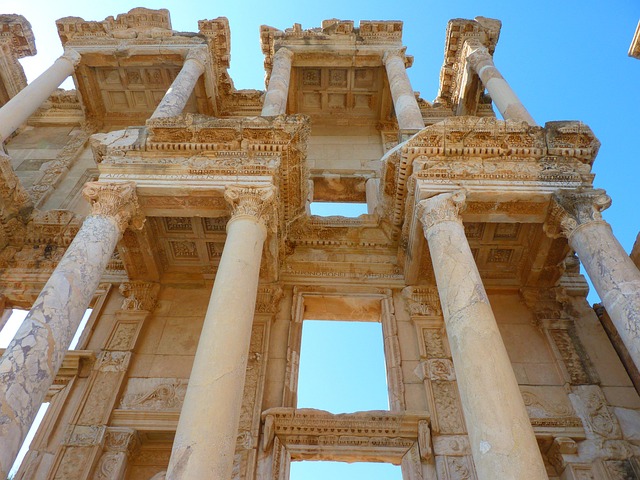
The chapel sits within easy reach of one of the Mediterranean’s greatest archaeological sites. Ephesus was once a major Roman city and an early centre of Christianity; the Apostle Paul preached here, and the Gospel of John is traditionally associated with the area. A visit to Meryem Ana Evi is usually combined with the marble streets, the great theatre, and the famous façade of the Library of Celsus just down the hill.
Visiting Respectfully
The sanctuary is a place of devotion, so modest dress and quiet behaviour are appreciated, especially inside the chapel. The site can be reached from the nearby town of Selçuk, and it is busiest in spring and autumn when the weather is mild. Whatever a visitor’s own beliefs, the hillside setting – shaded by trees and overlooking the plain – offers a calm contrast to the bustle of the ruins below.


2 thoughts on “The House of the Virgin Mary in Ephesus”