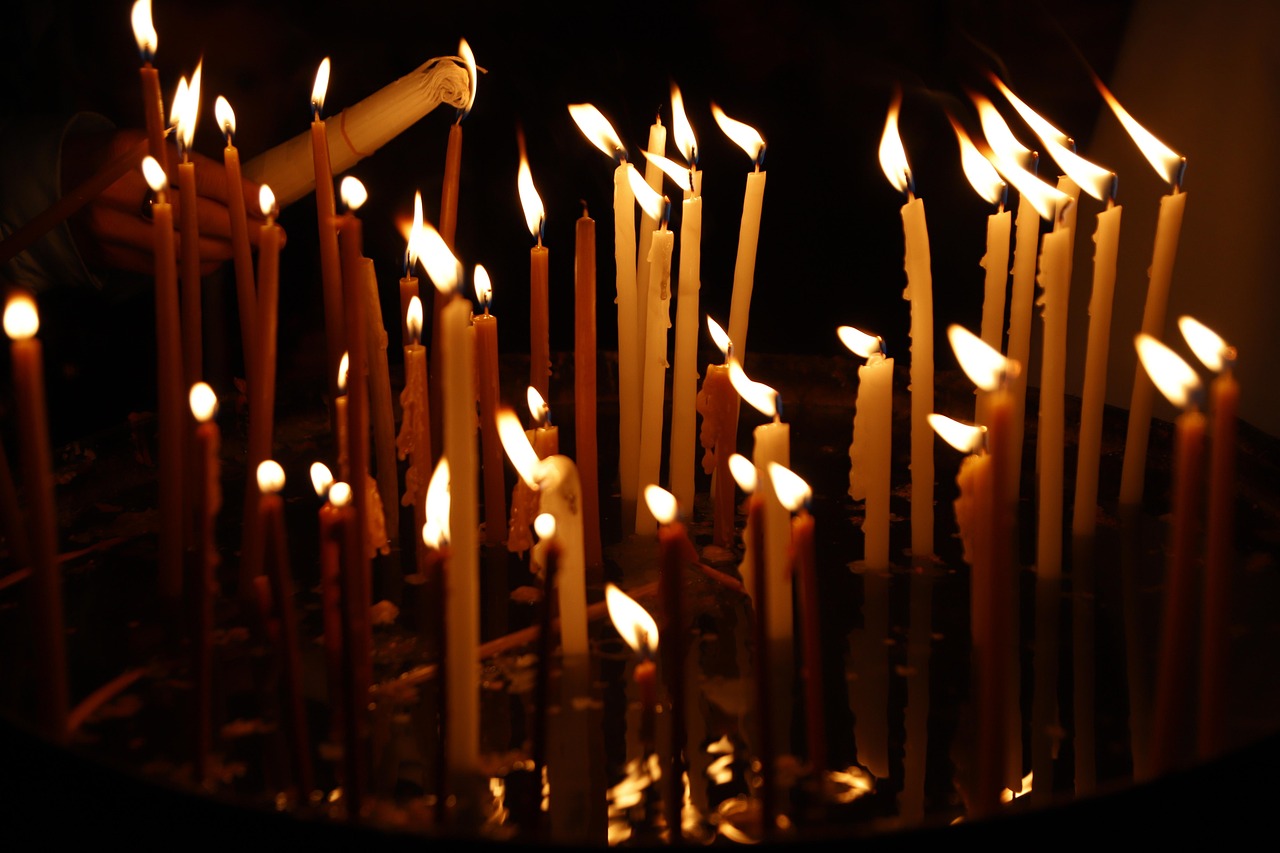
Why do millions of pilgrims travel to a small, dimly lit church in the heart of Jerusalem? For Christians, the Church of the Holy Sepulchre is not simply a historic monument but the place where the central events of their faith – the death and resurrection of Jesus – are believed to have happened. This guide looks at the devotions, traditions and rhythms that draw the faithful here.
The End of the Via Dolorosa
Most pilgrims do not arrive at the church directly. They follow the Via Dolorosa, the “Way of Sorrows,” a route winding through the Old City that commemorates the stations of Jesus’s final journey to the cross. The last stations lie inside the Holy Sepulchre itself, so the walk and the church form a single act of devotion. Groups pause to pray at each station, often carrying a wooden cross, especially on Fridays.
The Stone of Anointing and the Tomb
Just inside the entrance lies the Stone of Unction, where tradition says the body of Jesus was prepared for burial. Pilgrims kneel to touch it, press cloths and rosaries against it, and light candles nearby. Deeper inside, the long queue for the Aedicule leads to the tomb, where visitors enter a few at a time to kneel in the tiny chamber. These quiet, physical gestures – touching, kneeling, lighting a flame – are at the heart of the pilgrim experience.
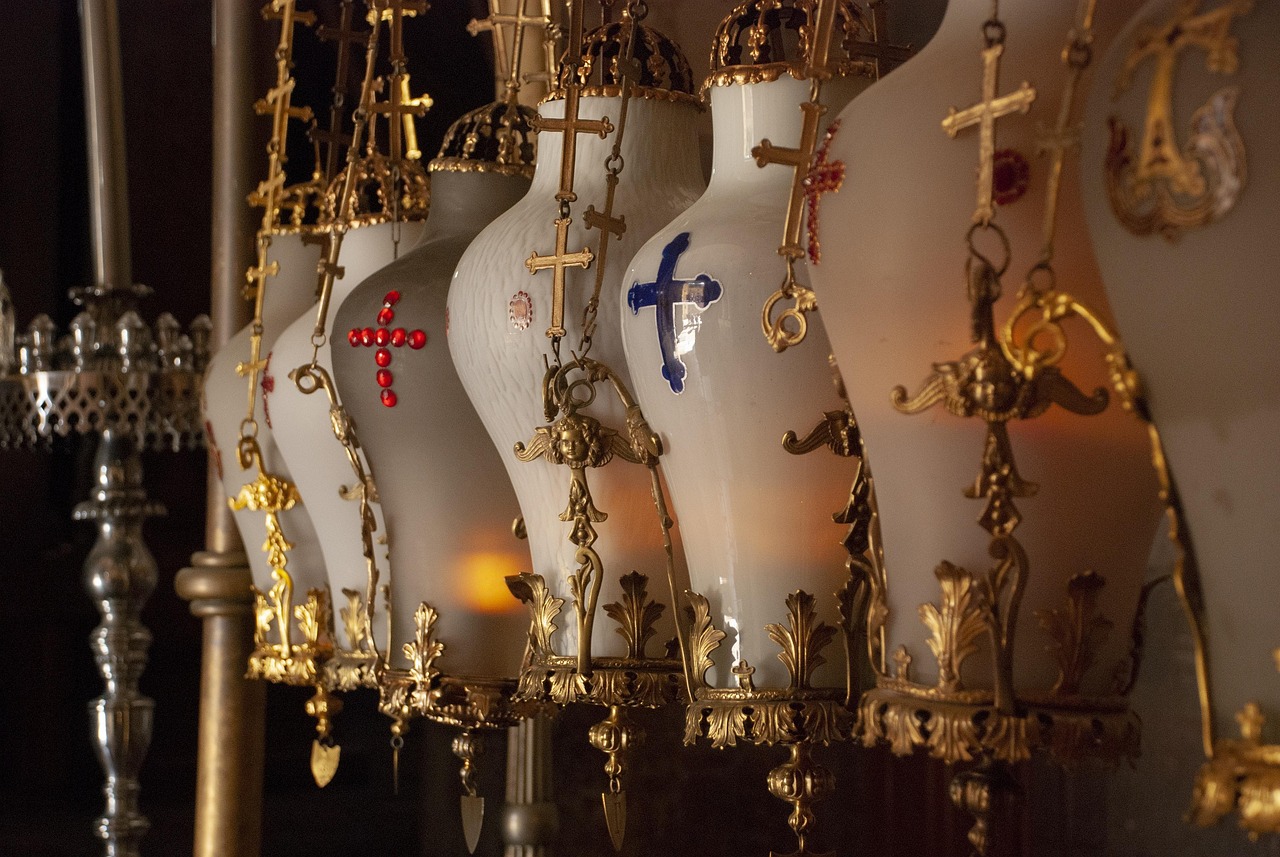
Holy Week and the Holy Fire
The church reaches its most intense moments during Holy Week, the days leading to Easter. For Eastern Orthodox Christians, the ceremony of the Holy Fire on Holy Saturday is among the year’s most charged events: a flame is shared from candle to candle until the whole rotunda glows, symbolising the light of the resurrection. Easter and Christmas draw the largest crowds, and the experience can be overwhelming, so many pilgrims prefer to visit at quieter times of year for prayer and reflection.
Visitors of all backgrounds are welcome, but it remains an active place of worship. Modest dress, quiet behaviour and patience with the long queues go a long way, especially when the church is full.


One thought on “Pilgrimage to the Holy Sepulchre: Devotion in Jerusalem”