Few peoples on earth live so high, or hold their homeland so sacred, as the Tibetans. Their world begins where most human worlds end, on a plateau averaging more than four thousand meters above the sea, ringed by the greatest mountains on the planet and swept by thin, cold air that leaves visitors gasping. This is the roof of the world, and for well over a thousand years the Tibetans have made it not merely habitable but the seat of one of humanity’s most remarkable spiritual civilizations.
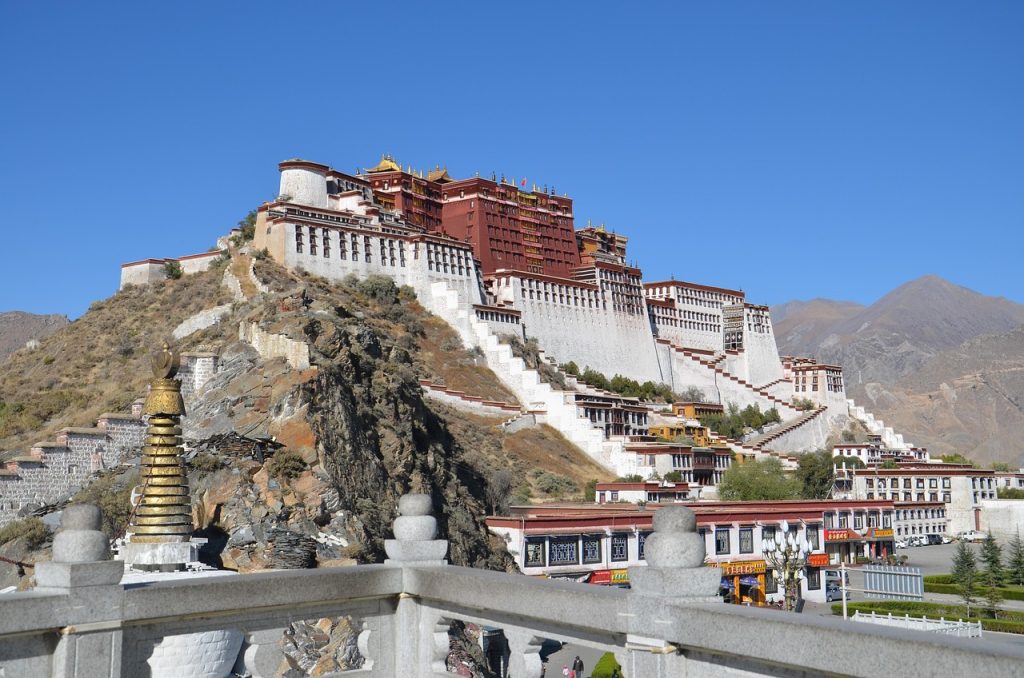
To speak of the Tibetans is to speak, above all, of a marriage between a land and a faith. The harsh grandeur of the plateau, its emptiness and its silence, seems to have turned the minds of its people toward the questions of the spirit, and Tibetan Buddhism grew into something that shaped every corner of life, from the mud-brick village to the golden-roofed monastery, from the humblest herder to the god-kings who once ruled from the Potala Palace in Lhasa. Faith and homeland here are almost impossible to separate.
This profile follows the Tibetans across the many dimensions of their world: their distant origins and the meaning of their name, the language and script that carry their scriptures, the extraordinary plateau they inhabit and the old life of farmers and nomads upon it, the structure of their society, the Buddhism that saturates their culture, their customs and arts, their food and festivals, the long and turbulent history of Tibet as a state and a religion, and their situation in the world of today.
- From the roof of the world: Tibetan beginnings
- What does the name Tibet mean?
- A language written for the sacred word
- Living on the highest land on earth
- Farmers of the valleys, herders of the heights
- Monks, nobles, and the ordering of old Tibet
- A whole civilization built on Buddhism
- Prayer flags, pilgrimage, and daily devotion
- Thangkas, prayer wheels, and the sacred arts
- Butter tea and the food of the high country
- The great festivals of the Tibetan year
- Empire, lamas, and the long road of history
- The Tibetans in the world today
From the roof of the world: Tibetan beginnings
The Tibetans emerged from the peoples who settled the great plateau of Central Asia in prehistoric times, adapting over thousands of years to one of the most demanding environments in which humans have ever lived. Genetic studies suggest that the ancestors of the Tibetans have inhabited the high plateau for a very long time, evolving distinctive adaptations to the thin air that allow them to thrive at altitudes where lowlanders sicken.
The Tibetans themselves preserve their own accounts of their origins, woven through with myth. One beloved tradition holds that the Tibetan people descended from the union of a monkey, an emanation of the bodhisattva of compassion, and a mountain ogress, a story that neatly captures the Tibetan sense of themselves as a people born of both gentleness and fierce highland strength. Such legends express a truth about identity that history alone cannot.
In historical times, the various tribes and kingdoms of the plateau were gradually united. By the seventh century a powerful state had arisen in the Yarlung valley, and from this heartland the Tibetan Empire expanded to become one of the great powers of Asia, rivaling Tang China. It was during this imperial age that the Tibetans acquired the two things that would define them ever after: a written language and the Buddhist faith.
From these beginnings the Tibetans grew into a distinct people with a shared language, religion, and way of life stretching across an enormous territory. Though divided at times into many principalities and touched by many neighbors, they retained a powerful sense of common identity, rooted in their plateau homeland and above all in the faith that came to bind them together.
What does the name Tibet mean?
The Tibetans call themselves Bod, and their land Bod as well, a name of great antiquity whose origins are lost in the depths of the past. From this native word derive many of the names by which Tibet has been known, though the path from Bod to the English Tibet is a winding one, passing through the languages of many intermediaries.
The word Tibet that outsiders use appears to have reached European languages through Turkic and Arabic sources, who in turn borrowed from Central Asian names for the plateau people. The exact chain is disputed, but the result is that the name by which the world knows this people differs from the name they use for themselves, a common fate among peoples described first by their neighbors.
Within the Tibetan world, further names distinguish the great regions of the plateau. The central heartland around Lhasa, the eastern lands, and the northeastern grasslands each have their own names and their own strong regional identities. A Tibetan will often identify first with a home region, even while sharing in the larger identity of the Bodpa, the people of Bod.
So the name of the Tibetans, like that of many peoples, is really several names layered upon one another: the ancient self-name, the regional names of the plateau, and the outsiders’ name that became standard in the wider world. Behind them all lies a single reality, a people bound to the highest land on earth.
A language written for the sacred word
The Tibetan language belongs to the Tibeto-Burman branch of the great Sino-Tibetan family, making it a distant relative of Chinese and of the languages of Burma and the Himalayas. It is spoken across the plateau in a range of dialects so varied that speakers from distant regions may struggle to understand one another, yet all are united by a common written language.
That written language was a deliberate creation. In the seventh century, according to tradition, the Tibetan king sent a minister to India to devise a script for the Tibetan tongue, and the alphabet he brought back, based on Indian models, has served Tibetan ever since. Its purpose from the start was sacred: to render the Buddhist scriptures, then being carried up from India, into a language the Tibetans could read.
The translation of the Buddhist canon into Tibetan was one of the great intellectual labors in human history. Over centuries, an enormous body of scripture and commentary was rendered into Tibetan with extraordinary precision, creating a literary language of great richness. So faithful were these translations that Tibetan versions are now used by scholars to reconstruct Indian Buddhist texts whose originals have been lost.
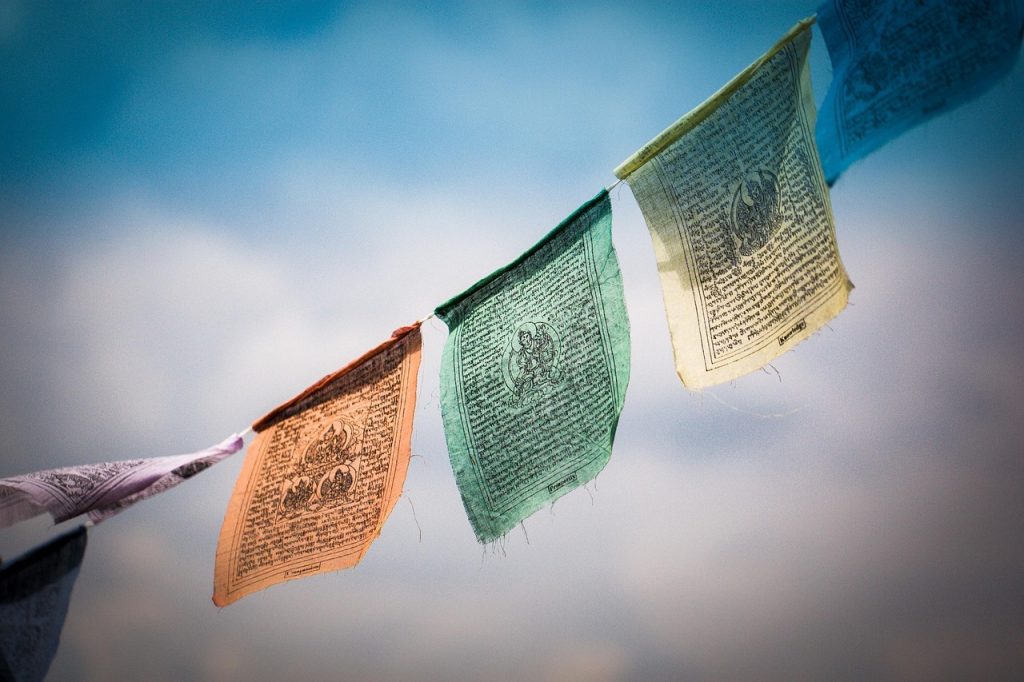
Classical written Tibetan thus became the vehicle of an entire civilization of learning, unifying the fragmented spoken dialects and preserving the wisdom of Indian Buddhism long after it vanished in the land of its birth. To this day the script that flows across prayer flags and manuscripts carries the same sacred weight it was created to bear more than a thousand years ago.
Living on the highest land on earth
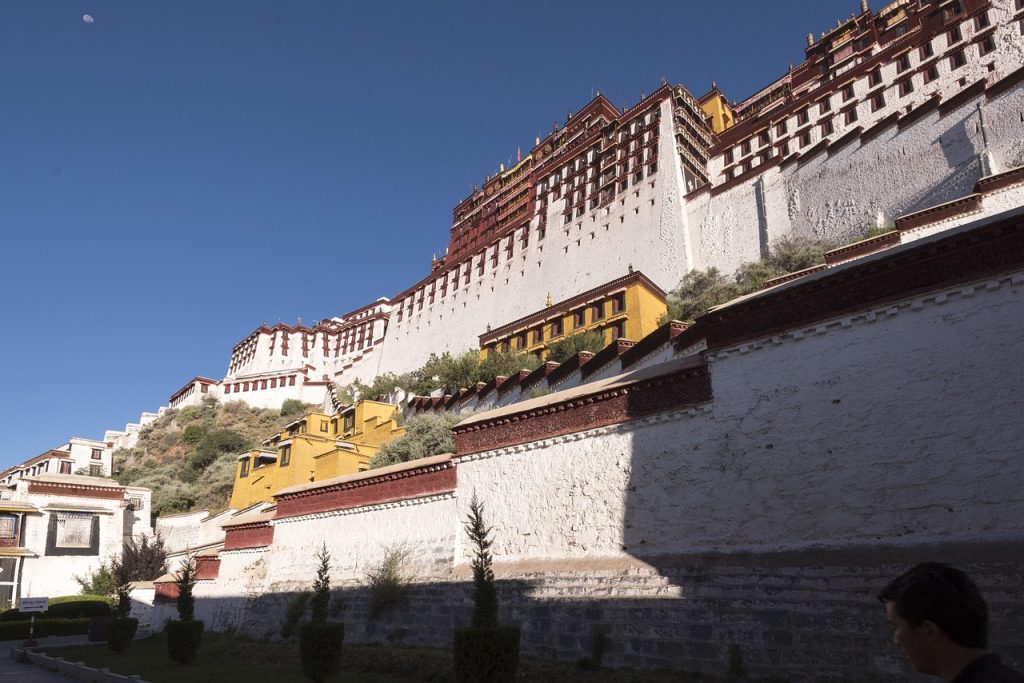
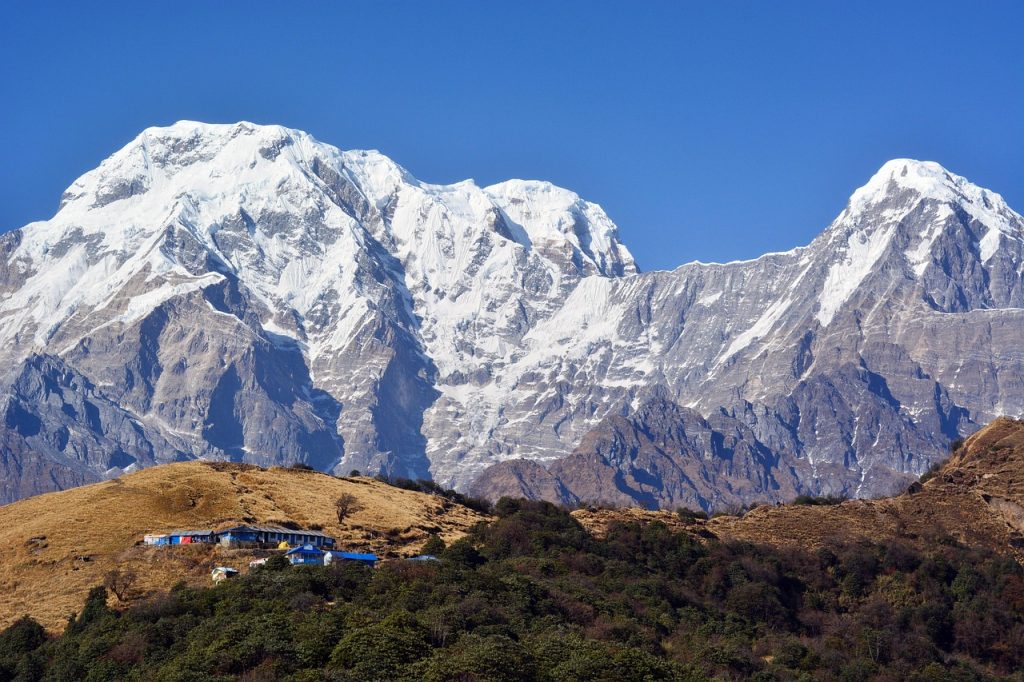
The Tibetan homeland is the great plateau of Central Asia, the highest and one of the largest highlands on the planet, an immense expanse of mountain, grassland, and desert lifted far above the surrounding lowlands. Ringed by the Himalayas to the south and other mighty ranges on its other flanks, it is a world unto itself, cut off from the lands below by walls of rock and ice.
Life here is shaped by altitude above all. The air is thin, the sun fierce, the nights bitterly cold even in summer, and the growing season short. Trees are rare across much of the plateau; the dominant landscapes are vast grasslands, stony deserts, and towering snow peaks. From the plateau’s glaciers flow many of Asia’s greatest rivers, making this remote highland the water tower of a continent.
Yet the plateau is not uniform. Sheltered valleys in the south and east enjoy milder climates where barley can be grown and villages cluster. The high northern grasslands support only herding. The great river gorges of the east are warmer and greener. Across these varied environments the Tibetans developed different ways of living, all adapted to the demands of extraordinary height.
The Tibetan adaptation to altitude is one of the most striking in the human species. Where a visitor from the lowlands struggles for breath and may fall dangerously ill, Tibetans live, work, and thrive at heights that would incapacitate most people, the result of genetic changes accumulated over many thousands of years on the plateau. In a real biological sense, the Tibetans are a people made for their mountains.
This homeland has shaped the Tibetan character as surely as it shaped their bodies. The emptiness and grandeur of the plateau, the ever-present mountains, the harshness that demands endurance and cooperation, all seem woven into Tibetan culture, into its resilience, its spirituality, and its deep attachment to a land that is as beautiful as it is unforgiving.
Farmers of the valleys, herders of the heights
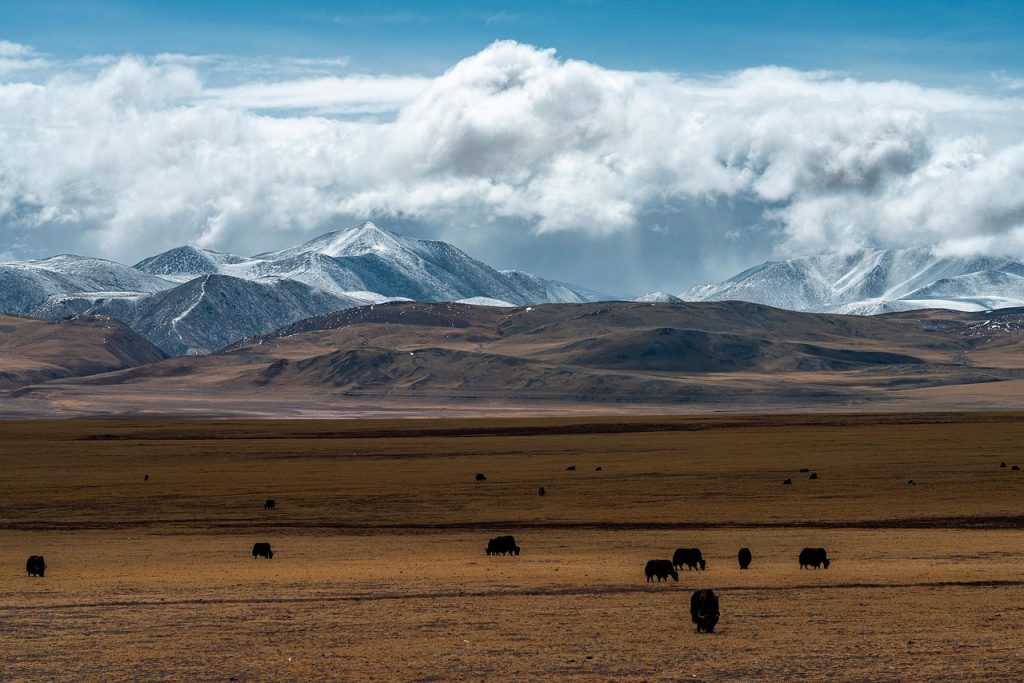
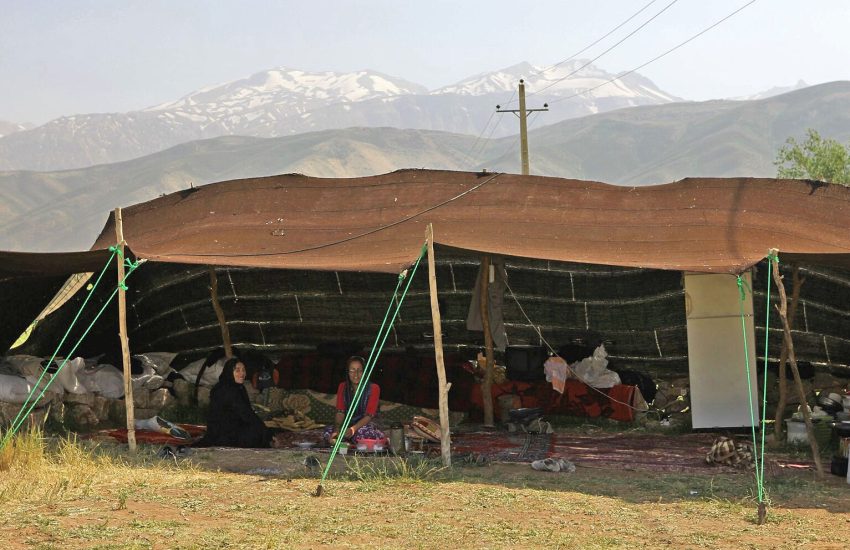
Traditional Tibetan life fell into two great patterns, shaped by the two faces of the plateau. In the valleys, settled farmers grew barley, the hardy grain that thrives at high altitude and forms the foundation of the Tibetan diet. On the high grasslands, nomadic herders followed their animals across the pastures, living in tents of yak hair and moving with the seasons.
The yak was the heart of the nomadic economy, and indeed of Tibetan life as a whole. This great shaggy beast, superbly adapted to cold and altitude, provided milk, butter, meat, wool, hides, and dung for fuel, and served as a pack animal across terrain that would defeat lesser creatures. Alongside the yak, Tibetans herded sheep and goats, and a hybrid of yak and cattle prized for lower valleys.
Farmers and herders were bound together in a web of exchange. The nomads traded butter, meat, wool, and salt gathered from the plateau’s lakes for the barley, tea, and manufactured goods of the settled areas. This exchange, carried on across great distances by caravans of yaks and sheep, knit the scattered communities of the plateau into a single economic world.
Over all this traditional life presided the rhythms of the seasons and the demands of the faith. Barley was roasted and ground into tsampa, the staple food; butter was churned for tea and for the lamps that burned before countless shrines. The old Tibetan economy was frugal, resilient, and remarkably self-sufficient, wringing a livelihood from one of the harshest inhabited landscapes on earth.
Monks, nobles, and the ordering of old Tibet
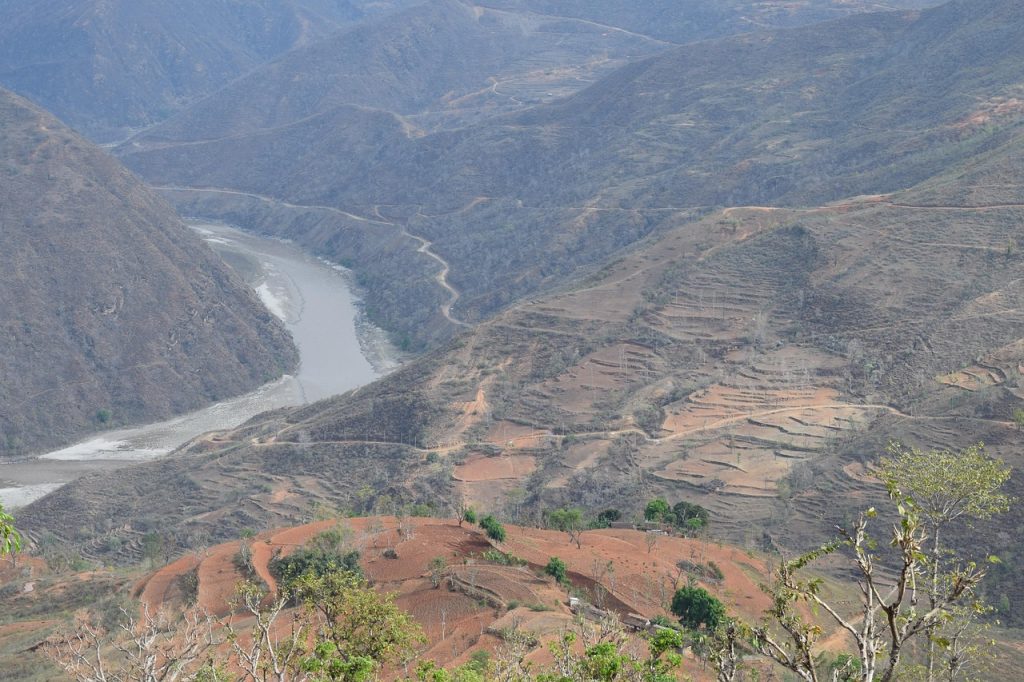
Old Tibetan society was ordered around a distinctive structure in which religion occupied the commanding heights. At its apex stood the great monasteries and the incarnate lamas who led them, alongside a hereditary nobility that held large estates. Below them lay the mass of the population, farmers and herders who worked the land and supported the twin pillars of monastery and manor.
The monastic institution was central to everything. Monasteries were not only centers of worship and learning but great landholders and powers in their own right, and it was common for families to send at least one son to become a monk. At the height of the monastic system, a remarkable proportion of the male population lived as monks, giving Tibetan society a religious character unmatched almost anywhere in the world.
Above the whole structure, from the seventeenth century onward, presided the Dalai Lama, regarded as the incarnation of the bodhisattva of compassion and the spiritual and temporal ruler of Tibet. Around this unique institution grew a government run largely by monk-officials alongside noble ones, a theocratic order without close parallel elsewhere.
This was a society of deep inequalities, yet also one bound together by shared faith and by ties of mutual obligation. Its critics have pointed to the burdens borne by ordinary people; its defenders to the extraordinary spiritual culture it sustained. Whatever the judgment, old Tibet was a genuinely distinctive civilization, organized as few societies ever have been around the pursuit of religious ends.
It is difficult to overstate how thoroughly the monastery shaped the Tibetan landscape and mind. Perched on hillsides, guarding mountain passes, rising above villages, the monasteries were the universities, art academies, banks, and centers of government of old Tibet all at once. To grow up Tibetan was to grow up within sight of a monastery and within the orbit of its bells, its festivals, and its learning.
A whole civilization built on Buddhism
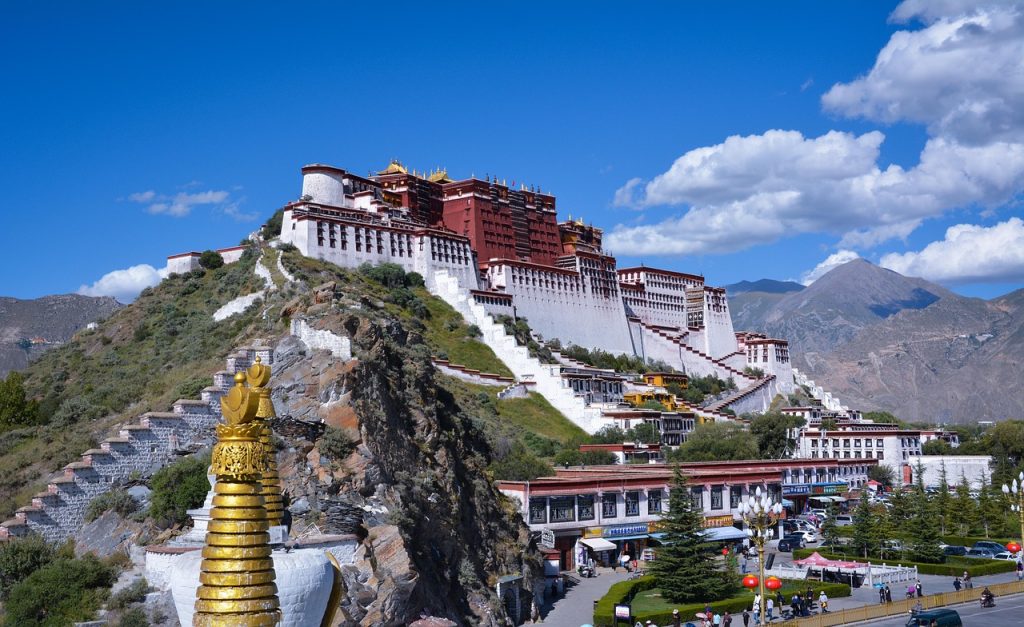
If any single thing defines the Tibetans, it is their Buddhism. Introduced from India during the imperial age, Buddhism gradually absorbed and transformed the older Bon religion of the plateau, and over the centuries it grew into the all-pervading foundation of Tibetan life. There is scarcely an aspect of traditional Tibetan culture that Buddhism does not touch.
Tibetan Buddhism is a rich and distinctive form of the faith, preserving the full range of Indian Buddhist teaching, including the esoteric tantric traditions, within a framework of monastic discipline and philosophical learning. It developed into several major schools or orders, each with its own lineage of teachers, its own monasteries, and its own emphases, yet all sharing the same essential vision of liberation.
Among the most distinctive features of Tibetan Buddhism is the institution of the reincarnate lama, the belief that a great spiritual teacher will be reborn again and again to continue his work, his new incarnation identified in childhood and educated to resume his role. The Dalai Lamas and many other lineages of incarnate masters embody this idea, which gives Tibetan Buddhism its remarkable continuity across the generations.
For ordinary Tibetans, Buddhism is lived less through philosophy than through devotion: the turning of prayer wheels, the recitation of mantras, the making of pilgrimages, the offering of butter lamps, the reverence shown to lamas and monasteries. This everyday piety, woven into the texture of daily life, is the true measure of how completely Buddhism came to define the Tibetan world.
Prayer flags, pilgrimage, and daily devotion
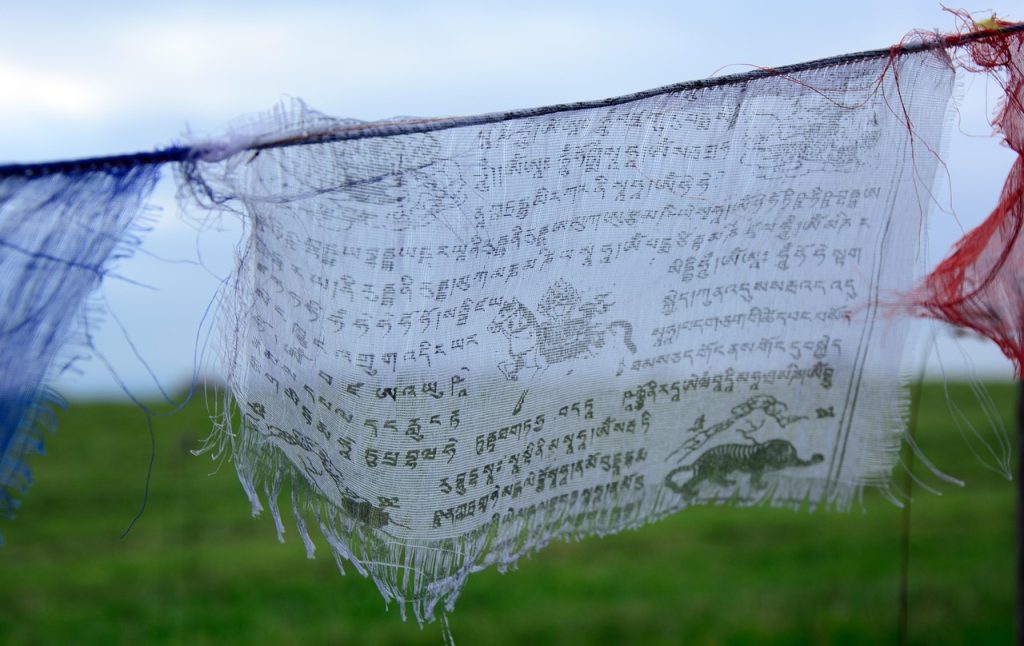
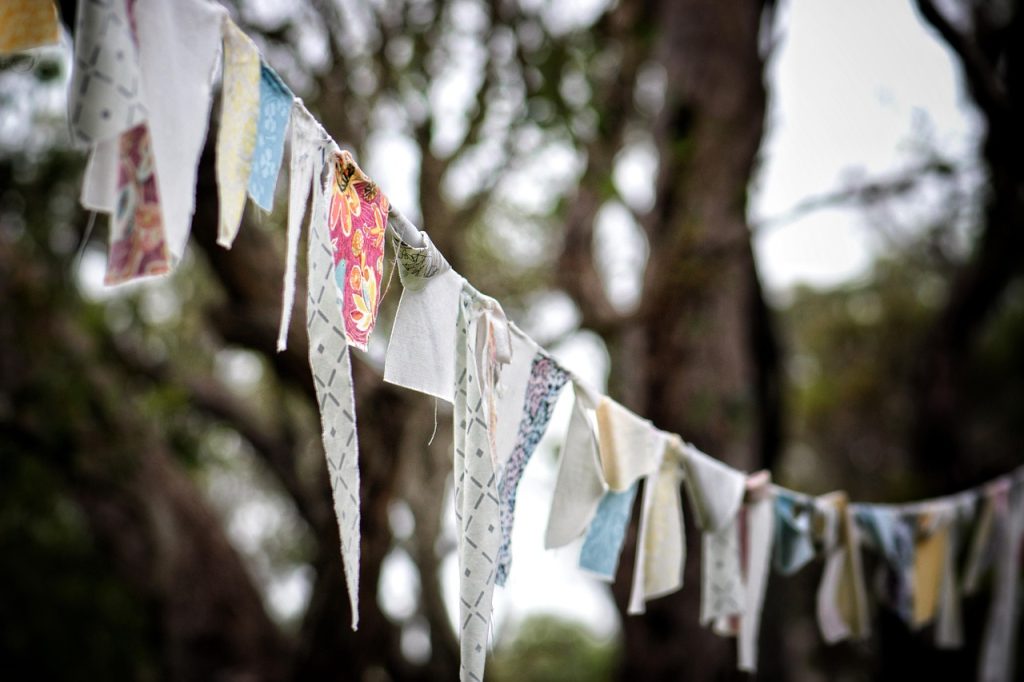
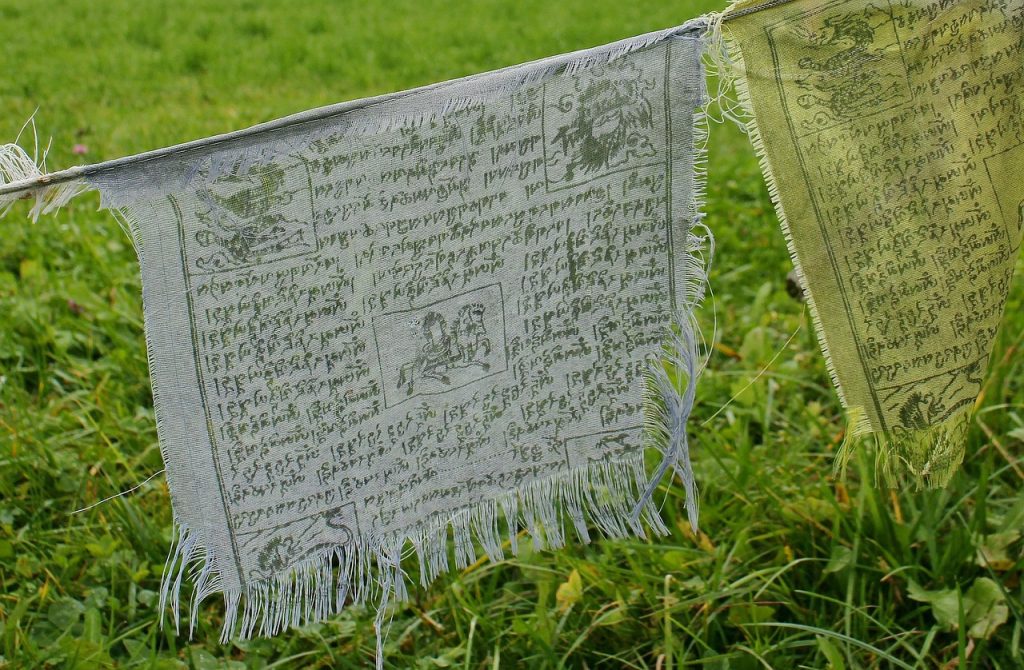
Tibetan traditions are saturated with the symbols and practices of Buddhist devotion, so much so that faith and custom are nearly one. The prayer flags that flutter from every pass, rooftop, and bridge are perhaps the most visible of these traditions, each printed with sacred texts that the wind is believed to carry outward as a blessing upon all beings.
Pilgrimage is another deeply rooted custom. Tibetans undertake long and arduous journeys to sacred mountains, lakes, and temples, some pilgrims measuring the entire distance in prostrations, lying full length upon the ground again and again across hundreds of miles. Around holy sites, pilgrims walk the circuit in a clockwise direction, turning prayer wheels and murmuring mantras as they go.
The rhythms of ordinary life, too, are marked by devotion. Butter lamps burn before household shrines; mantras are recited during daily tasks; offerings are made to local spirits and protective deities. The greeting customs, the offering of white scarves to honored guests, the reverence shown to elders and lamas all carry the imprint of a culture in which the sacred is never far from the everyday.
These traditions have proved remarkably durable, surviving upheaval and dispersion. Among Tibetan communities both on the plateau and in exile, the prayer flag still flies, the pilgrim still prostrates, and the butter lamp still burns, carrying an ancient devotional culture into the modern age with its essential character intact.
Thangkas, prayer wheels, and the sacred arts
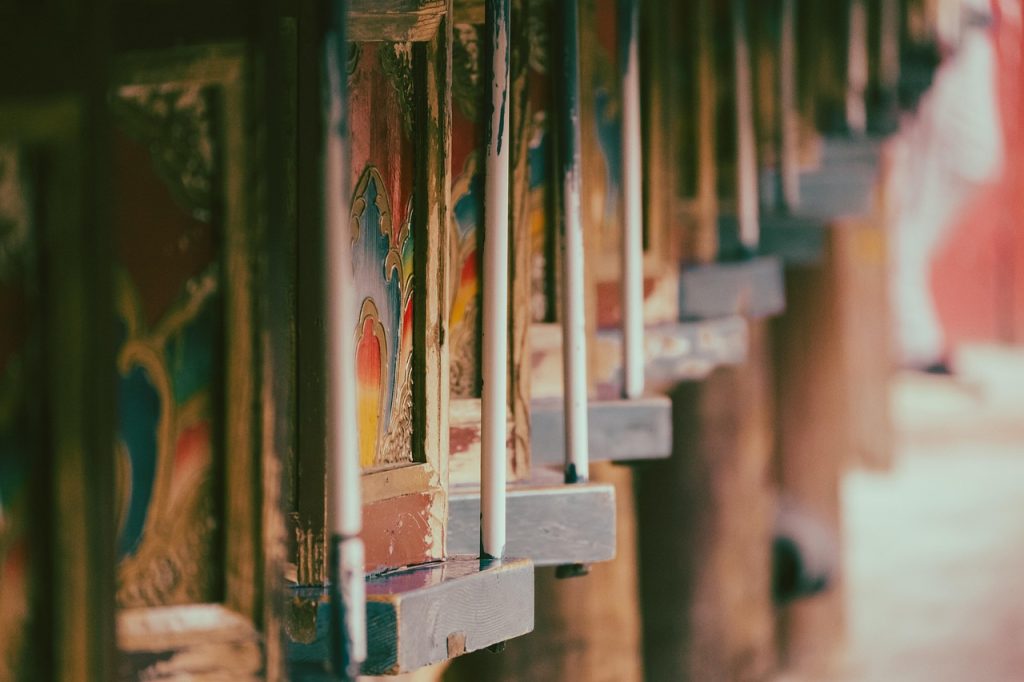
Tibetan art, like almost everything else in the culture, grew up in the service of religion. The most celebrated form is the thangka, a scroll painting of Buddhist deities and mandalas, executed according to strict iconographic rules and used as an aid to meditation and worship. Painted in brilliant mineral colors and often edged with silk, thangkas are among the treasures of Tibetan civilization.
Metalwork and sculpture flourished alongside painting. Tibetan craftsmen cast images of the Buddha and the deities in bronze and gilt, fashioned ritual implements such as bells and thunderbolt scepters, and crafted the prayer wheels, large and small, whose spinning is believed to release the sacred words inscribed within and upon them. The great prayer wheels at monasteries are turned by streams of pilgrims day after day.
Other crafts served both the sacred and the practical. Weavers made the woolen cloth and the carpets for which Tibet is famous; smiths worked silver and turquoise into the jewelry that Tibetans love; and the makers of the great ceremonial trumpets, drums, and masks equipped the elaborate rituals of the monasteries. Even everyday objects were often decorated with auspicious symbols and fine ornament.
Underlying all these arts was the conviction that beauty should serve devotion, that the skill of the hand should be offered to the sacred. The result was a material culture of extraordinary richness, in which the humblest ritual object and the grandest monastic mural alike bore witness to the faith that animated the whole of Tibetan life.
Butter tea and the food of the high country
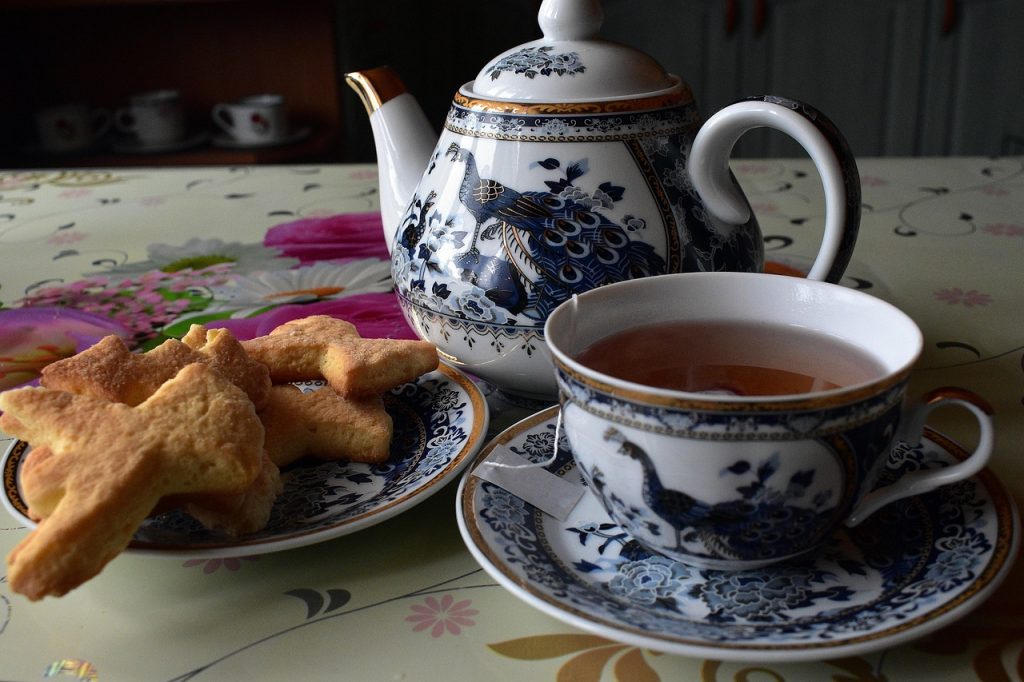
Tibetan food is the cuisine of a cold, high land where few crops grow and calories are precious. Its foundation is tsampa, flour made from roasted barley, which Tibetans mix with tea, butter, or water into a quick and nourishing meal. Portable, filling, and requiring no cooking, tsampa has sustained farmers, herders, and pilgrims across the plateau for centuries.
The other great staple is butter tea, a beverage that startles many outsiders but lies at the very heart of Tibetan life. Made by churning tea with salt and yak butter into a rich, warming brew, it replaces the fluids and fat that the body burns at high altitude and in bitter cold. A Tibetan may drink many cups a day, and offering tea to a guest is a basic courtesy.
Meat and dairy fill out the diet, as befits a herding people. Yak and mutton, often dried for keeping, provide protein; yogurt, cheese, and butter come from the herds. Vegetables were traditionally scarce on the high plateau, though they figure more in the milder valleys. Momos, the plump filled dumplings that Tibet shares with its Himalayan neighbors, are a beloved dish across the region.
Simple, hearty, and adapted to extremity, Tibetan food reflects the land that produced it. It is a cuisine built for endurance rather than variety, for warmth and strength in a place where both are hard-won. Yet within these constraints it has its own distinctive character, and the smell of butter tea and roasting barley is as much a part of Tibet as its mountains and its monasteries.
The great festivals of the Tibetan year
The Tibetan calendar, a lunar system with its own reckoning, is punctuated by festivals that blend the religious and the communal. The greatest is Losar, the Tibetan New Year, a celebration of several days marked by feasting, family gatherings, the cleaning and decorating of homes, religious observances, and the joyful welcoming of the year to come.
Many festivals are tied to the great events of the Buddha’s life and to the monastic calendar. Days commemorating the Buddha’s birth, enlightenment, and passing are observed with prayer, pilgrimage, and merit-making. Monasteries hold elaborate ceremonies, and at some the masked dances known as cham are performed, in which monks in fearsome costumes enact the triumph of the sacred over the forces of ignorance and evil.
Other celebrations mark the seasons and the sacred landscape. Festivals honor particular mountains and lakes, or celebrate the airing of a giant thangka unfurled across a hillside for the veneration of pilgrims. Harvest festivals, horse-racing gatherings on the northern grasslands, and incense offerings to local deities fill out a calendar rich in both solemn ritual and open rejoicing.
Through all these festivals runs the characteristic Tibetan union of devotion and delight. The same gathering that brings elaborate religious ceremony brings also feasting, song, dance, and the wearing of finest clothes and jewelry. Faith and festivity are not opposed in the Tibetan world but joined, each celebration an occasion both to worship and to rejoice.
Empire, lamas, and the long road of history
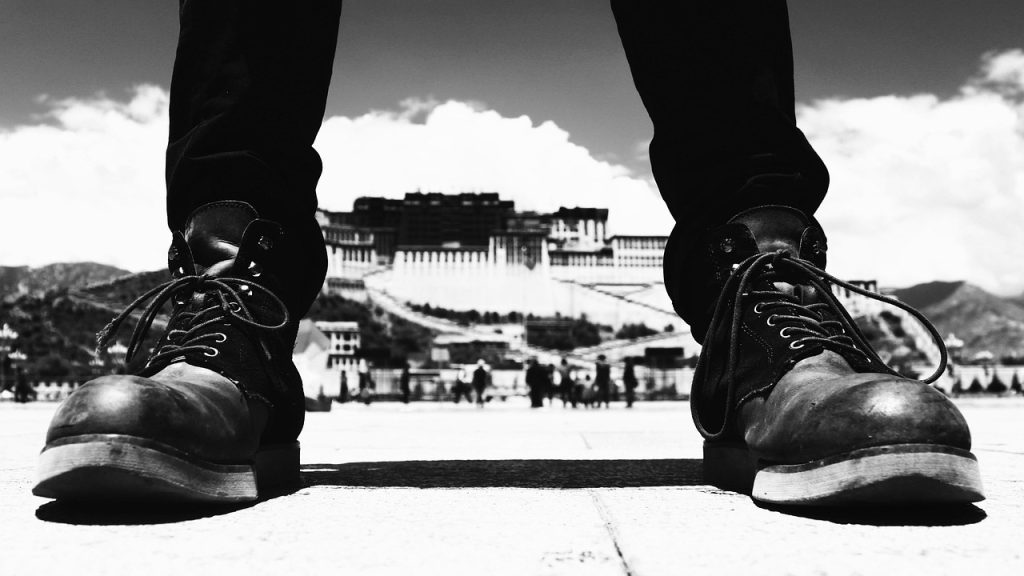
Tibetan history opens with the rise of a great empire. In the seventh through ninth centuries, the Tibetan Empire was a formidable power that at its height contended with Tang China, controlled long stretches of the Silk Road, and even briefly captured the Chinese capital. It was during this age that Buddhism took root, the script was created, and the foundations of Tibetan civilization were laid.
With the empire’s collapse came centuries of fragmentation, during which political unity was lost but Buddhism deepened its hold, reshaping Tibetan society around the monasteries. Power came to be exercised by religious figures and lineages as much as by secular lords, culminating in the rise of the Dalai Lamas, who from the seventeenth century united spiritual and temporal authority over central Tibet.
Tibet’s relations with its powerful neighbors, especially the Mongols and the successive dynasties of China, were long and complex, involving patronage, alliance, and periods of overlordship as well as stretches of effective independence. For much of the modern era Tibet functioned as a distinct society under the rule of its own religious government, remote and largely closed to the outside world.
The twentieth century brought the great rupture. In the 1950s Tibet was incorporated into the People’s Republic of China, and after an uprising in 1959 the fourteenth Dalai Lama fled into exile in India, followed by many thousands of Tibetans. The decades since have been marked by profound upheaval, the loss and partial rebuilding of the monasteries, and a continuing struggle over the future of Tibetan culture and identity.
The Tibetans in the world today
Today the Tibetans number several million, living mainly on their high plateau homeland within China and in smaller communities scattered across the Himalayan regions of neighboring countries. A further diaspora, born of the exile that began in 1959, has carried Tibetans and their culture to India, the West, and beyond, creating a global Tibetan presence unknown in earlier times.
Life on the plateau has been transformed by modernization. Roads, railways, and cities have reached places once almost inaccessible; education, health care, and economic development have changed the material conditions of life. At the same time, Tibetans face profound pressures on their language, religion, and traditional way of life, and the tension between development and cultural preservation runs through the modern Tibetan experience.
The exile community, for its part, has become a remarkable center of Tibetan cultural survival. In India and elsewhere, monasteries have been rebuilt, texts preserved, and the traditions of learning maintained, while the figure of the Dalai Lama has made Tibetan Buddhism known and admired around the world. The story of Tibet has become, to a striking degree, a global story.
Whatever the future holds, the Tibetans remain among the most distinctive of the world’s peoples, bearers of a civilization shaped by the highest land on earth and by one of humanity’s great religious traditions. From the roof of the world, the series turns next to another mountain people of China’s southwest, a people famed for their silver ornaments and their haunting songs: the Miao.
Keep Reading
If you found the Tibetans fascinating, you may enjoy meeting some of their neighbors across China:
You May Like
The Zaza, a Mountain People of Eastern Anatolia