There is a strange irony at the heart of the Manchu story. For nearly three centuries, this people ruled the largest and most populous empire on earth. Their emperors sat in the Forbidden City, their armies conquered from Mongolia to Tibet, and the very borders of modern China were drawn by their hand. And yet today, of the more than ten million people who claim Manchu descent, only a handful of elderly villagers in the far northeast can still speak the Manchu tongue. A people who once conquered China have, in a sense, been conquered by it.
The Manchus came out of the forests and river valleys of the northeast, the land the world once called Manchuria. They were hunters and horsemen, gatherers of ginseng and pearls, organized into a formidable military machine that swept south in 1644 and seized the throne of a collapsing empire. As the Qing dynasty, they would rule until 1912, the last of the imperial houses of China. Their legacy is everywhere in modern China, yet the people themselves have quietly dissolved into the vast Han majority around them.
This is the story of the Manchus: where they came from, how a small northern people came to rule a fifth of humanity, and how they gradually lost the language and customs that once set them apart. It moves through their name and their homeland, their old life in the forests, the banner system that bound them together, their beliefs and their arts, their food and their festivals, the long arc of the Qing, and the curious position they hold in China today.
- Out of the northern forests: where the Manchus began
- Why the name Manchu?
- A language on the edge of silence
- Manchuria, the land beyond the Wall
- Hunters, herders, and gatherers of the forest
- Bound by the banners
- Shamans, spirits, and the ceremonies of empire
- Customs at the crossroads of two worlds
- Brush, ink, and the arts of the court
- At the Manchu table
- Feasts, fireworks, and the turning year
- From the forests to the Forbidden City
- The Manchus in China today
Out of the northern forests: where the Manchus began
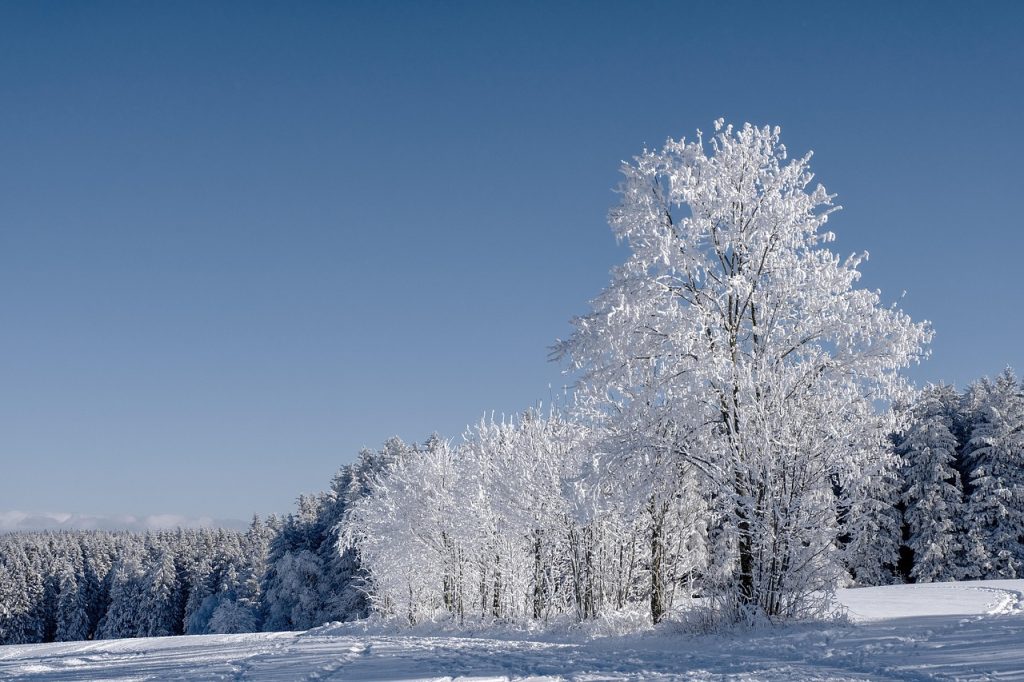
The ancestors of the Manchus were the Jurchen, a people of the northeastern forests whose name appears in Chinese records more than a thousand years ago. They lived among the wooded mountains and cold rivers of what is now northeastern China, a region of long winters, dense taiga, and short but fertile summers. Here they hunted, fished, gathered, and kept small plots of grain, living in scattered villages along the valleys.
The Jurchen were no strangers to power. In the twelfth century, one Jurchen confederation founded the Jin dynasty and ruled northern China for a hundred years before the Mongols swept them away. That memory of empire never entirely faded. For centuries afterward the Jurchen clans remained divided, trading and feuding among themselves, paying tribute to the Ming empire to the south while nursing ambitions of their own.
Out of this fragmented world rose a leader named Nurhaci, a chieftain of extraordinary ability who, in the late sixteenth and early seventeenth centuries, united the Jurchen clans one by one. He forged them into a single people with a common organization, a new script, and a shared purpose. His son would rename this people the Manchus and complete the transformation from forest clans into the rulers of an empire.
The origins of the Manchus thus lie not in China proper but in its northern frontier, in a world of forest and river utterly unlike the crowded farmlands of the south. Understanding that frontier is the key to understanding everything the Manchus later became.
Why the name Manchu?
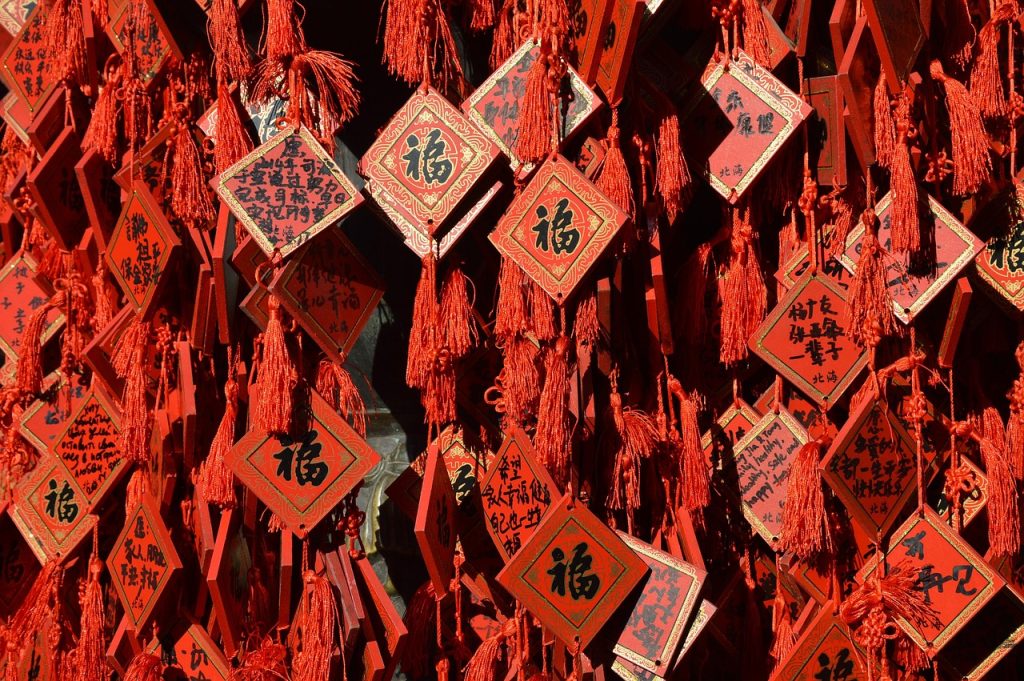
For most of their history, the ancestors of the Manchus were known as the Jurchen. The name Manchu itself is surprisingly recent. It was proclaimed in 1635 by Hong Taiji, the son of Nurhaci, who decreed that his people should abandon the old name and henceforth call themselves Manju, the word we render as Manchu. The change was deliberate, a way of announcing a new identity for a people about to claim the mandate of heaven.
The meaning of the word Manju has puzzled scholars for centuries. Some connect it to a Buddhist term, linking it to the bodhisattva Manjusri, whom the Manchu rulers came to identify with. Others trace it to older tribal or geographical names. The truth is uncertain, and the Manchu court itself was careful never to pin down a single explanation, preferring to let the name carry an aura of destiny.
A year after adopting the name, Hong Taiji declared the founding of the Qing dynasty, replacing the earlier Later Jin state his father had proclaimed. The choice of Qing, meaning pure or clear, was another act of reinvention. Within a decade this newly named people, ruling a newly named dynasty, would be masters of Beijing.
So the name Manchu is bound up with a moment of transformation, the instant when scattered forest clans reimagined themselves as a nation with a claim to the throne of China. It is a name that was chosen, not inherited, and that choice tells us much about the ambition of the people who made it.
A language on the edge of silence
Manchu belongs to the Tungusic family, a group of languages spoken across the forests of eastern Siberia and northeastern China. It is entirely unrelated to Chinese, being closer in structure to Mongolian and, more distantly, to Turkic tongues. When the Manchus conquered China, they brought with them a language as foreign to their new subjects as any European tongue would have been.
One of Nurhaci’s most important acts was to commission a script for the Manchu language, adapted from the Mongolian alphabet, which itself derived ultimately from Aramaic by way of the Uyghurs. This vertical script gave the Manchus a written language of their own, and during the Qing dynasty an enormous body of documents was produced in it. For historians, these Manchu archives are a treasure, often recording things the Chinese-language records leave out.
Yet the very success of the conquest doomed the language. Ruling over a hundred million Chinese subjects, the Manchus increasingly conducted business in Chinese. Generation by generation, Manchu families in the great cities forgot their ancestral tongue. By the nineteenth century even many emperors were more comfortable in Chinese than in Manchu, and the language survived mainly in remote garrisons and northern villages.
Today Manchu is one of the most endangered languages on earth. Fluent native speakers number only a few dozen, nearly all elderly, in isolated villages of the northeast. A closely related tongue, Xibe, survives more robustly among a community resettled in the far west, and it offers a living echo of what Manchu once was. Efforts to revive the language have begun, but the window is narrow and closing fast.
The fate of the Manchu language holds a wider significance. It stands as a warning of how quickly even the tongue of a ruling people can vanish when it loses the ground of daily use. A language spoken by emperors and recorded in millions of documents can dwindle, within a few generations, to a handful of elderly voices in remote villages, a reminder that no language, however powerful its speakers, is ever truly safe.
Manchuria, the land beyond the Wall

The Manchu homeland lay beyond the Great Wall, in the northeastern corner of China that the world long called Manchuria and that China today calls the Northeast. It is a vast region of forested mountains, broad plains, and great rivers, bounded by Mongolia to the west, Korea to the south, and the Russian Far East to the north and east.
This was a land of extremes. Winters were long and bitterly cold, with deep snow blanketing the forests for months. Summers were short, warm, and humid, coaxing brief but vigorous growth from the black soil of the plains. The rivers, above all the Amur and the Songhua, teemed with fish and served as highways through the wilderness.
At the heart of the region rose the Changbai mountains, a range the Manchus held sacred as the mythical birthplace of their ruling clan. From these forested heights flowed the rivers that watered the plains below, and in the woods grew the wild ginseng and the fur-bearing animals that made the region rich. The Manchus guarded their homeland jealously, and for much of the Qing period they tried to keep Chinese settlers out of it.
That effort ultimately failed. In the dynasty’s later centuries, waves of Han Chinese migrants poured into the Northeast, drawn by its fertile land. Today the Manchu homeland is overwhelmingly Han in population, its cities among the great industrial centers of China, its forests much diminished. Yet the landscape that shaped the Manchus, forest and river and mountain, still defines the region.
Hunters, herders, and gatherers of the forest

Before they were emperors, the Manchus were a people of the forest. Their old way of life combined hunting, fishing, gathering, herding, and farming in a flexible mix suited to their northern environment. Unlike the pure nomads of the steppe or the settled farmers of China, they drew on all these ways of living at once.
Hunting held pride of place, both as a livelihood and as a training for war. Manchu men hunted deer, boar, and bear in the forests, and mounted hunts on a grand scale served to keep their military skills sharp. The great imperial hunts of the Qing, staged in vast game parks, were a conscious echo of this forest heritage, a ritual reminder of what the Manchus had once been.
Gathering was equally important. The forests yielded wild ginseng, prized across China as a medicine and worth its weight in silver, along with pine nuts, mushrooms, and the pearls found in the northern rivers. The trade in these forest products brought wealth to the Manchu clans and drew them into commerce with the Chinese world to the south.
Farming and herding rounded out the picture. The Manchus kept horses, cattle, and pigs, and grew millet and other grains in the river valleys. This many-sided economy, neither wholly nomadic nor wholly settled, gave the Manchus a versatility that served them well when they turned from the forest to the conquest of an empire.
Bound by the banners
The institution that transformed the Manchus from scattered clans into a conquering nation was the banner system. Devised by Nurhaci and expanded by his successors, it organized the entire Manchu people into large military and social units, each identified by a colored banner. Every Manchu belonged to a banner, and through it to the state.
The banners were far more than army units. They were the framework of Manchu society, governing where people lived, whom they served, and how they were fed and paid. Under the Qing, bannermen and their families were supported by the state, settled in garrisons across the empire, and set apart from the ordinary Chinese population. To be a bannerman was to belong to a hereditary caste of servants of the dynasty.
The system was not purely Manchu. As the Qing state grew, it created Mongol banners and Han Chinese banners as well, incorporating allies and defectors into the same structure. This flexibility was one secret of Manchu success, allowing a small people to draw on the manpower of much larger ones while keeping the banner framework at the center.
Over the centuries, though, the banners ossified. The bannermen, forbidden to take up ordinary trades and increasingly dependent on state stipends, grew poorer and less warlike. What had begun as a dynamic military machine became a costly and idle caste. The decline of the banners mirrored the decline of the dynasty itself.
Shamans, spirits, and the ceremonies of empire
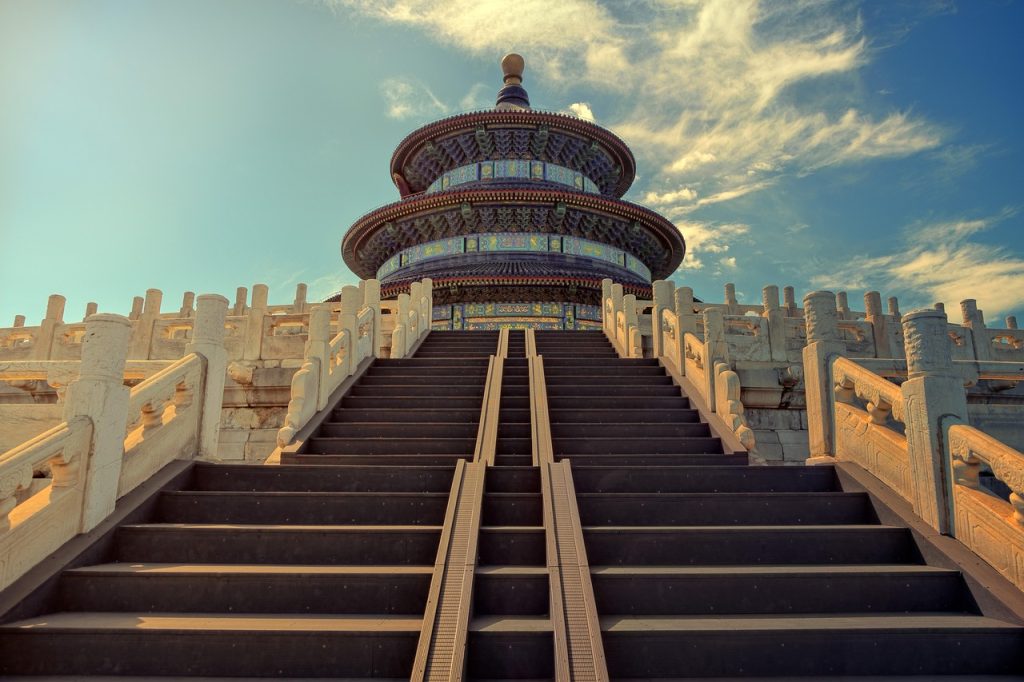
The oldest religion of the Manchus was shamanism, the forest faith they shared with other Tungusic peoples of the north. Shamans, who could be men or women, communed with spirits through trance, drum, and dance, healing the sick, foretelling the future, and mediating between the human world and the unseen powers of nature and the ancestors.
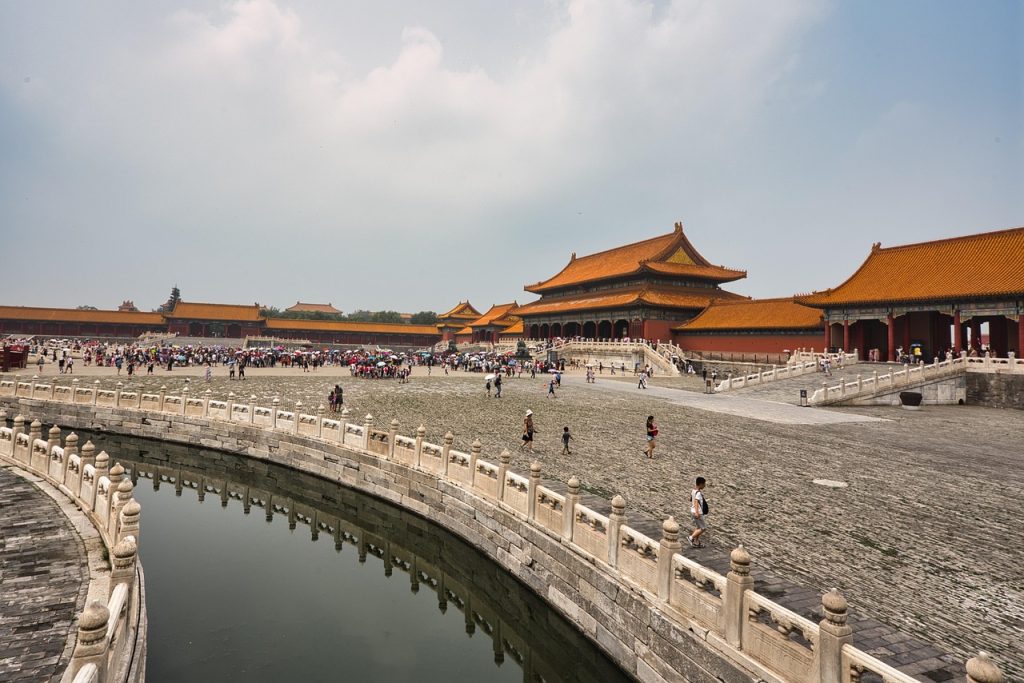
Shamanic ritual remained important even after the Manchus took the throne. The imperial family maintained its own shamanic ceremonies within the palace, sacrificing pigs and offering prayers to the spirits and ancestors of the ruling clan. A shrine for these rituals stood in the Forbidden City itself, a reminder that even the emperors of China clung to the forest faith of their fathers.
Yet the Manchus were also open to other religions. Their rulers patronized Tibetan Buddhism, both from genuine devotion and as a means of binding the Mongols and Tibetans to the empire. They honored Confucian traditions in governing their Chinese subjects, took part in the state cult of heaven, and tolerated the many faiths of their vast realm.
This religious flexibility was characteristic of the Manchus. They kept their ancestral shamanism close to their hearts while wearing the robes of Buddhist patron and Confucian emperor as the occasion demanded. Faith, for the Qing rulers, was woven into the art of holding together an empire of many peoples.
In the palace shrine where the imperial family kept its shamanic rites, the two worlds the Manchus straddled met most vividly. Here, at the very center of the Chinese empire, drums sounded and offerings were made to the spirits of the northern forest, in a ceremony that would have been familiar to a Jurchen clan chief centuries before. The forest faith survived at the heart of the Forbidden City long after it had faded elsewhere.
Customs at the crossroads of two worlds
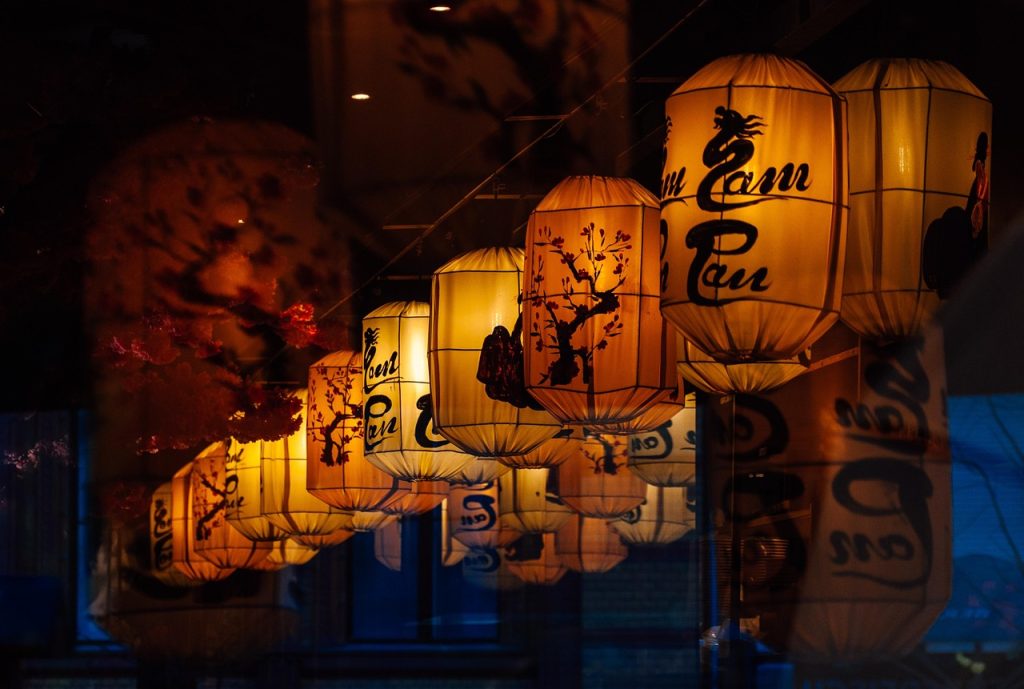
Manchu customs long marked them off from their Chinese subjects, and the Qing rulers worked hard to preserve these differences as badges of identity. The most visible was hairstyle and dress. Manchu men shaved the front of the head and wore the rest of the hair in a long braid, the queue, and after the conquest they imposed this style on Chinese men as a sign of submission.
Manchu clothing, too, differed from Chinese. The fitted riding coat, the horseshoe-shaped cuffs recalling the forest and the hunt, and for women the long one-piece gown that later evolved into the famous qipao all had Manchu roots. Manchu women, notably, did not bind their feet, a Chinese practice the Manchus disdained, and this alone set them visibly apart.
Marriage and family customs also had their own character. The Manchus reckoned descent through clans, each with its own name and its own ancestral rituals, and clan membership shaped everything from marriage choices to shamanic worship. Elaborate etiquette governed relations between generations and ranks, reflecting the disciplined society the banners had created.
Over time, of course, Manchu and Chinese customs blended. Living among the Han for generations, the Manchus adopted much of Chinese daily life, while lending some of their own customs, the qipao above all, to Chinese culture in return. The result was a slow merging of two worlds, in which the sharp lines of the early Qing gradually softened.
Brush, ink, and the arts of the court

Though they came from the forest, the Manchu rulers became among the greatest patrons of the arts in Chinese history. The Qing emperors, especially the long-reigning Kangxi and Qianlong, assembled vast art collections, sponsored monumental compilations of literature, and filled their palaces with painting, porcelain, and craftsmanship of the highest order.
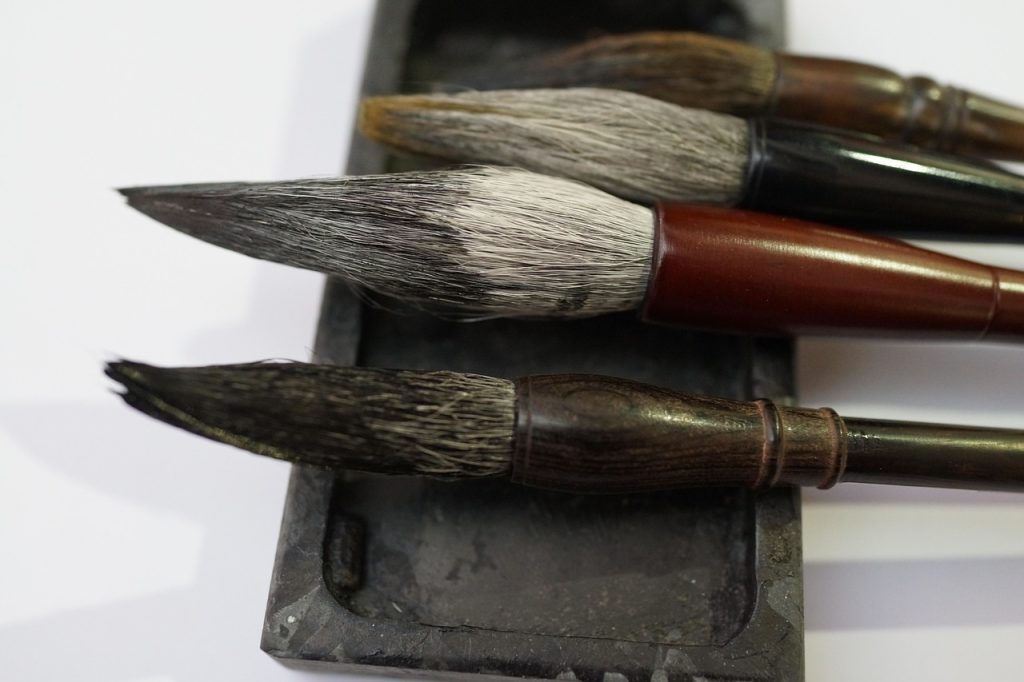
The Manchu court embraced the scholarly arts of China, above all calligraphy and brush painting. Emperors practiced calligraphy themselves and prided themselves on their command of Chinese learning, even as they promoted the study of the Manchu language and the recording of their own history. The great imperial workshops produced jade, lacquer, cloisonne, and silk of extraordinary refinement.
Alongside these courtly arts, the Manchus preserved crafts rooted in their forest past. Skill with the bow, the working of fur and leather, and the making of the ornaments and ritual objects used in shamanic worship all recalled an older way of life. Embroidery, too, flourished, decorating the robes of the court with dragons and auspicious symbols.
In their patronage of the arts, as in so much else, the Manchus stood at the meeting point of two traditions. They mastered the refined culture of the Chinese literati while never wholly abandoning the crafts of the northern forest, and the splendor of Qing art owes much to this fusion of frontier vigor and imperial polish.
At the Manchu table
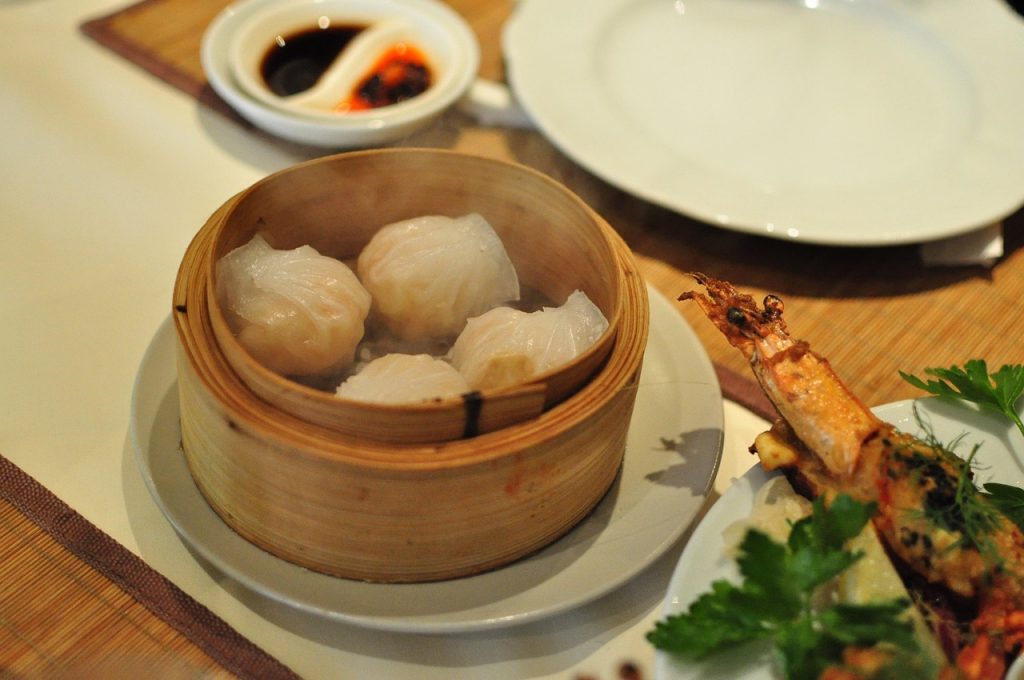
Manchu cuisine grew out of the hearty food of the cold north, built around meat, grain, and the produce of the forest. Pork held a special place, both as everyday food and as the sacrificial meat of shamanic ritual, and the Manchus were famous for their love of it. Boiled and roasted meats, stews, and preserved foods suited to long winters formed the heart of the old diet.
Grain dishes were equally important. Millet and later other grains were staples, and the Manchus were fond of steamed breads, pancakes, and above all dumplings, which remain a beloved dish across the Northeast to this day. Pickled vegetables, especially fermented cabbage, helped families through the long months when nothing grew.
The most legendary expression of Manchu cuisine was the so-called Manchu-Han Imperial Feast, a vast banquet said to feature scores of dishes served over several days, combining the delicacies of both peoples. Whether or not it was ever staged quite as legend describes, it stands as a symbol of the culinary meeting of Manchu and Chinese traditions at the height of the Qing.
Everyday Manchu food, by contrast, was simple and warming, the food of a people who knew hard winters. Dishes such as the sacrificial pork shared after shamanic rites, hot stews, and the ever-present dumplings carried the flavor of the forest homeland into the palaces of Beijing, and much of it survives in the regional cooking of northeastern China today.
Feasts, fireworks, and the turning year
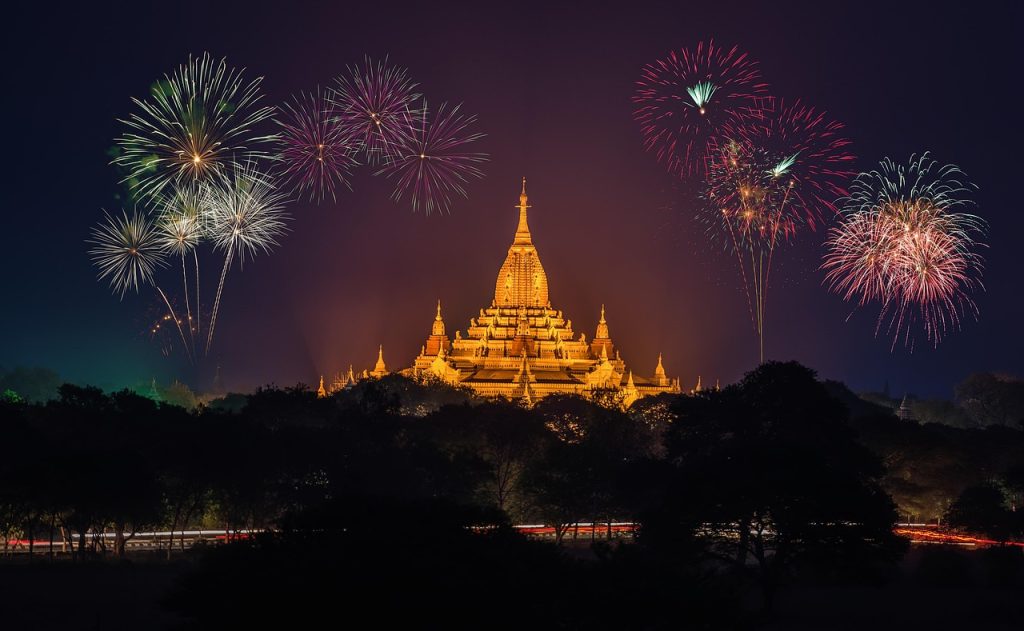
The Manchu festival calendar came in time to resemble that of China, centered on the great turning points of the lunar year, yet it kept touches of its own. The most important celebration was the New Year, a time of family reunion, feasting, and the honoring of ancestors, marked by fireworks, red decorations, and days of visiting and rejoicing.
Ancestral and shamanic rites gave the Manchu year its distinctive rhythm. Clans gathered to offer sacrifices to their ancestors and spirits, the shaman presiding over the drum and the dance, the sacrificial pork shared among the community. These gatherings bound the clan together and reaffirmed the ties of kinship that stood at the heart of Manchu society.
Seasonal observances echoed the old forest life. The great hunts of autumn, staged by the emperors in their game parks, were as much festival as sport, occasions of pageantry that gathered the banner nobility together. Other festivals marked the harvest, the solstices, and the milestones of the agricultural and ritual year.
As Manchu and Chinese life merged, so did their festivals, until the two were largely indistinguishable. Yet among Manchu communities working to revive their heritage today, older customs are being remembered and revived, and the distinctive festivals of the clan and the shaman are finding new life alongside the shared celebrations of the Chinese year.
From the forests to the Forbidden City
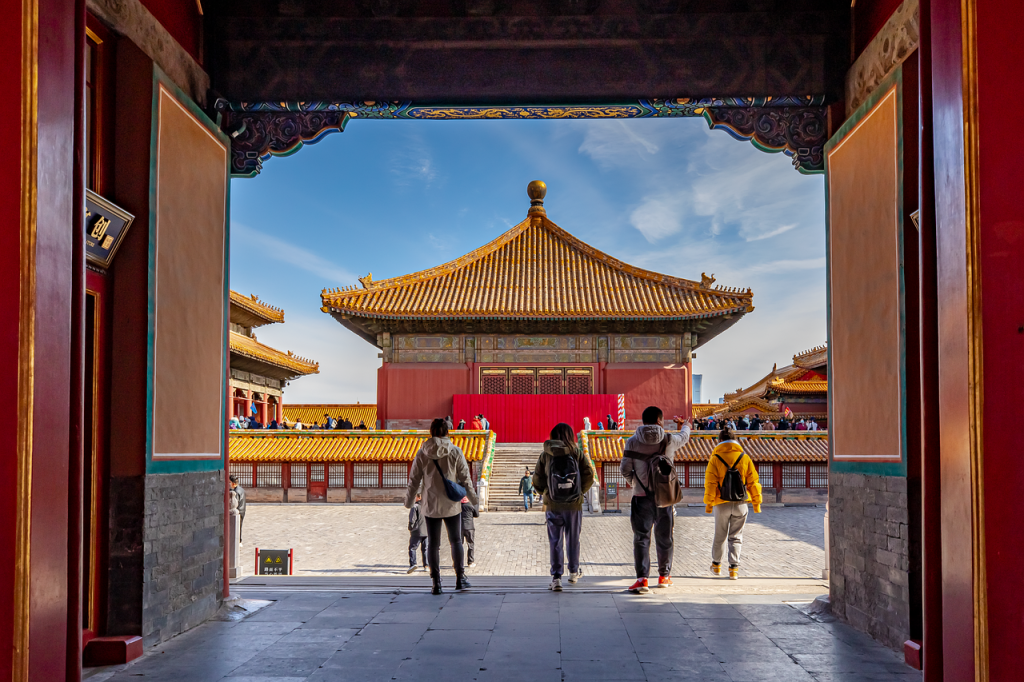
The great arc of Manchu history runs from the forests of the Northeast to the throne of China and back again to obscurity. It began with Nurhaci’s unification of the Jurchen clans and his open break with the Ming empire in the early seventeenth century. His successors built a state, a script, and an army, and waited for their chance.
That chance came in 1644, when rebellion and collapse engulfed the Ming. Invited through the Great Wall by a Ming general, the Manchu armies seized Beijing and proclaimed the Qing dynasty’s rule over China. Over the following decades they conquered the whole of the empire and vastly expanded it, bringing Mongolia, Tibet, and the far western regions under their control and shaping the borders of China as we know them.
The high Qing, under the emperors Kangxi, Yongzheng, and Qianlong, was an age of prosperity, expansion, and cultural splendor. But the nineteenth century brought disaster: population pressure, rebellion, and the arrival of aggressive European powers. Defeat in the Opium Wars, the catastrophic Taiping Rebellion, and mounting foreign encroachment steadily eroded the dynasty’s strength.
The end came in 1912, when the last emperor, a small child, abdicated and the Qing gave way to a republic. The fall of the dynasty was a perilous moment for the Manchus, now a small and resented minority who had lost the empire that defined them. Many hid their identity in the difficult decades that followed, and it is only in recent times that Manchu heritage has been openly claimed once more.
The Manchus in China today

Today the Manchus are one of the largest of China’s recognized minority peoples, numbering well over ten million. They live throughout the country, concentrated in the northeastern provinces that were once their homeland but scattered widely in the great cities as well. In most outward respects, they are indistinguishable from the Han majority among whom they live.
The great loss is the language. With only a handful of elderly speakers left, Manchu is on the very edge of extinction, and the everyday culture of most Manchus is now essentially Chinese. The customs that once set them apart, the queue, the distinctive dress, the clan rituals, have largely faded from daily life, surviving mainly in memory and in scholarship.
Yet a revival is underway. Since the late twentieth century, interest in Manchu heritage has grown, and communities have worked to teach the language, record the old customs, and reclaim a distinct identity. The vast Manchu-language archives of the Qing have drawn scholars from around the world, and the study of this once-imperial people is flourishing as never before.
The Manchu story is a remarkable one: a small forest people who conquered the largest empire on earth, only to be absorbed by the very civilization they ruled. It is a fitting prelude to another people of China’s frontiers, one whose homeland lies on the far side of the country, high on the roof of the world. From the frozen forests of the Northeast, the series turns next to the Tibetans, the people of the great plateau.
In this the Manchus offer a lesson that reaches beyond their own history. A conquering people may win an empire by the sword, yet find themselves slowly transformed by the older and larger civilization they have mastered. The Manchus ruled China, but China, in the end, absorbed the Manchus, and the story of how that happened is written in the fading of a language and the quiet blending of a people into the crowd.
You Might Also Like
If the Manchus caught your interest, here are a few other peoples of China worth getting to know: