Most of China’s recognized peoples can be placed on a map, a homeland shaded in on the great mosaic of nationalities. The Hui cannot, or not easily, for they are scattered across the length and breadth of the country, from the deserts of the northwest to the cities of the coast, living in nearly every province among their Han neighbors. And here lies the puzzle at the heart of who they are: the Hui look Chinese, speak Chinese, eat Chinese food, and are in almost every outward way indistinguishable from the Han around them. What sets them apart is not language or appearance but faith. The Hui are China’s Muslims, and Islam alone makes them a distinct people.
They are one of the largest minorities in the country, some ten million or more, and among the most fascinating, for they represent a thousand-year experiment in being at once fully Chinese and fully Muslim. Their ancestors were Arab and Persian traders, soldiers, and settlers who came to China along the Silk Road and the sea routes, married local women, and over generations became Chinese in everything but religion. The Hui are the living result of that long fusion, a people who wear the white cap of Islam and speak the language of Confucius.
This is the story of the Hui, the Muslims who are also Chinese. We will trace their origins in the traders of the Silk Road; the meaning of their name and the peculiarity of their language; their scattered homeland; the commercial life that has long been theirs; the society of the mosque and the Muslim quarter; their Islamic faith and its Chinese forms; their traditions; their distinctive architecture and crafts; their famous halal cuisine; their festivals; their long history in China; and their place today. Here is what follows:
- Traders From the Western Regions
- A Name for the Faithful
- Chinese Speech, Muslim Words
- A People Without a Single Homeland
- Merchants, Butchers, and Restaurateurs
- The Mosque and the Muslim Quarter
- Islam With Chinese Characteristics
- Learning, Custom, and the White Cap
- Mosques of Pavilion and Minaret
- The Masters of Halal Cooking
- The Two Eids
- A Thousand Years in the Middle Kingdom
- The Hui Today
Traders From the Western Regions
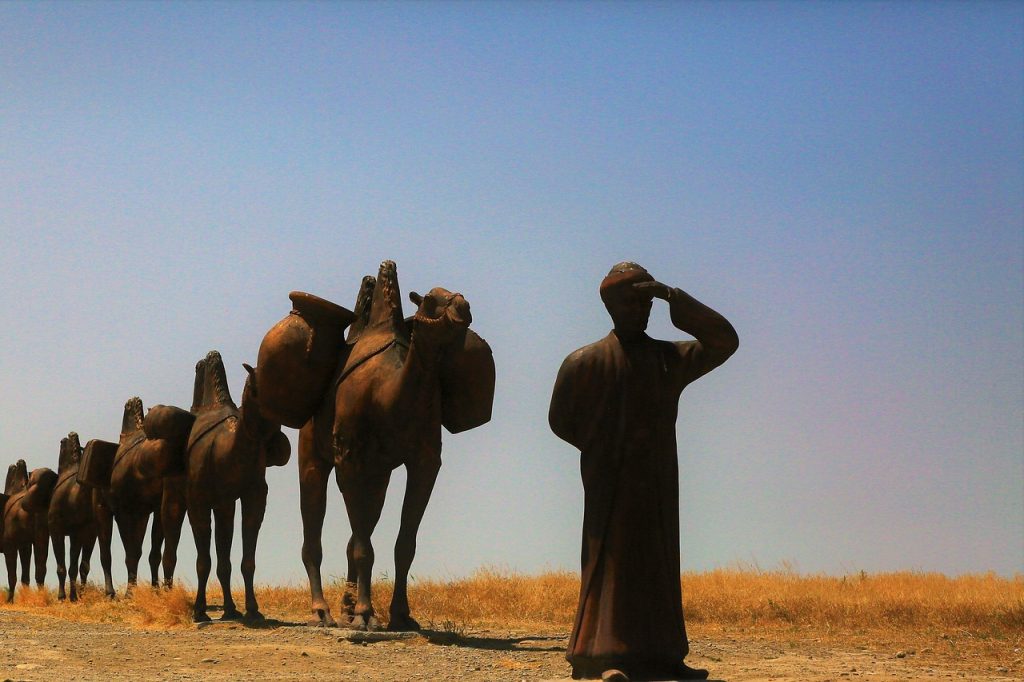
The story of the Hui begins on the great trade routes that linked China to the Islamic world, the overland Silk Road across Central Asia and the sea lanes that connected the Chinese coast to the Indian Ocean and the Middle East. From the early centuries of Islam, Muslim merchants, Arabs and Persians above all, traveled to China to trade, and communities of these foreign Muslims settled in the trading cities of the coast and the northwest, forming the seed from which the Hui would grow.
These early Muslim settlers were sojourners and traders, living in their own quarters in the great commercial cities, but over the generations they put down roots, married Chinese women, and raised families that were part Chinese from the start. Later, in the age of the Mongol empire, far larger numbers of Muslims from Central Asia and Persia were brought into China as administrators, soldiers, and craftsmen, greatly swelling the Muslim population and spreading it across the country.
Over the centuries these varied Muslim communities, of diverse foreign origins, gradually merged with one another and with the surrounding Chinese population, adopting the Chinese language and much of Chinese culture while retaining their Islamic faith. The Hui are thus not descended from a single people but are the product of a long fusion of many Muslim immigrant groups with the Han majority, a blending that produced, over the course of many generations, a new and distinctly Chinese Muslim people.
This origin as a fusion of immigrant Muslims and local Chinese explains the central paradox of the Hui: they are, in ancestry, partly descended from the Arabs, Persians, and Central Asians who came to China, and partly from the Chinese among whom they settled, and in culture they are overwhelmingly Chinese, marked off from the Han only by their religion. The Hui are, in a sense, Chinese people whose ancestors embraced Islam and never let it go.
A Name for the Faithful
The name Hui has a complex history, and in earlier times it was used broadly to refer to Muslims in China in general, of whatever origin, for the defining feature of the group was always their religion rather than their ancestry or language. Over time the name came to be attached specifically to the Chinese-speaking Muslims, distinguishing them from the Turkic-speaking Muslims of the far northwest and from other Muslim peoples of the country.
In the modern era, when the state classified the peoples of China into recognized nationalities, the Hui were defined as one of them, the Chinese-speaking Muslims, set apart from the other Muslim nationalities who had their own distinct languages. This official recognition made the Hui a nationality in the modern sense, even though what unites them is not a common language or a shared homeland, as with most nationalities, but a common religious heritage.
This makes the Hui unusual, even unique, among China’s recognized peoples, for they are defined essentially by religion, a nationality whose members share the Chinese language and much of Chinese culture with the Han majority but are distinguished by their Islamic faith and the customs that flow from it. To be Hui is, at its core, to belong to the community of Chinese Muslims, heirs to the long tradition of Islam in China.
The name thus carries a meaning quite different from that of most ethnic labels, marking not a linguistic or racial group but a religious community that has become, over the centuries, a distinct people. The Hui identity is inseparable from Islam, and yet it is thoroughly Chinese, a combination that has made the Hui a bridge between two great civilizations and a people who embody, in their very existence, the long encounter of China and the Islamic world.
Chinese Speech, Muslim Words
Unlike most of China’s minorities, the Hui do not have a distinct language of their own; they speak Chinese, the local dialect of wherever they happen to live, whether the Mandarin of the north or the dialects of other regions. In this they differ fundamentally from the Turkic-speaking Muslims of the northwest, and their use of Chinese is one of the clearest signs of their deep integration into the Chinese world over the long centuries of their history.
Yet the Chinese spoken by the Hui is marked by a distinctive layer of religious vocabulary drawn from Arabic and Persian, the languages of Islam, used for the concepts, practices, and objects of their faith. This sprinkling of Arabic and Persian terms through their Chinese speech is a marker of Hui identity, a linguistic sign of the Islamic heritage that sets them apart, and it reflects the way their religion has colored their whole culture.
In matters of religion, the Hui traditionally used Arabic, the sacred language of Islam, for the Quran and for worship, and religious scholars learned Arabic and Persian to study the texts of their faith. A tradition of Islamic learning in Chinese also developed, in which the concepts of Islam were expressed and explained in the Chinese language, sometimes drawing on the vocabulary of Confucianism and other Chinese traditions to render Islamic ideas, a remarkable intellectual bridging of two civilizations.
This layered linguistic world, Chinese in its everyday speech, Arabic and Persian in its religious vocabulary and learning, reflects the dual nature of the Hui as a Chinese-speaking Muslim people. Their language is a mirror of their identity, thoroughly Chinese yet marked at every turn by the words and concepts of Islam, and the maintenance of the religious vocabulary and the tradition of Islamic learning has been central to the preservation of their distinct identity within the Chinese world.
A People Without a Single Homeland

The Hui are, more than almost any other people, dispersed, scattered across the whole of China rather than concentrated in a single homeland, and this dispersal is one of their defining features. Hui communities are found in nearly every province and region, in the great cities and in countless towns and villages, living for the most part intermingled with the Han majority. There is no single Hui land, but rather a vast network of Hui communities spread across the country.
Nevertheless, the Hui are more numerous in some regions than others, and their densest concentration is in the arid northwest, where an autonomous region was established to acknowledge their presence, a dry land of loess hills and the Yellow River that is the closest thing the Hui have to a heartland. Here Hui villages and towns dot the countryside, and the Muslim presence is strong and visible, with mosques rising above the settlements.
Beyond this northwestern concentration, significant Hui populations are found across the country, in the southwest, in the cities of the center and the coast, and along the routes of the old Silk Road, a distribution that reflects the history of the group as descendants of traders and settlers who spread throughout China. Each Hui community adapted to its local environment, so that the Hui of different regions differ somewhat in their customs and way of life while sharing the common bond of their faith.
This dispersal has shaped the character of the Hui, making them a people accustomed to living as a minority among the Han, maintaining their distinct identity through their religion and its customs rather than through territorial concentration. The mosque and the Muslim quarter, rather than a homeland, became the anchors of Hui identity, and the ability to sustain a distinct Muslim life while dispersed among a non-Muslim majority is one of the remarkable achievements of the Hui over the centuries.
Merchants, Butchers, and Restaurateurs
Given their origins as traders on the Silk Road and the sea routes, it is fitting that commerce has long been the classic Hui calling, and the Hui became famous throughout China as merchants and traders, active in the markets and along the trade routes of the country. This mercantile tradition, inherited from their trading ancestors, gave the Hui a distinctive economic role and spread them along the commercial networks that linked the regions of China.
The requirements of their faith shaped the occupations of the Hui in particular ways, for the Islamic dietary laws, which forbid pork and require that animals be slaughtered in the prescribed manner, made the Hui specialists in the halal trades. Hui butchers, who could provide meat slaughtered according to Islamic law, and Hui restaurateurs and food sellers, who could offer halal food, became a familiar presence in Chinese cities, filling an economic niche defined by the needs of their religion.
The Hui were also found in a range of other occupations, as farmers in the countryside where they formed rural communities, as craftsmen and artisans, and, in earlier times, as soldiers and administrators, particularly in the periods when Muslims held prominent positions in the Chinese state. But it was above all as traders and as providers of halal food that the Hui were known, occupations that suited their dispersed, minority existence and the demands of their faith.
This economic role, centered on commerce and the halal trades, was well adapted to the situation of the Hui as a scattered Muslim minority, allowing them to sustain their communities and their distinct way of life while integrated into the Chinese economy. The Hui restaurant and the Hui butcher became institutions of Chinese urban life, and the reputation of the Hui as skilled traders and as masters of halal cooking spread their influence far beyond their own communities.
The Mosque and the Muslim Quarter
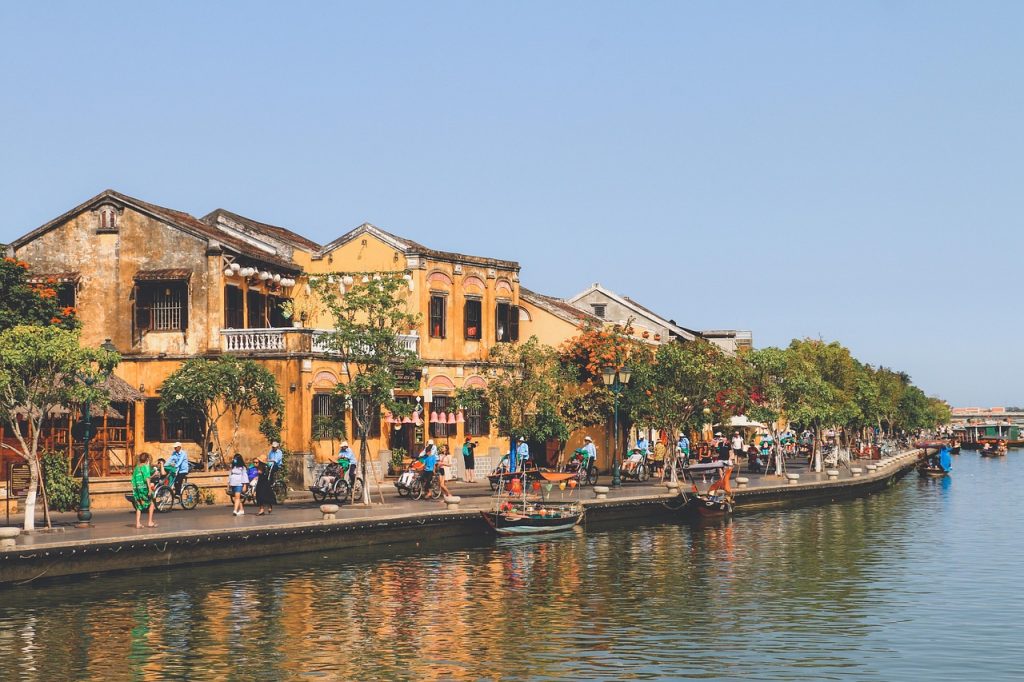
Hui society, dispersed across China, was organized around the local Muslim community, centered on the mosque and, in the cities, on the Muslim quarter where the Hui lived clustered together. The mosque was the heart of the community, not only a place of worship but a focus of social, educational, and communal life, and the community that gathered around it provided the framework of Hui identity and solidarity in a non-Muslim environment.
In the cities, the Hui often lived in their own quarters, near the mosque, where halal food was available and where the community could maintain its distinct way of life, and these Muslim quarters, with their mosques, their halal restaurants and butchers, and their particular atmosphere, were a characteristic feature of Chinese urban geography. The quarter provided a supportive environment where Hui customs could be observed and Hui identity sustained.
The religious leaders and scholars of the community, the imams who led the prayers and the teachers who instructed the young in the faith, held positions of respect and authority, and the tradition of Islamic education, conducted in the mosques, was central to the preservation of Hui identity. Through the mosque school, the young learned the fundamentals of their religion, the Arabic of the Quran, and the customs that marked them as Muslims, ensuring the transmission of the faith across the generations.
The values of Hui society emphasized the bonds of the Muslim community, the observance of the religious duties and dietary laws that marked them as distinct, and the mutual support of fellow believers in a society where they were a minority. Marriage within the community was traditionally preferred, helping to preserve the group’s identity, and the network of Hui communities across China, linked by their common faith and by ties of kinship and trade, formed a dispersed but cohesive people.
Islam With Chinese Characteristics
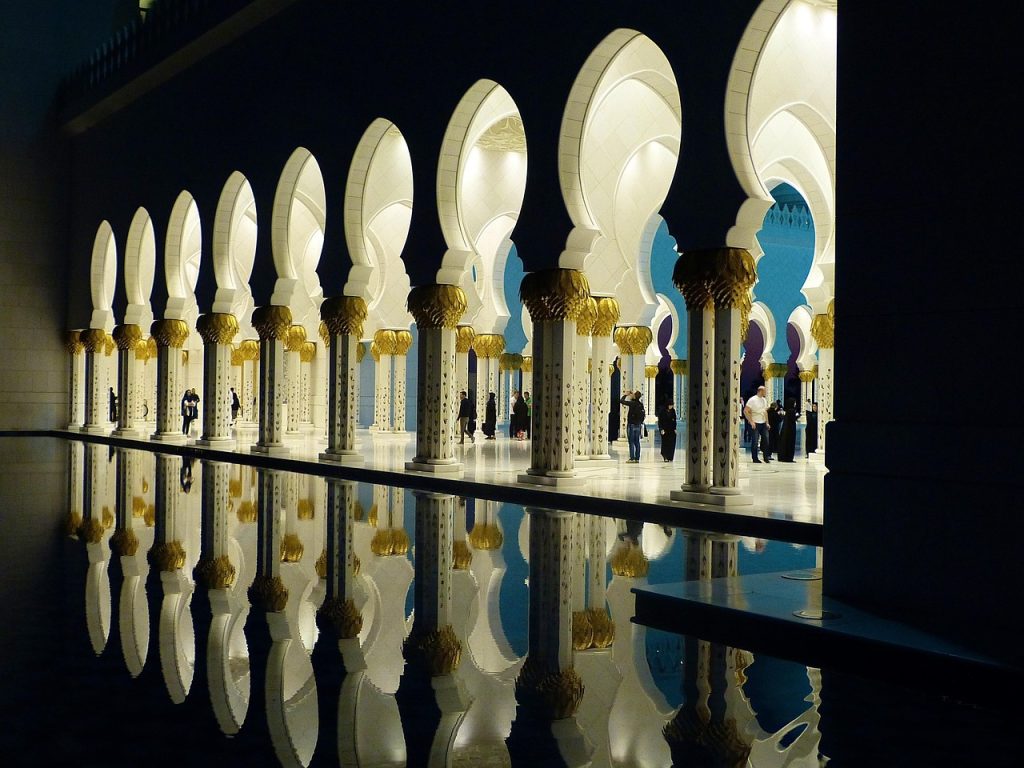
The Hui are Sunni Muslims, and Islam is the very foundation of their identity, the single element that distinguishes them from the Han majority and unites them as a people. They observe the fundamental duties of the faith, the profession of belief, the daily prayers, the fast of the holy month, the giving of alms, and the pilgrimage for those able to make it, and their religion structures their lives, their customs, and their sense of who they are.
Yet the Islam of the Hui developed distinctive Chinese forms over the long centuries of their existence in China, adapting to the Chinese environment while preserving its essential character. A remarkable tradition of Islamic scholarship in the Chinese language arose, in which Muslim scholars explained the concepts of their faith using the vocabulary and framework of Chinese thought, seeking to demonstrate the harmony of Islam with the Confucian values of the surrounding society, a unique intellectual synthesis.
Hui Islam also encompassed a range of traditions and movements, including Sufi orders with their mystical practices and veneration of saints, which took root among the Hui, particularly in the northwest, and gave rise to distinctive brotherhoods and communities. Over the centuries these various currents, from the older established traditions to later reform movements, made Hui Islam a rich and sometimes contested religious landscape, reflecting the diversity of the Muslim world.
Through all its Chinese adaptations and internal diversity, the Islam of the Hui remained recognizably part of the wider Muslim world, connecting the Hui to the global community of the faith even as they lived at its eastern edge, thoroughly integrated into China. This dual belonging, to China and to Islam, is the essence of the Hui, and their religion, in its distinctive Chinese forms, is the thread that has held them together as a people through a thousand years.
Learning, Custom, and the White Cap
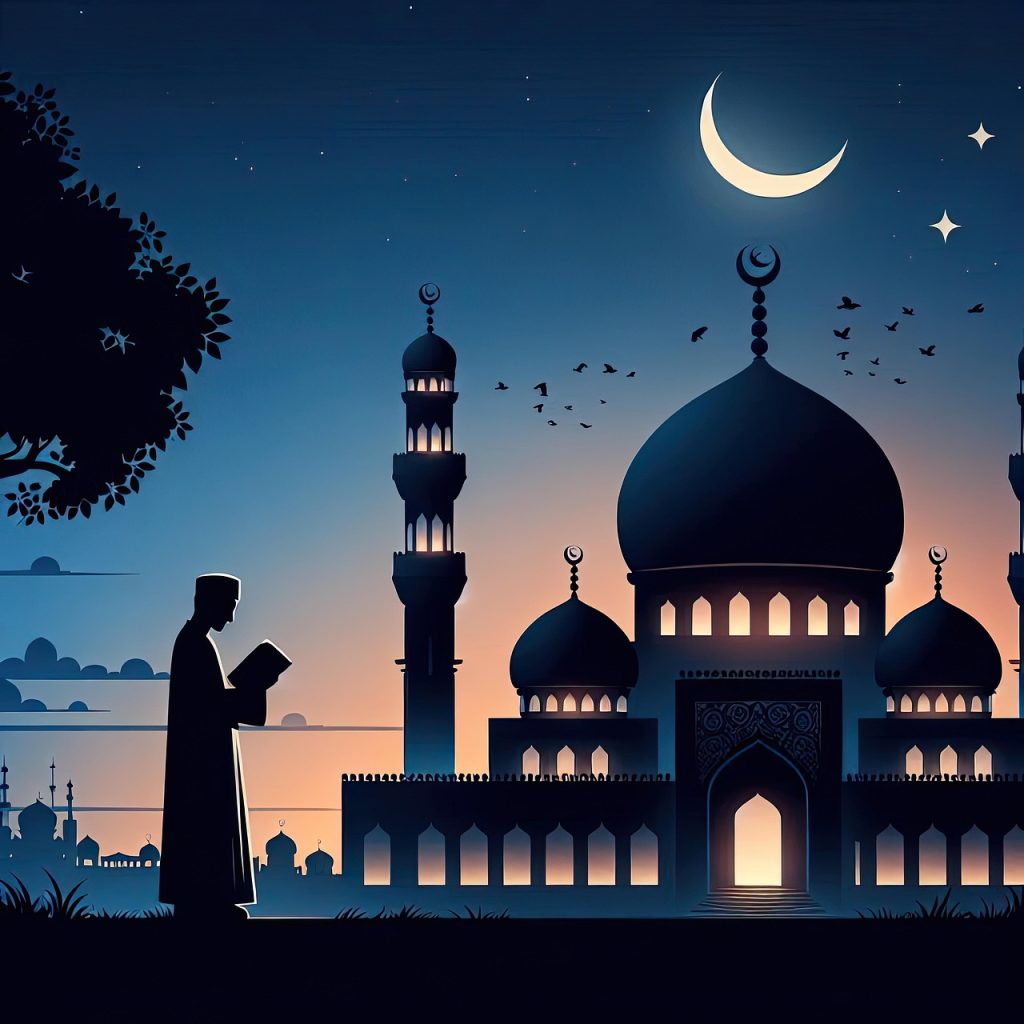
The traditions of the Hui flow above all from their religion, for it is the observance of Islamic customs that marks them as distinct in a Chinese environment, and these customs pervade their daily life. The most visible marker is dress, above all the white cap worn by Hui men and the head coverings worn by Hui women, signs of Muslim identity that distinguish the Hui at a glance from their Han neighbors and that they wear with pride.
The dietary laws of Islam are perhaps the most important of the customs that shape Hui life, for the avoidance of pork, the staple meat of Chinese cuisine, and the requirement of halal food set the Hui apart at the most basic level of daily life and shaped their occupations, their social relations, and their distinct culinary tradition. The observance of these laws is a central marker of Hui identity, maintained even by those who are otherwise little different from the Han.
The rites of passage of Hui life, the naming of children, circumcision, marriage, and the washing and burial of the dead according to Islamic practice, follow Muslim custom, distinguishing the Hui from the surrounding society at the great moments of life. Marriage traditionally took place within the community, and the customs surrounding it blended Islamic requirements with Chinese wedding traditions, a characteristic fusion of the two heritages.
The tradition of Islamic learning, conducted in the mosque schools, was central to Hui culture, and literacy in Arabic for religious purposes, alongside the Chinese literacy shared with the wider society, marked the educated Hui. Through the transmission of religious knowledge, the observance of the dietary laws and the customs of the faith, and the wearing of the distinctive dress, the Hui maintained their identity as a Muslim people across the generations, distinct within the Chinese world.
Mosques of Pavilion and Minaret
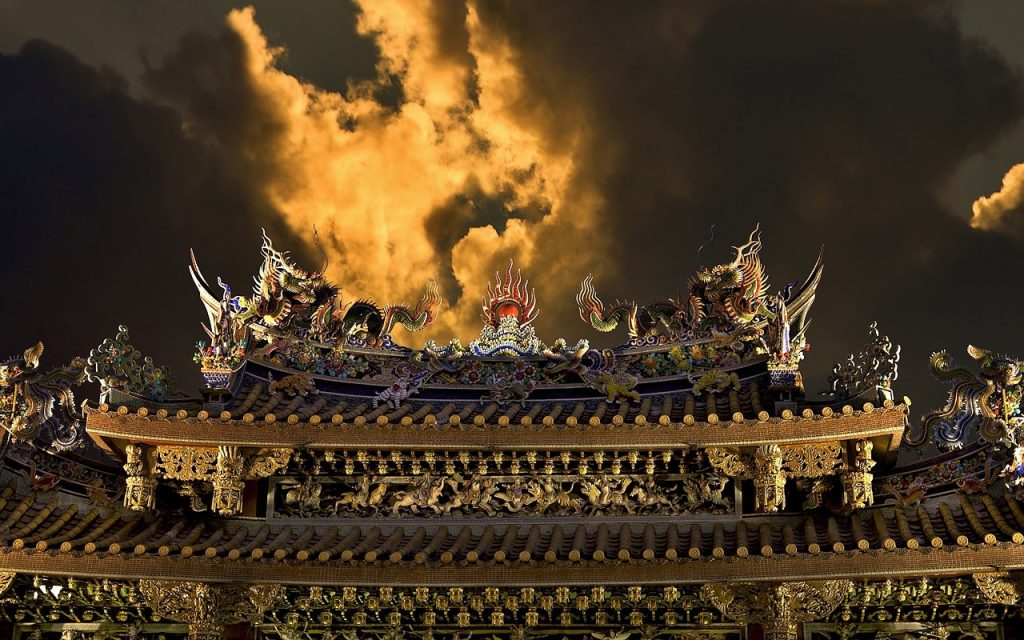
The most distinctive artistic achievement of the Hui is their mosque architecture, which produced a remarkable fusion of Islamic function and Chinese form. Many traditional Hui mosques were built in the Chinese architectural style, with the tiled roofs, upturned eaves, courtyards, and wooden construction of Chinese temples and palaces, so that from the outside they resemble Chinese religious buildings, while serving the needs of Islamic worship within. This synthesis is one of the glories of Hui culture.
These Chinese-style mosques, with their pavilions and their pagoda-like minarets, their courtyards and their carved and painted decoration, adapted the Chinese architectural tradition to Islamic purposes, orienting the building toward the sacred direction and providing the spaces required for prayer while employing the forms and techniques of Chinese building. They stand as monuments to the successful fusion of two great civilizations that the Hui embody, at once thoroughly Chinese and unmistakably Islamic.
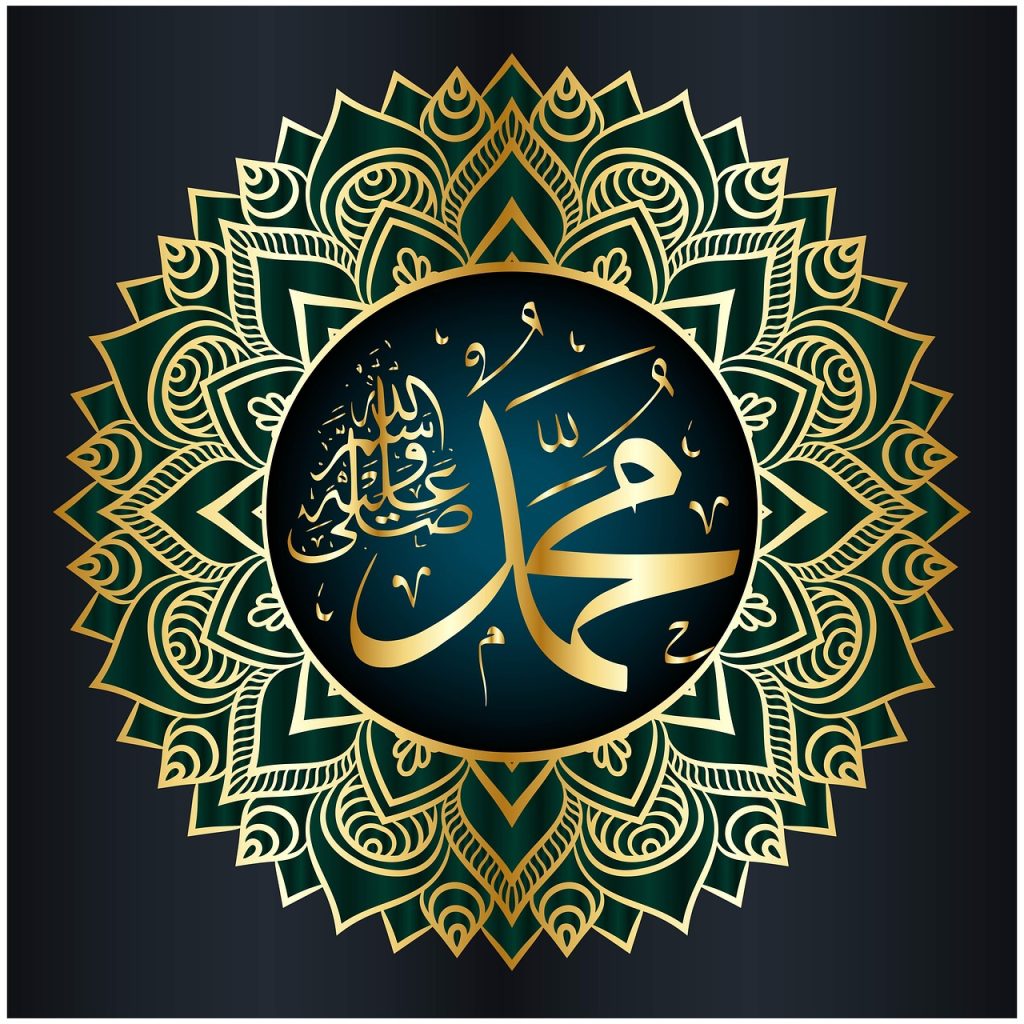
A distinctive Hui art is the calligraphy that combines the Arabic script with Chinese aesthetic sensibilities, producing a unique style in which Arabic religious texts are rendered with the fluid, expressive quality of Chinese brushwork. This Sino-Arabic calligraphy, adorning mosques and religious objects, is a beautiful expression of the dual heritage of the Hui, marrying the sacred script of Islam with the artistic traditions of China.
Beyond architecture and calligraphy, the Hui practiced the crafts common to their regions and occupations, and their material culture reflected both their Chinese environment and their Islamic faith. But it is the mosques above all, with their Chinese roofs and their Islamic purpose, that stand as the enduring monuments of Hui civilization, embodying in stone and timber the remarkable synthesis of China and Islam that is the essence of the Hui.
The Masters of Halal Cooking
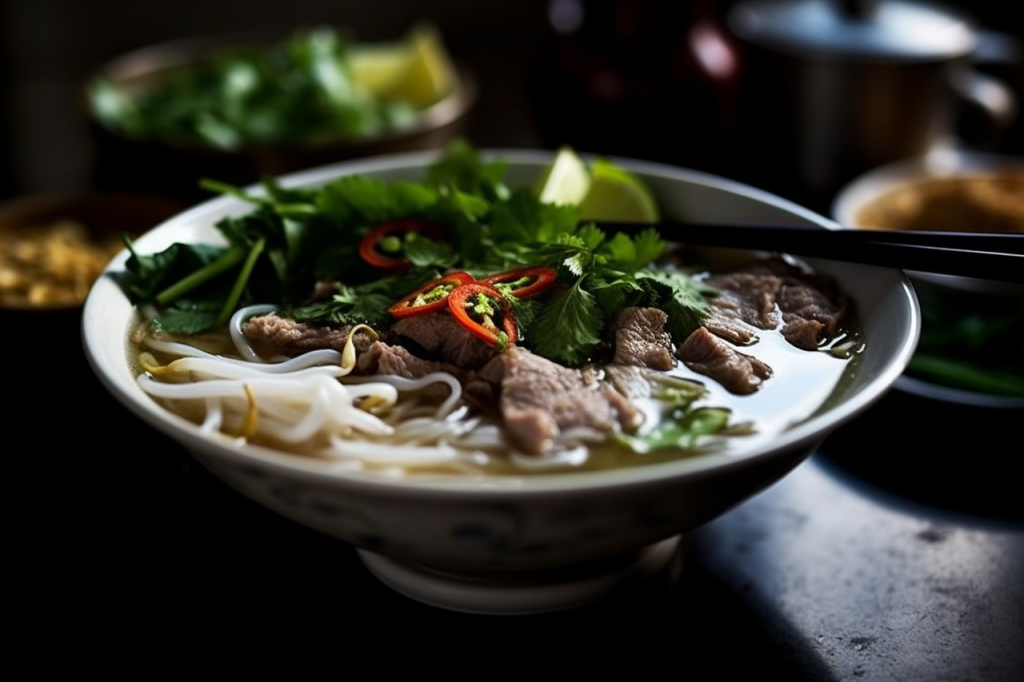
The Hui have made a distinctive and beloved contribution to Chinese cuisine through their halal cooking, a tradition shaped by the Islamic dietary laws that forbid pork and require halal meat, and that has produced some of China’s most popular dishes. Hui cuisine adapts Chinese cooking to Islamic requirements, centering on beef and lamb in place of the forbidden pork, and it has spread far beyond the Hui community to become a cherished part of the wider Chinese food culture.
The most famous of all Hui dishes is the hand-pulled beef noodle soup, a fragrant bowl of noodles stretched by hand and served in a clear, spiced beef broth, a dish associated above all with a great city of the northwest and now beloved throughout China and beyond. This noodle soup, found in Hui restaurants across the country and around the world, is perhaps the single most successful ambassador of Hui culinary culture, a humble dish raised to an art.
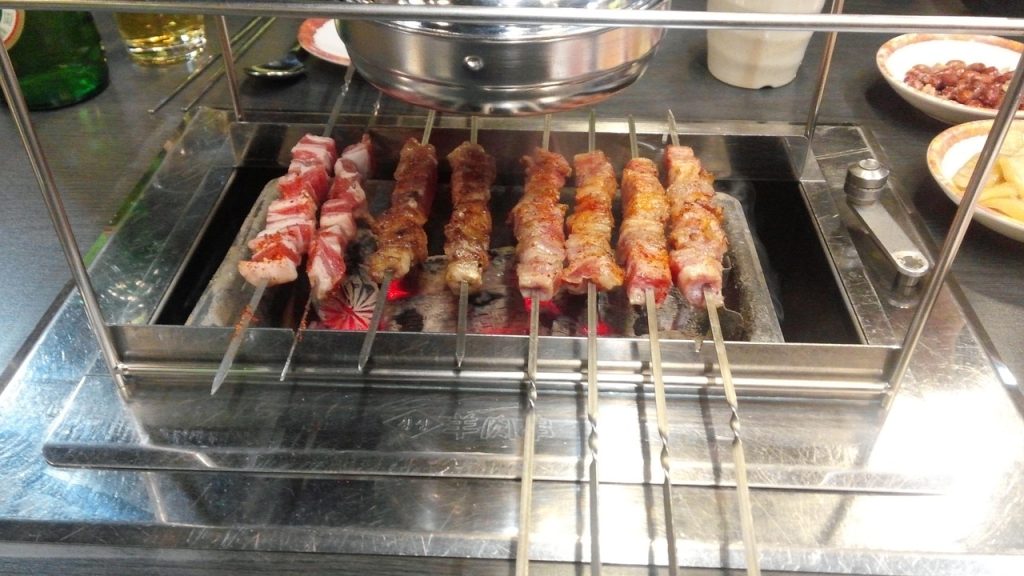
Lamb and beef, grilled as skewers seasoned with cumin and chili, stewed, or served in a host of other preparations, are central to Hui cuisine, and the Hui are famous for their skill with these meats. Alongside the meat dishes, the Hui prepare distinctive breads, pastries, and other foods, and the halal restaurants and food stalls of the Hui, with their beef noodles and their lamb skewers, are a familiar and welcome presence in Chinese towns and cities.
The offering of food is central to Hui hospitality, as it is throughout Chinese and Islamic cultures, and the great festivals of the faith are marked by special dishes and feasting. Through their halal cuisine, the Hui have enriched the food culture of China, contributing dishes that have become national favorites, and the reputation of the Hui as masters of halal cooking has carried their influence into every corner of the country and to Chinese communities around the world.
The Two Eids
The festivals of the Hui are those of the Islamic calendar, distinguishing them from the Han majority whose great festivals follow the traditional Chinese calendar, and the two Eids are the high points of the Hui year. The Eid that ends the holy month of fasting is a joyful celebration, marking the completion of the fast with communal prayers, feasting, new clothes, and visiting, a time of happiness and renewal after the discipline of the fasting month.
The Eid of sacrifice, associated with the pilgrimage season, is the other great festival, centered on the sacrifice of an animal and the sharing of its meat with family, neighbors, and the poor, a ritual of devotion and generosity observed by the Hui as by Muslims everywhere. These festivals gather the community at the mosque for the special prayers and fill the Hui quarters with celebration, expressions of the faith that defines the Hui as a people.
The observance of these Islamic festivals, according to the lunar calendar of the faith, marks the distinct rhythm of Hui life, set apart from the festival calendar of the surrounding Chinese society, and the celebration of the Eids is among the most important expressions of Hui identity. In the gathering for prayer, the feasting, and the sharing of meat, the Hui affirm their membership in the global community of Islam and their distinct identity within China.
Alongside the great festivals, the Hui mark the other observances of the Islamic calendar and the rites of passage of life according to Muslim custom, and in some communities, particularly those influenced by Sufi traditions, the commemoration of saints and other special occasions add to the religious calendar. Through the observance of the festivals and holy days of Islam, the Hui maintain the distinct religious rhythm that sets them apart and binds them together as China’s Muslim people.
A Thousand Years in the Middle Kingdom
The history of the Hui in China stretches back well over a thousand years, to the arrival of the first Muslim traders in the great age of the Tang dynasty, when China was open to the world and merchants from the Islamic lands settled in its cosmopolitan cities. From these beginnings the Muslim presence in China grew, swelled greatly during the Mongol period when large numbers of Muslims entered China, and gradually coalesced into the Hui people through the long fusion of immigrants and locals.
For much of this history the Hui occupied a distinctive place in Chinese society, at times prominent in trade, administration, and the military, and generally integrated into the fabric of the country while maintaining their distinct faith. Muslims rose to high positions in some periods, and the Hui contributed to Chinese society in many fields, their dual heritage making them valuable intermediaries in China’s relations with the Islamic world.
The history of the Hui was not without conflict, and there were periods of tension and, at times, of violent upheaval, particularly in the later imperial era, when major revolts involving Hui and other Muslims erupted in parts of the country amid the broader crises of the age, met with harsh repression. These episodes, tragic and bloody, were part of the complex history of a Muslim minority within a vast non-Muslim empire, a relationship that was mostly peaceful but sometimes strained.
In the modern era the Hui were recognized as one of the nationalities of China, their identity as a distinct people formally acknowledged, and an autonomous region was established in their northwestern heartland. The Hui navigated the great transformations of modern Chinese history, and their long presence in the country, their integration into Chinese society, and their maintenance of their distinct Muslim identity made them a unique and enduring element of the Chinese national mosaic.
The Hui Today
Today the Hui are among the largest and most widely dispersed of China’s minority peoples, numbering over ten million and found in every corner of the country, from their northwestern heartland to the great cities of the coast. Their situation is in many ways distinctive among China’s Muslims, for their deep integration into Chinese society, their use of the Chinese language, and their long history in the country have given them a place different from that of the Turkic Muslims of the far northwest.
The Hui continue to maintain their distinct identity through their faith and its customs, through the mosque and the halal tradition, through the observance of the dietary laws and the festivals of Islam, even as they share so much with the Han majority among whom they live. Their mosques, their restaurants, and their communities remain visible across China, and the white cap and the halal sign are familiar features of the Chinese urban landscape.
Like all religious communities in China, the Hui navigate the relationship between their faith and the policies of the state, and the practice of religion faces various regulations and pressures, the balance shifting with the times. Yet the Hui, by virtue of their long integration and their Chinese character, have generally occupied a less fraught position than some other Muslim groups, and their distinctive synthesis of Chinese and Islamic identity has proven remarkably durable through the centuries.
The Hui stand, in the end, as a living testament to the long encounter of China and Islam, a people who have been fully Chinese and fully Muslim for a thousand years, embodying in their very existence the possibility of belonging to two great civilizations at once. Their story unfolds across the whole of China, and it connects to that of the other Muslim peoples of the land and to the wider mosaic of nationalities. Among the most storied of China’s peoples are those who once ruled the whole empire from the northeast, the Manchus, and it is to them that we turn next.
You May Like
The Zaza, a Mountain People of Eastern Anatolia


2 thoughts on “Chinese in Everything but Faith, the Story of the Hui”