The Marathi people gave India one of its greatest warrior traditions, its richest film and financial capital, and a fierce spirit of independence that once humbled the mighty Mughal Empire. From their rugged homeland of forts and mountains in western India, they built an empire that for a time dominated the subcontinent, and today they form one of the largest and most dynamic peoples of the country, centered on the unstoppable megacity of Mumbai. Proud, hardy, and intensely attached to their language and history, the Marathi people are among the defining nations of modern India. This is the story of the people of Maharashtra, the great land.
In This Article
- The Great Land
- The Roots of the Marathi Tongue
- Shivaji and the Maratha Empire
- Caves Carved From Living Rock
- Mumbai, the City of Dreams
- The God of Beginnings
- Saints, Reformers, and the Life of the Mind
- The Marathi Table
- A People of Pride and Enterprise
- The Roots of the Tongue and Its Literature
- Cricket, Cinema, and Modern Passions
- From Mountain Forts to Global Heights
The Great Land
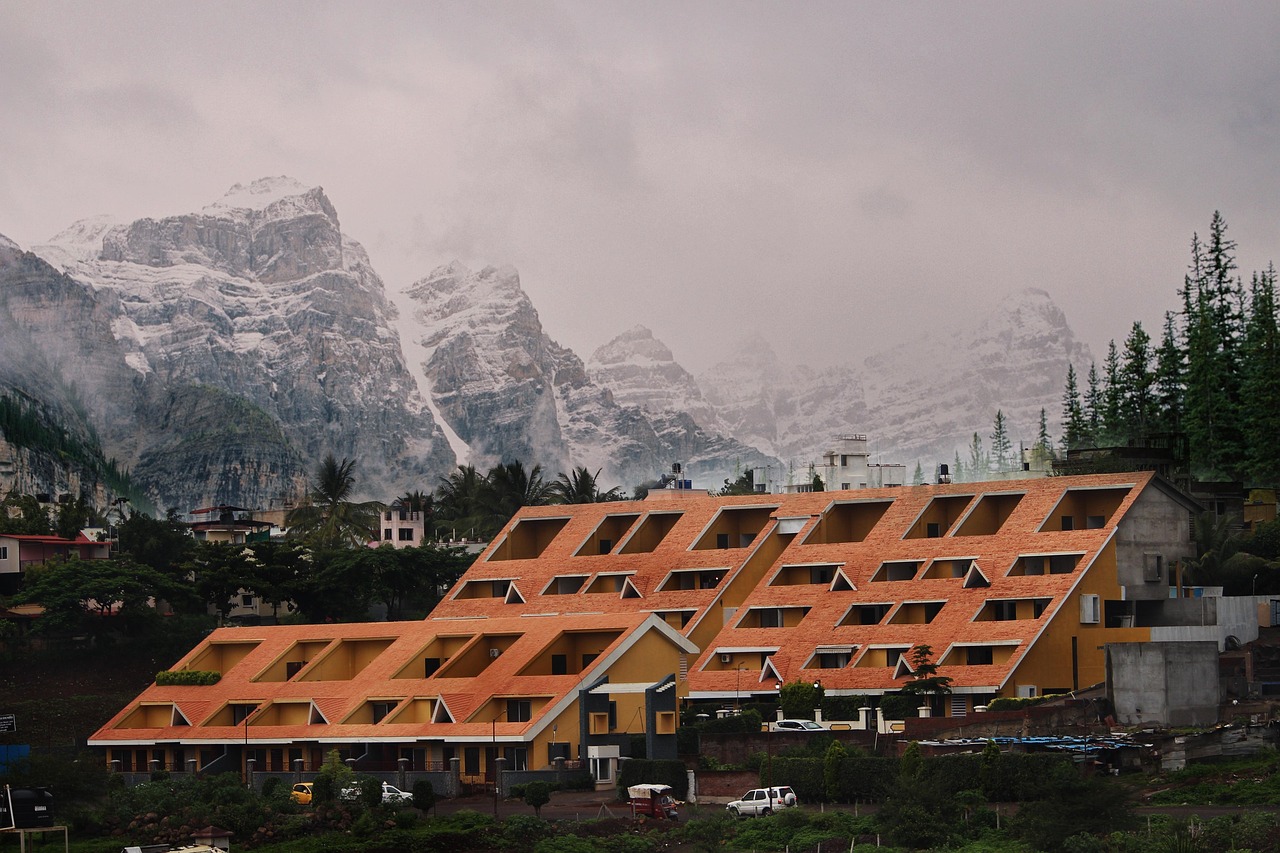
The name of their homeland, Maharashtra, means the great land or the great kingdom, and it is one of the largest and most populous states of India, occupying a broad swath of the western part of the country. Its geography shaped its people profoundly. Inland lies the Deccan plateau, a high, dry tableland, while to the north lies the homeland of the Gujaratis, while along the western edge run the Western Ghats, the rugged mountain range whose steep ridges and hill forts became the natural fortress of the Marathi nation. Between the mountains and the sea lies the narrow, lush coastal strip called the Konkan.
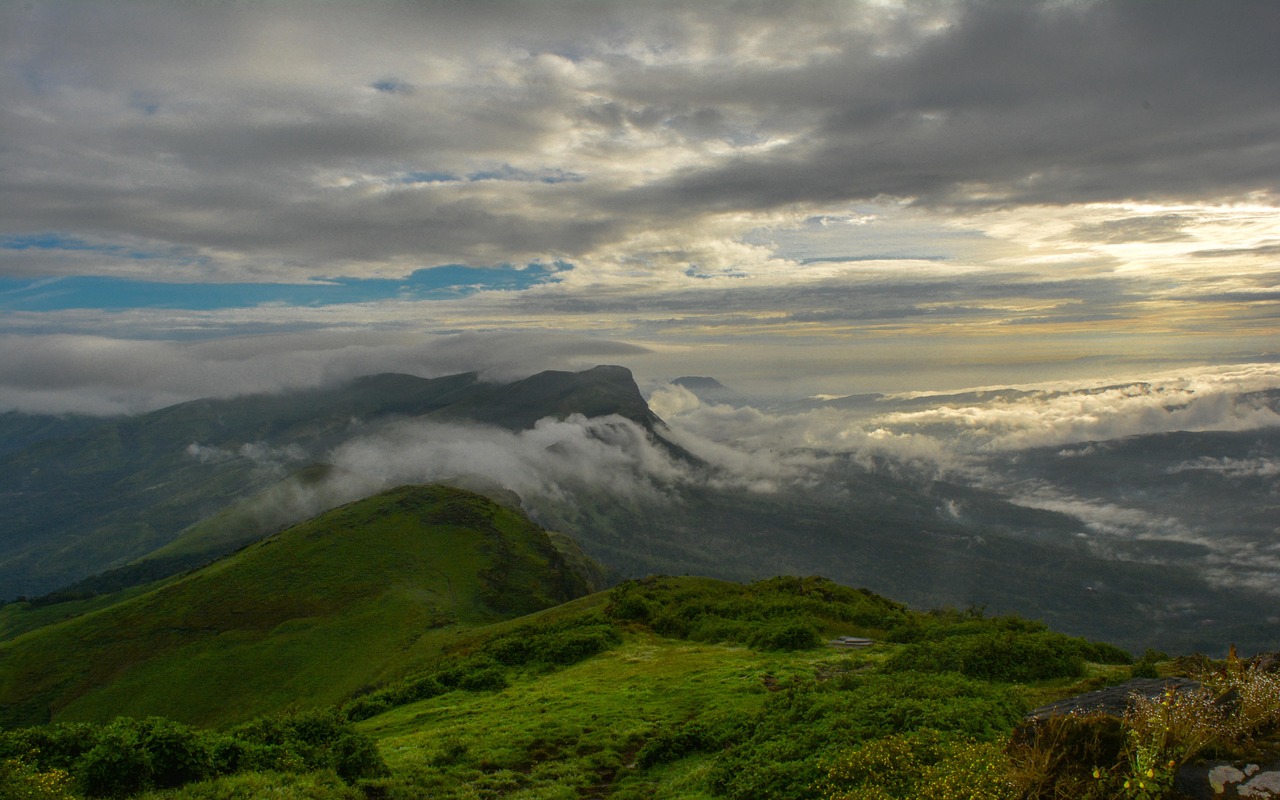
This landscape of plateau, mountain, and coast bred a tough and self reliant people. The hill forts perched on the crags of the Western Ghats were nearly impregnable, and they gave the Marathi warriors a base from which to resist far larger empires. The land was not as easily rich as the great northern plains, and this hard environment forged a culture that prized resilience, mobility, and martial valor over soft luxury.
The Roots of the Marathi Tongue
The Marathi people are defined above all by their language, Marathi, one of the major languages of India with around eighty million speakers. It belongs to the Indo Aryan branch of the great Indo European language family, the same family that includes Hindi, Bengali, and Punjabi, as well as Persian and the languages of Europe, and it descends from ancient Sanskrit through intermediate forms. Marathi is among the older of the modern Indian languages, with a literary tradition reaching back many centuries.
Written in the same Devanagari script as Hindi, Marathi nonetheless has its own distinct character, vocabulary, and sound, and it carries a rich heritage of devotional poetry and literature. The language is a powerful source of identity and pride, and the modern state of Maharashtra was itself created in 1960 specifically so that the Marathi speaking people could have a state of their own, the product of a strong movement for linguistic self determination. To the Marathi, the language is the very soul of the nation.
Shivaji and the Maratha Empire
The towering figure of Marathi history, revered almost as a god, is Chhatrapati Shivaji, the seventeenth century warrior king who founded the Maratha kingdom. Rising in the hill forts of the Western Ghats, Shivaji used brilliant guerrilla tactics and a genius for leadership to carve out an independent Hindu kingdom in defiance of the overwhelming power of the Mughal Empire then ruling most of India. He built a navy, reformed administration, and became a symbol of resistance and self rule that inspires the Marathi people to this day.
After Shivaji, the Marathas grew into one of the greatest powers in India. Under a line of able leaders, the Maratha Empire and its confederacy expanded until, in the eighteenth century, it dominated much of the subcontinent and effectively replaced the Mughals as the leading power in India. Only the rise of British power eventually checked and defeated them. This memory of having built a vast empire from their mountain strongholds gives the Marathi people an enduring pride in their martial heritage and their capacity to punch far above their weight.
Caves Carved From Living Rock
Long before the age of Shivaji, the land of Maharashtra was already a center of art and religion. Hidden in its hills are some of the most astonishing monuments in all of India, the rock cut cave temples of Ajanta and Ellora. At Ajanta, ancient Buddhist monks carved monasteries and prayer halls deep into a cliff face and covered the walls with exquisite paintings that are among the greatest surviving works of ancient Indian art. At Ellora, generations of craftsmen cut entire temples from the solid rock of the mountainside.
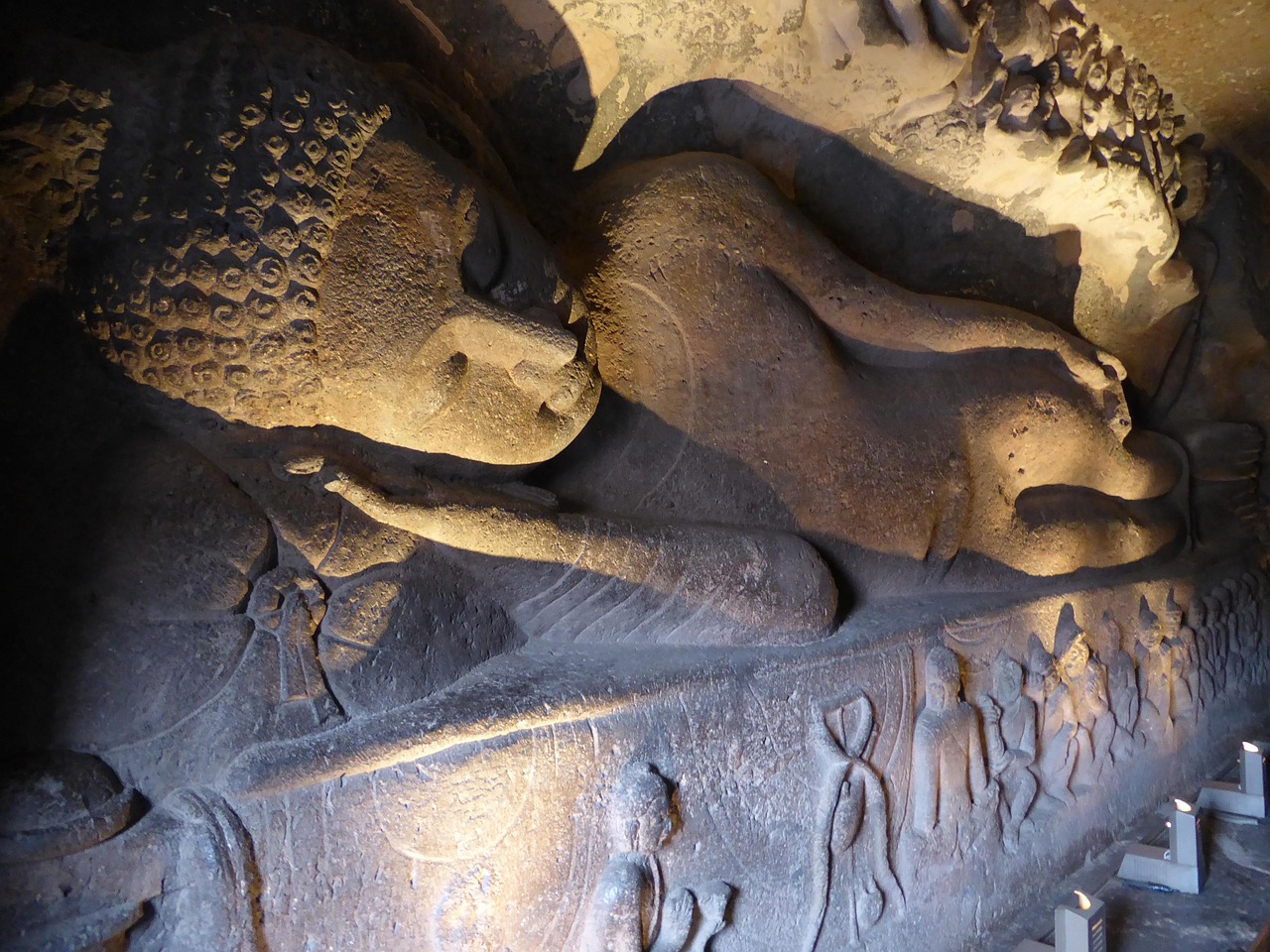
The crowning achievement of Ellora is a vast temple to the god Shiva, carved downward from the top of a hill out of a single mass of stone, a feat of engineering and devotion that staggers everyone who sees it. These caves, the work of Buddhist, Hindu, and Jain hands across the centuries, show that the great land was a crossroads of faith and a center of extraordinary artistic genius long before its warriors made it famous.
Mumbai, the City of Dreams
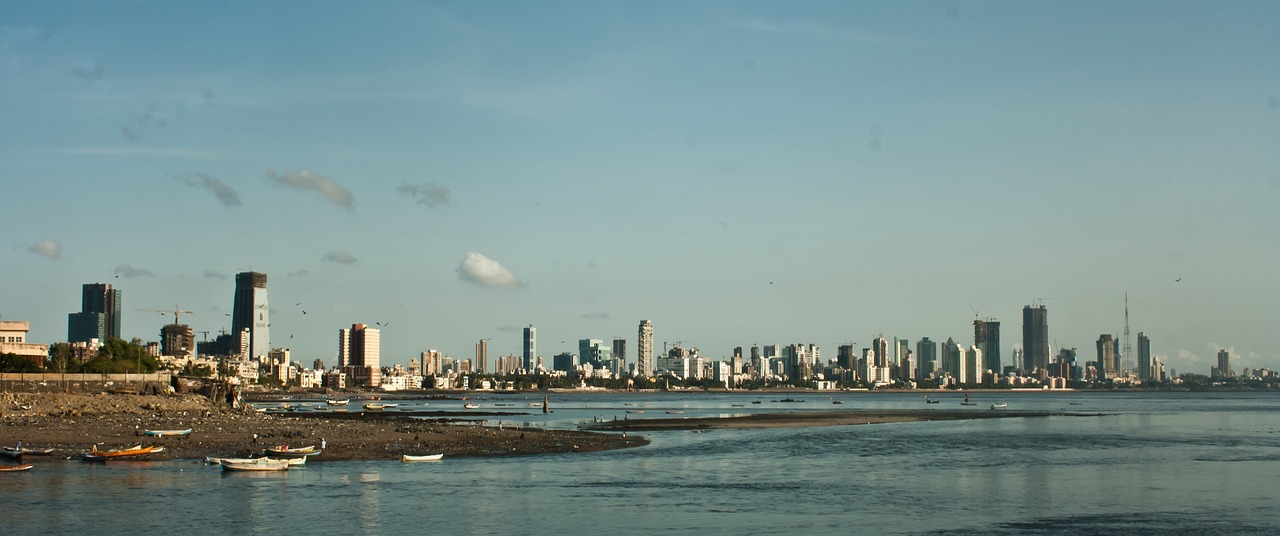
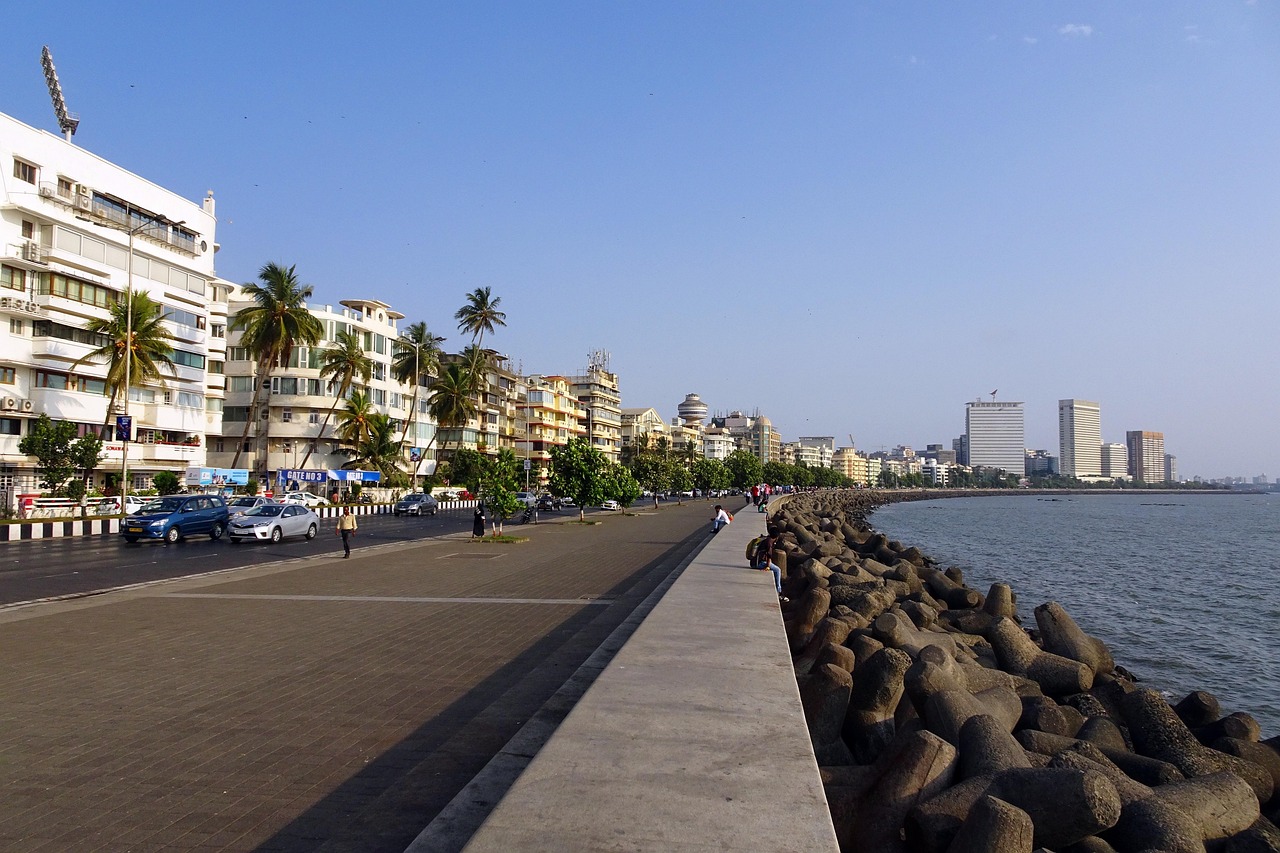
The greatest city of the Marathi homeland, and indeed of all India, is Mumbai, the financial and commercial capital of the nation and one of the largest cities on earth. Built on what were once seven islands off the Konkan coast, Mumbai grew under British rule into a great port and industrial center and has since become a roaring megacity of around twenty million people. It is the home of India’s stock exchange, its biggest companies, and its vast film industry, and it draws migrants from every corner of the country chasing the dream of fortune.
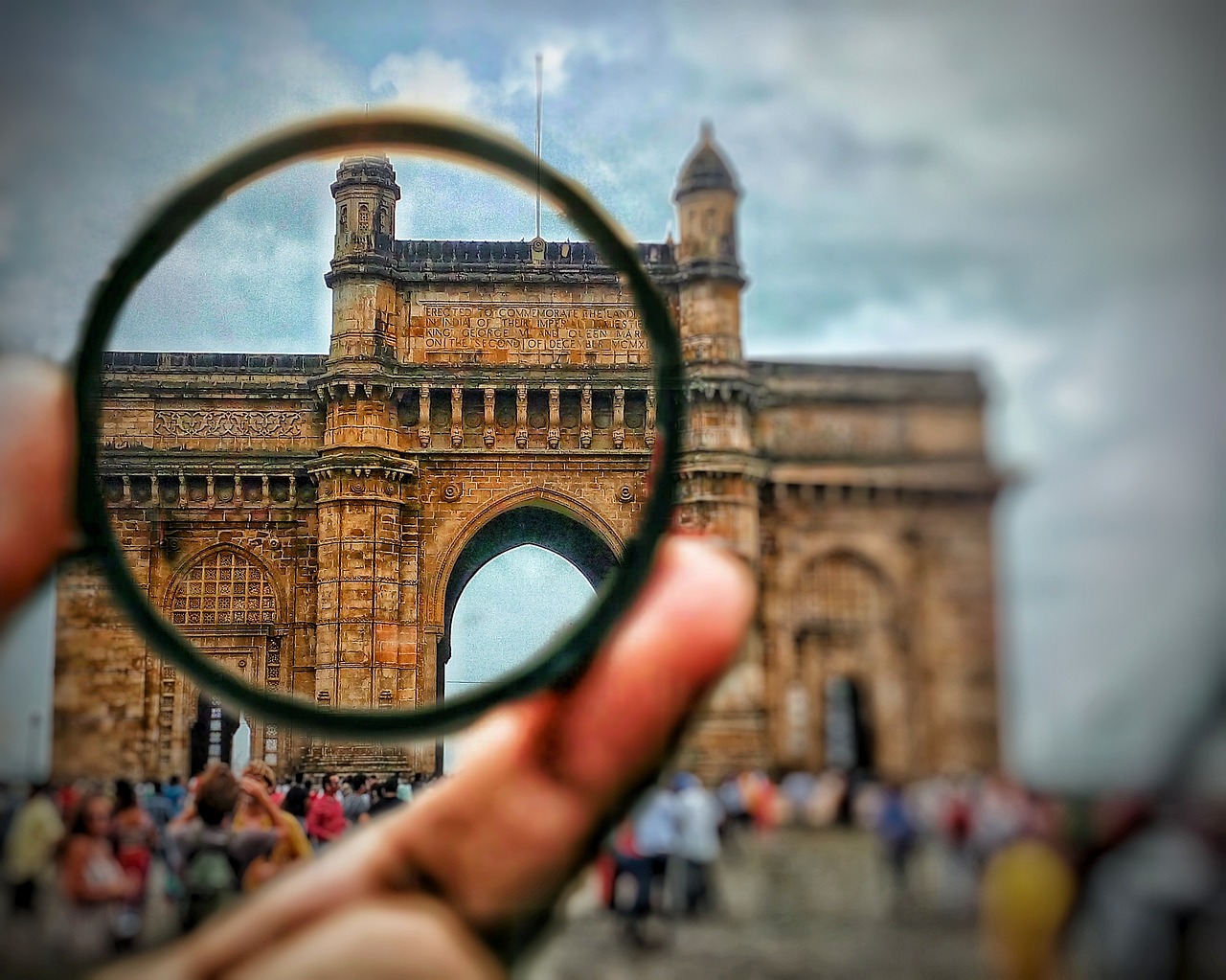
Mumbai is a city of staggering contrasts, where some of the most expensive real estate in the world looks out over some of its largest slums, where Bollywood stars and street vendors share the same crowded trains. Along its seafront sweeps the famous curve of Marine Drive, lit up at night like a string of pearls, and at its harbor stands the grand arch of the Gateway of India. The relentless energy, ambition, and resilience of Mumbai have made it a symbol of modern India itself.
Although Mumbai has become a truly cosmopolitan city drawing people from all over India, it sits in the Marathi heartland, and the relationship between the city’s Marathi character and its flood of newcomers has at times been a source of real tension and political conflict. The pride of the Marathi people in their language and their claim to their great city has been a powerful and sometimes divisive force in the politics of Maharashtra.
The God of Beginnings
If one deity stands at the heart of Marathi devotion, it is Ganesha, the beloved elephant headed god, the remover of obstacles and the patron of new beginnings, learning, and wisdom. While Ganesha is worshipped across India, nowhere is his cult more central than in Maharashtra, and the great festival in his honor, Ganesh Chaturthi, is the supreme celebration of the Marathi year. For ten days, beautifully crafted images of the god are installed in homes and in enormous public pavilions, worshipped with music and offerings.
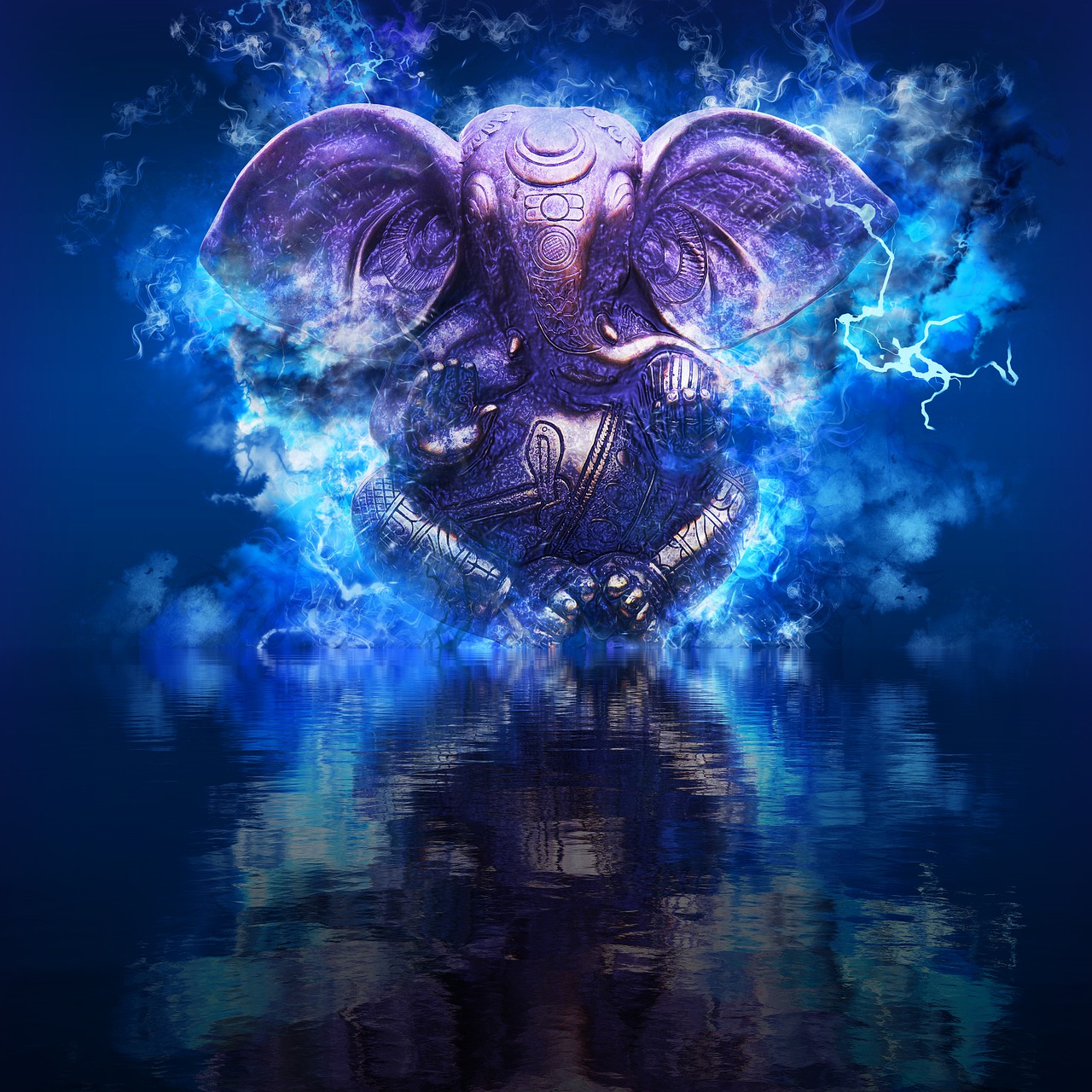
The festival reaches its climax when the images are carried in vast, joyous processions to the sea or to rivers and lakes and immersed in the water, returning the god to the cosmos amid the chanting and singing of enormous crowds. The public celebration of Ganesh Chaturthi was deliberately revived in the colonial era as a way of bringing people together and fostering a sense of national and Marathi pride, and it remains a powerful expression of community and identity.
Saints, Reformers, and the Life of the Mind
Maharashtra has a deep tradition of spiritual and social thought. Centuries ago, a wave of poet saints arose who composed passionate devotional poetry in the Marathi language rather than in Sanskrit, bringing religion to the common people and preaching the equality of all before God. Their hymns are still sung today, and the great annual pilgrimage in which hundreds of thousands of devotees walk for many days to the holy town of Pandharpur, singing as they go, is one of the most moving expressions of popular faith in India.
This tradition of questioning and reform continued into the modern era, when Maharashtra became a powerhouse of social reform and intellectual life. Marathi reformers led campaigns against caste oppression, for the education of women, and for the upliftment of the most downtrodden communities. Among the greatest of all Indians, Dr. B. R. Ambedkar, the architect of independent India’s constitution and the champion of the oppressed castes, came from this Marathi soil. The region’s reputation as a center of education, thought, and progressive activism endures.
The Marathi Table
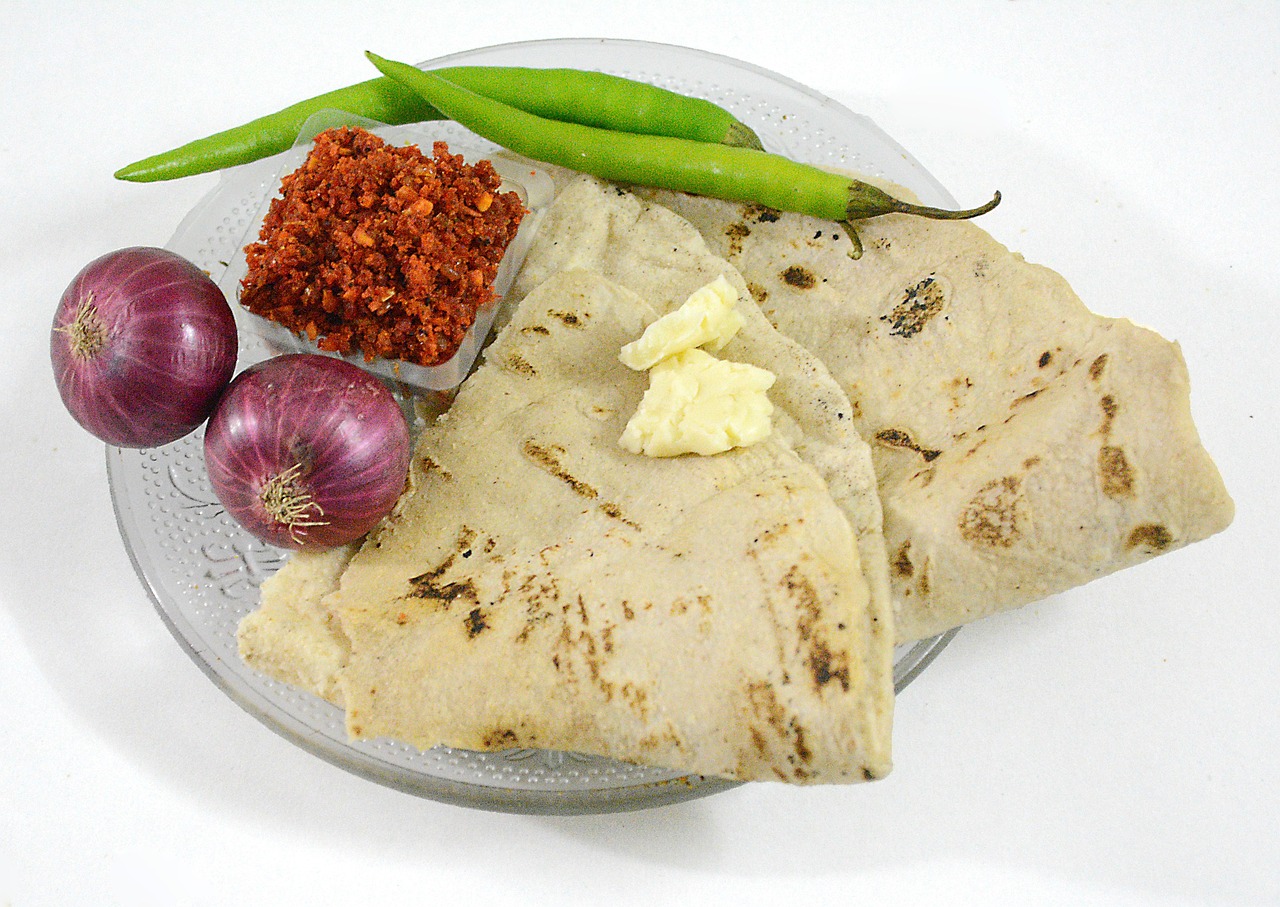
Marathi cuisine reflects the diversity of the land, from the coconut rich, seafood loving cooking of the Konkan coast to the spicier, drier fare of the Deccan plateau. It is a cuisine of bold and sometimes fiery flavors, making liberal use of peanuts, coconut, and a special pungent spice blend. Everyday meals center on flatbreads, rice, lentils, and vegetables, simple and nourishing, the food of a hardworking people.
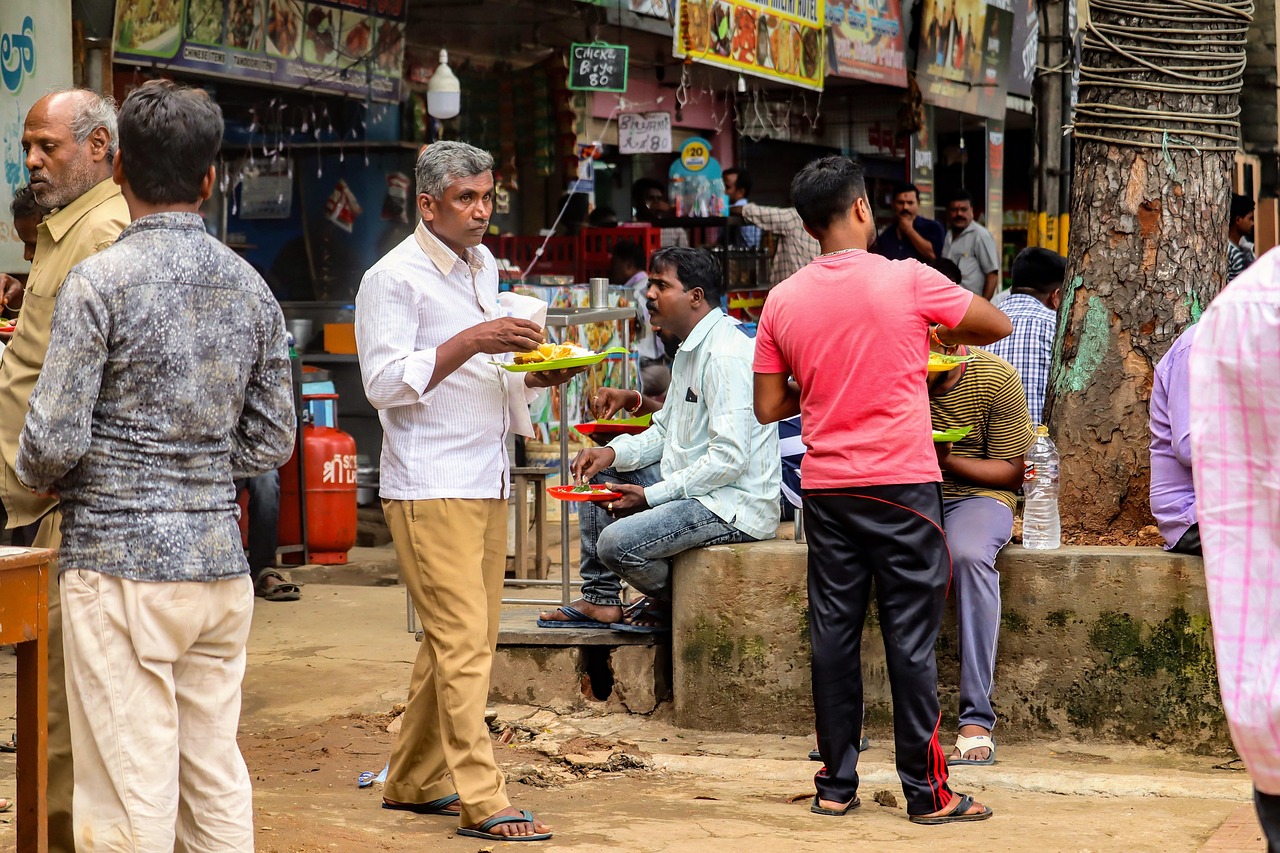
But Maharashtra is perhaps most famous for its street food, above all the vada pav, a spiced potato fritter in a soft bread roll that is the beloved fast food of Mumbai, sold from countless stalls and eaten by millions every day. This humble, cheap, and delicious snack has become a symbol of the city itself, the fuel of its workers and a point of genuine cultural pride. From festival sweets to fiery curries to the ubiquitous vada pav, Marathi food is the honest, flavorful cooking of a practical people.
A People of Pride and Enterprise
The Marathi people are often described by other Indians as straightforward, hardworking, and proud, with a strong sense of their own history and dignity. The memory of Shivaji and the Maratha Empire gives them a deep confidence in their martial and political heritage, while the influence of their reformers and saints gives the culture a serious, thoughtful, and socially conscious streak. They are known for valuing education, for a certain plain spoken honesty, and for a fierce loyalty to their language and homeland.
This pride in identity has powerful political expression. The movement to create a Marathi speaking state, the championing of the Marathi language and culture in Mumbai, and the continuing reverence for Shivaji as a symbol of Marathi self assertion all reflect a people determined to protect and celebrate who they are. At its best this is a noble pride in a great heritage, though like all such movements it has sometimes shaded into friction with the many outsiders who have made their homes in Maharashtra.
The Roots of the Tongue and Its Literature
Marathi is rightly proud of one of the oldest and richest literary traditions among India’s modern languages. Its earliest great works, composed many centuries ago, include profound philosophical and devotional texts that brought the deepest ideas of Hindu thought to ordinary people in their own tongue. The poet saints who followed created a vast treasury of hymns and verse that remains living and beloved, sung by pilgrims and ordinary devotees alike across the countryside.
In the modern era, Marathi literature flourished anew with novels, drama, poetry, and a vigorous tradition of journalism and political writing that played a leading role in the awakening of Indian national consciousness. Marathi theatre in particular became famous across India for its vitality and its willingness to tackle serious social questions. This long and continuous literary culture is central to the Marathi sense of themselves as a people of learning and ideas as much as of war and enterprise.
Cricket, Cinema, and Modern Passions
In the modern age the Marathi heartland has been at the center of India’s great popular passions. Mumbai is the home of Bollywood, the Hindi film industry, and although it speaks largely in Hindi, it grew on Marathi soil and many of its greatest talents have come from the region. There is also a thriving Marathi language cinema and theatre with its own devoted audience and a reputation for artistic seriousness and innovation that predates the rise of Bollywood itself.
Mumbai is likewise the spiritual home of Indian cricket, the sport that unites the nation like nothing else, and the city has produced many of the country’s greatest cricketing heroes, worshipped by millions. The combination of cinema and cricket, the two great obsessions of modern India, both finding their capital in the Marathi metropolis, has placed the Marathi homeland at the very center of the country’s popular culture and its dreams.
From Mountain Forts to Global Heights
The story of the Marathi people is a story of rising from a hard land to extraordinary heights. From the forts of the Western Ghats they built an empire that dominated India. In their hills they created some of the world’s greatest ancient art. On their coast they raised Mumbai into one of the world’s great cities, the financial heart of a rising nation and the home of a film industry that enchants billions. They produced warrior kings and saintly poets, social reformers and business titans, all bound together by the Marathi language and a fierce attachment to their great land.
Today the Marathi people stand at the forefront of modern India, their megacity driving the national economy, their traditions of education and reform shaping the country’s intellectual life, their pride in their history as strong as ever. Hardy, proud, and enterprising, they carry the spirit of Shivaji’s mountain kingdom into a global age, a people who learned long ago in their hill forts that determination and self belief can overcome even the greatest of powers. The great land has produced, fittingly, a great people.
You May Like
The Damara, an Ancient People of Namibia