Stretch a finger down the eastern coast of India, from the mouths of the Godavari and the Krishna to the dry red uplands of the interior, and you trace the homeland of one of the largest peoples on earth that most of the world has never learned to name. The Telugu people number well over eighty million, which would make them, were they a country, one of the more populous nations on the planet. They are the speakers of a language so musical that travellers for centuries called it the Italian of the East, and they have built kingdoms, temples, irrigation systems, and film studios on a scale that ought to be far more famous than it is.
Today the Telugu live mainly across two Indian states, Andhra Pradesh and Telangana, which were a single state until a contentious division in 2014. Their story braids together ancient Buddhist trade ports, Hindu temple-builders, Persianate sultans, diamond mines that once supplied the world, an irrigation revolution that turned deltas into rice bowls, and a modern reinvention as the engine of India’s software industry. It is a story of a people who have repeatedly turned geography into prosperity, and who have argued, sometimes bitterly, about who they are.
In This Article
- Two states, one language, and a coastline that made history
- The Italian of the East and where it comes from
- Ancient kingdoms and the Buddhist ports of the Krishna
- The Kakatiyas and a golden age of temple and tank
- Vijayanagara and the age of Telugu literature
- Golconda, the Qutb Shahis, and a city born of love and diamonds
- The Nizams and the largest princely state in India
- A hunger strike, a death, and the redrawing of India
- The painful divorce of 2014
- Rivers, rice, and the engineering of abundance
- Tirupati and the richest temple on earth
- Fire on the plate, the Telugu kitchen
- Tollywood, one of the largest film industries on earth
- Hyderabad reborn as a city of software
- The texture of everyday Telugu life
- A people still writing their story
Two states, one language, and a coastline that made history
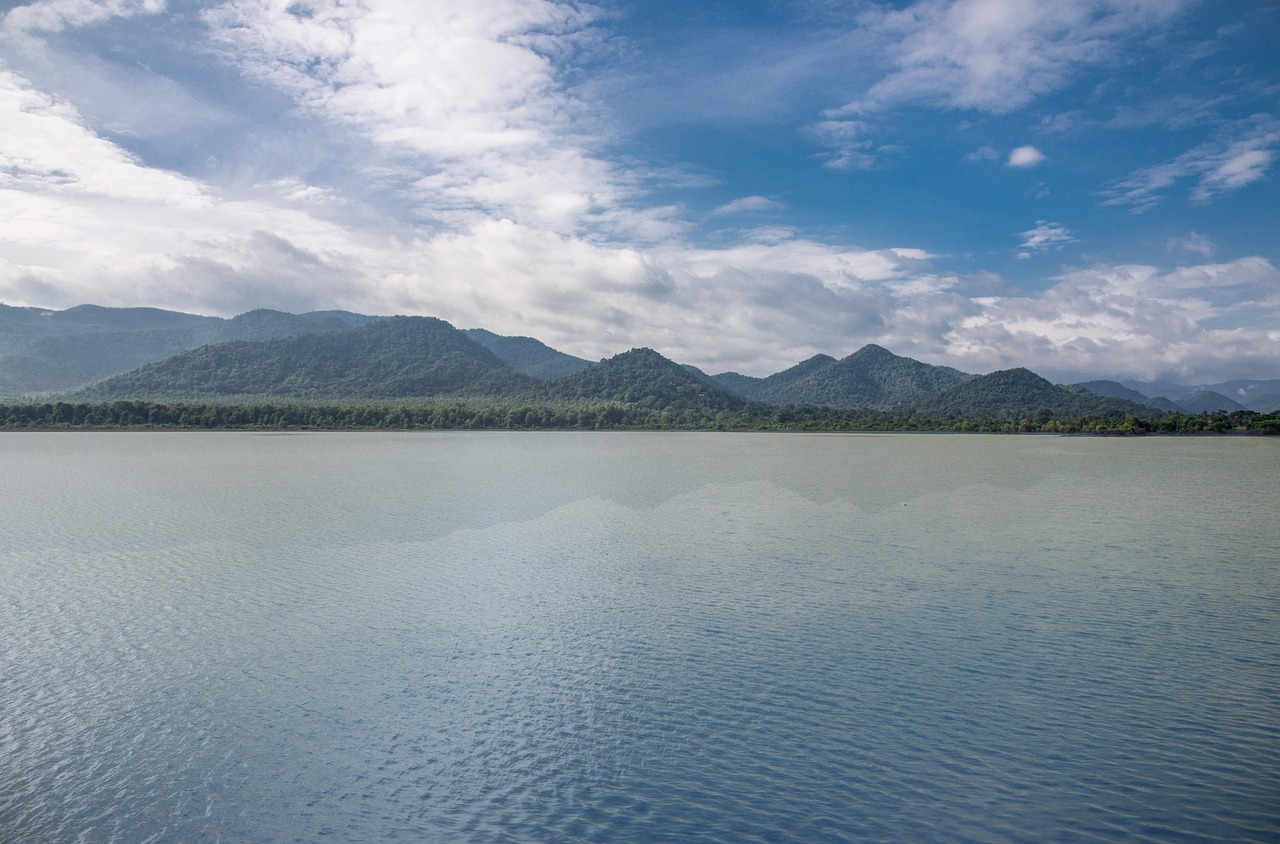
The Telugu country sits in the southeastern quadrant of the Indian peninsula. To the east lies the Bay of Bengal, lined with a long, fertile coastal plain where the great rivers Godavari and Krishna empty into the sea through wide, silt-rich deltas. These deltas are among the most productive farmland in all of India, a green carpet of paddy that has fed the region for millennia and earned the coast the old nickname of the rice bowl of the south. Behind the plain rise the wooded ranges of the Eastern Ghats, and beyond them spreads the Deccan plateau, a high, dry tableland of black cotton soil, granite outcrops, and scrubland that turns gold in the long summer.
This contrast between the wet coast and the dry interior is the deepest fault line in Telugu geography, and it shaped the modern political split. The coastal districts and the southern Rayalaseema region together form Andhra Pradesh, with its administrative heart now being built at Amaravati near the Krishna. The drier interior plateau around the old princely capital forms Telangana, whose great city is Hyderabad. For decades the two halves shared a single state and a single tongue, yet they carried different histories, different accents, and different grievances, and in 2014 they parted ways. We will return to that painful divorce, because it tells us a great deal about how a shared language does not always make a single, contented people.
The Italian of the East and where it comes from
Telugu belongs to the Dravidian family of languages, one of the world’s great independent language families, entirely separate in its deep ancestry from the Indo-Aryan tongues such as Hindi, Bengali, and Punjabi that dominate northern India. The Dravidian family is concentrated in the south of the subcontinent, and its four major literary members are Tamil, Telugu, Kannada, and Malayalam. Among these, Telugu is the most widely spoken, with Tamil being the oldest in continuous literary attestation. Linguists generally place Telugu within the South-Central or South-Dravidian branch, most closely related to a cluster of smaller tongues such as Gondi, Koya, and Kui spoken by Adivasi communities of central India, and a little more distantly to Kannada and Tamil.
The notion that these southern languages form their own family, unrelated by descent to Sanskrit, was a genuine scientific discovery. In the nineteenth century the British civil servant and scholar Robert Caldwell published a comparative grammar that demonstrated the Dravidian languages were a distinct family, a finding that reshaped how Indians and outsiders alike understood the linguistic map of the country. Telugu had absorbed an enormous vocabulary of Sanskrit loanwords over the centuries, so much so that earlier observers had wrongly assumed it was simply a daughter of Sanskrit, but its grammar, its core words, and its very bones are Dravidian.
What makes Telugu sound so liquid is that the vast majority of its words and almost every grammatical ending close on a vowel, giving speech a flowing, open quality. That is the quality European visitors were reaching for when they reached, a little romantically, for the comparison with Italian. The language is written in its own rounded, looping script, descended like the scripts of Kannada and other southern tongues from the ancient Brahmi writing system. Telugu inscriptions on stone and copper go back well over a thousand years, and a continuous literary tradition of poetry, especially the prabandha court epics and devotional verse, stretches from the medieval period to the present.
Ancient kingdoms and the Buddhist ports of the Krishna
Long before the word Telugu was written down, the people of this coast were caught up in the wider currents of ancient Indian civilisation. The first great power to rise from the region was the Satavahana dynasty, which from roughly the second century before the common era ruled a broad swathe of the Deccan and built one of the earliest large states south of the Gangetic plain. The Satavahanas were patrons of both Brahmanical religion and Buddhism, and under their rule and that of their successors the Krishna river valley became dotted with Buddhist monasteries and great hemispherical stupas.
The most celebrated of these sites was Amaravati, whose enormous stupa was once wrapped in carved limestone panels of breathtaking delicacy, depicting the life of the Buddha and the bustle of an ancient society. Much of that sculpture was later carried off to museums in Chennai and London, but the site remains one of the masterpieces of early Indian art, and it lends its ancient name to the new capital that Andhra Pradesh has tried to build nearby. Coastal ports such as these traded with Rome and with Southeast Asia, and Telugu-speaking merchants and mariners were part of the long maritime story that carried Indian religion and culture across the Bay of Bengal.
The Kakatiyas and a golden age of temple and tank
If there is a single dynasty that Telugu people across both states claim with pride, it is the Kakatiyas, who ruled from the city of Warangal in the interior between roughly the twelfth and fourteenth centuries. Under the Kakatiyas, including the remarkable queen Rudrama Devi, who governed in her own right at a time when female sovereigns were rare anywhere in the world, the Telugu country flourished. The dynasty is remembered for two great legacies that still shape the land today.
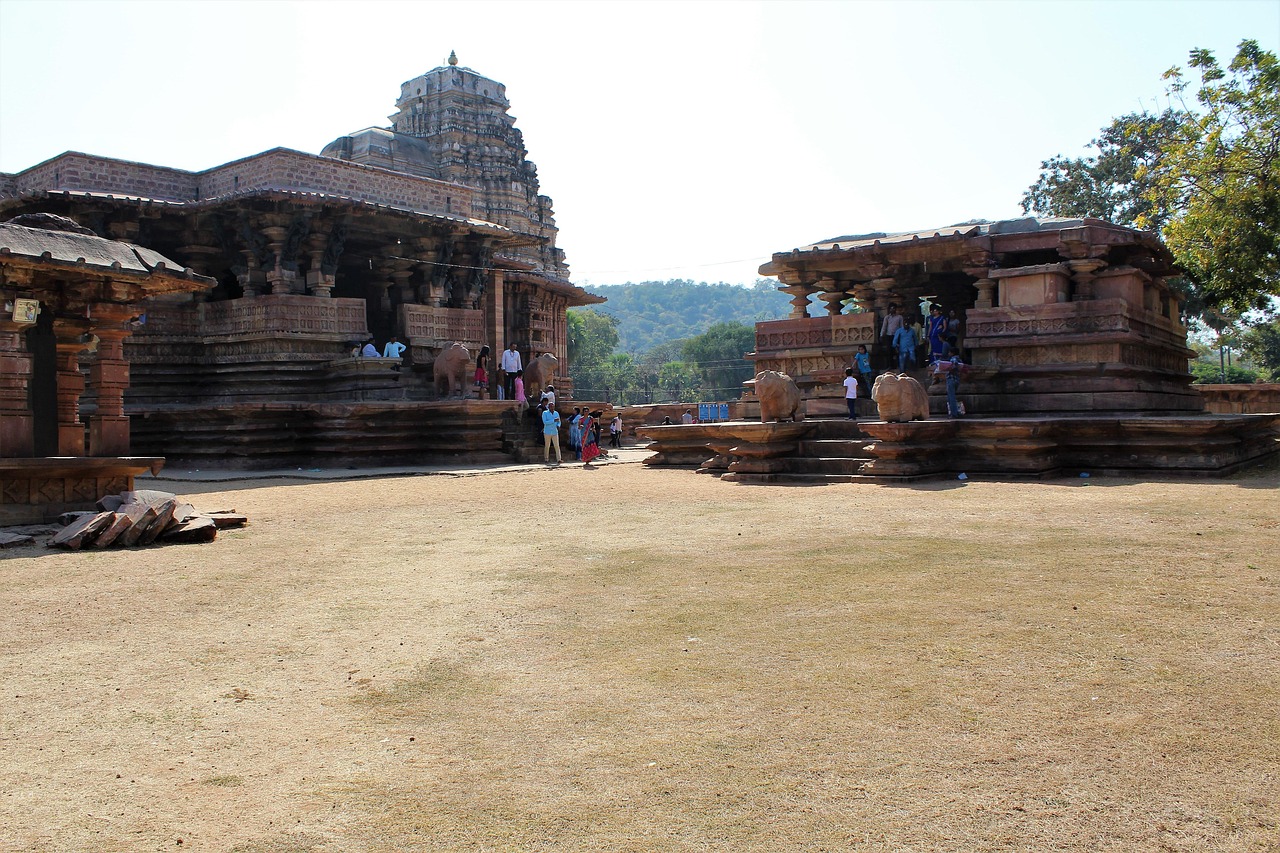
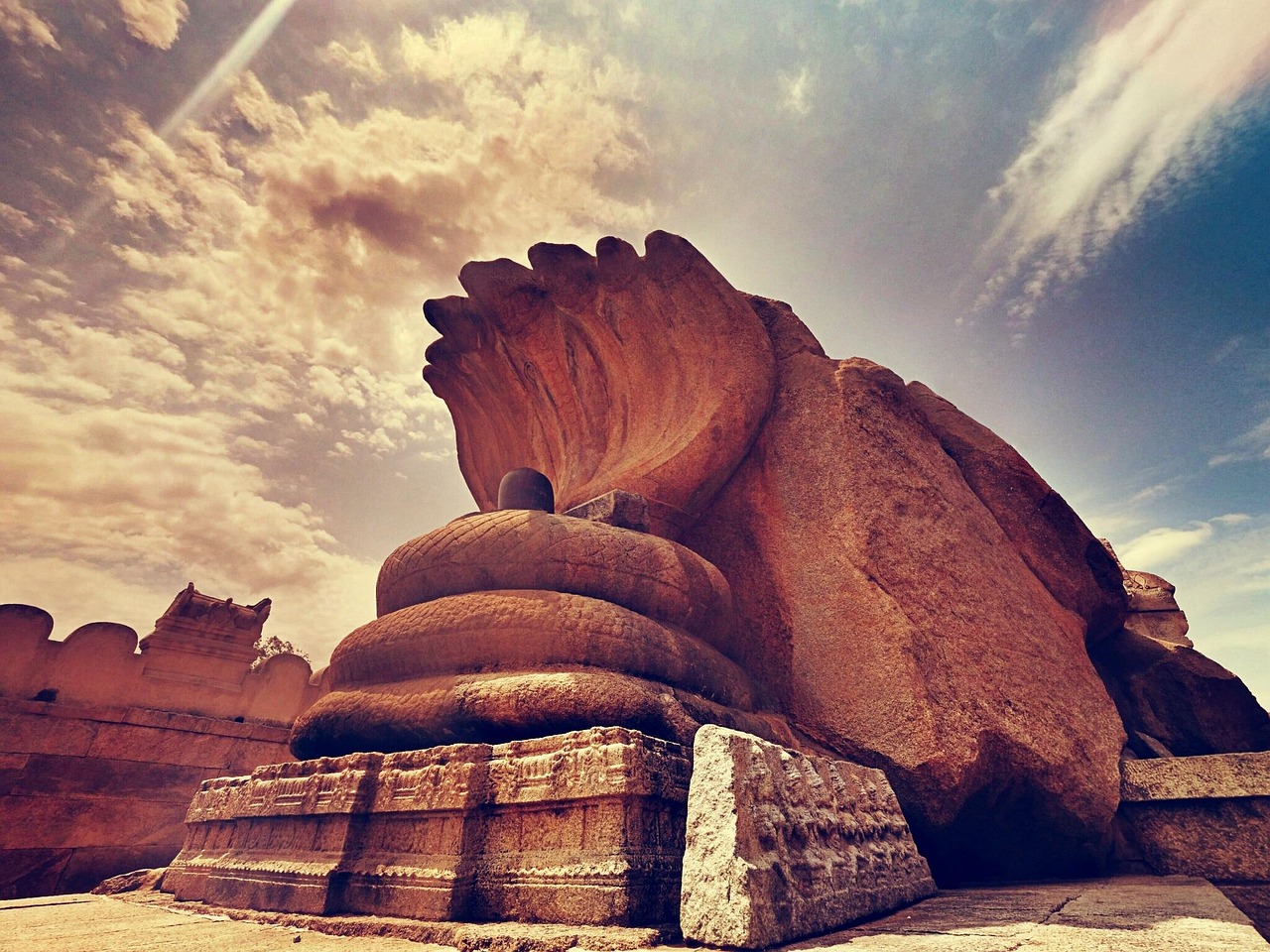
The first is architecture. The Kakatiyas and their feudatories built temples of extraordinary craftsmanship, the finest being the Ramappa temple, a thirteenth-century shrine whose star-shaped platform, carved black basalt pillars, and famous lightweight floating bricks won it recognition as a UNESCO World Heritage Site in modern times. The intricately sculpted gateways and the dancing figures carved into its brackets show Telugu stonework at its absolute height. The second legacy is water. The Kakatiyas built thousands of irrigation tanks, artificial reservoirs that caught the monsoon rains and released them to fields through the long dry season, transforming the parched Telangana plateau into productive farmland. Many of these tanks are still in use eight centuries later, a quiet monument to medieval engineering.
Vijayanagara and the age of Telugu literature
After the fall of the Kakatiyas, much of the Telugu and wider southern country came under the great Vijayanagara empire, which from the fourteenth to the sixteenth century stood as the principal Hindu power resisting the spread of Muslim sultanates into the deep south. Although its capital lay in Kannada-speaking Hampi, the empire’s most celebrated ruler, Krishnadevaraya, was a passionate patron of Telugu letters, and his reign in the early sixteenth century is often called the golden age of Telugu poetry. He gathered around him a circle of poets known as the eight elephants of his court, and he himself composed a famous Telugu epic.
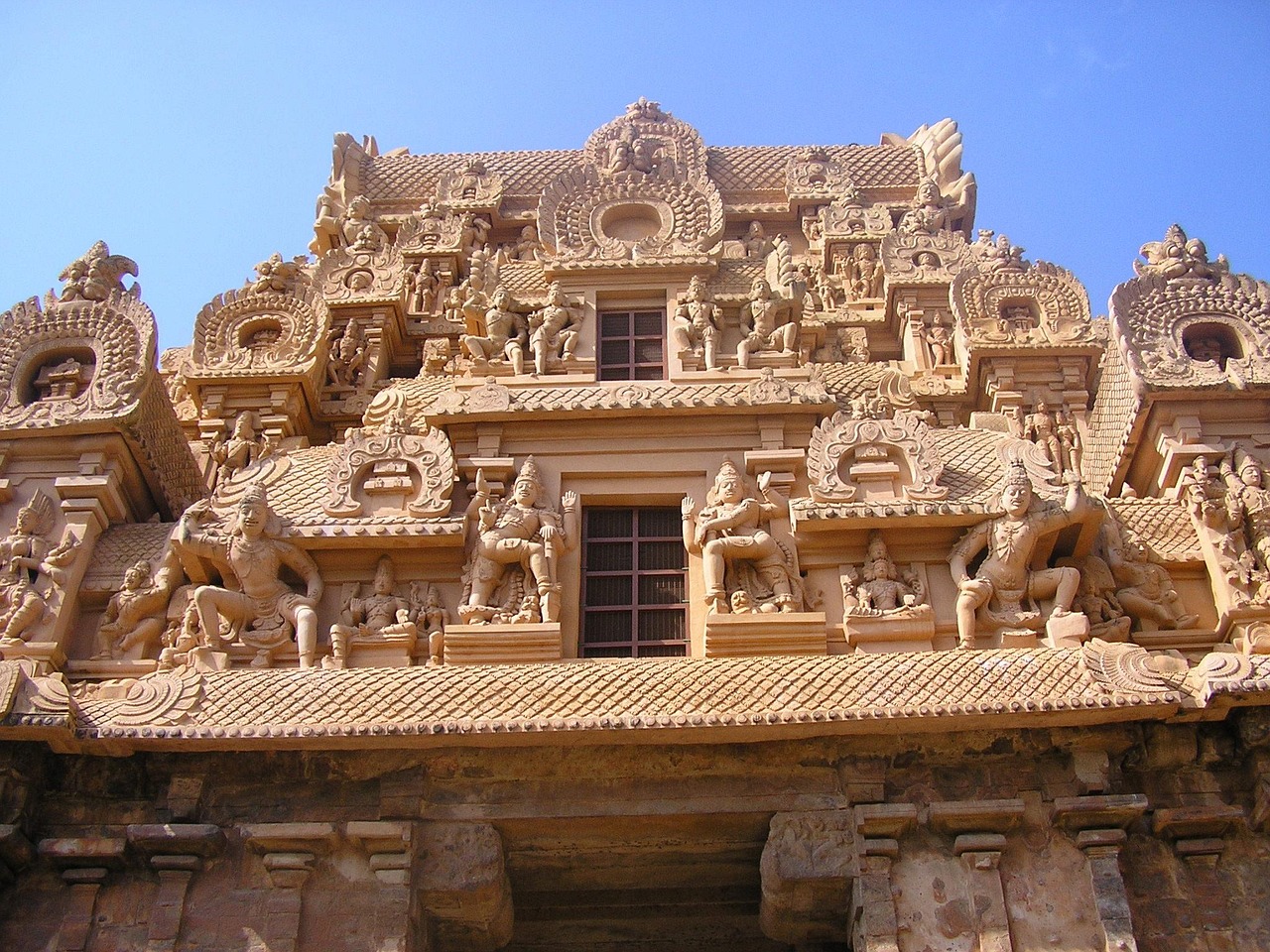
This was the era of the prabandha, the elaborate narrative poem, and Telugu literature reached a sophistication that placed it among the great classical traditions of India. The carved temple complexes built or expanded under Vijayanagara patronage, with their soaring sculpted gateways, set a template for the South Indian temple that endures across the Telugu landscape, where towering gopurams covered in painted figures still announce the presence of the sacred from miles away.
Golconda, the Qutb Shahis, and a city born of love and diamonds
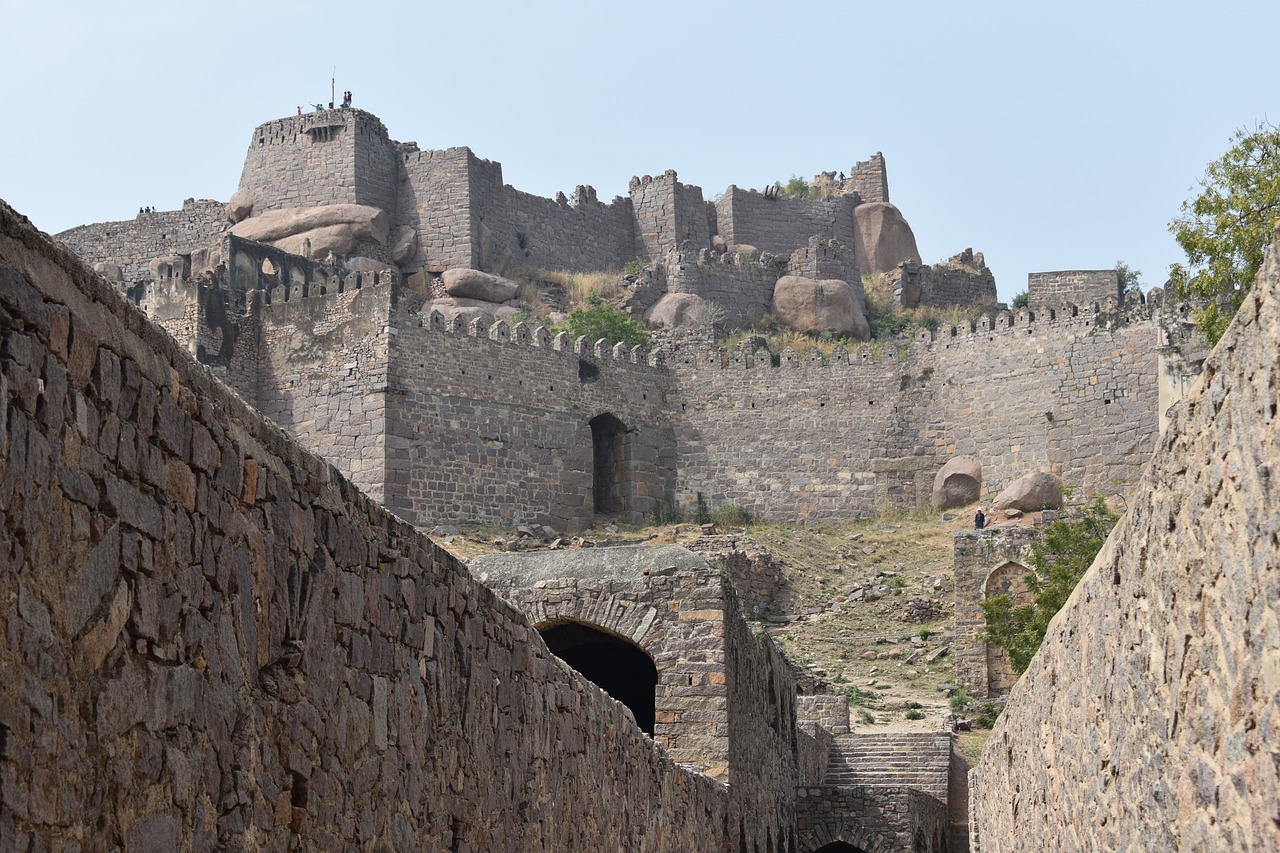
The interior of the Telugu country took a decisive new turn in the sixteenth century with the rise of the Qutb Shahi dynasty, a line of Shia Muslim sultans who ruled from the mighty hilltop fortress of Golconda. Golconda was already famous across the world, because the mines of the surrounding region were for a long time the only significant source of diamonds known to humankind. Stones that became legends, including the Koh-i-Noor and the Hope diamond, are traditionally said to have passed through the markets of Golconda, and the fortress name became a byword in European languages for fabulous wealth.
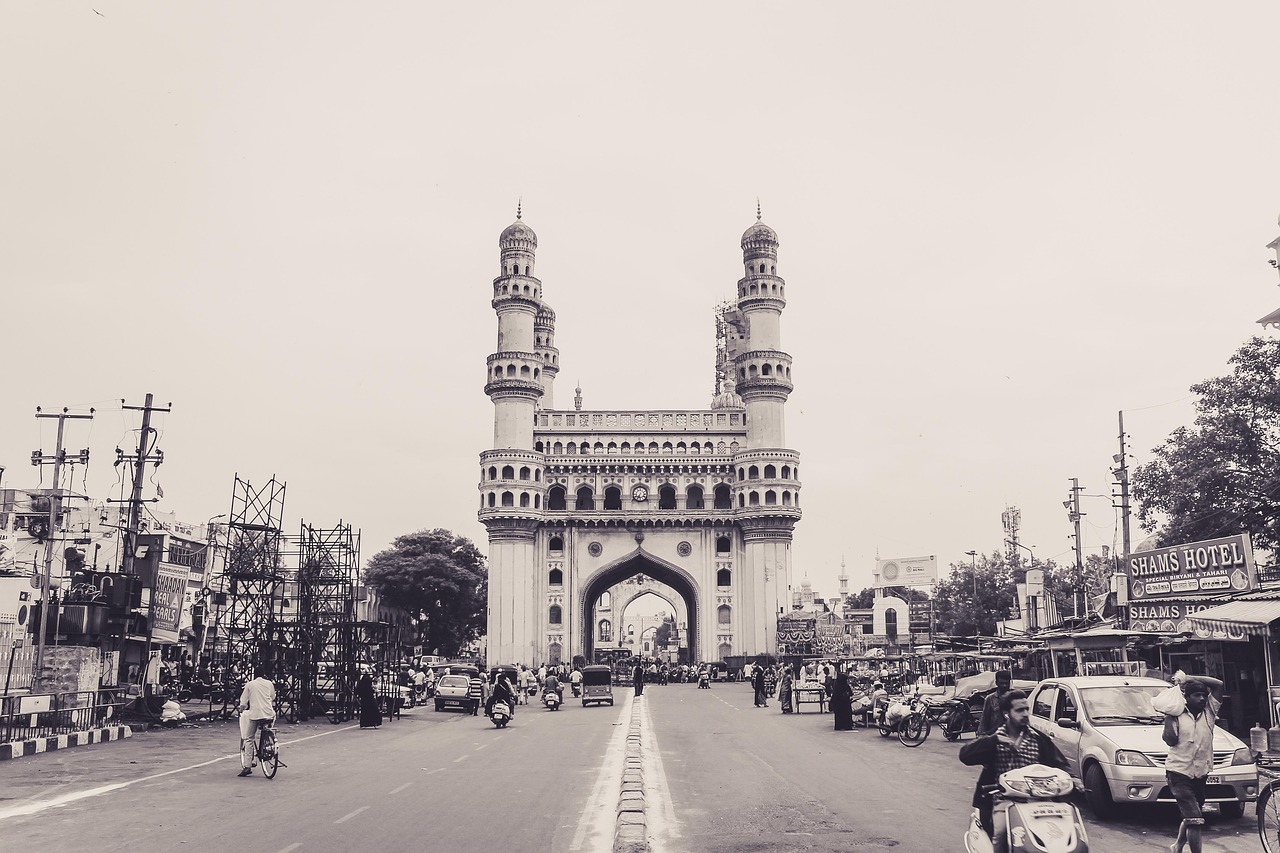
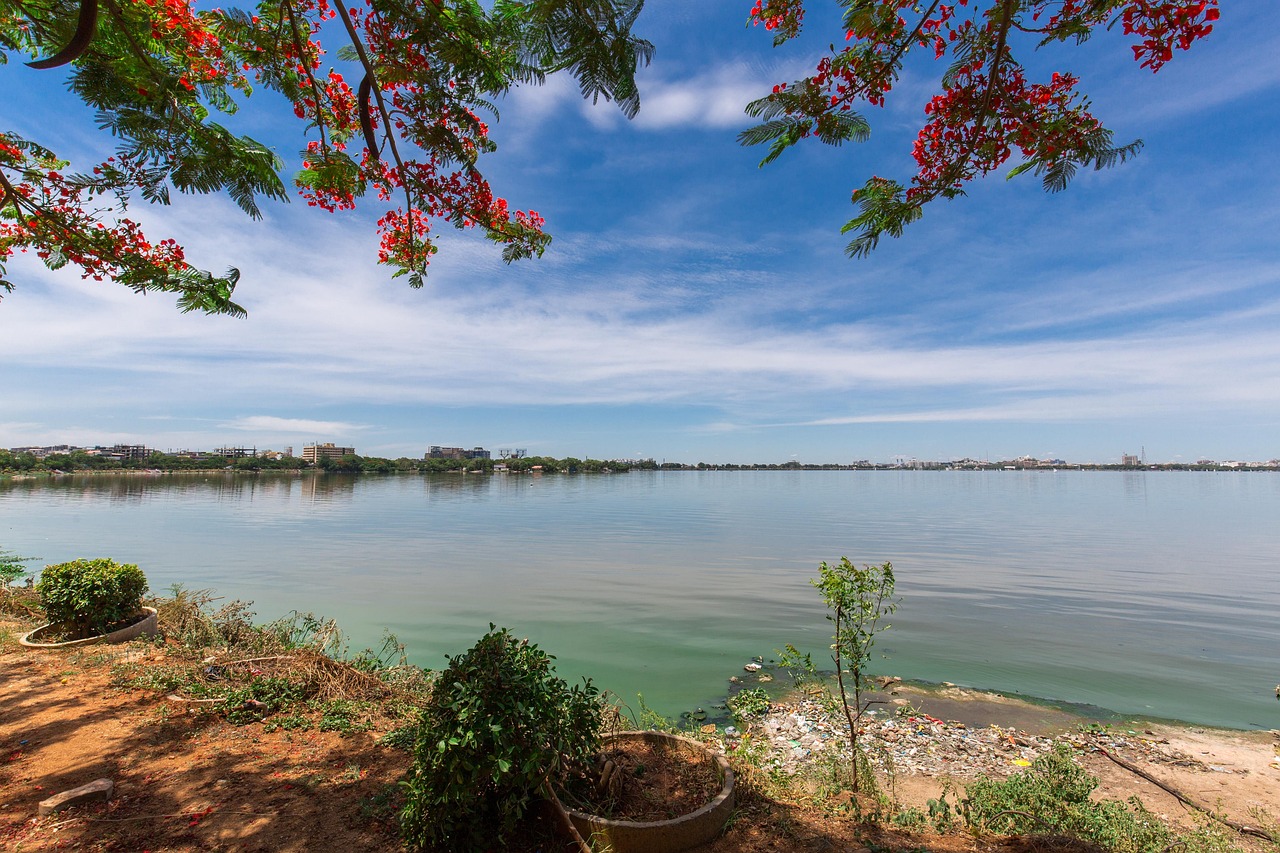
As the old fort grew crowded, the Qutb Shahis founded a new city on the plain below, and that city was Hyderabad. Its founder, Muhammad Quli Qutb Shah, laid it out around a magnificent four-arched monument, the Charminar, built at the end of the sixteenth century, whose four soaring minarets still mark the centre of the old city. The sultan was himself a poet who wrote in the everyday language of the streets, and his court fostered a distinctive culture blending Persian refinement with the local Telugu world. Hyderabad has been, ever since, a meeting place of the Dravidian south and the Persianate north, a city where Telugu, Urdu, and the courtly arts intertwined.
The Nizams and the largest princely state in India
When the Mughal empire pushed south, Golconda fell to the armies of Aurangzeb, and the region was governed by a Mughal viceroy whose descendants soon made themselves effectively independent. These were the Nizams of Hyderabad, who ruled one of the largest and richest princely states in all of British India. Under the Nizams, Hyderabad became a centre of Indo-Persian high culture, of Urdu poetry, of grand palaces and elaborate courtly etiquette, and one of the Nizams was at one point reputed to be among the wealthiest men in the world.
Yet the state had a paradox at its heart. Its rulers and much of its administrative elite were Urdu-speaking Muslims, while the great majority of the population were Telugu-speaking Hindus, along with Kannada and Marathi speakers in the borderlands. When India became independent in 1947, the Nizam tried to keep Hyderabad out of the new republic. The result was a brief and bloody Indian military operation in 1948 that forced the state’s accession, an episode accompanied by serious communal violence whose scale was long suppressed and is still painful to recall honestly. The memory of Nizami rule, splendid for some and oppressive for others, remains a contested part of Telangana’s identity.
A hunger strike, a death, and the redrawing of India
One of the most consequential moments in modern Telugu history happened not on a battlefield but through a man slowly starving himself. After independence, Telugu speakers were scattered across the old Madras Presidency and the Hyderabad state, and many felt that their language and interests were neglected in administrations dominated by other tongues. The demand grew for a separate state where Telugu would be the language of government. In 1952 an activist named Potti Sriramulu began a fast unto death in support of that demand, and after fifty-eight days he died.
His death set off a wave of grief and protest across the Telugu country, and the central government, shaken, conceded the creation of Andhra State, the first Indian state carved out explicitly on the basis of language. The decision had vast consequences far beyond the Telugu lands, because it forced India to confront the question of linguistic identity directly, and within a few years the entire map of the country was redrawn along linguistic lines through the States Reorganisation of 1956. In that reorganisation the Telugu-speaking districts of the former Hyderabad state were merged with Andhra State to create a unified Andhra Pradesh, bringing nearly all Telugu speakers under one government for the first time.

The painful divorce of 2014
Unity, however, did not bring contentment. Many people in the interior Telangana region, the old Nizam’s territory, came to feel that they had been treated as a poorer, exploited junior partner within Andhra Pradesh, that the wealth and government jobs flowed disproportionately to the more developed coastal districts, and that their distinct dialect, history, and culture were looked down upon. A movement for a separate Telangana state simmered for decades and then erupted in the 2000s into mass agitations, strikes, and tragically a series of suicides by young people demanding statehood.
After years of turmoil, the Indian parliament in 2014 voted to divide the state, creating a new Telangana with Hyderabad as its capital, while the residual Andhra Pradesh lost its great city and had to begin building a new capital from scratch. The split was emotional and is still raw, dividing families, institutions, and even the shared pride in Telugu language and cinema. It is a striking reminder that a common language is not always enough to hold a people together when economic grievance and regional memory pull the other way, and that the Telugu, for all their shared culture, remain two communities as much as one.
Rivers, rice, and the engineering of abundance
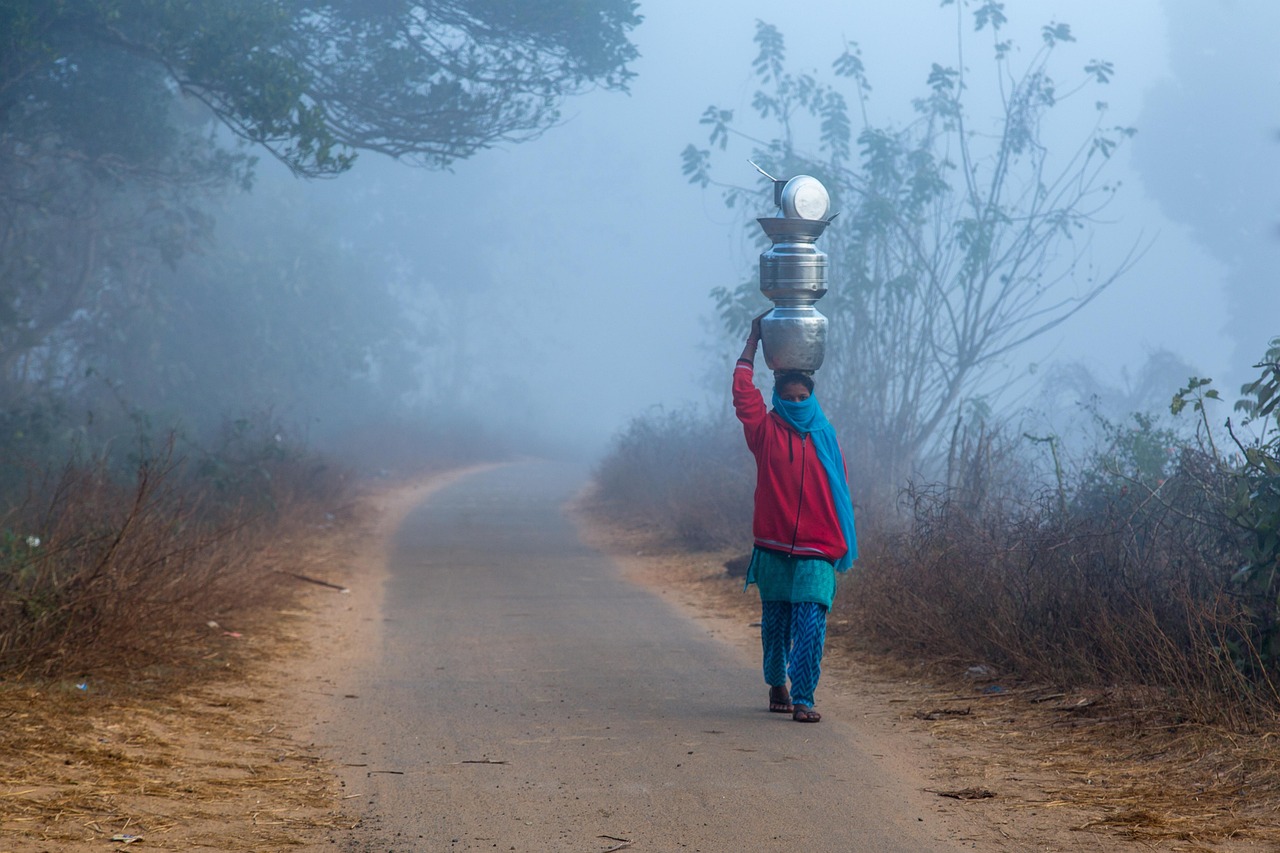
For all its political drama, the Telugu country has always rested on agriculture, and on the management of water in particular. The Godavari and the Krishna are the lifelines of the region, and over the past century the Telugu lands have become the site of some of the most ambitious irrigation engineering in India. Great dams and canal systems, from the colonial-era anicut across the Godavari delta to vast modern lift-irrigation schemes that pump river water up onto the high plateau, have turned huge areas into reliable cropland.
The coastal deltas produce rice in staggering quantities, while the drier interior grows cotton, chillies, groundnuts, and the famous Guntur chilli that gives Andhra cuisine its ferocious heat. This agricultural foundation has supported a dense rural population for centuries and continues to feed not just the Telugu states but much of India. Yet it has also brought hardship, as cycles of drought, debt, and falling crop prices have driven waves of farmer distress, a sobering counterpoint to the engineering triumphs.
Tirupati and the richest temple on earth
Religion runs deep in Telugu life, and nowhere is this more visible than at Tirumala, the hill shrine of Lord Venkateswara near the town of Tirupati in southern Andhra Pradesh. This temple is one of the most visited religious sites on the planet, drawing tens of thousands of pilgrims every single day and far more on festival occasions. Devotees come from across India and the wider Hindu world to seek the blessing of the deity, and enormous numbers shave their heads as an offering, so that the temple collects and auctions tonnes of human hair to wig-makers around the globe.
The sheer flow of offerings, in cash, gold, and kind, has made the Tirumala temple administration one of the wealthiest religious institutions in existence, with assets that rival those of large corporations. Beyond Tirupati, the Telugu landscape is thick with temples, from the great pilgrim centres on the banks of the rivers to countless village shrines, and the religious calendar is punctuated by vivid festivals. The harvest festival of Sankranti, with its decorated cattle, drawn rice-flour patterns on the doorstep, and kite-flying, is celebrated with special warmth across the Telugu country.
Fire on the plate, the Telugu kitchen
Telugu food has a reputation across India for being among the spiciest of all the country’s regional cuisines, and the people of the region wear that reputation with pride. The Andhra and Telangana table is built around rice, eaten in great quantity, accompanied by fiery curries, tangy tamarind-based stews, and an arsenal of pickles, the most famous being the searing mango pickle known as avakaya, made in summer and stored to last the whole year. Powdered spice blends called podis, eaten with rice and a spoon of ghee, are a beloved everyday staple.
The other great culinary glory of the region belongs to Hyderabad, where the Persianate court culture of the Nizams produced a refined Mughlai cuisine. Its crowning achievement is Hyderabadi biryani, a layered dish of fragrant rice and marinated meat slow-cooked under a sealed lid, accompanied by a tangy aubergine curry and a cooling raita. Hyderabadi biryani is now famous across the world and stands as one of India’s most beloved dishes, a delicious monument to the meeting of Telugu and Persian worlds.
Tollywood, one of the largest film industries on earth
Few outsiders realise that the Telugu film industry, affectionately nicknamed Tollywood and centred on Hyderabad, is one of the largest producers of motion pictures in the world, rivalling and in some years surpassing the Hindi-language Bollywood in the sheer number of films it releases. Cinema is woven into the very fabric of Telugu public life. Film stars command devotion that borders on the religious, with fans building temples to their idols and pouring milk over giant cut-outs on opening day, and several of the biggest political figures in the region’s recent history began as matinee heroes before founding parties and becoming chief ministers.
In recent years Telugu cinema has burst onto the global stage. Sprawling, visually spectacular epics made on enormous budgets have become some of the highest-grossing Indian films ever produced, and a Telugu production won an Academy Award for its original song, bringing the industry a wave of international attention it had long deserved. The studios of Hyderabad, including the vast Ramoji Film City, which is often cited as one of the largest film production complexes anywhere, churn out a constant stream of action, romance, and mythological spectacle that defines popular culture for tens of millions.
Hyderabad reborn as a city of software
The most dramatic transformation in modern Telugu life has been the reinvention of Hyderabad as one of India’s great technology hubs. Beginning in the 1990s, an ambitious state leadership courted global software and services companies and built a planned business district on the city’s western edge, nicknamed Cyberabad, with gleaming towers, special economic zones, and a campus culture imported from abroad. The world’s biggest technology firms set up some of their largest operations outside their home countries here, and Hyderabad now competes directly with Bangalore as a centre of Indian software, pharmaceuticals, and biotechnology.
This boom has reshaped the Telugu middle class and given the region a new self-image as a place of engineers, entrepreneurs, and global professionals. It has also fuelled one of the most striking diasporas in the world. Telugu speakers, especially from the technically educated classes, have migrated in enormous numbers to the United States, where they form one of the largest and most prosperous Indian-American communities, prominent in Silicon Valley, in medicine, and increasingly in corporate leadership. Telugu associations, festivals, and film releases now flourish in cities across North America, the Gulf, and beyond.
The texture of everyday Telugu life
Beneath the grand sweep of dynasties and industries lies the ordinary fabric of Telugu culture, which remains warm, family-centred, and richly ceremonial. Classical traditions run deep here. The dance form of Kuchipudi, born in a village of the same name in the Krishna delta, is one of the great classical dances of India, combining graceful movement with sung narrative and dramatic expression. Carnatic music, the classical music of the south, counts among its founding fathers Telugu composers whose devotional songs are still performed at every concert and temple festival.
Craft traditions flourish too, from the brilliant cotton and silk handloom saris woven in towns across the region to the lacquered wooden toys, the leather shadow puppets, and the intricate hand-painted cloth known as kalamkari. Weddings are elaborate multi-day affairs, hospitality is generous to the point of insistence, and respect for elders and for learning runs through the culture like a spine. Whether in a delta village ringed by paddy fields or in a high-rise apartment in Cyberabad, the rhythms of festival, food, family, and faith bind the Telugu together across the divisions of state and class.
A people still writing their story
The Telugu enter the twenty-first century as one of the most dynamic peoples of India, carrying a heritage that runs from ancient Buddhist stupas and Kakatiya temples through Persianate sultans and diamond fortunes to film epics and software empires. They have given the world a classical language of rare beauty, monuments of stone and water that have outlasted the kingdoms that built them, and a modern story of reinvention that few regions can match. They have also lived through hard things, the violence of 1948, the bitterness of partition into two states, the quiet desperation of indebted farmers, and they speak of these things, when they do, with a mixture of pride and unflinching honesty.
To know the Telugu is to understand that India contains within itself whole civilisations that the wider world has barely begun to notice, civilisations with their own scripts, their own classical arts, their own kings and poets and revolutions. Spread now across two states and a global diaspora, arguing still about their boundaries even as they share their songs, the Telugu remain a people whose story is very far from finished, and whose next chapters, written in towers of glass as much as in towers of stone, are only just beginning.
You May Like
The Damara, an Ancient People of Namibia