Along the southern edge of Bhutan, in the warm foothills and lowland strips that descend toward the plains of India, lived for generations a people quite different from the Buddhist highlanders of the north. These are the Lhotshampa, a name that means the people of the south, a Nepali-speaking, largely Hindu community whose presence added a third great strand to the human fabric of the Land of the Thunder Dragon. Their story is in many ways the most poignant of all Bhutan’s peoples, for it includes one of the most painful chapters in the kingdom’s modern history.
Where the western Ngalop and the eastern Sharchop are Buddhist peoples of Tibetan and Himalayan origin, the Lhotshampa are kin to the many peoples of Nepal, Nepali-speaking and Hindu in the main, descendants of migrants who settled the southern lowlands of Bhutan. This post tells their story as a distinct people of the kingdom: their origins, their language and faith, their traditions, and the turbulent history that scattered so many of them across the world.
- The people of the south
- A Nepali-speaking people
- Settlers of the southern foothills
- A Hindu world in a Buddhist kingdom
- Festivals of the south
- Farmers of the lowlands
- The difficult question of belonging
- Exile and a scattered people
- A new life across the world
- The table, the tongue, and what endures
- Memory and identity in dispersal
- A people between two homelands
The people of the south
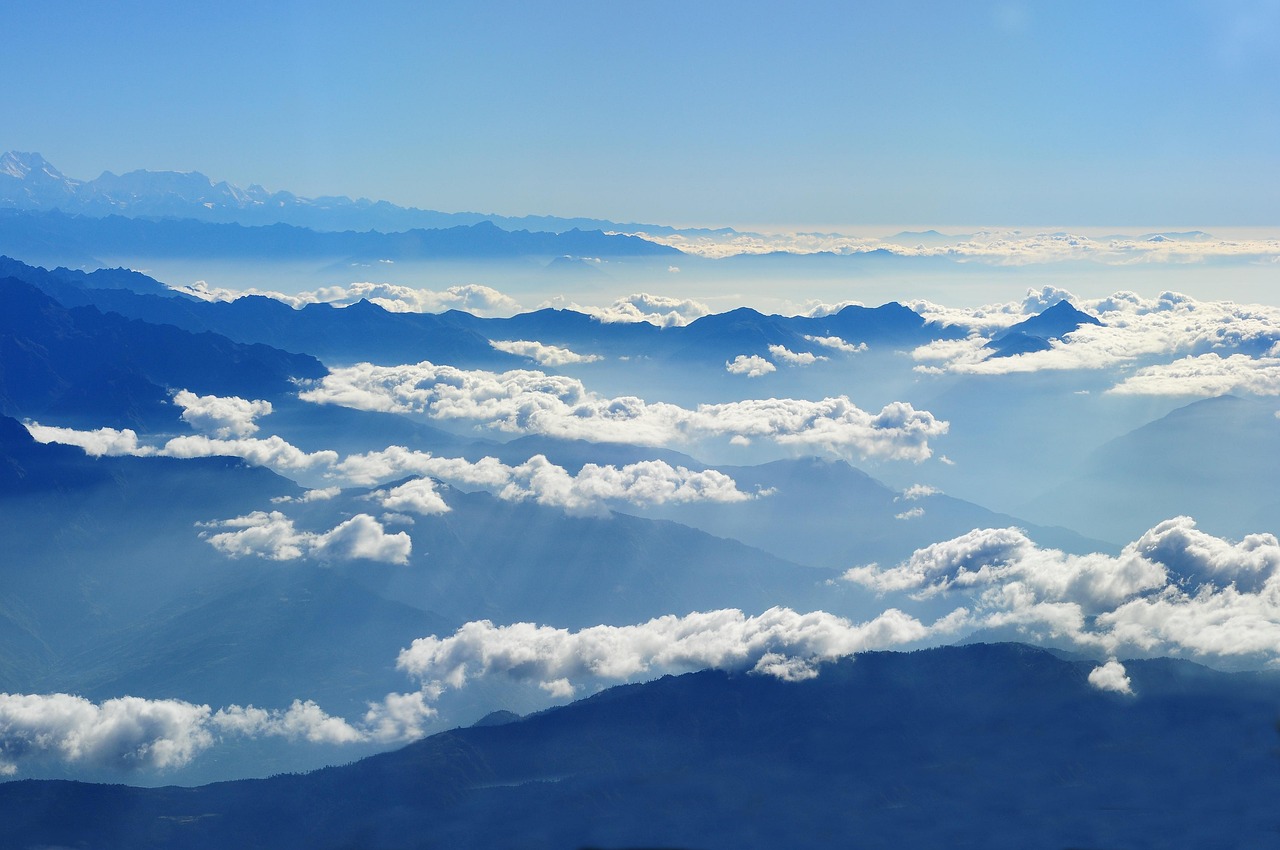
The homeland of the Lhotshampa is the southern belt of Bhutan, a region utterly different from the high valleys and snow ranges of the north. Here the land descends from the Himalayan foothills into the hot, humid lowlands that merge with the plains of India, a country of forest, farmland, and a subtropical climate far removed from the cool, thin air of the dzong-crowned highlands. It was a frontier region, less densely settled in earlier times, and it became the home of a population with roots to the south and west rather than the north.
This southern lowland was suited to a different kind of agriculture than the terraced highlands, with paddy rice, cattle, and the crops of a warmer climate, and it was settled and cultivated in large part by migrants of Nepali origin who brought their own farming traditions, their language, and their Hindu faith. Over generations these southerners turned forest into farmland and built villages and a way of life that made the southern districts productive and populous.
The very name Lhotshampa, the borderland people of the south, marks them by their geography, as the community of the southern frontier of Bhutan. Their world was the lowland farm and the foothill village, oriented as much toward the plains and the wider Nepali-speaking world as toward the Buddhist highlands of the Bhutanese heartland.
A Nepali-speaking people
The defining marker of the Lhotshampa is their language. They speak Nepali, an Indo-Aryan language of the same family as Hindi and the other tongues of northern India, and utterly different from the Tibeto-Burman languages of the Bhutanese highlanders. This places the Lhotshampa squarely in the great Indo-Aryan and Nepali-speaking world that stretches across Nepal and into the hills and plains of the eastern subcontinent, a world entirely distinct in its linguistic roots from that of the Ngalop and Sharchop.
Nepali, written in the same script as Hindi, served the Lhotshampa as the language of home, community, and culture, carrying their songs, stories, religious texts, and the whole inheritance of a Nepali-speaking people. It connected them to the vast community of Nepali speakers beyond Bhutan’s borders, in Nepal itself and in the Nepali-speaking regions of India, giving them a linguistic and cultural homeland that extended far beyond the southern districts in which they lived.
This linguistic distinctness, so different from the national Dzongkha of the Bhutanese state, was both a source of rich cultural identity and, later, a point of profound tension. In a kingdom whose national language and culture were those of the Buddhist highlanders, the Nepali tongue of the south marked the Lhotshampa as a people apart, with deep ties to a wider world beyond the mountains.
Settlers of the southern foothills
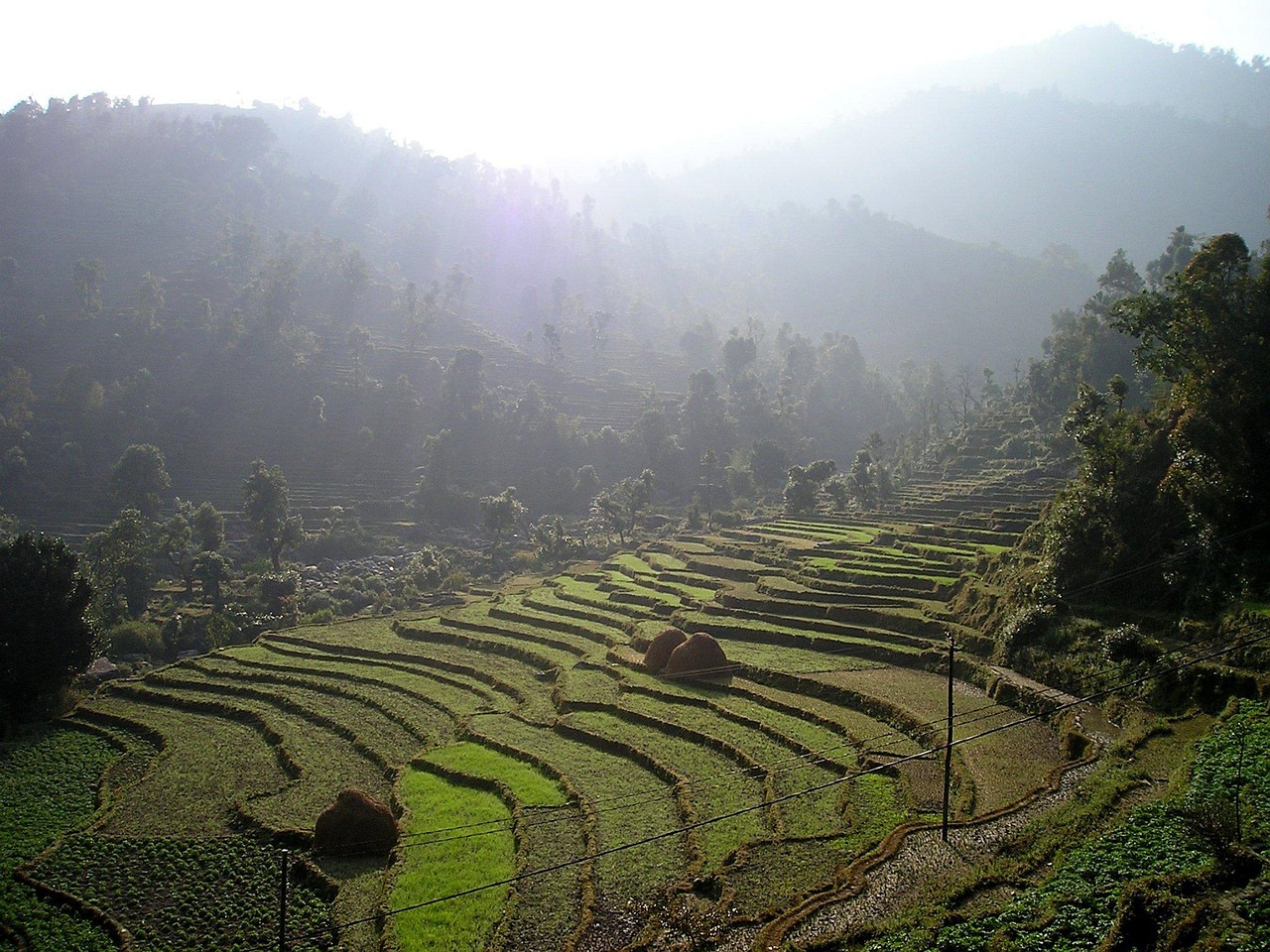
The Lhotshampa are descended largely from Nepali-speaking migrants who moved into the southern lowlands of Bhutan over the course of the nineteenth and twentieth centuries, part of a much broader movement of Nepali-speaking peoples across the eastern Himalaya during that era. The same demographic expansion settled Nepali speakers across the hill regions of northeastern India and elsewhere, and Bhutan’s underpopulated southern frontier drew its share of these industrious agricultural settlers.
These settlers cleared forest, drained and farmed the lowlands, and built a productive agrarian society in a region that had been thinly inhabited. Over generations they grew into a substantial population, an established community with deep roots in the southern soil, even if their presence was more recent than that of the ancient highland peoples to the north. By the twentieth century the Lhotshampa formed a significant portion of Bhutan’s total population.
Their settlement was, for a long time, accepted as part of the development of the southern districts, and the Lhotshampa contributed substantially to the agricultural economy of the kingdom. They were, in this period, one of the recognized communities of Bhutan, a Nepali-speaking, Hindu population settled in the south alongside the Buddhist peoples of the highlands, part of the diverse human reality of the Thunder Dragon kingdom.
A Hindu world in a Buddhist kingdom
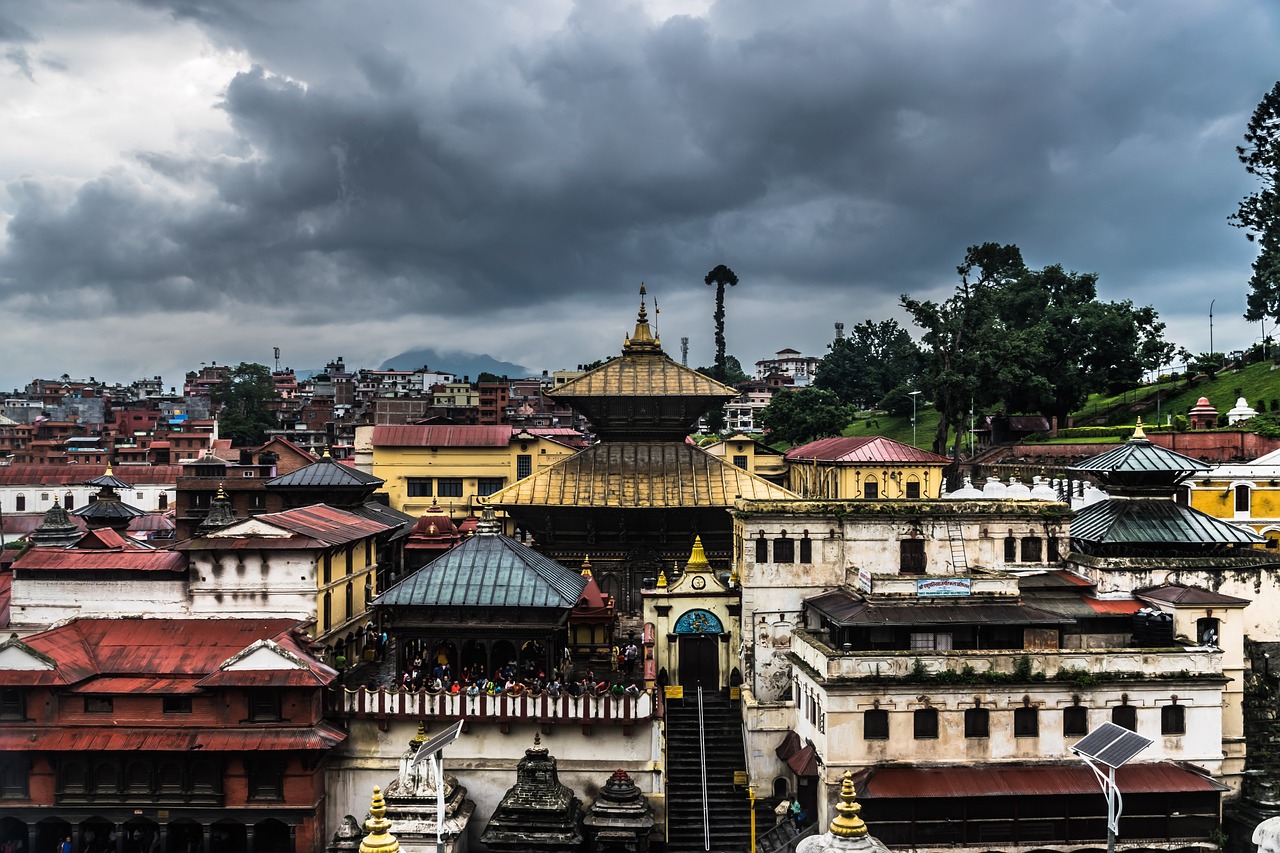
In their religion, too, the Lhotshampa stood apart from the Buddhist highlanders. The great majority are Hindus, carrying the faith, the deities, the rituals, and the festivals of the Nepali Hindu world into the southern districts of a Buddhist kingdom. Their religious life centred on the household shrine, the temple, the observance of the Hindu calendar, and the rites of passage that marked birth, marriage, and death according to Hindu custom and the social order it carried.
This made the south of Bhutan a Hindu world set within a Buddhist state, a striking religious frontier. The deities and festivals of the Lhotshampa were those of Nepali Hinduism, and their spiritual life connected them, like their language, to the wider Hindu and Nepali-speaking civilization beyond the mountains. The coexistence of this Hindu south with the Buddhist north was one of the features that made Bhutan a genuinely plural society, however unevenly that plurality was later honoured.
As among Nepali-speaking Hindus generally, the religious world of the Lhotshampa blended the great traditions of Hinduism with local custom and the social structure that came with it. Their faith was woven into every aspect of life, from the farming calendar to the family, and it remained a central pillar of identity for a people whose other markers, language and origin, also set them apart from the Bhutanese mainstream.
Festivals of the south
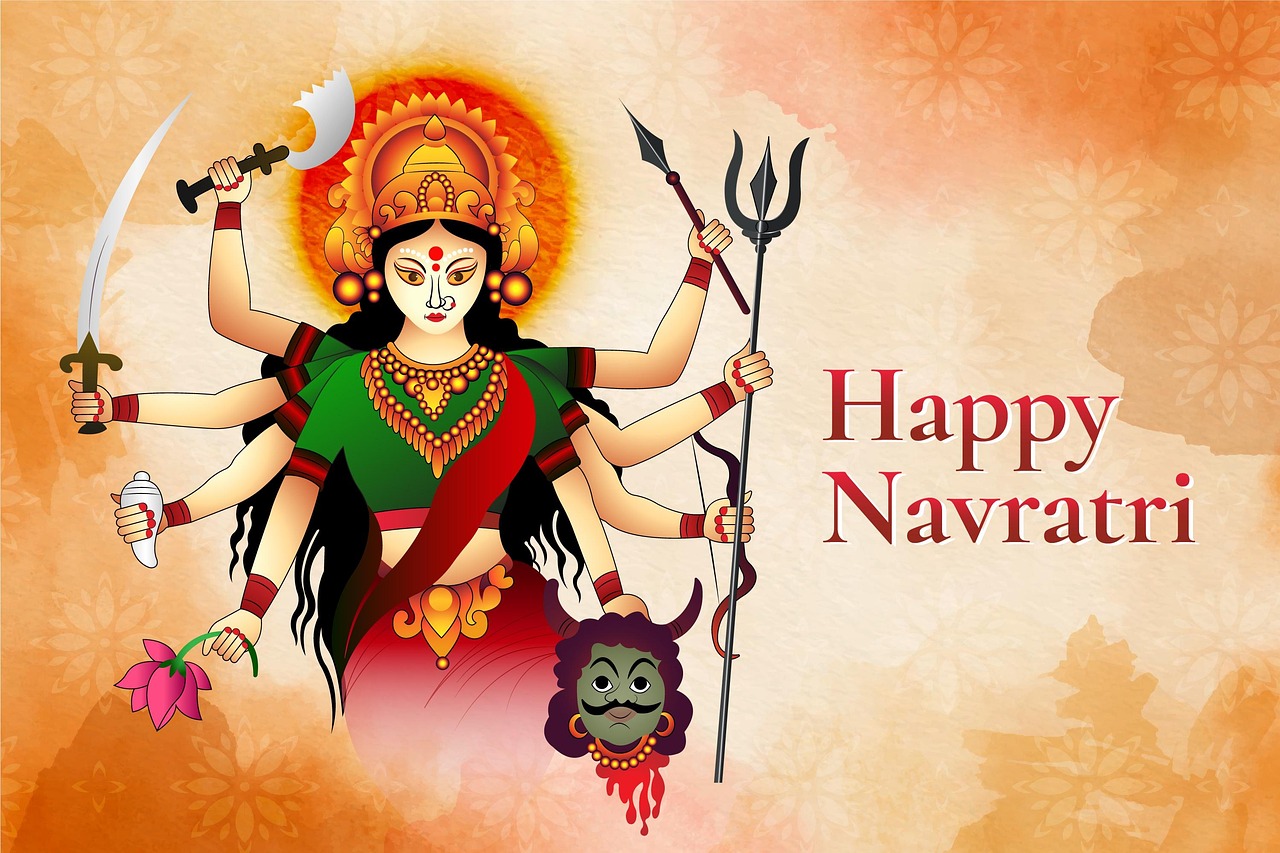
The festivals of the Lhotshampa are those of the Nepali Hindu calendar, above all the great autumn celebrations of Dashain and Tihar. Dashain, the longest and most important, marks the triumph of the goddess over a demon and is a time of family reunion, feasting, the giving of blessings by elders to the young, and elaborate observance across many days. Tihar, the festival of lights, fills the homes with lamps and garlands and honours various animals and the goddess of prosperity.
These festivals, shared with Nepali-speaking Hindus across the region, were the high points of the Lhotshampa year, binding families and communities together and marking the turning of the seasons. The observance of Chhath, the sun festival of the eastern plains, and other Hindu celebrations added further colour to the religious calendar of the south, each carrying its own rituals, foods, and gatherings.
Through these festivals the Lhotshampa kept alive their distinct identity and their connection to the wider Nepali Hindu world. The colour and devotion of these celebrations, so different from the masked dances and Buddhist tsechus of the highlands, were a vivid expression of the cultural distinctness of the southern people within the kingdom of Bhutan.
Farmers of the lowlands
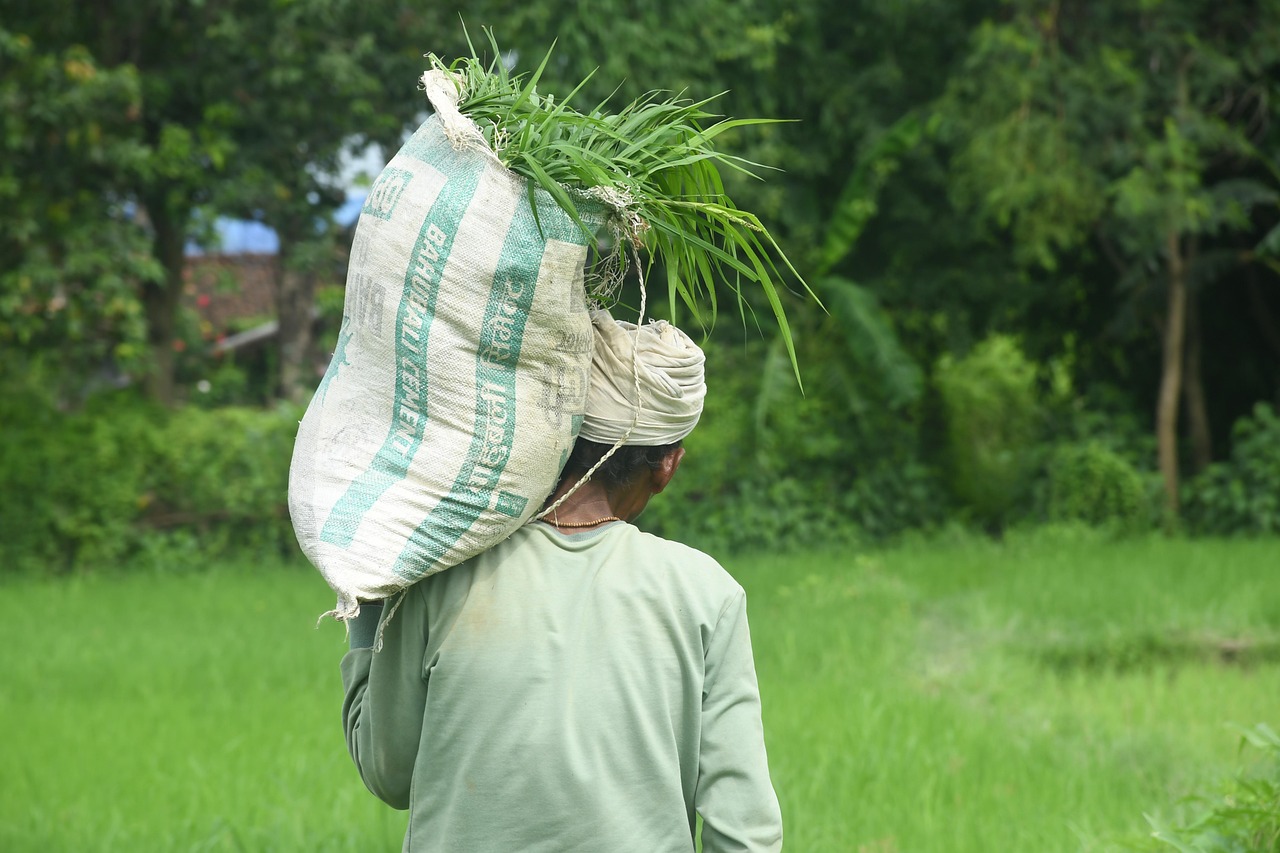
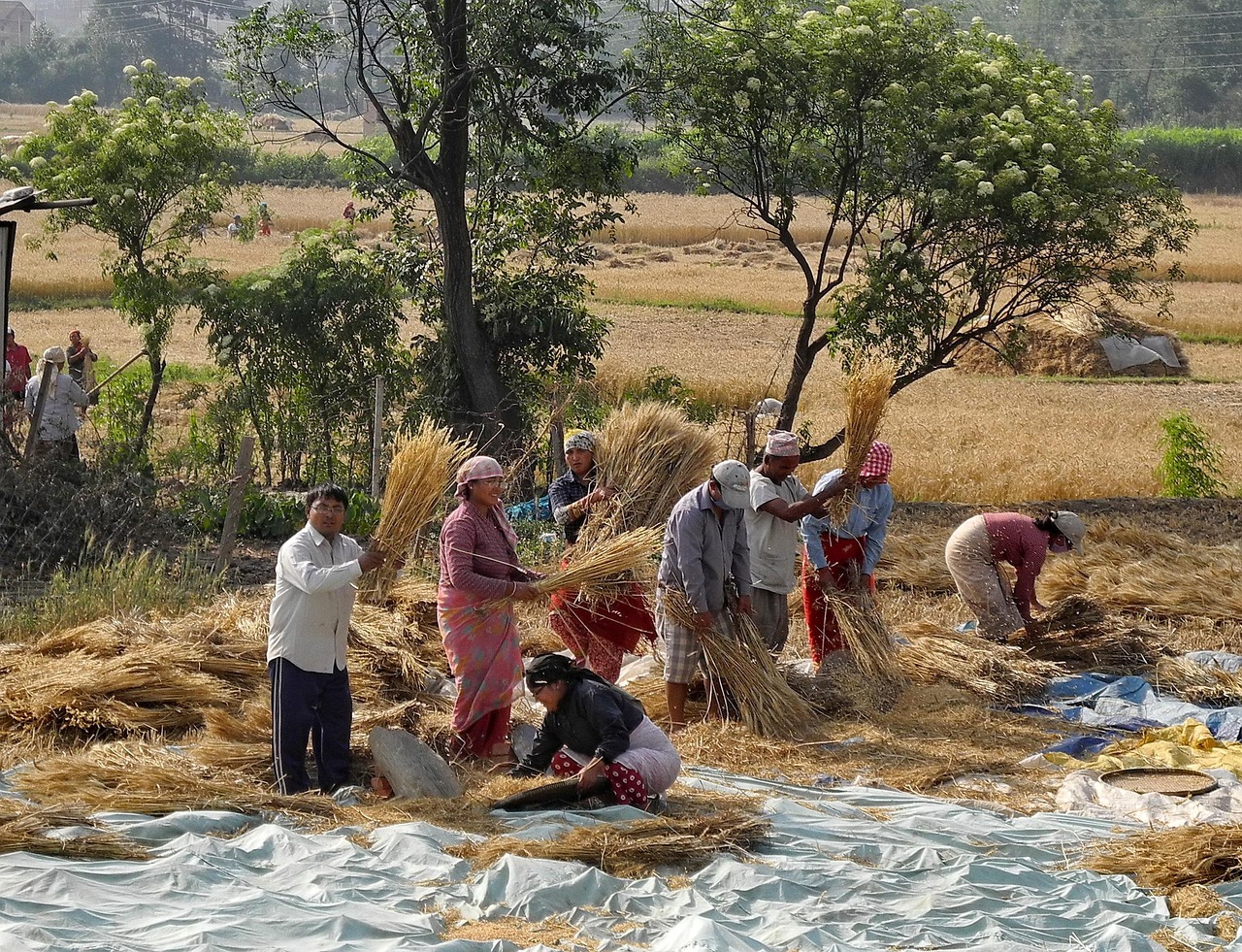
The Lhotshampa were, above all, farmers of the lowlands, and their way of life was that of an agrarian Nepali-speaking community. They grew rice in the paddies of the warm southern districts, kept cattle and other livestock, and worked the land with the techniques and traditions of the Nepali farming world. Their villages, their fields, and their seasonal round of planting and harvest formed the framework of a settled, industrious rural existence.
This agricultural society was organized around the family, the village, and the social structures that the settlers had carried with them, and it made the southern districts a productive part of the Bhutanese economy. The Lhotshampa labour turned forest and lowland into farmland and contributed significantly to the food and prosperity of the kingdom, and the southern belt became one of the more populous and agriculturally important regions of Bhutan.
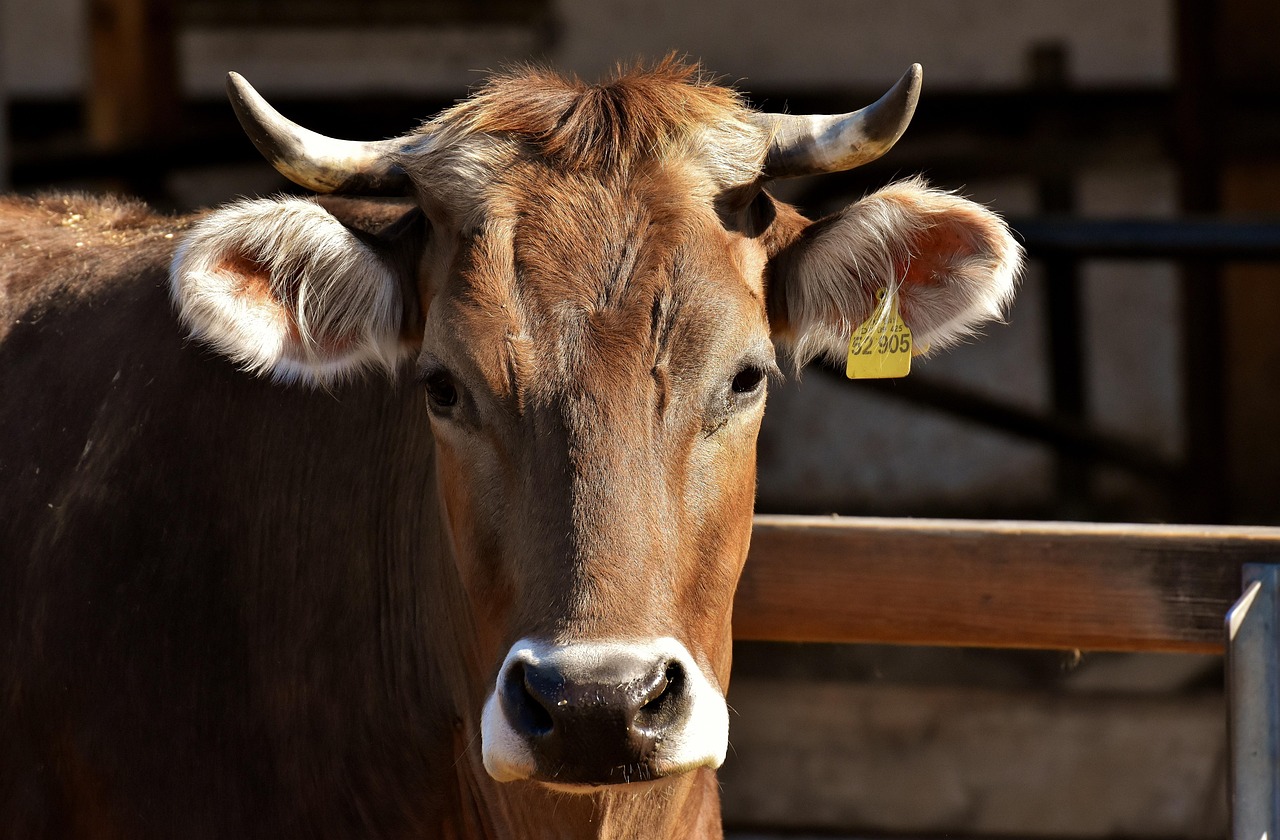
Cattle, in particular, held an important place in the agrarian and religious life of the Lhotshampa, as among Hindu farming peoples generally, and the rhythms of the lowland farm, so different from the high-altitude herding and terraced cultivation of the north, gave the southern people a distinct material culture. Theirs was the world of the warm lowland village, oriented toward the plains and the wider Nepali-speaking south.
The difficult question of belonging

The presence of a large, distinct, Nepali-speaking, Hindu population in the south raised, by the later twentieth century, profound and painful questions about identity and belonging in the Bhutanese state. Bhutan, a small kingdom acutely conscious of its survival as a distinct Buddhist nation in a region of giants, grew increasingly anxious about the preservation of its national culture and demographic character, and about the implications of a large community whose language, religion, and ties lay outside the Buddhist highland mainstream.
From the 1980s the Bhutanese state pursued policies aimed at strengthening a single national identity, including the promotion of the national language, dress, and code of conduct, and the tightening of citizenship requirements. For the Lhotshampa, whose culture was so different from the highland norm, these policies bore down with particular weight, and tensions between the southern community and the state mounted steadily, fed by fears on every side about culture, demography, and the future of the kingdom.
The question of who truly belonged to Bhutan, and on what terms, became acute. The very features that defined the Lhotshampa, their Nepali tongue, their Hindu faith, their distinct origin, came to be seen by the state through the lens of its anxieties about national survival, and the stage was set for one of the most tragic episodes in the modern history of the Himalaya.
Exile and a scattered people
In the late 1980s and early 1990s, amid rising tension, protest, and a hardening of state policy, a very large number of Lhotshampa left or were compelled to leave Bhutan. Tens of thousands of southern Bhutanese departed the kingdom over a short and turbulent period, and most made their way to refugee camps in eastern Nepal, where they would remain for many years. It was a wrenching exodus that uprooted a long-settled population and became a defining catastrophe in the story of the Lhotshampa.
The events of this period remain painful and contested, viewed very differently by the various parties to them, and the human cost was immense. A people who had farmed the southern lands for generations found themselves stateless and dispossessed, gathered in camps across the border, their homes and fields left behind. For many years the camps of eastern Nepal held a large displaced Lhotshampa population, caught between a Bhutan that would not take them back and a Nepal that was not their home.
This long limbo, stretching across nearly two decades, was a humanitarian crisis of great scale and great sorrow. The displaced lived in the camps with limited prospects, sustained by international aid, while the diplomatic efforts to resolve their fate stalled. The exile of the Lhotshampa stands as one of the darker chapters of the modern Himalaya, a reminder of how the drive to define a single national identity can fall with terrible weight on those who do not fit its mould.
A new life across the world
The long impasse over the camps was eventually broken not by return to Bhutan but by resettlement abroad. Beginning in the late 2000s, an international programme resettled the great majority of the camp population in third countries, above all the United States, with many others going to Canada, Australia, and several European nations. Over the following years the camps were largely emptied as tens of thousands of Lhotshampa began entirely new lives far from both Bhutan and Nepal.
This vast resettlement scattered the Lhotshampa across the world, planting Nepali-speaking Bhutanese communities in cities and towns thousands of miles from the southern foothills where their story began. In their new homes they rebuilt their lives from nothing, finding work, raising children, establishing temples and community organizations, and weaving themselves into the fabric of new societies while striving to keep their language, faith, and traditions alive in dispersal.
The resettled Lhotshampa have shown remarkable resilience, transforming a story of exile and loss into one of renewal in distant lands. Yet the scattering also brought new challenges, the strain of building life in unfamiliar cultures, the gulf between generations, and the difficulty of preserving an identity far from any homeland. The community that was uprooted from southern Bhutan has become a global diaspora, bound by memory and language across continents.
The table, the tongue, and what endures
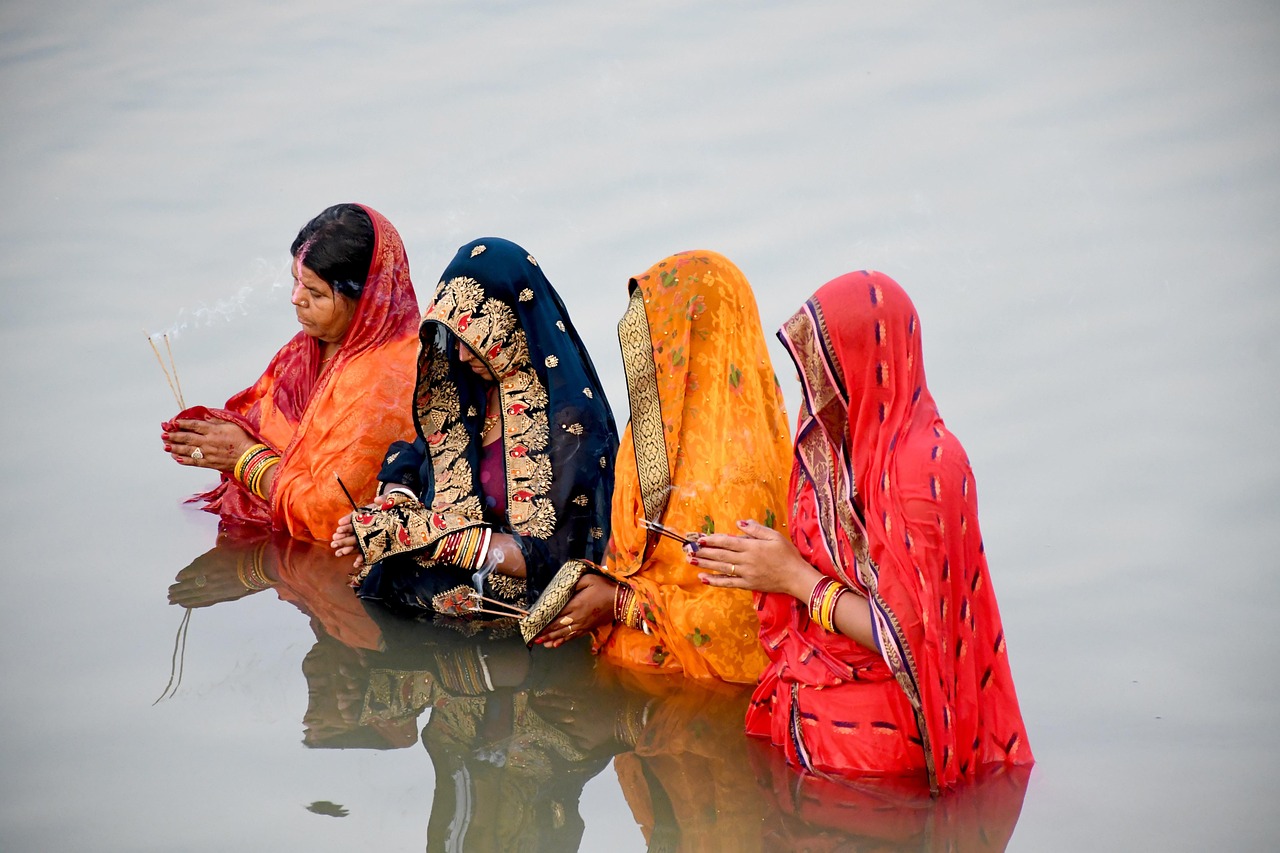
In their scattered new homes, the Lhotshampa have worked to preserve the culture that the upheaval could not destroy. The Nepali language is taught to children, the great Hindu festivals of Dashain and Tihar are celebrated in cities far from the Himalaya, temples and community centres anchor the diaspora, and the songs, foods, and customs of the southern Bhutanese world are kept alive in living rooms and community halls across several continents. The culture survives, transplanted but tenacious.
The food of the Lhotshampa, the rice, lentils, vegetables, and pickles of the Nepali-speaking world, remains a daily link to the homeland, prepared in kitchens from one hemisphere to another. The momo dumpling, the festival sweets, and the everyday dal and rice carry the taste of home into exile. Around the shared table the dispersed community renews, meal by meal, its bond with a way of life that no border could entirely take away.
For the younger generation, born or raised in the countries of resettlement, the challenge is the universal one of the diaspora: to belong to a new society while honouring an inherited identity. Many are now citizens of the lands that took them in, fluent in new languages and cultures, even as their parents and grandparents keep alive the memory of southern Bhutan and the Nepali traditions that define the community.
Memory and identity in dispersal
Identity and memory have become central to the Lhotshampa experience. Theirs is a community defined in part by a lost homeland, by the memory of the southern districts of Bhutan from which they came and to which most can never return. This memory is carried in story and song, in the accounts of elders, and in the very name by which the people know themselves, a memory of place that anchors a scattered population spread across the globe.
The trauma of exile and the long years in the camps left deep marks, and the work of healing and of building new lives has been hard. Yet the Lhotshampa have also shown that a people can endure even the loss of their homeland, carrying their language, faith, and traditions into dispersal and planting them anew in foreign soil. Their resilience in the face of one of the great displacements of the modern Himalaya is itself a defining feature of who they are.
The story of the Lhotshampa is a sobering counterpoint to the celebrated tale of Bhutanese Gross National Happiness, a reminder that the same drive to preserve a distinct national culture which gave Bhutan its admired identity also fell with crushing weight on a community that did not fit the mould. To tell the full story of Bhutan honestly is to include the south as well as the highlands, the exiled as well as the celebrated.
A people between two homelands
The Lhotshampa are a people between two homelands, descended from Nepali-speaking settlers of southern Bhutan, scattered now across the world by one of the harshest episodes in the kingdom’s modern history. Nepali in tongue and largely Hindu in faith, they were a distinct strand in the human fabric of Bhutan, as different from the Buddhist highlanders of the north as could be, and their story is essential to any honest account of the Thunder Dragon kingdom and its peoples.
Their history carries both sorrow and resilience: the sorrow of exile, dispossession, and long years in the camps, and the resilience of a people who rebuilt their lives across distant continents while keeping their language, faith, and traditions alive. From the lowland farms of southern Bhutan to refugee camps in eastern Nepal to new homes in the cities of the West, the Lhotshampa have carried their identity through one of the great upheavals of the modern Himalaya.
Theirs is a story that complicates and deepens the picture of Bhutan, reminding us that nations are made of many peoples and that the preservation of one identity can come at a heavy cost to another. The Lhotshampa, the people of the south, remain a community defined by memory and by endurance, carrying the inheritance of southern Bhutan into a future scattered across the world, neither fully of the land they left nor of the lands that received them, but unmistakably, enduringly themselves.
You May Like
The Zaza, a Mountain People of Eastern Anatolia