In the steep, forested hills of eastern Bhutan, where the ridges tumble down toward the Indian plains and the morning sun strikes the country first, live the Sharchop, whose very name means the people of the east, or the easterners. They are among the largest population groups in Bhutan and, by many accounts, the oldest, a people whose presence in these hills may reach back further than that of any other community in the kingdom. Yet they are far less known to the outside world than the western Ngalop, whose culture became the public face of Bhutan.
The Sharchop are a distinct people with their own language, their own deep history, and their own character, settled across the eastern districts of Bhutan in a landscape of dense forest and precipitous valleys. They share the Buddhist faith and the national framework of the kingdom, but their roots, their tongue, and their traditions set them apart, and their story is essential to understanding that Bhutan is not one people but several woven together. This post tells the story of the easterners on their own terms.
- The people of the sunrise
- Perhaps the oldest inhabitants of Bhutan
- The Tshangla tongue and its roots
- Faith old and new in the eastern hills
- The great monastery of the east
- Weavers of the finest cloth
- Village life on the steep slopes
- A people within a kingdom
- The eastern table
- Migration, roads, and change
- Keepers of an ancient presence
- The other heart of Bhutan
The people of the sunrise

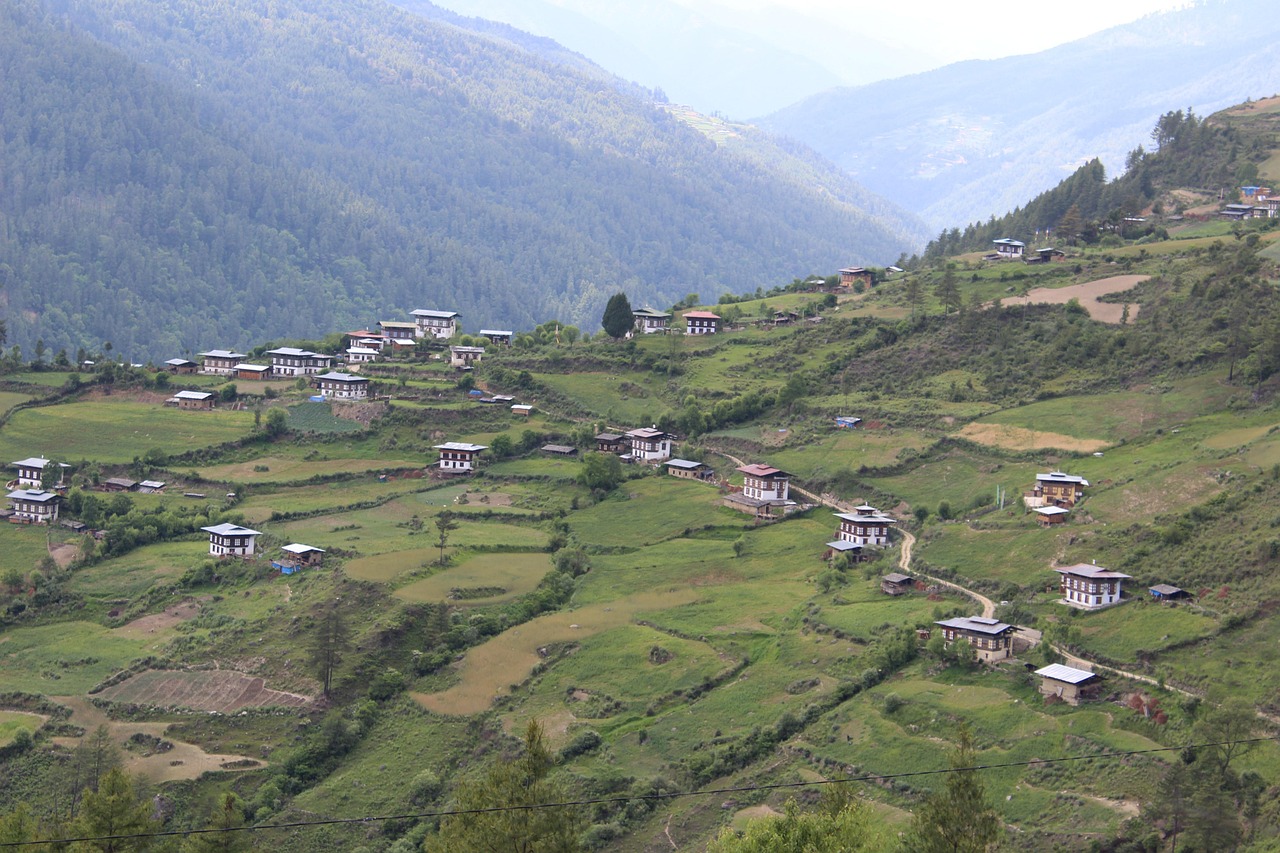
The homeland of the Sharchop is the eastern third of Bhutan, a region markedly different from the broad western valleys of the Ngalop. Here the terrain is even steeper and more broken, a maze of sharp ridges and deep gorges cloaked in thick subtropical and temperate forest, descending toward the hot plains of the Indian border. The land is harder to farm and harder to travel, and for much of history the eastern districts were among the more remote and isolated parts of an already remote kingdom.
This rugged geography shaped a society of scattered hillside villages, of fields carved with great labour into the slopes, and of communities somewhat cut off from one another and from the centres of power in the west. The easterners grew maize and rice and millet, kept livestock, and lived by the rhythms of a demanding mountain agriculture. Their isolation preserved their distinct language and customs even as they were drawn into the wider Bhutanese state.
Because the sun rises in the east, the Sharchop are, quite literally, the people who greet the day first in Bhutan, and their name carries that sense of the eastern quarter. The forests of their homeland are among the richest in the kingdom, part of the great green mantle that makes Bhutan one of the most thickly forested countries on earth, and the Sharchop live close to this wild, biodiverse landscape of mist, leech, and towering tree.
Perhaps the oldest inhabitants of Bhutan
The question of who came first in the valleys and hills of Bhutan is one that has fascinated historians, linguists, and the Bhutanese themselves. The deep antiquity of the Sharchop presence is suggested not only by their distinct language but by the way the later Tibetan-derived culture of the west settled over an already inhabited east, much as a new layer of paint covers an older wall without erasing what lies beneath. The easterners were here, in this reading, when the founders of the western kingdom were still in the future.

One of the most intriguing things about the Sharchop is the strong possibility that they are the oldest inhabitants of Bhutan, a population descended from peoples who settled the eastern hills long before the Tibetan migrations that produced the Ngalop of the west. In this view the Sharchop represent an older, indigenous layer of the country’s population, related to the Tibeto-Burman hill peoples who spread across the eastern Himalaya and the uplands stretching toward Southeast Asia in deep antiquity.
This ancient presence connects the Sharchop, in the long view of history, to the broad family of hill peoples that includes communities across India’s northeast such as the Naga and many others, all of them part of the great Tibeto-Burman dispersal through the eastern mountains. The Sharchop are not Tibetan in origin like the Ngalop; their roots lie in this older, more southerly and easterly world of the Himalayan foothills.
The exact origins of the Sharchop remain a matter of scholarly discussion, as is so often the case with peoples whose history was carried in memory and custom rather than written chronicle. But the picture that emerges is of a deeply rooted population, settled in the eastern hills for a very long time, over whom the later religious and political culture of the Tibetan-derived west was eventually laid. The Sharchop are, in this sense, a foundation people of Bhutan.
The Tshangla tongue and its roots
The survival of Tshangla as a vigorous spoken language, carried for centuries without a writing system of its own, is a testament to the strength of oral tradition among the Sharchop. Songs, stories, proverbs, genealogies, and the lore of the village were all preserved in speech and memory, passed from one generation to the next around the hearth and in the fields. This oral inheritance is a treasure as real, if less visible, as the written chronicles of more literate peoples.
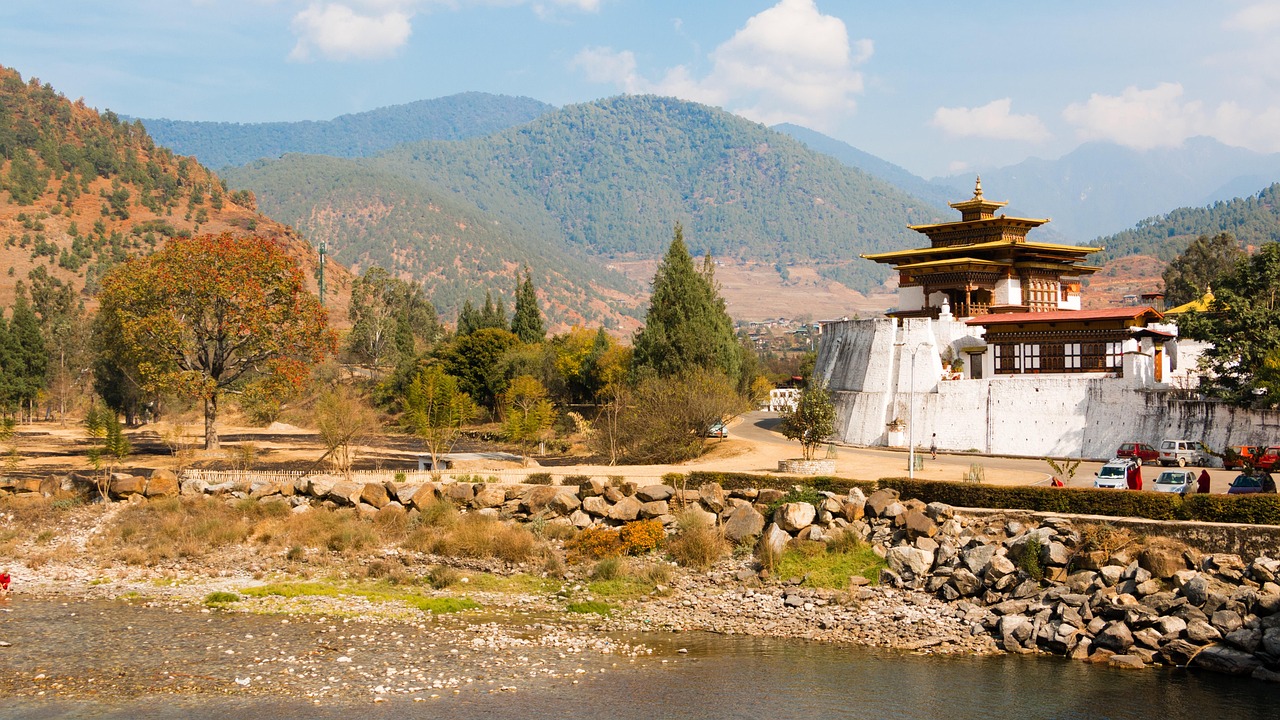
The Sharchop speak Tshangla, often simply called Sharchopkha, the language of the east. Like the Dzongkha of the Ngalop, Tshangla belongs to the great Tibeto-Burman language family, but it is a distinct language, not a dialect of Dzongkha, and the two are not mutually intelligible. Tshangla is one of the most widely spoken languages of Bhutan, the mother tongue of the large eastern population, and it is also spoken by related communities across the border in India.
The distinctness of Tshangla is a key marker of Sharchop identity. Where the western Ngalop speak a Tibetic language closely tied to Tibetan, the Tshangla of the east represents a different branch of the Tibeto-Burman family, reflecting the separate and probably older origins of the eastern people. For centuries Tshangla was an unwritten spoken language, its speakers using the classical Tibetan of religion for any written purpose, much as the Ngalop did.
Because the national language and the language of administration and schooling is Dzongkha, the Sharchop have long been a bilingual people, speaking their own Tshangla at home and in the community while using Dzongkha in official life. This layering of languages, the mother tongue of the east beneath the national tongue of the west, is one of the defining features of Sharchop life and a reminder of Bhutan’s deep internal diversity.
Faith old and new in the eastern hills

The Sharchop today are overwhelmingly Buddhist, sharing in the great Vajrayana tradition that defines the Bhutanese state. But the form of Buddhism long established in the east has its own particular flavour, historically associated with the Nyingma school, the oldest of the Tibetan Buddhist traditions, rather than exclusively with the Drukpa school of the western state. The east has been a stronghold of Nyingma practice, with its own monasteries, lamas, and lineages reaching back many centuries.
Beneath and alongside this Buddhism, the eastern hills have preserved older layers of belief, the worship of local deities, mountain spirits, and the forces of the forest and the land, tended by village ritual specialists. As among so many Himalayan peoples, the great world religion did not simply erase what came before but settled over it, so that the spiritual world of the Sharchop village blends Buddhist devotion with an older reverence for the spirits of place. This layering gives eastern religious life a distinctive depth.
The reverence for Guru Rinpoche, the great master who is said to have brought Buddhism to the Himalaya, is especially strong in the east, and many of the region’s most sacred sites are associated with his legendary visits. The eastern hills are dotted with temples, sacred caves, and pilgrimage places, and the Sharchop are a devout people whose Buddhism, while sharing the national framework, carries its own ancient eastern character.
The great monastery of the east

The spiritual heart of the Sharchop world is one of the great religious centres of Bhutan, a major monastery in the east that ranks among the most important in the country and serves as a beacon of the eastern Buddhist tradition. Around such centres the religious life of the easterners is organized, with their monks, their festivals, and their lineages of teaching, giving the region a religious gravity to match that of the western dzongs.
These eastern religious institutions have helped knit the Sharchop into the wider Buddhist civilization of Bhutan while preserving their own particular traditions. The festivals held at the eastern monasteries draw the scattered hill communities together in the same way that the western tsechus gather the Ngalop, and the masked dances, the rituals, and the gatherings are central to the cultural and spiritual year of the east.
Through these monasteries and their lamas, the Sharchop have long participated fully in the religious life of the kingdom, producing monks, scholars, and teachers who have contributed to Bhutanese Buddhism as a whole. The east is not a religious backwater but a vital centre of faith in its own right, with deep roots and a living tradition that complements that of the west.
Weavers of the finest cloth
The dyes, fibres, and motifs of eastern weaving each carry meaning, drawn from the natural world of the forests and from the symbolic vocabulary of Buddhist and folk tradition. A finished ceremonial textile is at once a work of art, a store of wealth, and a statement of identity, and the skill of a community’s weavers is a matter of real pride. In recent years this heritage has also become a source of income and recognition, as the textiles of eastern Bhutan win admiration far beyond the kingdom’s borders.

If the Sharchop are renowned for one craft above all, it is weaving. Eastern Bhutan is celebrated throughout the country and beyond for producing the finest woven textiles, and the women of the region are master weavers whose intricate, brilliantly coloured cloth is among the most prized in the Himalaya. The textiles of the east, worked on backstrap looms in patterns of extraordinary complexity, are the gold standard of Bhutanese weaving and a great source of regional pride.
Weaving among the Sharchop is far more than a craft; it is an art form, a source of income, and a marker of identity passed from mother to daughter across the generations. The most elaborate ceremonial cloths can take many months to weave and are treasured heirlooms of great value, worn on the most important occasions and given as gifts of the highest honour. The patterns and techniques of eastern weaving are a cultural inheritance guarded and celebrated by the Sharchop.
This mastery of the loom has given the east an outsized place in the material culture of Bhutan. When Bhutanese everywhere don their finest woven gho and kira for festivals and ceremonies, much of that finery comes from the looms of the eastern weavers. The Sharchop have made of weaving a defining achievement, an art in which their region leads the entire kingdom.
Village life on the steep slopes
Traditional Sharchop life is village life on the steep slopes of the eastern hills. The villages cling to the mountainsides, their houses of stone, timber, and rammed earth surrounded by fields cut into the gradient and by the forest that presses close on every side. The people grow maize, rice, millet, and buckwheat according to altitude, keep cattle and other livestock, and live by a demanding agriculture that wrings a living from difficult terrain.
Community life revolves around the family, the village, and the local temple, and around the cooperative labour that mountain farming demands. The festivals of the Buddhist calendar, the rituals tended by village priests, the weaving of the women, and the seasonal round of planting and harvest fill the year. It is a hardworking, close-knit, deeply traditional way of life, lived in some of the most rugged and beautiful country in the Himalaya.
The relative isolation of the eastern hills, long cut off by distance and difficult terrain from the centres of the west, helped preserve this traditional life and the distinct Sharchop language and customs. Even as roads and schools and modern communications have reached the east, the rhythms of the hillside village and the forest remain close to the surface of Sharchop existence.
A people within a kingdom
This dynamic of a distinct people living within a state shaped by another is one of the central themes of the modern Himalaya, and the Sharchop experience of it has on the whole been one of integration and shared nationhood rather than division. The easterners have embraced the Bhutanese identity while keeping their own, contributing to the kingdom’s monastic, political, and cultural life out of all proportion to the attention they receive from the outside world.
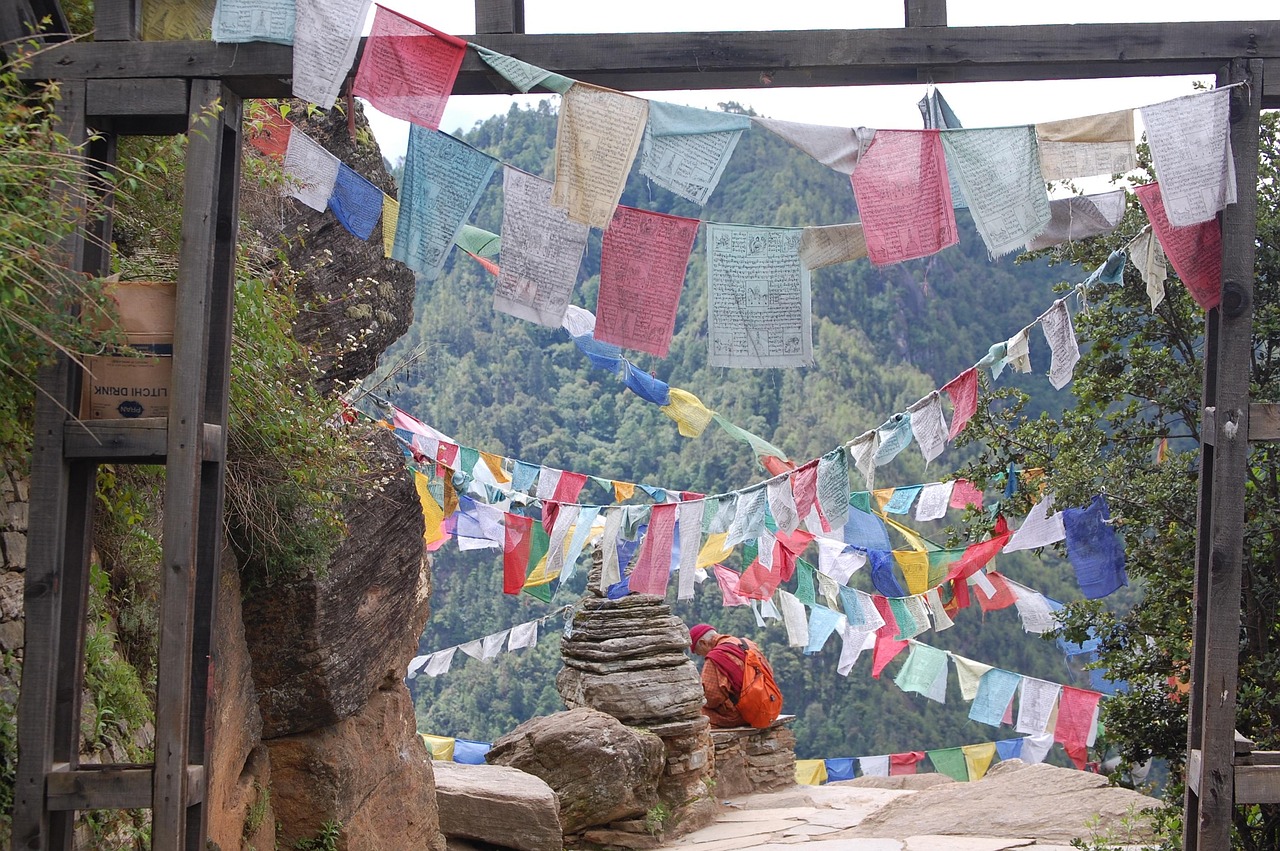
The Sharchop live within a Bhutan whose national culture, language, and institutions were shaped largely by the western Ngalop, and their experience is in part the experience of a large and ancient people within a state defined by another. They share fully in the Buddhist faith and the national identity of the kingdom, wear the national dress, and participate in its institutions, yet they speak their own language and carry their own traditions, a distinct community beneath the national surface.
Over the long history of Bhutan, easterners have risen to prominence in the monastic order, the bureaucracy, and the life of the nation, and the royal family itself draws on roots that connect to the central and eastern regions. The relationship between east and west has thus been one of integration as much as distinction, with the Sharchop fully woven into the fabric of the kingdom even as they retain their own character.
Like every diverse nation, Bhutan has had to balance the cultures of its regions, and the place of the eastern people within a westward-shaped state is part of the ongoing story of how the kingdom holds itself together. The Sharchop, as one of the largest and oldest of Bhutan’s peoples, are central to that story, a foundation community whose loyalty and contribution have helped make the kingdom one.

The eastern table
The food of the Sharchop shares in the broad Bhutanese love of chillies and cheese but carries its own eastern character, shaped by the crops of the region. Maize is a particularly important staple in the east, ground and prepared in various ways alongside rice, and the cuisine makes full use of the forest’s bounty, with foraged greens, ferns, mushrooms, and bamboo shoots adding their flavours to the table. The fiery cheese stews beloved across Bhutan appear here too, in eastern variations.
As in the rest of the kingdom, dairy in the form of cheese and butter is central, and the local grain spirits warm the cold evenings and accompany festivals and celebrations. The cooking is hearty and warming, suited to a hardworking mountain life, and it draws on the particular crops and wild foods of the eastern forests to give it a regional distinctiveness within the wider Bhutanese culinary world.
Food among the Sharchop, as among all Buddhist Himalayan peoples, is bound up with hospitality, festival, and religious observance. The sharing of a meal, the offering of food to monks and at the household altar, and the great feasts of the festival season all knit the community together and express the warmth and generosity for which the easterners, like their fellow Bhutanese, are known.
Migration, roads, and change
The modern age has reached even the remote eastern hills, bringing roads, schools, electricity, and the internet, and with them profound change. Young Sharchop now attend school in Dzongkha and English, travel to the towns of the west and to the capital for education and work, and increasingly leave the hillside farms for the wider opportunities of a modernizing country. As in so many traditional societies, this brings both new horizons and the slow erosion of the old village world.
Migration has become a major feature of Sharchop life, with easterners moving to the towns and cities of Bhutan and abroad, and with the eastern districts experiencing the same drain of young people that affects rural regions across the Himalaya. The challenge of preserving the Tshangla language and the distinct traditions of the east, in a country whose schooling and public life are conducted in another tongue, grows sharper as the young are drawn into the national mainstream and the global culture beyond.
Yet the Sharchop remain a numerous, vital, and deeply rooted people, and their language and traditions, their weaving and their festivals, continue to flourish in the eastern hills and to travel with them into the towns. The eastern identity, ancient and distinct, persists within the modern Bhutanese nation, carried by a people proud of their long presence in the land.
Keepers of an ancient presence
The Sharchop are keepers of one of the most ancient human presences in Bhutan, a people who may have settled the eastern hills before any other community now in the kingdom, and who have held to their distinct language and traditions across the long centuries. They are a foundation people of the Land of the Thunder Dragon, fully Buddhist, fully Bhutanese, and yet unmistakably their own, the easterners who greet the sunrise first.
Their story is a necessary complement to that of the western Ngalop, for Bhutan is not the creation of a single people but the weaving together of several, and the easterners are among the largest and oldest threads in that weave. From their forests and steep valleys have come the finest textiles in the kingdom, deep lineages of Buddhist faith, and a numerous, hardworking population that has helped build and hold the nation.
As Bhutan moves further into the modern world, the Sharchop carry their ancient inheritance forward, balancing their distinct eastern identity with their full membership in the Bhutanese nation. They are the other heart of the Thunder Dragon, the people of the sunrise, whose long presence in the eastern hills is woven inextricably into the story of the kingdom.
You May Like
The Damara, an Ancient People of Namibia