

Ayvalik Pictures
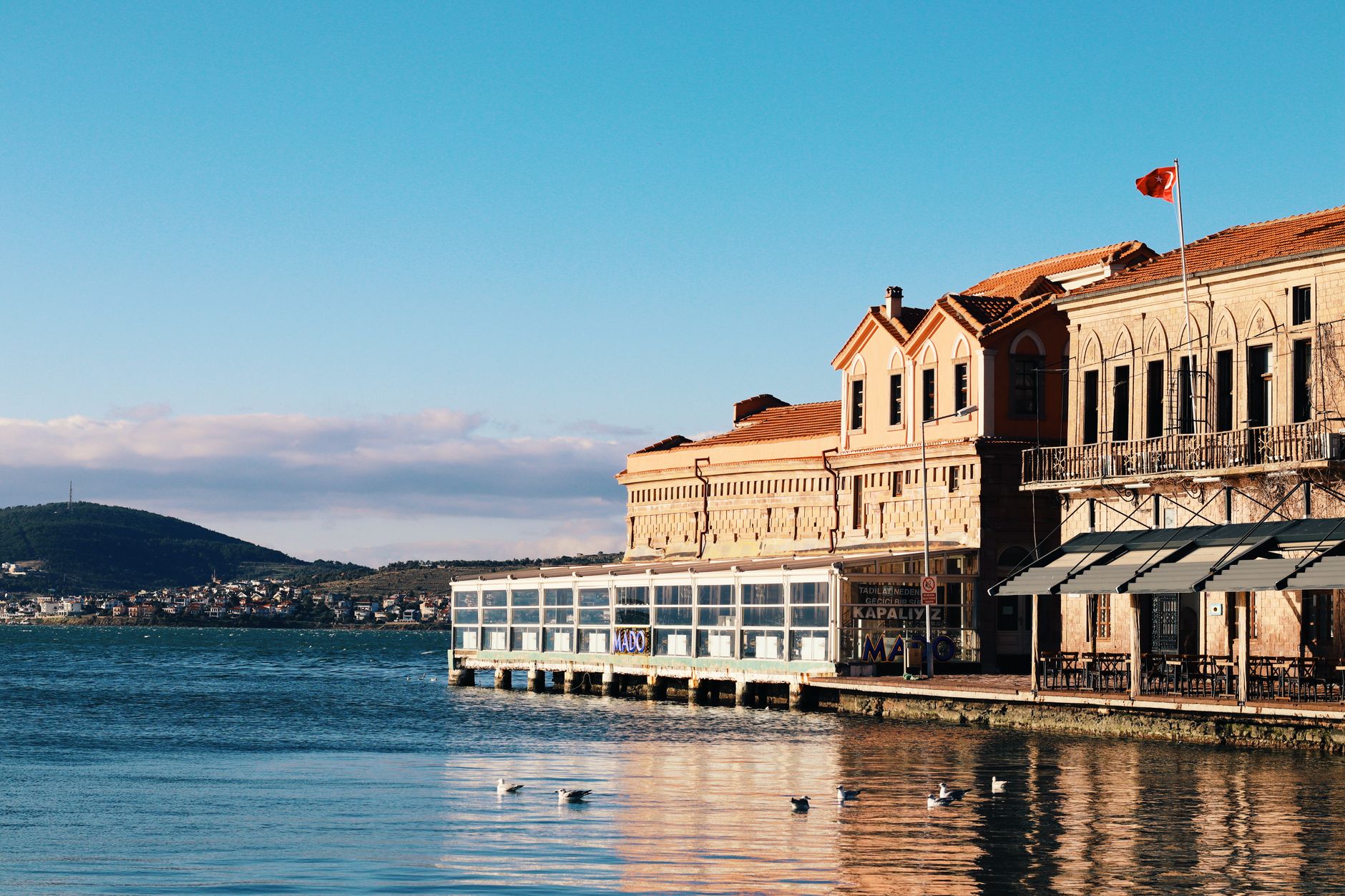
Ayvalık is one of the first summer resorts in Turkey. Ayvalık, a district of Balıkesir, is a holiday center with clean sea water, beaches, beautiful coasts surrounded by green olive groves, and embodies historical and archaeological values.
Ayvalık was called Kidonia, meaning a type of wild quince, in ancient times. It came under Misya, Hittite, Phrygian and Lydian rule in ancient times, Roman and Greek rule in the Middle Ages, and Turkish rule from the 14th century. Greeks and Turks have lived side by side for a long time. 19th and 20th
As a result of the Greek population living in the city, which had its heyday at the beginning of the 19th century, participating in the Greek uprising in 1821, a large part of the district was evacuated, and although they were later allowed to return, the city could not regain its former vitality. Although there are not many remains from ancient times today, fragments of pottery from the Hellenistic and Roman periods can be seen here and there.
In addition to many historical buildings in Ayvalık, houses and churches dating from the Greeks are still standing.
During the population exchange of 1923, families from Crete were settled in the district. Some of these families still live in the district.
places to visit
Alibey Island or Cunda: It is possible to reach this island, which closes Ayvalık against the open sea, by road via a bridge. In summer, there are motorboat trips from Ayvalık to Alibey Island every hour. There are many churches and monasteries on the island (except Taksiyarhis, they are in ruins or have been restored and become mosques). The largest of the churches is Taksiyarhis Church. The big bell of the church is in the Bergama Museum.
The beauties of the straits, islands and intertwined bays are worth watching from the higher parts of the island. Dinners at the fish restaurants lined up in the center of the island are insatiable, with the famous Papalina, seafood, appetizers and herb dishes served with olive oil.
Devil’s Table: It is above Çamlık Forest Camp. The hill, which is an old lava deposit, resembles a round table. There is a huge footprint inside the iron cage, said to belong to the devil.
It is covered with pine forests (this part was added after the fire: after the pine forests burned, the Devil’s Table remains very colorless and bare, but it still maintains its charm). It is especially worth watching the sunset from the Devil’s Table, which is a high hill overlooking the Ayvalık islands. It has a restaurant.
Old Ayvalık Houses: Worth seeing with their doors, pediments, door knockers, windows, wood and stone workmanship, Ayvalık houses take those who see them to a journey into the past.
beaches
Sarımsaklı Beaches: 8 km away from the town center. 100 m long, 7 km long.
The beach has a wide sandy beach; It has many accommodation facilities, cafeterias, restaurants selling especially seafood, and casinos. Although it is no different from the beaches abroad, lack of maintenance causes it not to receive the attention it deserves. The adjacent Şahinkaya (Badavut) beach has fine and clean sand. Altınova: Altınova, a cute corner of Ayvalık district, has clean beaches. 13 km from the town centre.
The town offers picnic and sightseeing places and relaxation in the forest. Ali Çetinkaya (Armutçuk): It is a public beach with clean, fine sand on the northern coast of the district. Duba Location: Municipality Beach is on the road to Alibey Island. Alibey Island (Cunda): 8 km from the town center by road. away. The island’s surroundings are natural beaches. Turkey’s first Bosphorus bridge was built here, between Alibey Island and Ayvalık.
Mosques and ChurchesSaatli Mosque: It was built as a church by the local Greeks in the İsmet Paşa District in the district center and was converted into a mosque after 1928. Çınarlı Mosque: It was built as an old church in the Zekibey district. It was converted into a mosque during the Republic period. Hamidiye Mosque: It was built by Sultan Abdülhamid for the Muslims living in Ayvalık. Armutçuk Mosque: It is in the neighborhood named after him.
It was put into service in 1990. Şehitler Mosque: It is the largest mosque in the Gulf region. It is in the Ali Çetinkaya neighborhood. It was opened for worship in 2001. Taksiyarhis Church: The church was built in 1873; It is in the Lower Fountain row, which attracts attention with its non-flowing, inlaid garlic stones. The place where it is located is the first neighborhood of the city where Christians and Muslims live together.
The surrounding street texture and neo-classical civil architecture are in integrity with its typical houses. The church is the most remarkable work of the city that is still intact, with its architectural features, interior marble workmanship, ceiling decorations containing religious subjects, paintings depicting Jesus from his birth to his death, and portraits of saints made on fish skin.
Hagia Nicholas Church: It is on Alibey Island. It is decorated with frescoes depicting religious subjects taken from the Torah and the Bible. Moonlight Monastery: The Monastery in Patriça (the northward extension of Alibey Island), which is Turkishized as Moonlight Monastery, can be reached after passing the First and Second Villages.
It has largely preserved its unique structure and features. Leka Monastery: The monastery overlooking the strait, visible through the olive trees on the left bank as the Dalyan Strait enters the bay. The traditional monastery structure has been preserved because monks worked on its construction.
Diving tourismAyvalık, in addition to its historical and cultural riches, is one of the important centers preferred by diving enthusiasts, especially with its island surroundings and seabed riches. Diving boats located in the town center offer visitors the opportunity to meet the underwater richness of Ayvalık.
Tourist attractions: Güvercin Island: Güvercin Island, located in the Gulf of Pateriça, one of the places blessed by God, and the Monastery within the island attract great attention as a structure that has survived from the Middle Ages to the present day. Its other name is Pirate Island. The stone monastery where those who abandoned piracy retreated was built in the 15th century. has also been made. It was abandoned after the population exchange. Çamlık: It is a hill overlooking the city, right on the edge of the city.
There are countryside casinos on the hill covered with pine trees.
You May Like
Aspendos Ancient Theater Travel Guide