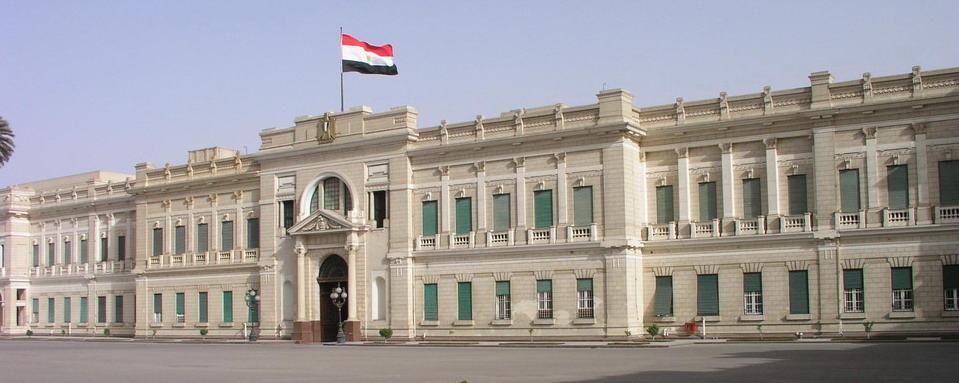
In the heart of Cairo, a short distance from the medieval old city, stands a palace that turns its back on the East and gazes toward Europe. Abdeen Palace is not a building of domes and courtyards in the traditional Egyptian manner but a great European-style palace of gilded halls, crystal chandeliers, and grand staircases, one of the most sumptuous royal residences ever built. It was here, rather than in the ancient Citadel, that modern Egypt was ruled for the better part of a century.
The palace was created in the nineteenth century by an ambitious ruler determined to make Cairo a city worthy of comparison with the great capitals of Europe. Its architecture, decoration, and furnishings were drawn from the fashions of Paris and the courts of the continent, and its splendour was intended to proclaim the wealth and modern aspirations of Egypt under its khedives.
For generations Abdeen was the seat of the ruling dynasty and the centre of political life in Egypt, witnessing the great events and dramas of the country’s modern history. Today it serves as a presidential palace, and part of it is open to the public as a group of museums, displaying the treasures of the monarchy amid the opulence of its historic halls.
In this guide you will explore Abdeen Palace from its origins under the ruler who built it, through its European architecture, its opulent halls and collections, its role as the home of the dynasty, and its fate after the fall of the monarchy, to what it is like to visit today. By the end you will understand why this palace is regarded as one of the most magnificent in Egypt and the wider region.
In This Article
- The Khedive’s European Palace
- Ismail Pasha and the Dream of a European Cairo
- European Splendour on the Nile
- The Opulent State Halls
- Home of the Muhammad Ali Dynasty
- Gold, Crystal, and Clocks
- The Palace Museums
- The Arms and Silver Collections
- The Palace Gardens
- The End of the Monarchy
- A Presidential Palace Today
- Planning Your Visit to Abdeen
- See Abdeen Palace for Yourself
The Khedive’s European Palace
Abdeen Palace was born of a decisive break with the past. For centuries the rulers of Egypt had governed from the great medieval Citadel that overlooks Cairo, but in the nineteenth century the khedive who ruled the country decided to build a new palace on level ground in the growing modern city, and to make it the seat of government in place of the ancient fortress.

The site chosen lay in a district that took its name, according to tradition, from an earlier notable of the city, and the new palace would give the area a wholly new character. Building began in the 1860s, and the project was conceived on a grand scale, intended to create a residence and seat of power worthy of a modern state with European ambitions.
The construction of the palace was a major undertaking that drew on European architects, artists, and craftsmen, reflecting the ruler’s determination to bring the latest continental fashions to Cairo. The finest materials were gathered and the most skilled hands employed to create interiors of extraordinary luxury, and the palace took years to complete.
When it was finished, Abdeen replaced the Citadel as the principal seat of government and the main residence of the ruling family in Cairo. This shift, from the medieval fortress to the European-style palace, symbolised the wider transformation that the khedive sought to bring about, turning Egypt toward Europe and the modern world.
The move from the Citadel to Abdeen was more than a change of address; it was a statement about the kind of state Egypt aspired to be. The Citadel, with its mosques and fortifications, spoke of the medieval Islamic past, while the new European-style palace on open ground spoke of a modern, outward-looking monarchy. In choosing to rule from Abdeen, the khedive announced a new era in the government of Egypt.
Ismail Pasha and the Dream of a European Cairo
The palace is inseparable from the ruler who built it, Khedive Ismail, one of the most ambitious and consequential figures in modern Egyptian history. Ismail was determined to modernise Egypt and to make its capital a city that could stand comparison with the great capitals of Europe, and he pursued this vision with enormous energy and expense.
Under Ismail, Cairo was transformed, with new districts laid out in the European manner, grand boulevards, gardens, and public buildings, in a deliberate effort to create a modern city. Abdeen Palace was a centrepiece of this vision, a European-style royal residence to crown the modern capital he was building.
Ismail’s ambitions extended far beyond architecture, encompassing vast projects of modernisation, including his role in the era of the Suez Canal. His famous declaration that Egypt was no longer part of Africa but of Europe captured the spirit that also drove the building of Abdeen, a palace that turned resolutely toward the continent.
Yet Ismail’s ambitions came at a great cost, and his lavish spending contributed to a financial crisis that ultimately undermined his rule. The palace stands as a monument to both his vision and its price, a magnificent expression of his dream of a European Egypt, built in an era whose extravagance would have lasting consequences for the country.
Ismail’s reign is often remembered as a time of dazzling ambition shadowed by financial ruin, and Abdeen embodies both sides of that legacy. The palace was among the grandest of his creations, a jewel of the modern Cairo he envisioned, yet the scale of his spending on such projects helped to drive Egypt into the debt that would eventually cost the country its independence. The palace is thus a monument to a fateful moment in the nation’s history.
It was under Ismail that Egypt hosted the grand celebrations surrounding the opening of the Suez Canal, an occasion that drew the crowned heads of Europe and for which the khedive spared no expense. Abdeen and the other palaces of the era were part of the setting for this display, and the ambition that produced such spectacle is written into the very fabric of the palace.
European Splendour on the Nile
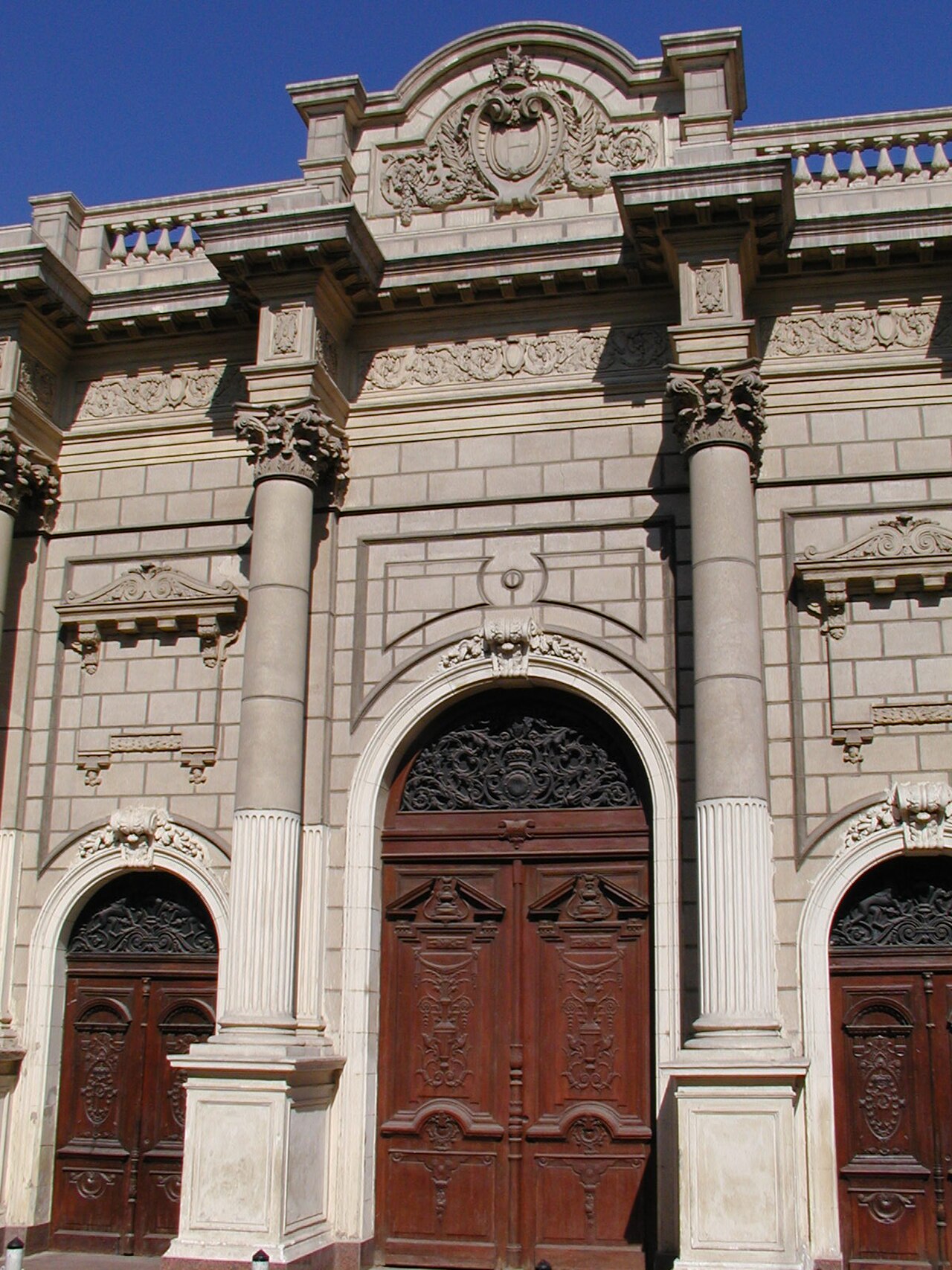
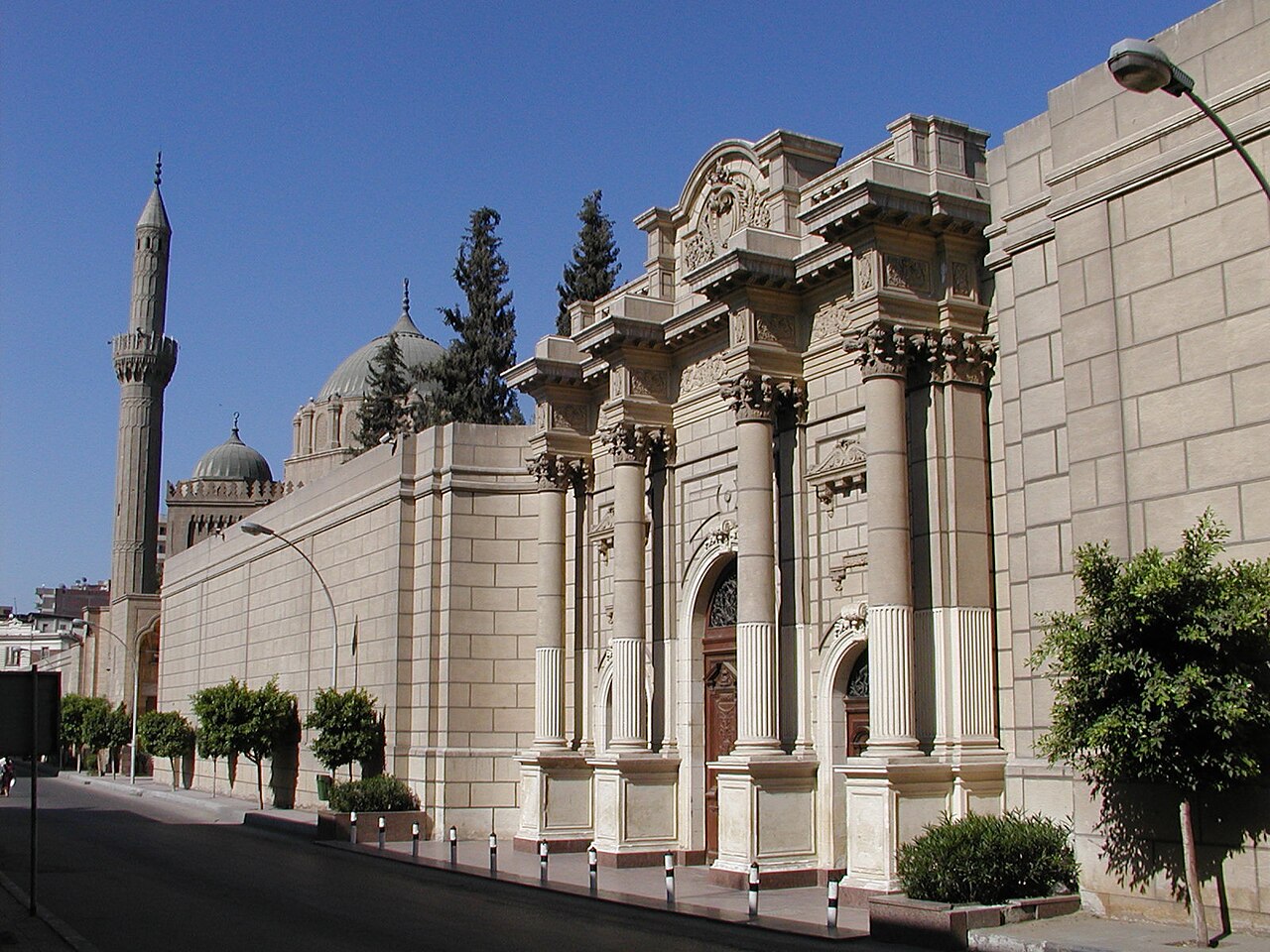
The architecture of Abdeen Palace is thoroughly European, drawing on the classical and Rococo traditions of the continent rather than the Islamic architecture of Egypt’s past. Designed with the involvement of European architects, the palace presents a dignified facade and contains interiors of the utmost opulence, decorated in the styles fashionable in the courts and salons of Europe.

The palace is vast, containing a great many rooms and halls, and its scale reflects the ambitions of its builder. Its facades are ordered and classical, while within, the decoration becomes ever more lavish, with gilded ornament, painted ceilings, marble, and crystal creating an atmosphere of extraordinary luxury throughout the state apartments.
The choice of a European style was deliberate and symbolic, expressing the khedive’s determination to align Egypt with the modern world and the great powers of Europe. Rather than looking to the traditions of the region, the palace looked outward, and its architecture embodies the cosmopolitan and modernising spirit of its age.
The result is one of the most sumptuous palaces of its era, a building whose European magnificence set on the banks of the Nile makes a striking statement. Abdeen stands as a monument to a particular moment in Egyptian history, when the country sought to remake itself in a European image, and its architecture remains among the most opulent to be found anywhere in the region.
The involvement of European architects and designers meant that Abdeen was, in effect, a piece of nineteenth-century Europe built in Cairo, and contemporaries marvelled at how completely it broke with local tradition. Yet the palace was also adapted to its setting and to the needs of an Egyptian court, and over time it accumulated a character of its own, a European shell filled with the life and treasures of the Egyptian monarchy.
Abdeen is often cited among the most opulent palaces in the world, and its interiors bear comparison with the grand European residences that inspired them. That such a palace should stand in Cairo is a testament to the global reach of nineteenth-century taste and to the determination of Egypt’s rulers to claim a place among the great courts of the age.
The Opulent State Halls
The glory of Abdeen Palace lies in its state halls, a sequence of grand rooms of breathtaking opulence used for the ceremonies and receptions of the monarchy. These halls, decorated with gilded ornament, painted ceilings, crystal chandeliers, and rich furnishings, are among the most sumptuous interiors to be found in any palace.
Each of the great halls has its own character and theme, decorated in the various European styles fashionable in the nineteenth century. Some are named for their decorative schemes or functions, and all reflect the enormous wealth and cosmopolitan taste of the rulers who created and used them, providing settings of the utmost grandeur for the life of the court.
The halls were designed to impress visitors and to convey the dignity and modernity of the Egyptian monarchy. Foreign dignitaries and ambassadors were received amid this splendour, and the state occasions of the crown unfolded in surroundings intended to rival the grandest courts of Europe, asserting Egypt’s place among the nations.
For visitors today, the state halls are the highlight of a visit to the palace, offering an overwhelming experience of luxury and grandeur. The gilded decoration, the glittering chandeliers, and the sheer scale of the rooms combine to create interiors of extraordinary richness, a vivid record of the opulence of the Egyptian monarchy at its height.
The scale of the palace, with hundreds of rooms, meant that it could accommodate the full apparatus of a modern court, from grand ceremonial halls to private apartments and administrative offices. This combination of splendour and function made Abdeen a true seat of government as well as a residence, a place where the business of ruling Egypt was carried out amid surroundings of the greatest magnificence.
Visitors who move through the sequence of halls often find the cumulative effect almost overwhelming, for each room seems to outdo the last in richness. This crescendo of splendour was deliberate, designed to build an impression of ever-greater magnificence as one approached the most important spaces, a technique of royal architecture that Abdeen employs to powerful effect.
Home of the Muhammad Ali Dynasty
Abdeen Palace was the principal residence of the dynasty that ruled Egypt through the nineteenth and first half of the twentieth centuries, the line descended from the great reformer who had founded modern Egypt earlier in the century. From the reign of the khedive who built it, the palace was the home and seat of this ruling house.
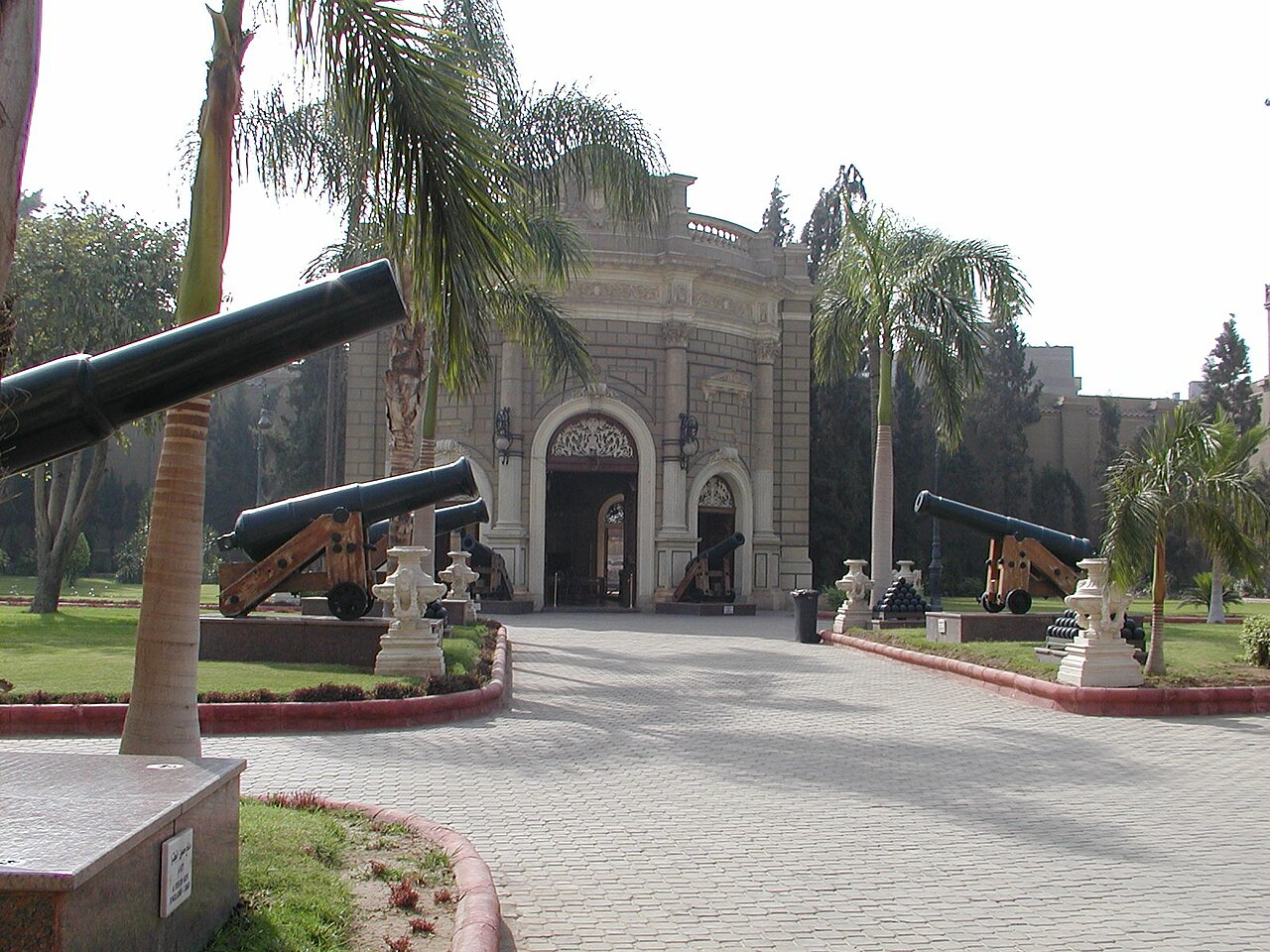
Through the decades, the palace was the setting for the private life of the royal family and the public life of the monarchy, witnessing the reigns of successive khedives, sultans, and kings as Egypt’s status and titles changed with the times. Its halls saw the ceremonies, receptions, and intrigues of the court across a long and eventful period.
The palace was at the centre of the political history of modern Egypt, the place from which the country was governed and where many of the great events and decisions of its history unfolded. It was a stage on which the drama of Egypt’s modern development, its struggles for independence, and its relations with the wider world were played out.
As the home of the dynasty, Abdeen accumulated the treasures, furnishings, and memories of generations of rulers. The palace and its collections reflect the life and taste of the royal house over nearly a century, and they preserve the memory of the monarchy that shaped so much of Egypt’s modern history.
The palace witnessed not only ceremonies and receptions but moments of genuine historical drama, including episodes that shaped the course of Egypt’s struggle for independence and its relations with foreign powers. As the seat of the monarchy, Abdeen was inevitably at the centre of these events, and its walls hold the memory of confrontations and decisions that helped to determine the fate of the nation.
The long line of rulers who called Abdeen home spanned the transformation of Egypt from an Ottoman province into a modern state and, eventually, an independent kingdom. The palace thus witnessed the whole arc of the dynasty’s fortunes, from the confident modernising ambitions of its early years to the pressures and crises that would eventually bring the monarchy to its end.
Gold, Crystal, and Clocks
The decoration of Abdeen Palace is famous for its lavishness, and the palace is filled with treasures of the decorative arts. Gilded ornament covers walls and ceilings, vast crystal chandeliers hang overhead, and the rooms are furnished with the finest that the workshops of Europe and beyond could produce, creating an atmosphere of concentrated luxury.
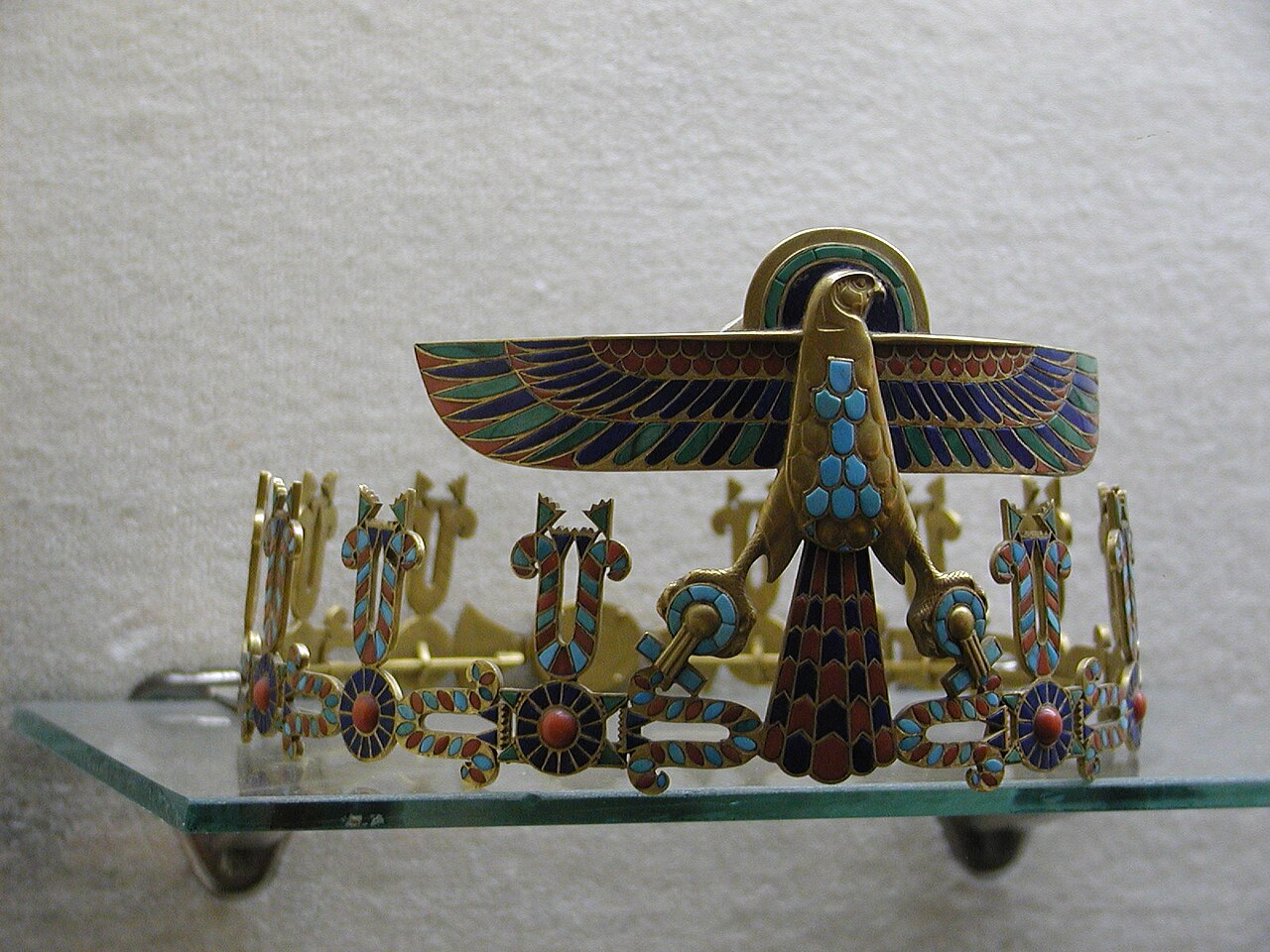
Among the most notable features of the palace are its collections of clocks, chandeliers, and other precious objects, gathered by the rulers over the years. These treasures, from elaborate timepieces to glittering light fittings and fine furniture, adorn the halls and add to the impression of overwhelming richness that defines the palace.
The decoration reflects the cosmopolitan tastes of the dynasty and its engagement with the arts of Europe and the wider world. Materials and objects were brought from many lands to adorn the palace, and the result is an interior of great richness and variety, a treasure house of the decorative arts of the nineteenth century.
For visitors, the wealth of decoration is one of the great pleasures of the palace, offering endless detail to admire. The gold, the crystal, and the precious objects combine to create an experience of luxury that few other palaces can match, and they testify to the extraordinary resources and taste of the rulers who created this magnificent residence.
The collection of clocks in particular has become one of the signatures of Abdeen, ranging from monumental timepieces to intricate examples of the clockmaker’s art. Such collections were a mark of prestige in the nineteenth century, when fine clocks were prized possessions of the wealthy and powerful, and the abundance of them at Abdeen speaks to the resources and taste of the rulers who assembled them.
The sourcing of so many treasures from Europe and beyond reflected the wide commercial and diplomatic networks of the Egyptian monarchy, which drew the finest products of many lands to adorn its palace. In this the decoration of Abdeen is itself a kind of history, recording the connections and appetites of a dynasty that looked outward to the world.
The Palace Museums
In its modern life, part of Abdeen Palace has been opened to the public as a group of museums, allowing visitors to explore its treasures and its history. These museums, housed in the historic wings of the palace, display the extraordinary collections accumulated by the monarchy over the decades of its rule.
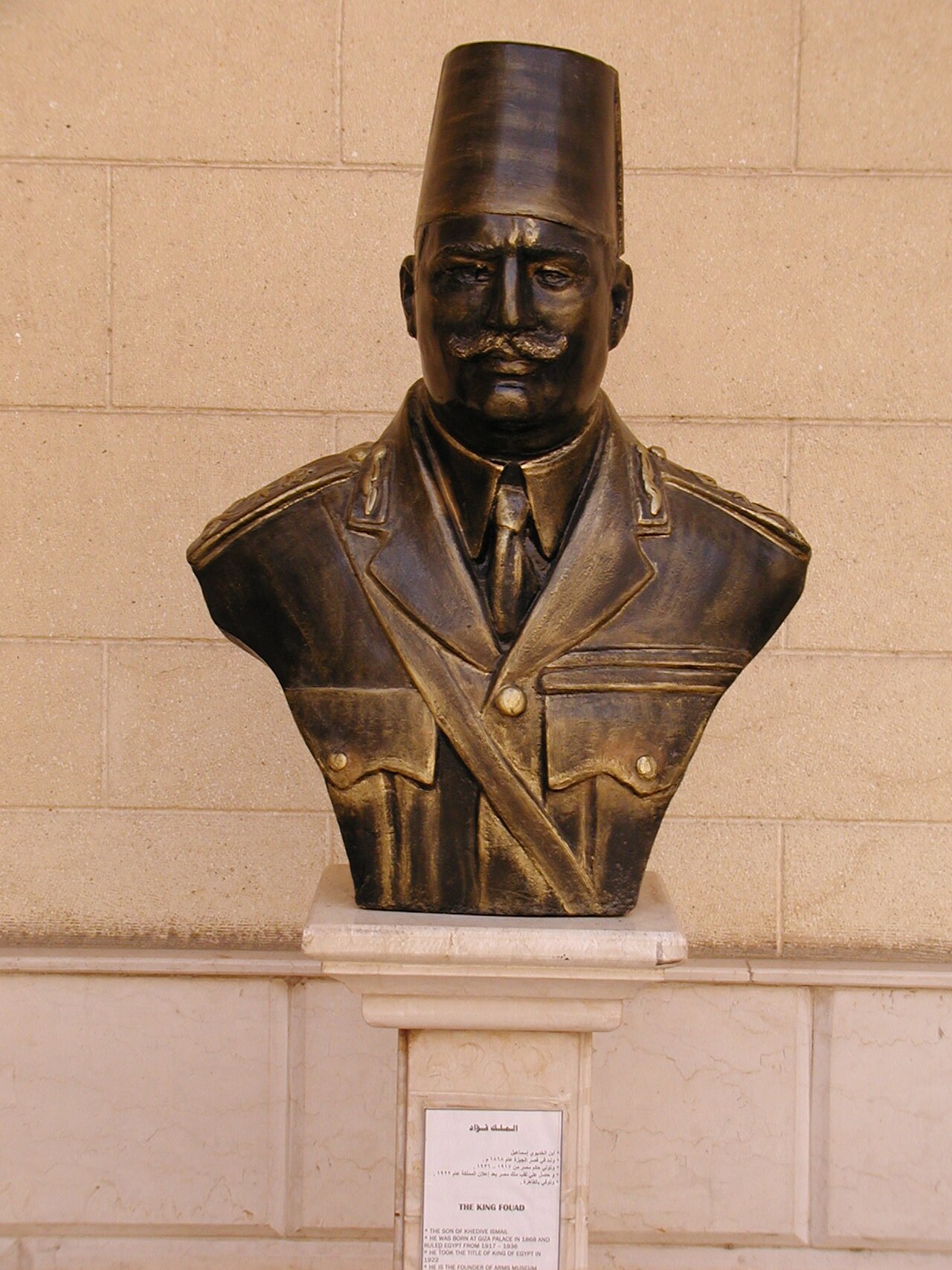
The museum complex brings together several distinct collections, each devoted to a particular category of treasure, from arms and weaponry to silver, decorations, and royal gifts. Together they offer a comprehensive picture of the wealth and interests of the Egyptian monarchy and the treasures it gathered from around the world.
The decision to open these museums allowed the public to share in the heritage of the palace, turning a private royal residence into a place of learning and enjoyment. The collections are displayed in surroundings of great beauty, the treasures enhanced by the opulence of the historic palace that houses them.
For visitors, the palace museums are a fascinating destination, combining the splendour of the historic building with the interest of its rich collections. They offer a window into the world of the Egyptian monarchy and the treasures it valued, making Abdeen not only a monument of architecture but a museum of the nation’s royal heritage.
The transformation of parts of the palace into museums was carried out in a way that respected the historic character of the building, so that the treasures are displayed in settings appropriate to their splendour. This approach allows visitors to experience the collections and the architecture together, each enhancing the other, in a manner that a purpose-built modern museum could not achieve.
The museums have also given the palace a new lease of public life, drawing Egyptians and foreign visitors alike to discover the treasures of the monarchy. In doing so they have helped to keep the memory of this chapter of the nation’s history alive, presenting it not as a distant abstraction but as a tangible world of objects and rooms that can be walked through and admired.
The Arms and Silver Collections
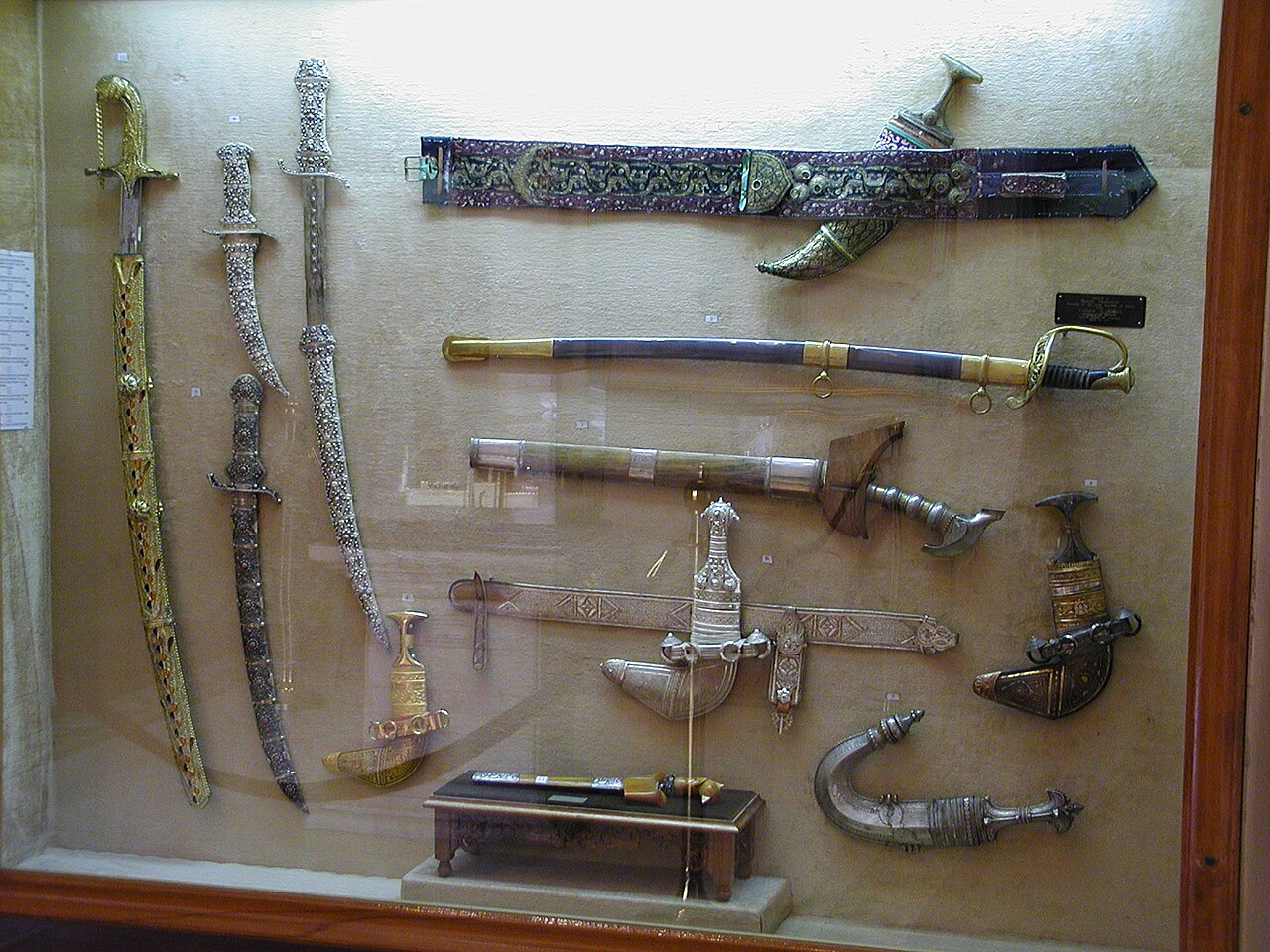
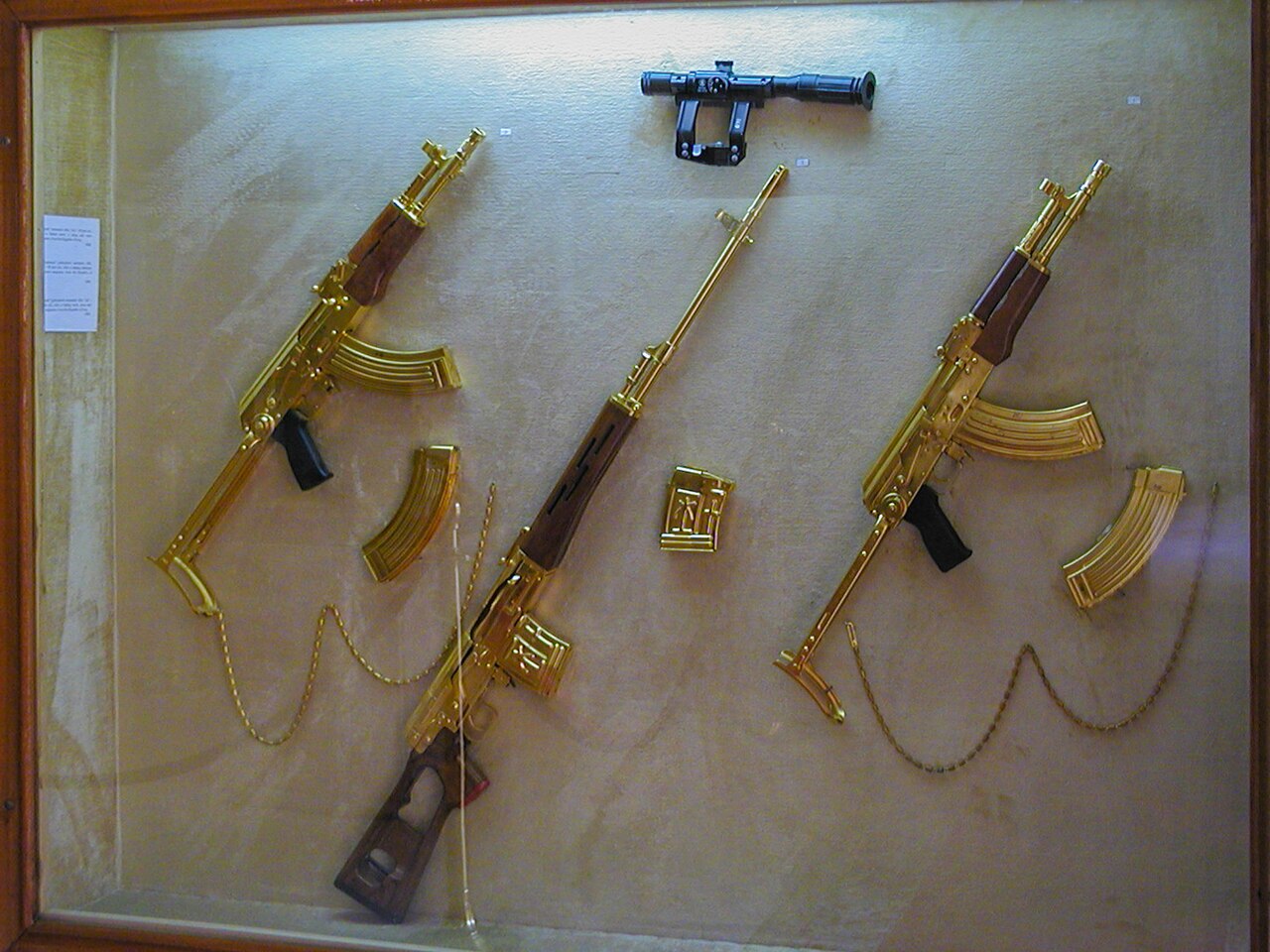
Among the most celebrated of the palace museums is the collection of arms and weaponry, one of the richest of its kind in the region. Gathered by the rulers of Egypt, it includes weapons and armour from many lands and periods, from ornate ceremonial pieces to historic firearms, reflecting both the martial traditions of the age and the wide reach of the dynasty’s collecting.
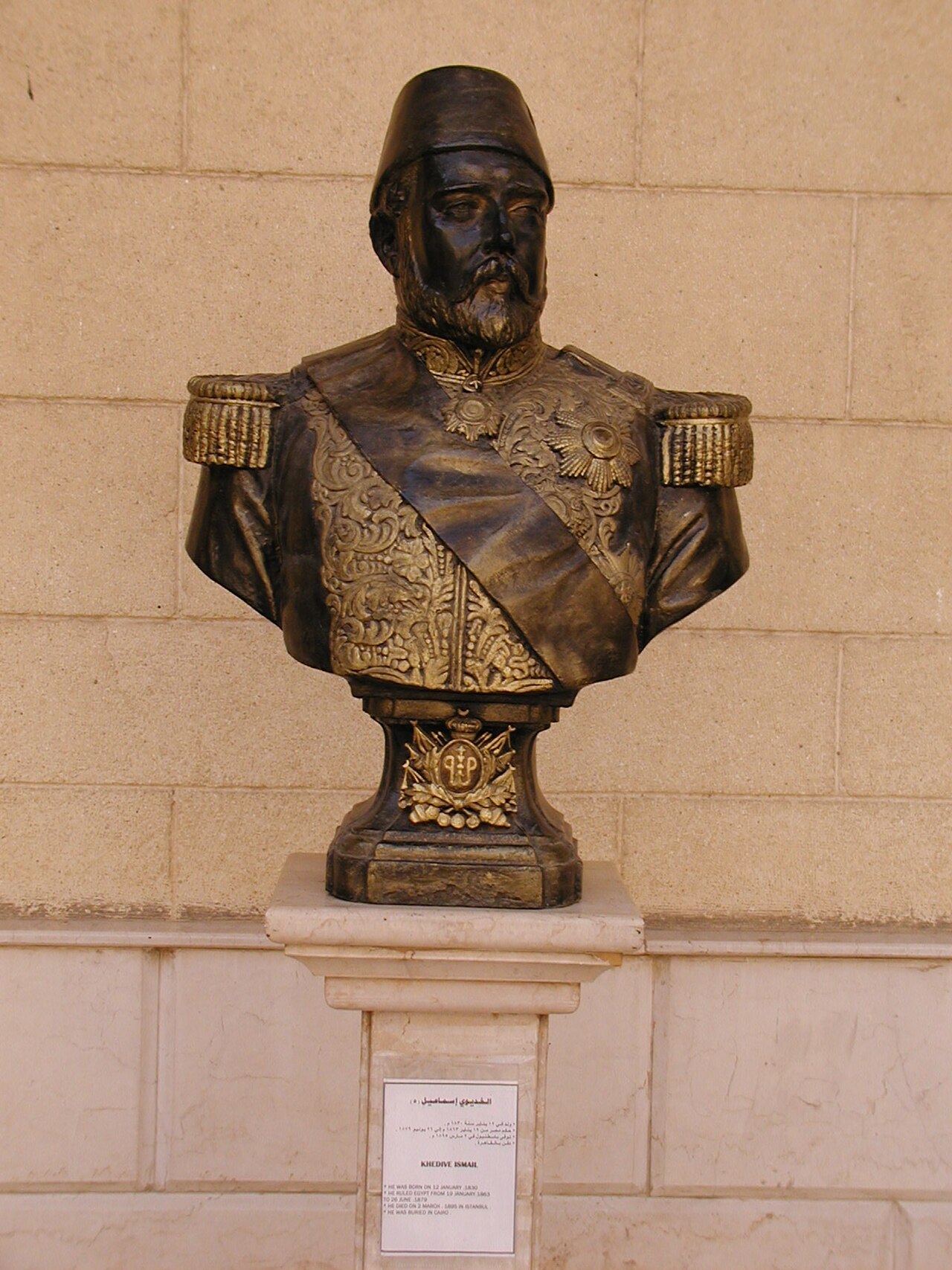
The arms collection includes gifts presented to the rulers of Egypt by other nations and leaders, as well as pieces of great historical and artistic value. These weapons, often richly decorated, are treasures of craftsmanship as well as objects of historical interest, and they form one of the highlights of the palace museums.
Alongside the arms, the palace displays magnificent collections of silver, decorations, and precious objects. The silver collection, in particular, includes services and objects of great value and beauty, reflecting the luxury of the court and the fine craftsmanship that adorned the life of the monarchy.
These collections, displayed in the historic halls of the palace, offer visitors a rich and varied experience. From the gleaming weapons to the precious silver, they testify to the wealth, taste, and wide connections of the Egyptian monarchy, and they make the palace museums a treasure house of the decorative and martial arts.
Weapons presented as diplomatic gifts often carried great symbolic weight, embodying the relationships between rulers and states, and the arms collection at Abdeen can be read as a record of Egypt’s connections with the wider world. Each finely worked sword or firearm tells a story of alliance, tribute, or exchange, and together they map the diplomatic reach of the Egyptian monarchy across its era.
The Palace Gardens
Abdeen Palace is surrounded by gardens, which provide a green setting for the great building and a place of beauty and repose. Laid out in a formal manner, the gardens complement the European character of the palace and offer an attractive foreground to its facades.

The gardens were an integral part of the palace complex, providing space for the leisure of the royal family and settings for outdoor events and receptions. Planted with trees and flowers and adorned with features in the European style, they extended the elegance of the palace out into the open air.
In the hot climate of Cairo, the gardens offered coolness and greenery, a welcome contrast to the surrounding city. They formed part of the wider transformation of the capital under the khedive, who laid out gardens and green spaces across the modern city he was creating.
For visitors, the gardens add to the experience of the palace, providing a pleasant setting in which to appreciate the grand building and a space of calm amid the bustle of Cairo. Together with the opulent interiors, they complete the picture of Abdeen as a great European-style palace transplanted to the banks of the Nile.
In their heyday the gardens were among the finest in Cairo, and they formed part of a wider network of royal gardens and green spaces created during the modernisation of the city. Though the surrounding capital has grown enormously since, the gardens of Abdeen preserve something of the vision of a green and elegant modern Cairo that inspired their creation.
The End of the Monarchy
The role of Abdeen Palace as a royal residence came to an end with one of the great turning points in modern Egyptian history, the revolution of the mid-twentieth century that overthrew the monarchy. The events of this period brought the long rule of the dynasty to a close and transformed the fate of the palace.

The revolution led to the abdication of the last king and the eventual proclamation of a republic, ending the monarchy that had ruled Egypt for generations. The palace that had been the seat and symbol of that monarchy passed into the hands of the new republican state, beginning a new chapter in its history.
This dramatic change of regime was one of the defining events of twentieth-century Egypt, with profound consequences for the country and the wider region. Abdeen, as the seat of the fallen monarchy, stood at the centre of these events, and its transformation from royal residence to state property mirrored the wider transformation of the nation.
The end of the monarchy might have spelled neglect for the palace, but instead it was preserved and put to new use by the republic. The building that had symbolised the old order was retained as a seat of the new one, and in time part of it was opened to the public, ensuring that the palace and its treasures survived the fall of the dynasty that built it.
For many Egyptians, the events that ended the monarchy remain a defining moment in the national story, and Abdeen, as the seat of the fallen dynasty, is inevitably bound up with that memory. The palace thus carries a double significance, as a monument to the vanished splendour of the monarchy and as a witness to the revolution that swept it away and set Egypt on a new course.
A Presidential Palace Today
Following the fall of the monarchy, Abdeen Palace became a property of the republic and one of the official presidential palaces of Egypt. In this role it continues to serve the highest levels of the state, used for official functions and the reception of distinguished guests, much as it served the monarchy before.
The continued use of the palace as a presidential residence and venue reflects its enduring status as one of the most important and prestigious buildings in Egypt. Its grand halls provide a fitting setting for the ceremonies and receptions of the modern state, linking the republic to the grandeur of the historic palace.
This official role has helped to ensure the preservation and maintenance of the palace, keeping it in use rather than allowing it to become a mere relic. The combination of official functions with the public museums allows the palace to serve both the state and the people, remaining a living institution at the heart of the capital.
As a presidential palace, Abdeen bridges the eras of monarchy and republic, its grand halls serving the modern state as they once served the crown. This continuity of function underlines the importance of the palace in the life of the nation, and it ensures that Abdeen remains at the centre of Egypt’s political and ceremonial life.
The palace’s dual identity, as both a working seat of state and a public museum, mirrors the way many nations have chosen to treat the grand residences of their former monarchies, preserving them as symbols of continuity while adapting them to new purposes. At Abdeen this balance has kept the palace alive and relevant, a link between Egypt’s imperial past and its republican present.
Planning Your Visit to Abdeen
Abdeen Palace lies in central Cairo, within reach of the other attractions of the city, and the museum wings are open to the public, offering a rare chance to experience the opulence of the Egyptian monarchy. As one of the great palaces of Cairo, it is a rewarding destination for visitors interested in the country’s modern history.

View Abdeen Palace on Google Maps
Visitors can explore the palace museums, with their collections of arms, silver, decorations, and royal treasures, displayed amid the historic halls of the building. The combination of the opulent architecture and the rich collections offers a fascinating experience, and the museums provide insight into the world of the Egyptian monarchy.
As with any major site, and given that the palace remains an official presidential residence, it is wise to check current opening arrangements before visiting, since access can be affected by official functions and wider conditions. Visitors should be guided by up-to-date information on which parts of the palace and museums are open.
You can find the palace and orient yourself using the map link below. Whether you come for the opulent halls, the arms and silver collections, or the history of the Egyptian monarchy, Abdeen Palace offers one of the most impressive experiences in Cairo. Give yourself time to absorb the extraordinary luxury of its halls and the richness of its collections.
Because Cairo is a vast and busy city, visitors often find it rewarding to plan a visit to Abdeen alongside the other landmarks of the modern downtown, of which the palace is a highlight. Set against the bustle of the capital, the opulence of the palace makes a striking impression, and a visit offers a memorable encounter with the grandeur of Egypt’s royal past.
See Abdeen Palace for Yourself
A palace as opulent as Abdeen is best appreciated in motion, and the short film below offers a closer look at its halls, its collections, and its decoration. It conveys the extraordinary luxury of the gilded rooms, the glitter of the chandeliers, and the richness of the treasures the palace contains.
As you watch, keep in mind the story behind it: a khedive determined to build a European Cairo, a palace of gilded halls that became the seat of a dynasty, and a residence that survived the fall of the monarchy to serve the modern republic. Abdeen Palace is a monument to a pivotal era in Egypt’s history, a vision of European splendour on the banks of the Nile.
Palaces Nearby
If Abdeen has drawn you into the palatial heritage of North Africa and the wider region, two more palaces make natural companions, each with its own character.
- The Bahia, Marrakech’s Palace of Brilliance — a sprawling Moroccan palace of zellij tilework, carved stucco, and painted cedar ceilings.
- The Bardo, a Palace of the Beys Filled With Roman Mosaics — the former Tunis palace holding the world’s greatest collection of Roman mosaics.
You May Like
Konopiste the Bohemian Castle of a Doomed Archduke