Asklepion


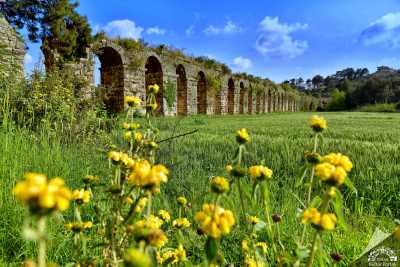
B.C. Asclepieon Health City, with its history dating back to the 4th century, was built by a dedication to Asclepieos, the god of health in mythology. Until the 5th century, it continued to be a famous treatment center. The entrance gate of Asklepieon, which proved that Pergamon was an important health city in ancient times, stands today as the Viran Gate.
It is known that ‘death is forbidden’ at this door, and those who are examined at the entrance, fatal patients who cannot be treated are not admitted. The patients, who were taken in, walked along the 650-meter long sacred road, drank and washed with healing water, which is still potable today, and then the treatment of the disease was started. . In Asklepion, which is known to raise famous physicians such as Galenos, there is also a column with a snake, the symbol of medicine. There is also a 3500-seat theater in Asclepieon, which is still used today.
Allianoi
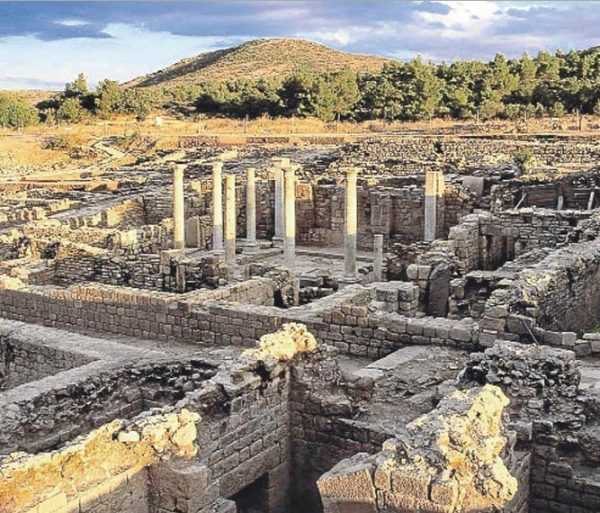
The ancient city of Allianoi, a large part of which was unearthed with the excavations that started in 1998, proves that Bergama was an important health center in ancient times. B.C. II. Century M.S. II. Allianoi, which is estimated to have been used until the 16th century, is a health cult made by dedication to the God of Health Asclepieos, just like the Bergama Asklepieon. However, it is supported by important findings that Asclepieon is used to treat with suggestion and Allianoi is a hydrotherapy (water treatment) center.
The hot water that comes out here can be used even today. Standing out as the most intact Ilıca structure in Anatolia, Allianoi unfortunately faces the danger of being flooded by the Yortanlı Dam, which is under construction in the region. Efforts should be made to prevent this important cultural heritage of humanity from being destroyed by dam waters.
As one of the first 7 churches of Christianity, the Basilica, whose name is also mentioned in the Bible, was named after M.S. II. It is also called the Temple of Serapis because it was built by the Roman Emperor Hadrianos in the 16th century, devoted to the mythological god Serapis.
The Basilica, located in the city of Bergama, is popularly known as the Red Courtyard because it was built of red bricks.