Antalya’s Elmalı district and its surroundings, with its unique strategic and geographical location, have witnessed the uninterrupted development of many civilizations from the Neolithic period to the present day. Settlements, graves, architectural findings and findings unearthed as a result of archaeological research and excavations in the region indicate the existence of very high and different cultures in the region. Important archaeological artifacts that shed light on the history of the region are exhibited in Elmalı Museum, which was opened in 2011.
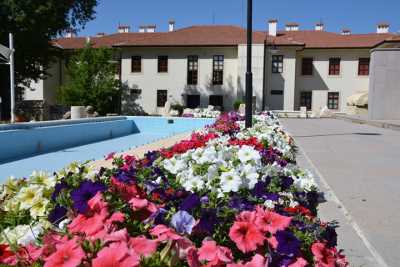
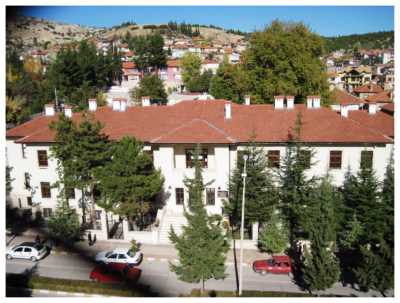
Elmalı Museum was established in the Old Government Mansion, which has a two-storey central plan. Eleven exhibition halls were created within the building, three on the ground floor and eight on the first floor, by making changes to suit the needs of the museum. The museum also has a garden with an open-air gallery.
The exhibition in eight showcases located in hall number 1 on the ground floor of the museum building started with Bağbaşı artifacts from the late Chalcolithic period; It was continued with the works of the early Bronze period of Karataş Semahöyük. On the same floor, selected examples of graves and storage containers from the same periods are exhibited. In hall number 3, three cube tombs found in the Karataş Semahöyük cemetery area are exhibited in their original positions.
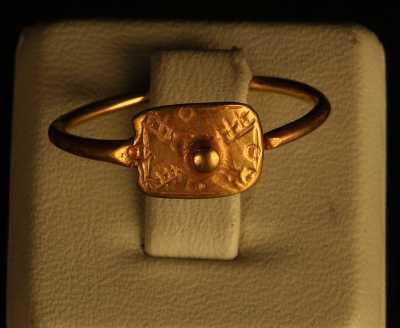
On the upper floor, in exhibition hall number 1, the artifacts found in the Hacımusalar Höyük and Karaçakır excavations are exhibited. In other display cases, finds from the Karaburun, Kızılbel and Bayındır Tumulus excavations are exhibited. Lycian city coins and Roman imperial coins in hall number 3; In hall number 5, imitation examples of Elmalı Coins, dated to the 5th century BC and known as the “Treasure of the Century”, are exhibited.
In the backyard of the museum, which is used as an open display area, grave steles, column fragments and architectural elements from the Hellenistic, Roman and Byzantine periods are exhibited, as well as a “bee serenade” that sheds light on the traditional methods of beekeeping in the region.
Source: Antalya Provincial Directorate of Culture and Tourism.
Places to Visit in Antalya
Source: Antalya Provincial Culture and Tourism Directorate