Tarsus is a district of İçel Province in the Mediterranean Region, famous for its history, culture, art, trade and natural beauties. It has been the center of attention of the world as a center of history and science serving different beliefs over the years. Hz. The first Apostle of Jesus, St. Paul, Prophet Daniel, Hz. Bilal-ı Habeşi, the muezzin of Muhammad, the son of Harun Reşid, Caliph Ma’mun and the famous philosopher of the Ancient Age, Aristotle, the ancestor of the doctors, Lokman Hekim, the Egyptian Queen Cleopatra and the Roman Commander Antonius Tarsus lived.

The prehistoric development of Tarsus goes back to the Neolithic Period. It follows the Neolithic Period, Chaleolithic, and Old Bronze Age settlements. B.C. From 1500 on, it came under the rule of Hittite, Assyrian, Persian Macedonia, Roman, Byzantine, Seljuk and Ottoman States.
Historical Ruins

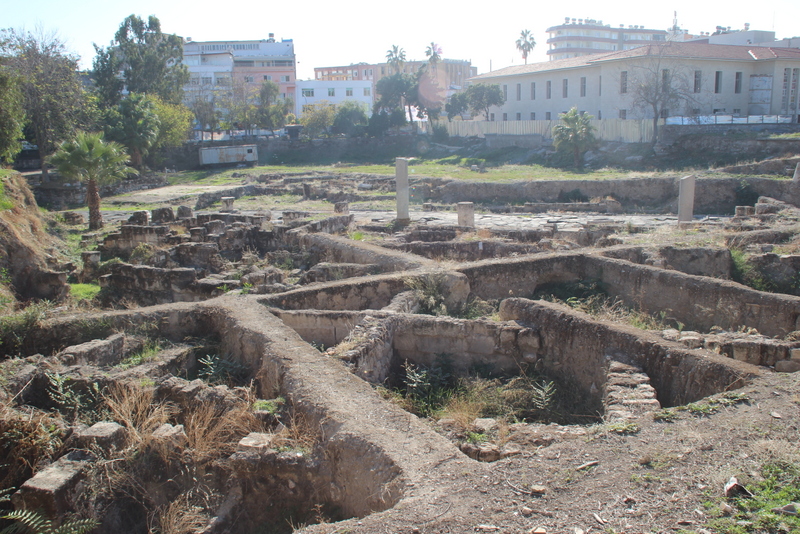
Cleopatra Gate: The Cleopatra Gate, located on the Mersin road in the west of Tarsus, is the only ancient city gate that survives today. It is said that in 41 BC, Cleopatra, the famous Queen of Egypt, came by ships to meet with the Roman General Antonius, was welcomed with ceremonies at the Gözlükule Tumulus and entered the city from the sea gate at that time. Instead of this gate, which was destroyed in the following years, walls that surrounded the city on three sides, namely Bağ, Deniz and Adana, were built during the Roman Empire and Early Byzantine periods.
Honor (Freedom) Inscription: (Tarsus Inscription) This inscription on the wall of the New Bath was placed just north of the Cleopatra Gate in 1982. It is dated to the Period of Roman Emperor Severus Alexander (AD 222-235). It was used as a pedestal of a statue in Roman times.
Roman Road: Roman Road is 15 km from Tarsus. It is located in the upper part of the Healthy Village at a distance. The width of the Roman Road here varies between 2.94 and 3.00 meters. The surviving parts of this historical silk road are 3 km long. is up.
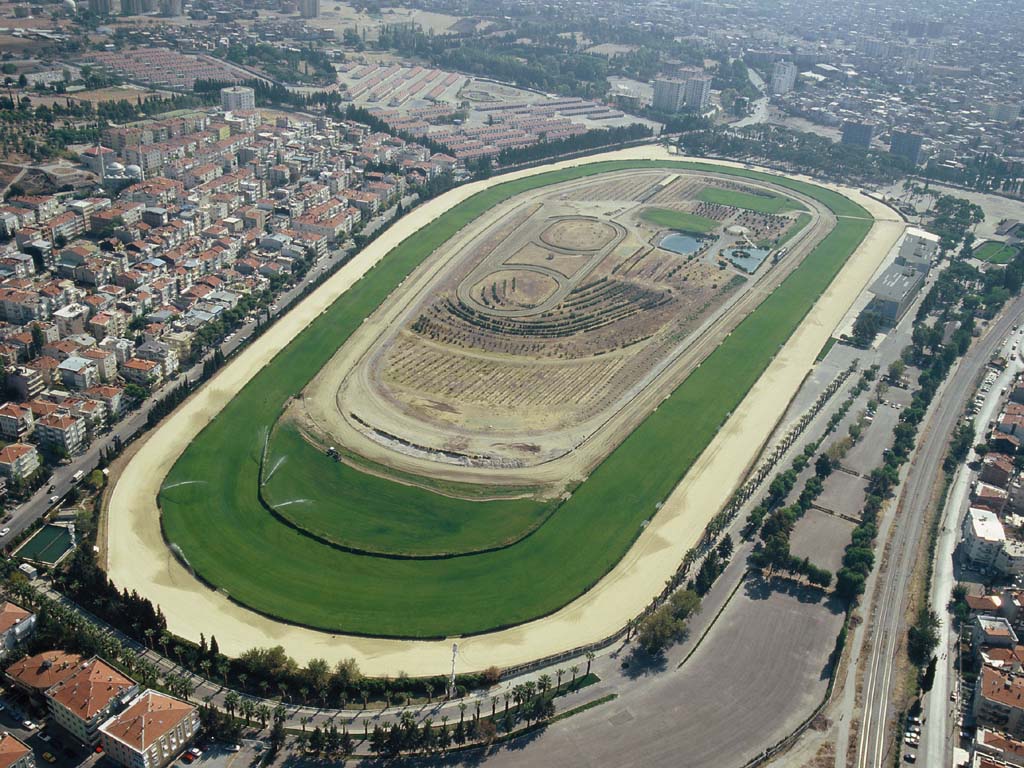
Hippodrum: While Tarsus was experiencing one of its brightest periods during the Roman period, it was the sports center of its surroundings. Hippodrome, which is located next to the American College and where various sports competitions were held at that time, therefore has a historical importance.

Gözlü Kule Tumulus: It is located in the southeastern part of the city, in the Ulu Cami District, at 300 m. long and 22 m. It is a high mound.
In the scientific excavations started after 1934, 33 cultural layers were determined from the Early Neolithic to the Islamic periods:
Native Cilician, Mesopotamian and Mycenaean ceramics, stone-based mudbrick walls, houses and narrow streets from the Early Bronze Age, Late Bronze Age layers, a large temple remnant showing the temple features in Hattusa, Hieroglyphic and cuneiform seal and their capitals, Early Period building complexes, Cypriot ceramic vases, Assyrian Period tablets, terracotta seals and ceramics were found. B.C. 4th century. Remains of a bronze production and processing workshop were unearthed in the finds from the Byzantine Period.
Republic Area and Ancient Road: In the center of Tarsus, 150 m. It is located in the south west. This ancient road, by the Romans BC. It is estimated that it was built in the 1st century. Despite the erosion over time, the floor of the street has mostly preserved its ancient appearance. Wheel marks seen in some places prove that the road was also used for urban transportation, one of its main functions.
There is a 3-step podium (stylobate) in the north-east direction of the street.
A rectangular room of the House with Mosaic Courtyard in the southwest of the excavation site was unearthed during the studies. A pool remains were found in the middle of the courtyard. The pool is covered with colored marble plates. Other parts of the courtyard are covered with mosaics.
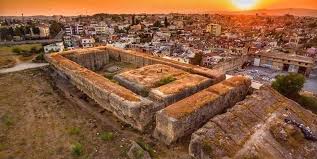

Donuktaş (Roman Temple): Donuktaş, located in the Tekke District, east of Tarsus, is the oldest temple that has survived. Although there is no exact information about which god the temple was built for, Medieval traveler V. Longlois described the building as the tomb of Assyrian King Sardanapal.
Bac Bridge (Justinian Bridge): This stone bridge, located at the entrance of Tarsus on the Ankara-Adana road, was built in the Byzantine Period by Justinyen in the 6th century in order to save the Berdan (Cydnos) Stream of Tarsus from flooding. Until recently, this three-eyed bridge, which all vehicles passed over, was restored in 1978.
Saint Paul Well: It is located in Kızılmurat District, approximately 300 m. Of the Republic Area. It is known that the well located in a courtyard, which has been accepted as the place of St. Paul’s house, was built in the name of St. Paul. The well and its immediate surroundings, which have a rich history in terms of history, are preserved today and detailed archaeological research has been done. As a result of these researches, it was determined that the Saint Paul Well and its surroundings gave the Roman, Byzantine and Ottoman Period cultural layers. Saint. Tourists who believe that the water coming out of the Paul Well is healing are also visited here for pilgrimage.
Hz. Saint Paul, the first of the 12 Apostles of Christ, is the first theorist of Christianity and was born in Tarsus. Saint Paul attached great importance to his birthplace, Tarsus.

Waterfall and Roman Tombs: It is known that there are underground tombs left from the Romans in the place where the waterfall is located. As a result of changing the bed of the Tarsus River, the current waterfall was formed by the flow of the river over the 3-5 meters high graves. Graves can be seen from time to time due to changes in water levels. The waterfall and its surroundings are one of the places where Tarsus residents are especially interested in hot summer days. Its pond and waterfall, which expand with its rising flow in the spring, create a magnificent view with the sunset. The most important feature is that the nourishing sources reach the waterfall quickly. This situation keeps the water constantly cold. It serves local and foreign people with its tea gardens and restaurants.
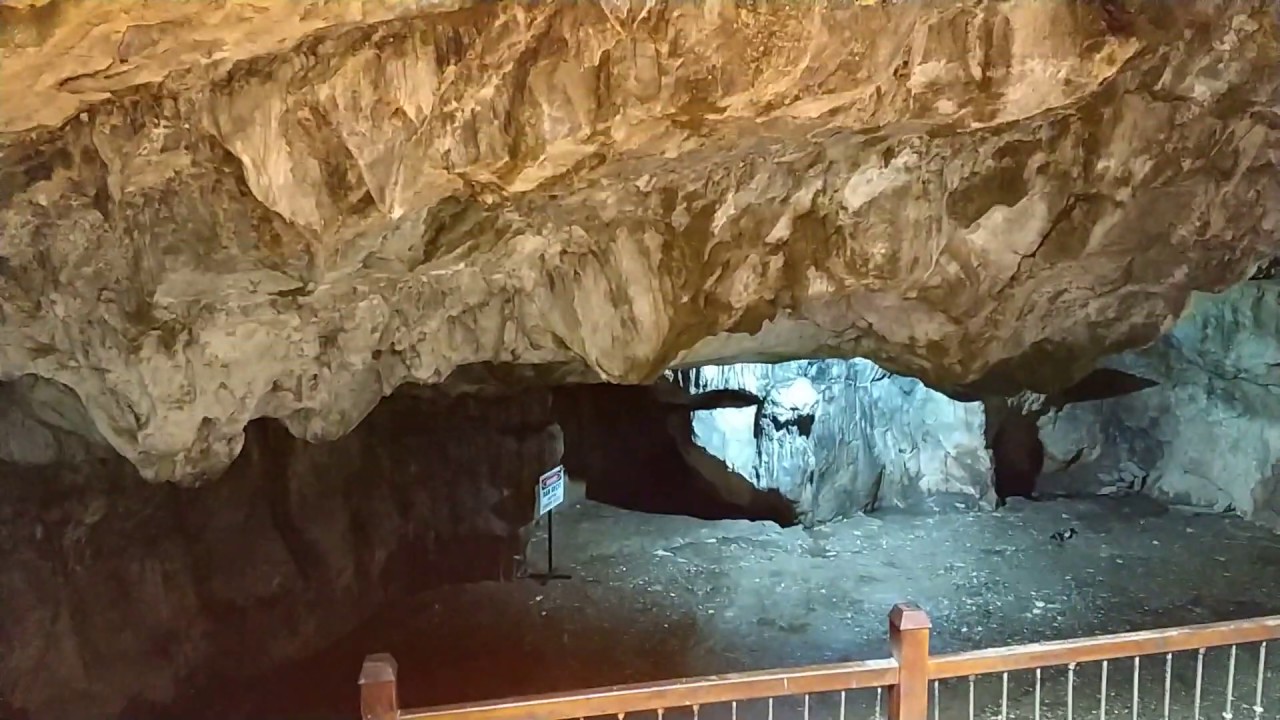
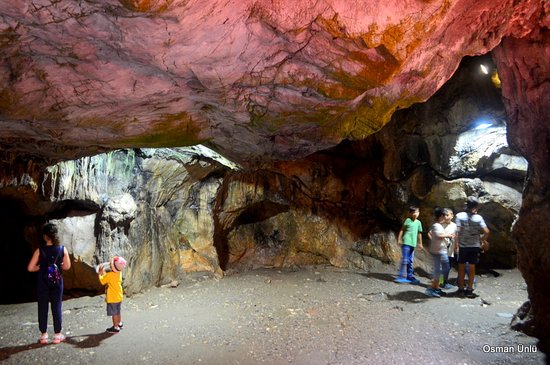
Eshab-ı Kehf Cave: It is 12 km from Tarsus. north, near the village of Ulaş. This cave, which is named after a surah in the Quran, is considered sacred by Muslims and Christians. The story of Eshab-ı Kehf Cave is quite impressive; In the polytheistic period, seven young people of the Christian religion (Yemliha, Mekseline, Mislina, Mernuş, Sazenuş, Debrenuş, and Kefesttayuş), who escaped persecution because they believed in a single god, hid in this cave with their dogs. These religious people, who miraculously cut stones and slept for 300 years, saw that everything was very different when they woke up. One of them goes to the city to buy food and gets caught. When the catcher came to the cave with him, he saw nothing but a nest where seven birds perched. For this reason, this place is also called “.// Seven Sleepers Cave”. A minaret with three balconies was added to the mosque built by Sultan Abdulaziz in 1873 on the cave.
Gülek Strait and Castle: 62 km from Tarsus. The Gülek Strait at a distance was known as the Cilicia Gate in ancient times. İbrahim Pasha, who made a voyage to Anatolia in 1833, widened the very small Strait in order to pass his cannons. Approximately 3-4 km from the forest road from Gülek Town. The castle is reached with a distance.
It is a suitable area for trekking.
Mosques, Churches and Madrasas
Ulu Mosque: The mosque, which gave its name to the district in the south of the city, was built in 1579 by İbrahim Bey, the son of Ramazanoğlu Piri Pasha. The tomb of Prophets Seth and Lokman and the Abbasid Caliph Ma’mun are located in the tomb on the east side of the mosque.
Makam-ı Şerif Mosque: It is believed that there is the tomb of Daniel prophet in the mosque, which also gave its name to the district, to the northwest of the madrasa. Built in 1857, the most important feature of the mosque is not the only prophet tomb in Turkey.
Eski Mosque (Kilise Mosque): 100 m. This historical building, on the shore of Adana road to the northeast, was built as a church and later turned into a mosque by Ramazanoğlu Ahmet Bey in 1415.
St. Paul’s Church: The building, which is located in the south of the city in the Ulu Cami District and dedicated to St. Paul, is located in M.S. 11.-12. It is estimated to have been built in the 19th century. Although it was intended to be taken under protection and opened as a Memorial Museum in 1993, the exterior and interior restoration work in the church continues gradually.
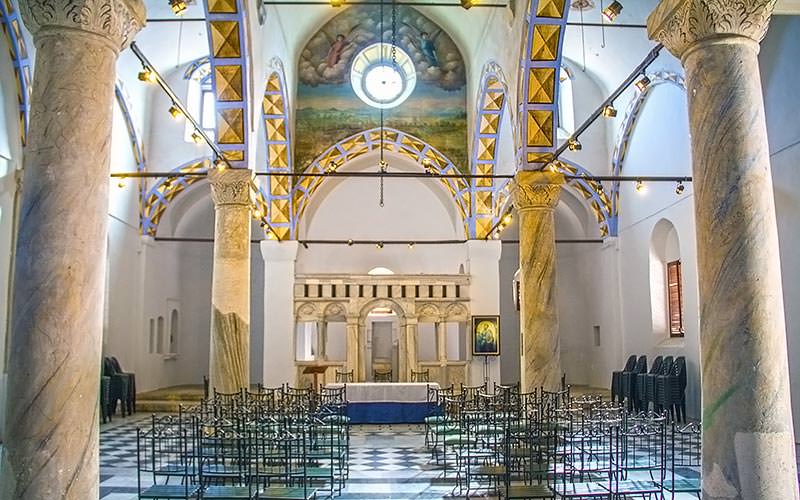
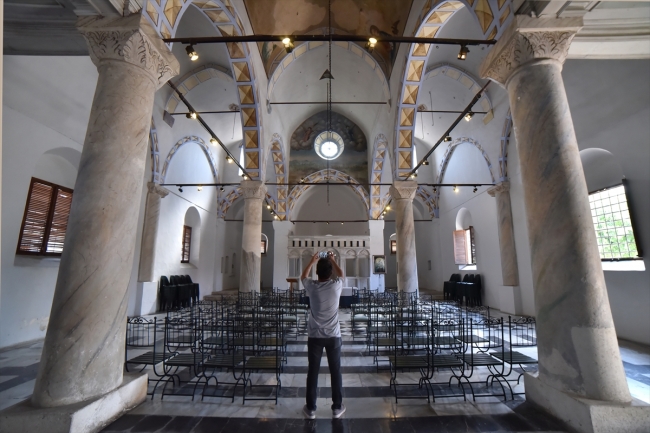
There is a bell tower in the north east corner of the church. In the center of the ceiling, Hz. There are frescoes of Jesus, Yohannes, Mattios, Marcos and Lucas. There is a landscape and angel depictions on both sides of the window in the middle nave.
“Saint Paul Symposium and Mass” was organized by Vatican in St. Paul’s Church in 1992-93. Christians regularly visit the Saint Paul Memorial Museum for pilgrimage.
Bilal-i Habeş Masjid: The mosque on the south side of the road where the White Bazaar is located, Hz. It is said that Bilal-i Habeşi, the muezzin of Muhammad, was made in reference to his name where he recited the adhan and led the prayer.
Kubad Pasha Madrasa: It is known that Tarsus is not only an agricultural and commercial center, but also one of the most important cultural and educational centers. The madrasah, which was built by Ramazanoğlu Bey Kubad Pasha in the 1550s, is the only educational and training institution that has survived from ancient times.
This building, in the style of traditional Seljuk architecture, was built of smooth cut stone.
The building was generally restored in 1969-1970, and it was started to be used as a museum by the Ministry of Culture in 1971. Due to the repair and inadequacy of the building, the works belonging to the museum were moved to the new building in the 75th Year Cultural Center.
Han, Bath and Bazaars
Passing Under (Roman Bath): This structure, which reflects the splendor of the Roman Imperial Age in Tarsus, but has been destroyed until today, is the remains of a Roman Bath.
Sahmeran Bath (Old Bath): The old bath next to the Foundation Office was built by Ramazanoğulları on a foundation left from the Romans. It has the characteristics of a Turkish bath in terms of plan shape and dimensions. The building with 4 iwans, which has been restored and put into service today, consists of heat and private rooms. It is said that the legendary Basilisk was killed in this bath. For this reason, the Old Bath is called “Sahmeran Bath”.
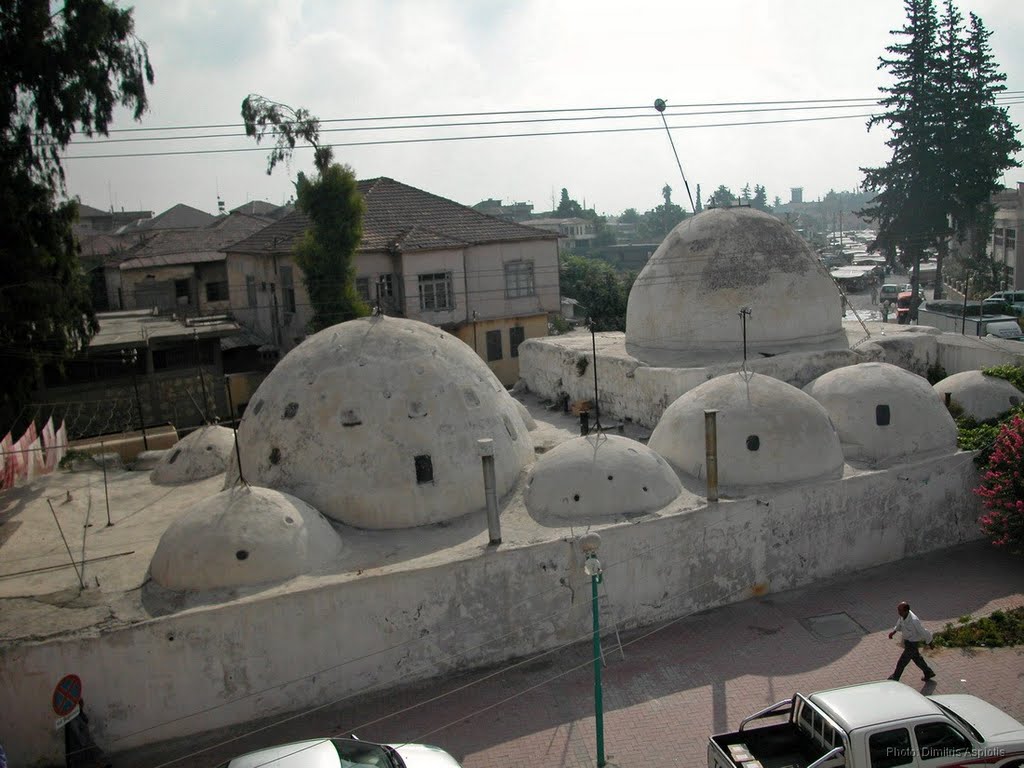
New Bath: The bath in the northeast of the Grand Mosque belongs to the period of Ramadanids; It is known that it underwent a radical repair in 1785. The bath, which has the characteristics of classical Turkish baths, consists of dressing room, warm and warm rooms and towel rooms.
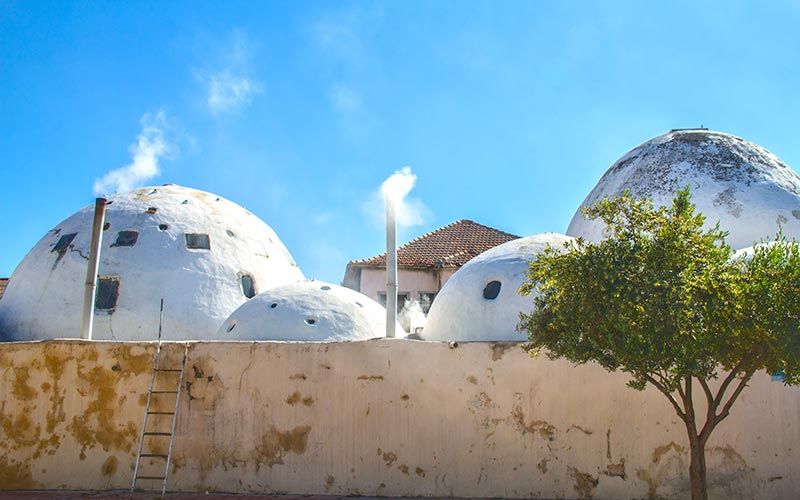
Kırk Kaşık Bedesten (White Bazaar): It is a building to the west of the Ulu Mosque, dated to the same periods as the mosque. It is the only example that still functions today in Tarsus, which has a vibrant commercial life in every period and is located at the intersection of roads. Shops are lined on both sides of the very wide corridor covered with domes in the rectangular bedesten.
Historical Tarsus Houses
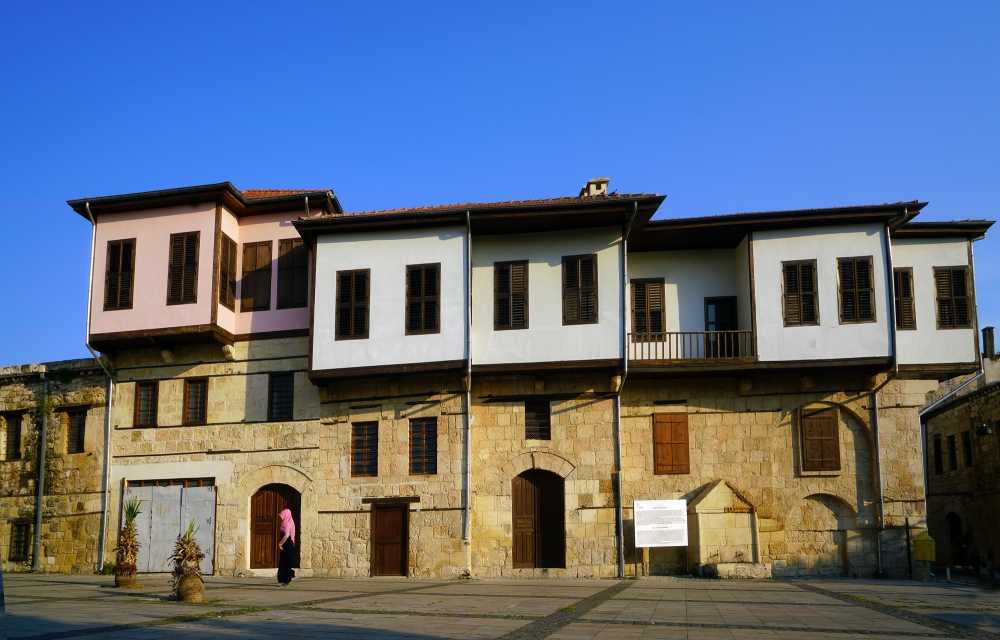
It is possible to see the evidence of the historical background of Tarsus as soon as you step into the district. It displays the appearance of a historical monument that reveals modesty and architectural differences within the typical Mediterranean house tradition. Wooden and hand-made iron ornaments complement the stone doors in all of the two-storey houses built of adobe, stone and wood.