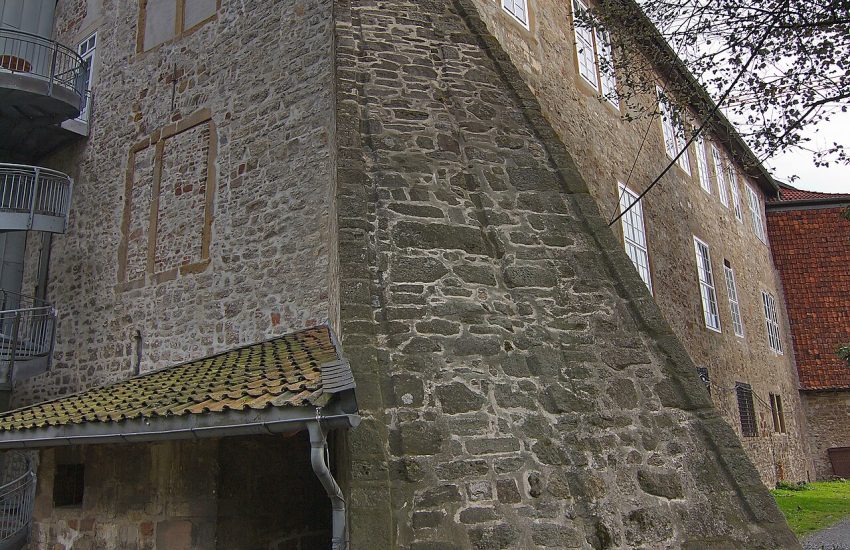
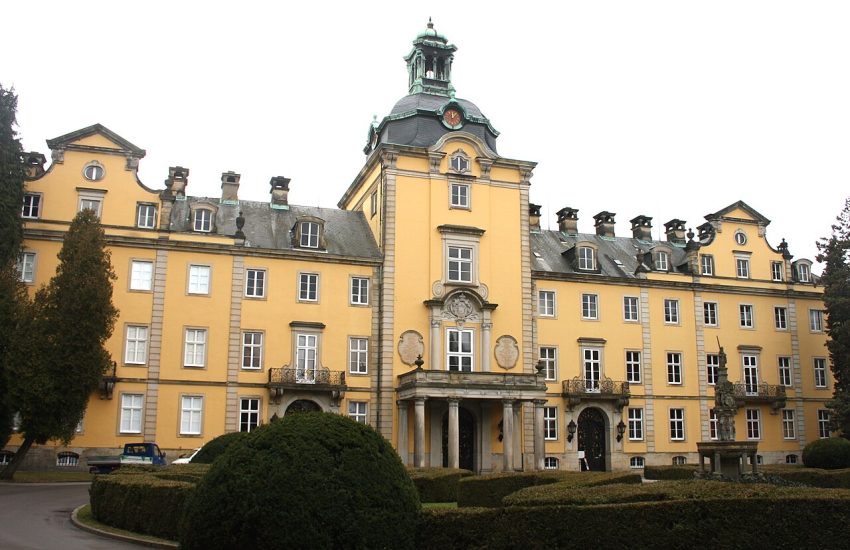
In the spa town of Bad Homburg, at the foot of the Taunus hills just north of Frankfurt, stands a palace that has been home to landgraves, kings and emperors. Bad Homburg Palace was built in the late seventeenth century by the landgraves of Hesse Homburg around a medieval tower, and in the nineteenth century it became the favourite summer residence of the Prussian kings and German emperors.
Its courtyards, its towering White Tower, its imperial apartments and its park with ancient cedars of Lebanon make it one of the most charming palaces in Hesse, rich in stories that reach from the battlefields of the seventeenth century to the court of Kaiser Wilhelm II.
In this article we will explore Bad Homburg Palace from its medieval tower to its imperial heyday, through its courtyards, rooms and gardens, and we will finish with practical tips for your visit.
In This Article
- A Palace Above the Spa Town
- The White Tower
- Landgrave Friedrich II, the Prince of Homburg
- The Upper Courtyard
- The Lower Courtyard and the Gates
- The English Wing and Princess Elizabeth
- The Main Staircase and State Rooms
- Summer Home of the German Emperors
- The Imperial Apartments
- The Palace Church
- The Palace Park and the Cedars of Lebanon
- Bad Homburg Palace on Video
- Visiting Bad Homburg Palace Today
A Palace Above the Spa Town

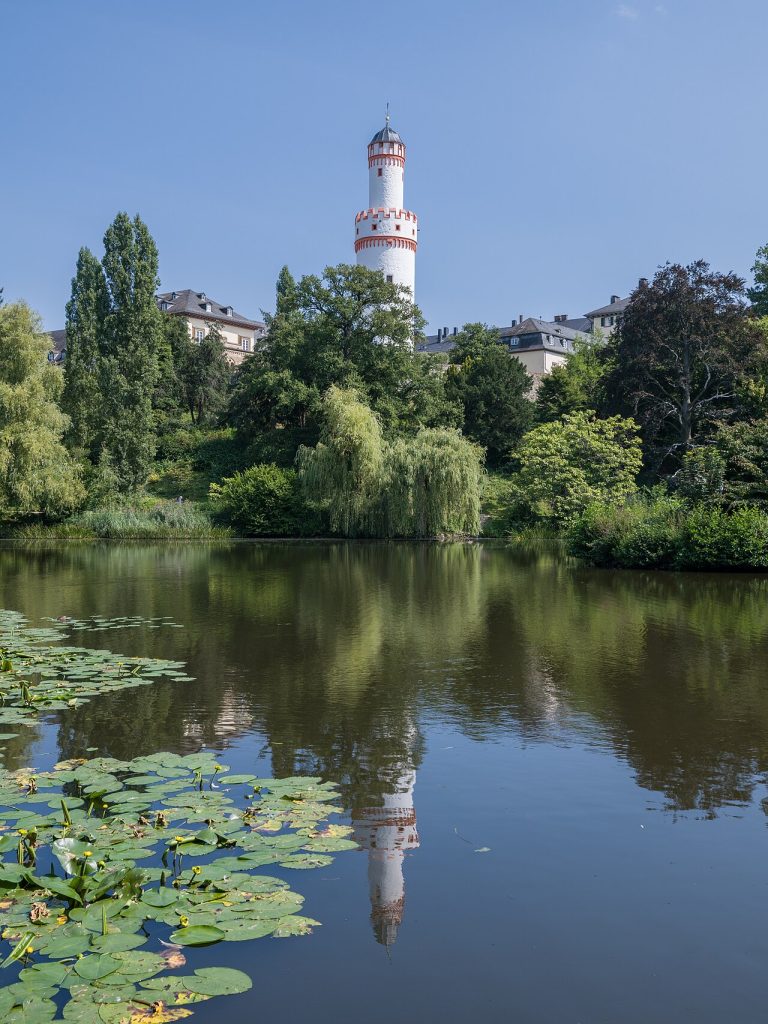
Bad Homburg Palace stands on a gentle rise above the old town, its white walls and the tall round White Tower visible from far away. The palace is arranged around two courtyards, an upper and a lower, framed by wings and gateways.
The town of Bad Homburg is famous for its mineral springs and its elegant spa park, and for more than a century it attracted aristocrats, royalty and wealthy visitors from across Europe.
The palace and its gardens form a peaceful ensemble in the heart of the town, a short walk from shops, cafes and the spa quarter.
What makes Bad Homburg Palace special is its layered history, combining a medieval tower, a baroque residence and the imperial atmosphere of the late nineteenth century.
It is also one of the most accessible palaces in the Frankfurt region, easy to reach for a half day trip from the city.
The spa park nearby, with its pavilions, fountains and a Russian chapel and Siamese temple built for royal visitors, adds to the cosmopolitan atmosphere of the town.
In the nineteenth century, Bad Homburg was also famous for its casino, which attracted gamblers from across Europe and inspired Dostoevsky’s novel The Gambler.
The White Tower
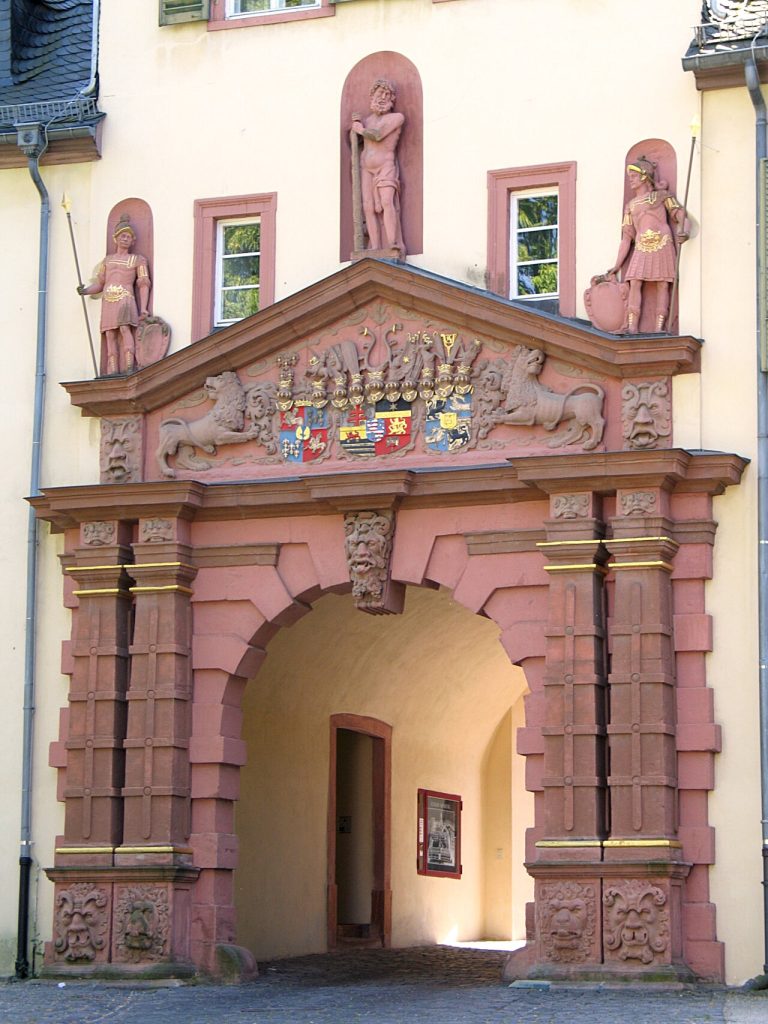
The oldest part of the palace is the White Tower, a tall round tower that survives from the medieval castle that once stood here. When the landgraves rebuilt the palace in the seventeenth century, they kept the tower as a symbol of continuity and power.
The tower rises high above the courtyards and has become the emblem of Bad Homburg, appearing on postcards and logos throughout the town.
Visitors can climb the tower on certain days, and from the top there are wide views over the town, the Taunus hills and, on clear days, the skyline of Frankfurt.
The contrast between the medieval tower and the baroque wings around it gives the palace its distinctive and memorable silhouette.
The tower’s thick walls and simple form contrast with the elegant baroque wings, a visible reminder of the castle’s defensive past.
Landgrave Friedrich II, the Prince of Homburg
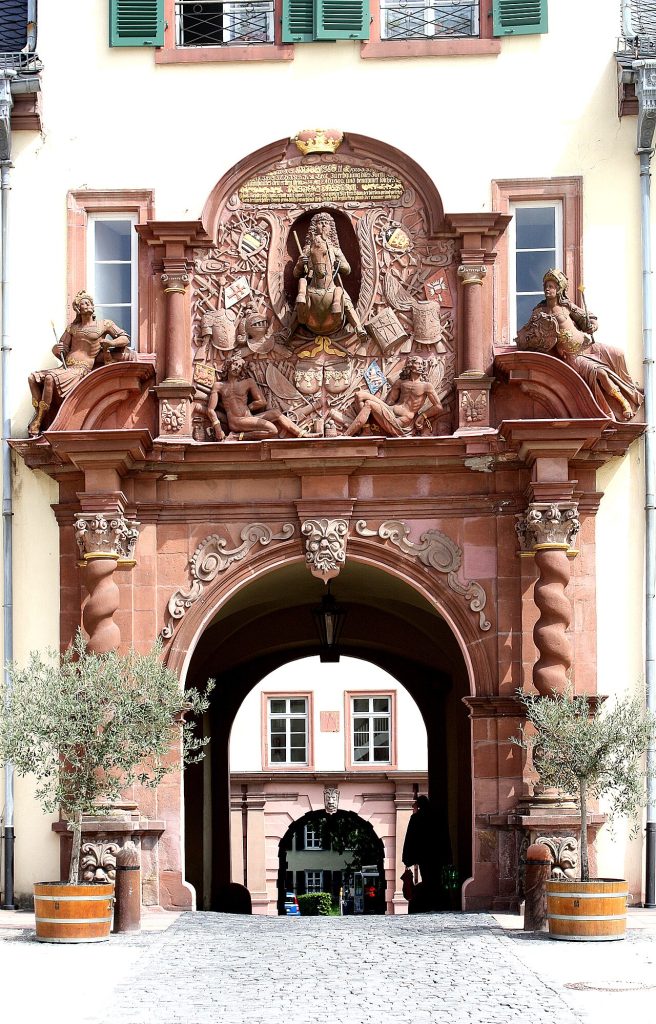
The baroque palace was built for Landgrave Friedrich II of Hesse Homburg, a soldier who served in the Swedish and Brandenburg armies and lost a leg in battle, after which he wore a silver prosthetic leg.
He became famous through the play The Prince of Homburg by Heinrich von Kleist, which dramatised his role at the Battle of Fehrbellin in 1675, though the play took great liberties with history.
After his military career, Friedrich returned to Homburg and built a new residence between 1679 and 1695, replacing the old castle while keeping the White Tower.
His palace, with its two courtyards and elegant wings, reflected the taste of the late seventeenth century and the ambitions of a small but proud principality.
A bust of the landgrave can be seen in the palace, recalling the colourful character who gave Bad Homburg its baroque residence.
His silver leg is still remembered in local tradition, and the landgrave is often depicted with it in portraits and stories.
The Upper Courtyard
The upper courtyard is the heart of the palace, surrounded by the main residential wings and dominated by the White Tower. It is a calm, dignified space where the life of the court once centred.
From here, doors lead to the state rooms and apartments, and staircases rise to the upper floors.
The courtyard is often used for concerts and events in summer, and its enclosed space creates a wonderful atmosphere.
Standing in the upper courtyard, you can see the different building phases of the palace, from the medieval tower to the baroque facades.
The facades of the upper courtyard are decorated with coats of arms and inscriptions recalling the landgraves who built and lived in the palace.
The Lower Courtyard and the Gates
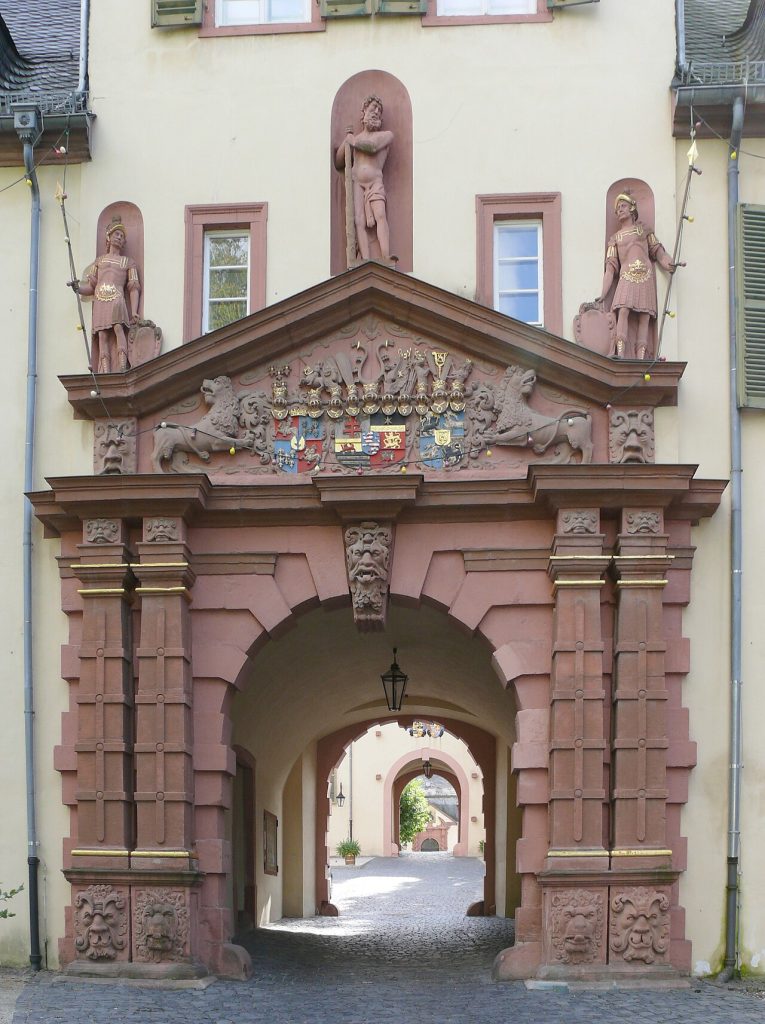
The lower courtyard lies below the upper one and was once surrounded by service buildings, stables and offices. It is reached through a gate from the town and connects with the upper courtyard through another gateway.
The gates are decorated with coats of arms and architectural details, marking the transition from the town to the princely residence.
Today the lower courtyard is a pleasant open space, used for events and as an entrance to the palace and its gardens.
Walking from the lower to the upper courtyard, you experience the sequence of spaces that guided visitors toward the heart of the palace.
A small museum shop and information point in the lower courtyard help visitors plan their tour of the palace and grounds.
The English Wing and Princess Elizabeth
In the early nineteenth century, Landgrave Friedrich VI married Princess Elizabeth of Great Britain, a daughter of King George III. She brought English tastes and considerable wealth to Homburg.
Elizabeth remodelled parts of the palace and its gardens, creating what became known as the English wing, with rooms decorated in the style of the Regency period.
She was a keen gardener and artist, and her influence can still be seen in the park, where she planted trees and laid out paths.
The English wing is a reminder of the international connections of the small landgraviate and the cultural exchange between Germany and Britain.
Elizabeth was a talented artist, and some of her drawings and designs survive, offering a personal glimpse of her life in Homburg.
Her marriage brought considerable British influence to the small court, from furniture and fashions to garden design.
The Main Staircase and State Rooms
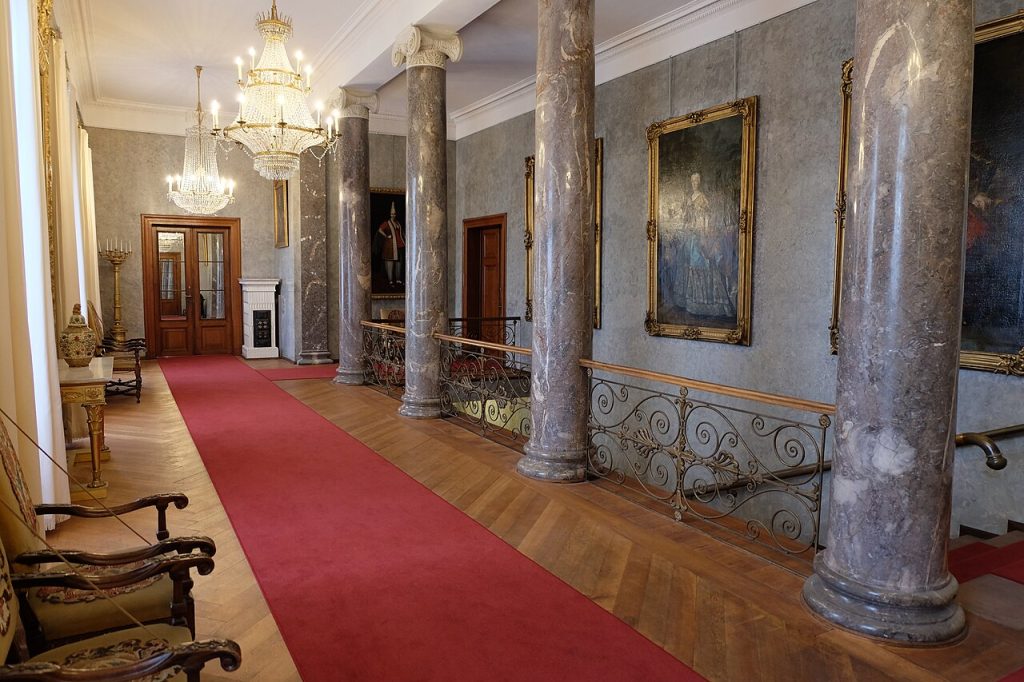
Inside the palace, a grand staircase leads to the state rooms on the upper floor. Its broad steps and decorative balustrade create a dignified approach to the apartments.
The state rooms preserve furnishings from different periods, from the baroque era of the landgraves to the late nineteenth century, when the palace was used by the Prussian royal family.
Paintings, furniture, clocks and porcelain fill the rooms, giving a vivid impression of court life over more than two centuries.
Guided tours lead through the rooms, explaining their history and the people who lived in them.
The staircase is decorated with portraits and coats of arms, introducing visitors to the dynasties that shaped the palace.
Summer Home of the German Emperors
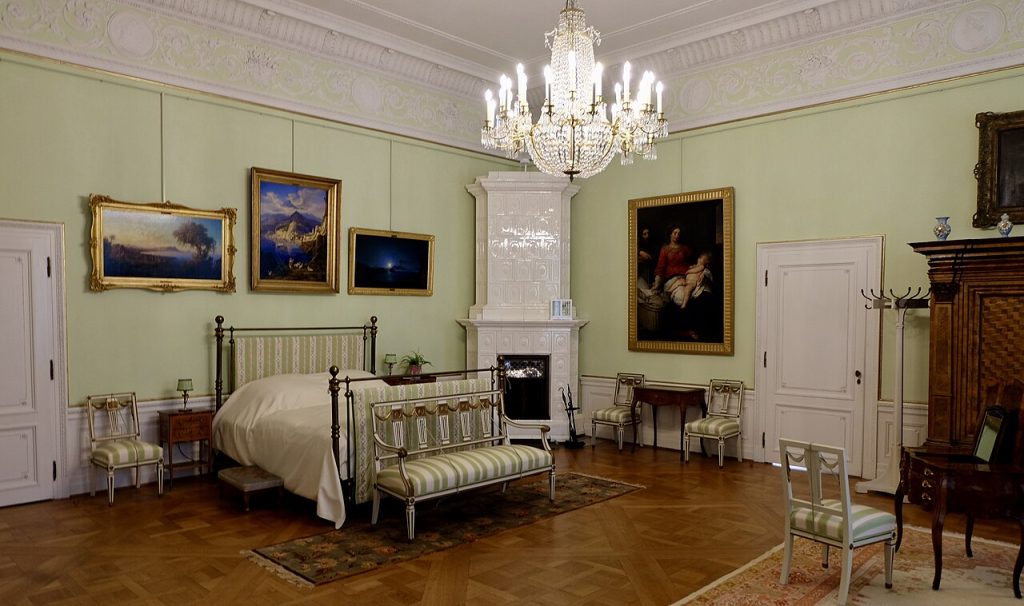
In 1866, after the landgraviate of Hesse Homburg had passed to Hesse Darmstadt and then to Prussia, the palace became a summer residence of the Prussian royal family.
Kaiser Wilhelm I, Kaiser Friedrich III and especially Kaiser Wilhelm II loved Bad Homburg and spent many summers here, enjoying the spa, the countryside and the society of the fashionable resort.
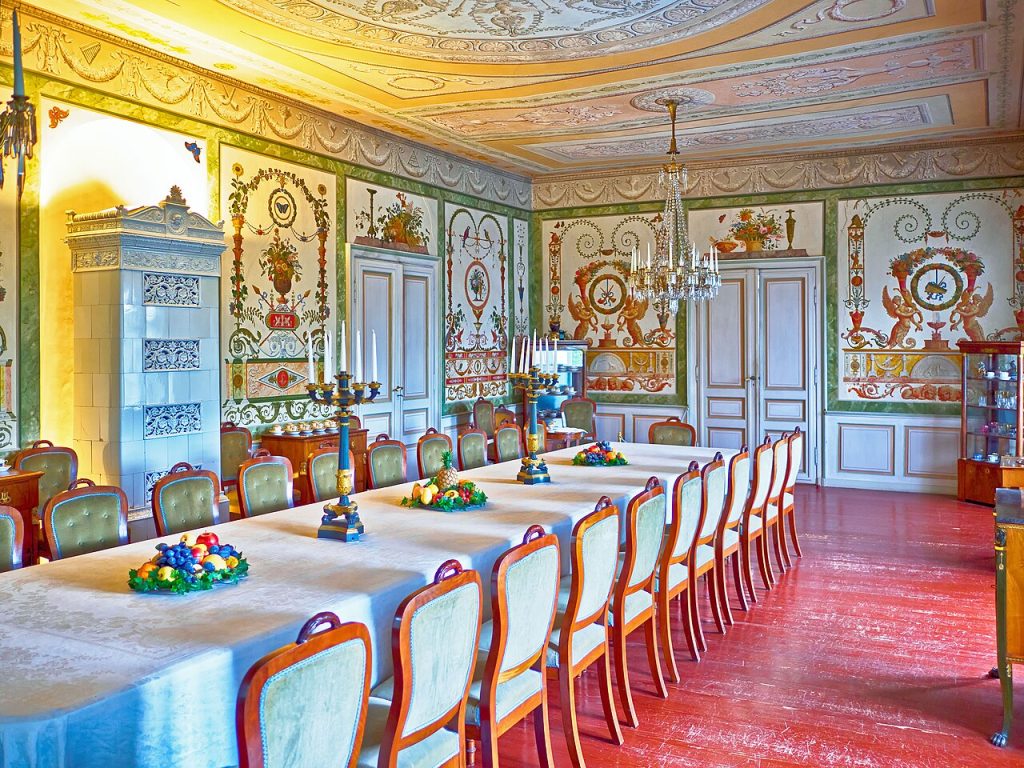
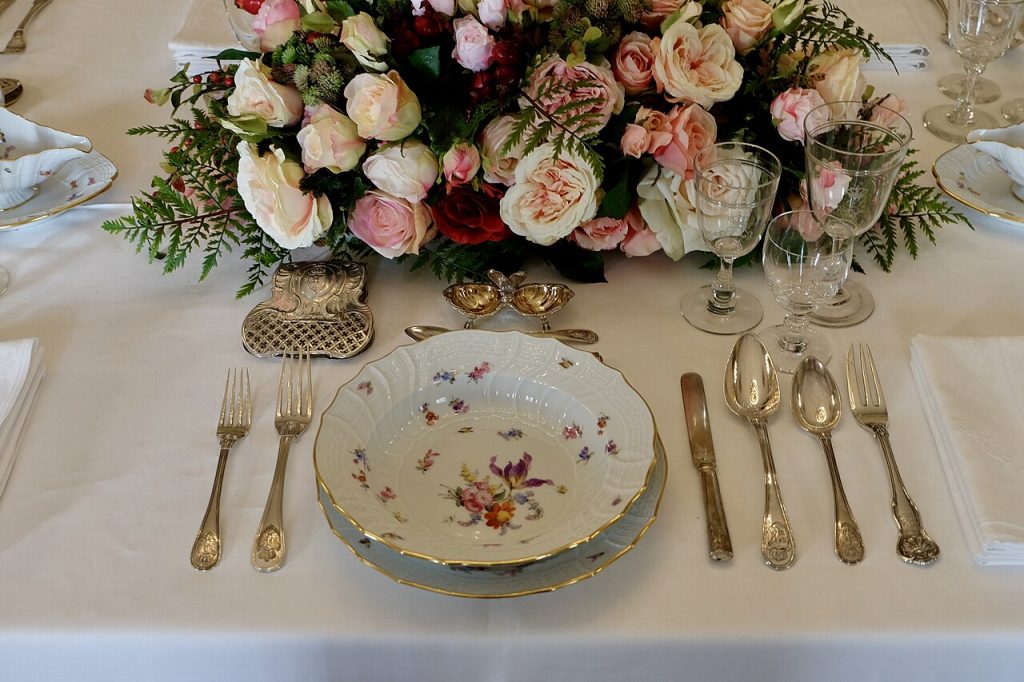
The dining hall, decorated for imperial banquets, was the scene of receptions for royal guests from across Europe, including members of the British and Russian royal families.
The presence of the imperial court made Bad Homburg one of the most fashionable spa towns in Europe in the decades before the First World War.
The palace’s imperial rooms preserve many objects from this period, offering a glimpse into the private life of the last German emperors.
Kaiser Wilhelm II enjoyed walking and riding in the Taunus and often received guests informally at Homburg, away from the strict ceremonial of Berlin.
The Imperial Apartments
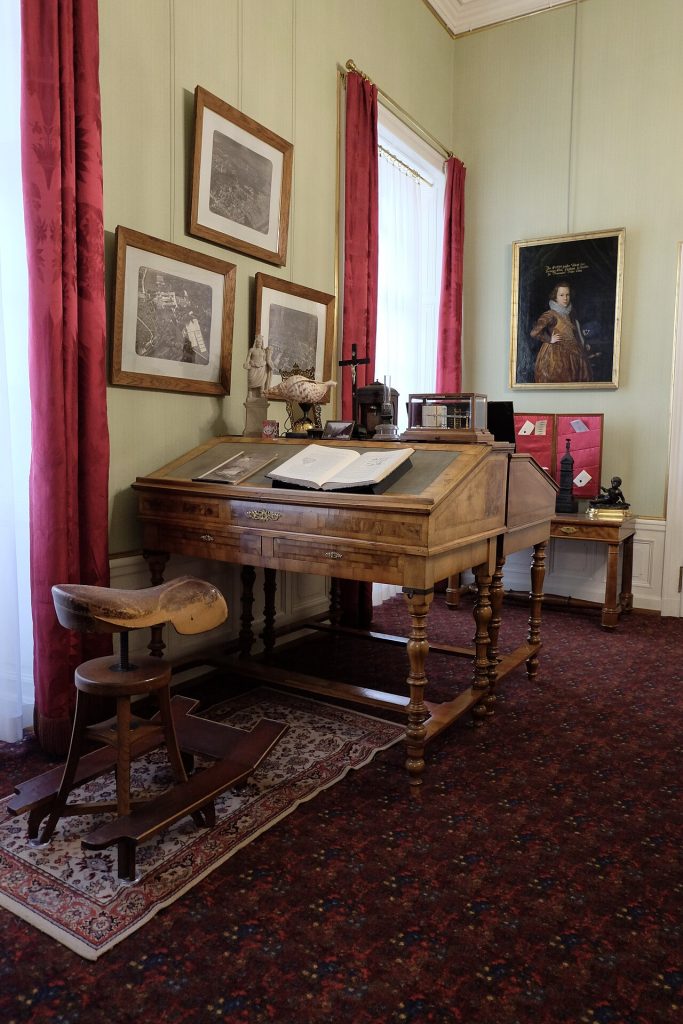
The apartments of Kaiser Wilhelm II and Empress Auguste Victoria are among the highlights of a visit. They include bedrooms, studies, anterooms and a remarkably modern bathroom, which was one of the first of its kind in a German palace.
The furnishings combine historic styles with the comfort and technology of the late nineteenth century, including early telephones and electric lighting.
The study of the emperor, with its desk and personal objects, gives a sense of the man behind the imperial title.
These rooms are a rare survival of an imperial private residence, and they reveal the everyday life of the court in a way that grand state rooms cannot.
Beyond the imperial apartments, the palace contains rooms used by other members of the royal family and their guests. Each has its own character, from elegant salons to cosy studies.
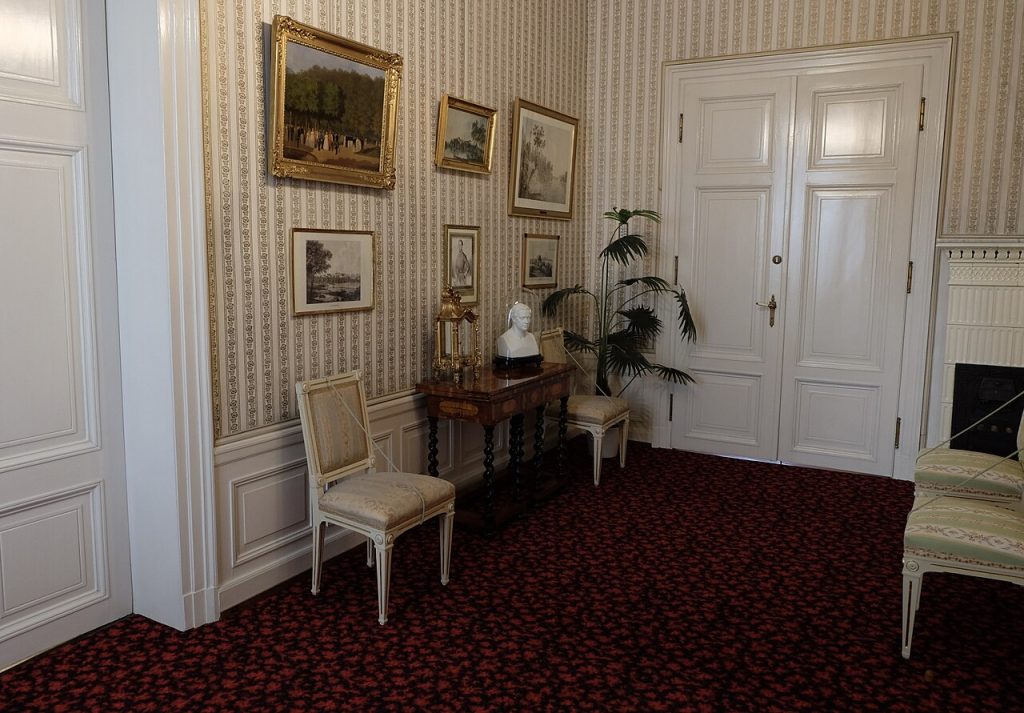
Many rooms preserve their original wallpapers, textiles and furniture, carefully restored to their appearance in the late nineteenth century.
Family portraits and photographs add a personal touch, reminding visitors that these were real homes as well as places of state.
Walking through the rooms, you can imagine the summer routines of the imperial family, from morning walks in the park to evening dinners and conversations.
The emperor’s bathroom, with its modern fittings, is a favourite with visitors and shows how even emperors embraced the comforts of the new age.
The Palace Church
Next to the palace stands the palace church, built in the late seventeenth century for the landgraves. It is a dignified Protestant church where the princely family worshipped.
The crypt beneath the church contains the tombs of the landgraves of Hesse Homburg, including Friedrich II, the Prince of Homburg.
The church is still used for services and concerts, and its calm interior offers a moment of reflection after visiting the palace.
It is part of the guided tour on certain days, so check the programme if you would like to see it.
Memorial plaques and monuments in the church recall members of the landgrave family and their contributions to the town.
The Palace Park and the Cedars of Lebanon

The palace park is one of the most beautiful parts of the ensemble. Laid out in the English landscape style in the early nineteenth century, it features lawns, groups of trees and winding paths.
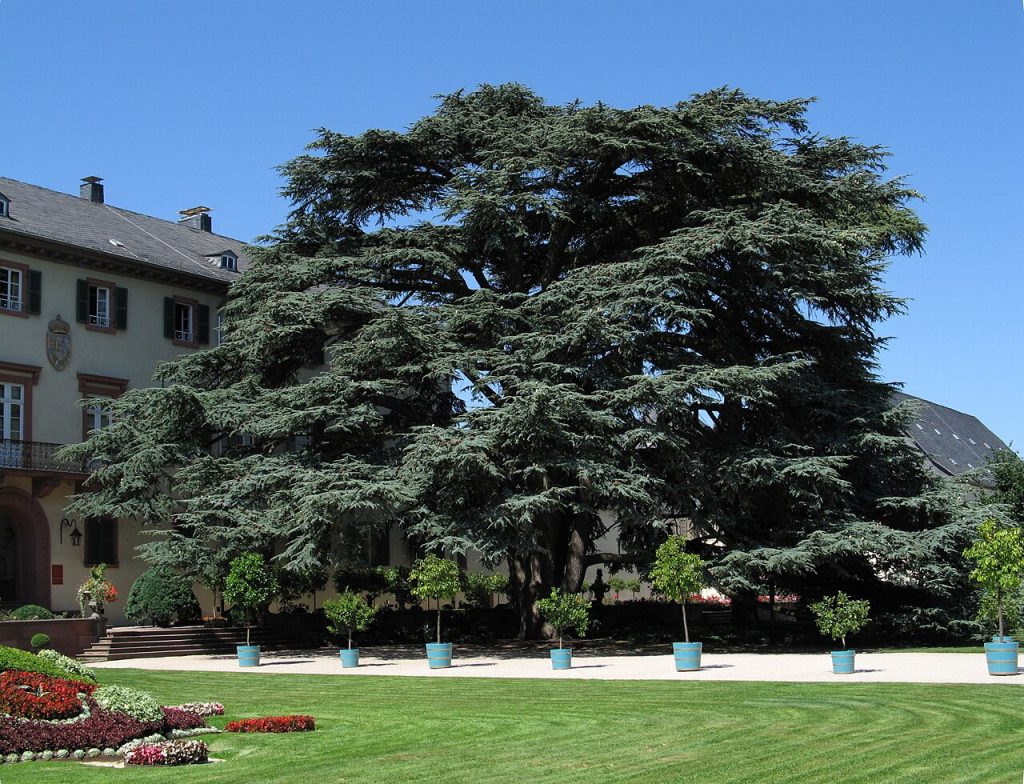
Its most famous inhabitants are two magnificent cedars of Lebanon, planted in the 1820s and now among the oldest and largest of their kind in Germany. Their spreading branches create a dramatic sight near the palace.
From the park, there are fine views of the White Tower and the wings of the palace, framed by trees.
The park connects with the town and with a long avenue that leads toward the Taunus, a reminder of the landgraves’ love of the landscape.
In spring, flowering trees and bulbs fill the park with colour, while in summer the shade of the old trees offers welcome relief from the heat.
The cedars are best seen in the late afternoon, when the low sun lights up their layered branches.
Bad Homburg Palace on Video
For a look at the palace before your visit, the video below presents Bad Homburg Palace and its gardens.
Watch for the White Tower, the courtyards and the cedars of Lebanon.
The video also captures the atmosphere of the spa town, which is an essential part of the palace’s story.
If the video inspires you, read on for practical tips.
Visiting Bad Homburg Palace Today
Bad Homburg Palace is managed by the State Palaces and Gardens of Hesse. The state rooms and imperial apartments can be visited on guided tours, while the courtyards and park are freely accessible.
Bad Homburg is easy to reach from Frankfurt by suburban train in about twenty minutes, and the palace is a short walk from the station.
Plan at least half a day to see the palace, the park and the spa quarter, and consider a visit to the Roman fort of Saalburg in the nearby Taunus hills.
Bad Homburg pairs well with Biebrich, Mainz and other palaces of the Rhine and Main region.
There are many cafes and restaurants in the old town and the spa quarter, perfect for a break before or after your visit.
Whenever you come, Bad Homburg Palace offers a fascinating journey from the age of the landgraves to the era of the German emperors.
View the location on Google Maps
Palaces Nearby
If you have enjoyed this palace, the Rhine and Main region holds more remarkable residences. Here are two more well worth adding to your journey:
- Biebrich Palace – the baroque Rhine residence of the dukes of Nassau in Wiesbaden.
- The Electoral Palace of Mainz – the red sandstone residence of the archbishop electors on the Rhine.
You May Like