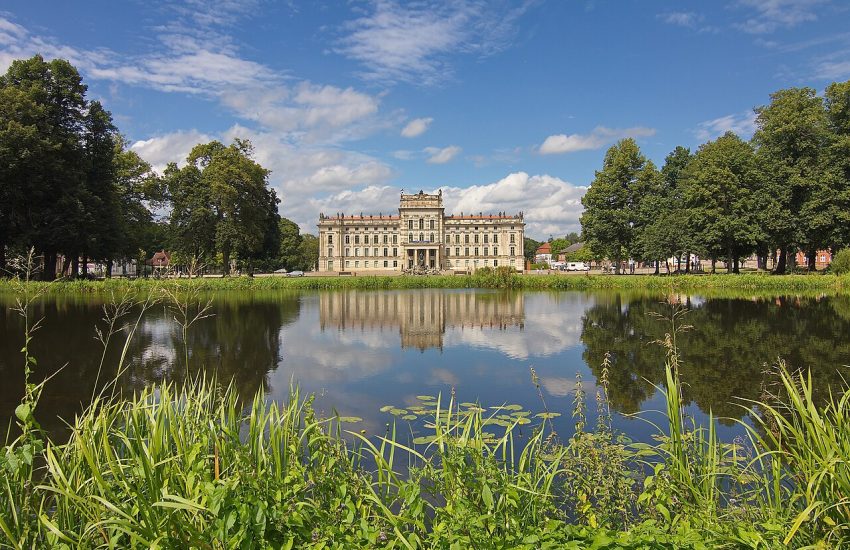
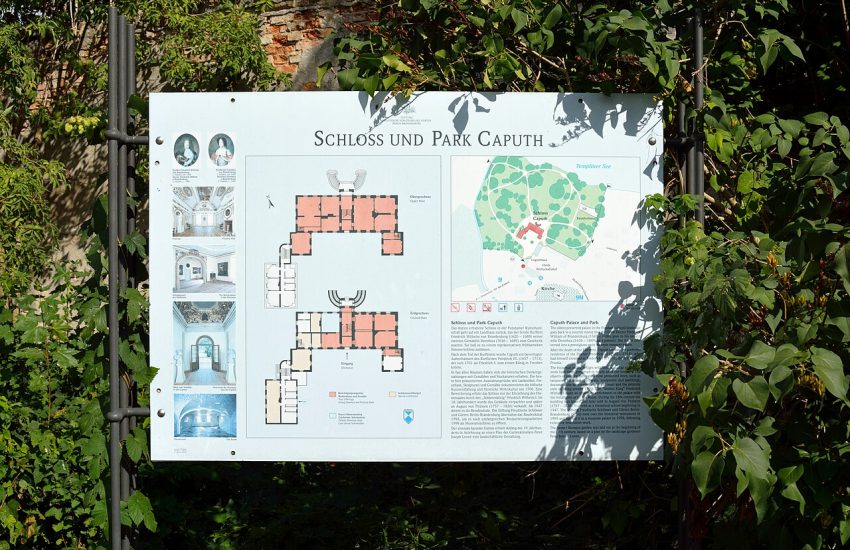
In the middle of Dresden’s largest park stands a palace that marks the beginning of the city’s golden age of baroque architecture. The Palace in the Great Garden was built in the late seventeenth century as a summer pleasure house for the electors of Saxony, decades before the Zwinger and the Frauenkirche, and it is considered the first baroque building in Saxony.
Badly damaged in 1945, the palace has been only partly restored, and its interior still shows the scars of war alongside its rich sculptural decoration. Today it is used for concerts, exhibitions and events, and the surrounding Great Garden, with its avenues, lakes and a miniature railway, is one of the most popular green spaces in Dresden.
In this article we will explore the palace from the elector who built it to its architecture, its destruction and revival, and the park around it, and we will finish with practical tips for your visit.
In This Article
- A Palace at the Heart of a Park
- Elector Johann Georg III and the Great Garden
- Early Baroque Architecture
- Sculpture and Decoration
- The Great Hall
- Destruction and Revival
- The Great Garden
- The Park Railway
- The Cavalier Houses and Statues
- Avenues and Lakes
- Baroque Festivals in the Garden
- The Palace on Video
- Visiting the Palace Today
A Palace at the Heart of a Park
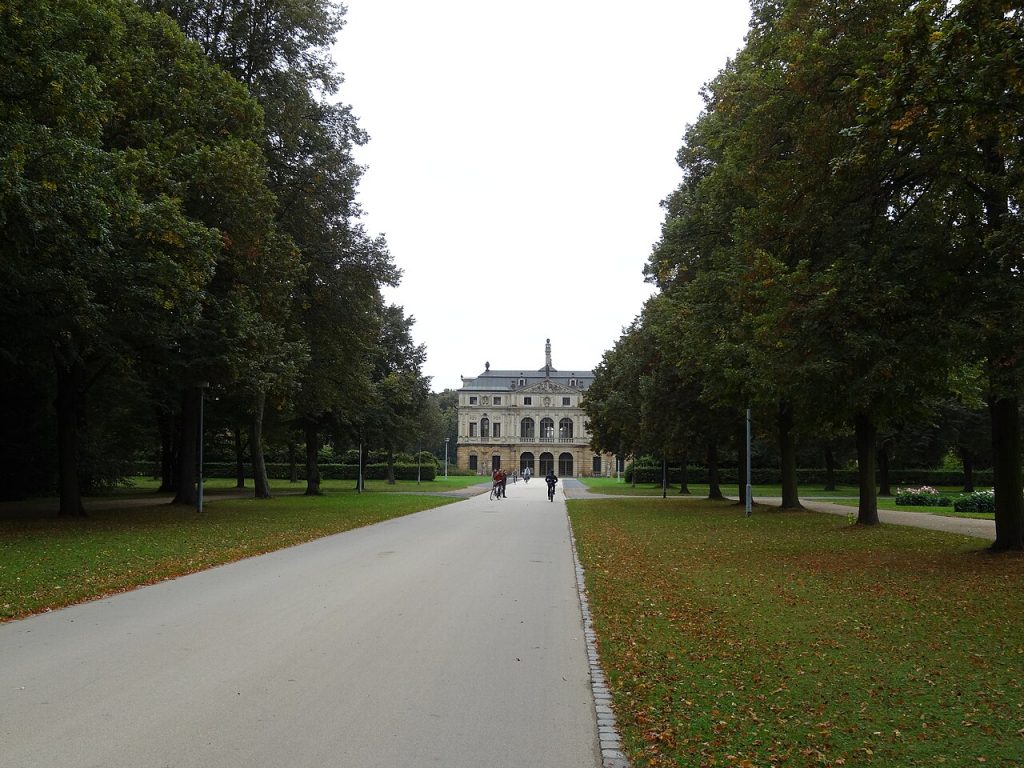
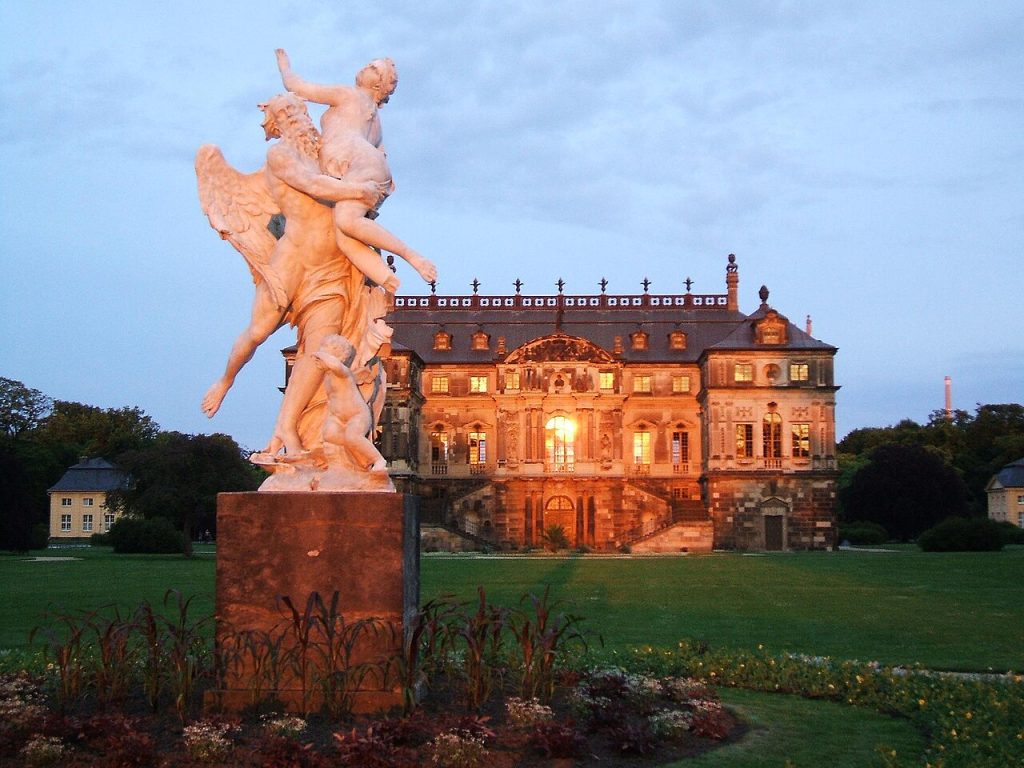
Walking along the main avenue of the Great Garden, you see the palace rising at the crossing of the park’s great axes. Its tall central block, crowned by a roof and decorated with sculptures, stands out against the trees.
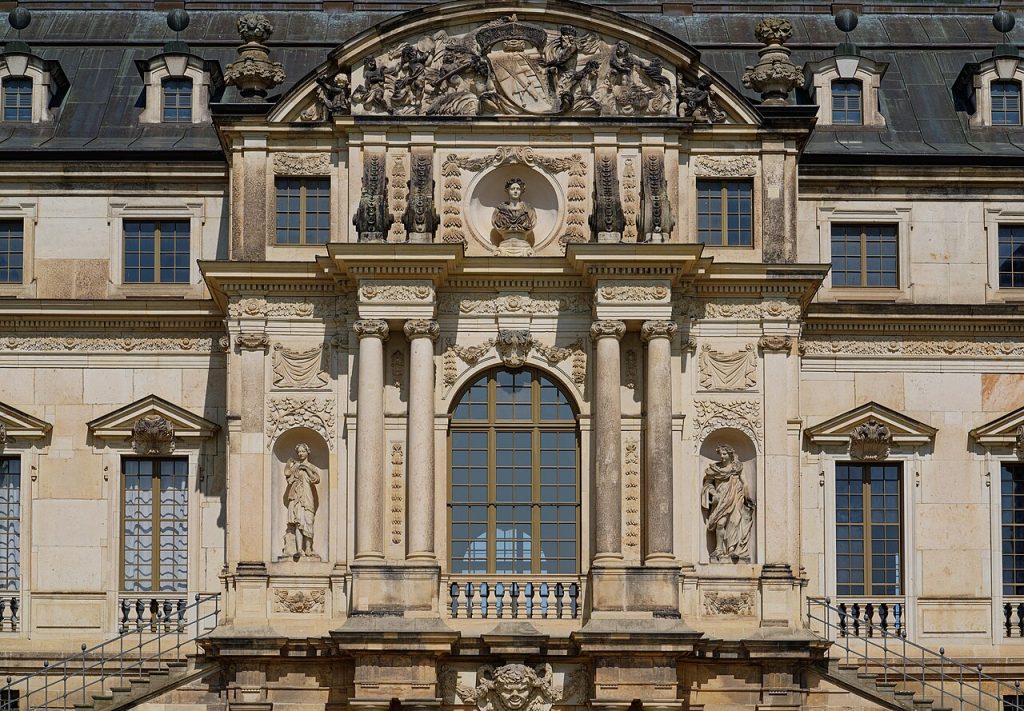
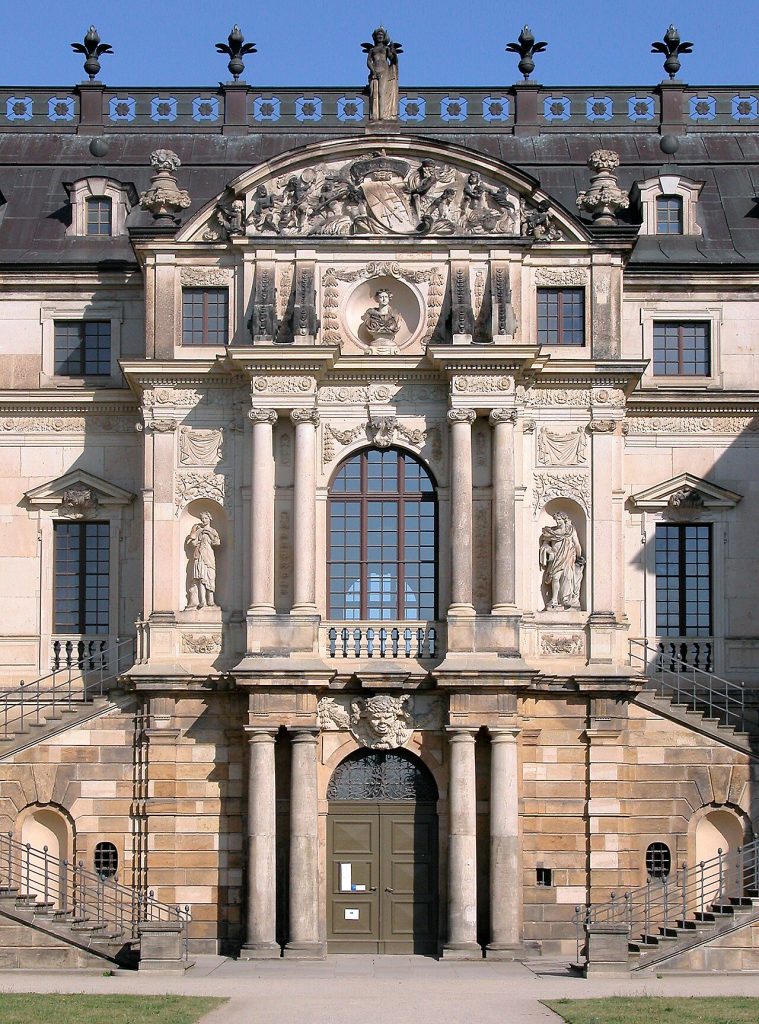
The facades are richly decorated with pilasters, garlands, figures and reliefs, giving the building a festive and lively appearance.
Around the palace, lawns and avenues stretch in every direction, and on sunny days the park is full of people walking, cycling and relaxing.
What makes the palace special is its role as the starting point of Dresden baroque, and the dramatic story of its destruction and partial revival.
The contrast between the elegant exterior and the raw, unfinished interior surprises many visitors and makes the building unforgettable.
The palace’s position at the meeting point of the avenues makes it visible from many parts of the park, a constant landmark during a walk.
The palace is easy to reach from the city centre, making it a perfect stop during a visit to Dresden.
In autumn, the leaves of the old trees turn gold and red, and the palace stands out beautifully against the colourful park.
Elector Johann Georg III and the Great Garden
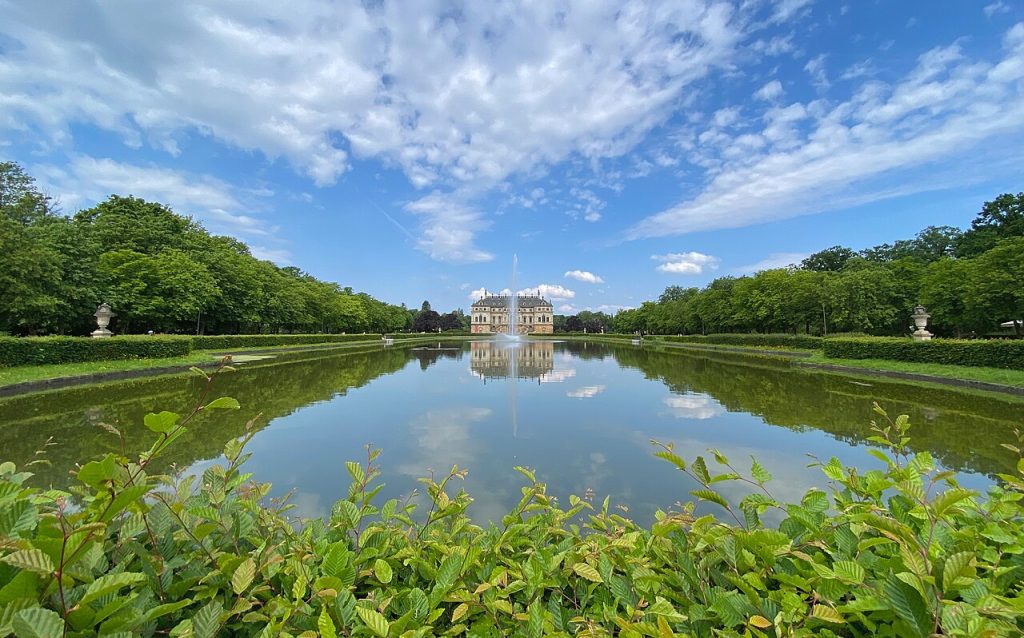
The Great Garden was laid out from 1676 on the orders of the prince who would become Elector Johann Georg III of Saxony, as a garden for pleasure, hunting and festivities outside the city walls.
The palace was built between 1678 and 1683 at the centre of the garden, designed by the architect Johann Georg Starcke.
It served as a setting for court festivals, banquets, music and theatre, and it was one of the most fashionable places in Saxony.
Under Augustus the Strong, the garden was enlarged and decorated with many sculptures, and it became a stage for some of the most spectacular festivities of the baroque age.
Johann Georg III was a military man and a lover of music, and he brought Italian opera to Dresden, beginning a tradition that would make the city famous.
The elector’s love of pomp and display made the palace and garden a symbol of Saxon power and taste.
The garden was originally a hunting ground, and the elector’s love of hunting shaped its early layout.
Early Baroque Architecture
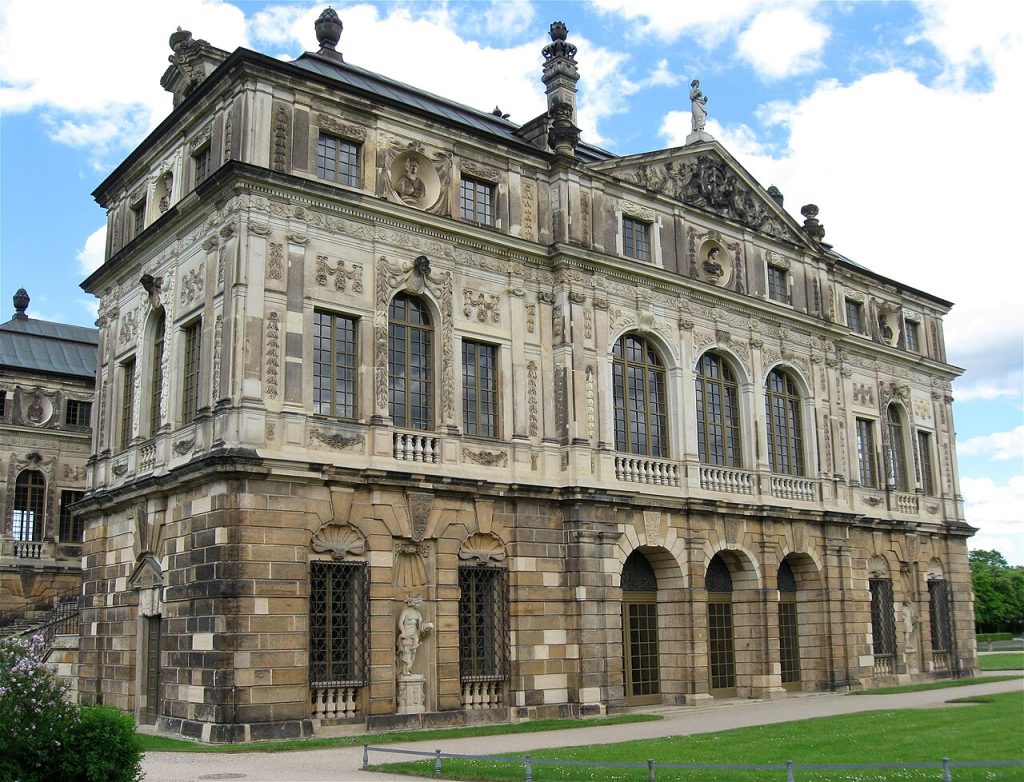
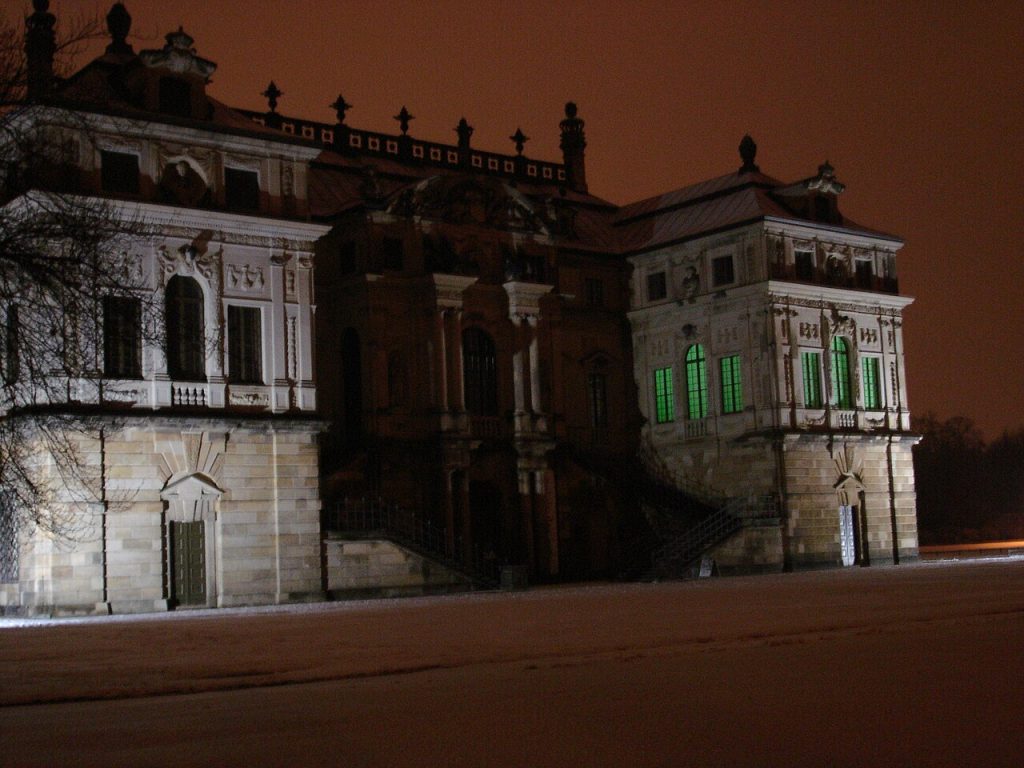
The palace is built on an H shaped plan, with a tall central hall and wings on either side. Its design shows the influence of Italian and French baroque architecture, adapted to Saxon taste.
The facades are richly articulated with pilasters, cornices and window frames, and decorated with sculptures and reliefs.
As the first baroque building in Saxony, it influenced later buildings in Dresden, including the Zwinger and the palaces of Augustus the Strong.
Starcke’s design was influenced by French palace architecture, which he had studied, and it introduced new ideas to Saxony.
Its roof and silhouette give the palace a vertical emphasis, making it stand out above the surrounding trees.
Architectural historians value the palace as a key monument in the development of German baroque architecture.
Sculpture and Decoration
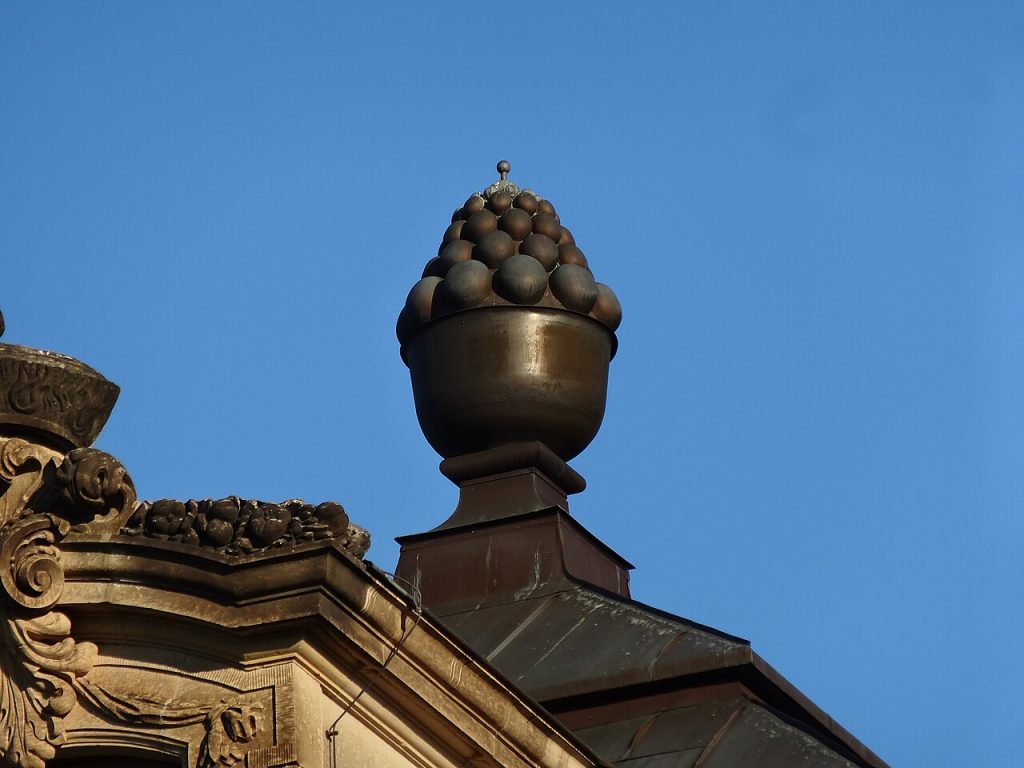
The exterior of the palace is decorated with an abundance of sculpture, including figures of gods, allegories, garlands, masks and reliefs that create a sense of movement and festivity.
In the garden around the palace, many statues once stood along the avenues and parterres, and some of them survive today; some important originals are now in museums, with copies in the park.
These sculptures reflect the baroque love of allegory and display, turning the palace and garden into a stage for the glory of the electors.
The Great Hall
At the centre of the palace lies the great hall, which rises through the full height of the building. It was used for banquets, balls and concerts and was once richly decorated with paintings, stucco and sculpture.
After the destruction of 1945, much of the decoration was lost, but the surviving sculptures and the bare brick walls create a powerful and atmospheric space.
Today the hall is used for concerts, exhibitions and events, and visitors often say that it feels both festive and melancholy.
Standing in the hall, with light falling through the tall windows onto the damaged walls, you can sense both the splendour of the past and the tragedy of 1945.
Destruction and Revival
On the night of 13 February 1945, Dresden was devastated by bombing, and the palace was badly damaged by fire. For decades it stood as a ruin.
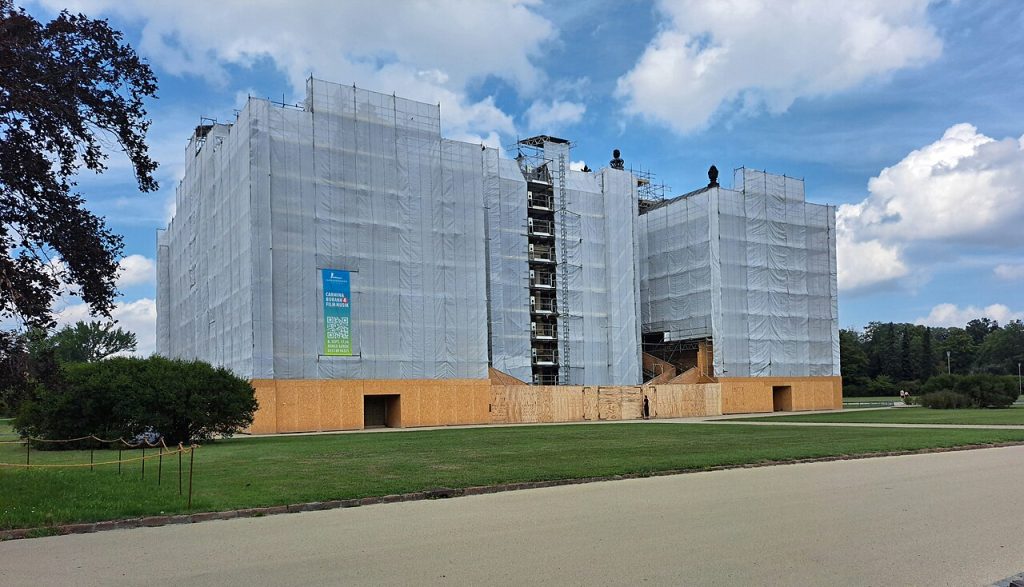
The exterior has been largely restored, while the interior has been stabilised and partly preserved in its damaged state, making the palace a memorial as well as a monument.
Exhibitions in the palace explain the history of the building and the bombing of Dresden, helping visitors understand what was lost and what was saved.
The Great Garden
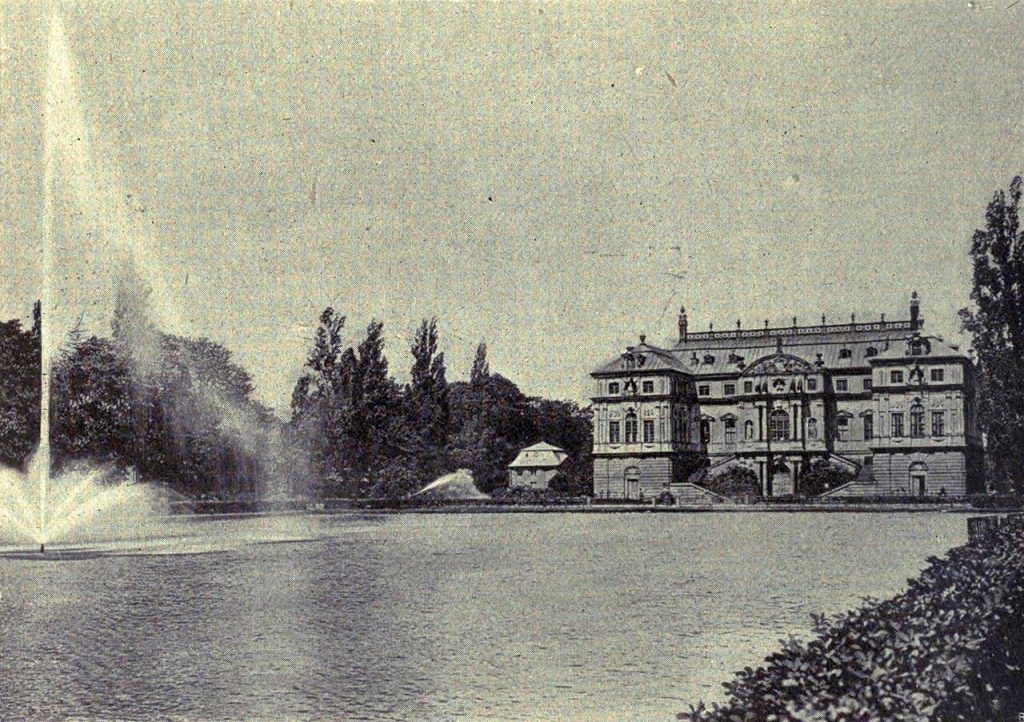
The Great Garden is Dresden’s largest park, covering nearly two square kilometres. It was originally a baroque garden and later partly transformed into a landscape park.
The park also contains the Dresden Zoo, the botanical garden of the Technical University and an open air theatre.
In spring, flowering trees and flower beds fill the park with colour, and in summer it is a favourite place to escape the heat of the city.
Long avenues, lawns, lakes and woods make it a perfect place for walks, picnics and sport.
The park is also home to many birds and small animals, and its old trees are an important part of the city’s green heritage.
The Park Railway
One of the most charming features of the Great Garden is the park railway, a miniature railway run largely by children and young people, with trains sometimes pulled by historic steam locomotives.
The railway has been operating since 1950 and stops at several stations in the park, making it easy to combine a ride with visits to the zoo, the palace and the lakes.
A ride on the park railway is a delightful way to see the Great Garden and a favourite activity for families.
The Cavalier Houses and Statues
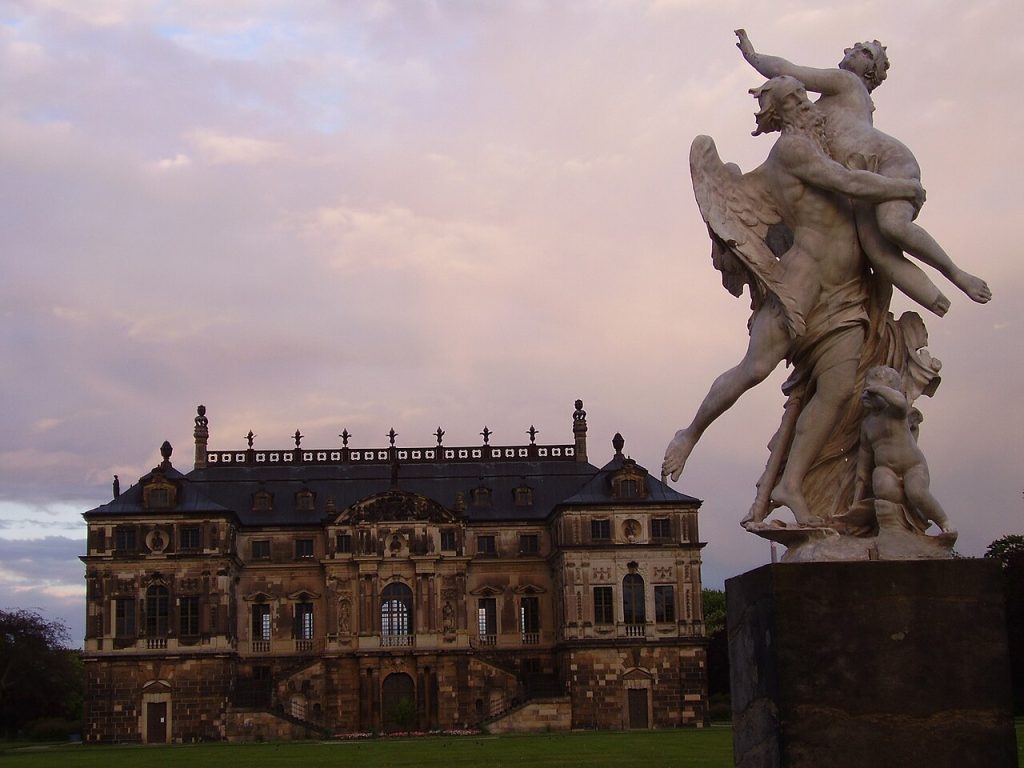
Around the palace, small pavilions known as cavalier houses once housed guests and members of the court during festivities, and some of them survive.
Statues along the avenues recall the baroque decoration of the garden.
These features help visitors imagine the garden as it was in the time of Augustus the Strong.
Avenues and Lakes
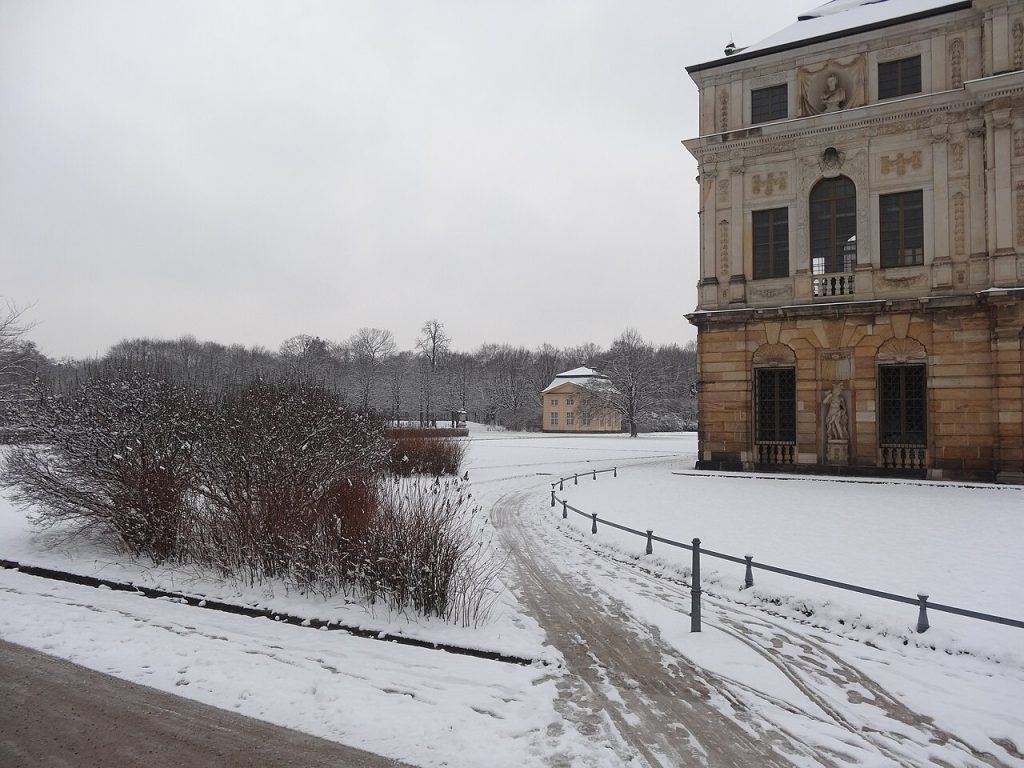
The Great Garden is crossed by long straight avenues that meet at the palace, creating long perspectives through the park.
Several lakes add to the beauty of the park, including the Carola Lake, where boats can be hired in summer and a lakeside restaurant offers a place to rest.
Along the avenues, rows of old trees provide shade and frame views toward the palace.
Walking along the avenues, you can appreciate the scale of the original baroque plan, which made the garden one of the largest in Europe.
Baroque Festivals in the Garden
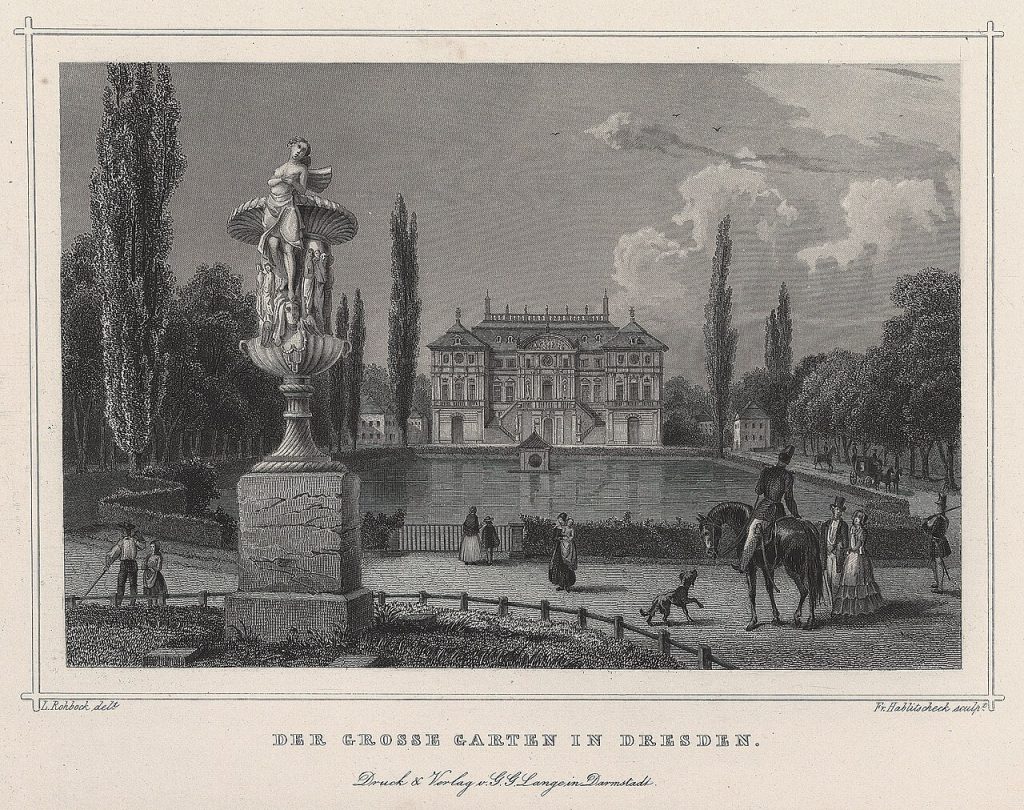
Under Augustus the Strong, the Great Garden was the setting for spectacular festivals, with fireworks, mock battles, banquets and theatre.
In 1719, during the celebrations for the wedding of the crown prince to a Habsburg archduchess, the garden hosted some of the most lavish entertainments of the baroque age.
Temporary buildings, illuminations and decorations transformed the park into a dreamlike stage for the court.
Paintings and engravings from the time show the splendour of these events and give an idea of how the palace looked in its heyday.
Today, summer festivals and concerts in the park continue this tradition of celebration on a more modest scale.
The Palace on Video
For a look at the palace and the Great Garden, the video below presents the Palace in the Great Garden in Dresden.
If the video inspires you, read on for practical tips.
Visiting the Palace Today
The palace is open for exhibitions, concerts and events, and the park is open all year and free to enter.
The Great Garden lies just southeast of the city centre and can be reached on foot, by tram or by bicycle.
Combine your visit with the old town of Dresden, the Zwinger, the Frauenkirche and the Japanese Palace.
Whenever you visit, the Palace in the Great Garden offers a fascinating glimpse into the beginnings of Dresden baroque and the resilience of the city.
Plan at least a couple of hours to walk through the park, see the palace and perhaps ride the park railway.
The park is especially beautiful in spring, when the magnolias and cherry trees are in bloom.
View the location on Google Maps
Palaces Nearby
If you have enjoyed this palace, the region holds more remarkable residences. Here are two more well worth adding to your journey:
- The Japanese Palace – the porcelain palace of Augustus the Strong on the Elbe in Dresden.
- The Little Pheasant Castle – the tiny rococo retreat of the Saxon electors near Moritzburg.
You May Like