You turn to the little cylinder sitting in a corner of the room and ask “what’s the weather today?”, and before you even finish your sentence, within a few seconds, an answer comes with the temperature and rainfall. It plays music, turns off the lights, sets an alarm, tells you the nearest pharmacy, and even cracks a joke when you ask. This conversation, which seems so ordinary, is in fact the result of fitting decades of microphone, sound, and artificial-intelligence engineering into a single palm-sized device. In this article I step inside the smart speaker and explain, step by step, how it “hears” your voice, how it understands it, and how it answers you back.
- What exactly is a smart speaker?
- From radio to assistant: the long journey of sound
- The army of microphones inside
- What happens when you say the wake word?
- What goes on in the cloud?
- The brain and hardware inside the device
- Getting big sound out of a small body
- More than you know: hidden uses
- Is it always listening? The privacy question
- What might the next step be?
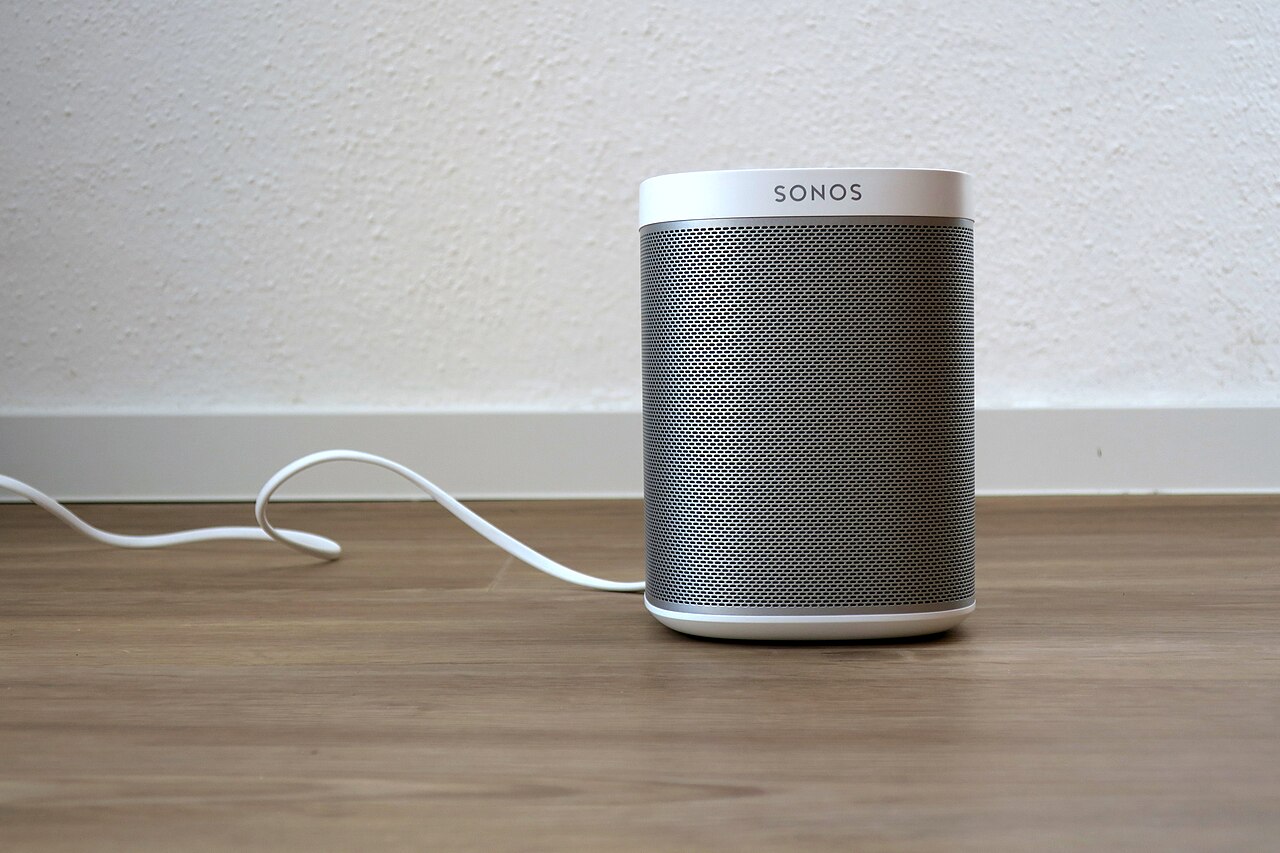
What exactly is a smart speaker?
At first glance, a smart speaker looks like an ordinary Bluetooth speaker, but there is much more inside. Three things come together to set it apart: an array of microphones that can hear you from every direction, software that makes sense of your voice, and a connection that uses the internet. Thanks to this trio, the device does more than play sound; it listens to you, understands what you mean, and actually does something.
At its heart there is also a voice assistant. The assistant is the device’s personality and intelligence; it is the part that interprets your commands, routes them to the right service, and turns the answer into words. So the hardware captures the sound, and the assistant turns it into meaning. Without one, the other is useless.
Another important feature is that it acts like a gateway. Rather than being a standalone device, it sits at the center of the other smart devices in your home: bulbs, plugs, cameras, and thermostats become manageable through this speaker with a single command. In other words, it is more accurate to think of it not just as a speaker but as the voice remote of the home. That is why, when you buy a smart speaker, you are really opening the door to an ecosystem.
From radio to assistant: the long journey of sound
The first device to bring sound into our homes was the radio. In the early twentieth century, those large wooden boxes powered by tube technology were a marvel around which families gathered in the evenings. But the radio was one-way: you only listened, you could not say anything to it.

After the radio, every device that came made sound a bit more personal and portable, but the basic logic remained unchanged for a long time. For decades, sound devices kept advancing with this same logic; record players, tape recorders, music sets, and portable players were all machines that “played” but did not “listen.” The real revolution came when two separate technologies matured and combined: devices now being always connected to the internet, and computers being able to decode human speech well enough. When these two met, the speaker turned, for the first time, into something that could talk back.
One stop that should not be skipped on this journey is the voice assistants on phones. When people first began speaking to the device in their pocket and getting answers, the idea of talking to a machine became ordinary. The smart speaker took this habit and carried it into the home environment: now you did not even need to reach into your pocket, you could call out from anywhere in the room. This seemingly small change was actually large, because it pulled technology away from the screen and turned it into a fully voice-based, hands-free experience.
The idea of voice commands was first tried on phones, then carried as a standalone device to the table, the kitchen, the bedside. Within a few years it became a fixed part of millions of homes. Looking back today, we see that those old wooden radios and today’s tiny cylinders are the faces of the same desire in different eras: to connect to the world through sound.
The army of microphones inside
The most critical part of a smart speaker is not a single microphone; it is an array made up of several microphones arranged in a ring on top of the device. Why more than one? Because a single microphone only hears “what” the sound is, while several can also figure out “where it came from.”
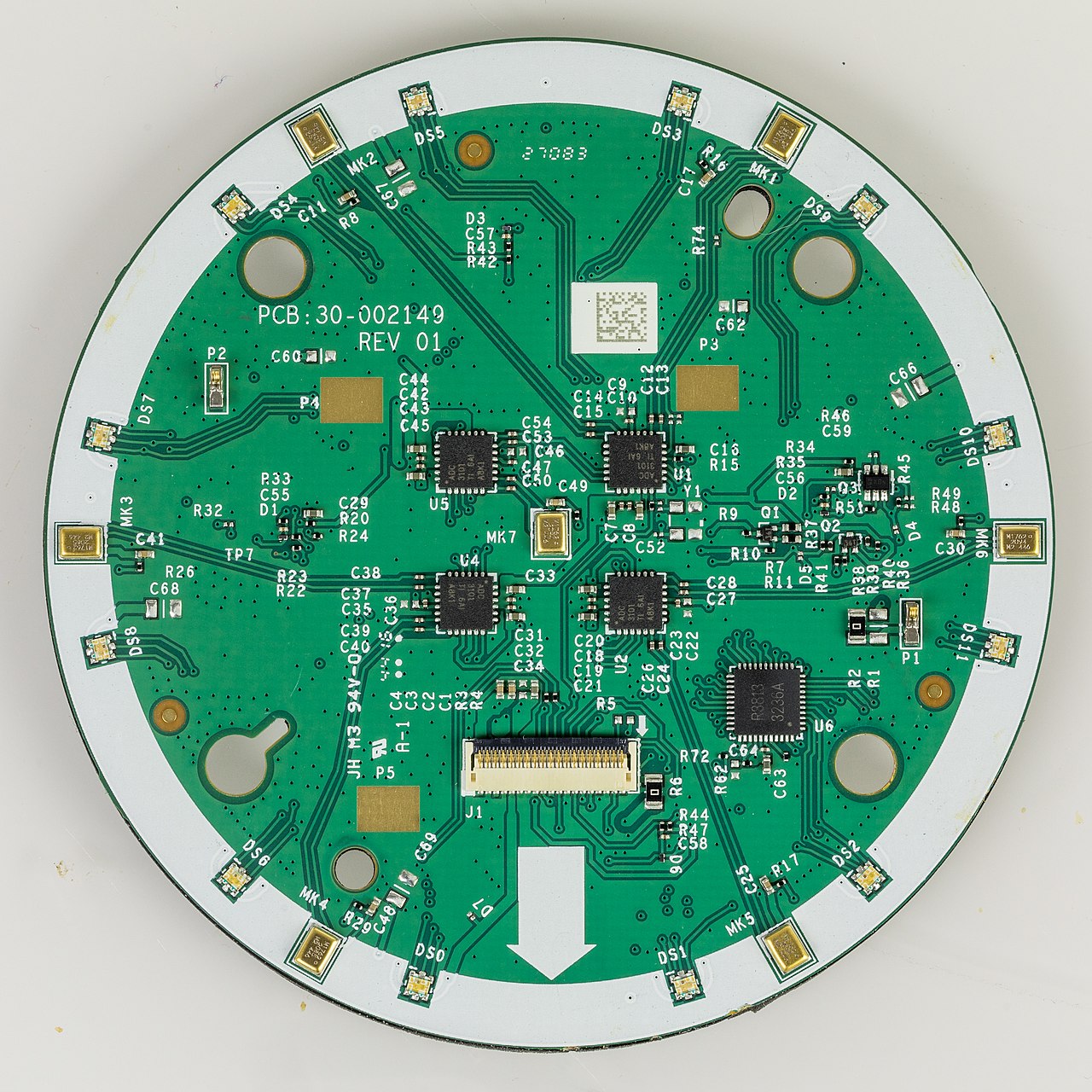
Your voice reaches the different microphones with very small time differences. By measuring these tiny delays, the device calculates the direction you are speaking from and turns its listening “ear” toward you; this is called beamforming. At the same time, it analyzes the echo in the room and the music the device itself is playing and subtracts these from your voice. This is exactly why it can hear your command even while playing loud music: it recognizes the sound it produces itself and ignores it.
Another talent of the microphone array is that it can bring you to the foreground even in a crowded room. When several people are talking or the television is on, the device focuses on the direction it is interested in and pushes the other sounds into the background. This is just like mentally erasing the surrounding conversations while listening to the person across from you in a noisy café; the device does this mathematically, by processing the tiny differences in time and intensity between sounds. The fact that the microphones are arranged in a ring is also for this reason: whichever direction you call out from, at least one microphone faces you.
What happens when you say the wake word?
There is an important distinction here that most people wonder about. The device does not send everything you say to the internet. Instead, a small, dedicated listener runs constantly inside it; this listener’s only job is to catch the wake word. Until it hears that word, the sound it picks up is processed momentarily inside the device and discarded.
The moment it recognizes the wake word, the device “wakes up,” the light on top comes on, and the real listening begins. There is a reason this little listener runs inside the device. If every sound were constantly sent to the internet, privacy would disappear entirely and the network would drown in enormous traffic. Instead, the task of recognizing the wake word is given to a special, low-power circuit; this circuit is trained to recognize a single pattern and is interested in nothing else. The more clearly you say the word, the more accurately the device wakes; that is why it sometimes does not hear you in noisy environments or when you call from far away. Only from this point on is what you say recorded for processing. So technically the device always keeps an ear out, but it is only searching for that one word; the real listening begins after you summon it.
What goes on in the cloud?
After it wakes, what you say is sent over the internet to powerful servers and goes through several stages there. First the speech is turned into text: the sound waves are converted into words through probability calculations. Then the meaning of this text is decoded; from the sentence “will it rain tomorrow,” the device deduces that this is a weather question and that the subject is tomorrow.
Once the meaning is decoded, the device turns to the right service: a weather data source for the weather, an online streaming service for music, the smart bulbs and plugs in your home for the command “turn off the lights.” When the answer is ready, this time the process runs in reverse, and the text is again turned into a natural human voice and comes out of the speaker. This whole chain is usually completed in a second or two; behind that answer we think is instant, there is a journey to the other side of the world and back.
Artificial intelligence is at work at every link of this chain. The stage of turning sound into text can tolerate accents, fast speech, and background noise thanks to models trained on millions of hours of speech. The stage of extracting meaning tries to catch what you actually meant rather than exactly which word you used; that is why it can map the sentences “could you turn it down a bit” and “lower the volume” to the same intention. The system also learns your habits as you use it, and over time gives more accurate answers.
The brain and hardware inside the device
Inside the small body, a tiny computer is actually hidden. A processor, working memory, permanent storage, wireless connection chips, and special circuits that process sound all work together. Because the device offloads most of its heavy work to the cloud, this hardware does not need to be very powerful; its main job is to capture the sound cleanly and send it, and to play what comes back quickly.
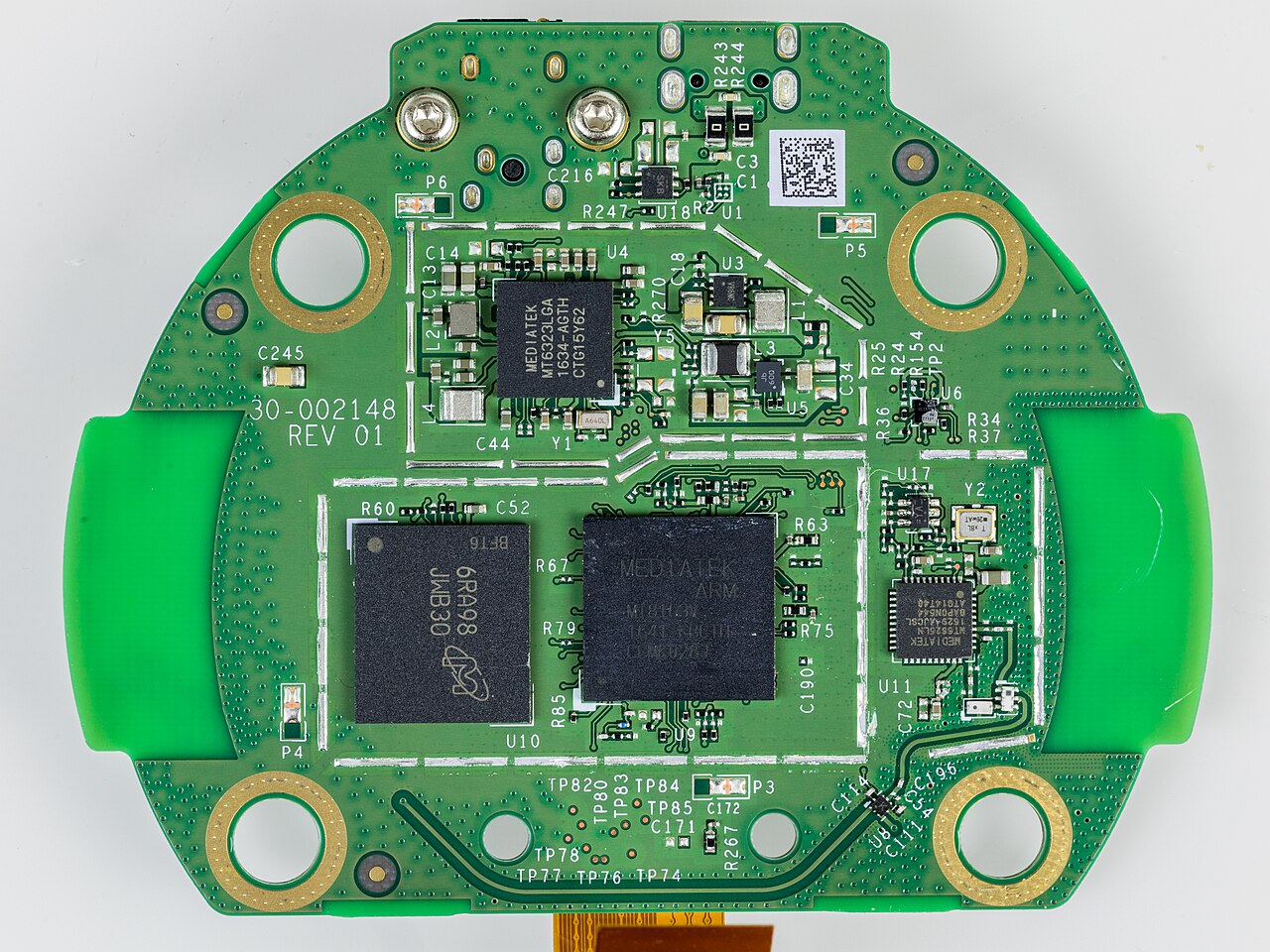
The sections of the mainboard reserved for sound are especially important. The analog sound coming from the microphones is converted to digital; noise is cleaned, echo is suppressed, and the signal is brought into a form the assistant can understand. The wireless connection chips link the device to both the home network and your phone. All these parts are designed to work in a space small enough to fit in the palm of your hand, with little energy and quietly.
What is interesting is that most of these devices are designed to stay plugged in. Because they need to be constantly connected to the internet, listen for the wake word without pause, and respond instantly when called, it is hard for them to get by on a battery. That is why most smart speakers are devices fed from a wall socket rather than charged like phones. Portable models exist too, but even they give their best performance with a fixed, constant connection. This small detail also explains why the device always sits in the same corner.
Getting big sound out of a small body
One of the most surprising aspects of a smart speaker is that such a small device can produce full sound. The secret of this lies both in the physical design and in the software. Inside are drivers placed so as to spread sound evenly in every direction; some have several drivers that produce the highs and the lows separately.
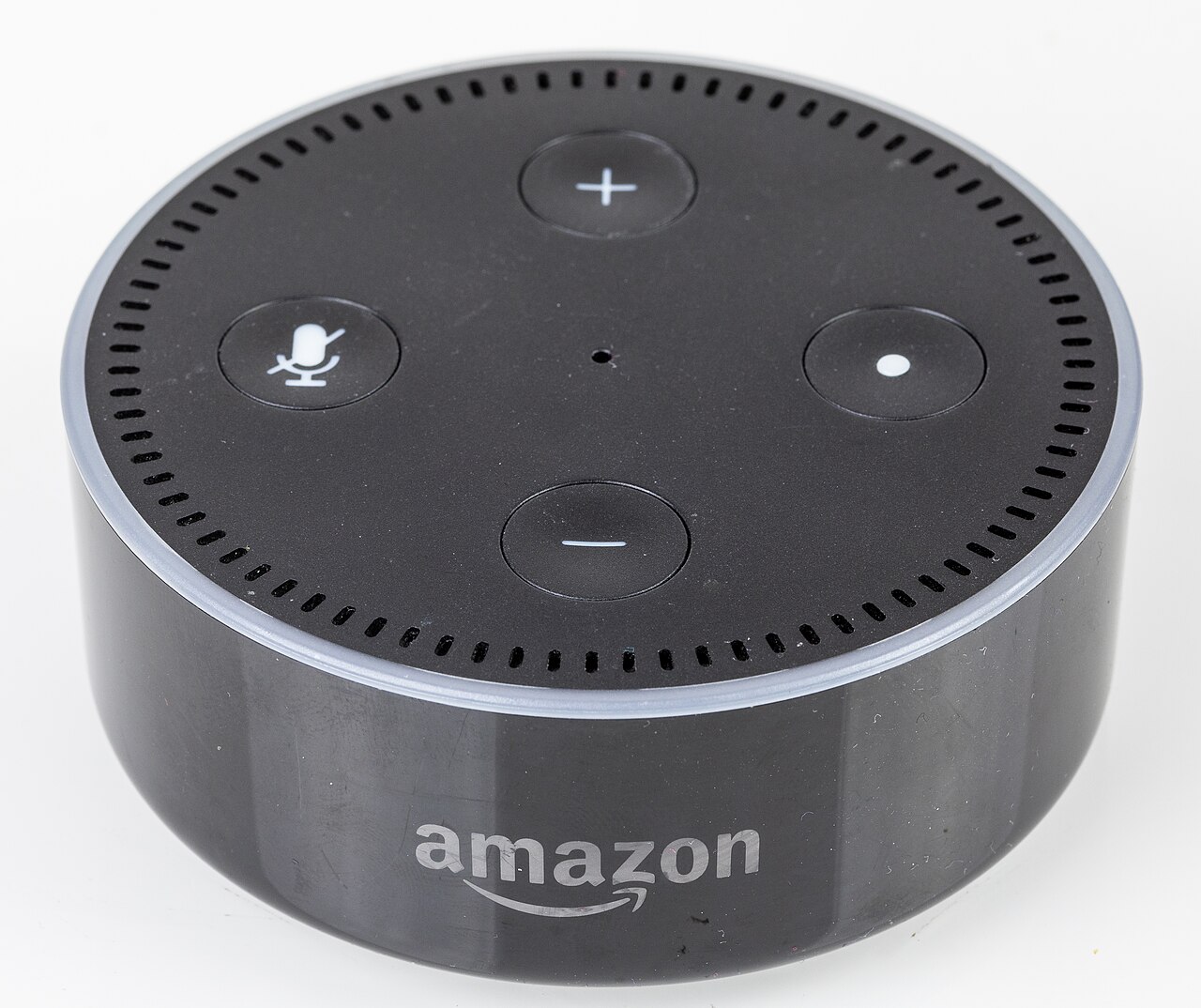
The body itself is also designed like an instrument: the air cavities inside strengthen the bass, and the material suppresses unwanted vibration. Another factor that determines the quality of the sound that comes out is the stage where the sound is converted back from digital to an analog wave; the better the circuit that performs this conversion, the clearer and more detailed the music is heard. On top of this, software comes into play; the device can measure the acoustics of the room it is in and adjust the sound automatically. That is why the same speaker can give a balanced sound whether placed in a corner or in the middle of the room.
Things get even more interesting when you bring more than one speaker together. You can pair two devices to form a stereo pair, or you can make the speakers you distribute to different rooms of the home play the same music in perfect harmony. The devices achieve this by synchronizing the sound they play to within a thousandth of a second; otherwise you would hear an annoying echo as you moved from room to room. Thus a system that starts with a single small device can turn into a network of sound that wraps the whole house.
More than you know: hidden uses
Most people use a smart speaker only for music and the weather, yet its abilities are far broader. You can manage the lights, plugs, thermostat, and door locks in your home by voice; with a single command you can switch to an “evening mode” and adjust several devices at once. Timers, shopping lists, and reminders are invaluable in the kitchen when your hands are full. Having a recipe read out step by step by voice, setting the oven, or asking conversion calculations are also among the small daily conveniences.
There are also less-known uses: you can talk between two speakers in the same home like an intercom, calling out from one room to another. Many of them let you connect from outside with your phone to the speaker at home and make announcements. Some models can detect motion or sound and warn you for security purposes; for example, while no one is home, they can recognize sounds like breaking glass and send a notification to your phone. Voice games, language practice, simple calculations, and general-knowledge questions for children are also extra abilities that have quietly settled into daily life. As you explore the device, you see that it is less an assistant than a small command center.
Third-party add-ons broaden these abilities even further. Many assistants can load extra “skills” written by outside developers; this makes it possible to order food from a restaurant, ask a bank for a balance, play meditation sounds, or play the voice version of a game. In this respect the smart speaker, just like the app store on a phone, turns into an open-ended platform that can keep growing with new abilities. Which skills you add is a personal choice that determines how well the device suits you.
Is it always listening? The privacy question
This is the most frequently asked question, and the honest answer is nuanced. The device technically always keeps an ear out, but it only searches for the wake word; the real recording begins after you call it. Even so, devices can sometimes “wake” by mistake to a sound resembling the word and process a moment you did not intend. This is a technical flaw rather than ill intent.
There are a few things you can do to feel comfortable. Most devices have a button that physically turns off the microphone; you can use this during a sensitive conversation. You can view and delete past voice recordings from your account, and you can even set recordings to be deleted automatically. Keeping the device away from private spaces such as the bedroom and regularly reviewing its settings is also sensible.
Privacy also has a family dimension. Because everyone living in the same home speaks to the same device, who asked what and which command came from whom can get mixed up. Many devices can now recognize different voices and give person-specific answers; so when you say “what does my calendar say,” it reads the calendar that belongs to you. In homes with children, setting shopping or content restrictions is wise to prevent unexpected orders and inappropriate content. Spending a few minutes on these settings while setting up the device prevents many surprises that could arise later. Rather than rejecting the technology altogether, using it consciously is the healthiest path.
What might the next step be?
Smart speakers are quickly becoming more “understanding.” New-generation assistants can converse as if chatting, remembering the context, instead of answering commands one by one; they can follow up on your previous question without forgetting it. Behind this are the large language models of recent years; thanks to these models, devices are expected to speak more naturally, more flexibly, and less “robotically.”
Another direction is that more and more of the work is being done inside the device itself, without going to the cloud. This both speeds up answers and is reassuring in terms of privacy, because your voice can be processed without ever leaving the device. Screened models, video calls with a camera, integration with home security, and personalization that recognizes everyone who comes home are also on the roadmap. Beyond all this, assistants are expected to remember context more and more: by learning what you like, what you want at which hour of the day, and your home habits, they will be able to make suggestions before you even ask. One day we will look at today’s speakers the way we look at old radios today; but the desire to reach out to the world through sound will have remained unchanged between a hundred years ago and now.