
In the eastern hills of Nepal, between the Sun Koshi and the great wall of Kanchenjunga, live the Kirat, an ancient people whose two great branches—the Rai and the Limbu—have given the eastern Himalaya much of its character. Counted among the oldest inhabitants of the region and named in the earliest legends and chronicles, the Kirat preserve a distinctive religion, language, and way of life rooted in the worship of nature and ancestor.
Like the Magar and Gurung of the central and western hills, the Kirat belong to the Tibeto-Burman world, yet their languages, their Mundhum scripture, and their indigenous Kirat religion set them clearly apart and mark them as a people of the far east of Nepal.
This profile follows the Kirat along the lines of the series: their ancient origins, the Rai and Limbu branches, the Kiranti languages and the Sirijunga script, the eastern homeland, the Kirat Mundhum religion and its ritual specialists, the Sakela dance, the food of the hills, and the migration that is reshaping their world today.
- Origins and the Kirat in History
- Rai and Limbu, the Two Great Branches
- Language, the Kiranti Tongues and the Script
- The Homeland of the Eastern Hills
- Religion, Kirat Mundhum and the Worship of Nature
- The Mundhum and the Ritual Specialist
- Society, Clans and the Kipat Land System
- Festivals and the Sakela Dance
- Music, Dress and Ornament
- Food of the Eastern Hills
- The Martial Tradition and Migration
- The Kirat Today
Origins and the Kirat in History
The Kirat are among the most ancient peoples named in the history and legend of the Himalaya. Ancient texts of the Indian and Nepali tradition refer to the Kirata as hill and forest dwellers of the eastern mountains, and the Kirat are remembered in the chronicles of the Kathmandu Valley as an early ruling dynasty, said to have governed there in remote antiquity.
This deep historical presence gives the Kirat a special place in the story of Nepal, as one of the foundational peoples of the eastern and central hills. Their homeland in the east, the region historically known as Kirat country, takes its very name from them.
Belonging to the Tibeto-Burman family, the Kirat trace their roots to the early peopling of the eastern Himalaya, where they established themselves across the hills between the Kathmandu Valley and the borders of Sikkim and the lands beyond. Oral tradition and the Mundhum scripture preserve the memory of these origins.
What unites the Kirat is less a single tribe than a shared ancient identity, a common religion, and a related family of languages, embracing the two great branches of the Rai and the Limbu along with some smaller related groups of the eastern hills.
That the Kirat appear by name in some of the oldest written sources of the subcontinent, and that the chronicles of Kathmandu remember a Kirat dynasty ruling the valley in deep antiquity, gives the people a pedigree few others in the region can claim. Whether or not every detail of these traditions is historical, they testify to an ancient and widespread recognition of the Kirat as a foundational presence in the Himalayan world.
Rai and Limbu, the Two Great Branches

The Kirat are divided into two great branches, the Rai and the Limbu, together with smaller related peoples such as the Sunuwar and the Yakkha. The Rai live mostly in the hills of the central-eastern region, while the Limbu inhabit the far east, the region historically known as Limbuwan, toward the border with Sikkim.
The Rai are themselves not a single uniform group but a cluster of many subgroups, each with its own dialect and local identity, so diverse that the speech of one Rai group can be unintelligible to another. The name Rai was in part an administrative title that came to cover this whole varied family.
The Limbu, by contrast, form a more unified group with their own strong sense of identity, their own script, and the historical territory of Limbuwan, which entered the Nepali kingdom under special arrangements that long preserved Limbu autonomy and land rights.
Together the Rai and Limbu, with their related neighbours, make up the Kirat people, sharing the Kirat Mundhum religion and a common ancient heritage while preserving the distinct identities of their many branches and subgroups.
The sheer internal variety of the Rai, a single name covering dozens of subgroups each with its own tongue and customs, makes them one of the most linguistically fragmented peoples anywhere in the Himalaya, while the more cohesive Limbu, with their script and their historic territory, present almost the opposite picture. To speak of the Kirat is therefore to speak of a federation of related communities rather than a single uniform tribe.
Language, the Kiranti Tongues and the Script
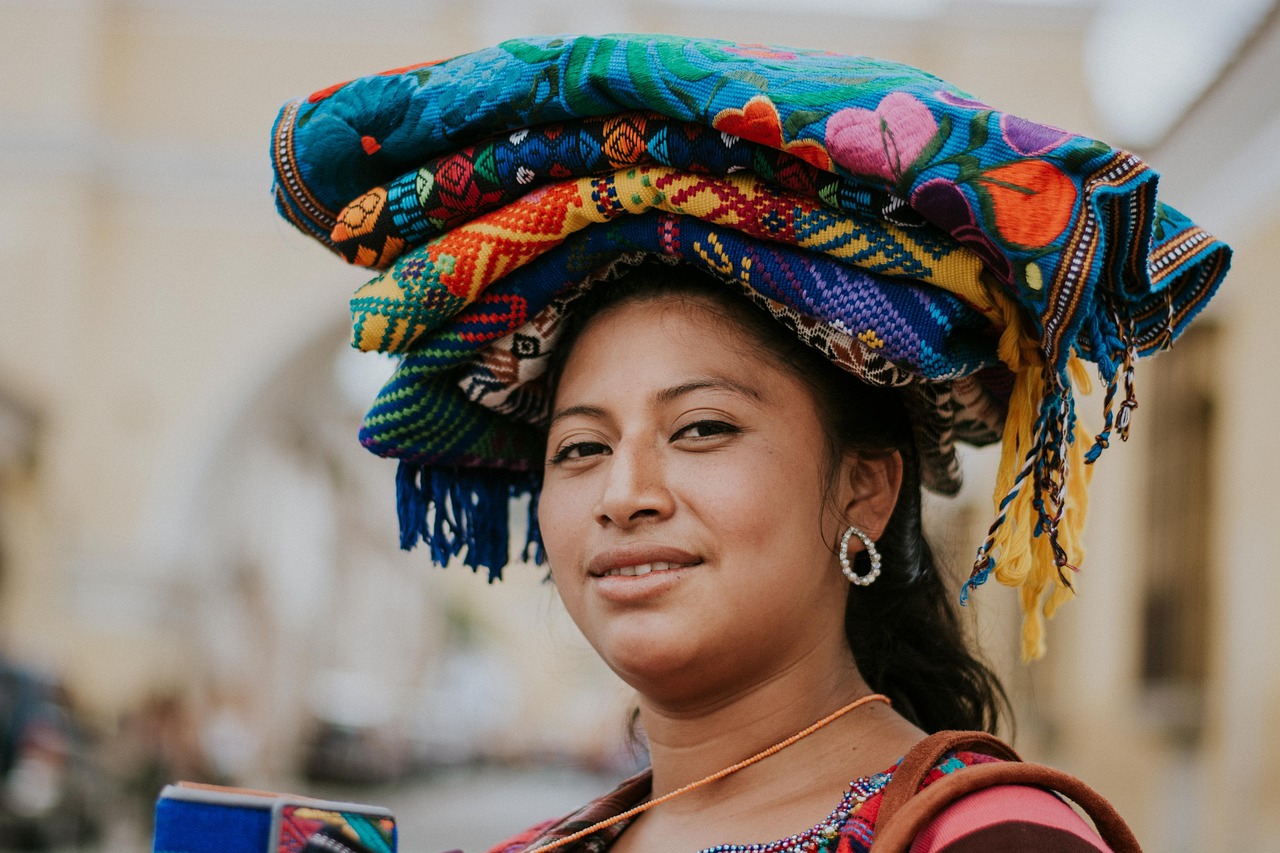
The Kirat speak languages of the Kiranti group within the Tibeto-Burman family, a cluster of many related but often mutually unintelligible tongues. The Rai languages in particular are remarkably numerous and diverse, while the Limbu speak their own distinct language with a strong literary tradition.
The Limbu possess their own script, known as the Sirijunga or Kirat script, named after a revered scholar and used to write the Limbu language and its religious texts. The existence of an indigenous script is a notable mark of the Limbu and of Kirat culture more broadly.
For most of their history the Kiranti languages were carried in speech and in the recitation of the Mundhum, the great oral scripture of the Kirat religion, while Nepali served as the common tongue of the wider society. Many Kirat became bilingual over the generations.
Modern efforts to document, write, and teach the Kiranti languages, and to promote the Sirijunga script, are central to the Kirat cultural movement, confronting both the great internal diversity of the Rai tongues and the dominance of Nepali in public life.
The Sirijunga script is a rare treasure among the indigenous peoples of Nepal, for few hill communities developed a writing system of their own, and its revival has become a powerful symbol of Limbu and Kirat cultural pride. To learn the script and to read the Mundhum in it is, for many young Kirat, an act of reclaiming a heritage that colonial-era and state pressures once pushed toward the margins.
The Homeland of the Eastern Hills
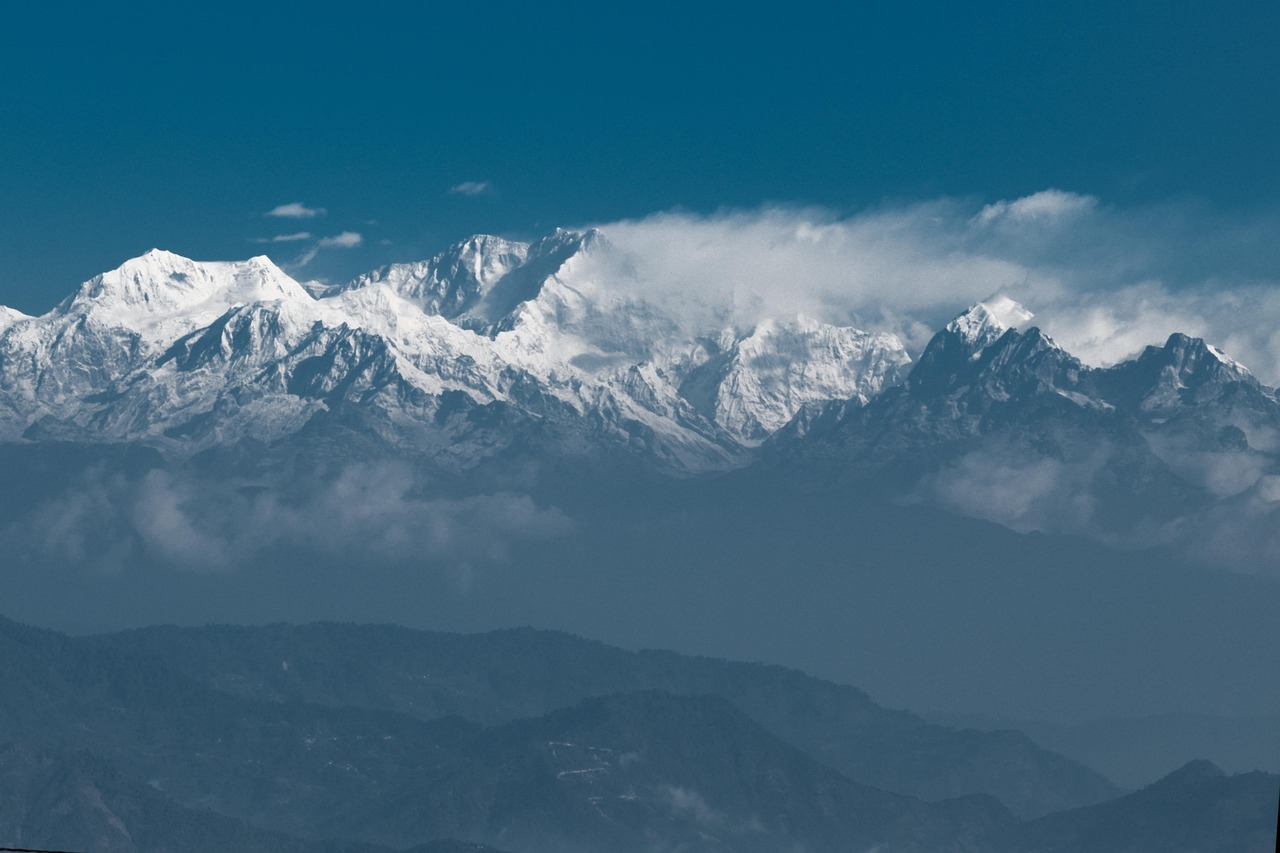
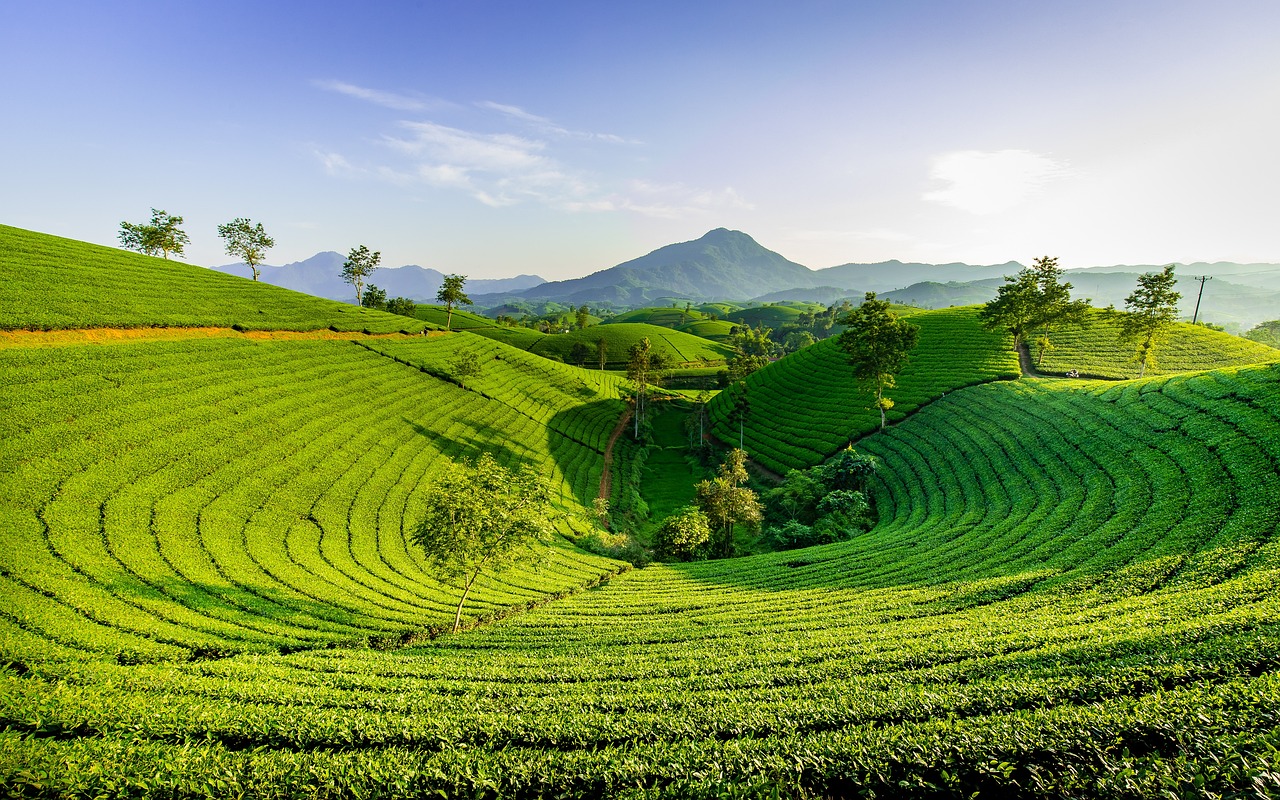
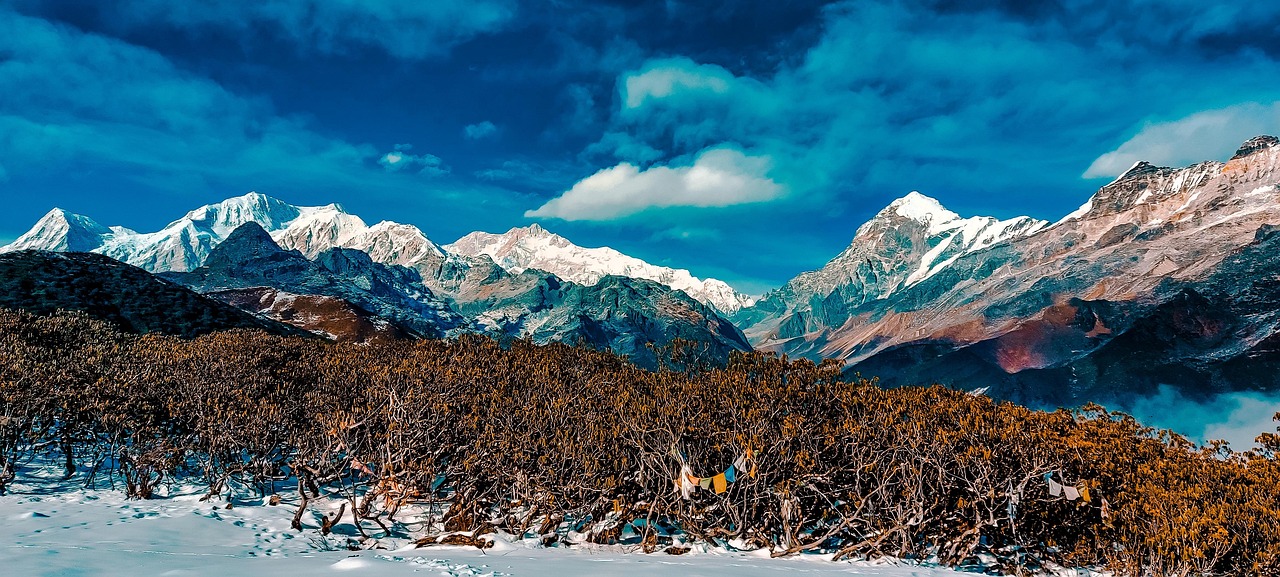
The Kirat homeland is the eastern hill region of Nepal, a country of forested ridges, deep river valleys, and terraced slopes lying between the Kathmandu Valley and the eastern border, beneath the towering massif of Kanchenjunga, the third highest mountain on earth.
The Rai occupy mainly the central-eastern hills around the Sun Koshi, Arun, and Tamur river systems, while the Limbu inhabit the far-eastern region of Limbuwan toward Sikkim. The hill town and tea country of the east lie within or beside this Kirat homeland.
Their villages sit on the terraced and forested slopes, in a hill environment suited to grain, livestock, and forest use, with the great peaks of the eastern Himalaya rising to the north. The region is among the most beautiful and biodiverse in the country.
This eastern homeland, historically known as Kirat country and divided into the regions associated with the Rai and the Limbu, is the foundation of Kirat identity and the setting for the religion, language, and way of life that distinguish the people.
The presence of Kanchenjunga, revered across the eastern Himalaya, lends the Kirat homeland a sacred geography in keeping with a religion built on the worship of nature, for the great peak and the rivers that flow from it figure in the myths and rituals of the people. The eastern hills, with their tea gardens, forests, and terraces, form one of the most distinctive cultural regions of the whole country.
Religion, Kirat Mundhum and the Worship of Nature
The Kirat follow their own indigenous religion, known as Kirat Mundhum or Kirat religion, centred on the worship of nature and of ancestors. It venerates the forces of the natural world—the earth, the rivers, the mountains, the sun and moon—and the spirits of the ancestors, rather than the gods of the great organised religions.
This nature-and-ancestor worship is one of the most distinctive features of the Kirat, setting them apart from their Hindu and Buddhist neighbours. Although Hindu and Buddhist influences have touched Kirat communities over the centuries, the indigenous Kirat religion remains strong and is the subject of active revival.
Central to the religion is reverence for the ancestors and for the natural environment, expressed in ritual, festival, and the great oral scripture of the Mundhum. The cycle of agriculture and the seasons is woven into the religious calendar.
In modern times the Kirat religion has become a focus of identity and pride, formally recognised and promoted as the distinct faith of the Kirat people, an assertion of a heritage older than the world religions that surround it.
In a country long defined by its Hindu monarchy and its strong Buddhist presence, the survival and formal revival of a wholly indigenous nature-and-ancestor religion is remarkable, and it lies at the very centre of what it means to be Kirat. The faith’s focus on the living forces of the natural world gives it a resonance, in an age of environmental concern, that its adherents are keenly aware of.
The Mundhum and the Ritual Specialist
At the heart of Kirat religion lies the Mundhum, a vast body of oral scripture, myth, ritual chant, and traditional knowledge that serves as the sacred text and the cultural charter of the people. The Mundhum encompasses creation myths, the history of the ancestors, ritual formulae, and the moral and practical wisdom of the Kirat.
The Mundhum is recited and preserved by the traditional ritual specialists—priests and shamans known by various names among the Rai and the Limbu, such as the bijuwa, the phedangma, and others—who lead the ceremonies of the community and mediate between the human and the spirit world.
These ritual specialists preside over the rites of birth, marriage, healing, death, and the agricultural and seasonal festivals, chanting the Mundhum to invoke the ancestors and the powers of nature. Their knowledge, carried by memory and oral transmission, is the living core of the religion.
The Mundhum thus functions as scripture, history, and law all at once, binding the diverse Kirat groups to a common heritage and providing the framework for the rituals that mark every stage of life in the eastern hills.
Because the Mundhum is carried by memory rather than by a fixed printed canon, it lives and breathes in performance, varying from one ritual specialist and one Kirat group to another while preserving a recognisable common core. The figure of the chanting priest, holding in his memory the creation of the world and the journey of the ancestors, is the human library in which the entire heritage of the people is stored.
Society, Clans and the Kipat Land System

Kirat society is organised through clans and, historically, was shaped by a distinctive land system. The Limbu in particular held their land under the kipat system, a form of communal, inalienable tribal landholding that long protected Limbu territory from outside ownership and preserved the autonomy of Limbuwan.
The kipat system, by which land belonged to the clan or community rather than the individual and could not be sold to outsiders, was a cornerstone of Limbu identity and autonomy under the Nepali state. Its gradual abolition in the twentieth century was a profound change, exposing Limbu land to outside acquisition.
Among both Rai and Limbu, clan membership ordered marriage, ritual duty, and the bonds of kinship, while cooperative labour and the authority of elders and ritual specialists held the villages together through the agricultural year.
The strong sense of territory and autonomy, especially among the Limbu of Limbuwan, gave Kirat society a distinctive political character within Nepal, and the memory of kipat and of historic autonomy remains important to Kirat identity and to modern demands for recognition.
The kipat system was more than an arrangement of property; it was the material foundation of Limbu autonomy, a guarantee that the land of Limbuwan remained in Limbu hands and beyond the reach of outside buyers and the state. Its abolition, opening that land to acquisition by others, ranks among the most consequential changes in Kirat history and is remembered with a sense of loss that fuels demands for recognition today.
Festivals and the Sakela Dance
The great festival of the Kirat is associated with the Sakela or Sakewa, a major celebration marked twice a year, at the times of planting and of harvest, with the famous Sakela dance. The dance, performed in a circle to the beat of drums and led by a ritual specialist, imitates the movements of nature, of birds and animals and the work of the fields.
The Sakela expresses the Kirat reverence for nature and the agricultural cycle, giving thanks for the harvest and praying for a good crop, and it has become one of the most recognisable and joyful expressions of Kirat culture across the eastern hills and in the diaspora.
Alongside the Sakela, the Kirat mark the rites of passage and the seasonal observances of their religion, gathering the community, renewing the bonds of clan and village, and transmitting song, dance, and the Mundhum to the young.
The public celebration of the Sakela and of Kirat festivals has become a powerful assertion of identity, a visible and vibrant display of the distinct heritage of a people determined to preserve and renew their ancient culture.
The Sakela dance, with its long line or circle of dancers stepping in unison to the drum and miming the movements of birds, animals, and the labours of the field, is a vivid enactment of the Kirat bond with the natural world. Held at planting and again at harvest, it frames the whole agricultural year in celebration and turns the community’s reverence for nature into a shared, joyful spectacle.
Music, Dress and Ornament
Music and dance lie at the heart of Kirat culture, above all in the Sakela dance with its drumming and its circle of dancers imitating the natural world. The rhythm of the dhol and other instruments accompanies the festivals, weddings, and gatherings of Kirat life.
Traditional dress among the Rai and Limbu suits the hill climate and reflects the wider costume of the eastern hills, with distinctive ornaments, jewellery, and bright festival clothing worn especially for the Sakela and other celebrations. Silver ornament has marked status, wealth, and married life.
The songs and dances draw on the themes of the eastern hills—nature, the ancestors, love, labour, and the experience of soldiering and migration—and serve as vehicles of memory and identity across the generations.
As elsewhere, everyday dress has become largely modern, and the full traditional costume now appears mainly at festivals and cultural performances, worn with pride as a marker of Kirat identity in a changing world.
The drumming and circle-dancing of the Kirat, so closely tied to the Sakela and the rhythms of the agricultural year, give their music a communal and participatory character in which the whole village joins rather than merely watching. The bright festival dress, the silver ornaments, and the steady beat of the dhol together make the great Kirat celebrations among the most visually and musically striking in the eastern hills.
Food of the Eastern Hills
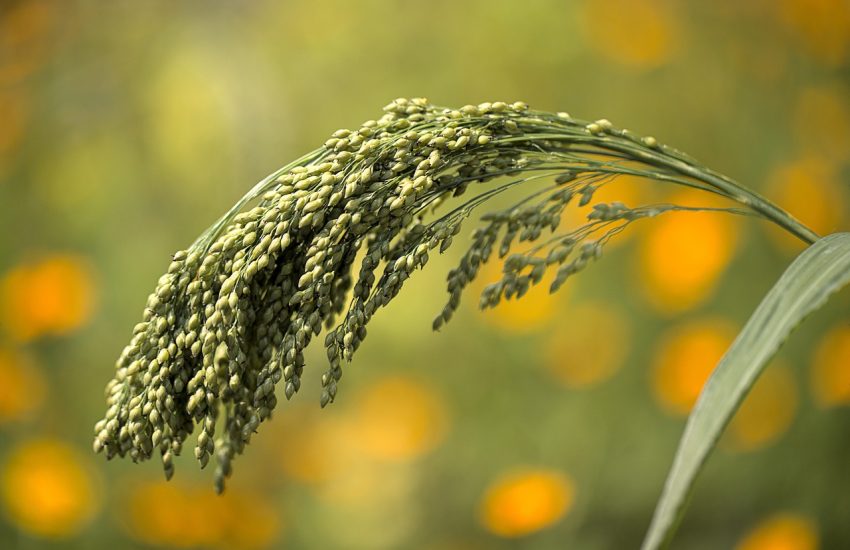
The Kirat table is built on the grains of the eastern hills—maize, millet, and rice—eaten with lentils, greens, and the produce of field and forest. The cuisine shares much with the wider eastern hill region while keeping its own distinctive dishes and customs.
Millet in particular is brewed and distilled into the local beers and spirits that feature centrally in Kirat hospitality, ritual, and festival, and offerings of food and drink accompany the worship of ancestor and nature.
Dairy and meat from household livestock supplement the diet, and the cuisine reflects the hill and forest environment of the eastern homeland. Shared meals at festivals and rites of passage renew the bonds of clan and village.
Food and drink are inseparable from the religion and the social life of the Kirat, woven into the Sakela, the rites of the Mundhum, and the hospitality that binds the community of the eastern hills together.
The central place of millet beer and spirits in Kirat hospitality and ritual reflects a culture in which the sharing of drink seals every important occasion, from the welcoming of a guest to the worship of the ancestors. This, like so much of Kirat life, ties the everyday pleasures of the table directly to the religion and the social bonds that hold the community together.
The Martial Tradition and Migration
The Kirat, especially the Rai and Limbu, are among the peoples most famed for the martial tradition of Nepal, providing large numbers of soldiers to the Gurkha regiments of the British and Indian armies as well as to Nepal’s own forces, where their reputation as fighters stands with the highest.
Military service brought income, pensions, prestige, and a path to the wider world, and remittances from soldiering have for generations supported many Rai and Limbu households, while drawing generations of young men far from the eastern hills.
To this long military migration has been added, in recent decades, the wider labour migration to Nepal’s cities and abroad, to the Gulf, Malaysia, and beyond, and an especially strong movement of Kirat people into the eastern hill regions and into Sikkim, Darjeeling, and the Indian northeast.
This long experience of migration, military and civilian, has spread the Kirat widely and reshaped the economy of the eastern hills, raising living standards through remittance while drawing the young away from the home villages and their land.
The Rai and Limbu reputation as soldiers became so renowned that, alongside the Gurung and Magar, they formed a mainstay of the Gurkha regiments whose name became known around the world. Yet the same tradition that brought honour and income also scattered the Kirat across distant garrisons and, later, across the labour markets of Asia and the Gulf, in a long history of departure and return.
The Kirat Today

Today the Rai and Limbu together form one of the major population groups of Nepal, with their heartland in the eastern hills, large communities in the cities, and a wide diaspora reaching into India’s Sikkim and Darjeeling and far beyond through generations of military service and migration.
Cultural revival is vigorous, in the promotion of the Kiranti languages and the Sirijunga script, the public celebration of the Sakela dance, the formal recognition and renewal of the Kirat religion, and active movements for the rights of the Kirat and for the historic autonomy of Limbuwan. Like the Tharu and the other indigenous peoples, they assert a distinct heritage while claiming full citizenship.
The challenges ahead echo those of their neighbours: how to carry diverse languages, an ancient religion, and the institutions of village life into a mobile, globalised world, when the income that has lifted the community also empties its villages and pressures its traditions.
In the circle of the Sakela dance, the chanting of the Mundhum, the worship of mountain and ancestor, and the long memory of Kirat country beneath Kanchenjunga, the Rai and Limbu continue to tell a story as old as the eastern Himalaya—the story of one of Nepal’s most ancient peoples, keeping a faith and a heritage older than the kingdoms around it.
The Kirat movement for the recognition of their religion, their languages, and the historic autonomy of Limbuwan has made the people a significant voice in the debates over the shape of a more inclusive Nepal. Their story today is one of ancient heritage meeting modern politics, as a people remembered in the oldest chronicles of the land press their claim to a recognised and respected place within it.



One thought on “Children of Nature, the Story of the Kirat People – the Rai and Limbu of Eastern Nepal”
Comments are closed.