Every summer, across the mountains of southwestern China, the darkness comes alive with fire. Thousands of people, torches blazing in their hands, pour through the fields and villages, whirling and dancing, driving back the spirits of disease and pest, and lighting up the night in one of the most spectacular festivals in all of China. This is the Torch Festival, and it belongs above all to the Yi, an ancient mountain people whose culture is as bold and vivid as the flames they carry.
The Yi are one of the larger of China’s minority peoples, scattered across the rugged highlands of several southwestern provinces. Theirs is an old and proud civilization, one of the very few among China’s minorities to possess a written script of its own, complete with a class of priests who kept the sacred books and a body of literature reaching back centuries. Behind the fire festivals lies a deep and sophisticated culture, rooted in the mountains the Yi have called home for a very long time.
This profile explores the world of the Yi across its many dimensions: their deep origins and the many names they carry, their remarkable native script and language, the highland homeland that shaped them, the old life of herders and farmers, the proud clan society and its once-rigid divisions, their beliefs in spirits and the priests who served them, their striking dress and crafts, their hearty mountain food, the famous Torch Festival and other celebrations, their long history of mountain kingdoms and resistance, and their situation in China today.
- An old people of the southwestern highlands
- The many names of the Yi
- A people with a script of their own
- A homeland of mountains and mist
- Herders, farmers, and the mountain economy
- Clans, castes, and the old Yi order
- Spirits, priests, and the sacred books
- Black, red, and yellow: the Yi look
- Lacquer, silver, and the craftsman’s hand
- Buckwheat and the food of the heights
- Fire in the night: the Torch Festival
- Kingdoms, chieftains, and the road of history
- The Yi in China today
An old people of the southwestern highlands

The Yi are an ancient people of the southwestern mountains, counted among the oldest inhabitants of that part of China. Scholars generally connect their origins to the ancient Qiang, a group of herding peoples of the northwest from whom a number of southwestern peoples are thought to descend, who migrated south in the distant past and settled the highlands where the Yi live today.
Over many centuries these ancestral groups spread across the mountains of the southwest, adapting to the highland environment and developing the distinct culture, language, and script that mark the Yi. By the time of the great Chinese dynasties, the ancestors of the Yi were well established in the region, organized into chiefdoms and kingdoms that dealt, sometimes as allies and sometimes as rivals, with the Chinese empire to the east.
The Yi were never a single unified nation but a family of related groups, spread across a wide and rugged territory and divided by mountains into many local communities. These groups shared a common linguistic and cultural heritage, including the script and the priestly tradition, while differing in dialect, dress, and custom from valley to valley, much as other highland peoples of the region did.
From these deep roots emerged one of the most culturally rich of China’s minority peoples. Isolated in their mountains, the Yi preserved traditions of great antiquity, including their writing and their ritual literature, giving them a cultural depth and continuity that sets them apart. Their long presence in the southwestern highlands makes them, in a real sense, among the indigenous peoples of that ancient land.
The many names of the Yi
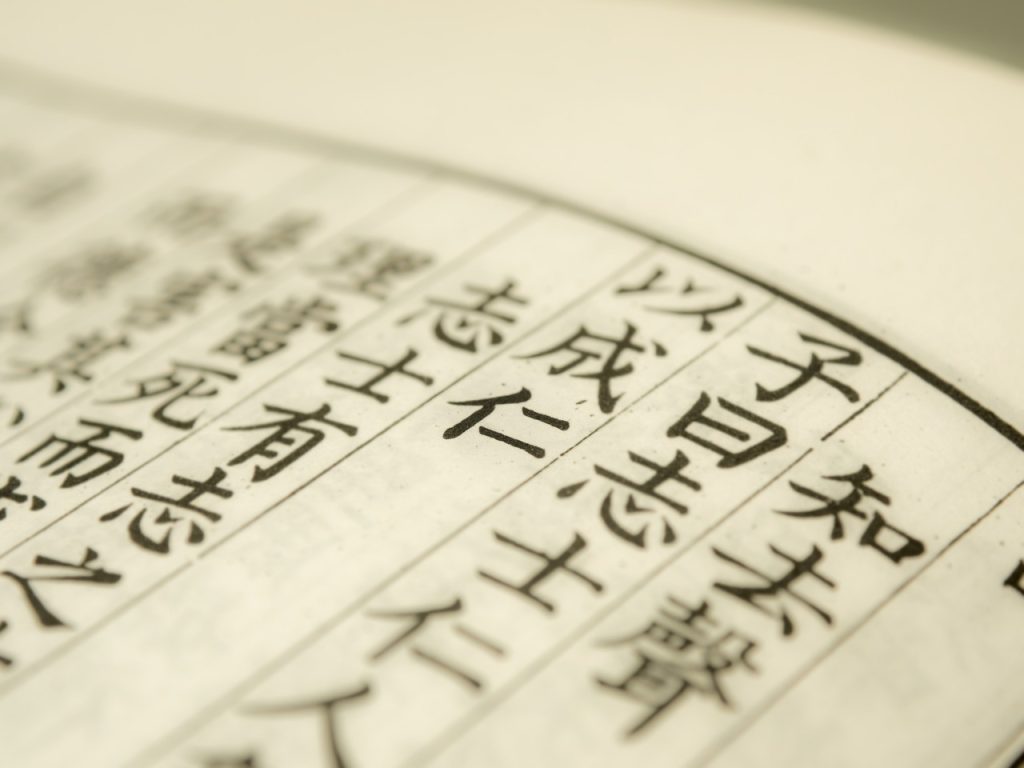
The name Yi is the official Chinese designation, adopted in modern times to cover a broad group of related peoples. It replaced older Chinese terms that had carried derogatory overtones, and the character now used was deliberately chosen for its neutral and even positive associations, a conscious act of respect toward a people long slighted in imperial usage.
Yet the Yi themselves use a variety of self-names, differing from region to region. The largest subgroup, in the mountains of the far southwest, call themselves by a name of their own, and other branches have their own designations as well. The official category of Yi thus gathers under one label a number of groups who, historically, did not necessarily see themselves as a single people.
This diversity within the Yi is considerable. The various branches differ in dialect, sometimes to the point of mutual unintelligibility, and in dress, custom, and social organization. What unites them is a shared descent, a related family of languages, and above all the common heritage of the script and the priestly tradition that runs through Yi culture as a whole.
So, as with many of China’s peoples, the naming of the Yi involves a layering of official terms and local self-names, of a broad modern category over a diverse historical reality. Behind the single name lies a rich internal variety, a family of mountain peoples bound together by ancient cultural ties rather than by any historical political unity.
A people with a script of their own
The Yi languages belong to the Tibeto-Burman branch of the Sino-Tibetan family, related to Tibetan and Burmese, and are spoken in a range of dialects across the southwestern mountains. But the most remarkable feature of Yi culture in this regard is not the spoken language but the written one, for the Yi possess an ancient script entirely their own, one of the very few native writing systems among China’s minority peoples.
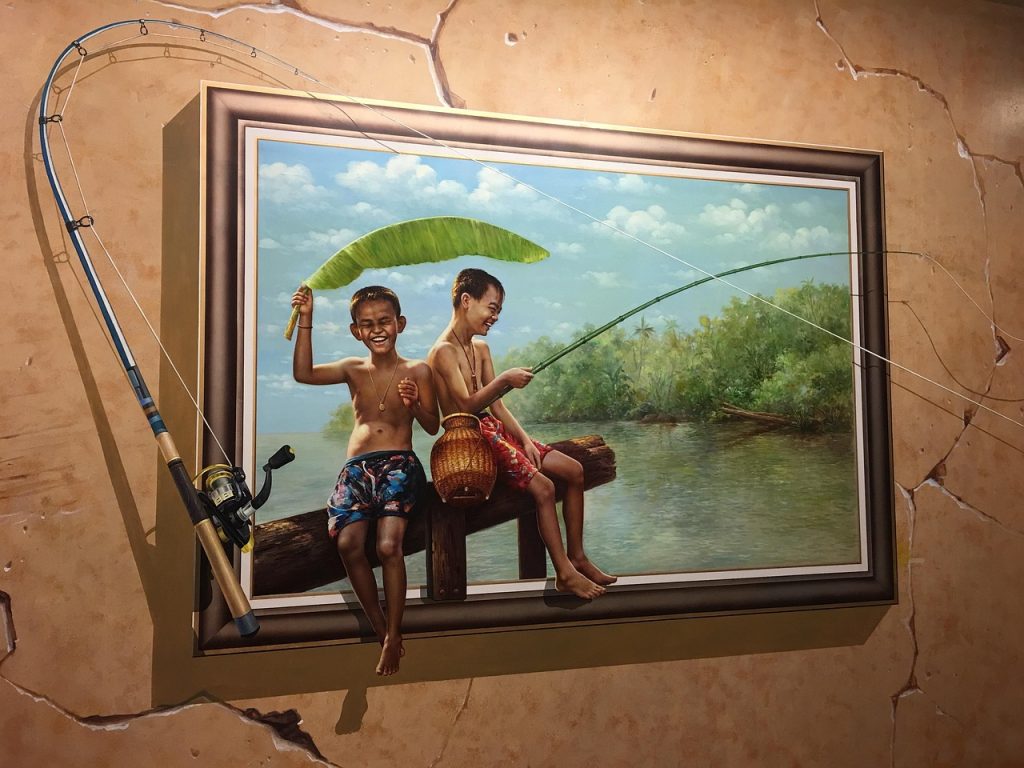
The traditional Yi script is a syllabary of great antiquity, in which each character stands for a syllable. For centuries it was used above all by the priestly class to record ritual texts, myths, histories, genealogies, and works of divination and medicine, creating a body of written literature that preserves the traditional knowledge of the Yi. This literary heritage is a treasure among China’s minority cultures.
The knowledge of the old script was largely confined to the priests, the guardians of the sacred books, and it was through them that the written tradition was transmitted from generation to generation. The classical Yi texts, written in this script, are a rich source for the myths, cosmology, and history of the people, opening a window onto a traditional worldview of great sophistication.
In modern times a standardized version of the Yi script has been developed and promoted for education and publishing, giving the ancient writing a new lease of life. The survival of a native script into the present day is a mark of the cultural depth of the Yi, and a source of considerable pride, distinguishing them among the peoples of the southwestern mountains.
A homeland of mountains and mist

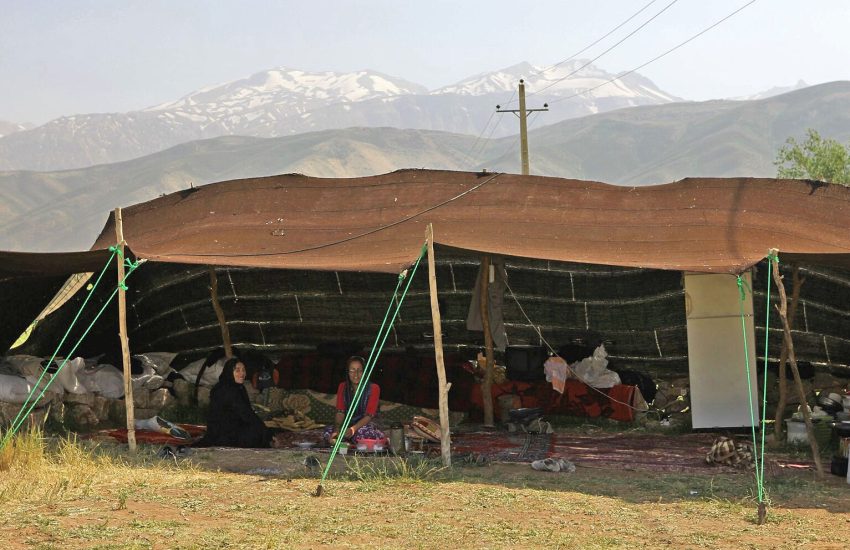
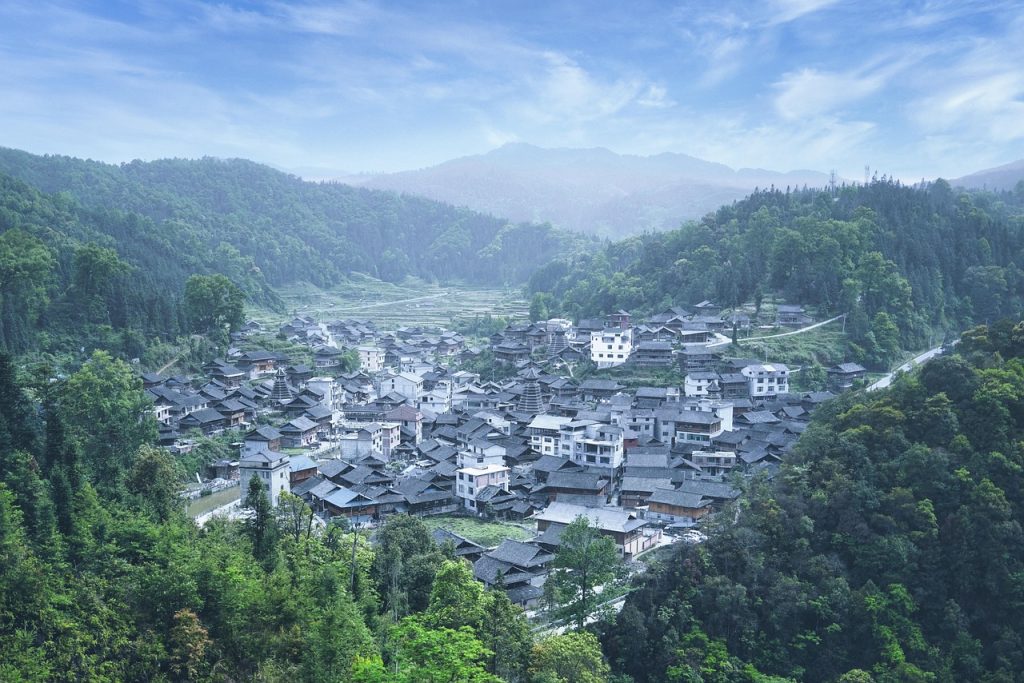
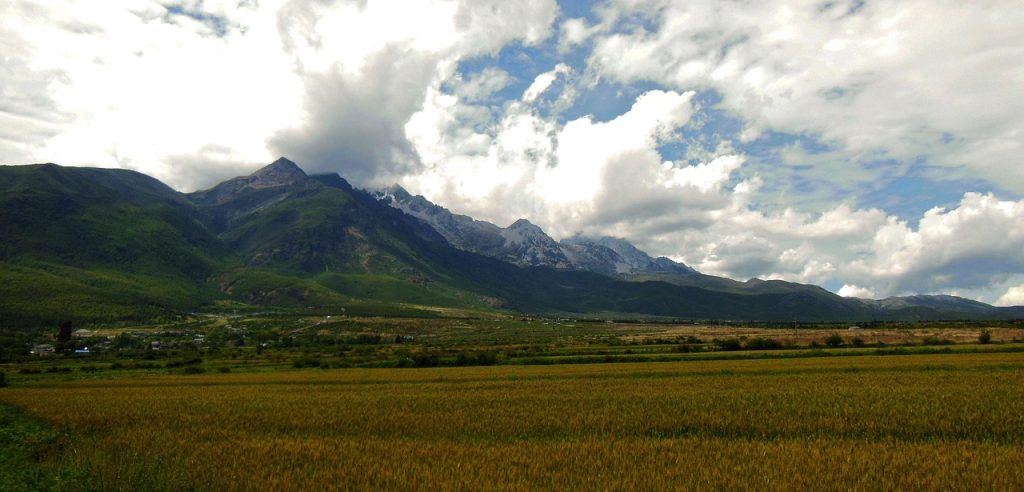
The Yi homeland lies in the mountainous heart of southwestern China, spread across the highlands of several provinces. The greatest concentration is in the rugged mountains of the far southwest, a region of high peaks, deep gorges, and cold uplands, one of the most remote and dramatic landscapes in the country, where the Yi long lived in proud isolation.
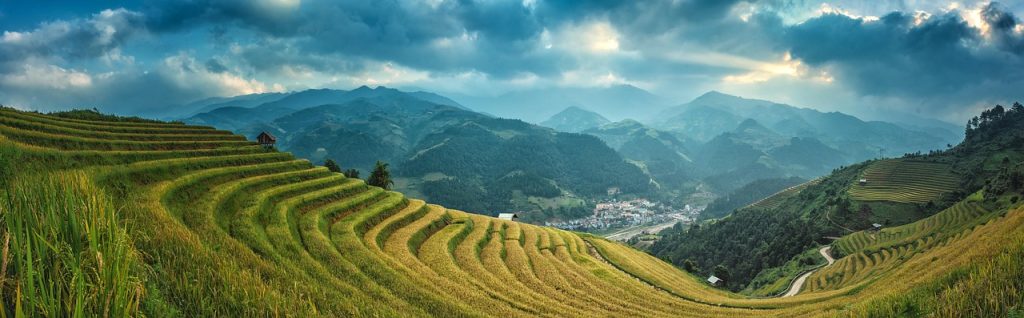
This is a land of great vertical range, from warm valleys to frigid heights, and the Yi settled across its many zones, adapting their livelihood to the altitude. The higher country, cold and harsh, favored herding and hardy crops; the lower valleys allowed a wider range of farming. Across all these environments, the mountains shaped a culture attuned to height, cold, and isolation.
The remoteness of the Yi highlands, especially the great mountain fastnesses of the far southwest, kept the Yi long insulated from outside control. Well into modern times, some Yi regions remained effectively independent, governed by their own chiefs and clans, beyond the reach of the Chinese state. This isolation preserved Yi culture but also, at times, its more archaic social forms.
As with other highland peoples, the mountains were both a refuge and a shaper of character. The harshness of the environment demanded toughness and self-reliance; the isolation fostered a fierce independence and a strong attachment to clan and homeland. The dramatic landscape of peaks and mist that the Yi inhabit is inseparable from the proud and resilient culture they built upon it.
Herders, farmers, and the mountain economy
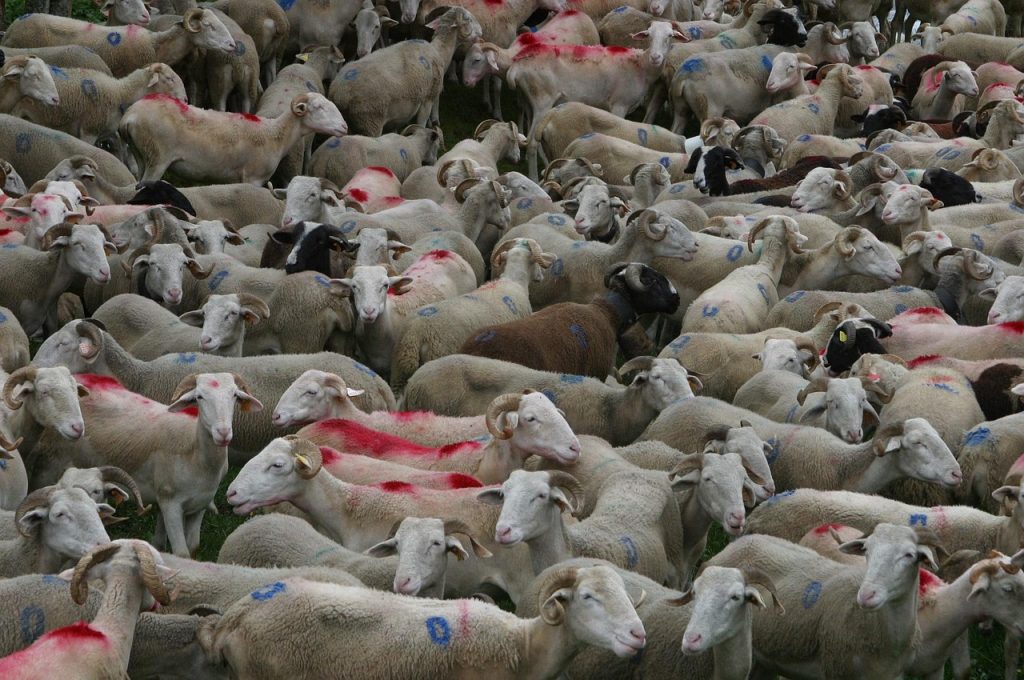
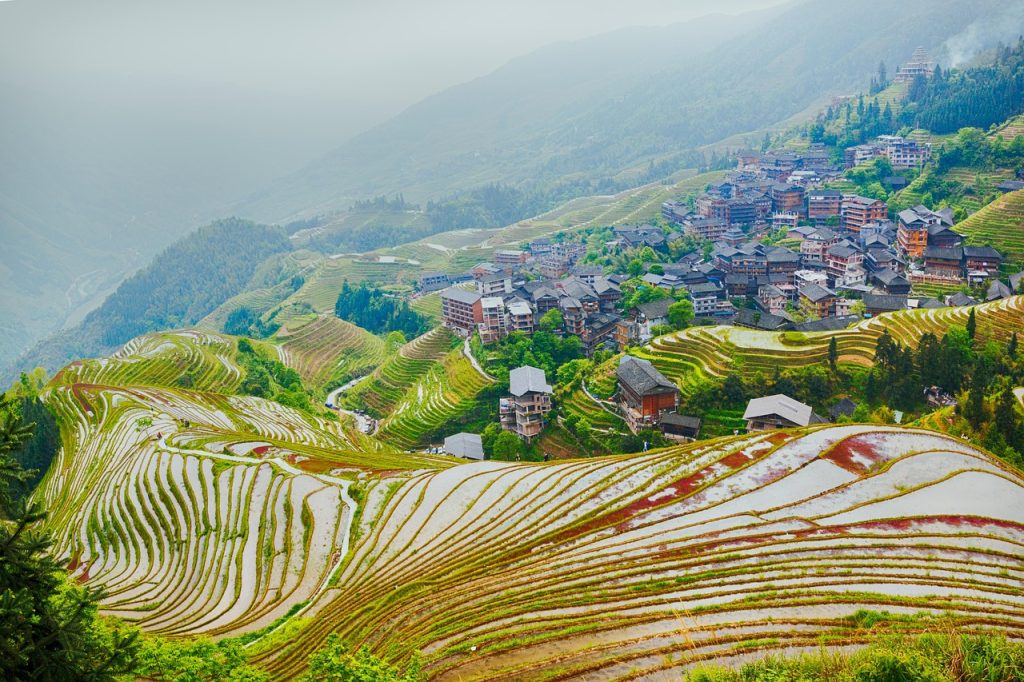
Traditional Yi life combined herding and farming in proportions that varied with the altitude. In the high, cold country, herding dominated, with flocks of sheep and goats and herds of cattle grazing the upland pastures, providing meat, wool, hides, and milk. Lower down, farming took precedence, with crops suited to the mountain environment worked on the slopes and in the valleys.
Among the crops, buckwheat held a special place, a hardy plant well suited to the cold highlands and a staple of the Yi diet. Potatoes, oats, maize, and other highland crops filled out the farming, while the raising of livestock, especially sheep, remained central to the economy and to Yi identity, the wool providing the material for their distinctive cloaks and clothing.
Life followed the rhythm of the herding and farming year, from the movement of flocks between pastures to the planting and harvest of the mountain crops. The economy was largely self-sufficient, wringing a living from a demanding environment, supplemented by trade with the Chinese lowlands for goods the mountains could not provide, such as salt, tea, and metal implements.
This mountain economy shaped Yi society in fundamental ways, from the importance of livestock as wealth to the patterns of settlement across the vertical landscape. Though modernization has transformed much, the image of the Yi herder in his felt cloak, tending his flock on a misty mountainside, remains an enduring symbol of the traditional life of this highland people.
Clans, castes, and the old Yi order
Old Yi society, especially in the great mountain strongholds of the far southwest, was famous, and infamous, for its rigid and distinctive social order. It was organized around powerful clans and, in its most developed form, divided into strictly separated social strata, a hierarchical system that governed status, marriage, and obligation with unusual severity.
At the top stood a noble stratum, the aristocratic clans who held power and land. Below them lay commoners and, in the old system, unfree strata bound in servitude to the nobles. The divisions between these strata were strictly maintained, above all through rules governing marriage, which was generally forbidden across the boundaries of status, preserving the hierarchy across the generations.
The clan was the fundamental unit of Yi society, and clan loyalty was intense. Genealogies, memorized and recited, sometimes stretching back many generations, anchored each person in a web of kinship and descent. Feuds between clans could be fierce and enduring, and the martial values of honor, loyalty, and revenge ran strong in the old Yi highlands.
This social order, with its castes and its warrior clans, persisted in the remotest Yi regions into the twentieth century, longer than almost any comparable system in China. Its rigid hierarchy has drawn much comment from outsiders, yet it was also a coherent and deeply rooted order that gave old Yi society its structure, its cohesion, and its fierce independence.
Spirits, priests, and the sacred books

The traditional religion of the Yi was rooted in a vivid animism, a belief in a world filled with spirits inhabiting the mountains, rivers, trees, and natural forces of their highland environment. Alongside this reverence for nature spirits stood the veneration of ancestors, whose souls were honored and whose goodwill was sought through the proper rites.
At the center of Yi religious life stood the priest, the keeper of the sacred books and the master of ritual. Literate in the ancient script, the priest presided over the great ceremonies of the community, performed rites of healing and exorcism, conducted funerals, and read the classical texts that preserved the myths, cosmology, and ritual knowledge of the people. He was at once priest, scholar, healer, and keeper of tradition.
The priestly tradition, with its written texts, gave Yi religion a depth and sophistication unusual among the animist faiths of the region. The sacred books recorded elaborate accounts of the creation of the world, the origins of the Yi, the genealogies of the clans, and the rituals for every occasion, forming a coherent body of religious literature transmitted across the centuries by the priestly class.
Rituals marked the great passages of life, above all death, with elaborate funeral rites designed to guide the soul of the deceased to the land of the ancestors. In these ceremonies, presided over by the priest reciting from the ancient books, the Yi sense of the sacred, of ancestry, and of cultural identity came together, binding the living community to its forebears and its gods.
Black, red, and yellow: the Yi look
Yi traditional dress is bold, striking, and instantly recognizable, dominated by a distinctive palette of black, red, and yellow. Black often serves as the ground, with vivid red and yellow worked into embroidery, applique, and trim, creating a powerful and dramatic effect that sets Yi costume apart from that of neighboring peoples.
Among the most characteristic items of Yi dress is the felt cloak, a heavy cape of wool worn by men against the mountain cold, practical and dignified at once. Women’s costume is more elaborate, featuring embroidered jackets, pleated skirts, and headdresses that vary by region and mark a woman’s group and status, adorned with the silver ornaments the Yi, like their neighbors, prize.
The motifs worked into Yi clothing and design often carry symbolic meaning, drawing on the natural world and the cosmology of the sacred books, with fire, the sun, and other elements recurring in the ornament. The great headdresses of the women, the felt cloaks of the men, and the bold color scheme together create one of the most distinctive traditional looks in all of southwestern China.
As with other minority peoples, Yi costume comes into its full glory at the festivals, above all the Torch Festival, when people don their finest dress and the black, red, and yellow of the Yi blaze out amid the fire and dancing. For the Yi, this striking traditional attire is a proud badge of identity, a wearable expression of a bold and ancient culture.
Lacquer, silver, and the craftsman’s hand
The Yi are celebrated for a range of traditional crafts, chief among them their distinctive lacquerware. Yi lacquer, typically decorated in the characteristic black, red, and yellow, adorns bowls, cups, and other vessels, often used for food and drink, and is among the most admired products of Yi material culture, combining practical use with striking beauty.
Metalwork, especially silver, is another important craft, producing the ornaments and jewelry that adorn Yi costume, as well as ritual and everyday objects. The silversmith’s skill, as among neighboring peoples, is highly valued, and the silver ornaments of the women represent both artistry and family wealth accumulated across the generations.
Textile crafts round out the picture, from the weaving and felting of the wool that clothes the Yi against the mountain cold to the embroidery that decorates their festival dress. The making of the felt cloaks, the weaving of cloth, and the intricate needlework of the women all form part of a rich tradition of handwork passed down within families and communities.
Together these crafts, the lacquer, the silver, and the textiles, constitute a material culture of real distinction, marked everywhere by the bold Yi aesthetic. Increasingly, as with other minority arts, Yi craftsmanship has found new markets and admirers beyond the mountains, becoming both a source of pride and a means of livelihood in the modern economy.
Buckwheat and the food of the heights

Yi cuisine is the hearty food of a cold, high-altitude land, built around the crops and livestock of the mountains. Buckwheat, the hardy highland staple, is central, eaten as cakes and in other forms, a food perfectly suited to the cold uplands where more delicate grains will not grow. Potatoes, oats, and maize supplement it, forming the starchy foundation of the mountain diet.
Meat plays a prominent role, as befits a herding people, with mutton and pork especially prized. A famous Yi dish features chunks of meat, boiled simply and eaten by hand, a robust and characteristic preparation that reflects the direct, hearty style of Yi cooking. Buckwheat cakes, potatoes, and such meat dishes form the core of a traditional Yi meal.
Drink, above all liquor, holds an important place in Yi culture, essential to hospitality, festival, and ritual. The offering and sharing of drink is a cherished custom, and the Yi are known for their conviviality and their capacity for celebration, with liquor flowing freely at the great gatherings of the community.
Simple, hearty, and adapted to the highlands, Yi food expresses the character of the mountain environment and the people who made a living from it. The robust flavors, the emphasis on meat and buckwheat, and the central role of drink in hospitality together reflect a culture of toughness, generosity, and zest, forged in the cold and rugged uplands of the southwest.
Fire in the night: the Torch Festival

The greatest and most famous festival of the Yi is the Torch Festival, held in the height of summer and celebrated with a spectacle of fire that is among the most striking sights in all of China. As night falls, people take up blazing torches and pour through the fields and villages, whirling the flames, singing and dancing, in a celebration that lights up the mountains.
The festival has deep roots in the agricultural and ritual life of the Yi. The torches are traditionally understood to drive away the spirits of pests and disease, protecting the crops and the community, a rite of purification and protection at the turning point of the farming year. Around this core lies a whole celebration of feasting, contests, and courtship.
The Torch Festival is a time of games and competition as well as fire. Wrestling, horse racing, and other contests of strength and skill draw crowds and competitors; bullfighting between animals is a popular spectacle in some areas; and singing and dancing fill the days and nights. Young people meet and court amid the festivities, and the whole community gathers in celebration.
Alongside the Torch Festival, the Yi observe other celebrations tied to the seasons, the ancestors, and the rituals of the sacred books. But it is the fire of the Torch Festival that has come to symbolize the Yi in the wider imagination, a blaze of light and energy that captures the boldness and vitality of this ancient mountain people.
The Torch Festival repays a second look, for beneath its blaze of spectacle lies an old logic. Fire purifies; fire drives out the unseen enemies of the crops; fire gathers the scattered mountain communities into one glowing, moving crowd. In carrying their torches through the summer night, the Yi are doing something their ancestors did long before anyone thought to call it a tourist attraction.
Kingdoms, chieftains, and the road of history
The history of the Yi is a long one, reaching back to their ancient origins in the migrations of the Qiang peoples and their settlement of the southwestern highlands. Over the centuries the ancestors of the Yi organized themselves into chiefdoms and kingdoms, some of them considerable powers in the mountainous southwest, dealing with the Chinese empire and with their neighbors as independent actors.
Through the imperial era, the Yi regions were governed in large part through their own hereditary chieftains, who ruled their mountain domains under a loose Chinese overlordship. This system of native chieftaincy left the Yi a great deal of autonomy, and in the remotest strongholds, especially the great mountains of the far southwest, Yi society remained effectively self-governing, its clans and castes intact.
Relations with the Chinese state were marked by long stretches of autonomy punctuated by episodes of conflict, as the empire periodically sought to extend its control over the mountain peoples. The rugged terrain and the martial traditions of the Yi clans made their highlands difficult to subdue, and the more remote regions preserved their independence remarkably late into the modern era.
The great transformation came in the twentieth century, when the mountain strongholds were at last fully incorporated into the modern Chinese state, and the old social order, with its castes and unfree strata, was dismantled through sweeping reforms. This ended a way of life of great antiquity, opening a new and very different chapter in the long history of the Yi.
The Yi in China today
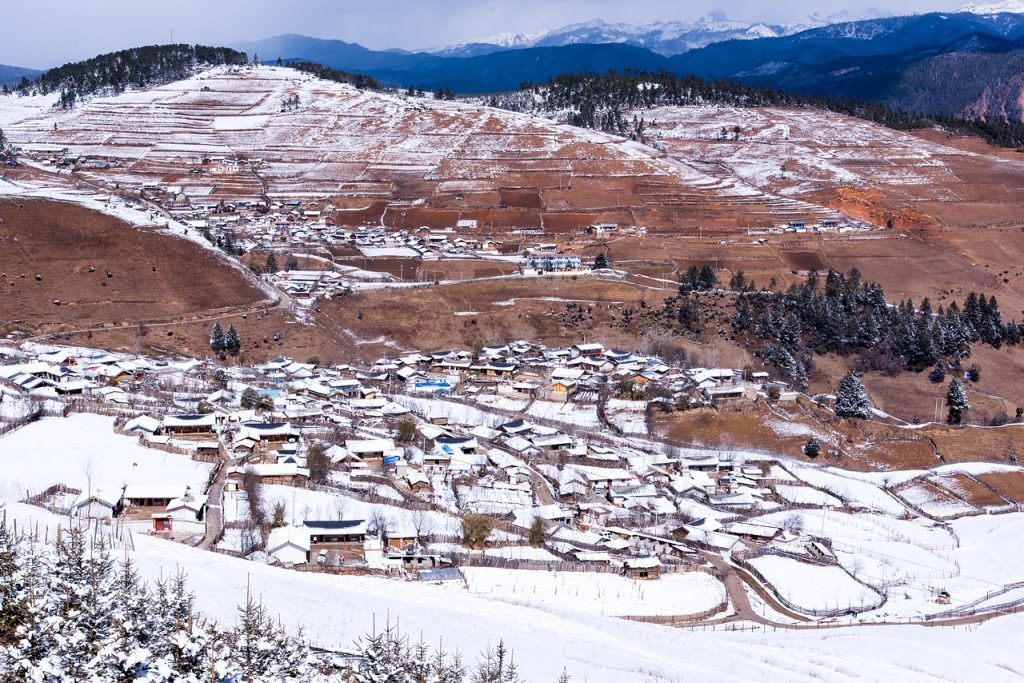
Today the Yi are one of the larger of China’s recognized minority peoples, numbering many millions, concentrated in the mountains of the southwest but increasingly present in the towns and cities of the region and beyond. They remain one of the most culturally distinctive of China’s peoples, bearers of an ancient heritage of script, ritual, and mountain tradition.
Modern life has brought profound change to the Yi highlands. The old caste system is long gone; roads, schools, and electricity have reached once-isolated mountain communities; and the pull of the modern economy has drawn many younger Yi into wage labor and city life. As elsewhere, this brings both opportunity and the familiar pressures on language and traditional culture.
Yet the Yi retain a strong cultural vitality. The Torch Festival draws ever larger crowds, including tourists eager to witness its spectacle; the ancient script is taught and preserved; the distinctive costume, lacquerware, and crafts are celebrated and marketed; and pride in the Yi heritage remains strong. The very distinctiveness of their culture has become a resource in the modern world.
The Yi thus carry their ancient mountain civilization, with its fire festivals and its sacred books, into the modern age, adapting while holding to a proud identity forged over millennia in the highlands of the southwest. From these people of the torch and the buckwheat field, the series turns next to a people of the same rugged region, keepers of their own distinctive traditions in the mountains and valleys of central China: the Tujia.
If You Enjoyed This, Read On
China is home to dozens of peoples, each with a story worth telling. Here are a few more we have written about:
- A Fifth of Humanity, the Story of the Han Chinese
- A Civilization of the Silk Road Oases, the Story of the Uyghurs
- The Giants China Overlooks, the Story of the Zhuang People
- Chinese in Everything but Faith, the Story of the Hui
- Conquerors Absorbed by Their Conquest, the Story of the Manchus
- A Civilization on the Roof of the World, the Story of the Tibetans
- A History Sewn Into Silver and Cloth, the Story of the Miao
You May Like
The Zaza, a Mountain People of Eastern Anatolia