In the tangled mountains where central and southern China meet, among the soaring stone pillars and mist-filled gorges that have made the region world-famous, live one of the largest yet least-known of China’s many peoples. The Tujia number in the millions, but their name is unfamiliar to most outsiders, and even many of the Tujia themselves have lost the language and some of the customs that once set their ancestors apart. Theirs is a story of a people hidden in plain sight.
The Tujia are a paradox among China’s minorities: numerous but quiet, distinctive yet deeply blended with the Han majority around them. Long settled in the mountains of what are now several central Chinese provinces, they governed themselves for centuries under their own hereditary chiefs, developed a rich culture of song, dance, and weaving, and then, over the generations, drew so close to their Chinese neighbors that their separate identity nearly faded from view before being recognized anew in modern times.
This profile explores the world of the Tujia: their origins and the meaning of their name, a language now spoken by only a fraction of the people, the striking mountain homeland they inhabit, the old life of farmers in the hills, the clans and chieftains who ordered their society, their beliefs and their reverence for the White Tiger, their famous brocade and their distinctive customs, their hearty mountain food, the celebrated hand-waving dance and other festivals, the long history of chieftain rule, and their situation in China today.
- A people of the central mountains
- The people of the local land
- A language on the retreat
- Among the stone pillars and gorges
- Farming the mountain slopes
- Clans, chieftains, and the old order
- Ancestors, spirits, and the White Tiger
- Brocade, bridges, and stilt houses
- The famous weaving of the Tujia
- Hearty food from the mountain kitchen
- The hand-waving dance and the Tujia year
- Chieftains and the long road of history
- The Tujia in China today
A people of the central mountains
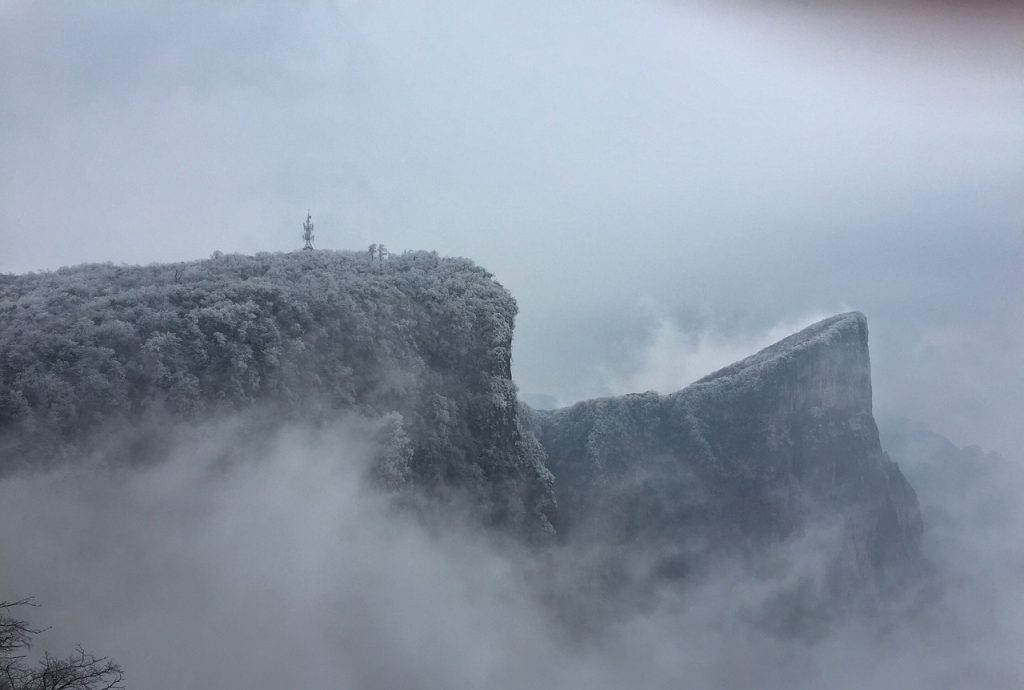
The Tujia are an old people of the mountains of central and southern China, whose origins have been much debated. Some traditions and scholars connect them to the ancient peoples of the region, possibly to old groups such as the Ba who once flourished in the area, while others point to migrations and to a blending of several ancestral strands over the long course of the region’s history.
Whatever the precise origins, it is clear that the Tujia have inhabited their mountainous homeland for a very long time, developing there a distinctive culture and language. Isolated among the peaks and gorges of a rugged region, they formed communities that were long left largely to themselves, governed by their own leaders and living according to their own customs, on the margins of the great Chinese states to the north and east.
Over the centuries, the Tujia lived alongside other peoples of the region, including the Miao, with whom they share their mountainous homeland, as well as the expanding Han Chinese population. This long coexistence shaped Tujia culture, which came to blend indigenous mountain traditions with strong Chinese influences absorbed over generations of contact and, increasingly, intermarriage and assimilation.
From these deep and somewhat obscure roots emerged a people with a strong sense of attachment to their mountain homeland and their local traditions, even as the sharper markers of their distinctiveness, above all their language, gradually eroded. The story of the Tujia is in many ways the story of how a people can remain rooted in a place and a heritage while gradually merging into a larger world around them.
The people of the local land
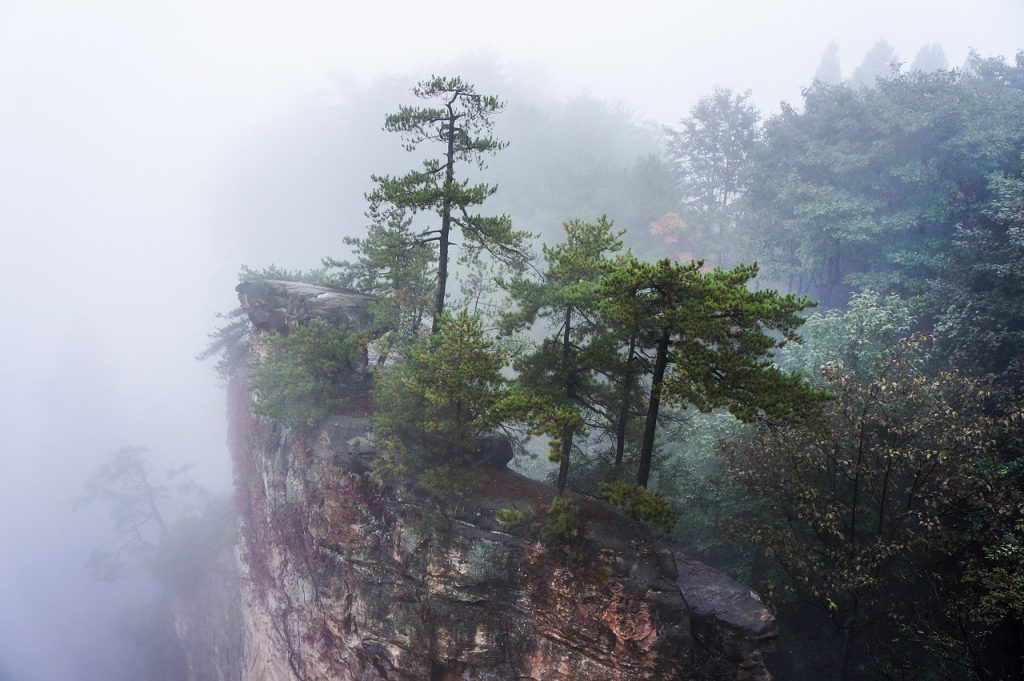
The name by which the Tujia are known in Chinese carries a revealing meaning, generally understood as something like the local people or the people of the native land, in contrast to the Han settlers who came into the region from elsewhere. It marked the Tujia as the original inhabitants, the people who belonged to the mountains, as distinct from the incomers.
The Tujia have their own self-name in their own language as well, by which they refer to themselves as the people of their homeland. Both the Chinese term and the native self-name thus express the same essential idea: that the Tujia are the indigenous people of their mountainous country, rooted in the land in a way the later arrivals were not.
This sense of being the local, native people is central to Tujia identity. In a region that saw considerable in-migration of Han Chinese over the centuries, the distinction between the original mountain dwellers and the newcomers mattered, and the name of the Tujia enshrined their claim to be the true people of the land, the ones who had been there all along.
The formal recognition of the Tujia as a distinct people came only in modern times, after a period in which their separate identity had become so blurred that it was nearly overlooked. That recognition affirmed what the name had always implied, that here was a distinct indigenous people of the central mountains, deserving acknowledgment alongside China’s other nationalities.
A language on the retreat
The Tujia language belongs to the Tibeto-Burman branch of the Sino-Tibetan family, related distantly to Tibetan, Burmese, and the tongues of other southwestern peoples. It is, however, one of the most endangered of China’s minority languages, for over the centuries the great majority of the Tujia gave up their ancestral tongue in favor of Chinese.
So thorough was this shift that today only a small minority of the millions of Tujia can still speak their own language, and it survives mainly in a few more isolated communities. Most Tujia now speak Chinese as their first and often only language, a striking measure of how deeply the people have blended with the Han majority among whom they live.
The Tujia language traditionally had no written form of its own, which contributed to its vulnerability. Without a script to record and preserve it, and under constant pressure from Chinese in every domain of public and increasingly private life, the language steadily retreated, passed on by fewer and fewer families with each generation.
Efforts have been made in modern times to document and preserve the Tujia language, to record its vocabulary and grammar before the last fluent speakers pass away, and to teach it anew. But the language remains in a precarious state, a poignant symbol of how far the assimilation of the Tujia has gone, and of what is lost when a people’s ancestral tongue falls silent.
Among the stone pillars and gorges

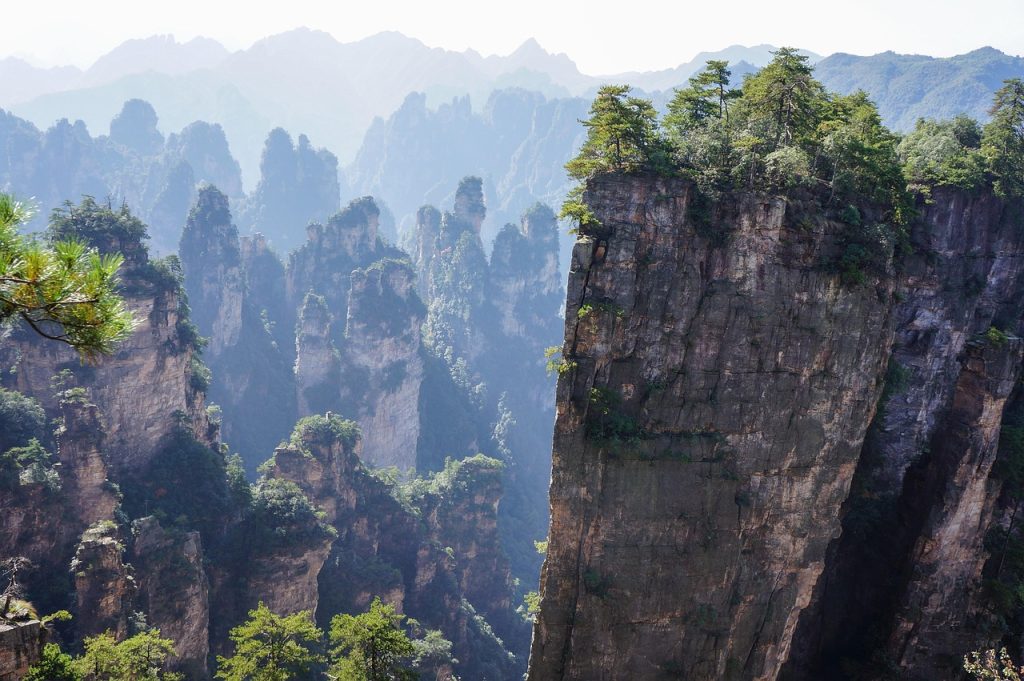
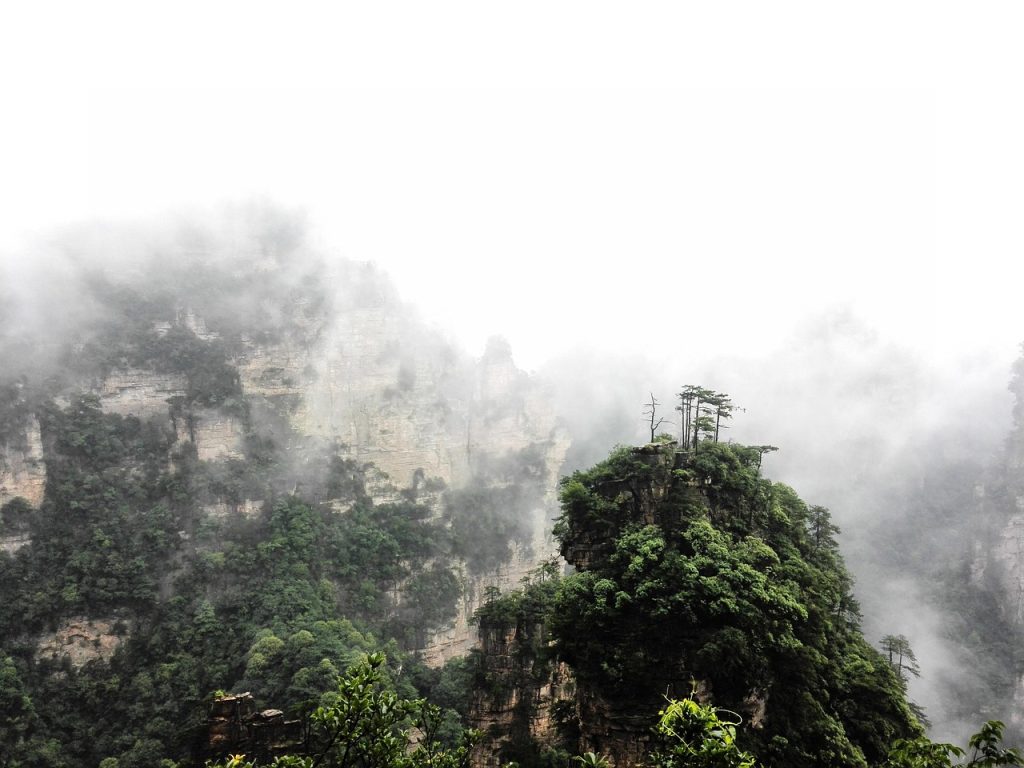
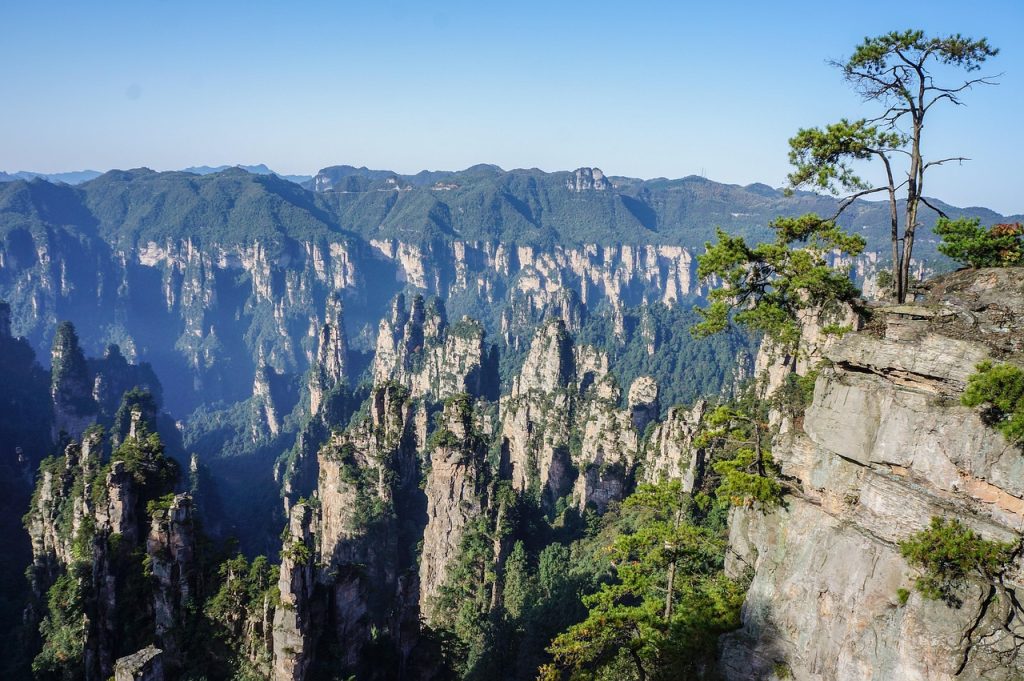
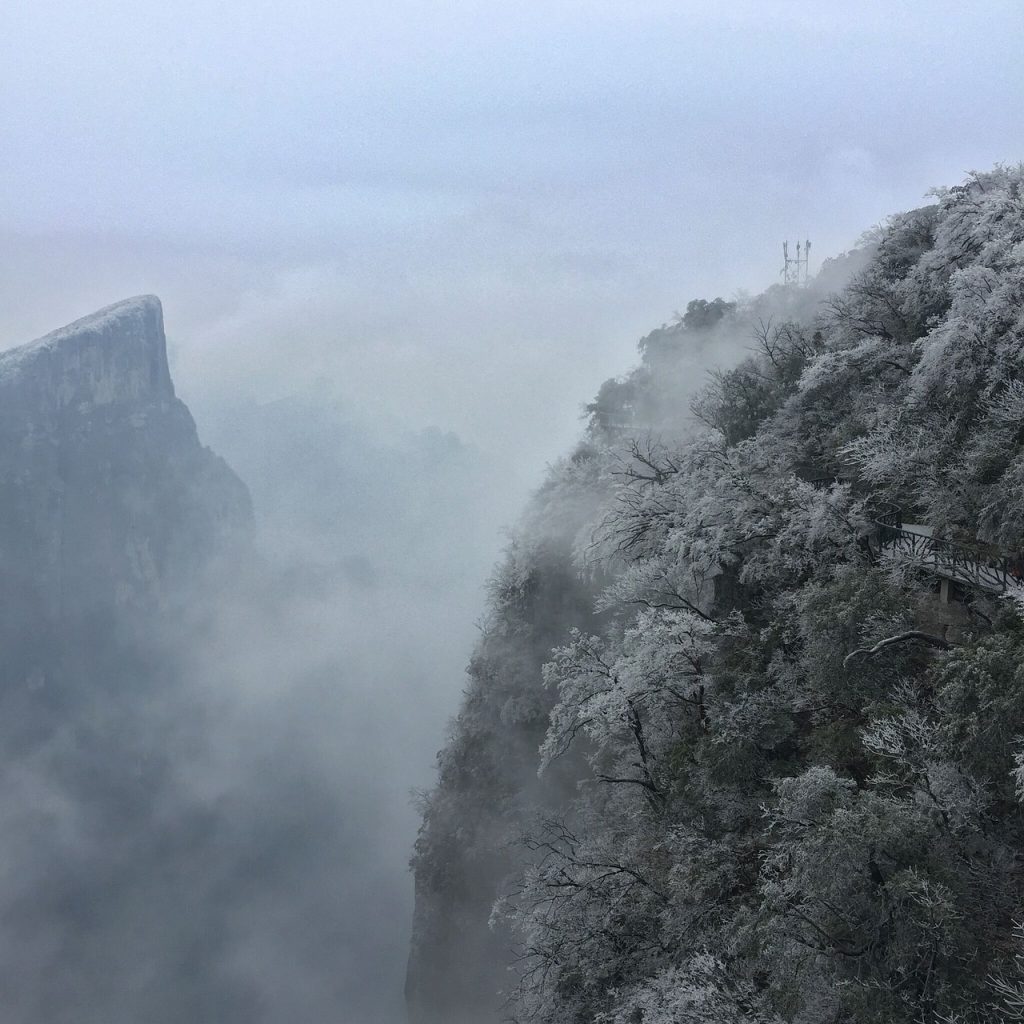
The Tujia homeland lies in the mountainous region where several central and southern Chinese provinces meet, a land of extraordinary scenery. Here rise the famous quartzite pillars and peaks that have drawn visitors from around the world, soaring columns of rock wreathed in mist, alongside deep gorges, dense forests, and rushing mountain rivers.
This is a rugged and dramatic country, long remote and difficult of access, which helped preserve the distinct communities of the Tujia and their neighbors. The mountains sheltered the people from easy outside control, while the rivers provided routes of movement and trade through the otherwise formidable terrain. It is a landscape both beautiful and demanding.
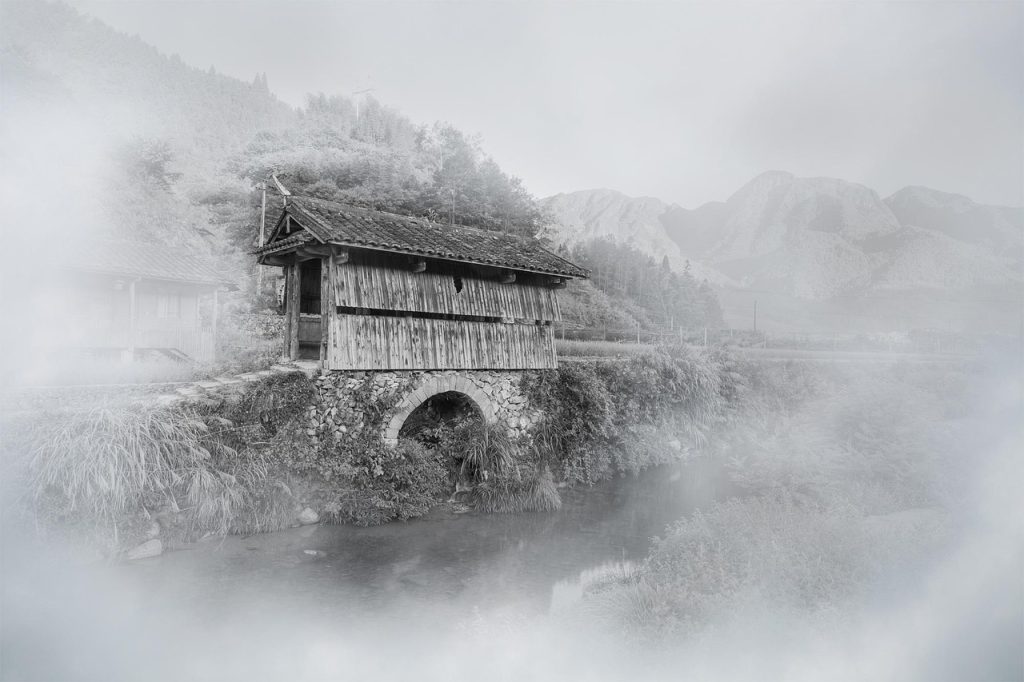
Across this homeland the Tujia built their villages, characteristically along the mountainsides and river valleys, constructing the distinctive stilt houses suited to the steep and humid ground. The famous covered bridges and other traditional structures of the region, blending function with beauty, are part of a built landscape finely adapted to the mountain environment.
The spectacular scenery of the Tujia homeland has, in recent decades, become one of China’s premier tourist attractions, transforming the economy of the region. The very mountains that once isolated the Tujia and preserved their traditions now draw visitors from across China and the world, bringing both new prosperity and new pressures to this ancient mountain homeland.
The near-disappearance of the Tujia as a recognized people is one of the more remarkable facts of their story. For a time they were so thoroughly blended into the surrounding population that outsiders scarcely thought of them as separate at all. That a group of millions could come so close to vanishing from view, not through death or dispersal but through sheer assimilation, says much about the quiet, absorbing power of Han Chinese culture in the mountains.
Farming the mountain slopes
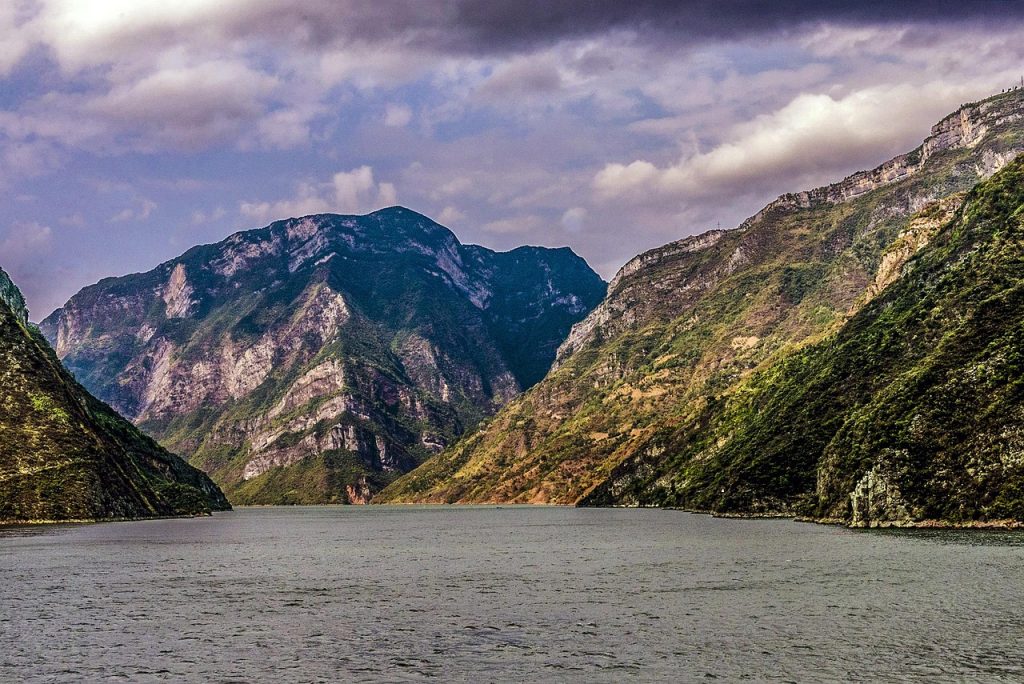
Traditional Tujia life was built on farming the mountains, cultivating the slopes and valleys of their rugged homeland. Rice was grown where the terrain allowed, along with maize, and a range of other crops suited to the varied altitudes, supplemented by the raising of livestock and by gathering and hunting in the surrounding forests.
The mountainous terrain shaped the pattern of livelihood, with farming adapted to the steep and broken country. Terracing, the cultivation of hillsides, and the use of every available patch of arable land were necessary in a region where flat ground was scarce. Tea and tung oil were among the products of the region, and the forests yielded timber, herbs, and game.
Village life followed the rhythm of the farming year, communal and rooted in the ancestral locality. The Tujia built their characteristic wooden houses, often raised on stilts, clustered into villages along the mountainsides, and their economy, like that of their neighbors, was largely self-sufficient, supplemented by trade along the rivers with the wider Chinese world.
This traditional mountain economy shaped Tujia society and culture, from the cooperative labor of farming the difficult terrain to the attachment to village and ancestral land. Though modernization and the rise of tourism have transformed the region, the image of the Tujia farmer working the mountain slopes remains part of the enduring identity of this central-mountain people.
Clans, chieftains, and the old order
For much of their history, Tujia society was organized under a system of hereditary local chieftains, native rulers who governed the mountain districts under the loose overlordship of the Chinese empire. These chieftains, drawn from powerful local families, held sway over their territories, commanding the loyalty of the population and mediating between the mountain communities and the distant imperial government.
Beneath the chieftains, society was organized around clans and villages, with kinship reckoned through the male line structuring social life, marriage, and obligation. The chieftain system gave the Tujia regions a considerable degree of self-government, allowing local traditions and customs to persist under indigenous rule rather than direct imperial administration.
This system of native chieftaincy was a common feature of the way imperial China governed its mountain minorities, and among the Tujia it endured for centuries. The chieftains maintained order, led their people in war, and upheld the customs of the region, functioning as the effective rulers of their mountain domains within the broad framework of the empire.
The eventual abolition of the chieftain system and its replacement by direct imperial administration was a turning point in Tujia history, opening the mountains more fully to Chinese influence and settlement, and accelerating the long process of assimilation. The end of chieftain rule marked the beginning of a new and more integrated relationship between the Tujia and the Chinese state.
Ancestors, spirits, and the White Tiger
The traditional beliefs of the Tujia centered on the veneration of ancestors and a reverence for the spirits of the natural world, in the pattern common among the mountain peoples of the region. The ancestors were honored and their goodwill sought, while the spirits believed to inhabit the mountains, rivers, and forces of nature were respected and propitiated through ritual.
Among the most distinctive features of Tujia belief was the reverence for the White Tiger, an animal held in special regard and associated with the ancestral origins of the people. The White Tiger figured in Tujia myth and ritual as a totemic and protective figure, a mark of identity linking the people to their ancient past and to the spirit world of their mountain homeland.
Ritual specialists presided over the ceremonies of the community, conducting the rites of worship, healing, and the great passages of life and death. As with neighboring peoples, elaborate funeral customs held particular importance, guiding and honoring the souls of the departed and reaffirming the bonds between the living community and its ancestors.
Over the centuries, Tujia belief absorbed strong influences from Chinese religion, including elements of Daoism, Buddhism, and the broader Chinese religious world, blending them with the indigenous reverence for ancestors, nature spirits, and the White Tiger. This religious blending mirrored the broader cultural fusion that characterized the Tujia, a people poised between their own mountain traditions and the powerful influence of the Han.
Brocade, bridges, and stilt houses

Tujia traditional culture found expression in a distinctive built environment and a rich body of custom. The characteristic stilt houses, raised on wooden posts against the steep and humid mountain ground, and the elegant covered bridges that span the region’s rivers are among the most recognizable features of the Tujia landscape, blending practicality with real architectural beauty.
Song and dance held a central place in Tujia life, woven into the celebrations, the courtship, and the rituals of the community. The Tujia are known for their traditions of communal singing and dancing, above all the famous hand-waving dance, a mass performance that has become emblematic of the people, along with distinctive wedding customs and other observances.
Among the more striking Tujia customs was a tradition of ritual weeping at weddings, in which a bride would sing songs of lamentation in the days before her marriage, expressing sorrow at leaving her family. Far from a sign of unhappiness, this crying marriage custom was a valued art, a display of a woman’s feeling and skill, and a poignant marker of a great passage in life.
The crying marriage deserves a second thought, for it can puzzle the modern reader. Why weep at a wedding, and why prize the weeping as an art? For the Tujia bride, the ritual lament gave voice to something real, the sorrow of leaving the family and world of her childhood, and it did so in a form that demanded eloquence and feeling. In honoring the tears, the Tujia honored the depth of what was being left behind.
These traditions, from the stilt house and the covered bridge to the hand-waving dance and the crying marriage, gave Tujia culture its distinctive character. Though much has faded under the pressure of assimilation, many of these customs survive, and some have been revived and celebrated in modern times as treasured expressions of the Tujia heritage.
The famous weaving of the Tujia
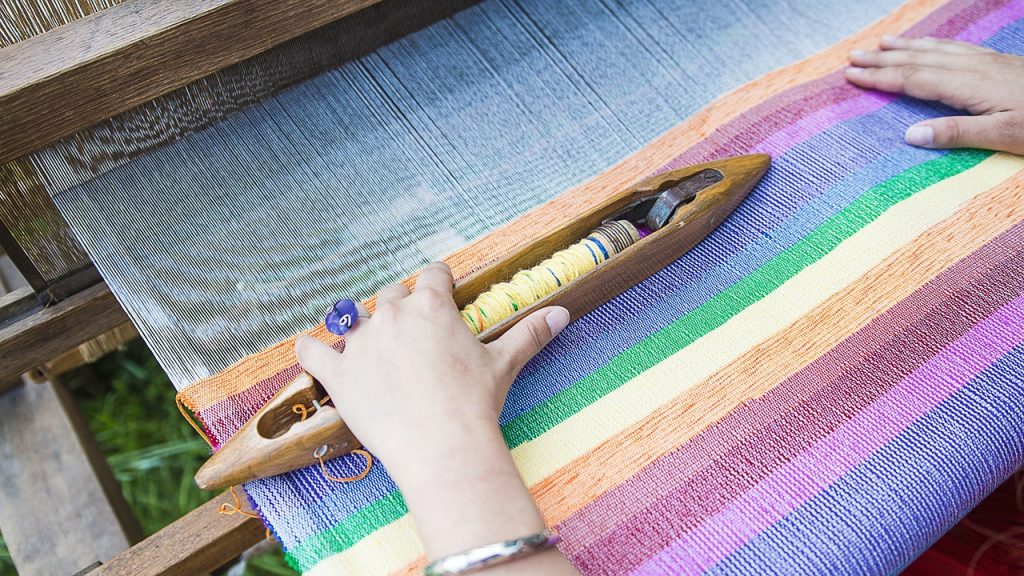
The most celebrated of Tujia crafts is their brocade, an intricate and colorful woven textile that ranks among the finest traditional weavings in China. Produced on traditional looms by Tujia women, this brocade is worked in bold patterns and rich colors, and has long been prized both within the community and beyond as a product of exceptional skill and beauty.
Tujia brocade was traditionally used for a range of purposes, from clothing and bedding to the coverlets that formed an important part of a bride’s dowry, made by the young woman herself as a demonstration of her skill. The patterns, often geometric or drawn from the natural world, carried symbolic meaning and reflected the distinctive aesthetic of the Tujia.
The weaving of the brocade was a skill passed down from mother to daughter, learned over years of practice, and a fine weaver enjoyed high esteem in her community. The craft demanded patience, precision, and artistry, and the finished textiles represented a significant investment of labor and talent, treasured possessions within the family.
In modern times, Tujia brocade has been recognized as an important part of China’s cultural heritage, and efforts have been made to preserve and promote the craft. It has found new markets through tourism and the interest in traditional handicrafts, becoming both a source of income and a proud emblem of Tujia identity and artistry.
Hearty food from the mountain kitchen
Tujia cuisine is the hearty, robust food of the mountains, sharing much with the wider cooking of the region while retaining its own character. Like their neighbors, the Tujia are fond of sour and spicy flavors, and they make extensive use of pickling and fermentation, preserving foods against the seasons in the damp mountain climate.
Smoked and cured meats are a notable feature of Tujia cooking, with pork and other meats preserved by smoking over the fire, a practical method in the mountain environment that yields distinctive flavors. Rice, maize, and other grains form the starchy foundation, supplemented by the vegetables, herbs, and game of the mountains.
A characteristic Tujia dish combines cured meat with vegetables in the hearty, flavorful style typical of the region’s cooking, and the local liquor accompanies meals and celebrations, as among the other mountain peoples. The cuisine reflects the resourcefulness of a people making a rich and varied diet from the products of a demanding highland environment.
Hospitality, as everywhere in the region, is central to Tujia food culture, with guests welcomed by feasting and the sharing of food and drink. The hearty, sour, and smoky flavors of the Tujia kitchen express the character of the mountain homeland and of a people known for their warmth, their conviviality, and their attachment to the traditions of the table.
The hand-waving dance and the Tujia year
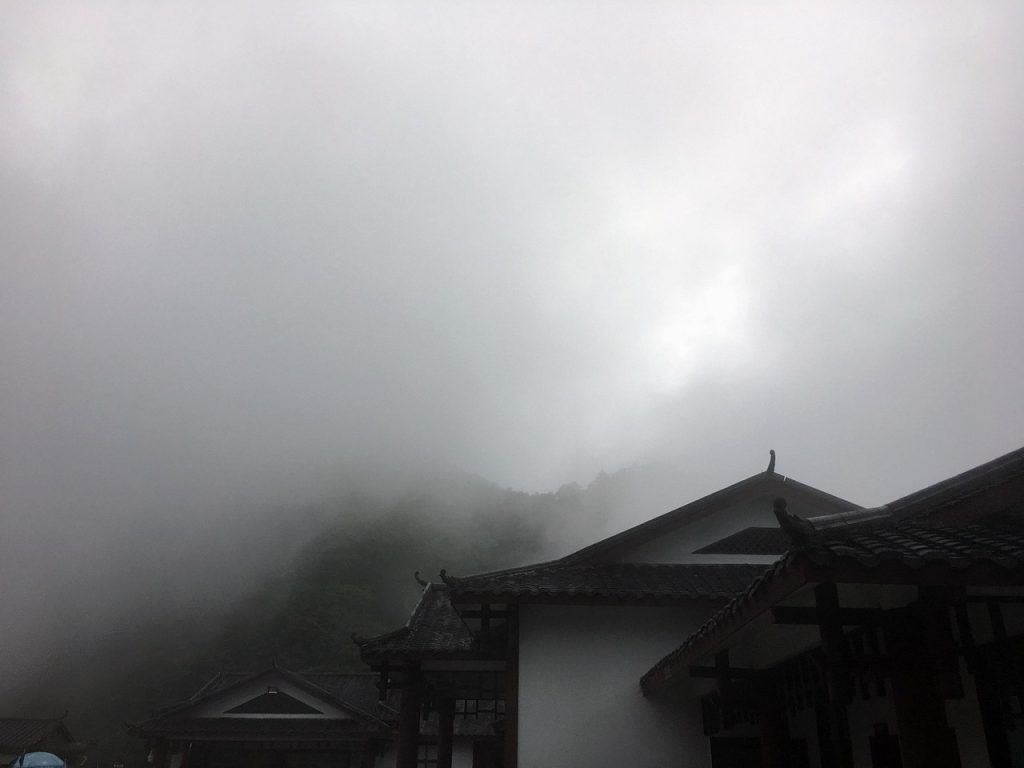
The most famous celebration of the Tujia is associated with the hand-waving dance, a grand communal performance that stands as the signature festival of the people. In this dance, large numbers of participants move together in unison, waving their hands and arms in a series of gestures that reenact the activities of daily life, farming, hunting, warfare, and the doings of the ancestors.
The hand-waving dance was traditionally performed at particular times of the year, often around the New Year period, as a communal celebration and a ritual honoring the ancestors and seeking their blessing. Accompanied by drums, gongs, and singing, and performed by whole communities together, it was a powerful expression of collective identity and continuity.
Beyond this signature festival, the Tujia observed the round of celebrations tied to the seasons, the farming year, and the ancestors, sharing many festivals with the wider Chinese world while giving them their own local color. Song and dance filled these gatherings, which renewed the bonds of the community and passed the traditions to the young.
In modern times, the hand-waving dance has been revived and celebrated as a signature element of Tujia culture, performed at cultural events and for the visitors who now flock to the region. It remains the most vivid public expression of Tujia identity, a mass performance in which the whole community, past and present, seems to move as one.
Chieftains and the long road of history
The history of the Tujia is bound up with their mountainous homeland and with the long rule of their hereditary chieftains. From ancient roots in the peoples of the central mountains, the Tujia developed into distinct communities governed by native leaders, who over the centuries ruled their mountain domains under the loose overlordship of successive Chinese dynasties.
Under this system of native chieftaincy, the Tujia regions enjoyed considerable autonomy, and the chieftains led their people in the affairs of war and peace, sometimes serving the empire militarily, sometimes resisting its encroachments. The mountains and the chieftain system together preserved the distinct identity and traditions of the Tujia across many generations.
The great turning point came with the abolition of the chieftain system and the imposition of direct imperial administration, a process that opened the Tujia mountains more fully to Chinese settlement and influence. From this point, the assimilation of the Tujia accelerated, and the markers of their distinctiveness, above all their language, began their long retreat.
By modern times, the blending of the Tujia with the Han had gone so far that their separate identity was nearly lost from official view, until it was recognized anew in the twentieth century. This recognition marked a new chapter, affirming the Tujia as a distinct people and prompting efforts to preserve and revive the heritage that centuries of assimilation had eroded.
The Tujia in China today
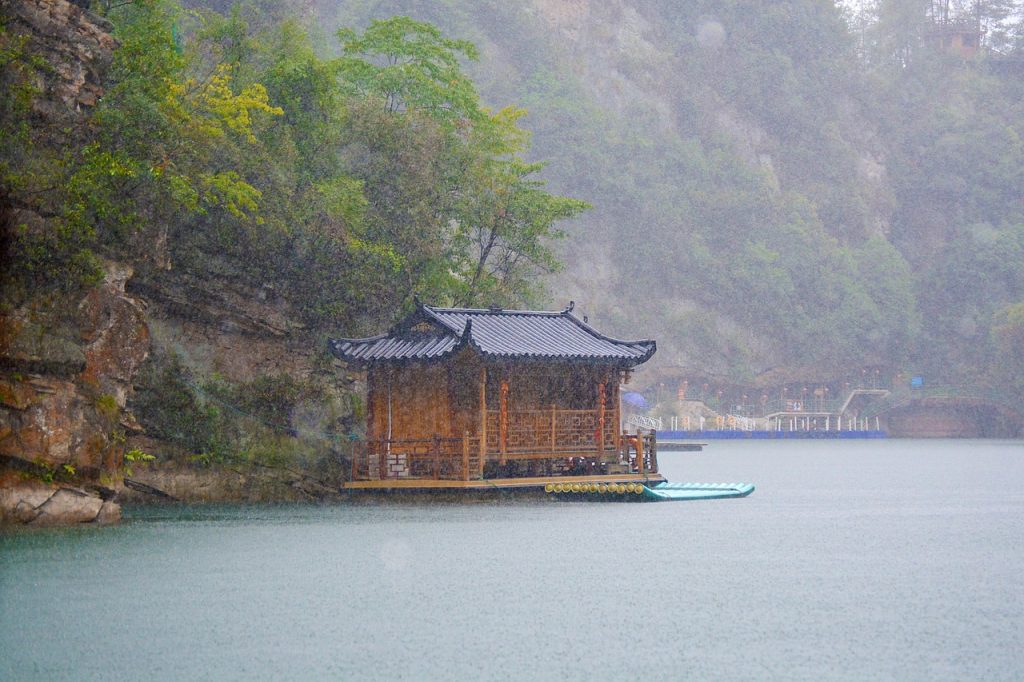
Today the Tujia are among the more populous of China’s recognized minority peoples, numbering many millions, concentrated in the mountains where central and southern China meet. Yet they are also among the most assimilated, the great majority speaking Chinese as their first language and sharing much of the daily culture of the Han majority around them.
The transformation of the Tujia homeland by tourism has been one of the most striking developments of recent decades. The spectacular scenery of the region has made it a premier destination, bringing prosperity, infrastructure, and outside contact to once-remote mountain communities, and reshaping the local economy around the visitors who come to marvel at the stone pillars and gorges.
This new prosperity has been accompanied by efforts to preserve and revive Tujia culture, from the documentation of the endangered language to the celebration of the brocade, the stilt houses, the covered bridges, and the hand-waving dance. Cultural tourism has given the Tujia heritage new value and visibility, even as the deeper currents of assimilation continue.
The Tujia thus enter the modern world as a people rediscovering and reasserting an identity that had nearly faded, holding to their mountain homeland and their surviving traditions amid rapid change. From these people of the central stone-pillar mountains, the series turns next to a very different people of the far southwest, dwellers of the warm tropical valleys near the southern border: the Dai.
Where to Next?
If the Tujia have sparked your curiosity, there are many more peoples of China to discover. Here is where we have been so far:
- A Fifth of Humanity, the Story of the Han Chinese
- A Civilization of the Silk Road Oases, the Story of the Uyghurs
- The Giants China Overlooks, the Story of the Zhuang People
- Chinese in Everything but Faith, the Story of the Hui
- Conquerors Absorbed by Their Conquest, the Story of the Manchus
- A Civilization on the Roof of the World, the Story of the Tibetans
- A History Sewn Into Silver and Cloth, the Story of the Miao
- Carriers of Fire and an Ancient Script, the Story of the Yi
You May Like
The Zaza, a Mountain People of Eastern Anatolia


One thought on “A People Who Nearly Vanished Into the Crowd, the Story of the Tujia”