In the far southwestern corner of China, where the land drops away from the high plateaus into warm, green tropical valleys near the borders of Myanmar and Laos, the character of the country changes entirely. Palm trees replace pine; golden Buddhist pagodas rise above villages of bamboo houses; and the air is heavy with heat and the scent of frangipani. This is the country of the Dai, a people whose world feels, and truly is, more Southeast Asian than Chinese.
The Dai are one of China’s minority peoples, but their closest kin lie across the border. They are part of the great family of Tai-speaking peoples that includes the Thai of Thailand and the Lao of Laos, sharing with them a language, a script, a Buddhist faith, and a whole way of life rooted in the wet-rice valleys of the tropics. Among the peoples of China, the Dai stand out for this deep connection to the wider world of mainland Southeast Asia.
This profile explores the world of the Dai: their origins and their place in the Tai family, the language and script they share with their southern kin, the tropical homeland that shaped them, the old life of wet-rice farmers, the structure of their village society, the Theravada Buddhism that pervades their culture, their customs and crafts, their fragrant tropical cuisine, the famous Water-Splashing Festival, their history of valley kingdoms, and their situation in China today.
- A tropical people of the far southwest
- The Dai and the wider Tai world
- A language and script shared across borders
- In the warm valleys of the south
- Wet rice and the village economy
- Villages, temples, and the social order
- A world shaped by Theravada Buddhism
- Bamboo houses and the customs of the Dai
- Weaving, silver, and tropical craft
- Sour and fragrant: the food of the tropics
- The Water-Splashing Festival and the Dai year
- Valley kingdoms and the road of history
- The Dai in China today
A tropical people of the far southwest

The Dai belong to the great family of Tai-speaking peoples, whose ancestral homeland scholars generally place in the region of southern China and northern mainland Southeast Asia. From this heartland, over many centuries, Tai peoples spread widely across the region, some moving south and west to become the Thai, the Lao, the Shan, and other nations, while those who remained in the valleys of the far southwest became the Dai of China.
This deep connection to the wider Tai world is the key to understanding the Dai. They are not an isolated mountain people but the northern branch of a great linguistic and cultural family whose members stretch across several countries. The Dai share with their southern kin far more than they share, in many respects, with the other peoples of China, from their language to their religion to the very shape of their villages and their days.
The ancestors of the Dai settled the warm, fertile valleys of the far southwest in the distant past, establishing there a civilization based on wet-rice agriculture and, in time, on Theravada Buddhism. Organized into principalities and kingdoms, they developed a sophisticated culture with its own writing, its own literature, and its own courtly traditions, closely akin to those of the Tai states to the south.
From these origins the Dai emerged as a distinct people, or rather a group of related peoples, sharing a common Tai heritage while developing their own local identities within the borders of China. Their tropical valleys, their Buddhist faith, and their Tai language and script together set them apart from their highland and Chinese neighbors, marking them as a distinctive presence in the mosaic of China’s peoples.
The Dai and the wider Tai world
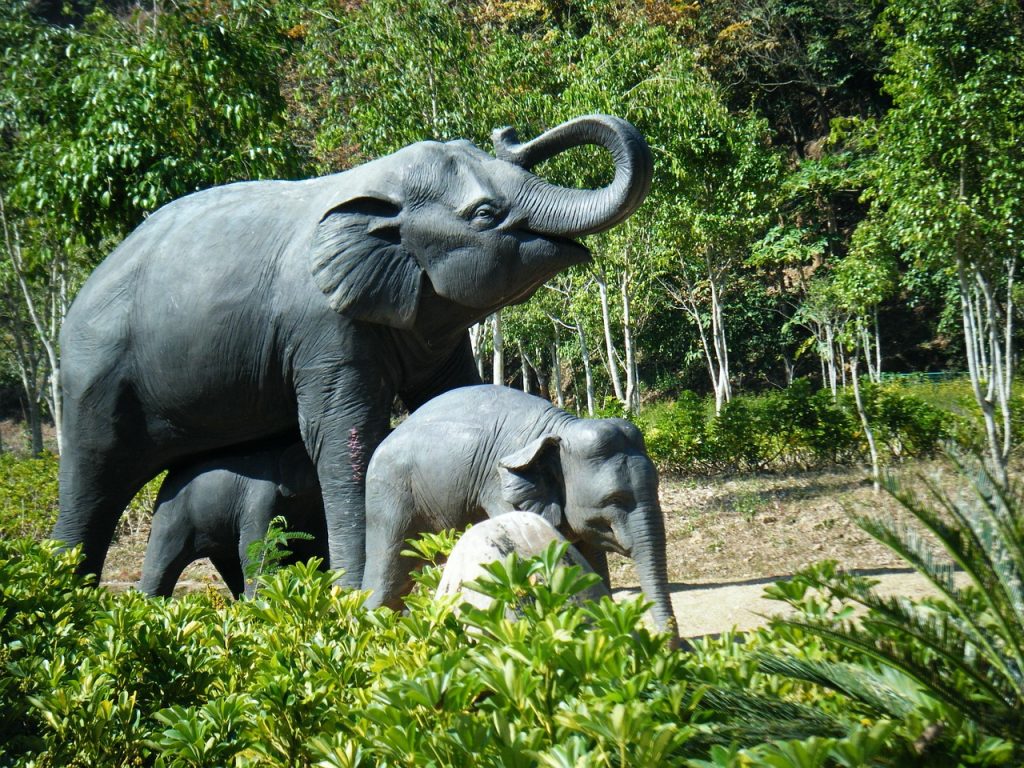
The name Dai is the term used in China for these Tai-speaking peoples, and it corresponds closely to the names by which their kin are known across the border, the Thai, the Tai, the various related peoples of the region. All derive from the same root, reflecting the common identity of the great Tai family to which the Dai belong.
Within China, the Dai are not entirely uniform, comprising several related groups distinguished by dialect, script, custom, and the particular valley regions they inhabit. The largest concentrations lie in the tropical south of the far southwestern province, in regions famous for their distinctive Dai culture, but Dai communities are found across a broader area of the warm southern valleys.
The kinship of the Dai with the Thai, Lao, Shan, and other Tai peoples across the international borders is close and living. Language, religion, festivals, and custom are shared or closely similar, and the border that separates the Dai of China from their kin in Myanmar, Laos, and beyond is, in cultural terms, a recent and somewhat artificial line drawn across a single cultural world.
This position, as the northern, Chinese branch of a family that extends across several Southeast Asian nations, gives the Dai a distinctive place among China’s peoples. They are a window, within China’s borders, onto the wider Tai and Southeast Asian world, and their culture bridges the gap between China and the tropical lands to its south in a way few other of the country’s peoples do.
A language and script shared across borders
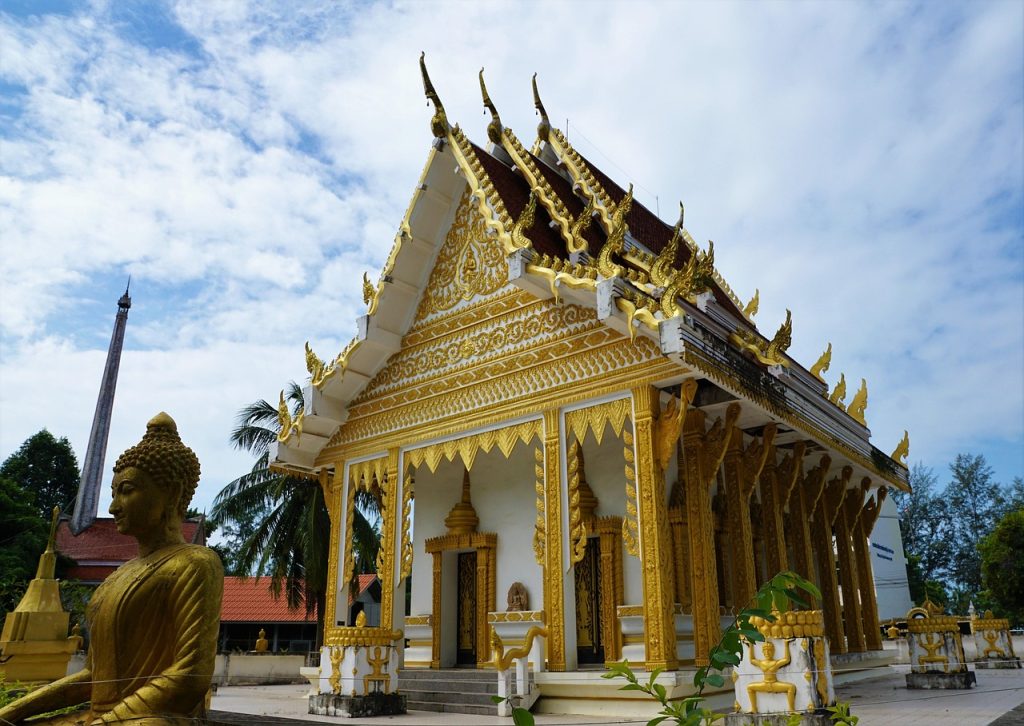
The Dai language belongs to the Tai family, and is thus related to Thai, Lao, and the other Tai tongues, with which it shares much vocabulary and structure. Like them, it is a tonal language, and a Dai speaker can often make himself understood, at least in part, with Tai speakers from across the border, a living sign of the common heritage of the family.
The Dai possess their own scripts, derived ultimately, like those of their Tai kin, from the writing systems of India that spread across Southeast Asia along with Buddhism. Different groups of the Dai use somewhat different scripts, all with the flowing, rounded forms characteristic of the region’s writing, and all traditionally learned in the Buddhist temple.
The connection between script and religion is fundamental among the Dai. Literacy was traditionally acquired in the temple, where boys learned to read and write in order to study the Buddhist scriptures, and the written language served above all to record and transmit the sacred texts, along with literature, history, and the traditional knowledge of the people.
This possession of an ancient script, shared with the wider Tai world and rooted in the Buddhist tradition, marks the Dai as a people of considerable cultural sophistication. The Dai written heritage, preserved in the temples, encompasses religious texts, chronicles, poetry, and works of many kinds, a literary tradition that connects the Dai to the broader civilization of Buddhist Southeast Asia.
In the warm valleys of the south

The Dai homeland lies in the warm, low-lying valleys of the far southwest of China, a tropical and subtropical world utterly different from the highlands that surround it. Here the climate is hot and humid, the vegetation lush, and the landscape one of green valleys, winding rivers, and forested hills, more akin to Southeast Asia than to the rest of China.
The most famous of the Dai regions is a tropical district in the far south of the southwestern province, a land of rainforest, elephants, and rich biodiversity, watered by a great river that flows on southward through Southeast Asia. This region, with its distinctive Dai culture and its natural beauty, has become one of China’s most celebrated tropical destinations.
The valleys were the key to Dai life. In these fertile, well-watered lowlands, the Dai practiced the wet-rice agriculture that formed the foundation of their economy and civilization, in contrast to the herding and dry-field farming of the highland peoples around them. The Dai were people of the valley floor, leaving the surrounding mountains to other groups.
This tropical valley homeland shaped every aspect of Dai culture, from the bamboo houses raised against the heat and damp, to the wet-rice farming, to the Buddhist temples that rose above the villages, to the whole rhythm of a life lived in a warm and fertile land. The Dai world is a tropical one, and its character flows directly from the warm southern valleys the people made their home.
It is worth pausing on how strange the Dai can feel to a visitor arriving from elsewhere in China. Everything shifts at once: the writing on the temple walls curls into unfamiliar rounded forms, the monks wear the saffron robes of Thailand rather than the grey of Chinese Buddhism, the food turns sour and fragrant with lime and lemongrass, and the very houses stand up on stilts. One has not left China, and yet, in a real sense, one has entered Southeast Asia.
Wet rice and the village economy
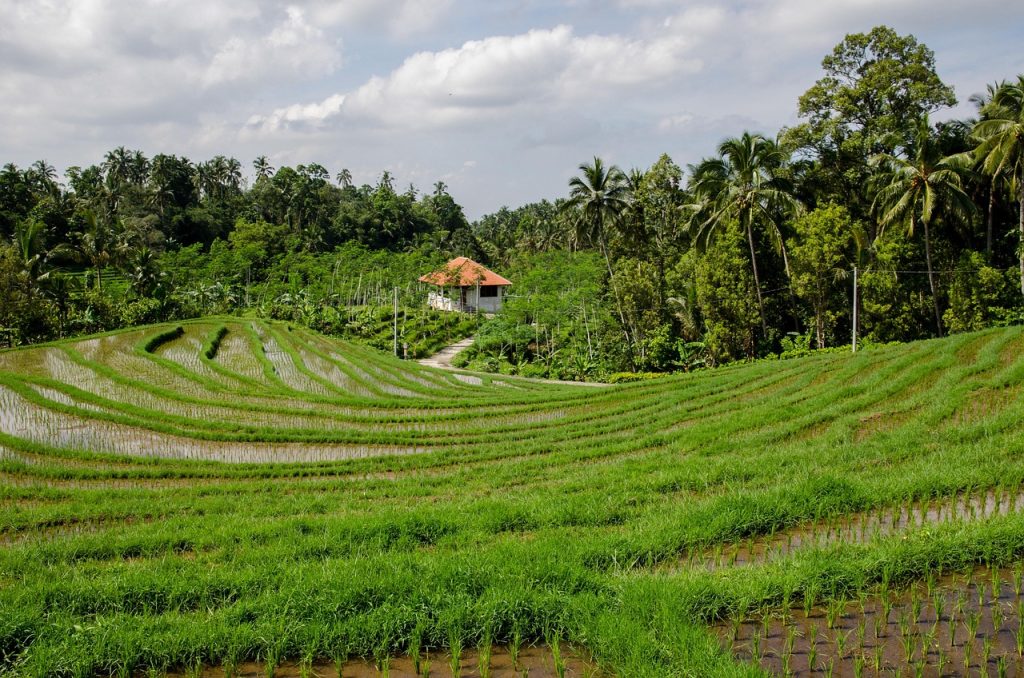
Traditional Dai life was built on wet-rice agriculture, the cultivation of rice in flooded paddies in the fertile valley lowlands. This form of farming, shared with the Tai peoples across the region and with the settled agricultural civilizations of Southeast Asia, was highly productive, supporting relatively dense populations and sophisticated societies in the Dai valleys.
Rice was the staple and the center of the economy, grown in the paddies that filled the valley floors, supplemented by tropical fruits, vegetables, fish from the rivers and paddies, and the products of the surrounding forests. The warm climate and abundant water allowed a rich and varied agriculture, and the Dai valleys were fertile and productive lands.
The region was also long famous for its tea, grown in the forests and hills, including some of the most celebrated tea in all of China, an important product of trade that linked the Dai valleys to the wider Chinese and Asian markets. Other tropical products of the region entered trade as well, connecting the Dai to distant markets.
Village life followed the rhythm of the rice-growing year, communal and rooted in the Buddhist temple that stood at the heart of the community. The Dai economy, based on productive wet-rice farming in a fertile tropical land, supported a settled and prosperous way of life, quite different from that of the harder-pressed peoples of the surrounding highlands.
Villages, temples, and the social order

Dai society traditionally centered on the village and the Buddhist temple, with the two closely intertwined. The village was a community of families living in their characteristic bamboo houses, and the temple, with its resident monks, stood at its center as the focus of religious, educational, and communal life, much as in the Tai societies across the border.
Historically, the Dai valleys were organized into principalities under hereditary rulers, a system akin to the small Tai states of the region, with a ruling aristocracy, a class of commoners, and, in the past, unfree strata. These principalities, governed by their local lords under the loose overlordship of the Chinese empire, gave the Dai regions a considerable degree of self-government.
Beneath the level of the principality, the village and the temple structured daily life. Monks and former monks enjoyed respect; the temple provided education and religious guidance; and the cycle of Buddhist observance ordered the communal calendar. Kinship, the village community, and the Buddhist institution together formed the framework of Dai social life.
This social order, with its Buddhist temples, its bamboo villages, and its valley principalities, closely resembled that of the wider Tai world and set the Dai apart from the clan-based mountain societies around them. It was the order of a settled, Buddhist, wet-rice civilization, an outpost within China of the culture of mainland Southeast Asia.
A world shaped by Theravada Buddhism

The religion of the Dai is Theravada Buddhism, the same form of the faith practiced in Thailand, Laos, Myanmar, and Cambodia, and this sets them apart from most other peoples of China, where Buddhism, where present, is generally of the Mahayana tradition. The Theravada faith connects the Dai firmly to the Buddhist civilization of mainland Southeast Asia.
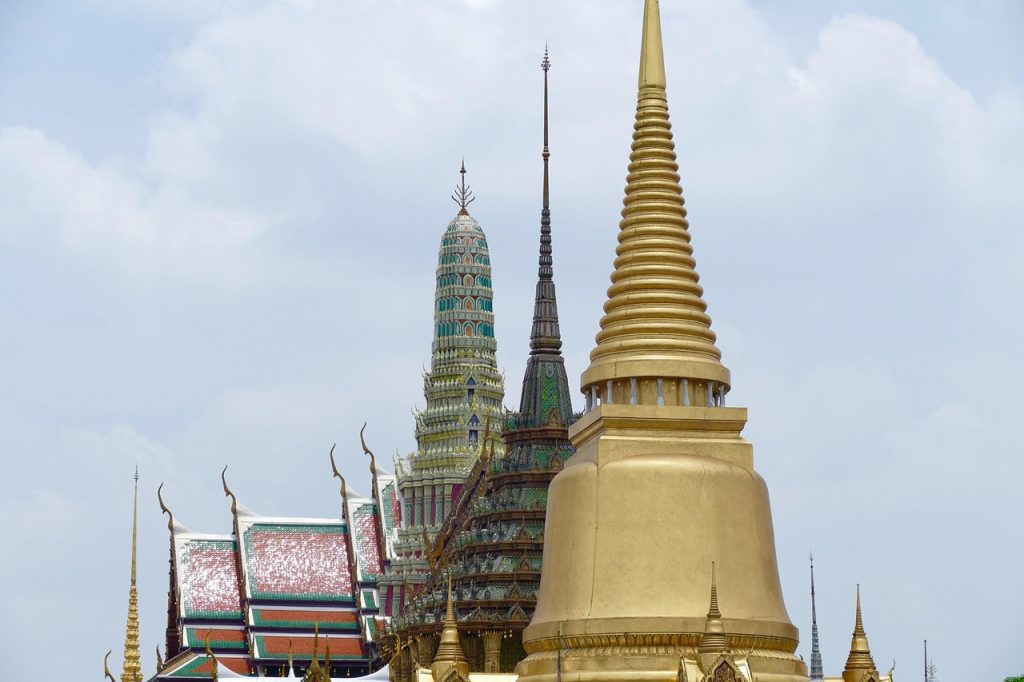
Buddhism pervades Dai life as thoroughly as it does that of their Tai kin. The temple stands at the center of the village; the golden pagoda rises above the bamboo houses; and the monks in their robes are a familiar and honored presence. It was long traditional for Dai boys to spend a period as novice monks in the temple, receiving their education and earning merit, a practice shared across the Theravada world.
The rhythms of Buddhist observance ordered the Dai year and the Dai life, from daily offerings to the monks, to the observance of holy days, to the great festivals of the Buddhist calendar, to the making of merit through good works and support of the temple. The pursuit of merit and the reverence for the Buddhist teaching shaped the values and the conduct of the community.
Alongside Buddhism, older beliefs persisted, including the veneration of spirits associated with the village, the land, and nature, blended into the Buddhist framework as they are elsewhere in the Theravada world. But it was Buddhism that gave Dai culture its dominant character, its temples, its monks, its festivals, and its ethic, marking the Dai as a Buddhist people of the Southeast Asian type.
Bamboo houses and the customs of the Dai
The most characteristic feature of the Dai built environment is the bamboo house, raised on stilts above the warm, damp ground, with the living quarters above and space for storage and animals below. Airy, practical, and suited to the tropical climate, these houses, traditionally built of bamboo and wood and roofed with thatch or tile, are emblematic of Dai village life.
Dai custom, like Dai religion, closely resembles that of the wider Tai world. The traditional dress of Dai women, with its fitted blouses and elegant wrapped skirts, is graceful and distinctive, and the Dai are known for their gentle manners, their hospitality, and the important place of song, dance, and courtship in their communal life.
Water holds a special place in Dai culture, both practically, in the wet-rice economy and the riverine life of the valleys, and symbolically, above all in the great Water-Splashing Festival. The rivers were central to Dai life, for farming, fishing, transport, and bathing, and the Dai relationship with water runs through their customs and their celebrations.
Many Dai customs center on the temple and the Buddhist calendar, from the ceremonies marking a boy’s ordination as a novice, to the making of merit, to the great festivals. Together with the bamboo house, the graceful dress, and the reverence for water, these customs give Dai culture its distinctive character, a character shared with the Buddhist Tai peoples to the south.
Weaving, silver, and tropical craft
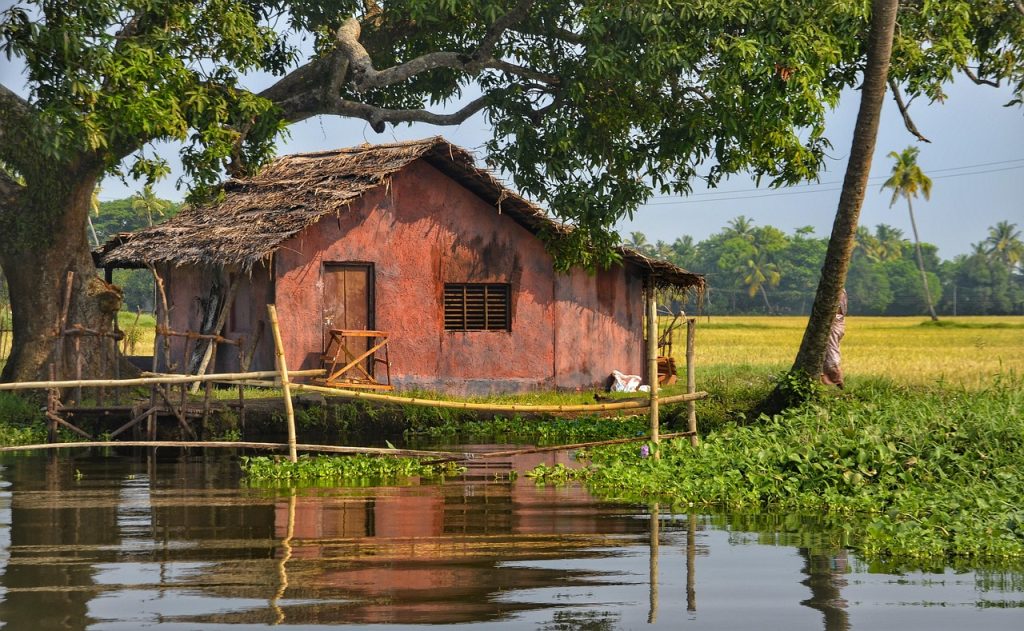
The Dai are skilled in a range of traditional crafts, prominent among them weaving. Dai women are noted weavers, producing colorful textiles, including a distinctive brocade, worked in bright patterns often featuring designs drawn from the tropical natural world and from Buddhist symbolism, used for clothing and for offerings to the temple.
Silverwork is another important craft, producing the ornaments and jewelry that adorn Dai dress, as well as ritual objects and vessels. As among their neighbors and kin, the silversmith’s skill is valued, and silver ornaments carry both aesthetic and social meaning, marking status and occasion.
The Dai are also skilled workers of bamboo, that most abundant and versatile of tropical materials, from which they build their houses and fashion a wide range of household and everyday objects. Pottery, papermaking, and other crafts add to a rich material culture well adapted to the resources of the tropical environment.
These crafts, the weaving, the silverwork, the bamboo work, and the rest, reflect both the tropical environment of the Dai and their connection to the wider Tai and Southeast Asian world. Increasingly, as with other minority arts, Dai craftsmanship has found new markets through the tourism that now flows into their scenic tropical homeland.
Sour and fragrant: the food of the tropics

Dai cuisine is the food of the tropics, and it is among the most distinctive and celebrated of China’s regional and minority cuisines. Fragrant, sour, and often spicy, it makes abundant use of fresh herbs, tropical fruits, and aromatic ingredients, closely resembling the cooking of Thailand and Laos and quite unlike the food of most of China.
Rice is the staple, including the glutinous rice favored across the Tai world, often steamed and eaten by hand. Around it the Dai build a cuisine rich in fresh flavors, featuring sour and spicy dishes, grilled and roasted foods, fresh herbs and vegetables, and the fish and other products of their rivers and forests. Sourness, from limes, tamarind, and fermented ingredients, is a defining note.
Among the celebrated features of Dai cooking are dishes cooked or served in bamboo, such as rice or other foods roasted inside a length of bamboo, which imparts a distinctive flavor, a technique emblematic of the resourceful use of the tropical environment. Grilled fish, spicy salads, and fragrant herb-laden dishes round out a cuisine of freshness and vivid flavor.
The Dai love of fresh, sour, and aromatic flavors, and their skillful use of the abundant produce of their tropical homeland, give their cuisine its distinctive and much-admired character. In its emphasis on herbs, sourness, and freshness, Dai food is unmistakably a cuisine of Southeast Asia, a delicious expression of the Dai connection to the tropical world.
The Water-Splashing Festival and the Dai year

The most famous celebration of the Dai, and one of the most joyful festivals in all of China, is the Water-Splashing Festival, which marks the Dai New Year in the spring. It is the same festival celebrated across the Tai and Southeast Asian world, a time of renewal, merit-making, and above all the joyful splashing of water among the people.
At the heart of the festival lies the splashing of water, which carries a deep meaning of purification, blessing, and the washing away of the misfortunes of the old year. People pour and throw water over one another in a scene of exuberant celebration, and to be splashed is to receive good wishes for the year to come. The festival combines this joyful water play with solemn Buddhist observance.
The festival is a time of many activities: the bathing of the Buddha images, the making of merit at the temple, dragon-boat racing on the rivers, the launching of small hot-air lanterns and fireworks, and days of singing, dancing, and feasting. It brings whole communities together in celebration and draws visitors from across China and beyond to witness the spectacle.
Beyond the Water-Splashing Festival, the Dai observe the round of Buddhist holy days and seasonal celebrations that order the year, sharing the festival calendar of the wider Theravada world. But it is the exuberant water-splashing of the New Year that has come to symbolize the Dai, a joyful celebration that captures the warmth and vitality of this tropical people.
The Water-Splashing Festival captures something essential about the Dai spirit. Where many festivals are solemn, this one is unabashedly joyful, a day on which dignity is happily abandoned and everyone, young and old, ends up soaked and laughing. Yet beneath the play lies the old and serious idea that water cleanses, that the new year should begin washed clean of the troubles of the last. Joy and reverence, in the Dai world, are not opposites.
Valley kingdoms and the road of history
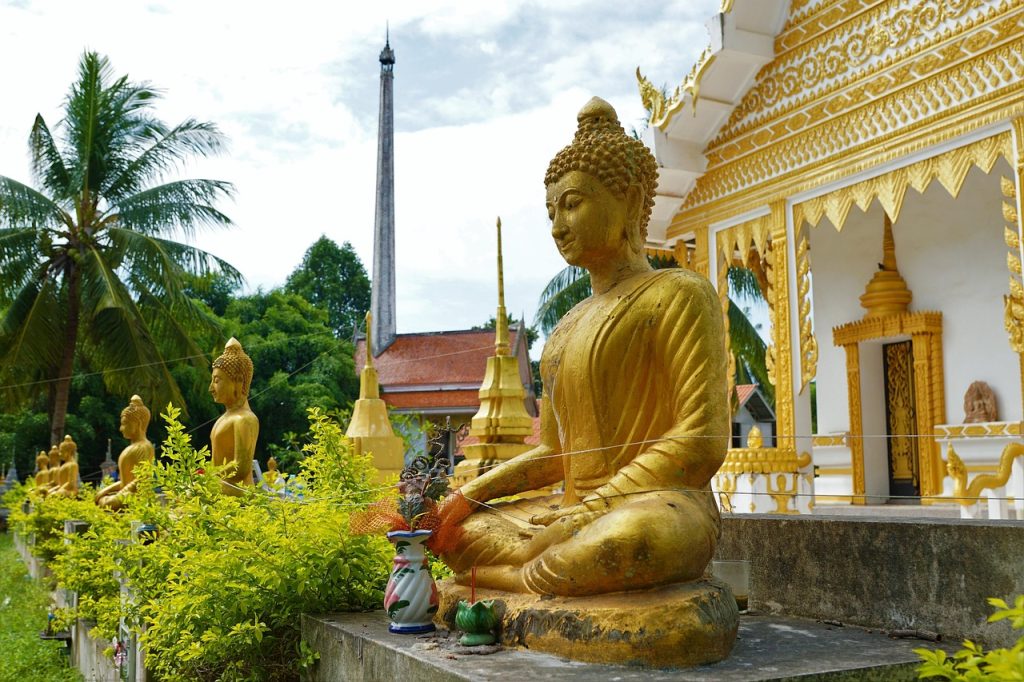
The history of the Dai is the history of the Tai peoples who settled the southern valleys, establishing there principalities and kingdoms based on wet-rice agriculture and, in time, on Theravada Buddhism. These valley states, akin to the small Tai kingdoms found across the region, formed the political framework of Dai life for many centuries.
The Dai principalities existed under the loose overlordship of the Chinese empire, which governed the region through the local Tai rulers under the system of native chieftaincy, much as it governed other frontier peoples. This arrangement gave the Dai states considerable autonomy, allowing their distinctive Buddhist, Tai culture to flourish under indigenous rule.
The location of the Dai on the southern frontier, at the meeting point of China and mainland Southeast Asia, shaped their history, drawing them into the currents of both worlds. Connected by language, religion, and kinship to the Tai states to the south, and by political overlordship to China, the Dai lived at a cultural crossroads, their principalities bridging two great civilizations.
In modern times the Dai regions were fully incorporated into the Chinese state, the old principalities abolished and the region opened to development and, increasingly, to tourism. This transformed a once-remote tropical frontier into an accessible and celebrated part of modern China, even as the Dai retained their distinctive Buddhist, Tai culture within the framework of the modern nation.
The Dai in China today
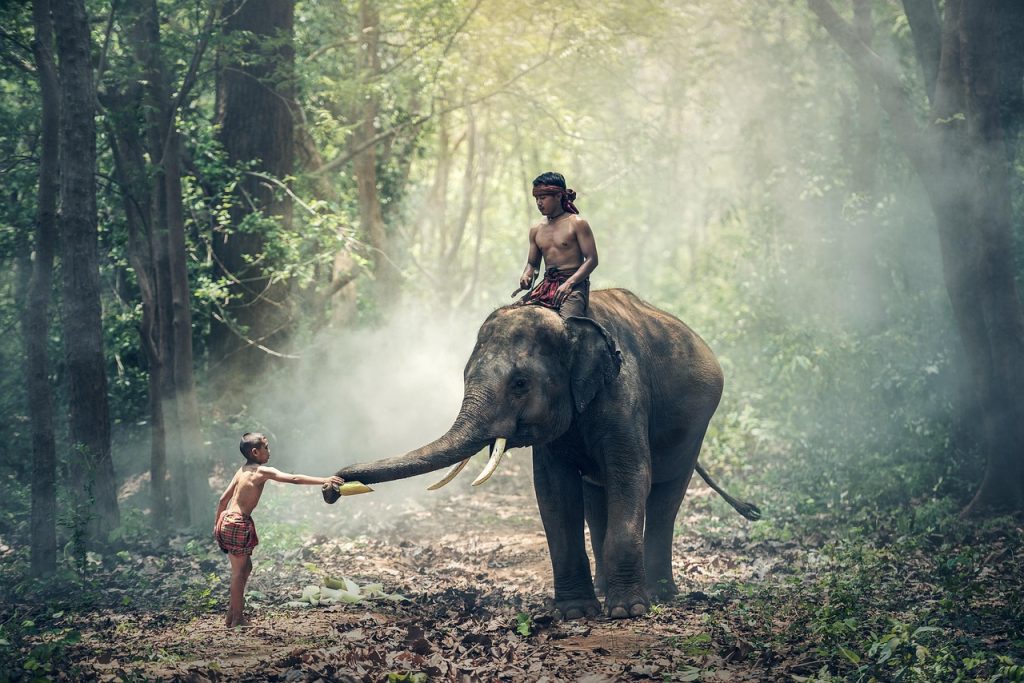
Today the Dai are one of China’s recognized minority peoples, numbering over a million, concentrated in the tropical valleys of the far southwest but connected by ties of language, religion, and kinship to the much larger Tai world across the borders. They remain among the most culturally distinctive of China’s peoples, a Buddhist, Tai, tropical presence within the country.
The transformation of the Dai homeland by tourism has been dramatic. The tropical beauty of the region, its rainforests and elephants, its Buddhist temples and Dai villages, and above all its famous Water-Splashing Festival, have made it a premier destination, bringing prosperity and outside contact to what was once a remote southern frontier.
This development has brought both opportunity and pressure. The Dai culture, with its temples, festivals, cuisine, and crafts, has become a celebrated attraction, giving it new value and visibility, even as modernization and the influx of visitors bring change to traditional ways of life. The distinctive Dai heritage is both a resource and, in some respects, a thing to be safeguarded.
The Dai thus carry their tropical, Buddhist, Tai culture into the modern age, a living bridge between China and the wider world of Southeast Asia. From these people of the warm southern valleys, with their golden pagodas and their joyful water festival, the series turns next to a people of the cooler highlands of the same southwestern province, keepers of an old kingdom by a famous lake: the Bai.
Curious About China’s Other Peoples?
The Dai are just one thread in an enormous tapestry. If you would like to meet a few more of China’s peoples, here is what we have covered so far:
- A Fifth of Humanity, the Story of the Han Chinese
- A Civilization of the Silk Road Oases, the Story of the Uyghurs
- The Giants China Overlooks, the Story of the Zhuang People
- Chinese in Everything but Faith, the Story of the Hui
- Conquerors Absorbed by Their Conquest, the Story of the Manchus
- A Civilization on the Roof of the World, the Story of the Tibetans
- A History Sewn Into Silver and Cloth, the Story of the Miao
- Carriers of Fire and an Ancient Script, the Story of the Yi
- A People Who Nearly Vanished Into the Crowd, the Story of the Tujia
You May Like
The Zaza, a Mountain People of Eastern Anatolia


3 thoughts on “Southeast Asia Within China’s Borders, the Story of the Dai”