In the subtropical lowlands where Paraguay, Brazil, Bolivia, and Argentina meet, a language born among Indigenous villagers is spoken today by presidents, taxi drivers, schoolchildren, and grandmothers alike. Guarani is not a relic preserved in a museum; it is a living national language, spoken by the vast majority of Paraguayans regardless of ethnic background, an outcome almost unmatched anywhere else in the Americas.
The people who gave their name to this language, the Guarani, once lived across a vast expanse of forest and river basin long before European contact, organizing their lives around extended family groups, shifting agriculture, and a spiritual world centered on the search for a “land without evil.” Their encounter with Spanish colonization and, notably, Jesuit missionaries produced one of the more unusual chapters in colonial history, one that still shapes Paraguayan identity centuries later.
This is the story of the Guarani: their origins in the forests of the Rio de la Plata basin, what their name means, the remarkable survival of their language, the homeland that shaped their way of life, old traditions of forest living, the structure of their communities, their beliefs and the Jesuit missions that transformed them, their crafts and food, their festivals, the turbulent history that followed, and where the Guarani stand today.
- Origins in the Forest Basin
- What “Guarani” Means
- A Language That Conquered a Nation
- Homeland Between Rivers and Falls
- The Old Forest Way of Life
- Family, Village, and Community
- Belief and the Land Without Evil
- The Jesuit Mission Era
- Craft and Everyday Skill
- Mate, Cassava, and Guarani Food
- Festivals and Shared Celebration
- From Conquest to Nationhood
- The Guarani Today
Origins in the Forest Basin
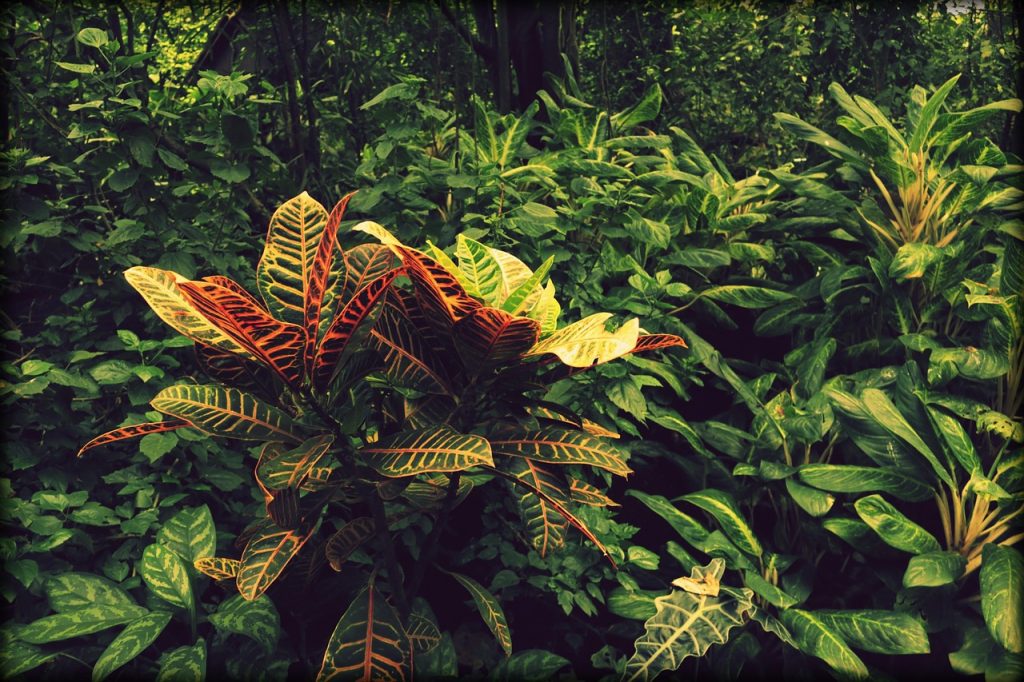
The Guarani are believed to have migrated into the Rio de la Plata basin and the forests surrounding it over a thousand years ago, part of a broader Tupi-Guarani linguistic family that spread across a huge swath of lowland South America. Archaeological and linguistic evidence points to shared roots with related groups now living as far away as coastal Brazil, suggesting a long history of migration and expansion through river networks.
Rather than building large cities or monumental architecture, Guarani communities organized around dispersed extended-family settlements, moving periodically as soil fertility declined under their farming methods. This mobility was not aimlessness but a deliberate strategy suited to the subtropical forest environment, where soil quality and hunting grounds shifted over time.
By the time Spanish explorers arrived in the sixteenth century, Guarani communities were already spread across what is now Paraguay, parts of Argentina, southern Brazil, and Bolivia, connected loosely by shared language and custom rather than centralized political authority. This decentralized structure would shape how they encountered, resisted, and eventually blended with European colonization.
Unlike some Indigenous nations who faced near-total displacement, the Guarani experienced a complex process of intermarriage, alliance, and cultural exchange with Spanish settlers, particularly in Paraguay, that produced a population and culture deeply mixed yet still proudly rooted in Guarani identity and language.
Genetic and linguistic studies suggest the broader Tupi-Guarani expansion may have originated near the Amazon basin, with successive waves of migration carrying related languages and cultural practices southward over many centuries. This deep historical connection helps explain why Guarani shares structural features with languages spoken thousands of kilometers away in coastal Brazil, despite the vast distances now separating these communities.
Contact with neighboring peoples, including Guaycuru-speaking groups to the west and various Ge-speaking nations to the east, also shaped Guarani material culture and settlement patterns through trade, occasional conflict, and intermarriage, producing a regional cultural landscape more interconnected than early colonial accounts often suggested.
What “Guarani” Means
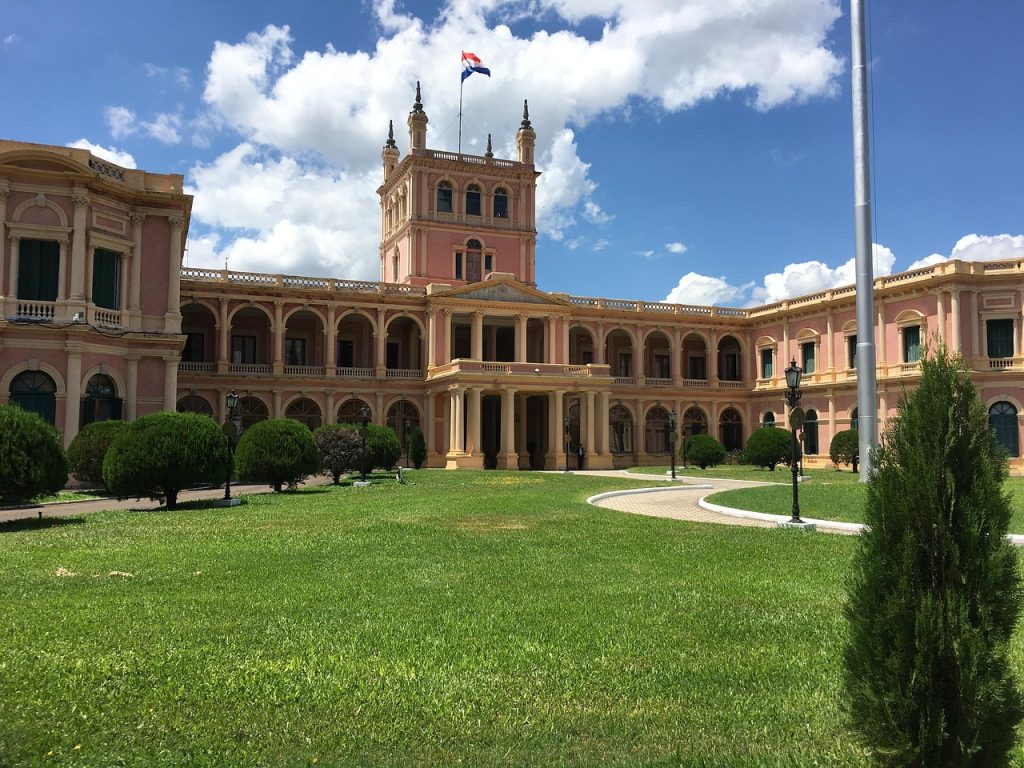
The name “Guarani” is generally understood to derive from a word meaning “warrior” or “war,” possibly referencing how early Guarani groups described themselves to Spanish arrivals, or how the Spanish came to characterize the people they encountered. Some linguists connect it to guerrero-like connotations tied to inter-group conflict common in the pre-colonial era.
Guarani communities historically did not use a single unifying name for themselves in the way “Guarani” is used today; identity was more commonly tied to specific family or village groups. The umbrella term solidified over the colonial period as Spanish administrators and missionaries needed a way to refer to the broader population they were interacting with and converting.
Today the name carries no negative connotation and instead anchors a proud national and ethnic identity, particularly in Paraguay, where “Guarani” identifies both an ethnic group and, more broadly, a shared linguistic heritage claimed by the large majority of the country’s population.
This dual meaning, ethnic and national, makes Guarani identity somewhat unique in the Americas: one can be considered culturally Guarani through language and custom without being of primarily Indigenous ancestry, a blending that reflects Paraguay’s particular colonial and post-colonial history.
A Language That Conquered a Nation
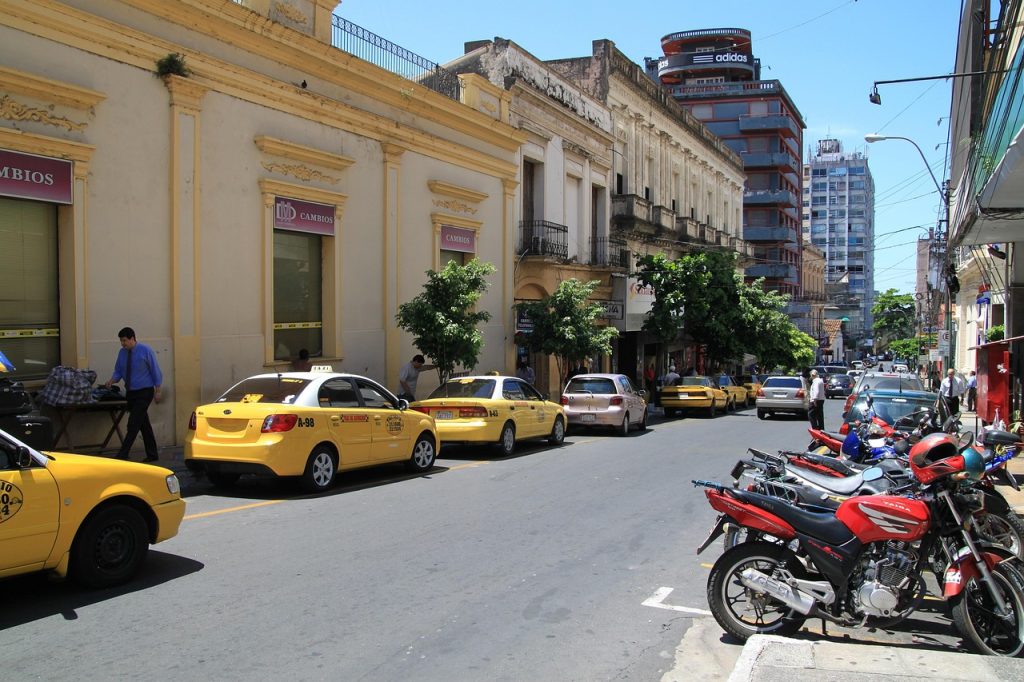
Guarani is spoken by more than six million people, the overwhelming majority in Paraguay, where it holds official status alongside Spanish and is spoken fluently by a majority of the population, including those with little or no Indigenous ancestry. This makes Paraguay nearly unique in the Americas as a country where an Indigenous language functions as a genuine national language rather than a minority tongue.
The persistence of Guarani owes much to Jesuit mission policy, which used the language rather than Spanish to instruct and administer converted communities, inadvertently cementing its status as a lingua franca across the region long after the missions themselves were dissolved. Rural Paraguayan society continued using Guarani as an everyday language even as Spanish dominated official and urban life.
For much of the twentieth century Guarani was stigmatized in cities as a rural, lower-status language, even as it remained the language spoken at home by most Paraguayans. Bilingual education reforms beginning in the 1990s, alongside constitutional recognition of Guarani as a co-official language, worked to reverse this stigma and expand its use in schools, media, and government.
Today Guarani appears on banknotes, in pop music, in university courses, and in official government communication, a remarkable trajectory for a language once dismissed in polite urban company. Younger Paraguayans increasingly express pride in speaking Guarani fluently, treating it as a marker of national identity as much as ethnic heritage.
Guarani grammar and vocabulary have also left a deep mark on Paraguayan Spanish itself, contributing loanwords, intonation patterns, and grammatical structures that make Paraguayan Spanish distinct from other regional varieties, a linguistic fingerprint audible even among speakers who do not consider themselves fluent in Guarani.
Homeland Between Rivers and Falls
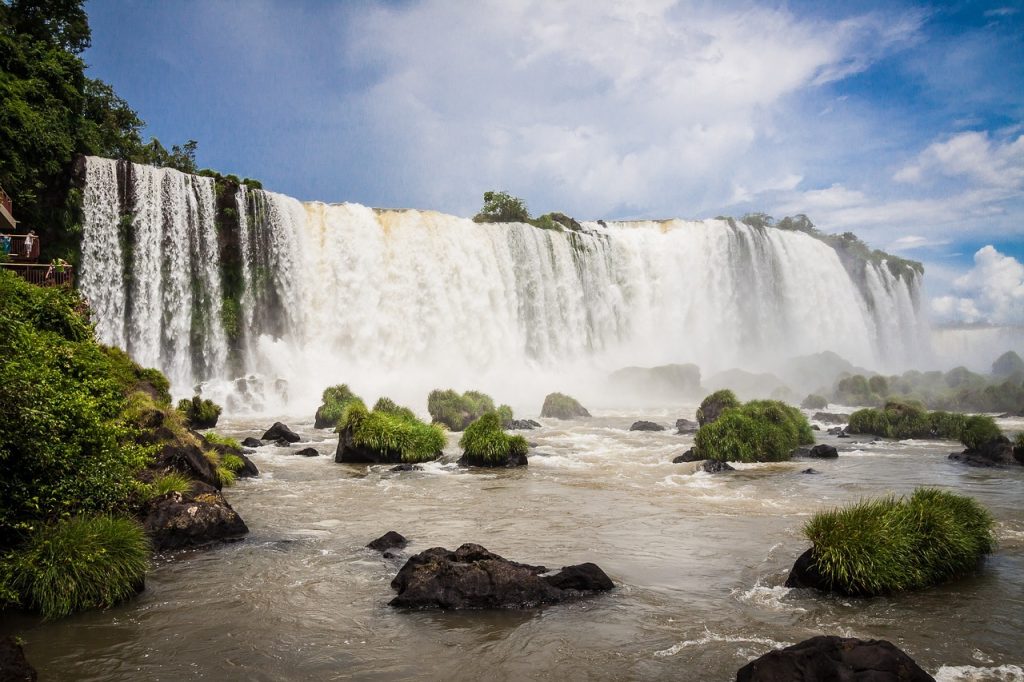
Guarani homeland stretches across the humid subtropical lowlands of the Rio de la Plata basin, a region defined by rivers, gallery forests, and fertile red soil well suited to agriculture. The mighty Parana and Paraguay rivers cut through this landscape, providing transportation, fishing grounds, and fertile floodplains that shaped settlement patterns for centuries.
Iguazu Falls, one of the most spectacular waterfalls in the world, sits at the heart of this territory, straddling the border between Argentina and Brazil in land historically used and traveled by Guarani communities. The falls and surrounding rainforest held spiritual significance long before they became a modern tourist destination.
This is a green, water-rich landscape quite unlike the high, arid Andes further west, offering abundant rainfall, dense forest cover, and a warm climate that supported agriculture without the elaborate terracing or irrigation systems required in the highlands. Guarani farming took advantage of this fertility through shifting cultivation rather than permanent, intensive fields.
Deforestation and agricultural expansion over the past century have significantly reduced the forest cover Guarani communities once depended on, particularly in the eastern Paraguayan region known as the Atlantic Forest, prompting many communities to adapt their traditional practices to increasingly fragmented land.
ok 1-4The Old Forest Way of Life
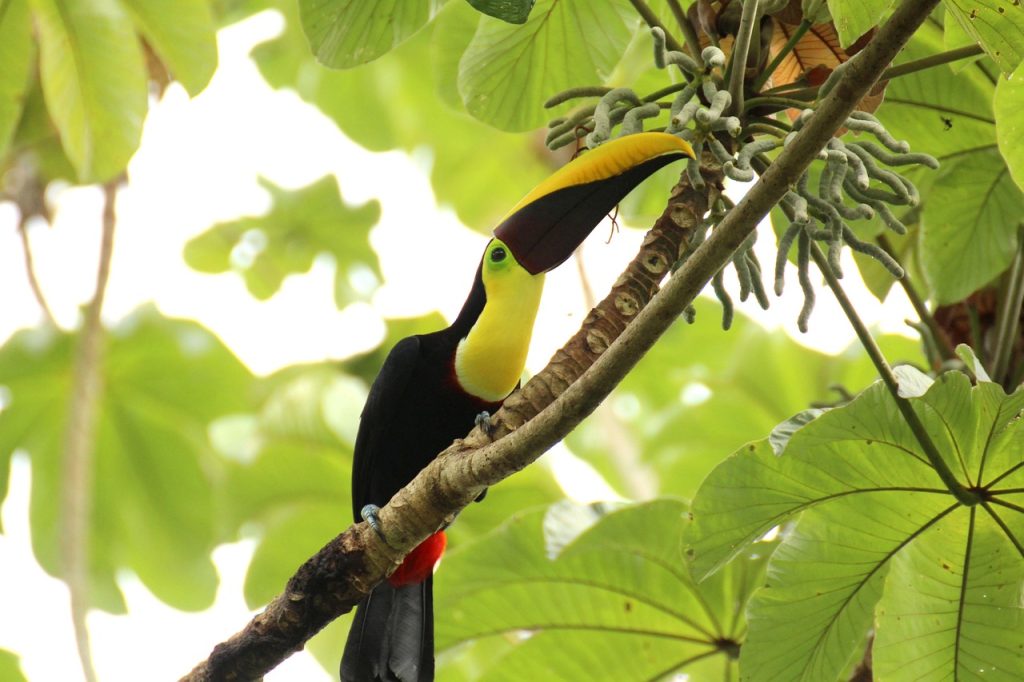
Traditional Guarani subsistence combined shifting agriculture, hunting, fishing, and forest gathering into a flexible system suited to the fertility cycles of tropical soil. Cassava, maize, sweet potato, and beans were the staple crops, grown in cleared forest plots that were farmed for a few years before being left fallow as the community moved to fresh ground.
Hunting supplied protein through forest animals such as peccary, tapir, and various birds, using bows, traps, and blowguns crafted from local wood and cane. Fishing along the region’s many rivers and streams supplemented this diet, with specialized techniques for different fish species and seasons.
The dense forest also provided medicine, building materials, and the raw ingredients for tools, baskets, and hammocks, with Guarani communities possessing deep, specific botanical knowledge developed over many generations of close observation. Much of this plant knowledge was later valued and recorded by colonial naturalists and remains a subject of ethnobotanical study today.
This forest-based economy required mobility, and Guarani settlements were rarely permanent in the way sedentary agricultural societies elsewhere in the Americas were, a pattern that shaped everything from house construction to social organization and made rapid resettlement, whether forced or chosen, a familiar experience long before European contact.
Family, Village, and Community
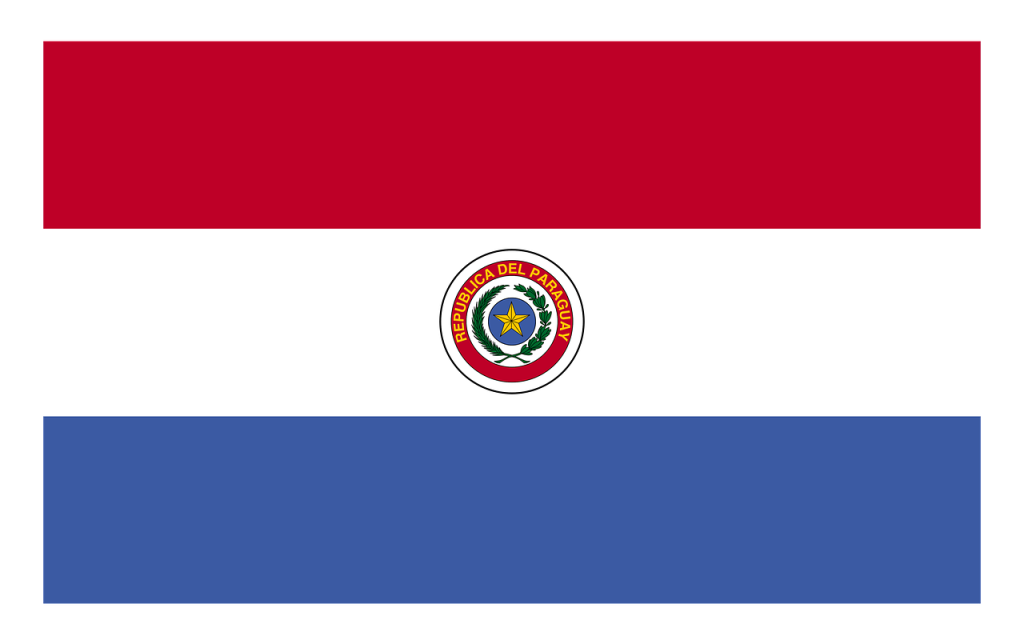
The basic unit of traditional Guarani society was the extended family group, often numbering several dozen people living together in a large communal house, with kinship ties determining rights to land, labor obligations, and marriage arrangements. Multiple such households might cluster into a loosely allied village under the informal leadership of a respected elder or skilled orator.
Leadership among the Guarani was typically earned through demonstrated wisdom, oratory skill, or spiritual insight rather than inherited automatically, and a leader’s authority depended heavily on maintaining the community’s confidence through consensus-building rather than command. This made Guarani political structures notably decentralized compared to more hierarchical Andean societies.
Religious specialists known as paje held significant influence within Guarani communities, serving as healers, spiritual guides, and interpreters of dreams and omens. Their role often intersected with political leadership, since spiritual authority and practical guidance were not treated as separate domains in daily community life.
Following Jesuit contact, many Guarani communities were reorganized into mission towns called reductions, discussed further below, which introduced European-style town planning and centralized governance, an enormous shift from the dispersed, mobile settlement pattern that had defined Guarani life for centuries prior.
Contemporary Indigenous Guarani communities, distinct from the broader Guarani-speaking Paraguayan population, include groups such as the Mbya and Ache, who maintain more traditional forest-based lifeways in fragmented pockets of remaining Atlantic Forest, facing ongoing pressure from logging, ranching, and soy cultivation that continues to shrink the land available to them.
Belief and the Land Without Evil
Central to traditional Guarani cosmology is the concept of the “land without evil,” a mythical paradise believed to exist somewhere beyond the horizon, free of suffering, death, and moral corruption. Historical accounts describe Guarani groups undertaking long, sometimes desperate migrations in search of this land, a spiritual quest that shaped both religious practice and physical movement across generations.
Guarani religion recognized a complex world of spirits inhabiting the forest, rivers, and animals, requiring careful ritual behavior to maintain balance and avoid misfortune. Dreams were treated as meaningful spiritual communication, and shamans, the paje mentioned earlier, played a key role in interpreting them and mediating between the human and spirit worlds.
The arrival of Jesuit missionaries in the seventeenth century introduced Catholicism into this existing spiritual framework, producing a distinctive blend still visible in Paraguayan popular religion today, where Catholic saints and rituals often carry traces of older Guarani belief and symbolism.
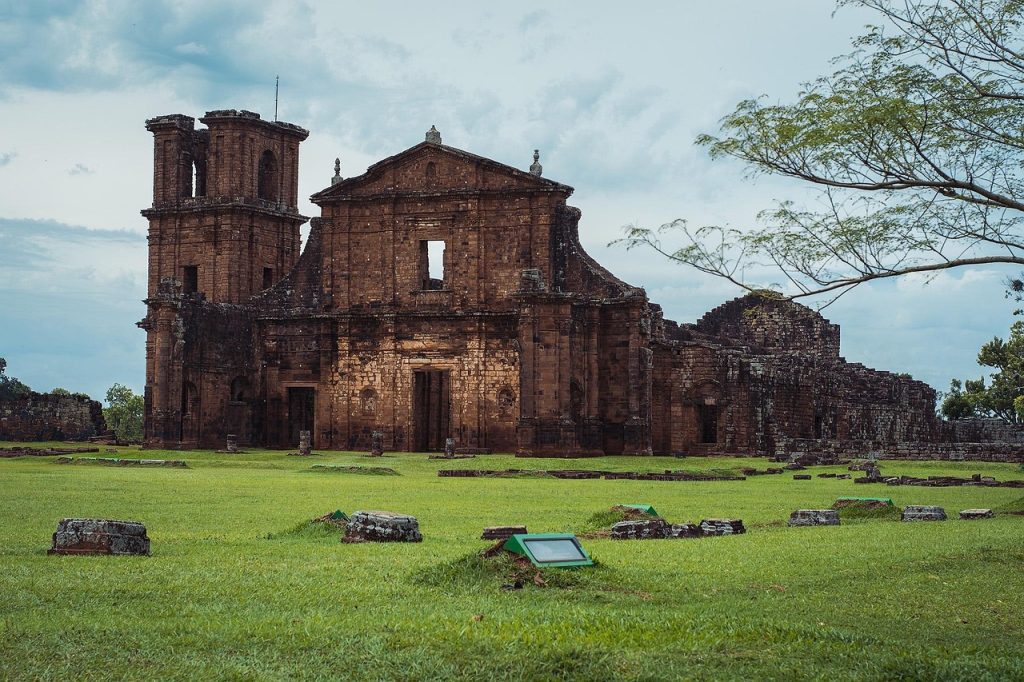
The Jesuit reductions, self-governing mission towns established across Guarani territory, aimed to convert and protect Indigenous populations from enslavement by Portuguese slave raiders, offering relative safety in exchange for religious instruction and structured community labor. For over a century, these missions became centers of Guarani religious, artistic, and economic life before their abrupt dissolution.
ok 5-7The Jesuit Mission Era
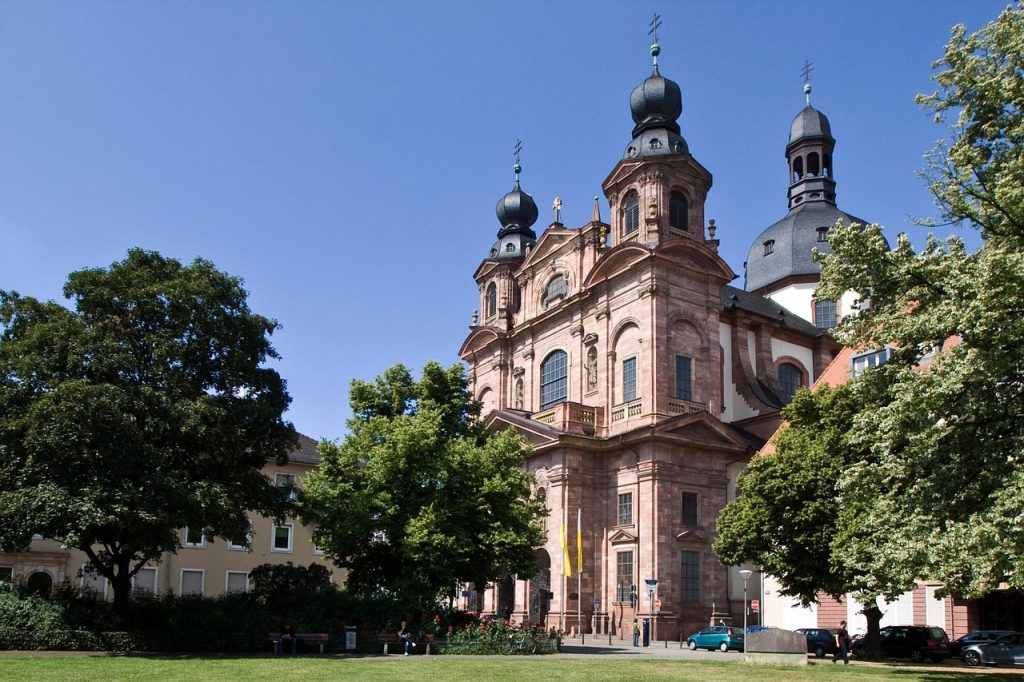
Between the early seventeenth and mid-eighteenth centuries, Jesuit missionaries established more than thirty reduction towns across Guarani territory, each organized around a central church, workshops, and communal fields worked collectively by resident families. At their height, these missions housed over 100,000 Guarani residents, making them among the largest planned communities in the colonial Americas.
Within the reductions, Guarani artisans trained in European techniques produced elaborate church sculpture, music, and printed books, blending Catholic iconography with distinctly Guarani artistic sensibility. Guarani choirs and orchestras became renowned throughout the region, and mission workshops exported goods including textiles, leather, and yerba mate across colonial South America.
The reductions also functioned as a form of protection, shielding residents from Portuguese slave raiders who regularly captured Indigenous people from unprotected territory to sell into forced labor in Brazil. This protective function made mission life, despite its strict discipline and religious control, a comparatively safer option for many Guarani families during a violent period.
The expulsion of the Jesuits from Spanish territories in 1767 abruptly ended this system, leaving mission towns to decline rapidly under secular administration poorly equipped or motivated to maintain them. Many former mission residents dispersed back into rural life or into growing colonial towns, carrying elements of mission-era craft, music, and religious practice with them into the following centuries.
Craft and Everyday Skill
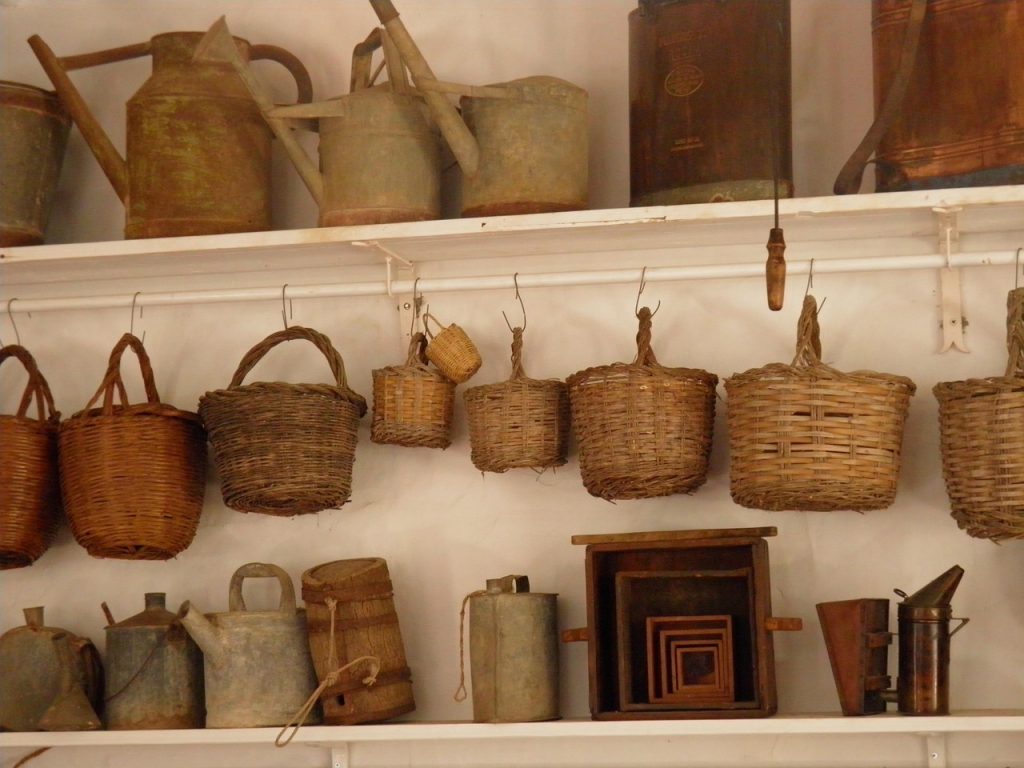
Guarani craftwork today includes intricate basketry woven from palm fiber and reed, pottery shaped and fired using techniques passed through generations, and woodcarving that ranges from utilitarian tools to ornate religious figures descended from mission-era workshop traditions.
Ñandutí lace, a delicate spiderweb-patterned textile associated with Paraguay more broadly, reflects a fusion of Guarani textile sensibility with European lacemaking introduced during the colonial period, now produced primarily by women in specific towns known for the craft.
Musical instrument making also remains a valued skill, particularly the construction of harps and guitars in a distinct Paraguayan style whose roots trace directly back to instruments first built and played within Jesuit mission workshops centuries ago.
Contemporary Guarani and mestizo artisans sell these crafts in local markets and increasingly through cooperatives aimed at international buyers, treating traditional skills as both cultural heritage and a genuine, ongoing source of household income.
Traditional Guarani hammocks, woven from cotton or forest fiber, remain a common household item across rural Paraguay, valued for their comfort in the region’s warm climate and often produced using techniques barely changed from pre-colonial methods, sold today both for practical home use and as souvenirs reflecting national craft heritage.
Mate, Cassava, and Guarani Food

Yerba mate, the caffeinated infusion now closely associated with the wider Southern Cone region, originated with the Guarani, who first cultivated and prepared the plant long before European contact, brewing it in gourds and later spreading its use through Jesuit-run plantations that expanded production significantly.
Cassava, also called mandioca, remains the staple starch across Paraguay, boiled, fried, or ground into flour for bread and the ubiquitous chipa, a cheese bread eaten throughout the country and closely tied to both Guarani and colonial culinary heritage.
Corn appears widely as well, ground for soups, tamales, and a fermented beverage historically used in ceremonial contexts, while forest game and freshwater fish supplement a diet still centered on the same staple crops Guarani farmers cultivated centuries ago.
Modern Paraguayan cuisine, often described simply as national food, is in large part Guarani food by another name, a culinary inheritance so thoroughly adopted by the broader population that its Indigenous origins are sometimes assumed rather than actively discussed.
Sopa paraguaya, despite its name, is not a soup at all but a dense, savory cornbread made with cheese and onion, believed to have originated from a kitchen accident during the nineteenth century, and it now stands alongside chipa as one of Paraguay’s most recognizable culinary exports of Guarani-influenced cuisine.
ok 8-10Festivals and Shared Celebration
Paraguay’s festival calendar blends Catholic feast days with older seasonal and agricultural observances, producing celebrations that draw on both Guarani and Spanish heritage without treating them as separate traditions. Patron saint festivals in towns across the country often feature processions, traditional dance, and food closely tied to local Guarani-influenced custom.
Music plays a central role in these celebrations, particularly the Paraguayan harp and guarania, a slow, melancholic musical style developed in the early twentieth century that draws on both Guarani linguistic rhythm and European harmonic structure, now considered a defining feature of national musical identity.
Traditional dances performed at festivals, including the striking bottle dance in which performers balance stacked bottles atop their heads while dancing, showcase skill developed and passed down over generations, often performed by women in vibrant traditional dress at weddings, festivals, and cultural events.
Independence Day and other national celebrations frequently incorporate Guarani language, music, and symbolism explicitly, reflecting how thoroughly Guarani heritage has been woven into Paraguayan national identity rather than set apart as a separate ethnic tradition observed only by a minority.
From Conquest to Nationhood

Spanish colonization of the Rio de la Plata region beginning in the sixteenth century brought disease, forced labor, and territorial disruption to Guarani communities, though the relatively decentralized nature of Guarani society meant colonization unfolded differently than in more centralized Andean empires, often through gradual alliance and intermarriage rather than sudden conquest of a single political center.
The Jesuit mission era that followed offered a complicated mix of protection and control, shielding many Guarani from slave raids while also imposing strict religious and social discipline. The abrupt Jesuit expulsion in 1767 left former mission communities vulnerable once again, and many were absorbed into the expanding colonial and later independent Paraguayan state.
Paraguay’s independence in 1811 did not end hardship for Guarani-descended communities. The catastrophic War of the Triple Alliance in the 1860s devastated the country’s population, killing a staggering share of Paraguayan men and reshaping the nation’s demographic and cultural identity in ways still discussed today, including a lasting association between Guarani language and national resilience.
Throughout the twentieth century, rural Guarani-speaking communities continued facing land pressure, economic marginalization, and, for smaller Indigenous Guarani groups still living more traditionally in eastern Paraguay, direct threats from agricultural expansion and deforestation that intensified from the 1960s onward.
The War of the Triple Alliance also left a lasting demographic imprint: with so many Paraguayan men killed, the postwar population skewed heavily female for a generation, and rebuilding relied substantially on rural, largely Guarani-speaking communities whose cultural and linguistic practices came to define the reconstructed nation far more than any elite urban Spanish-speaking minority.
The Guarani Today
Today Guarani identity in Paraguay operates on two overlapping levels: a broad national identity in which the majority of Paraguayans speak Guarani and claim cultural connection to it, and a narrower Indigenous identity maintained by smaller communities, including the Mbya, Ache, and Pai Tavytera, who continue to live more directly according to traditional Guarani custom, often in eastern forest regions under increasing land pressure.
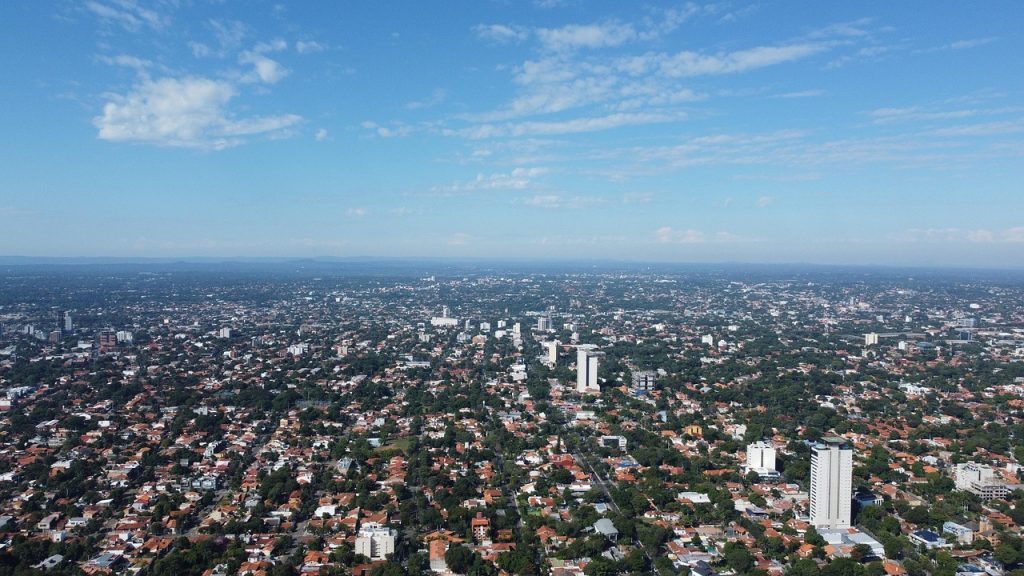
Paraguay’s bilingual constitution and expanded Guarani-language education have strengthened the language’s prestige considerably since the 1990s, even as globalization and Spanish-language media continue to shape daily life, particularly in the capital, Asuncion.
Modern linguistic activism has also produced Guarani-language versions of software interfaces, Wikipedia content, and even dubbed films, part of a deliberate effort to ensure the language remains relevant in digital and professional spaces rather than being confined to home and informal conversation.
Indigenous Guarani communities specifically continue to advocate for land rights and protection of remaining forest territory, working with national and international organizations to secure titles to ancestral land threatened by soy cultivation and cattle ranching, an ongoing struggle distinct from the broader cultural presence of the Guarani language nationwide.
Few nations in the Americas illustrate as clearly as Paraguay how an Indigenous language and cultural sensibility can become genuinely national rather than remaining confined to a minority population, even as the descendants of the original Guarani-speaking communities continue their own separate fight for land, recognition, and continuity. Further south still, at the windswept tip of the continent, the story of the Tehuelche of Patagonia carries this same thread of resilience into an even harsher landscape.
Other Nations Along the Way
The Guarani join a growing collection of Indigenous nations across the Americas covered here, each with a distinct history and present-day reality worth knowing. A few others to explore:
- The People Who Emerged Into This World, the Story of the Navajo
- The People Who Never Left the Mountains, the Story of the Quechua
- The People Who Never Vanished, the Story of the Maya
- The People of the Seven Council Fires, the Story of the Lakota
- The People of the Land Who Were Never Conquered, the Story of the Mapuche
- The People of Ice and Sea, the Story of the Inuit
- The Islands of the People, the Story of the Haida
- The Four Directions People, the Story of the Cree
- The Principal People, the Story of the Cherokee
- The People of the Timeless Speech, the Story of the Aymara
You May Like
The Damara, an Ancient People of Namibia


3 thoughts on “Guarani: The Language That Became a Nation”