No Native American nation in the United States tells a prouder story of undefeated resistance than the Seminole. Formed in the eighteenth century from Creek migrants, earlier Florida peoples, and escaped African American slaves who all found refuge in Florida’s frontier, the Seminole fought the United States to a standstill across three wars, and a remnant population escaped into the Everglades and never signed a peace treaty at all. This is the story of a people the map calls ‘wild,’ and history calls unconquered.
Contents
- Origins
- Name
- Language
- Homeland
- Old Way
- Society
- Religion
- Traditions
- Crafts
- Food
- Festivals
- History
- Today
Origins
The Seminole Nation did not descend from a single ancient people but instead coalesced during the eighteenth century, as Creek-speaking groups from Georgia and Alabama, remnants of earlier Florida peoples decimated by Spanish colonization and disease, and formerly enslaved African Americans seeking freedom all migrated into the sparsely governed Florida peninsula and gradually merged into a new, distinct nation.
This convergence took place largely beyond the effective reach of Spanish colonial authority, in the pine forests, prairies, and wetlands of northern and central Florida, later pushing further south into the Everglades as pressure from American settlers intensified through the early nineteenth century. The resulting nation was, from its very beginning, a deliberately assembled coalition rather than a single bloodline.
Spanish Florida’s collapse of its mission system and Indigenous population through epidemic disease and slave raids during the seventeenth and early eighteenth centuries left much of the peninsula sparsely inhabited, creating an opening that Creek migrants and other newcomers were able to fill over subsequent decades, effectively repopulating a landscape that had once supported much larger Indigenous nations.
Oral histories collected from Seminole elders in the twentieth century consistently emphasize this founding period as one of deliberate community-building rather than passive drift, describing ancestors who actively chose Florida’s frontier precisely because it lay beyond the reach of colonial taxation, forced labor, and religious conversion pressures found in more settled Creek towns to the north.
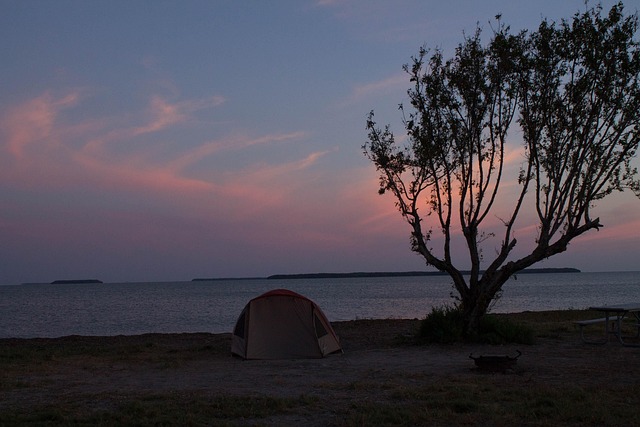
Archaeological evidence of earlier Florida peoples, distinct from the Creek migrants who formed the core of the emerging Seminole nation, is still studied today at sites across the peninsula, offering a longer timeline of human presence in Florida that the Seminole coalition ultimately inherited and absorbed into its own evolving sense of homeland.
The name Seminole coalition also absorbed smaller pre-existing Florida groups such as the Calusa’s remaining descendants and other coastal peoples whose populations had been drastically reduced by earlier Spanish contact, meaning the new nation carried forward fragments of far older Florida heritage even as it took shape as something genuinely new.
Name
The name Seminole is generally traced to the Creek word simanó-li, itself likely borrowed from the Spanish cimarrón, meaning wild, untamed, or a runaway, a term Spanish colonists originally applied to escaped livestock and later to people living outside colonial control.
The connotation of wildness and independence proved fitting rather than insulting: the Seminole were, almost by definition, people who had chosen to live beyond the boundaries of colonial and later American authority, including escaped African American slaves who found refuge among Seminole towns and in many cases became fully integrated members and respected leaders.
British colonial officials and later American settlers frequently used the same word with considerably more hostile intent, framing Seminole independence as lawless banditry rather than a legitimate assertion of sovereignty, a framing that conveniently justified successive military campaigns aimed at either removing or eliminating the Seminole presence in Florida entirely.
Today two federally recognized groups carry the name forward proudly in their own official names and cultural branding, the Seminole Tribe of Florida and the Seminole Nation of Oklahoma, transforming a colonial insult into a globally recognized symbol of resilience and successful resistance.
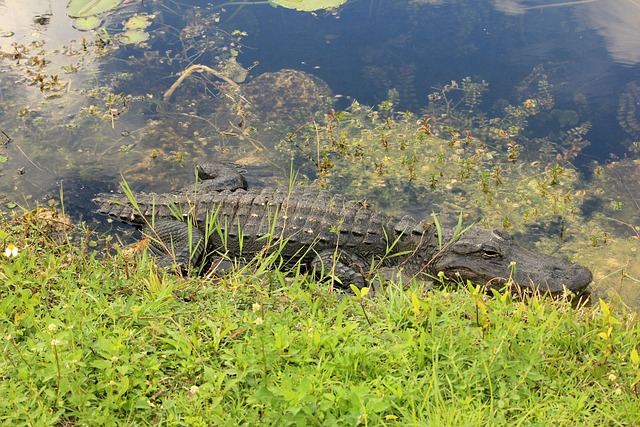
Some contemporary tribal members note a certain irony in how thoroughly the once-derogatory label has been reclaimed, pointing out that both the Florida and Oklahoma nations now use Seminole proudly in their own official names, flags, and cultural branding, transforming a colonial insult into a globally recognized symbol of endurance.
Nineteenth-century American newspapers and government correspondence routinely used Seminole almost interchangeably with terms implying banditry or piracy, a rhetorical pattern historians now recognize as part of a broader effort to delegitimize Seminole sovereignty and justify military action against a nation that had never formally ceded its Florida homeland.
Language
Two distinct languages are spoken among Seminole communities today, both belonging to the Muscogean language family: Creek, spoken by descendants of the original Creek-speaking migrants into Florida, and Mikasuki, spoken by a separate Muscogean population with its own distinct history in the Florida peninsula before the Seminole coalition formed.
This linguistic duality reflects the coalition nature of Seminole identity itself; rather than a single unified tongue, Seminole communities have long included speakers of both languages living in close proximity, often within the same broader tribal government, a pattern that continues today.
Both languages faced serious pressure during the twentieth century as English-language boarding schools discouraged their use, and today the Seminole Tribe of Florida runs dedicated language preservation programs, recording elder speakers and developing curriculum aimed at ensuring both survive into future generations.
Both languages continue to be used in tribal council proceedings and public ceremonies alongside English, a deliberate policy choice by tribal leadership intended to keep Creek and Mikasuki functioning as living languages of governance rather than confining them to classroom instruction alone.
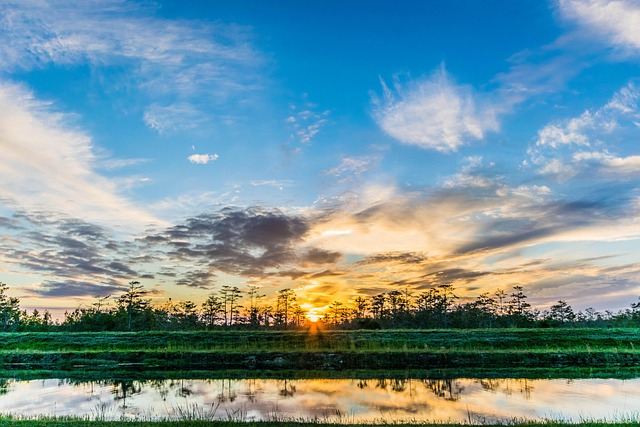
Linguists studying Mikasuki note it remains more actively spoken day-to-day within some Florida Seminole communities than Creek, even though Creek carries broader historical prestige as the language of the original founding migration, an unusual reversal reflecting specific community histories on individual reservations.
Bilingual signage and public announcements on Seminole reservations today often appear in English alongside Creek or Mikasuki, a small but visible marker of the tribe’s ongoing commitment to keeping both languages present in daily public life rather than treating them as purely ceremonial or historical curiosities.
Comparative linguistic study of Mikasuki and Creek has helped researchers better understand the broader Muscogean language family’s historical spread across the Southeast, with Seminole communities serving as an unusually well-documented case of two related but distinct languages coexisting within a single modern tribal nation.
Homeland
As American settlement pressure mounted through the early 1800s, Seminole communities increasingly withdrew into the most difficult, least accessible terrain Florida had to offer, the dense hardwood hammocks, sawgrass prairies, and cypress swamps of the Everglades, territory American soldiers found nearly impossible to navigate, let alone conquer.
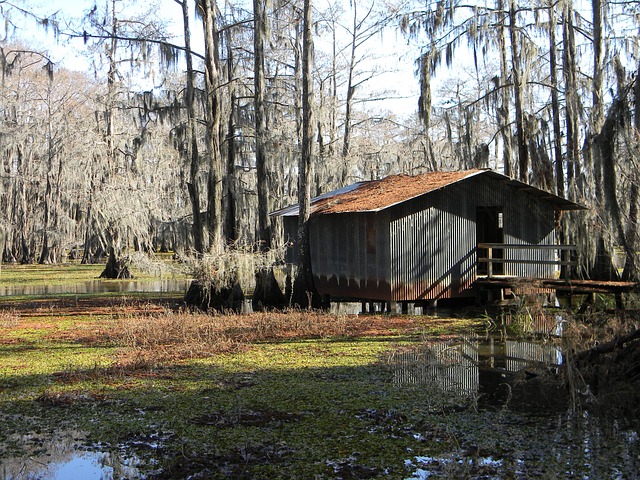
This retreat into the Everglades was a deliberate defensive strategy. Seminole families built stilted, open-sided chickee structures suited to wet ground, learned to read the subtle high ground of tree islands invisible to outsiders, and used the region’s maze of channels to disappear from pursuing forces entirely.
Present-day Seminole Tribe of Florida reservations, including Big Cypress, Brighton, and Hollywood, remain connected to this same broader South Florida landscape, even as the surrounding region has urbanized dramatically over the past century.
Modern Seminole tribal council elections and governance structures blend older clan-based consultation traditions with a formal constitutional government adopted in the twentieth century, combining longstanding community decision-making practices with the requirements of running a large, modern nation.
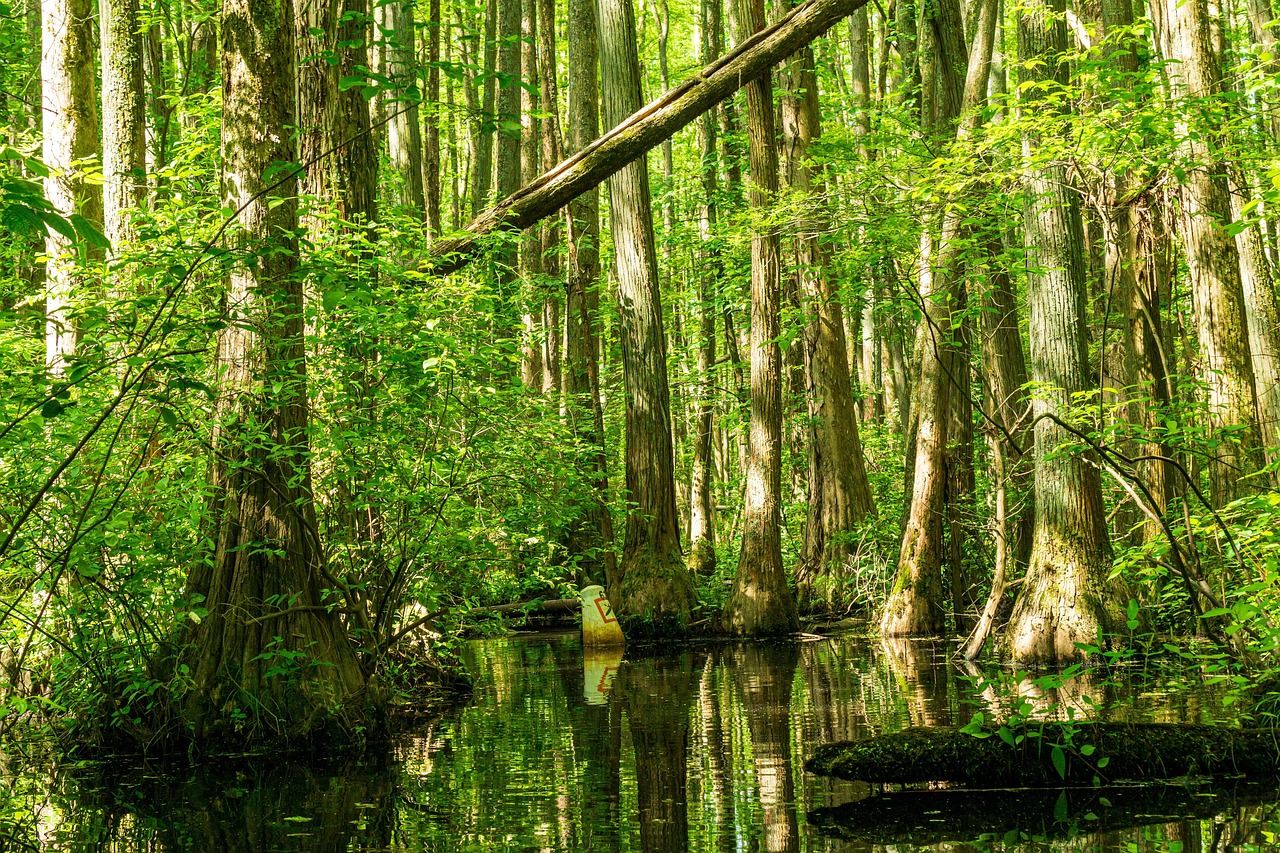
United States Army officers who campaigned in Florida during the Seminole Wars left extensive written complaints about the sheer difficulty of the terrain, describing waist-deep water and near-total lack of reliable maps, a frustration that shaped military strategy in the region for years and ultimately favored the defenders.
Water rights and land-use agreements negotiated between the Seminole Tribe of Florida and state and federal agencies over recent decades have become a significant modern extension of the same struggle over homeland control that defined the tribe’s nineteenth-century history, now fought through legal negotiation rather than armed conflict.
Old Way
Traditional Seminole subsistence combined small-scale farming of corn, beans, and squash on hammock islands with hunting, fishing, and gathering wild plants across the wetlands, a mixed economy adapted specifically to the unpredictable, seasonally flooded environment of the Everglades and surrounding prairies.
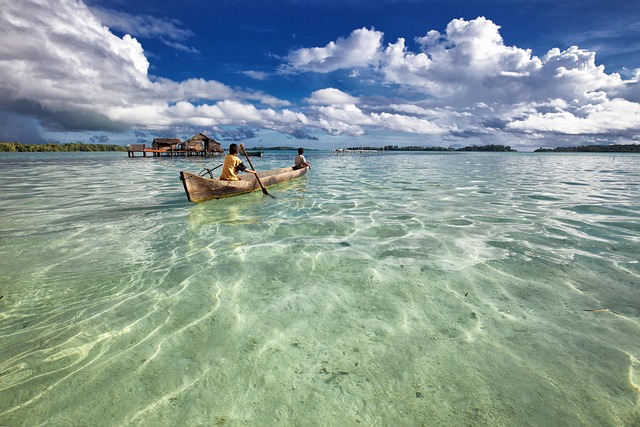
Dugout canoes, carved from single cypress logs, served as the essential mode of transportation through this watery landscape, allowing families to move between hammocks, hunting grounds, and trading posts far more effectively than any overland route could.
Cattle raising, adopted from earlier Spanish and English colonial contact, also became an important part of Seminole economic life, particularly among Florida communities, a tradition that continues today through modern tribal cattle operations on the Brighton Reservation.
Seasonal movement between wet and dry season camps allowed Seminole families to manage the Everglades’ dramatic water level changes throughout the year, a rhythm requiring intimate, generational knowledge of a landscape that appeared featureless to outside observers.
Trading relationships with Cuban and Bahamian fishing communities along Florida’s coasts provided another economic channel distinct from anything available to inland Creek communities further north, allowing Seminole families periodic access to manufactured goods even during periods of active conflict with American forces.
Fishing techniques adapted to the shallow, grassy waters of the Everglades relied heavily on traps, weirs, and spearing rather than open-water methods common elsewhere, reflecting generations of accumulated environmental knowledge specific to this one wetland ecosystem unlike any other in North America.
Palmetto thatch, woven over pole frameworks, provided roofing for chickee structures well suited to Florida’s heavy seasonal rains, an architectural solution so effective that it remains in occasional ceremonial and demonstrative use on reservations today even alongside modern housing.
Society
Seminole society traditionally organized itself around matrilineal clans, meaning descent, clan membership, and certain forms of property and status passed through the mother’s line, a structure shared with related Creek communities and common across much of the Southeast prior to European contact.
Political organization remained notably decentralized, built around small, scattered camps and towns each with its own leadership, a structure that proved highly resistant to American attempts at negotiating a single binding treaty that could bind the entire nation.
Prominent Black Seminole leaders, descended from escaped slaves fully integrated into Seminole towns, played significant military and diplomatic roles during the Seminole Wars, and their descendants maintain a distinct, still-recognized identity within and alongside the broader nation today.
Family and clan reunions remain a central organizing feature of Seminole social life today, often coordinated around tribal fair dates or Green Corn season, continuing a pattern of periodic large gatherings interspersed with dispersed daily life in smaller camps.
Clan mothers held particular authority in resolving internal disputes and guiding decisions about marriage and child-rearing, a role that persisted through the upheavals of war and removal and remains recognized within tribal governance structures and family life on Florida reservations today.
Seminole clan names, still used today to identify family lineage within the tribe, often reference animals or natural features significant to the Everglades environment, embedding a specific ecological relationship directly into personal and family identity across generations.
Religion
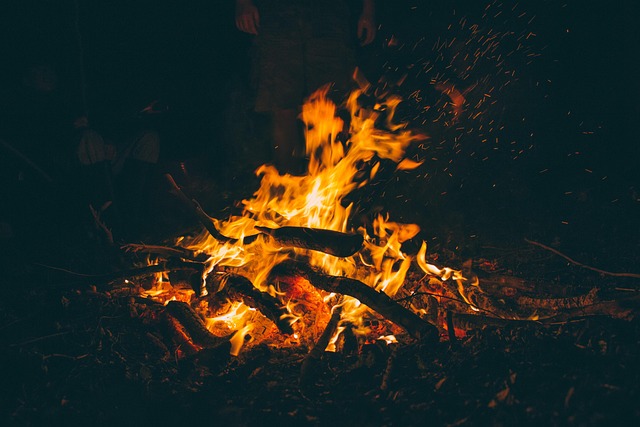
The Green Corn Ceremony, known as posketv in related Muscogean tradition, stands as the most important traditional religious and civic gathering for Seminole communities, held annually around the summer corn harvest as an occasion for spiritual renewal, forgiveness of past wrongs, and the rekindling of a sacred fire.
The ceremony traditionally involves fasting, ritual purification, and the settling of disputes within the community, functioning simultaneously as religious observance, legal proceeding, and social reunion, underscoring how thoroughly spiritual and civic life were historically intertwined in Seminole society.
Christian missionary activity reached Seminole communities from the nineteenth century onward, and many Seminole families today practice Christianity alongside continued participation in traditional ceremonies, a coexistence tribal cultural programs present as complementary rather than contradictory.
Seminole spiritual leaders historically served the community without any formal centralized hierarchy, instead earning recognition through demonstrated knowledge, effectiveness in healing, and community trust built up over years, a pattern of earned rather than inherited spiritual authority.
Medicine bundles and specific ceremonial knowledge historically belonged to particular clans or individuals rather than being generally shared community property, meaning religious authority within Seminole communities was, much like political leadership, distributed across multiple people rather than concentrated in one figure.
Contemporary tribal health and wellness programs on Seminole reservations increasingly incorporate traditional healing knowledge alongside conventional medical care, reflecting a broader recognition within tribal government that spiritual and physical well-being were never fully separate concerns in traditional Seminole understanding.
Traditions
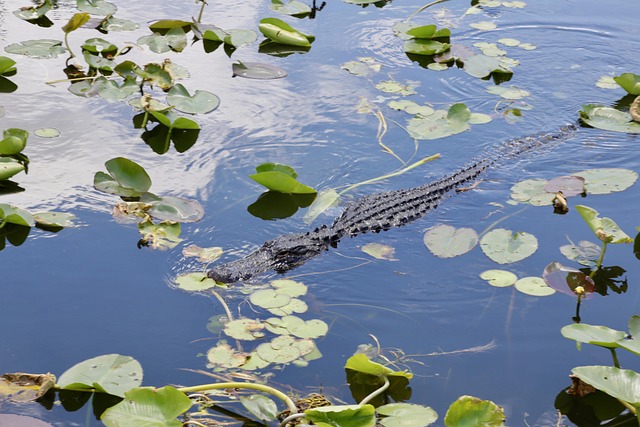
Alligator wrestling emerged in the early twentieth century as a distinctly Seminole performance tradition, initially developed as a tourist attraction at Florida roadside villages during a period when few other economic opportunities existed for Seminole families, gradually transforming into a genuine point of cultural pride.
Camp life traditionally centered on extended matrilineal family groups sharing cooking fires and daily responsibilities, with storytelling and clan history passed down orally across generations, particularly during the long evenings of the annual Green Corn gathering when multiple camps came together in one place.
Children traditionally learned essential survival skills such as canoe handling, plant identification, and swamp navigation through direct participation alongside adults from a young age, a hands-on educational approach many Seminole families and tribal cultural programs continue to emphasize today.
Seminole veterans, like those of many other Native nations, are honored at community gatherings with specific ceremonies and color guard participation, reflecting significant military service among tribal citizens that leadership treats as a continuation of the Seminole Wars-era warrior tradition.
Women held primary responsibility for agricultural work on hammock plots and for constructing and maintaining chickee shelters, giving them substantial practical authority over domestic economic life even within a society whose external, wartime reputation was dominated by accounts of male warriors and war leaders.
Storytelling sessions passed down origin narratives, cautionary tales, and practical ecological knowledge simultaneously, functioning as both entertainment and education in a society that relied entirely on oral transmission rather than written records for preserving its history and values across generations.
Crafts
Seminole patchwork clothing stands as the nation’s most internationally recognized craft tradition, a distinctive style of strip-pieced, brightly colored fabric bands emerging in the early twentieth century after hand-crank sewing machines reached Seminole communities, allowing far more elaborate piecing than possible by hand.
Patchwork jackets, skirts, and capes became both everyday clothing and a recognizable marker of Seminole identity sold to tourists and worn proudly at community gatherings, with specific patterns often associated with particular families or individual seamstresses.
Basket weaving, palmetto fiber dolls, silverwork, and beadwork round out a broader craft tradition that continues to be taught within families and through tribal cultural programs, ensuring these skills remain living practice rather than museum artifact.
Contemporary Seminole fashion designers have begun reinterpreting traditional patchwork techniques in modern clothing lines sold well beyond reservation borders, while tribal cultural offices work to ensure proper attribution and economic benefit flow back to Seminole artisans.
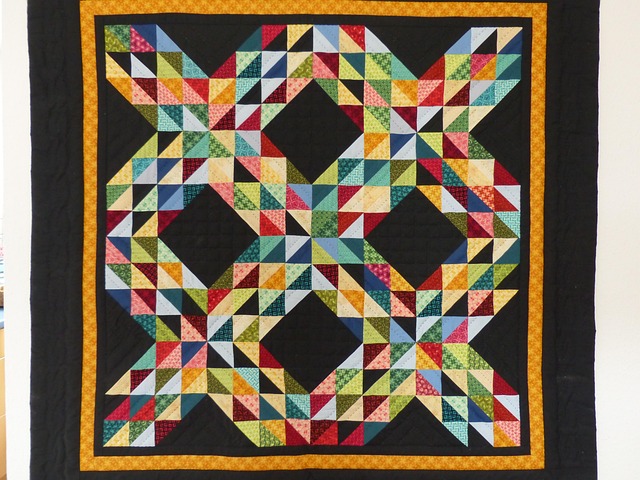
Museum curators and tribal cultural staff frequently note that patchwork patterns, while now iconic and widely reproduced commercially, continue to carry subtler meanings and family associations not always obvious to outside buyers, underscoring the gap between patchwork as a marketed product and as a still-living form of expression.
Silverwork, adopted through nineteenth-century trade contact, and ceremonial woodcarving round out the broader craft economy, with contemporary Seminole artists frequently exhibiting and selling work at both tribal fairs and mainstream regional art markets across the wider Southeast.
Doll-making using palmetto fiber and cloth, often dressed in miniature versions of patchwork clothing, developed as both a children’s toy tradition and a popular item for sale to visitors, another small craft economy that helped sustain Seminole families through the difficult decades following the Seminole Wars.
Food
Traditional Seminole cuisine drew heavily on the resources of the Everglades and surrounding wetlands: fish, turtle, small game, and alligator, hunted both for meat and hide, supplemented crops of corn, beans, and squash grown on the drier hammock islands scattered throughout the swamp.
Sofkee, a fermented corn drink similar to dishes found among other Muscogean-speaking nations, held a central place at both everyday meals and ceremonial gatherings, often kept simmering for extended periods and shared communally as a basic gesture of hospitality.
Coontie root, processed through a labor-intensive method to remove natural toxins before being ground into flour, served as another important traditional food source unique to Florida’s ecosystem, though its use declined once trade access to grain became more reliable.
Modern Seminole cuisine blends these traditional foods with contemporary influences, and tribal-owned restaurants and cultural events across Florida reservations today often feature alligator-based dishes and traditional sofkee alongside more contemporary offerings.
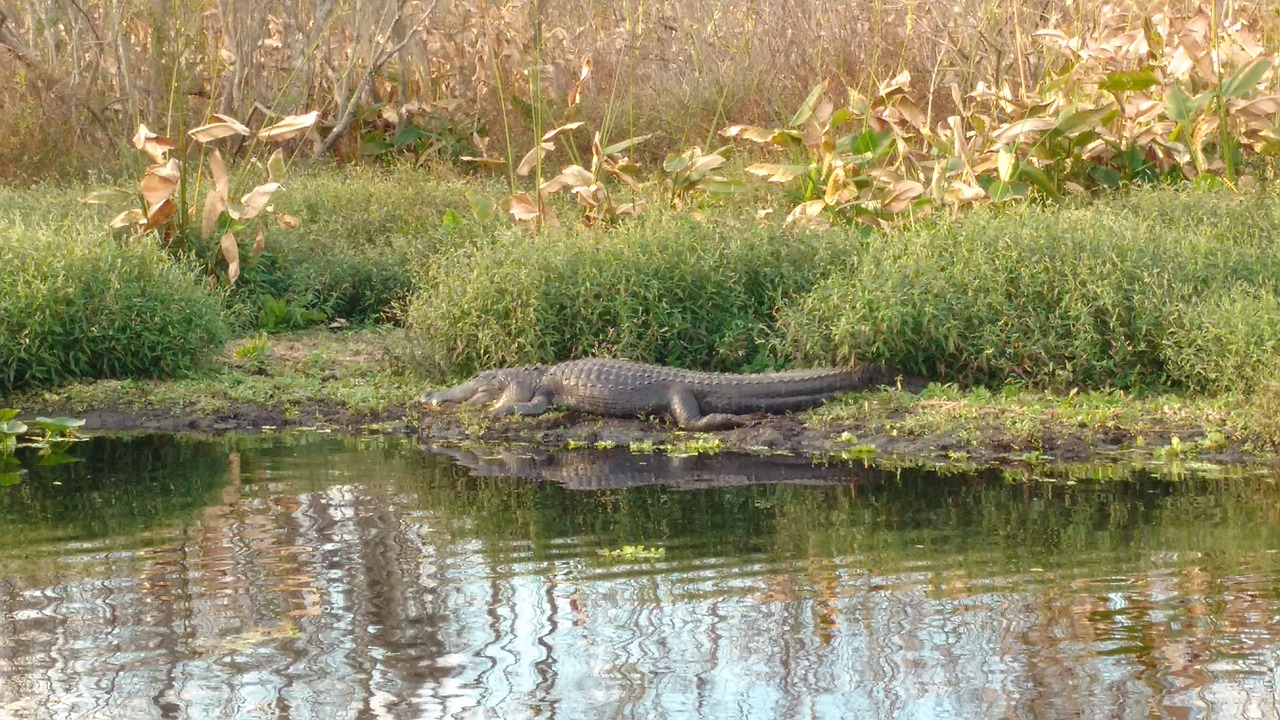
Modern tribal cattle operations, descended from cattle-raising traditions dating back centuries, remain economically significant on the Brighton Reservation, with the Seminole Tribe of Florida operating one of the largest cattle ranching enterprises in the state, a direct continuation of an adopted practice turned genuinely Seminole tradition.
Wild game such as deer, turkey, and small mammals supplemented the Everglades-based diet further, hunted using both traditional techniques and, following contact, firearms obtained through trade, broadening the range of available protein beyond fish and alligator alone.
Festivals
The annual Seminole Tribal Fair, held on the Hollywood Reservation, brings together tribal citizens from across Florida and beyond for days of traditional dance, music, alligator wrestling demonstrations, rodeo events, and craft exhibitions, celebrating heritage while offering an important opportunity for reunion.
Green Corn ceremonies remain the most spiritually significant annual gathering, though typically closed to outside visitors out of respect for their sacred and legal functions within the community, a boundary the Seminole Tribe maintains firmly even as other events open more broadly to public audiences.
Powwow-style intertribal gatherings, increasingly common across Native North America, also take place on Seminole reservations, providing another venue for dance, drum groups, and craft vendors that complements the older, more specifically Seminole ceremonial calendar.
School group visits and educational outreach tied to the Tribal Fair and museum events increasingly bring young non-Native Floridians into direct contact with Seminole history and culture, part of a broader strategy of shaping public understanding through firsthand encounter.
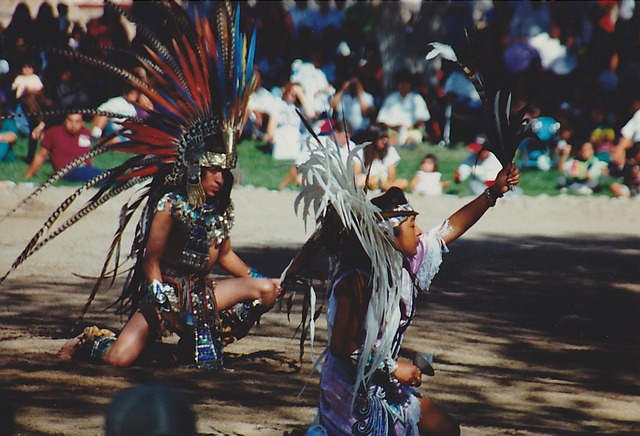
American Indian Arts Celebration events, hosted at the Ah-Tah-Thi-Ki Museum on the Big Cypress Reservation, extend the tribal fair’s spirit into a more explicitly educational setting, inviting the wider public to learn directly about Seminole history and craft traditions from tribal artists and historians themselves.
Powwow arbors and dance grounds built specifically for these gatherings have become semi-permanent fixtures on several reservations, reflecting how thoroughly these originally intertribal, pan-Indian celebrations have been absorbed into the regular Seminole community calendar alongside older, more specifically Seminole observances.
History
The nineteenth century brought three devastating conflicts collectively known as the Seminole Wars, fought between the United States and Seminole communities determined to resist removal from Florida. The Second Seminole War, from 1835 to 1842, proved especially costly for the United States, dragging on for years against an enemy that used the Everglades’ terrain to avoid decisive defeat.
Despite these wars, and despite the forced removal of the large majority of Seminole people to Indian Territory in present-day Oklahoma along routes associated with the Cherokee Trail of Tears, a small number of Seminole families successfully evaded capture entirely and remained hidden deep within the Everglades, never signing a peace treaty.
This unconquered remnant population is the direct ancestor of today’s Seminole Tribe of Florida, a distinction the tribe still highlights prominently: Florida Seminoles are frequently described, with considerable historical accuracy, as the only Native American nation never to have signed a formal peace treaty ending hostilities with the United States.
Osceola, perhaps the most widely recognized Seminole leader from this era, became a symbol of resistance after his capture under a flag of truce violated by American negotiators, a betrayal still remembered as emblematic of the broader bad faith that characterized much of the removal era.
Educational partnerships between the Seminole Tribe of Florida and regional universities support ongoing archaeological and historical research into pre-removal Seminole sites across the state, work tribal historians increasingly co-direct, ensuring interpretation of Seminole history reflects tribal perspectives directly.
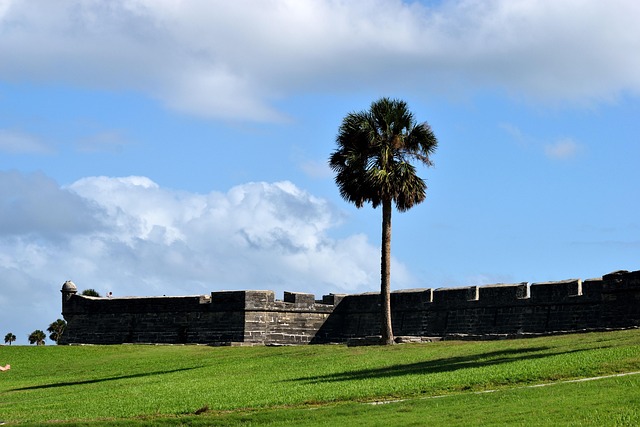
Contemporary tribal land-use planning on the Big Cypress and Brighton reservations continues to grapple with the same environmental realities that once protected Seminole ancestors, including water management disputes tied to broader Everglades restoration efforts that directly affect tribal agriculture and traditional access rights.
The First Seminole War of 1817 to 1818, sparked partly by conflict along the Florida-Georgia border and the presence of escaped slaves living among Seminole communities, drew direct American military intervention into Spanish Florida years before the territory was formally transferred to United States control in 1821.
Today
Two federally recognized nations carry the Seminole name forward today: the Seminole Tribe of Florida, governing several reservations including Hollywood, Big Cypress, Brighton, Immokalee, and Tampa, and the considerably larger Seminole Nation of Oklahoma, descended from those removed west in the nineteenth century.
The Seminole Tribe of Florida achieved particular economic prominence through early and aggressive investment in gaming enterprises beginning in the 1970s, a legal battle that reached federal courts and helped establish important precedents for tribal sovereignty in gaming nationwide, later expanding into a broader hospitality business empire.
This economic transformation today funds extensive tribal health, housing, education, and language and culture preservation programs for its citizens, a dramatic shift from the chronic underfunding of the reservation era only a few generations earlier.
Seminole Nation of Oklahoma citizens maintain their own distinct cultural calendar and governance separate from their Florida relatives, a divergence shaped by more than a century and a half of separate development following removal, even as both nations continue to honor their shared origin.
Tribal-run museums, including the Ah-Tah-Thi-Ki Museum in Big Cypress, now present Seminole history directly to the public from a Seminole perspective, part of a broader effort to ensure the nation’s own account of its unconquered history remains the primary lens through which outsiders encounter it.
Both nations continue to actively teach Creek and Mikasuki language, traditional patchwork and basketry crafts, and the history of the Seminole Wars to younger generations, treating the record of successful, sustained resistance to removal as a central and enduring source of collective identity.
Younger Seminole citizens increasingly use social media and digital platforms to share cultural knowledge and connect with tribal members scattered across Florida, Oklahoma, and beyond, extending the reach of Seminole identity well past the physical boundaries of any single reservation.
Nearby Peoples of the American Southeast
Another Southeastern nation profiled on this site:
You May Like
The Damara, an Ancient People of Namibia


3 thoughts on “The Nation That Never Surrendered: Inside Seminole Country”