Along the sunlit coast of southern California and out to the offshore islands, the Chumash built one of the most sophisticated Native societies of western North America. Theirs was a maritime civilization, oriented toward the sea, sustained by its abundance, and marked by seagoing plank canoes, shell-bead money, and a complex social order, all achieved by a people who lived by fishing, gathering, and trade rather than by farming. For thousands of years the Chumash flourished on this favored coast.
This article traces the Chumash world from the meaning of their name and the richness of their coastal homeland through their languages, canoes, society, beliefs, arts, food, and ceremonies, and on through a history of long abundance, devastating colonization, and determined revival into a living present. It is the story of a maritime people whose skill and sophistication built a remarkable coastal civilization, and whose descendants are reclaiming that heritage today.
Contents
- A Maritime People of the California Coast
- The Name and the People
- The Chumashan Languages
- Homeland of Coast and Islands
- The Plank Canoe and the Old Way
- Society, Trade, and Shell-Bead Money
- The Spiritual World
- Traditions and Their Survival
- Basketry and the Chumash Arts
- Food from the Sea and the Oak
- Ceremony and Celebration
- A History of Abundance and Catastrophe
- The Chumash Today
A Maritime People of the California Coast
Along the sunlit coast of southern California, from the mainland shore out to the offshore islands, the Chumash built one of the most remarkable Native societies of western North America. Theirs was a maritime world, oriented toward the sea and its abundance, and they developed a complex, prosperous culture that supported dense populations, elaborate trade, and a sophisticated social order. For many thousands of years the Chumash flourished in this favored coastal environment.
The Chumash were not a single unified tribe but a group of related communities sharing a common cultural heritage and a family of related languages, spread across a stretch of the coast and the nearby islands. United by trade, intermarriage, and cultural affinity, these communities formed a densely settled and interconnected world, one of the most populous and complex Native societies in the region before European contact.
What set the Chumash apart was their mastery of the sea and the sophistication of their society. They built seaworthy plank canoes that carried them across the channel to the islands and along the coast, they developed a form of shell-bead money that facilitated an elaborate trade, and they maintained a social order marked by specialization, status, and considerable complexity for a people who did not farm.
To understand the Chumash is to understand a maritime civilization built on the abundance of a rich coast, a people whose canoes, crafts, and trade networks reflected extraordinary skill, and whose culture endured through the devastating impact of colonization to survive into a determined present.
The Name and the People
The name Chumash came into common use as a label for the related coastal and island communities of this part of California, and it has been connected to a term associated with the people of the islands, later extended to the broader group of related communities. Like many such names, it came to serve as a collective designation for peoples who, while sharing much, also maintained their own local identities and distinctions.
The Chumash were organized into numerous villages and communities, each with its own identity and leadership, linked to one another through a web of trade, marriage, and shared culture. They spoke a set of related languages and dialects that reflected both their common heritage and the diversity that had developed among the scattered coastal and island communities over the long span of their history.
This was a densely populated world by the standards of Native California, with large permanent villages supporting substantial populations, made possible by the extraordinary richness of the coastal environment. The communities were connected but not politically unified, each village governing its own affairs while participating in the wider network of relationships that bound the Chumash world together.
Today the name Chumash is carried with pride by the descendants of these communities, who assert a continuous identity reaching back through the trauma of colonization to the ancient coastal world of their ancestors. The name stands for a heritage of maritime skill, artistic achievement, and endurance that the Chumash are determined to keep alive and to define on their own terms.

The Chumashan Languages
The Chumash spoke a set of related languages belonging to their own distinct family, a grouping that stood apart from those of many surrounding peoples and reflected the long, separate development of the coastal communities. Several related languages and dialects were spoken across the Chumash world, varying from one region and island to another, and this linguistic diversity mirrored the many distinct communities that made up the broader group.
These languages carried the oral traditions, the songs, the ceremonies, and the accumulated knowledge of a maritime people intimately familiar with their coast and sea. Within their vocabulary and structure was encoded a detailed understanding of the marine and coastal environment, of the plants and animals, the tides and seasons, and the places that made up the Chumash world.
The catastrophe of colonization struck the Chumash languages with particular severity, as the collapse of population and the disruption of communities under the mission system and its aftermath broke the chains of transmission from one generation to the next. The languages fell silent as fluent speakers passed away, and for a time it seemed that this part of the heritage might be lost entirely.
Yet extensive records made by earlier researchers preserved a great deal of the languages, and in recent times Chumash descendants have drawn on these materials to revive and reclaim their ancestral tongues. This work of language revitalization, building on documentation and determination, has become an important part of the broader effort to restore and sustain Chumash identity and culture.
Homeland of Coast and Islands
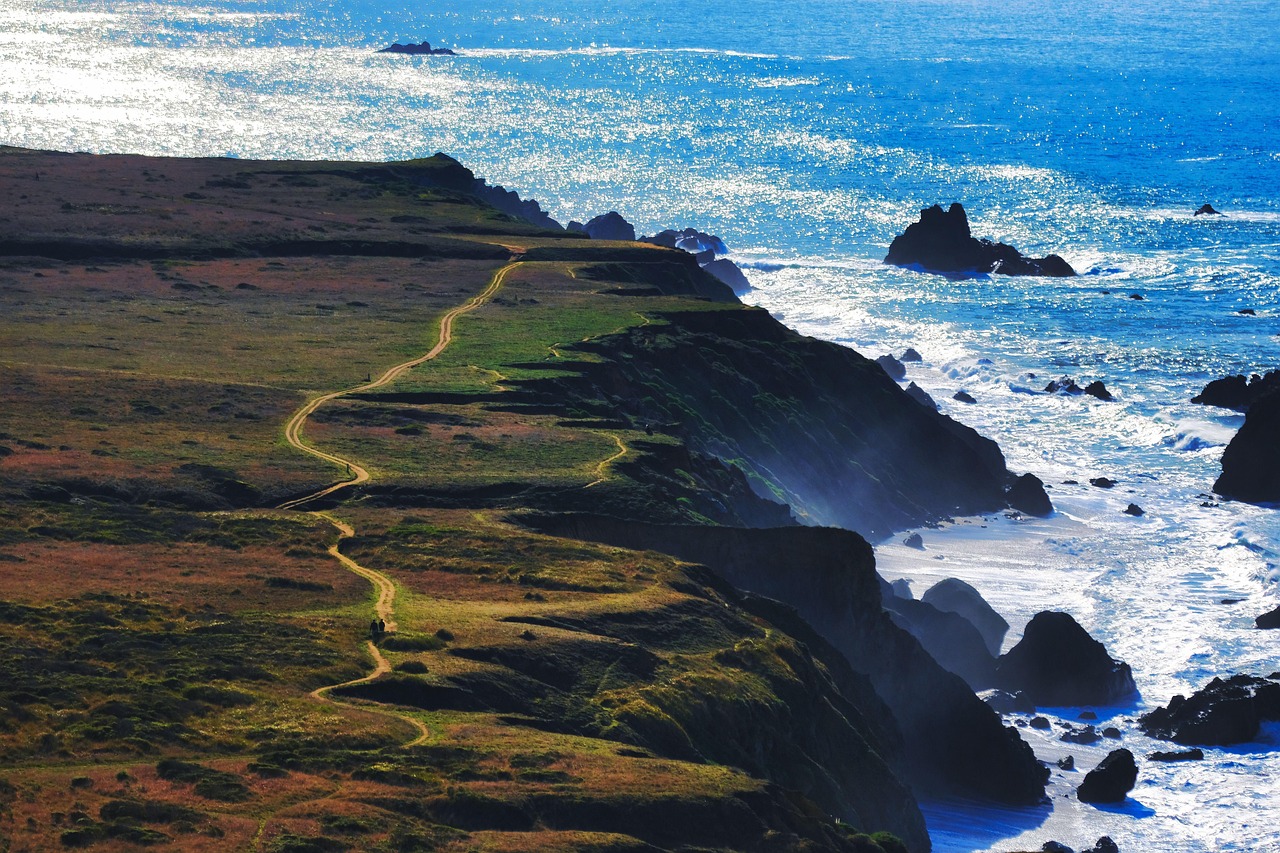
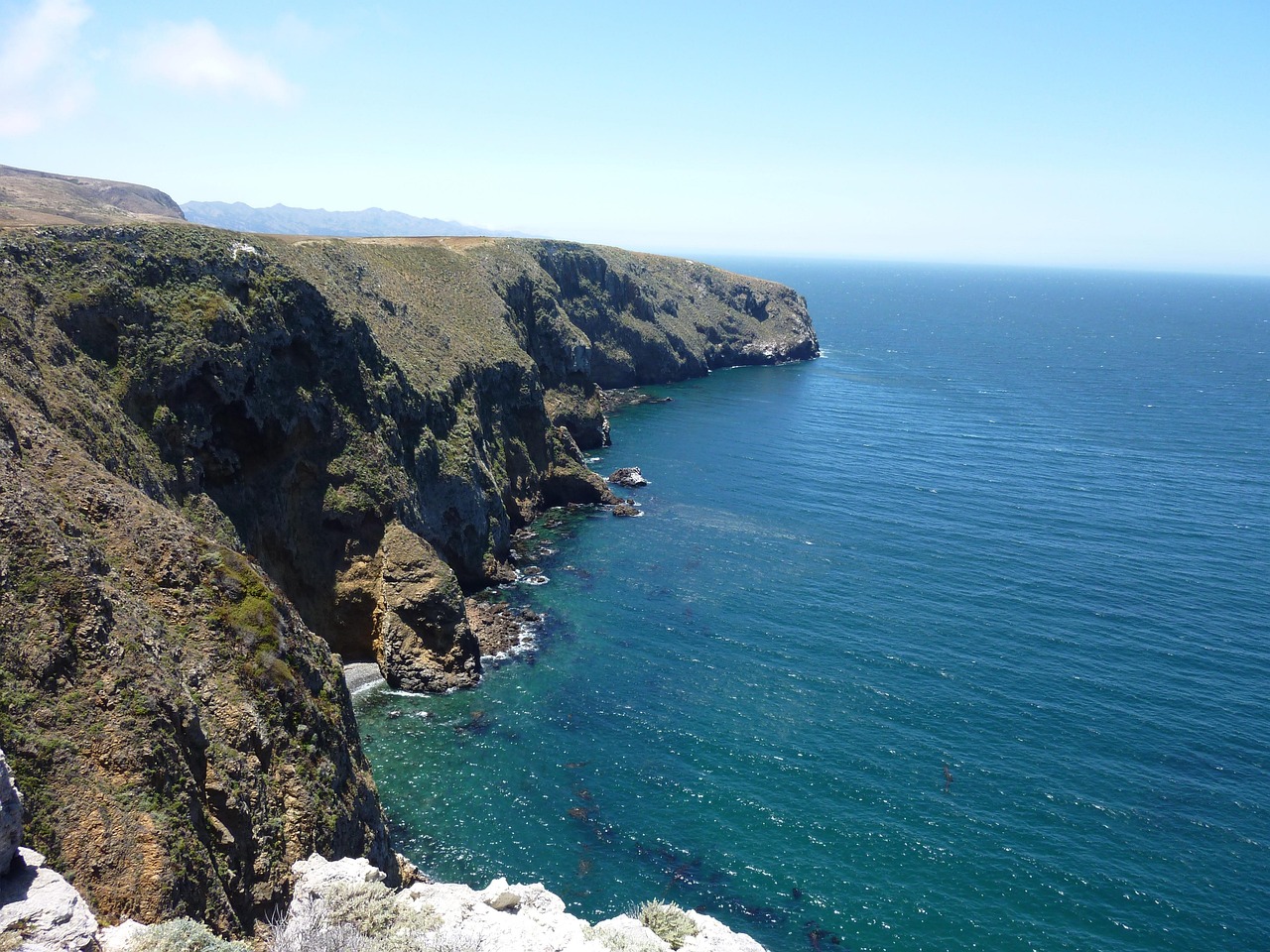
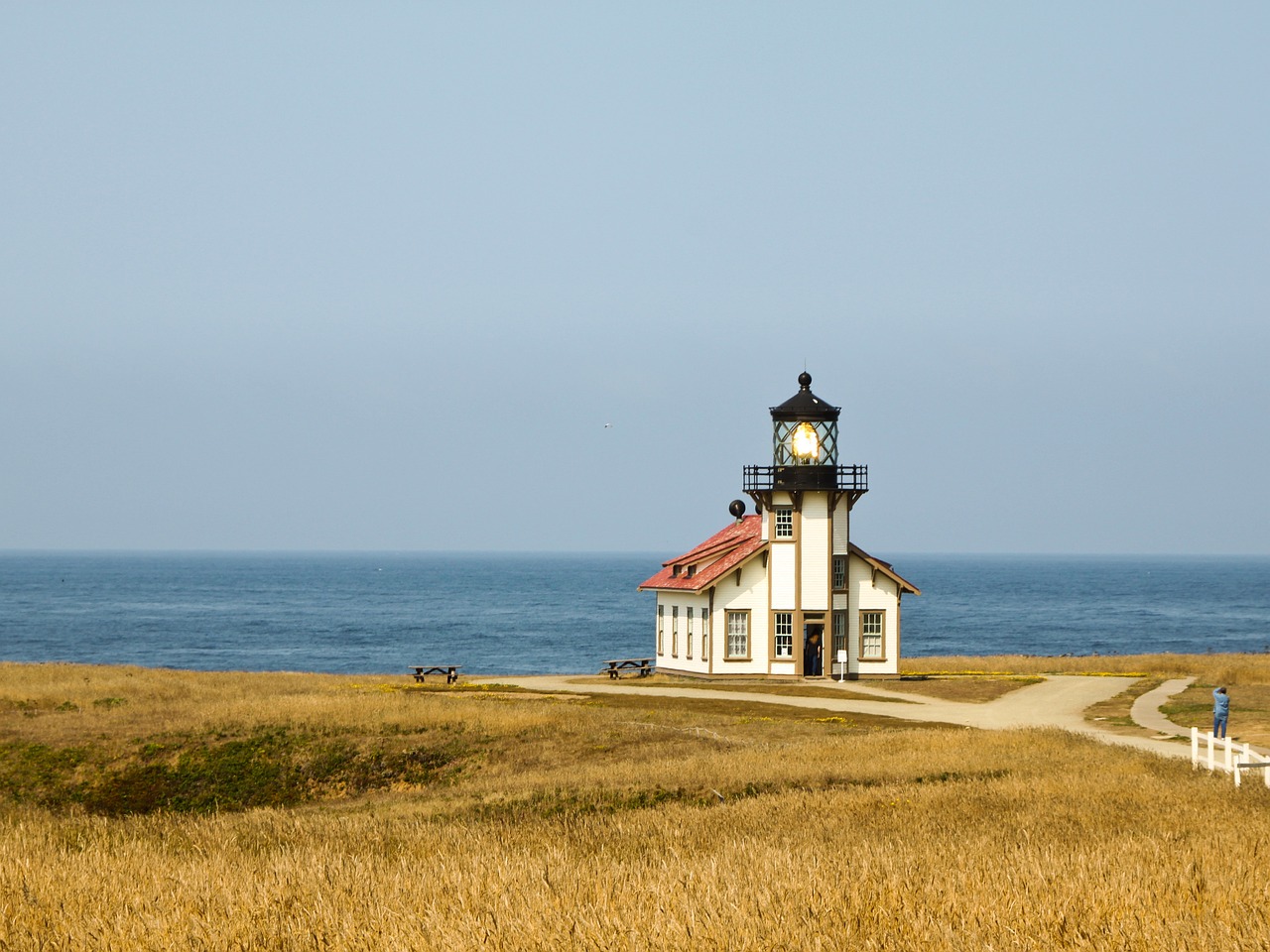
The Chumash homeland embraced a generous stretch of the southern California coast, together with the offshore islands that lay across the channel, a country of beaches, headlands, coastal mountains, and rich waters. This was one of the most favored environments in Native North America, where a mild climate, an abundant sea, and a productive land combined to support a dense and prosperous population without the need for agriculture.
The sea was the center of the Chumash world, teeming with fish, shellfish, sea mammals, and other resources that the people harvested with great skill. The kelp forests and rich coastal waters provided an abundance that few environments could match, and the Chumash oriented their lives toward this maritime bounty, building villages along the shore and voyaging out to the islands that were an integral part of their domain.
Behind the coast rose mountains and inland valleys that offered their own resources, including the oak woodlands whose acorns were a staple food and the plants and game of the interior. The Chumash homeland thus combined the riches of the sea with the produce of the land, giving the people a varied and secure subsistence across a landscape of remarkable natural wealth.
The islands across the channel were not a remote frontier but a central part of the Chumash world, connected to the mainland by the constant traffic of canoes and by the ties of trade and kinship. The relationship between the coastal and island communities, sustained across the water, was one of the defining features of Chumash life and a testament to their mastery of the sea.

The Plank Canoe and the Old Way
The most celebrated achievement of Chumash material culture was the plank canoe, a seaworthy vessel built from wooden planks carefully shaped, drilled, sewn together, and sealed with a natural tar. This was a sophisticated watercraft, unlike the simpler dugout or reed boats of many other peoples, and it allowed the Chumash to cross the open channel to the islands and to travel and fish along the coast with confidence. The canoe was central to their maritime way of life.
The building of these canoes was a specialized and prestigious craft, and those who made and owned them held high standing in Chumash society. The vessels enabled the trade, fishing, and travel that bound the coastal and island communities together, and they stood as a symbol of the skill and the maritime orientation that defined the Chumash world. Few Native peoples of the region matched this mastery of open-water travel.
Life in the Chumash villages was settled and prosperous, sustained by the abundance of sea and land. The people lived in substantial dome-shaped houses framed with poles and covered with mats or thatch, clustered into villages that could be large by the standards of Native California. This sedentary, village-based life, supported by fishing, gathering, and trade rather than farming, was unusual and reflected the exceptional richness of the environment.
Labor was specialized to a degree uncommon among non-agricultural peoples, with skilled craftsmen, canoe builders, bead makers, and others pursuing particular occupations. This specialization, supported by the surplus that the rich environment allowed, contributed to the complexity of Chumash society and to the elaborate trade and social order that distinguished it.
The construction of a plank canoe could take a great deal of time and skill, and the finished vessel was among the most valuable possessions a person could own. Its planks were split from driftwood or logs, shaped and smoothed by hand, drilled and lashed together, and sealed against the sea, a process that combined craftsmanship, knowledge, and no small measure of artistry into a vessel on which lives and livelihoods depended.

Society, Trade, and Shell-Bead Money
Chumash society was notably complex for a people who lived by fishing, gathering, and hunting rather than by farming. The villages supported a degree of social differentiation, with recognized leaders, an elite of higher status, specialized craftsmen, and a wider population, and this stratification was more elaborate than that of many neighboring peoples. The surplus generated by the rich environment underlay this social complexity.
One of the most striking features of Chumash society was the use of shell-bead money, made from carefully worked shell and strung in standardized lengths, which served as a medium of exchange across the region. This currency facilitated a lively trade, allowing goods to move among the coastal and island communities and beyond, and its production, centered in particular communities, was an important economic activity. The existence of such money reflects the sophistication of the Chumash economy.
Villages were led by chiefs whose authority was tied to status and often inherited within leading families, and who played roles in organizing trade, ceremony, and the affairs of the community. The relationships among villages, sustained by trade, marriage, and shared ceremony, wove the many communities into a single interconnected world, even as each village retained its own identity and governance.
This combination of specialization, trade, money, and social differentiation gave Chumash society a complexity that has attracted much attention, for it demonstrates how a people without agriculture could build an elaborate and prosperous social order on the foundation of an exceptionally rich environment and their own considerable skill in exploiting it.
The shell-bead money of the Chumash was more than a curiosity; it was a genuine currency that allowed value to be measured, stored, and exchanged across the many communities of the coast and islands. Its use lubricated a trade in which the products of the sea, the land, and the specialized crafts of particular villages flowed through the region, knitting the Chumash world into an integrated economy of considerable sophistication.
The Spiritual World
The spiritual life of the Chumash was rich and intricate, grounded in a sense of a cosmos alive with power and populated by beings and forces that shaped the world and the fortunes of the people. Their cosmology described a layered universe and a rich body of narratives explaining the origins of the world and the beings within it, and these stories carried moral and practical wisdom as well as spiritual meaning.
Specialists skilled in ceremony, healing, and the reading of the natural and celestial order held important roles, and the Chumash paid close attention to the movements of the sun, moon, and stars, which were woven into their ceremonies and their understanding of time. Astronomical knowledge was tied to the ceremonial calendar, and observances marked the turning points of the year in relation to the heavens.
The Chumash are also renowned for their rock art, striking painted images found in caves and rock shelters across their homeland, rendered in vivid colors and complex designs. These paintings are widely understood to be connected to spiritual practice and vision, and they stand among the most remarkable examples of Native rock art in North America, a visible trace of the spiritual imagination of the people.
This spiritual framework infused the whole of Chumash life, giving meaning to the abundance of the sea and land, ordering the ceremonial year, and connecting the people to the powers that governed their world. Religion was not a realm apart but woven through daily existence, and its expressions in ceremony, narrative, and art reflected the depth and sophistication of Chumash culture.

Traditions and Their Survival
The traditions of the Chumash were carried in oral narrative, ceremony, song, craft, and the practices of village life, transmitted from one generation to the next through participation in the rich cultural world of the coast. Oral tradition preserved the narratives of origin, the accounts of the beings who shaped the world, and the knowledge tied to the sea, the land, and the sky, anchoring the identity of the people in their homeland and their history.
The specialized crafts of canoe building, bead making, and basketry carried their own bodies of knowledge, passed down within families and among skilled practitioners, and the ceremonies and astronomical observances were maintained by those trained in their intricacies. This transmission of skill and knowledge sustained the complex culture of the Chumash across the generations.
The colonization of the California coast dealt a devastating blow to this world, as the mission system, disease, and the collapse of population disrupted the communities and broke many of the chains of cultural transmission. The loss was profound, and much traditional knowledge was scattered or fell silent as the old village world was dismantled and the people were drawn into the mission establishments.
Yet the traditions did not vanish entirely. Knowledge survived in families, in the memories of those who had lived the old ways, and in the extensive records made before the culture was fully disrupted. In recent times, Chumash descendants have drawn on these sources to revive their traditions, reconstructing crafts, ceremonies, and knowledge and reclaiming a heritage that colonization had sought to erase.

Basketry and the Chumash Arts
The Chumash were master artisans, and their basketry ranks among the finest achievements of Native California craft. Woven from carefully prepared plant fibers into intricate forms and patterns, Chumash baskets were prized for their beauty, their fineness, and their technical excellence, and they served for gathering, storing, and preparing food as well as for ceremony. The most accomplished baskets were works of art that reflected the skill and aesthetic sensibility of their makers.
Beyond basketry, the Chumash worked shell into beads, ornaments, and the money that lubricated their trade, and they carved and shaped stone, bone, and wood into tools, implements, and objects of beauty. The making of shell beads was a specialized industry centered in certain communities, and the working of shell and stone reflected the same care and skill that marked all Chumash craft.
The plank canoe was itself a supreme expression of the Chumash artisan’s skill, requiring the precise shaping, joining, and sealing of wooden planks into a seaworthy vessel. This demanding craft, and the prestige attached to it, stood at the pinnacle of a material culture rich in specialized skills and refined workmanship, unusual in its sophistication among non-agricultural peoples.
These artistic traditions, disrupted by colonization, have been the focus of dedicated revival efforts among Chumash descendants. The reconstruction of basketry, bead work, and the building of plank canoes has reconnected the community to the skills of their ancestors, and these arts remain a vital expression of Chumash identity and a source of pride and continuity.

Food from the Sea and the Oak
The Chumash enjoyed one of the richest and most varied diets of any Native people in California, drawing on the extraordinary abundance of both sea and land. The ocean supplied fish of many kinds, shellfish gathered from the rocks and shallows, and sea mammals hunted from the plank canoes, and the rich coastal waters provided a maritime bounty that sustained the dense coastal and island populations without the need for farming.
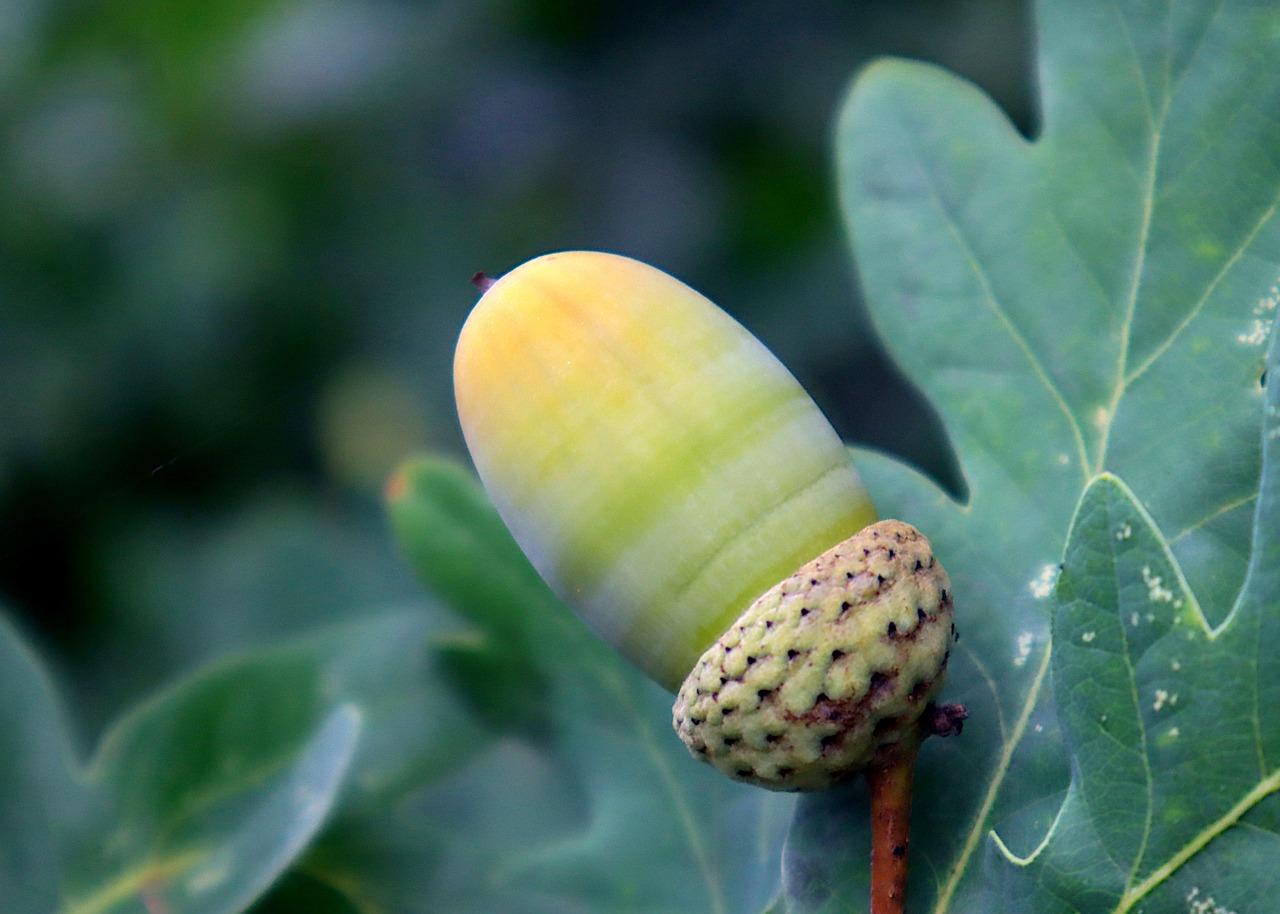
On land, the acorn was a staple of the first importance, gathered from the oak woodlands and processed through a careful sequence of grinding and leaching to remove its bitterness before it was prepared as meal or porridge. This labor-intensive process, mastered across California, turned the abundant acorn into a reliable and nourishing food that could be stored against the leaner months, forming a foundation of the diet alongside the harvest of the sea.
The Chumash also gathered a wide range of other plant foods, including seeds, bulbs, berries, and greens, and hunted game in the interior, rounding out a diet of exceptional variety. The knowledge of when and where to find these foods, and of how to process and prepare them, represented an accumulated wisdom that allowed the people to draw fully on the riches of their environment.
This combination of marine and terrestrial abundance, harvested with great skill, was the material foundation of the prosperous and complex Chumash society. The security and variety of the food supply supported dense populations, permanent villages, and the specialization and trade that distinguished the Chumash world, all built on the wealth of a favored land and sea.
Ceremony and Celebration
Celebration and ceremony were woven through the life of the Chumash villages, tied to the abundance of the seasons, the movements of the heavens, and the bonds among the communities. Gatherings brought people together for observances that blended the sacred and the social, and the ceremonial calendar, connected to the astronomical knowledge of the specialists, marked the turning points of the year with appropriate rites and festivities.
Among the important observances were ceremonies tied to the winter solstice and other seasonal turning points, occasions of ritual and gathering that renewed the relationship between the people and the powers that governed their world. Feasting, dancing, and the exchange of goods accompanied these gatherings, which drew together the members of the community and strengthened the ties among the villages.
Song and dance gave expression to the ceremonial life, and the gatherings were occasions for the display of the wealth and status that Chumash society recognized, as well as for the renewal of social and spiritual bonds. The trade that flowed through the Chumash world was itself often bound up with these gatherings, joining the economic and the ceremonial in the life of the community.
In the present day, Chumash descendants have revived many of these traditions, holding gatherings that celebrate their heritage and reconnect the community to the ceremonies of their ancestors. The revival of the plank canoe and the crossing of the channel to the islands, undertaken as a cultural and ceremonial act, has become a powerful modern expression of Chumash identity and continuity.

A History of Abundance and Catastrophe
For many thousands of years the Chumash flourished along their rich coast, building an increasingly complex society that reached its height in the centuries before European contact. Archaeological evidence reveals a long and continuous occupation of the coast and islands, a deep history of adaptation and cultural development that produced the sophisticated maritime civilization encountered by the first European visitors.
The coming of Spanish colonization brought catastrophe. The establishment of missions along the California coast drew the Chumash into the mission system, where disease, harsh conditions, and the disruption of traditional life brought a devastating collapse of population. The old village world was dismantled as the people were gathered into the missions, and the losses of this period were staggering, among the most severe suffered by any Native people.
The end of the mission system and the subsequent transfer of California to new authority brought further dispossession, as Chumash lands were taken and the survivors were left with little. The combination of demographic collapse, loss of land, and the disruption of culture reduced the once-populous and prosperous Chumash to a small remnant, and their survival through this period was itself a remarkable achievement against overwhelming odds.
Yet the Chumash did not disappear. Families preserved their identity and fragments of their heritage through the darkest years, and the extensive records made before the culture was fully lost provided a foundation for later revival. The endurance of the Chumash through the catastrophe of colonization, and their determination to reclaim their heritage, stands as a testament to the resilience of a people who refused to be erased.
The Chumash Today
The Chumash endure today as living communities in southern California, the descendants of the maritime people who flourished along the coast for thousands of years. Though colonization reduced their numbers and dispossessed them of most of their land, Chumash people maintained their identity through the hardest times, and today they assert their heritage with determination, working to sustain and revive the culture of their ancestors.
Cultural revival has been a central endeavor of the contemporary Chumash. Drawing on surviving knowledge and on the extensive records made before much of the culture was lost, descendants have worked to reclaim their languages, reconstruct their crafts, and revive their ceremonies. The rebuilding of the plank canoe and the ceremonial crossing to the islands have become especially powerful symbols of this renewal, reconnecting the community to the maritime traditions of their ancestors.
Challenges remain real, including the ongoing work of gaining recognition, protecting sacred sites and ancestral lands, and sustaining the revival of language and tradition. The Chumash pursue these efforts with the same resourcefulness that sustained their ancestors, drawing on both the recovered knowledge of the past and the tools of the present to advocate for their communities and their heritage.
To speak of the Chumash today is to speak of a people who survived one of the most devastating episodes of colonization and who are actively reclaiming a heritage of remarkable richness. Their maritime civilization, their arts, and their deep connection to the California coast endure in the determination of their descendants, who carry the identity of the Chumash forward into a future they are working to shape.

Related Peoples of the American West
The Chumash shared the wider world of the West with other peoples whose histories unfolded across the deserts, mesas, and coasts of the region. To read about other Native peoples of the American West, explore these related profiles:
You May Like
The Zaza, a Mountain People of Eastern Anatolia