On the limestone cliffs above the Yi River in central China, tens of thousands of Buddhas gaze out from the rock. The Longmen Grottoes are one of the greatest treasuries of Buddhist art in the world, a vast complex of caves and niches carved over centuries and filled with more than a hundred thousand statues, from figures a few centimetres high to a colossal Buddha many metres tall.
Created by emperors, monks and ordinary devotees seeking merit, the grottoes are a supreme record of Chinese Buddhist sculpture at its height. Their masterpiece, the serene giant Buddha of the Fengxian Cave, is among the most beautiful and famous images in all of Chinese art.
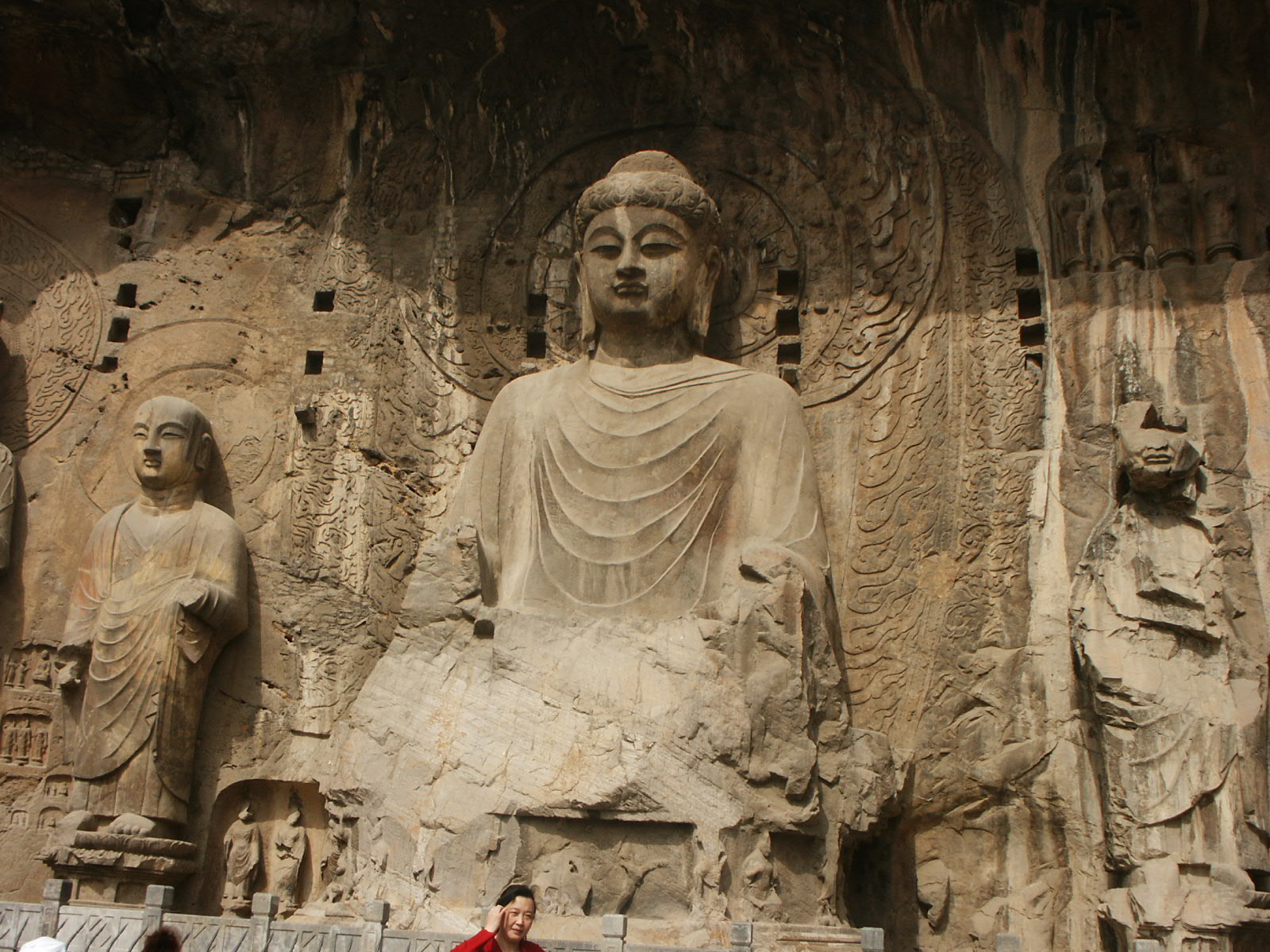
Table of Contents
- A Hundred Thousand Buddhas in the Cliffs
- The Grottoes on the Yi River
- The Great Vairocana Buddha
- The Fengxian Cave
- Guardians and Bodhisattvas
- Ten Thousand Buddha Niches
- Caves of Many Dynasties
- Carving the Cliffs
- Damage and Missing Heads
- Rediscovery and UNESCO
- Getting There
- Nearby Places
- Closing Thoughts
A Hundred Thousand Buddhas in the Cliffs
The Longmen Grottoes contain an astonishing number of Buddhist images, carved into more than two thousand caves and niches along the cliffs. The statues number in the tens of thousands, perhaps over a hundred thousand in all.
They range from tiny figures no larger than a hand to colossal Buddhas many metres high. Together they form one of the largest and finest collections of Buddhist rock carving anywhere in the world.
The Grottoes on the Yi River
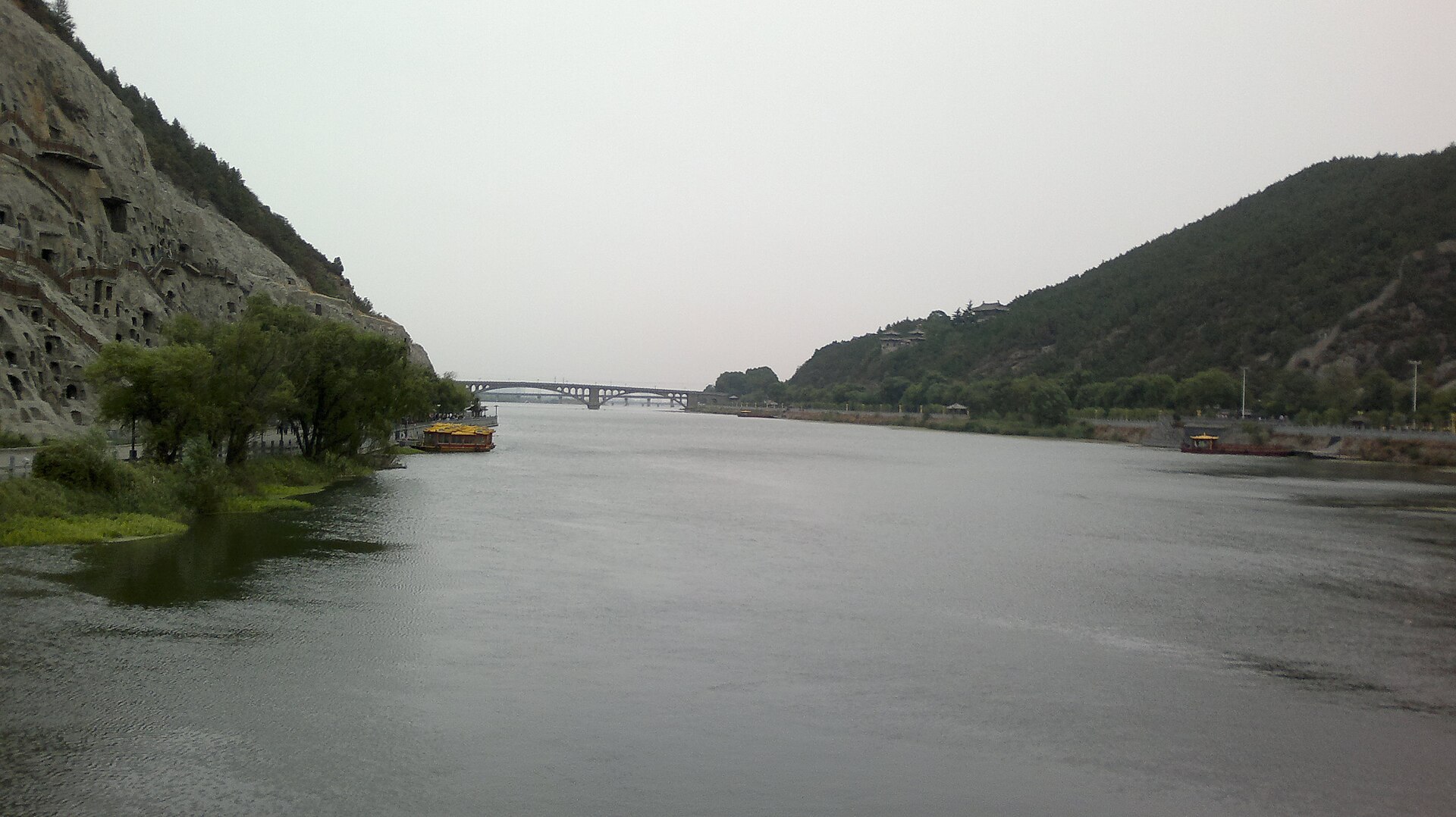
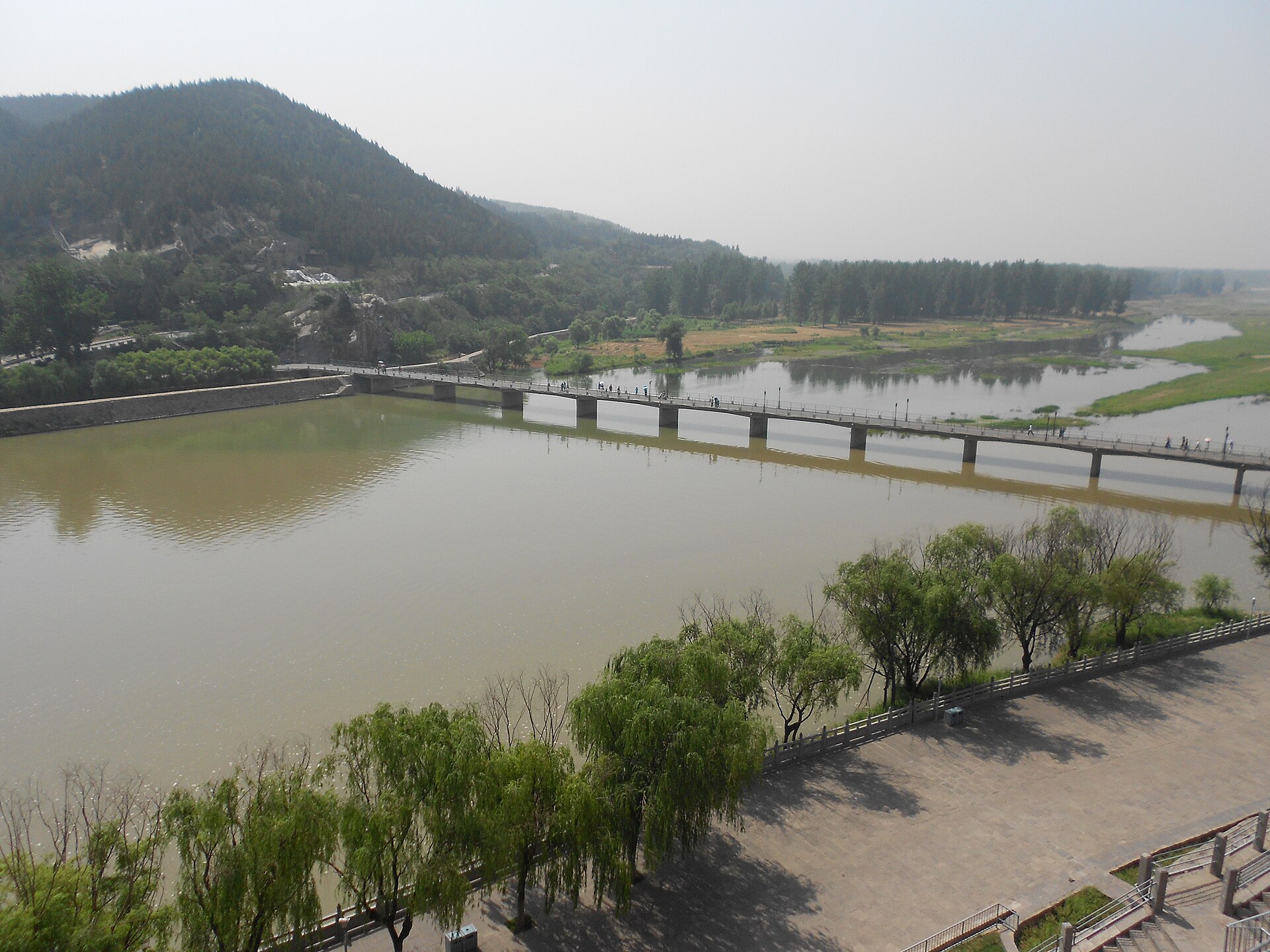
The grottoes are cut into the cliffs on both banks of the Yi River, at a scenic spot where the hills form a natural gateway. The setting, with the river flowing between the carved cliffs, is as beautiful as the sculpture is impressive.
Carving here began in the late fifth century AD, when a Chinese dynasty moved its capital nearby, and continued for centuries afterwards. The site grew into a great sacred landscape of Buddhist devotion.
The Great Vairocana Buddha
The crowning glory of Longmen is the colossal statue of the Vairocana Buddha in the Fengxian Cave, carved in the seventh century under the Tang dynasty. Rising to around seventeen metres, its calm, dignified face is one of the masterpieces of world sculpture.
According to tradition, the statue’s serene features were modelled in part on the powerful empress of the time. Its gentle, all-knowing expression has made it the enduring symbol of the Longmen Grottoes.
The Fengxian Cave
The great Vairocana Buddha does not stand alone but is the central figure of the Fengxian Cave, the largest and most magnificent of all the grottoes. Around him stand attendant bodhisattvas, disciples, and fierce guardian figures.
The whole group, carved on a grand scale from the open cliff, forms a majestic assembly of the Buddhist heaven. It represents the high point of Tang dynasty religious art.
Guardians and Bodhisattvas
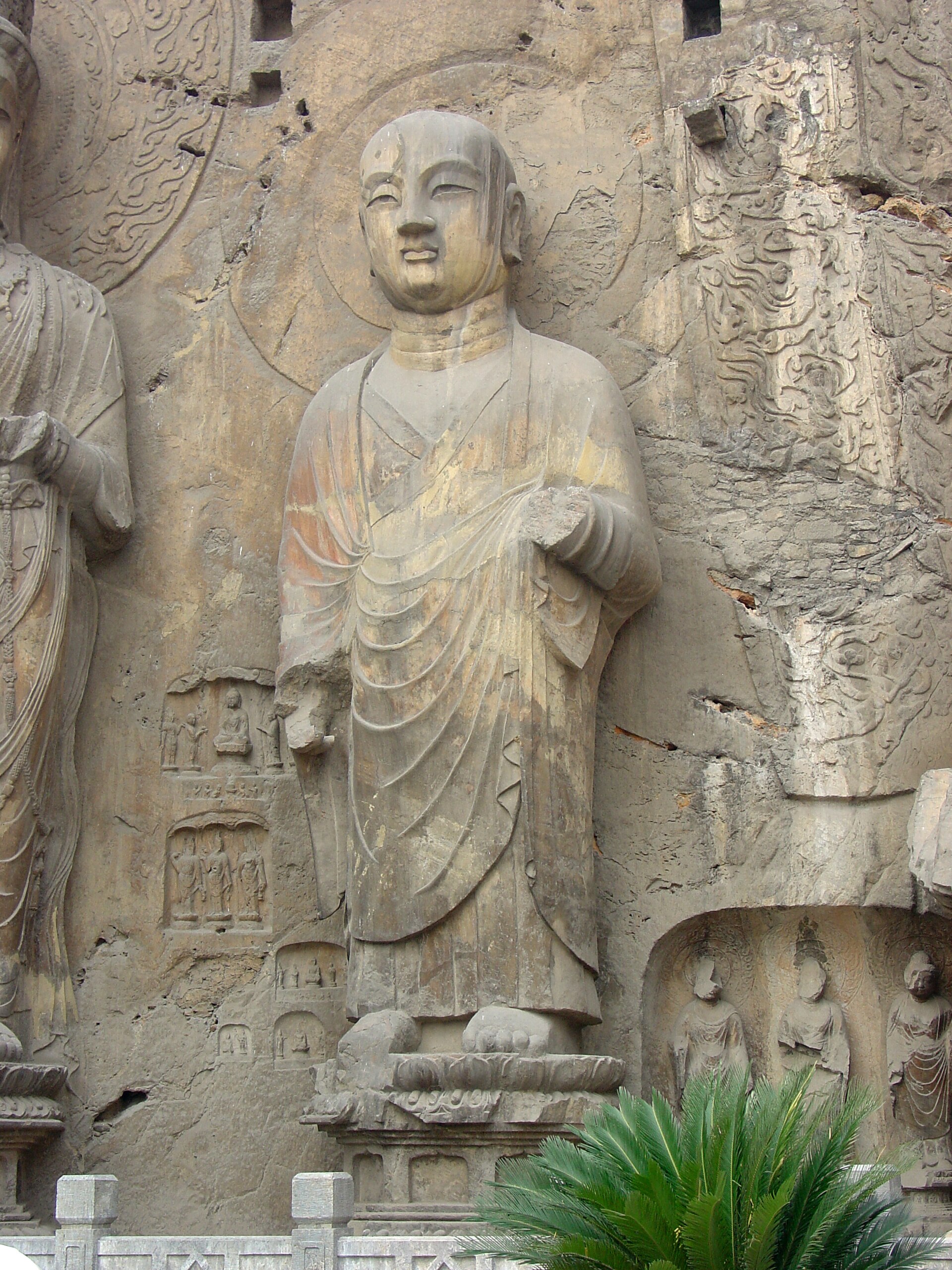
Among the most dramatic figures at Longmen are the guardian kings and warriors, carved with fierce expressions and muscular power to protect the sacred images. They contrast strikingly with the serene calm of the Buddhas.
Graceful bodhisattvas, compassionate beings who help others toward enlightenment, also fill the caves. The range of figures, from the terrifying to the tender, shows the full richness of the Buddhist world.
Ten Thousand Buddha Niches
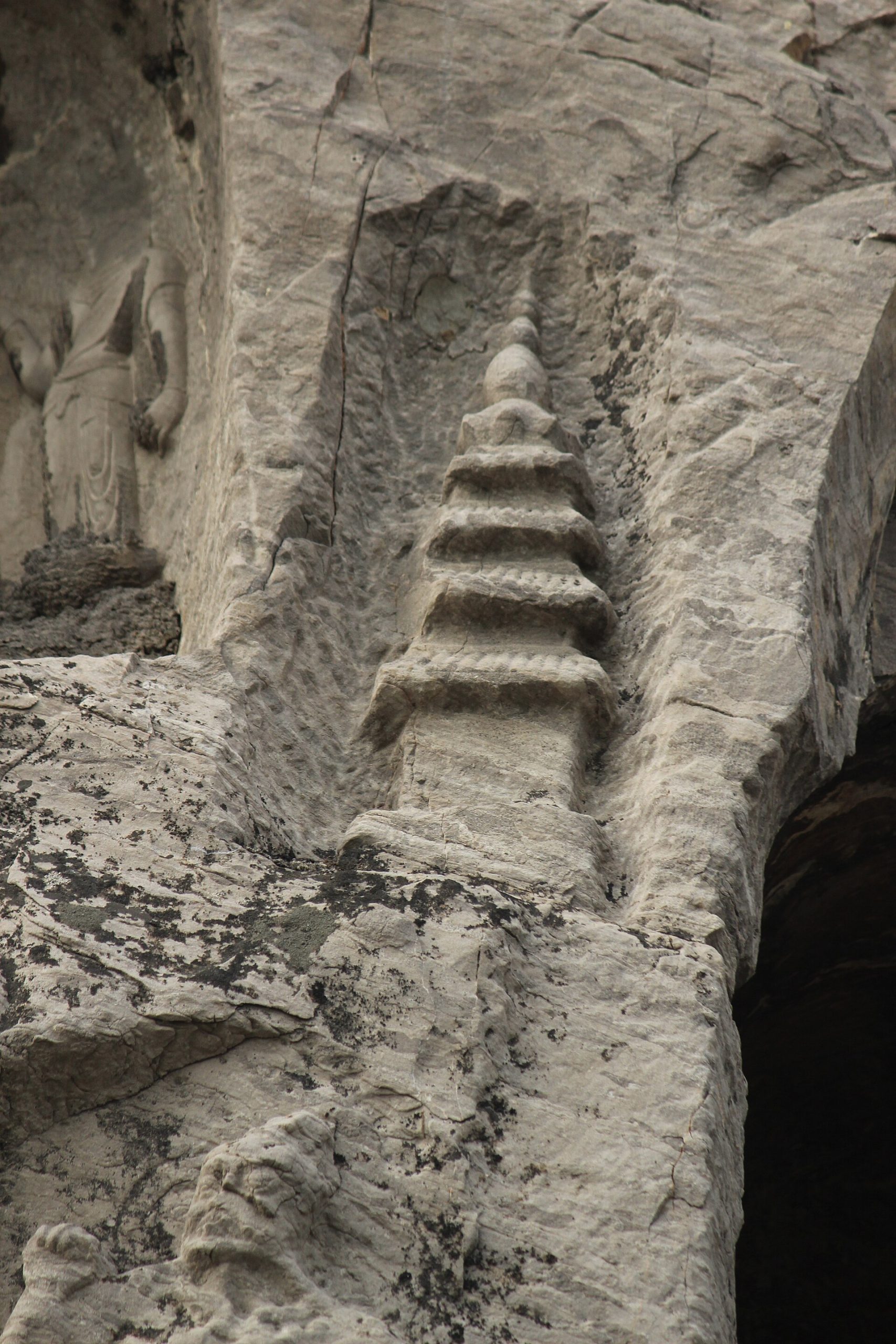
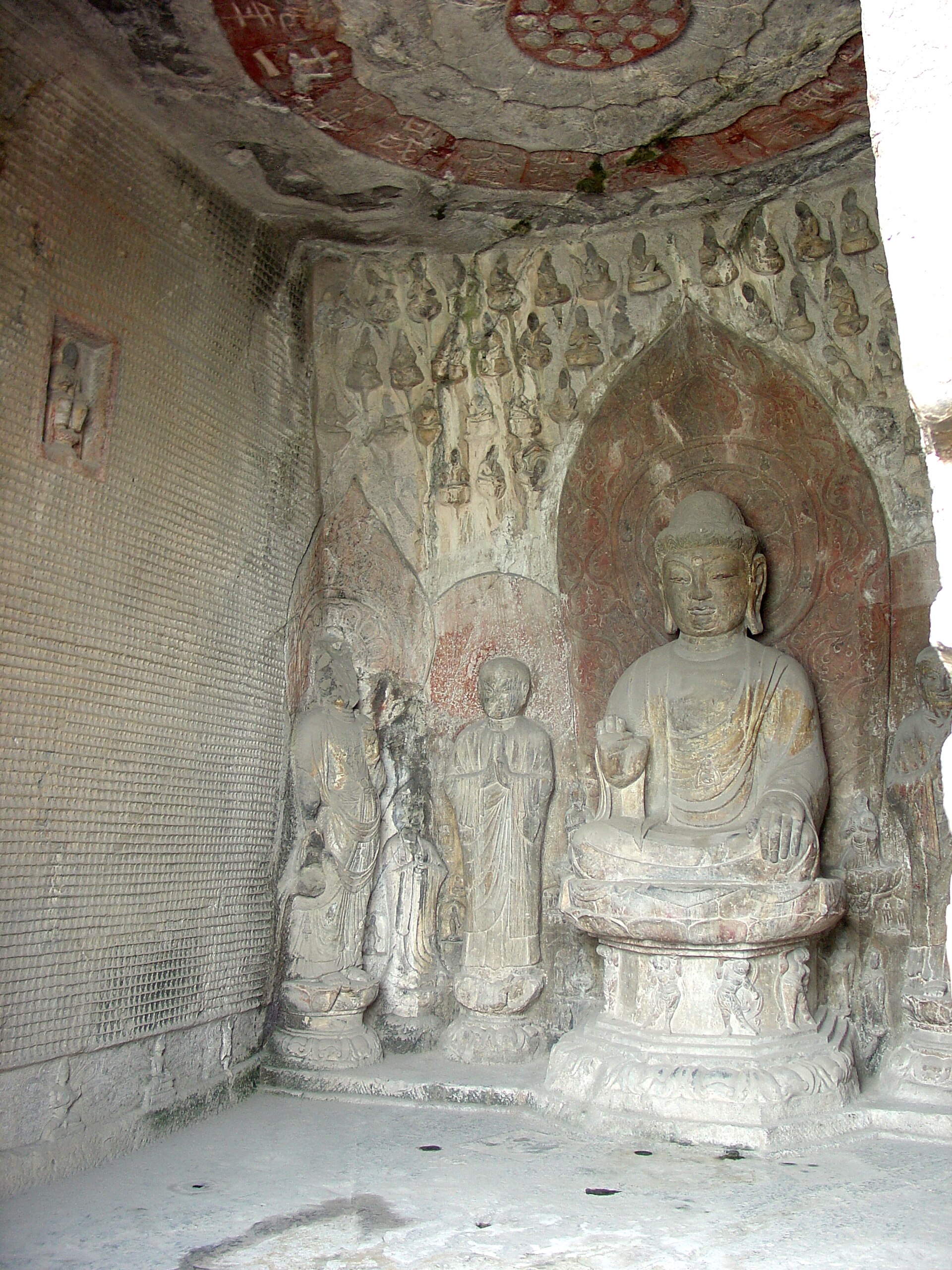
One of the most remarkable caves is filled with row upon row of tiny Buddha figures, thousands of them covering the walls, each carved by or for a devotee seeking spiritual merit.
These countless small images, together with the great statues, show how the grottoes were created not by one hand but by generations of the faithful, from emperors to humble worshippers. Each figure was an act of devotion.
Caves of Many Dynasties
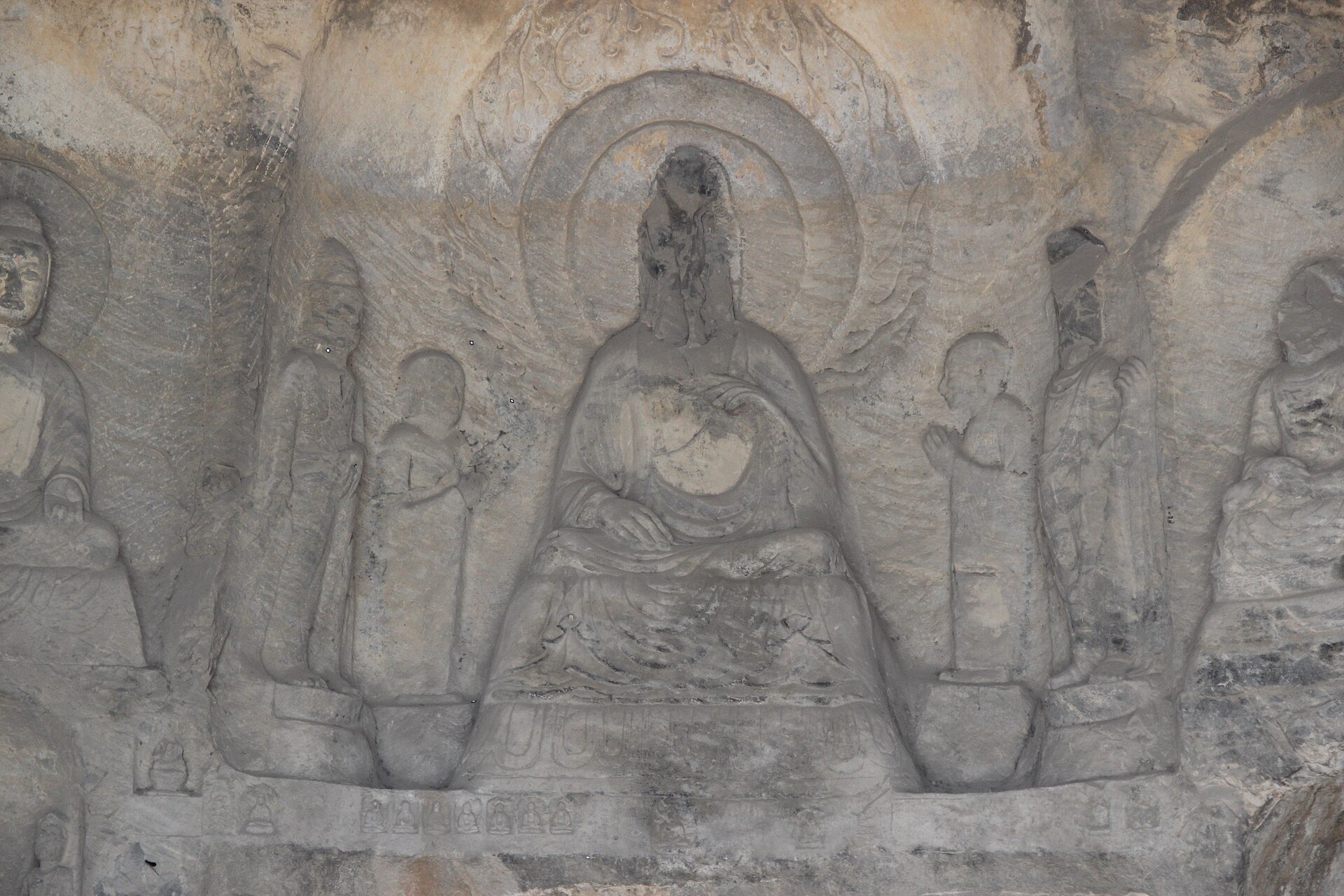
The carvings at Longmen span several centuries and dynasties, from the earlier, more austere style of the Northern Wei to the fuller, more naturalistic forms of the Tang. Walking the cliffs, one can trace the evolution of Chinese Buddhist art.
Different caves reflect the tastes and beliefs of their times, giving Longmen an extraordinary depth as a record of changing artistic and religious ideas over hundreds of years.
Carving the Cliffs
Creating the grottoes was a huge undertaking. Sculptors worked directly on the hard limestone cliffs, cutting caves and shaping figures with hand tools, often high above the river.
The precision and beauty they achieved, from colossal statues to delicate details of drapery and expression, are all the more remarkable given the difficulty of the work. The cliffs themselves became a canvas of faith.

Damage and Missing Heads
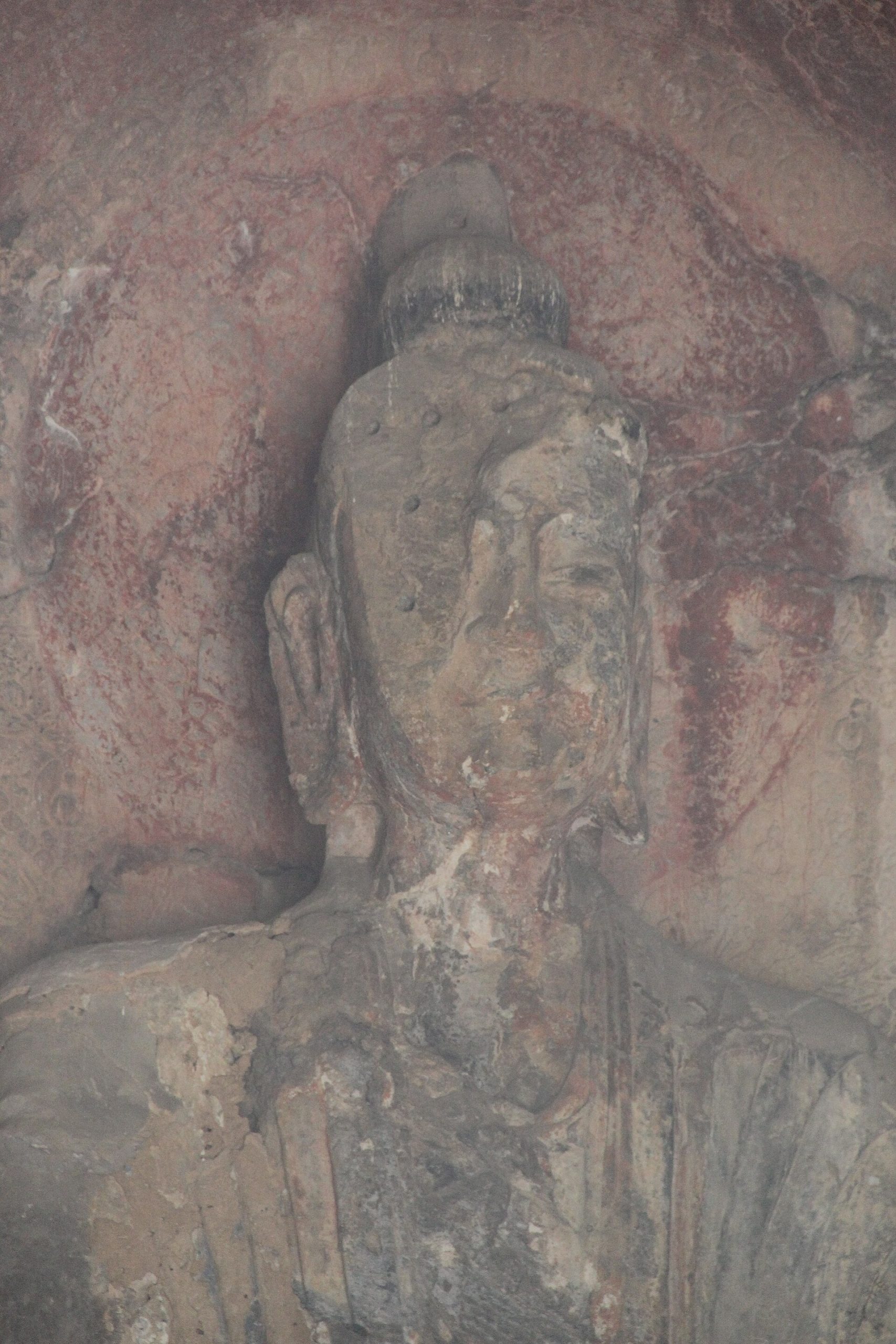
Over the centuries the grottoes have suffered damage from weathering, and many statues have lost their heads or hands. Some were deliberately defaced in times of anti-Buddhist feeling, and others were looted.
A number of heads and figures removed from Longmen are now in museums and collections around the world. Efforts continue to protect and, where possible, reunite these scattered treasures.
Rediscovery and UNESCO
Long revered and never wholly forgotten, the Longmen Grottoes have been studied and conserved as one of China’s most important cultural sites. Their artistic and historical value is immense.
The Longmen Grottoes were inscribed on the UNESCO World Heritage List in 2000. Today they are among the most visited cultural sites in China, drawing pilgrims and travellers to marvel at their thousands of Buddhas.
Getting There
The Longmen Grottoes lie just south of the city of Luoyang, in Henan Province in central China. Luoyang has an airport and is well connected by high-speed rail to Beijing, Xian and other major cities.
From Luoyang the grottoes are a short drive away, and the site is explored on foot along paths that run beside the river and up to the caves. A visit is often combined with the nearby Shaolin Temple.
Coordinates: 34.5559, 112.4700 — open the Longmen Grottoes in Google Maps.
Nearby Places
- The Terracotta Army — another masterpiece of Chinese sculpture, from the age of the First Emperor.
- The Great Wall of China — the mightiest monument of the same civilisation that carved the Buddhas of Longmen.
- Borobudur — another great monument of Buddhist devotion, in the world of Southeast Asian Buddhism.
Closing Thoughts
The Longmen Grottoes are Buddhist faith carved into living rock: over a hundred thousand Buddhas, from the tiniest niche to the majestic Vairocana, gazing serenely from the cliffs above the Yi River.
Created by emperors and ordinary devotees alike over many centuries, they are one of the supreme achievements of Chinese art. The great smiling Buddha of Fengxian remains one of the most beautiful and moving images humanity has ever made in stone.
You May Like
Mafra, the Palace a King Built From a Vow


One thought on “Longmen Grottoes: The Cliffs of a Hundred Thousand Buddhas on China’s Yi River”