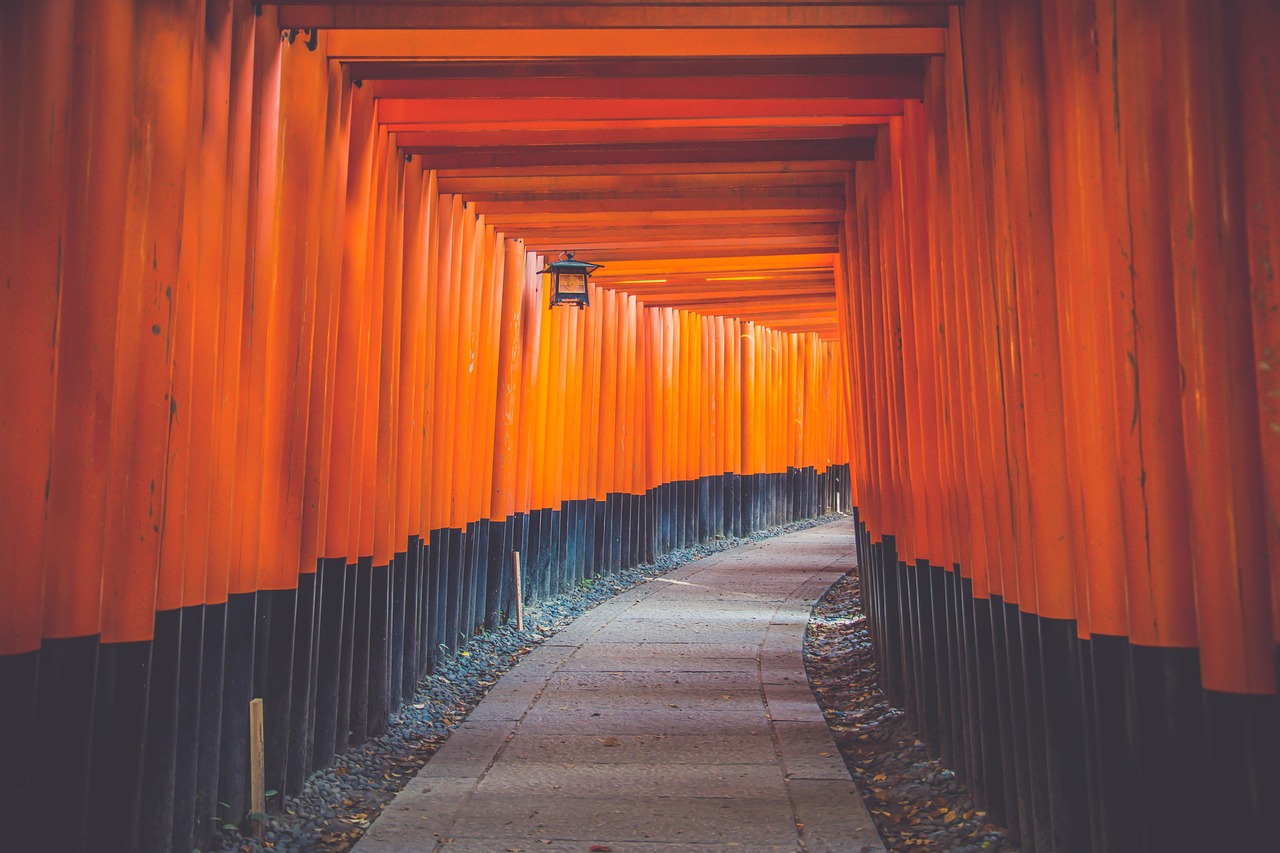
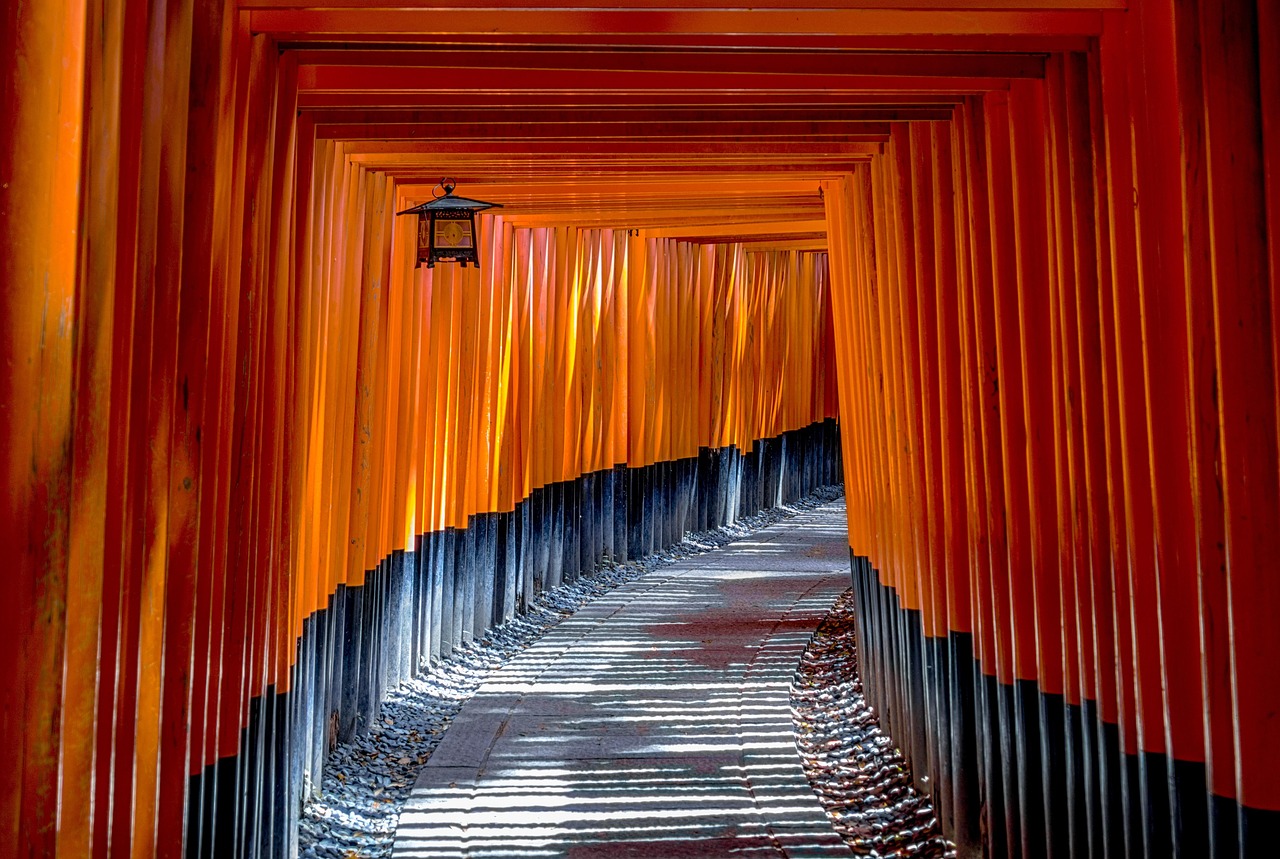
Of all the sights in Kyoto, none is more instantly recognizable than Fushimi Inari Taisha. Thousands of vivid vermilion torii gates snake up the wooded slopes of Mount Inari, forming tunnels of color that have made this shrine one of Japan’s most photographed places. Dedicated to Inari, the Shinto deity of rice and prosperity, it’s free to enter, open around the clock, and utterly unforgettable. Here’s what to know before you go.
The Famous Torii Gate Trail
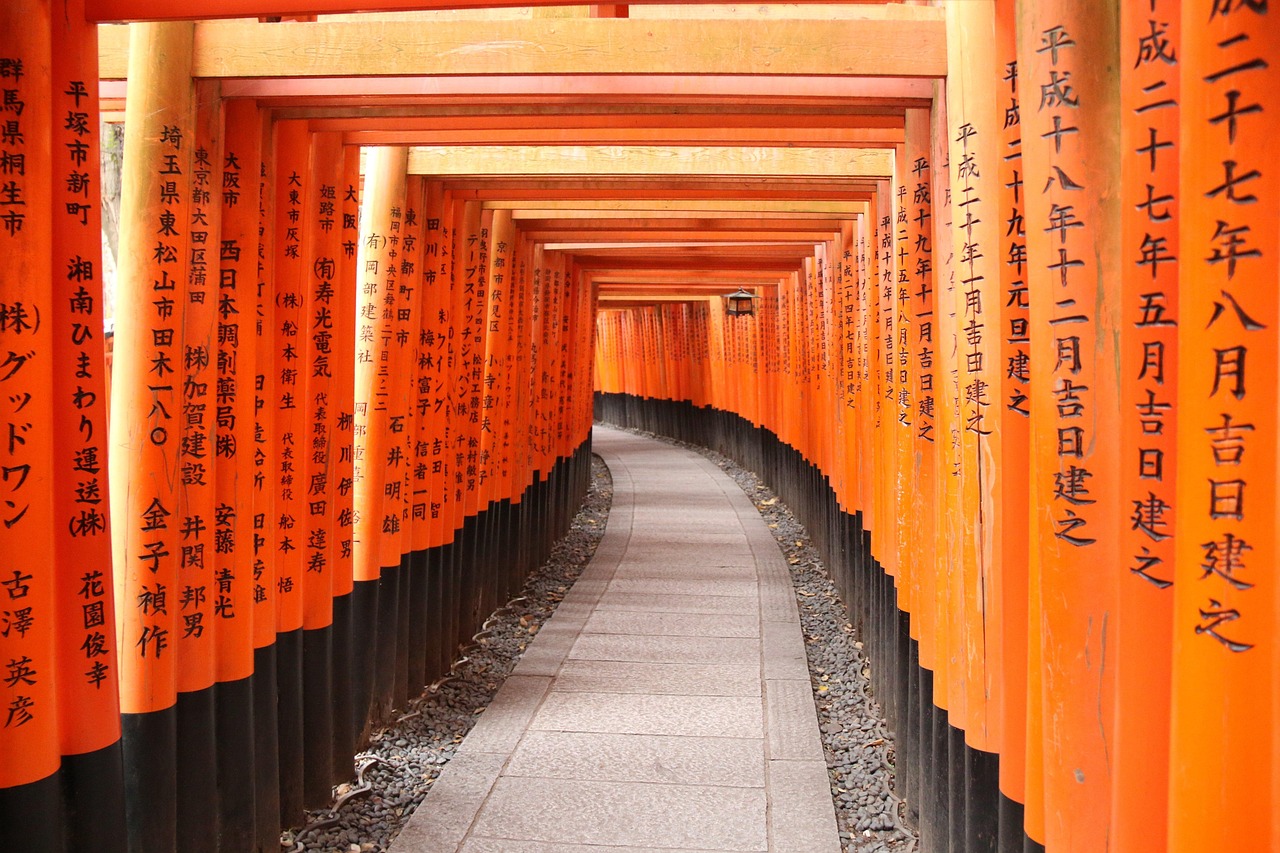
The shrine’s signature feature is the Senbon Torii, the “thousands of torii gates” that line the paths up the mountain. Each gate was donated by an individual or company, their names inscribed in black on the back. Walking through these glowing orange tunnels is a hypnotic experience, especially in the soft light of early morning before the crowds arrive.
Climbing Mount Inari
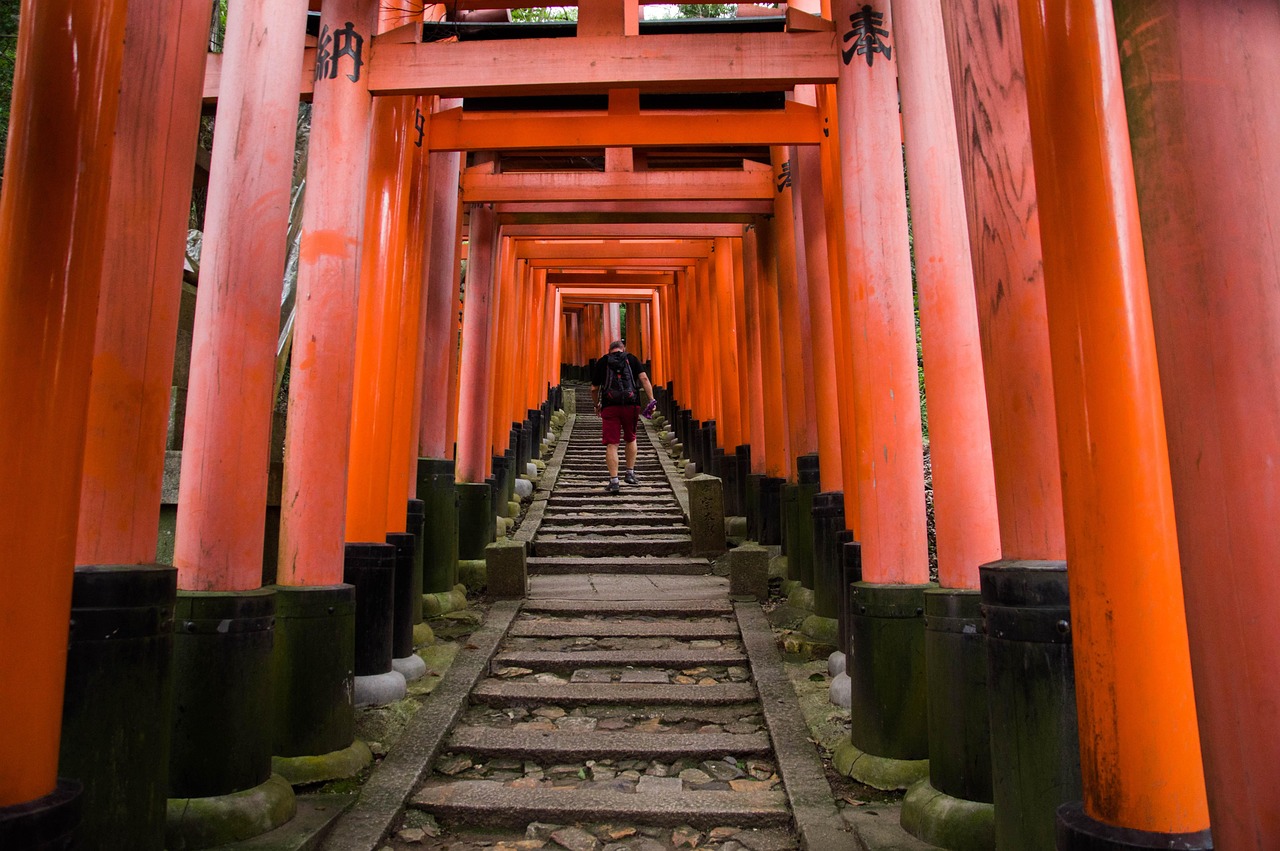
Beyond the lower gates, a network of trails climbs all the way to the summit at 233 meters. The full loop takes two to three hours and rewards you with smaller sub-shrines, quiet groves, and a panoramic viewpoint over Kyoto from the Yotsutsuji intersection about halfway up. Most visitors turn back here, so going higher means near-solitude.
Fox Statues and Shrine Lore
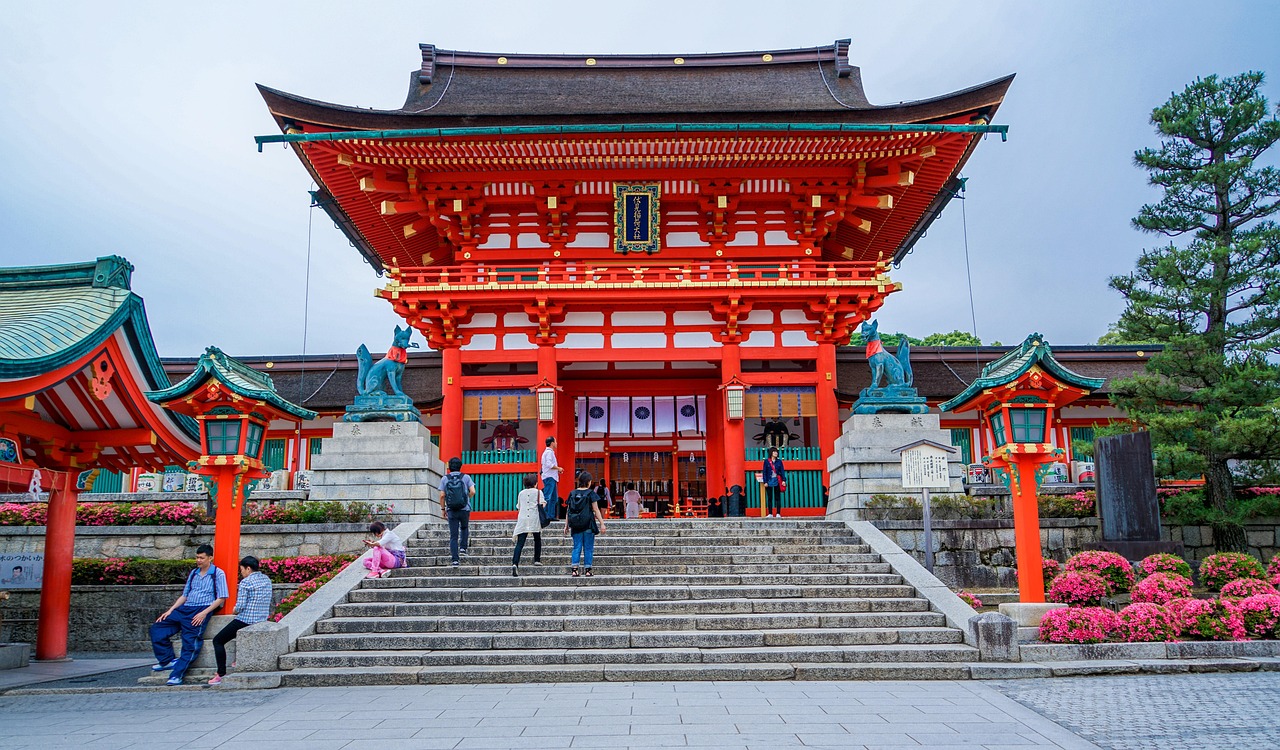
Throughout the grounds you’ll spot countless stone foxes, or kitsune, often holding a key or a sheaf of rice in their mouths. Foxes are believed to be Inari’s messengers, which is why they guard the shrine in such numbers. The main shrine buildings at the base, with their bright lacquered halls, are well worth pausing to admire before you start climbing.
Planning Your Visit
Fushimi Inari sits just outside central Kyoto and is incredibly easy to reach: take the JR Nara Line to Inari Station, which is right at the entrance, or the Keihan Line to Fushimi-Inari Station. Entry is free and the shrine never closes, so arriving at dawn or after dark lets you experience the gates without the daytime throngs.
Fushimi Inari Taisha is the kind of place that lives up to every photo you’ve seen of it—and then some. Whether you walk a few minutes through the first gates or climb all the way to the summit, it offers a magical introduction to Kyoto’s spiritual heart. Go early, wear comfortable shoes, and let the endless torii lead the way.
Planning a trip? See our full Kyoto Travel Guide for the best things to see and do.
More Kyoto Travel Guides
- Kinkaku-ji: the Golden Pavilion
- Arashiyama Bamboo Grove
- Kiyomizu-dera: the Temple on the Wooden Stage
- Gion: the Historic Geisha District
- Ginkaku-ji: the Silver Pavilion
See everything in one place: The Complete Kyoto Guide.


5 thoughts on “Fushimi Inari Taisha, Kyoto: the Endless Torii Gate Trail”