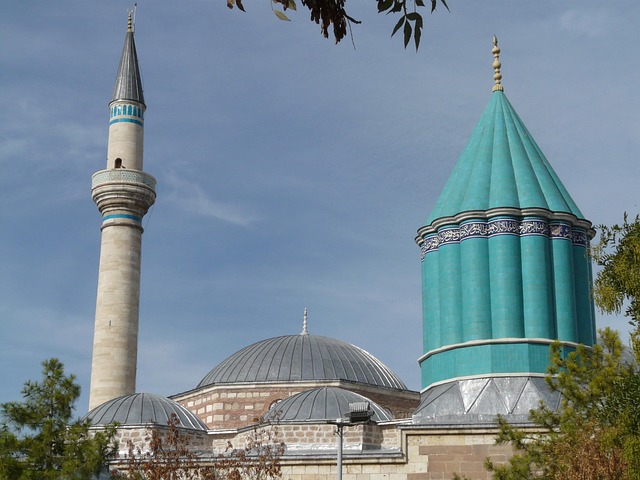
Konya is far more than a single shrine. As a former Seljuk capital and one of the oldest continuously inhabited cities in the world, it offers travellers a rich blend of medieval architecture, spiritual heritage and warm Anatolian hospitality.
A Seljuk Capital
In the twelfth and thirteenth centuries Konya was the capital of the Anatolian Seljuk Sultanate, and the city is still dotted with monuments from that golden age. Elegant mosques, theological schools and tombs survive from the period, several decorated with the intricate stone carving and glazed tilework for which Seljuk craftsmen were renowned.
Around the City
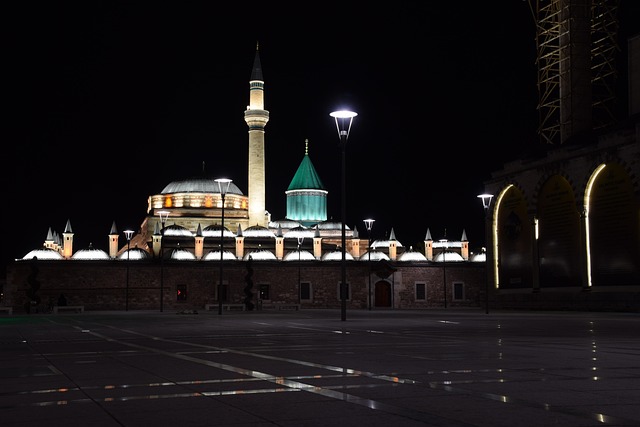
Beyond the Mevlana complex, visitors can explore historic madrasas now serving as museums of tile and woodwork, climb the gentle slope of the ancient Alaeddin Hill at the city’s heart, and wander markets selling local crafts and sweets. The surrounding region also holds some of Anatolia’s most remarkable sites, including the Neolithic settlement of Catalhoyuk, one of the earliest known towns on earth.
A City of Hospitality
Konya has a reputation as a calm, traditional and welcoming city, well suited to thoughtful travel. Local cuisine is a highlight, with the famous etli ekmek flatbread and Mevlevi-influenced sweets among the dishes worth seeking out. Whether you come for spiritual reasons or simple curiosity, the city rewards an unhurried visit.


