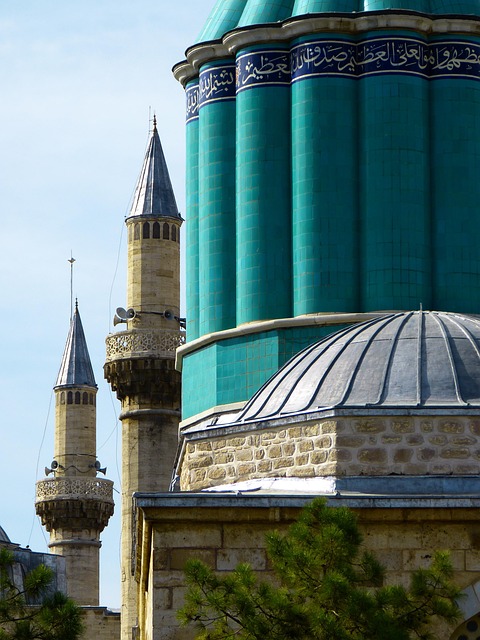
To stand before Rumi’s tomb is to encounter one of the most beloved figures in world literature. His verses on love, longing and the search for the divine have been translated into dozens of languages, and the spiritual movement he inspired still shapes the city of Konya today.
Who Was Rumi
Born in the early thirteenth century in the eastern lands of the Persian-speaking world, Rumi settled in Konya, then a flourishing capital of the Seljuk Turks. A respected scholar and teacher, his life was transformed by his friendship with the wandering mystic Shams of Tabriz. Out of that encounter poured an extraordinary body of poetry, most famously the long spiritual epic known as the Masnavi, which explores the soul’s yearning to return to its source.
The Mevlevi Order
After Rumi’s death his followers organised themselves into the Mevlevi order, one of the great Sufi brotherhoods of the Islamic world. They became known for their disciplined devotion, their music, and above all for the Sema, the ceremony of turning that outsiders call the dance of the whirling dervishes.
The Sema Ceremony
In the Sema, dervishes in tall felt hats and flowing white robes turn slowly in place, one hand raised toward heaven and one lowered toward the earth. The movement is not entertainment but a form of prayer and meditation, a symbolic journey of the soul toward divine love. UNESCO has recognised the Mevlevi Sema as part of humanity’s intangible cultural heritage, and performances in Konya remain a deeply moving experience for visitors.


