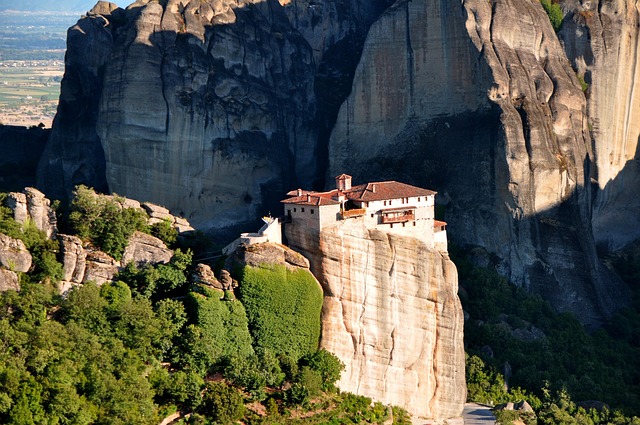
Beyond their spiritual significance, the rocks of Meteora are one of Greece’s most rewarding places to explore on foot. Ancient monk paths wind between the pillars, connecting the monasteries and opening up viewpoints that no road can reach. Whether you come as a pilgrim or a walker, knowing how to get around helps you make the most of a visit.
Walking the Monk Paths
Centuries-old footpaths link the valley town of Kalambaka and the village of Kastraki with the monasteries above. These trails pass through forest and rock, often emerging at dramatic overlooks. Walking them gives a sense of the landscape the monks knew, far removed from the tour buses on the upper road. Good shoes and water are essential, and a local guide can bring the history to life.
Sunset and Photography
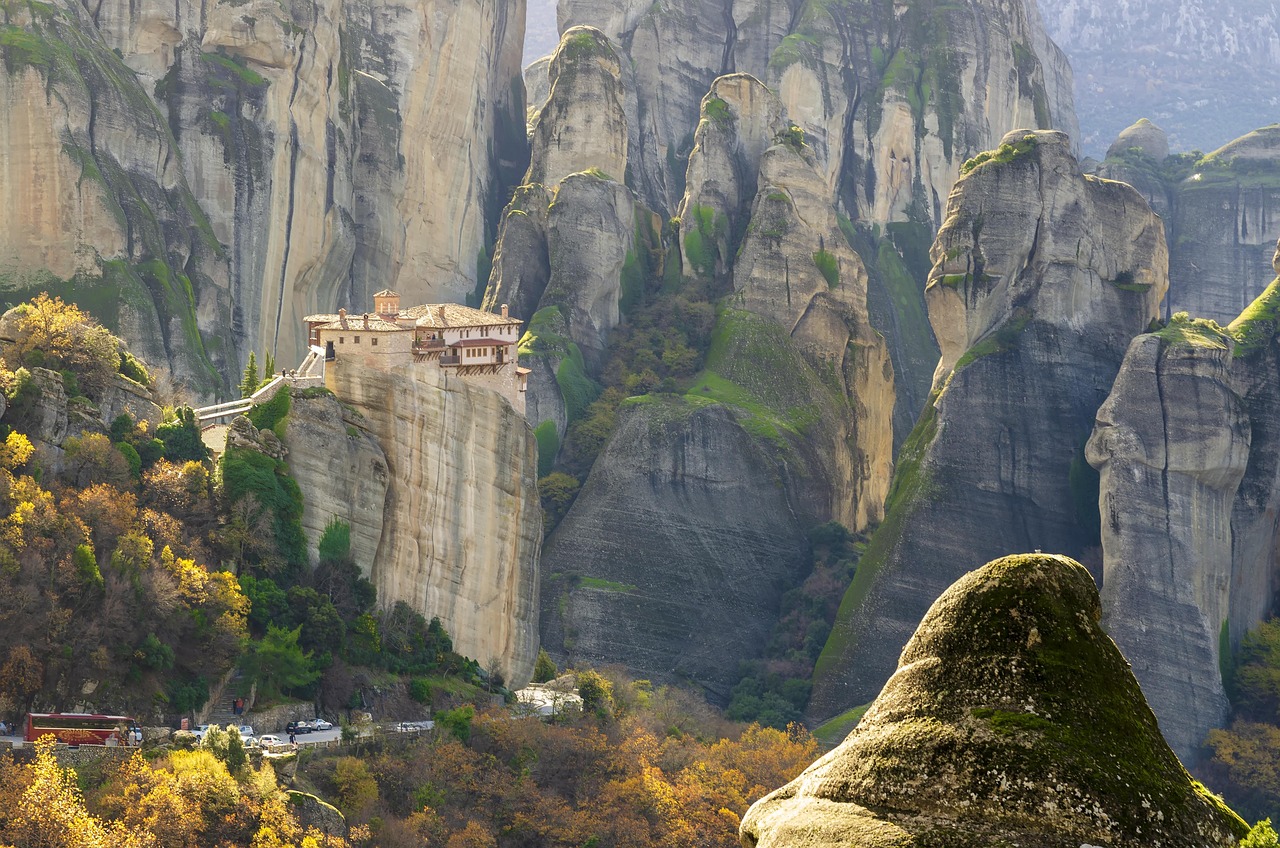
Meteora is famous for its light. At dawn and dusk the rocks glow gold and rose, and the monasteries seem to hover in the haze. Several well-known viewpoints along the road are popular for sunset, drawing photographers and visitors alike. The changing seasons add their own colours, from spring green to autumn russet.
Planning Your Days
Because each monastery keeps different opening days, two days allows a relaxed visit to all six without rushing. Many travellers combine a guided morning hike with an afternoon driving tour, or vice versa. Early starts help you reach the monasteries before the largest crowds and before the midday heat in summer.
Getting There
The gateway town is Kalambaka, reachable by train from Athens and Thessaloniki, with the smaller village of Kastraki even closer to the rocks. From either base, the monasteries are a short drive or a longer walk uphill. A hire car gives flexibility, but organised tours are widely available.


