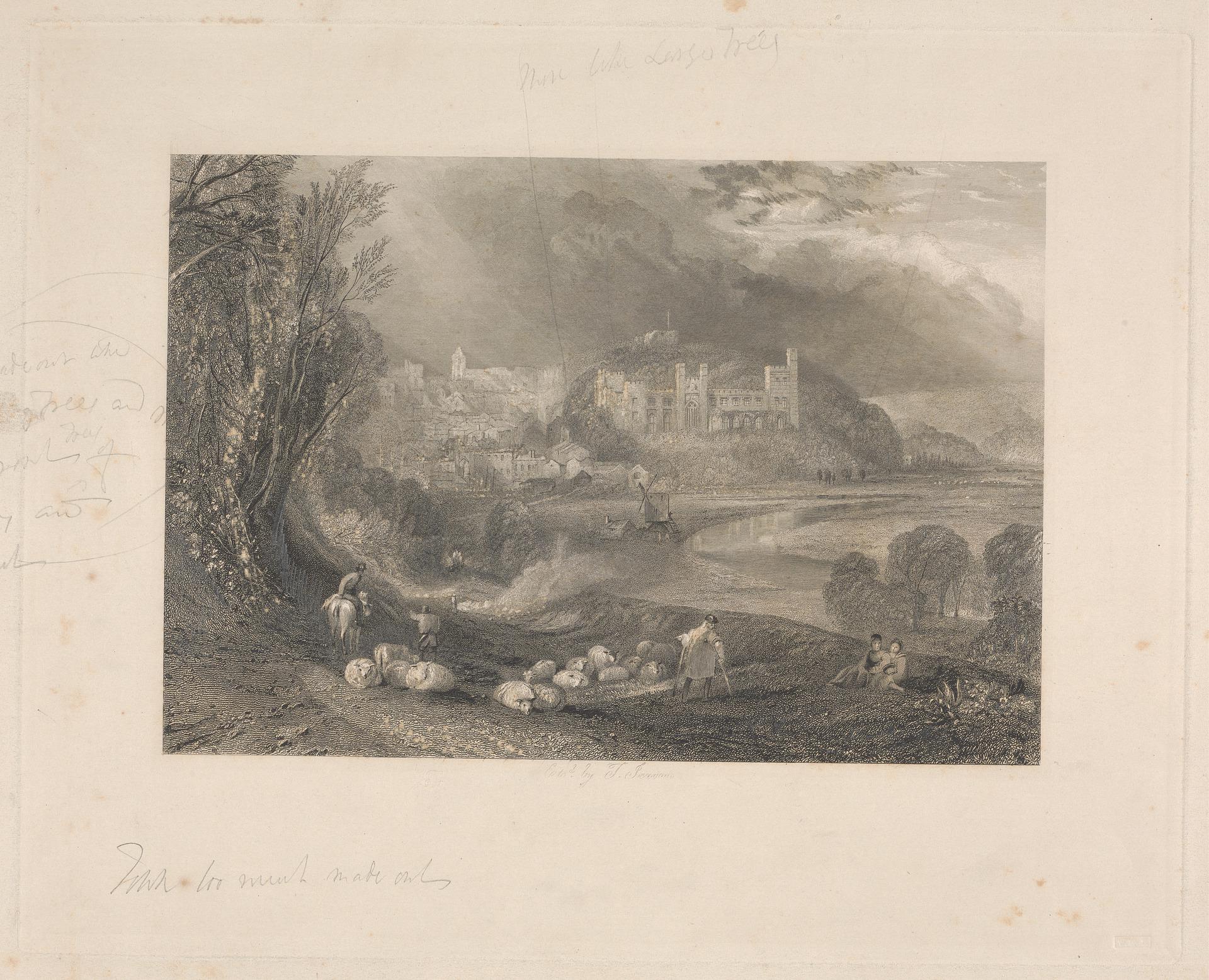
From the water meadows of the little River Arun in West Sussex, Arundel Castle looks almost too good to be true, a great pile of towers, battlements, and turrets rising above a pretty town, the very picture of a storybook fortress. And in a sense it is too good to be true, because most of what you see is not medieval at all but a magnificent recreation, built barely more than a century ago on top of far older bones. Arundel is that fascinating thing, a genuine ancient castle that was largely rebuilt in the age of electricity to look more like a castle than it ever had before.
But do not let that fool you into thinking Arundel lacks real history. Underneath the Victorian grandeur lies a fortress founded within a couple of years of the Norman Conquest, and, extraordinarily, it has been the home of essentially the same family for centuries. Arundel is the seat of the Dukes of Norfolk, the premier dukes of England and hereditary Earl Marshals, the great Catholic dynasty who have organised royal coronations and funerals for generations. Few castles anywhere have such deep and unbroken roots.
So Arundel is really two stories laid on top of each other: an ancient fortress that saw sieges and civil war, and a grand aristocratic palace lovingly rebuilt to embody the pride of one of England’s greatest families. Let’s climb up from the town and explore both.
We will take it more or less in order, from the Norman mound up through the medieval dramas and the Civil War to the great rebuilding and the gardens, keeping one eye always on the family whose story is really the story of the castle. By the end you should see why Arundel feels less like a monument and more like a living dynasty turned to stone.

Table of Contents
- A Fortress Above the Arun
- The Shell Keep on the Mound
- Empress Matilda and a Contested Crown
- The Dukes of Norfolk and Their Castle
- The Castle That Runs Coronations
- Faith, the Chapel, and a Cathedral
- Battered in the Civil War
- Rebuilt for a Modern Age
- Gardens Grand and Green
- The Ghosts of Arundel
- Getting to Arundel
- Nearby Castles
- Before You Go
A Fortress Above the Arun
Arundel Castle was founded in 1068, just two years after the Battle of Hastings, by Roger de Montgomery, one of William the Conqueror’s most trusted lieutenants. Its position was chosen with the usual Norman shrewdness: a high spur of ground above the River Arun, guarding the valley and the gap through the South Downs that led inland from the coast. Whoever held this point controlled an important route into the heart of Sussex.
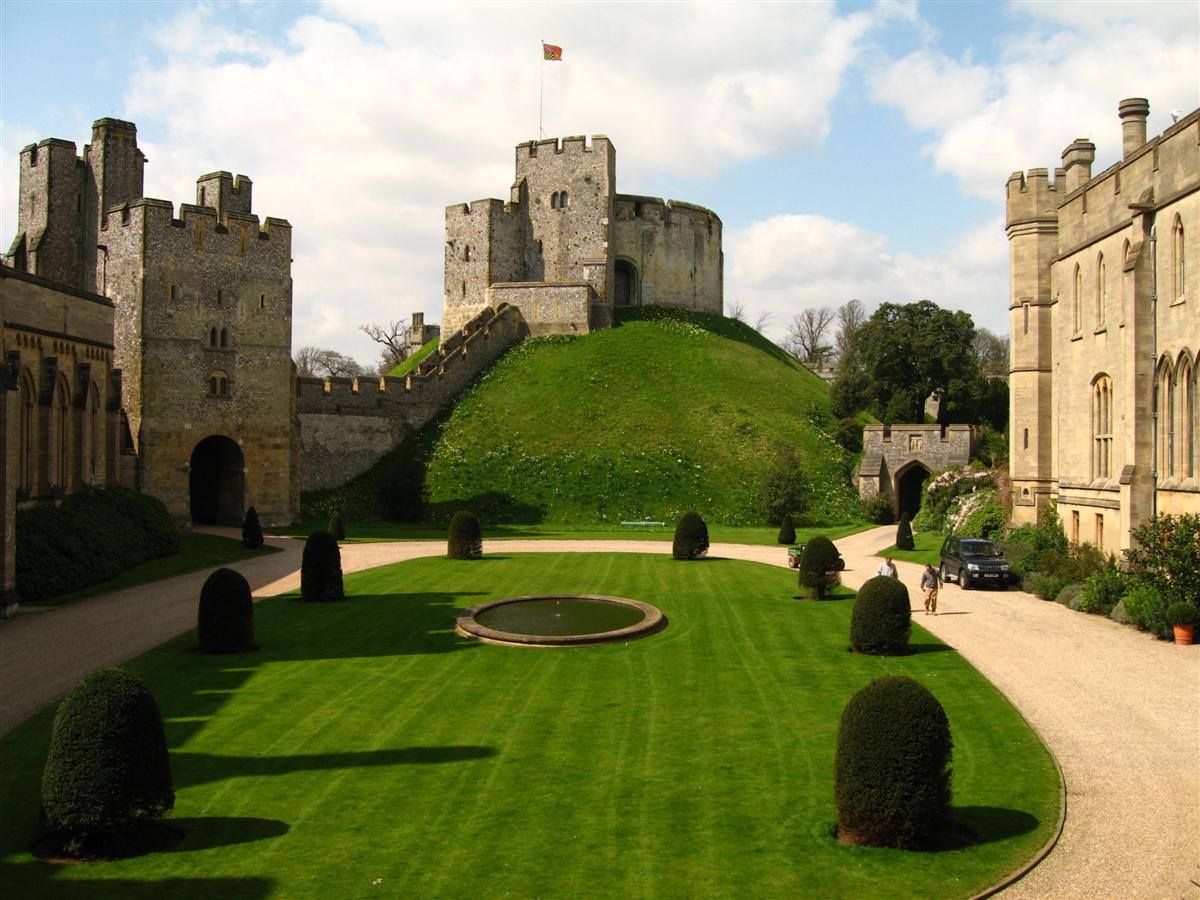
The first castle followed the classic Norman pattern, a motte-and-bailey, with a great mound of earth topped by a tower and courtyards on either side protected by banks and palisades. That layout, with a central motte flanked by two baileys, still shapes the castle today, and the mound itself survives, crowned by a later stone shell keep that is the oldest surviving structure on the site.
From these beginnings Arundel grew into one of the great baronial castles of medieval England, its earthworks rebuilt in stone, its defences strengthened, and its status rising with the fortunes of the powerful families who held it. It was, from very early on, not just a soldier’s fort but the seat of great lords, and that aristocratic character has never left it.
There is a nice quirk of English aristocracy buried in Arundel’s very stones. So important is this castle that, uniquely, ownership of it once carried the earldom of Arundel automatically, so that simply holding the castle made a man an earl. Few buildings anywhere have been so bound up with rank and title that the walls themselves conferred nobility on whoever possessed them.
The Shell Keep on the Mound
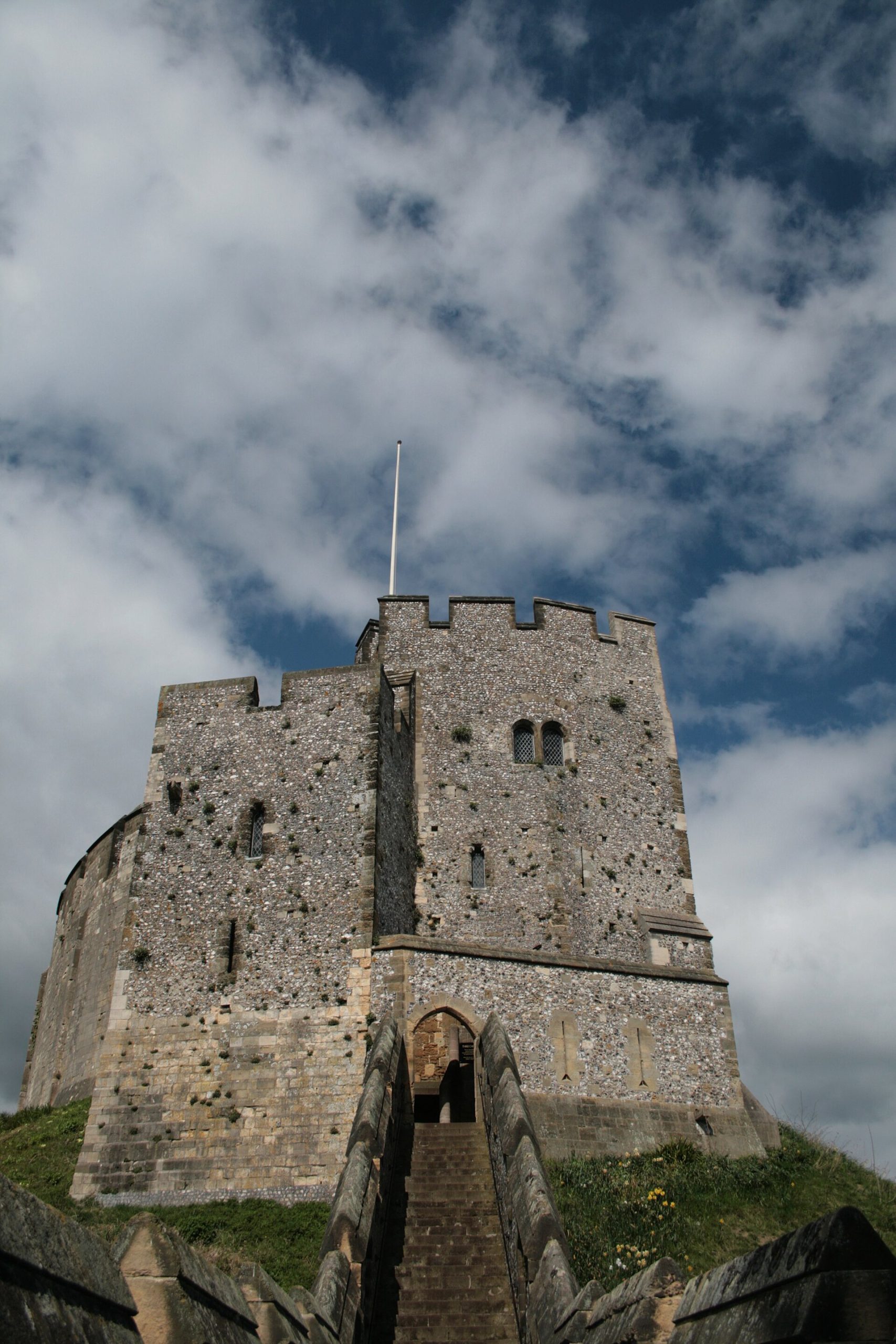
Climb to the top of the motte and you reach the shell keep, a ring of stone wall built around the summit of the mound in the twelfth century to replace the original wooden tower. Shell keeps like this were a common Norman solution: rather than a single great tower, you ringed the top of the motte with a stout stone wall and built lodgings and stores against its inside face, creating a strong, self-contained stronghold at the castle’s highest point.
From up here the views are tremendous, sweeping over the town, the river, the cathedral, and the rolling South Downs beyond. You can see at a glance why this spot was chosen, and how completely the castle dominates its surroundings. The keep was the ultimate refuge, the place the defenders would fall back to if the rest of the castle was overrun.
The keep is also the part of Arundel that feels most genuinely and rawly medieval, in contrast to the polished grandeur of the rebuilt main buildings below. Standing within its weathered stone ring, with the wind off the Downs, you are in touch with the oldest, hardest layer of the castle’s long life.
Empress Matilda and a Contested Crown
Arundel played a small but dramatic part in one of the great crises of English history, the twelfth-century civil war known as the Anarchy. This was the vicious struggle for the throne between King Stephen and the Empress Matilda, daughter of the old king and rightful heir in the eyes of many, a war so terrible that chroniclers said God and his saints slept.
In 1139 the Empress Matilda landed in England to press her claim, and she took shelter at Arundel Castle, then held by connections of hers. King Stephen promptly marched down and besieged her there. In a famous act of chivalry, or perhaps political calculation, Stephen chose not to seize his rival but instead granted her safe passage to join her supporters in the west, an oddly courteous move in a brutal war. The gesture let the conflict grind on for years.
It is a small episode, but it puts Arundel right at the heart of the English succession at a pivotal moment. The castle that would later organise coronations was, in its early days, briefly the refuge of a would-be queen fighting for her crown.
The Dukes of Norfolk and Their Castle
Over the centuries Arundel passed by inheritance and marriage to the Fitzalan earls and then to the Howard family, the Dukes of Norfolk, who hold it to this day. This is the truly remarkable thing about Arundel: it has been the home of essentially one connected line of great nobles for many centuries, and the current Duke of Norfolk still lives here. Few castles in England, or anywhere, can claim such continuity of family ownership.
The Dukes of Norfolk are no ordinary aristocrats. They are the premier dukes of England, ranking above all others, and they hold the ancient hereditary office of Earl Marshal, which makes them responsible for organising the greatest state ceremonies of the nation, including coronations and royal funerals. When a British monarch is crowned or buried, it is the Duke of Norfolk, from this Sussex castle, who stage-manages the event.
The Howards are also famous as the leading Catholic family in England, and that faith runs right through Arundel’s story. Through the long centuries when Catholicism was persecuted in England, the Dukes of Norfolk kept the faith at great cost, and several members of the family suffered imprisonment and even execution for their beliefs and their politics. The castle is inseparable from that proud and often dangerous religious loyalty.
The most famous, or infamous, chapter in the Howard story came under the Tudors. Two queens of Henry VIII, Anne Boleyn and Catherine Howard, were nieces of the Duke of Norfolk of the day, and both ended their lives on the scaffold. The family rode the dangerous currents of Tudor politics at the very highest level, winning glittering prizes and suffering terrible falls, and Arundel’s dukes were repeatedly at the centre of the drama, sometimes to their cost.
The Castle That Runs Coronations
One of the most extraordinary things about Arundel is a duty that reaches far beyond its walls. As hereditary Earl Marshals of England, the Dukes of Norfolk are responsible for organising the greatest ceremonies of the British state, above all coronations and royal funerals. When a monarch is crowned in Westminster Abbey, or laid to rest, it is the Duke of Norfolk, master of this Sussex castle, who plans and directs the whole magnificent spectacle.
This role has been held by the family for centuries, passed down along with the castle itself, and it means that Arundel is quietly connected to every great royal occasion in modern British history. The precise choreography of a coronation, the order of the procession, the seating of thousands of guests, the timing of every step, all of it flows, ultimately, from the office held by the lord of Arundel.
It is a striking thought as you walk the castle. This is not just a beautiful old building or a family home, but the seat of the man who stages the monarchy’s most sacred moments. Few private houses anywhere carry such a public responsibility, and it binds Arundel, for all its Sussex remoteness, right into the ceremonial heart of the nation.

Faith, the Chapel, and a Cathedral
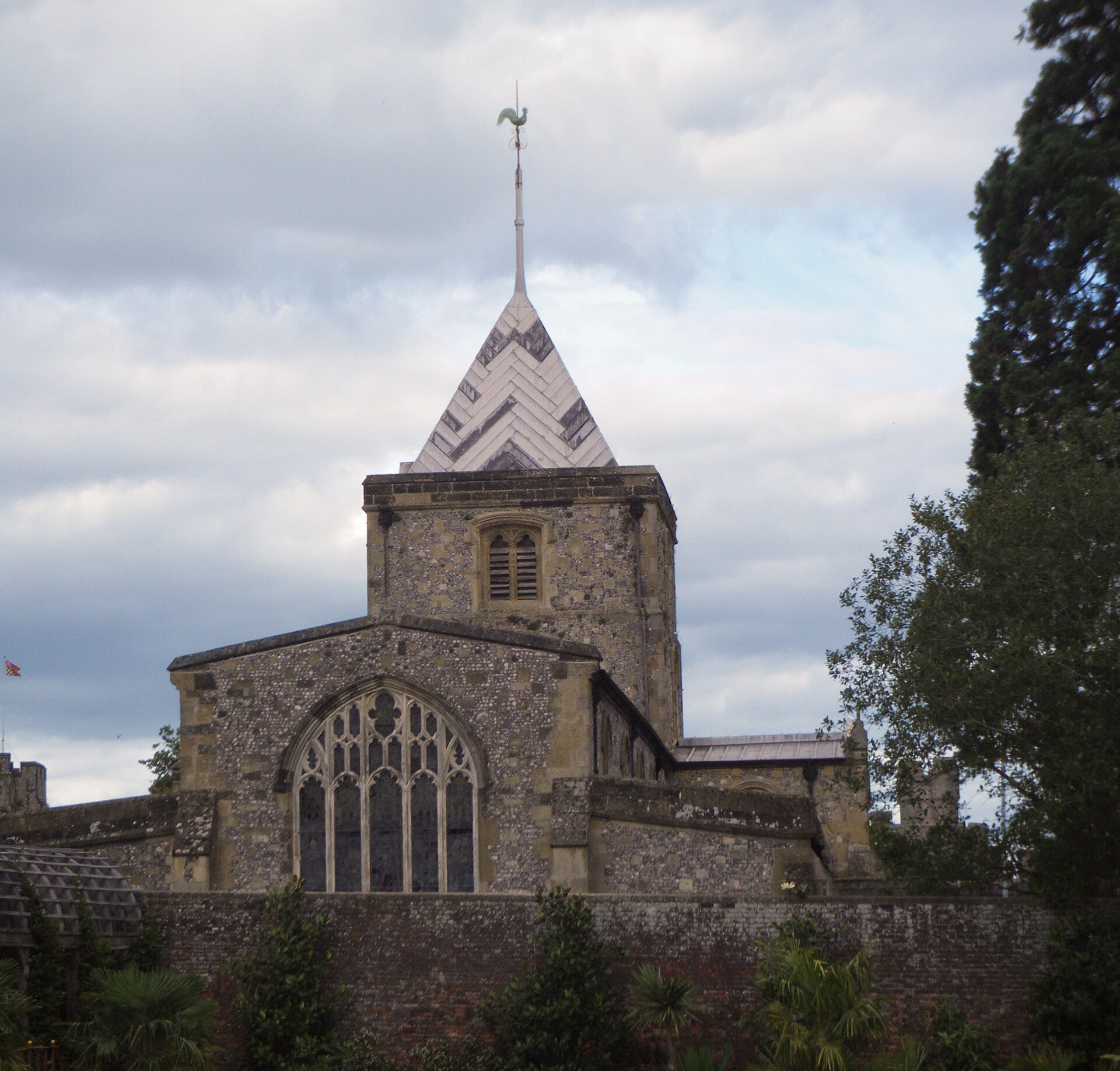
Arundel’s deep Catholic identity is written into the landscape around the castle. Within the grounds stands the Fitzalan Chapel, the burial place of the earls and dukes who have held Arundel, a beautiful medieval chapel that is, unusually, Catholic while sharing a building with an Anglican parish church, a curious arrangement born of England’s tangled religious history.
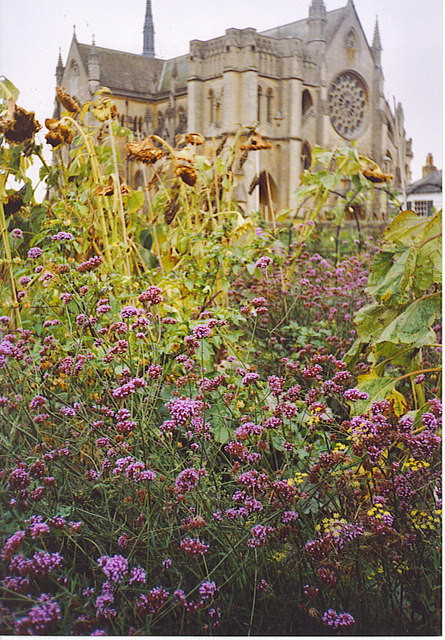
Nearby, dominating the town almost as much as the castle itself, rises the great Catholic cathedral, built in the nineteenth century by one of the dukes to serve as a grand church for the Catholic community. Castle, chapel, and cathedral together make Arundel a stronghold of English Catholicism, a rare thing in a country whose established church is Protestant.
This religious dimension gives Arundel a character quite different from most great English castles. It was not just a centre of military and aristocratic power but a bastion of a persecuted faith, held by a family who paid dearly for their loyalty to Rome, and that adds a note of quiet defiance to its grandeur.
The family’s Catholicism came at a real price during the centuries of persecution that followed the Reformation. One duke was executed under Elizabeth I on charges bound up with plots to free the Catholic Mary, Queen of Scots, and his son, Saint Philip Howard, died a prisoner in the Tower of London after years of confinement for refusing to abandon his faith, later being canonised as a saint. Arundel’s grandeur is shadowed, always, by this long loyalty to a forbidden religion.
Battered in the Civil War
Arundel’s most destructive moment came, like that of so many English castles, during the Civil War of the 1640s. The castle changed hands in the fighting between King and Parliament, and in the winter of 1643 to 1644 it endured a serious siege. Parliamentary forces bombarded it heavily, and after the defenders were worn down by cannon fire, cold, hunger, and disease, the castle fell.
The damage was severe. The medieval buildings were badly knocked about by the guns and by the subsequent neglect, and Arundel, like many fortresses on the losing side, was left partly ruined. For a long period afterwards the great castle stood damaged and unloved, its glory days apparently behind it, a shadow of the stronghold it had once been.
That might have been the end of the story, as it was for so many slighted castles that dwindled into picturesque ruins. But Arundel had one great advantage: it belonged to a family with the wealth, the pride, and the determination to bring it back, and in time they would do so on a truly spectacular scale.
The siege left its scars in more ways than one. Beyond the physical damage, the town and castle suffered badly from the disease that swept through the crowded, cold, and hungry defenders and inhabitants, a reminder that in a seventeenth-century siege sickness often killed far more than shot and shell. When Arundel finally fell, it was as much to typhus and starvation as to Parliament’s cannon.
Rebuilt for a Modern Age
The Arundel we see today is largely the creation of the fifteenth Duke of Norfolk, who around the end of the nineteenth and start of the twentieth century undertook a colossal rebuilding of the castle. Drawing on the family’s enormous wealth, he transformed the damaged and patched-up fortress into a magnificent Gothic-style palace, all soaring halls, grand staircases, and richly furnished rooms, designed to embody the dignity of the premier dukedom of England.
Remarkably, this Victorian and Edwardian castle was one of the most technologically advanced great houses of its day. It was among the first English country houses to be fitted with electric light, along with central heating, service lifts, and other modern comforts, all hidden within a building dressed to look convincingly medieval. Arundel is that intriguing paradox, a castle that looks ancient but was built with cutting-edge technology.
The result is one of the grandest stately homes in the country, its interiors filled with a superb collection of paintings, furniture, tapestries, and treasures gathered by the family over the centuries. Portraits by great masters, historic armour, and priceless heirlooms fill rooms designed to impress, making a tour of the castle as much an art gallery as a history lesson.
There is something wonderfully characteristic of its age in this. The late Victorians adored the Middle Ages and dreamed of chivalry and Gothic splendour, yet they were also the great engineers of the modern world, and at Arundel the two impulses meet. Behind every mock-medieval arch runs an electric wire; beneath every baronial hall hums the machinery of a thoroughly modern house. It is romance built on the very latest technology.

Gardens Grand and Green
Arundel is famous not only for its castle but for its gardens, which have become some of the most admired in England. The showpiece is the Collector Earl’s Garden, a lavish modern creation inspired by the Italianate tastes of a seventeenth-century earl, full of ornate architecture, water features, and exuberant planting. It is a piece of theatrical garden design that perfectly complements the drama of the castle above.
Beyond it lie other gardens and grounds, from formal beds to wilder areas, and the whole makes Arundel a magnet for garden lovers, especially in spring when the famous displays of tulips fill the grounds with colour. The castle’s tulip festival draws huge crowds and has become one of the highlights of the English gardening calendar.
Together the gardens and the castle make Arundel a place to spend a full and varied day, moving from ancient keep to grand state rooms to glorious gardens. It is a reminder that a great aristocratic seat was always meant to delight as well as to impress, offering beauty and pleasure alongside power and history.
The tulip festival in particular has turned Arundel into a spring pilgrimage for gardeners. Tens of thousands of bulbs are planted to flood the grounds with colour, drawing crowds who come as much for the flowers as for the history. It is a reminder that a great castle today has to earn its keep, and that beauty, as much as heritage, is part of what keeps places like Arundel alive and thriving.

The Ghosts of Arundel
A castle nearly a thousand years old is bound to gather ghost stories, and Arundel is often ranked among the most haunted in England. Its best-known spectre is the so-called Blue Man, a figure in blue said to have been seen among the books of the library, apparently searching for something, a scholarly ghost quietly at work centuries after his death.
Other tales cluster around the castle too. There is said to be the ghost of a young woman who threw herself from one of the towers for love, glimpsed on moonlit nights, and various reports of unexplained sounds and presences in the older parts of the buildings. The castle leans gently into this reputation, and the stories add a pleasant shiver to a visit.
As ever, the ghosts are really the castle’s long history refusing to lie still. A place that has seen siege, execution, religious persecution, and centuries of family drama is exactly the kind of building the imagination fills with restless figures, and Arundel, ancient and atmospheric, obliges beautifully.
Getting to Arundel
Arundel sits in West Sussex, in the south of England, close to the coast and the South Downs National Park. It is easy to reach by car, and the town has its own railway station with regular services, so it makes a very doable day trip from London or the south coast. The pretty town at the castle’s feet, with its antique shops, cathedral, and riverside, is well worth exploring in its own right.
Do check opening times before you go, because Arundel is still a family home and is generally open only during certain months and days rather than all year round. Allow plenty of time to see the state rooms, climb the medieval keep, visit the Fitzalan Chapel, and wander the celebrated gardens. If you can time your visit for the spring tulip displays or one of the castle’s popular events, so much the better.
The castle sits at roughly 50.8555, -0.5540. Punch that into Google Maps and it will take you straight to Arundel Castle in West Sussex.
Nearby Castles
Nearly a Thousand Years, One Family
Arundel is a castle of layers, and the pleasure of it lies in reading them. Beneath the soaring Gothic halls of a Victorian rebuild sits a Norman motte thrown up within living memory of the Conquest; beneath the polished grandeur runs a story of civil war, religious defiance, and one family’s extraordinary staying power. Nearly a thousand years after Roger de Montgomery raised his first earthwork here, his castle is still a living home, not a dead monument.
That continuity is Arundel’s real magic. When the next British coronation is planned, it will be planned by the Duke of Norfolk, from this very castle, exactly as it has been for centuries. Stand in the water meadows and look up at those towers, and you are looking at a place where the medieval and the modern, faith and power, ruin and rebirth, have all been folded together into one of the most romantic castles in England.
You May Like

Mafra, the Palace a King Built From a Vow



One thought on “Arundel Castle: A Thousand Years of the Dukes of Norfolk”