In the green foothills of the Greater Caucasus, in what is now northern Azerbaijan, lie the ruins of a city that was once the capital of a kingdom most people have never heard of. This is ancient Gabala, and for some six hundred years it was the chief city of Caucasian Albania, a state that flourished at the meeting point of great empires and then vanished so completely that even its name is now unfamiliar to most of the world.
Caucasian Albania, which had nothing to do with the modern Balkan country of the same name, was one of the ancient kingdoms of the South Caucasus, alongside its better-known neighbors Armenia and Iberia. Its heartland lay across parts of present-day Azerbaijan, and its capital, for the crucial centuries of its independence, was Gabala. The city’s ruins are among the most important archaeological sites in Azerbaijan, a tangible link to a lost civilization.
Founded well over two thousand years ago, Gabala rose to prominence in the last centuries BC and the first centuries AD, a period when the Caucasus was contested by Rome, Parthia, and later the Persian and Byzantine empires. Through all these upheavals, Gabala endured as the seat of the Albanian kings, a center of trade, administration, and religion, before finally declining into the ruins that archaeologists explore today.
Contents
- The Lost Kingdom of Caucasian Albania
- Six Centuries as a Capital
- A City of Two Fortified Halves
- On the Road Between Empires
- Faith at the Edge of the Caucasus
- Coins, Pottery, and Daily Life
- The Slow Fading of the Old City
- From Ruins to Excavation
- A New Gabala Nearby
- Visiting Ancient Gabala
- Nearby Places to Explore
- A Capital the World Forgot
The Lost Kingdom of Caucasian Albania
Caucasian Albania was a kingdom of the ancient world that has largely slipped from popular memory, overshadowed by its more famous neighbors. It emerged in the last few centuries BC as a union of tribes across the eastern South Caucasus, in the lands between the Greater Caucasus mountains and the Kura River, reaching toward the shores of the Caspian Sea. At its heart lay a distinct people with their own language, customs, and eventually their own alphabet.
The kingdom first appears clearly in the historical record around the time of the campaigns of the Roman general Pompey in the first century BC, when Albanian forces resisted the Roman advance into the Caucasus. From then on, Albania features intermittently in the accounts of Greek, Roman, Armenian, and Persian writers, a state caught between the great powers and forced to maneuver constantly for its survival.
For much of its history Albania lay within the sphere of influence of the great Iranian empires, the Parthians and then the Sasanians, while also feeling the pull of Rome and Byzantium from the west and sharing deep cultural ties with neighboring Armenia. Its kings ruled a diverse population and navigated a dangerous world of shifting alliances, tribute, and occasional war among giants far more powerful than themselves.
What makes Caucasian Albania so intriguing, and so poorly known, is precisely its position on the margins of the better-documented ancient world. It left relatively few written records of its own, and much of what we know comes from outsiders or from later Armenian sources. Archaeology, and above all the excavation of its capital at Gabala, has therefore become essential to recovering the story of this lost Caucasian kingdom.
The confusion caused by the name is worth clearing up, since Caucasian Albania has no connection whatsoever to the modern country of Albania in the Balkans. The two names arose independently, and the ancient Caucasian kingdom belonged entirely to a different world, that of the South Caucasus, with its own peoples, languages, and history rooted in the mountains and river valleys between the Black and Caspian seas.
Six Centuries as a Capital
Gabala served as the capital of Caucasian Albania for roughly six hundred years, an impressive span of continuity for any ancient city. From around the last centuries BC through the early centuries AD, it was the political and economic heart of the kingdom, the place where the Albanian kings held court and from which their realm was governed. Few capitals maintain their status for so long.
Ancient geographers took note of the city. The Greek writer Ptolemy, in his great geographical work, recorded a settlement in this region that is generally identified with Gabala, and other classical sources mention the Albanian capital, confirming that its fame reached the wider Mediterranean world. For a city on the far edge of the known world, to be noted by such authors was no small thing.
Throughout these centuries Gabala grew and prospered as a genuine urban center, with fortifications, public buildings, workshops, and markets. Its long tenure as capital allowed it to accumulate the wealth and infrastructure of a true city, and the depth of its archaeological layers reflects this extended, continuous occupation across many generations of Albanian life.
The city’s role as capital placed it at the center of the kingdom’s dealings with the outside world. Embassies, traders, and armies passed through, and the decisions made here shaped the fate of Albania as it steered between the empires that surrounded it. For six centuries, Gabala was where the story of Caucasian Albania was, in large part, written, making its ruins the single most important window onto that vanished state.
The endurance of Gabala as capital across such political turbulence is itself remarkable. Kingdoms around it rose and fell, empires advanced and retreated, and yet the Albanian court kept its seat here generation after generation. That stability suggests both the strategic soundness of the city’s location and the resilience of the Albanian state, which managed to preserve a core identity through centuries of external pressure.
A City of Two Fortified Halves
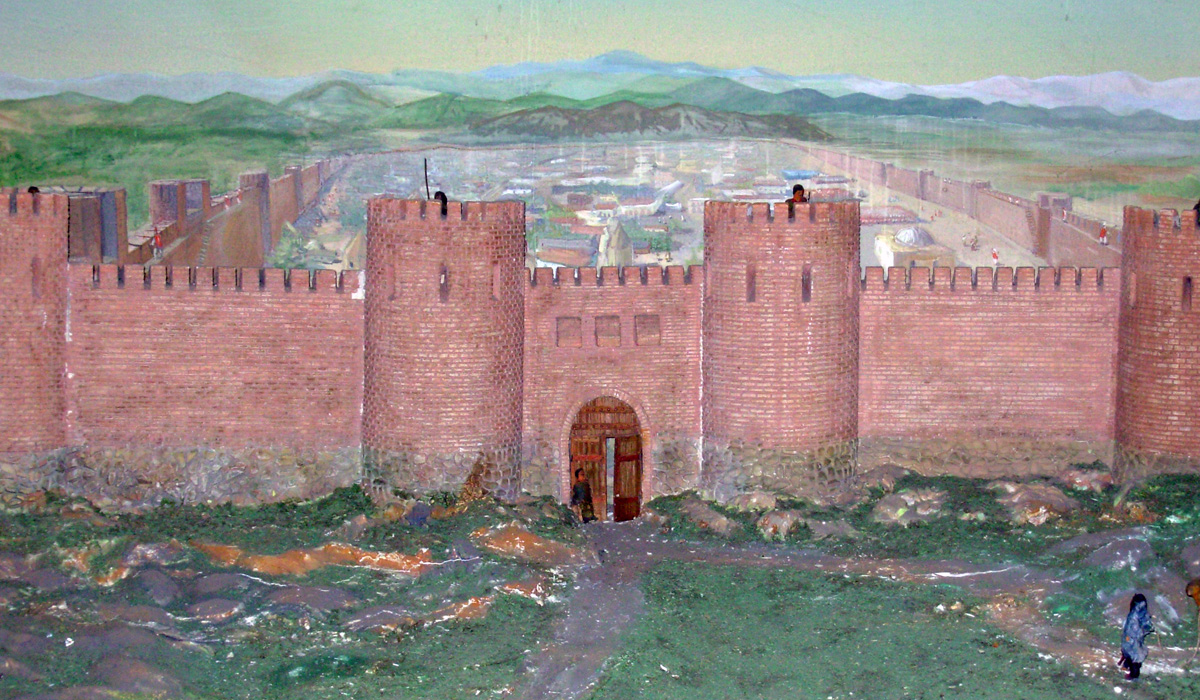
The ancient city of Gabala was not a single compact settlement but was divided into distinct fortified areas, separated by a river valley. Excavation has revealed two main walled sections, each defended by fortifications, which together made up the ancient capital. This division is one of the most distinctive features of the site and reflects the way the city grew and was organized over time.
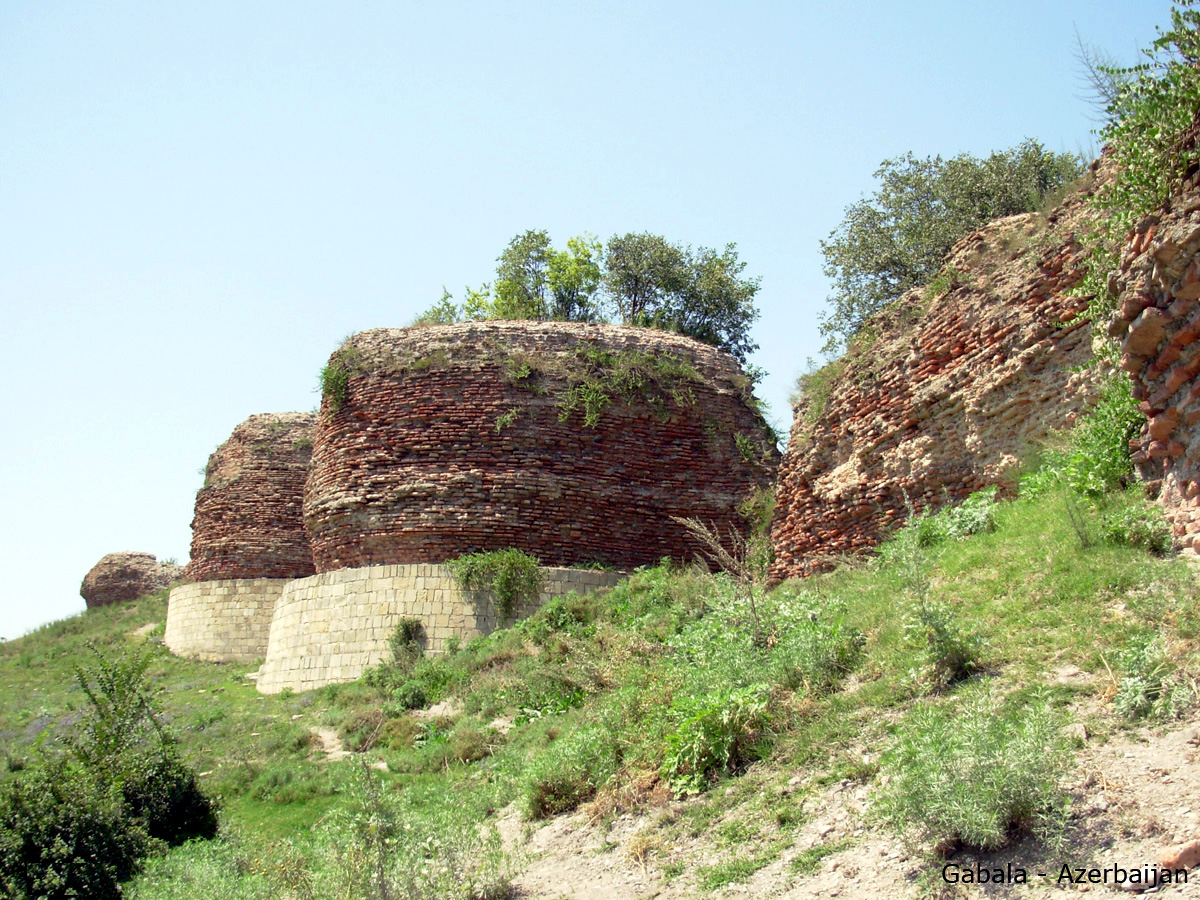
The fortifications were substantial, built to protect the city and its inhabitants in a region where warfare and raiding were constant threats. Massive walls, towers, and gates guarded the settlement, and the remains of these defenses are among the most striking features visible at the site today. In a contested borderland, strong walls were not a luxury but a necessity for survival.
Within the walls lay the buildings of a functioning city: houses, workshops, storage areas, and public and religious structures. The layout reflects centuries of development, with successive phases of building visible in the archaeological record. As at other long-lived ancient cities, the ground rose over time as new construction was raised on the remains of the old, creating deep, informative layers.
The division of the city into separate fortified quarters may reflect changes over time, with the focus of settlement shifting from one area to another across the centuries, or differences in function between the sections. Untangling exactly how the two parts related, and how they changed through the city’s long life, is one of the tasks that continues to occupy the archaeologists working at Gabala.
The scale of the fortifications tells us something about the resources the Albanian kings could command. Building and maintaining substantial walls and towers required organized labor, materials, and planning, the marks of a genuine state rather than a mere tribal settlement. In this the defenses of Gabala are evidence not just of danger but of the administrative capacity of the kingdom that raised them.
On the Road Between Empires
Gabala’s prosperity rested in large part on its position along the trade routes that crossed the Caucasus. The region lay on the paths connecting the lands north of the mountains with the Near East, and on the routes linking the Caspian shore with the interior of Anatolia and Mesopotamia. Goods, and the wealth they generated, flowed through the Albanian capital.
The city sat within reach of the great Caspian corridor, the narrow coastal route between the sea and the mountains that funneled traffic, and armies, along the western shore of the Caspian. Control of and access to such routes made the Caucasus strategically vital to the surrounding empires, and gave cities like Gabala both their commercial importance and their vulnerability to the ambitions of greater powers.
Trade brought more than goods; it brought contact with distant cultures. The finds from Gabala include imported items and coins from far afield, reflecting the city’s connections to the wider ancient economy. Roman, Parthian, and other coins have turned up in the region, testimony to the long-distance exchange in which the Albanian capital participated as a node in a network spanning much of the ancient world.
This crossroads position defined Gabala’s character. It was a meeting place of peoples and influences, where the cultures of the steppe, the Caucasus, Iran, and the Mediterranean world came into contact. The resulting blend, visible in the archaeology, gave Caucasian Albania and its capital a distinctive character, neither wholly of one world nor another but a genuine borderland civilization.
The Caucasus has always been a bridge and a barrier at once, a mountainous zone through which the few passable routes carried enormous strategic weight. Whoever controlled these passes and roads controlled the movement of trade and armies between north and south, and Gabala’s prosperity was tied directly to its place within this vital and much-contested corridor of the ancient world.
Faith at the Edge of the Caucasus
Religion was central to the life of Caucasian Albania, and Gabala witnessed the great transitions of faith that swept the region. In its earlier centuries the Albanians practiced their own forms of pagan worship, and the influence of Zoroastrianism, the faith of the Persian empires, was also strongly felt, especially during the long periods of Iranian domination over the kingdom.
Then, in the early centuries AD, Christianity arrived. Caucasian Albania became one of the early Christian states of the Caucasus, converting in the same broad era as its neighbors Armenia and Georgia. The kingdom developed its own church, and Christianity became a defining feature of Albanian identity, leaving its mark in churches and other religious structures across the land, including in the region around Gabala.
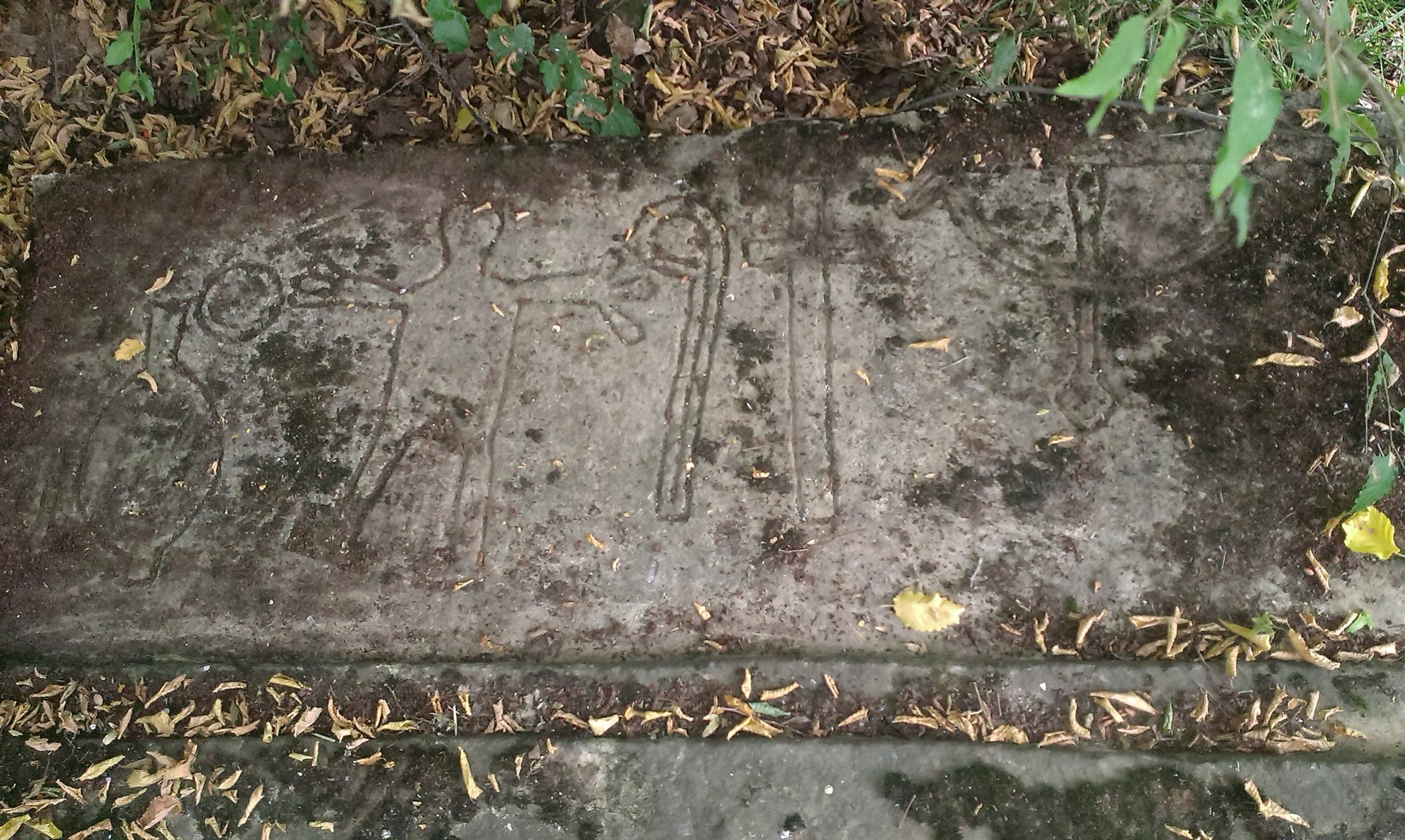
Remarkably, the Caucasian Albanians also developed their own alphabet, created, according to tradition, to translate Christian scriptures into their language, much as alphabets were devised for Armenian and Georgian in the same period. This Albanian script, long lost and only partially recovered by modern scholars, is one of the most tantalizing legacies of the kingdom, a sign of a genuine literary and religious culture now almost entirely vanished.

The religious history of Gabala thus mirrors the broader story of the Caucasus, a region where ancient paganism, Persian Zoroastrianism, and early Christianity met and contended. The city’s role as capital placed it at the center of these developments, and the faith of its people evolved with the shifting tides of the wider world, from local gods to the God of the Christians.
The recovery of the Caucasian Albanian alphabet is one of the quiet triumphs of modern scholarship. Long known only from a medieval list of its letters, the script was dramatically illuminated when ancient texts written in it were identified, allowing researchers to begin reading the language of a people whose voice had been silent for over a thousand years. It is a vivid reminder of how much of the past can still be recovered.
Coins, Pottery, and Daily Life
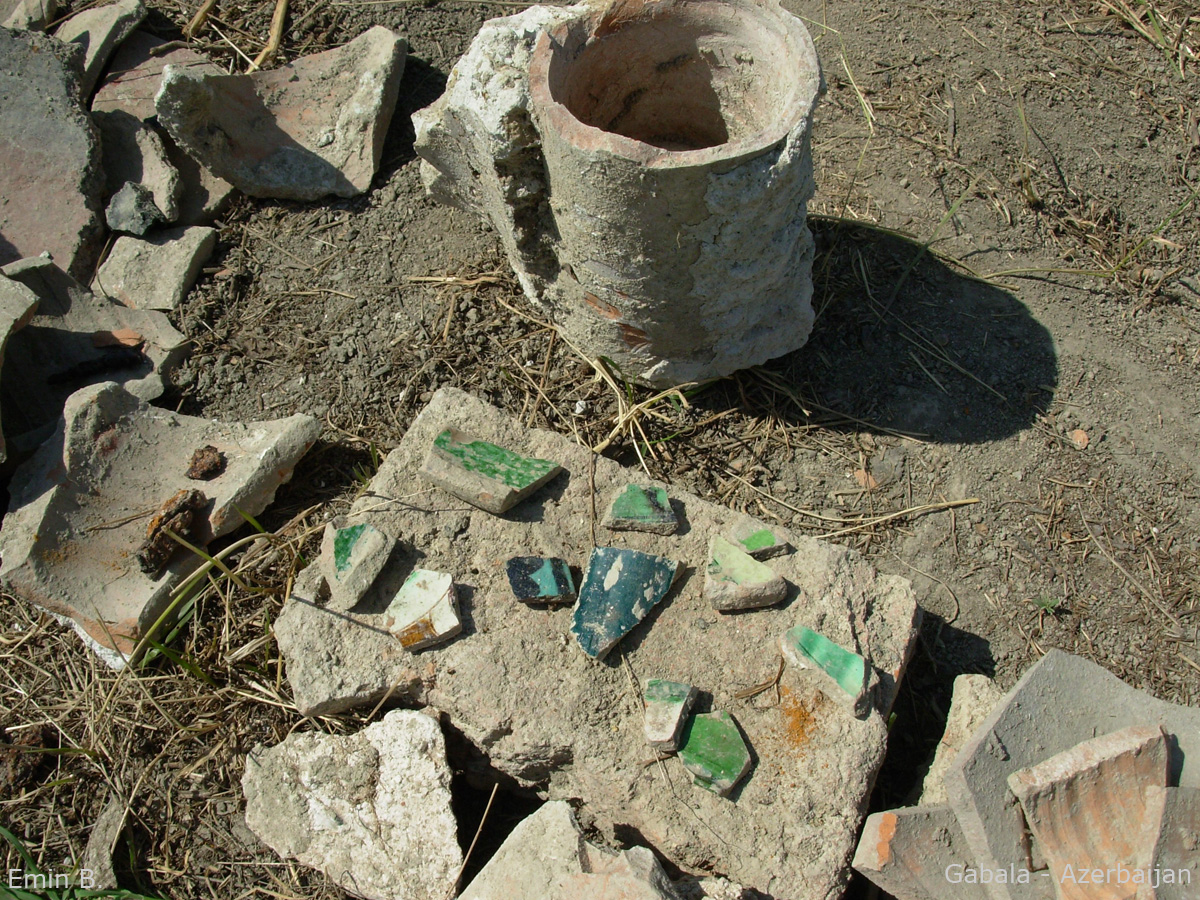
Much of what we know about everyday life in ancient Gabala comes from the humble objects excavated at the site: pottery, coins, tools, ornaments, and the remains of buildings. These finds, unglamorous individually, together build a detailed picture of a working city and the people who lived, traded, and worshipped within its walls across the centuries.
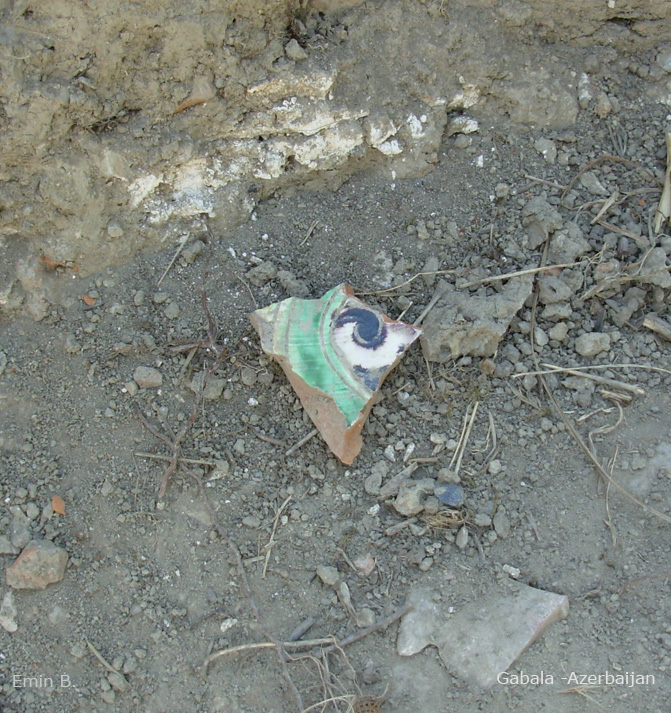
The pottery of Gabala is especially informative. Ceramic vessels of many kinds, from storage jars to fine tableware, have been recovered, their forms and decoration changing over time in ways that help archaeologists date the layers and trace cultural connections. Some pieces reflect local traditions, while others show the influence of, or actual importation from, the surrounding empires and trade partners.
Coins are among the most valuable finds. Hoards and stray coins discovered at and around Gabala include local issues as well as currency from the great powers, and they help date the city’s phases and illuminate its economic ties. The very fact that coins circulated here points to a monetized economy plugged into the wider commercial world of the ancient Near East and Mediterranean.
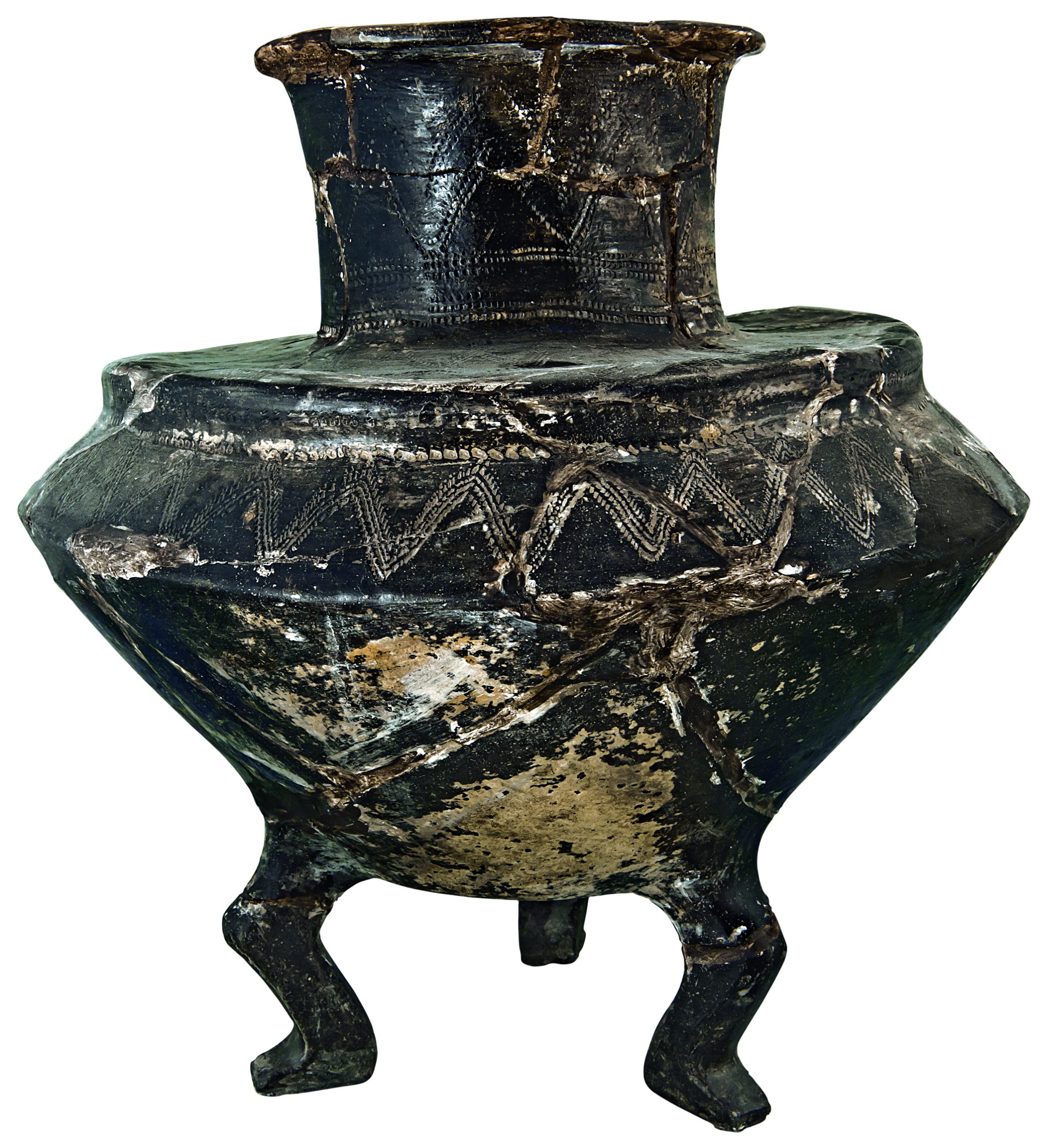
Together these finds bring the ancient capital to life. Behind the walls and the grand history of kings and empires lay a real community of potters, merchants, farmers, and craftsmen, going about their daily business. The objects they made, used, lost, and discarded are the raw material from which archaeologists reconstruct not just the political story of Gabala but the texture of ordinary Albanian life.
The blending of local and imported styles seen in the finds captures the essence of Gabala as a borderland city. Its craftsmen drew on their own traditions while absorbing influences carried along the trade routes, producing a material culture that was distinctly Albanian yet open to the wider world. This creative mixing is exactly what one would expect of a capital positioned at a crossroads of empires.
The Slow Fading of the Old City
Gabala’s long reign as capital eventually came to an end. The decline of Caucasian Albania as an independent state, under pressure from the great empires and, later, the Arab conquests that swept the region in the seventh and eighth centuries AD, gradually eroded the importance of its old capital. As the kingdom’s independence faded, so too did the significance of the city that had symbolized it.
The Arab conquest brought Islam to the region and reshaped its political landscape, absorbing the lands of Albania into the expanding Islamic world. Gabala continued to be inhabited into the Islamic period, and remained a place of some importance for a time, but the old order of Christian Albanian kingship that had made it a capital was passing into history.
Over the following centuries the city gradually lost its prominence. Shifts in trade routes, political power, and settlement patterns, along with the general upheavals that repeatedly swept the Caucasus, drew life away from the ancient site. Like many old capitals, Gabala slowly contracted, its grand fortifications and buildings falling into disrepair as the focus of regional life moved elsewhere.
By the later medieval period, the ancient city had been largely abandoned, its walls crumbling and its once-busy quarters given over to silence and encroaching vegetation. The name lived on in the region, but the great capital of Caucasian Albania had become a field of ruins, its story fading from memory as the kingdom it had served was itself half-forgotten by the wider world.
The Arab conquests of the seventh and eighth centuries were among the most transformative events in the history of the entire region, redrawing political and religious boundaries across the Caucasus and the Near East. For Caucasian Albania, caught in the path of this expansion, the result was a gradual dissolution of its old order, as its distinct Christian kingdom gave way to incorporation into a new and very different world.
From Ruins to Excavation
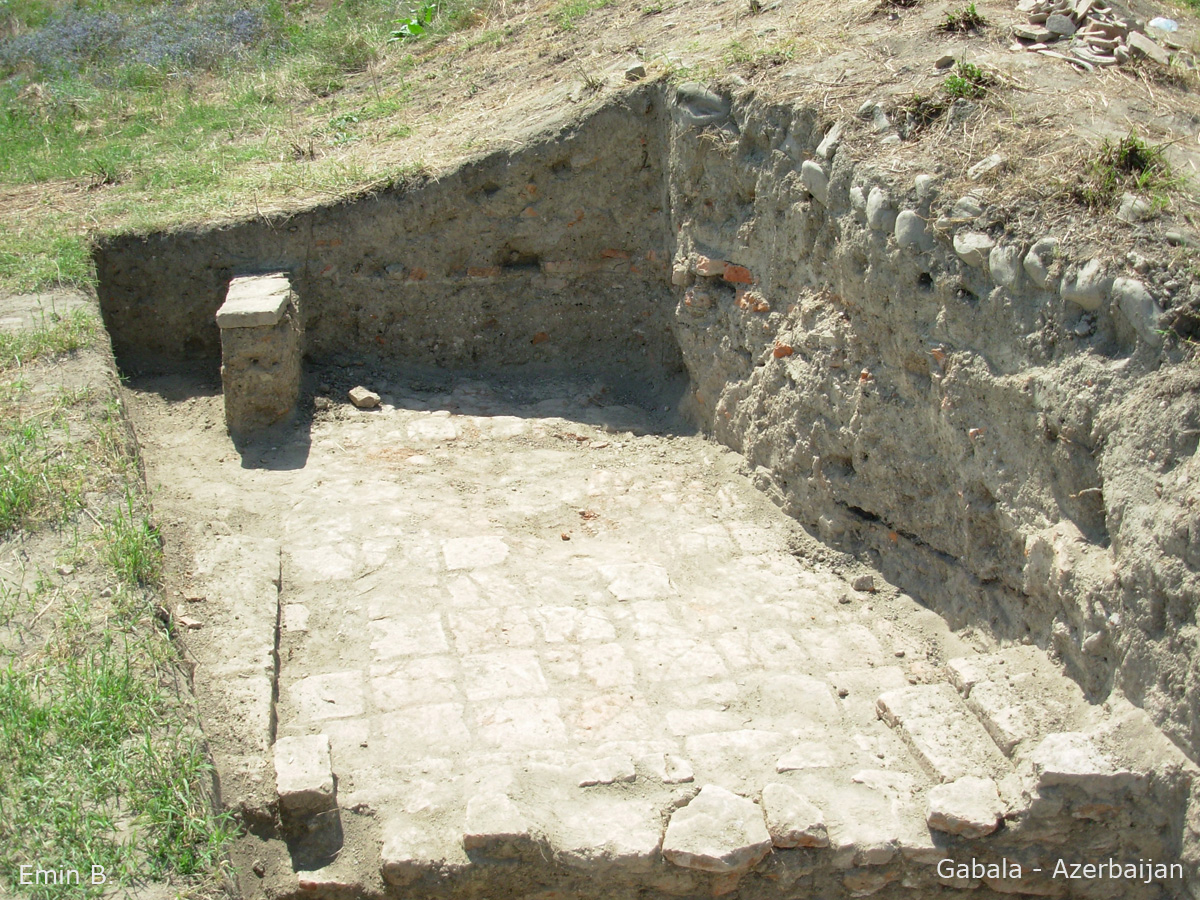
The rediscovery of ancient Gabala as an archaeological site began in earnest in the twentieth century, as scholars sought to recover the history of Caucasian Albania from the ground. Systematic excavations revealed the fortifications, the layout of the city’s quarters, and the rich array of finds that have made Gabala a cornerstone for understanding the vanished kingdom.
Archaeological work has continued in more recent decades, including collaborative projects bringing together local and international specialists. These excavations have steadily expanded knowledge of the site, uncovering more of its defenses, buildings, and material culture, and refining the chronology of its long occupation from the pre-Christian era through the Islamic period.
The digging at Gabala faces the usual challenges of a deep, long-lived urban site, where many phases of building are stacked and intermingled, and where mud brick and stone must be carefully distinguished and recorded. But the rewards have been great, transforming a little-known kingdom into something we can begin to see and understand through the physical remains of its capital.
Each season of work adds to the picture, and the finds are studied, conserved, and displayed to tell the story of Gabala and Caucasian Albania to a modern audience. The site has become a source of national pride in Azerbaijan, a tangible connection to the deep and complex history of the land, and a focus for ongoing research into one of the ancient world’s lesser-known civilizations.
The study of Gabala also feeds into a larger scholarly effort to reconstruct the history of Caucasian Albania as a whole, drawing together the scattered written sources, the evidence of language and religion, and the growing body of archaeological data. In this project the capital’s ruins play a starring role, anchoring the abstract history of the kingdom to a real, excavatable place on the ground.
A New Gabala Nearby
The name Gabala did not die with the ancient city. A modern town called Gabala, or Qabala, exists today a little distance from the ancient ruins, carrying the old name forward into the present. This modern Gabala has grown into a popular destination in Azerbaijan, known for its beautiful mountain setting, resorts, and festivals, quite separate from the archaeological site nearby.
This continuity of name across the centuries is a common pattern in regions of deep history, where the memory of an ancient place attaches to a nearby modern settlement even after the original city has crumbled. The modern town honors its ancient namesake, and the presence of the ruins nearby adds a dimension of deep history to a region better known today for its scenery and tourism.
For visitors to the modern Gabala region, the ancient site offers a chance to step back thousands of years, from the comfortable present into the deep past of the Caucasus. The contrast between the lively modern town and the silent ancient ruins captures something of the vast span of time over which people have lived, prospered, and moved on in this beautiful corner of the world.
The relationship between old and new Gabala also reflects the way modern Azerbaijan engages with its ancient heritage, preserving and presenting sites like this as part of the nation’s long story. The ruins of the Albanian capital have become both an object of scholarly study and a point of connection between the country’s present and its remarkably deep past.
Visiting Ancient Gabala
A visit to ancient Gabala today means exploring the remains of the fortified city set in the green landscape of the Caucasian foothills. The most impressive features are the remnants of the fortifications, including the bases of towers and stretches of wall that hint at the strength of the ancient defenses, standing amid the fields and trees that have reclaimed the old city.
Walking the site, a visitor can trace the outlines of the ancient quarters and imagine the busy capital that once stood here. Interpretive facilities and a nearby museum help make sense of the ruins and display the finds that bring the history of Caucasian Albania to life, from pottery and coins to fragments of the material culture of the vanished kingdom.

The setting is part of the appeal. Unlike the arid landscapes of many ancient sites, Gabala lies in a lush, well-watered region beneath forested mountains, and the beauty of the surroundings adds to the pleasure of a visit. The combination of deep history and natural splendor makes the ancient capital a rewarding destination for travelers exploring the heritage of Azerbaijan.
For those willing to seek out the less-traveled corners of history, ancient Gabala offers a rare encounter with a genuinely lost civilization. Standing among its ruins, aware that this was once the thriving capital of a kingdom that most of the world has forgotten, is a powerful reminder of how much of the human past lies waiting, half-remembered, in quiet places far from the famous centers of antiquity.
The relative obscurity of the site, compared with the great tourist magnets of the ancient world, is in some ways part of its charm. Those who make the effort to seek out ancient Gabala are rewarded with a quiet, uncrowded encounter with genuine antiquity, in a setting of real natural beauty, far from the pressures and crowds that can diminish the experience at more famous ruins.
Nearby Places to Explore
Gabala lies in the eastern Caucasus, a region layered with the history of many peoples and empires. If the story of Caucasian Albania and its lost capital has drawn you in, these neighboring sites carry the deep history of the Caspian and Caucasus region forward, from ancient rock art to a great fortress on the sea.
- Gobustan — the extraordinary landscape of ancient rock carvings south of Baku, recording tens of thousands of years of life on the Caspian shore.
- Derbent — the great fortified gateway on the Caspian coast, where a mighty wall ran down into the sea to close the pass between the mountains and the water.
- Susa — one of the oldest cities of the wider region, a great capital of Elam and Persia layered with millennia of history.
A Capital the World Forgot
Ancient Gabala is a monument to a kingdom that history has largely left behind. For six hundred years it was the capital of Caucasian Albania, a state that developed its own church, its own alphabet, and its own distinctive identity at the crossroads of the great empires, only to fade so completely that its very name is now unfamiliar. The ruins in the Caucasian foothills are among the last tangible traces of that vanished world.
That is precisely what makes the site so valuable and so moving. In its walls and quarters, its pottery and coins, we can recover something of a civilization that would otherwise be almost entirely lost. Gabala reminds us that the famous names of antiquity, the Romes and Persias and Athens, were surrounded by a host of smaller peoples and kingdoms, each with its own rich story. To stand among the ruins of the Albanian capital is to give one of those forgotten stories, for a moment, its due.
You May Like
Mafra, the Palace a King Built From a Vow