On the broad plain west of Yerevan, within sight of the snow-capped peak of Mount Ararat, rises a modest hill that holds one of the oldest and most fascinating archaeological sites in Armenia. This is Metsamor, a settlement whose story stretches back some five thousand years, a place where ancient people smelted metal, watched the stars, worshipped their gods, and built a community that endured, in one form or another, across millennia.
Metsamor is not the ruin of a great imperial capital, and it never appears in the headlines the way Persepolis or Troy do. Its importance is of a quieter, deeper kind. Here, on the fertile Ararat plain, one of the early centers of metalworking in the region took shape, and the site preserves an extraordinarily long and continuous record of life reaching back into the Bronze Age and beyond.
The name Metsamor is shared, confusingly, with a nearby river and a modern town, as well as with a well-known nuclear power station in the area, but the ancient site is something entirely separate and far older. It is a place where the prehistoric roots of Armenian civilization can be touched directly, in the stones of its ruins and the treasures unearthed from its soil, now displayed in a museum beside the mound.
Contents
- A Mound on the Ararat Plain
- Five Thousand Years of Life
- A Center of Ancient Metallurgy
- Reading the Sky Before Writing
- Sanctuaries and the Spirit World
- When Urartu Came to the Valley
- Gold, Bronze, and Distant Trade
- The Long Afterlife of the Settlement
- Unearthing Metsamor
- The Site and Museum Today
- Nearby Places to Explore
- A Window Into Armenia’s Deep Past
A Mound on the Ararat Plain
The setting of Metsamor is central to its story. It lies on the Ararat plain, a fertile lowland fed by rivers flowing down from the surrounding mountains, one of the great natural cradles of settlement in the South Caucasus. The rich soil and available water made this an ideal place for early farming communities, and people were drawn to the area from deep antiquity.
The site consists of a central citadel mound surrounded by a lower town and, beyond it, extensive cemeteries. This arrangement, a fortified core with a settlement and burial grounds around it, is typical of the ancient centers of the region, and at Metsamor it developed over a very long span of time as the community grew, changed, and rebuilt itself across the generations.
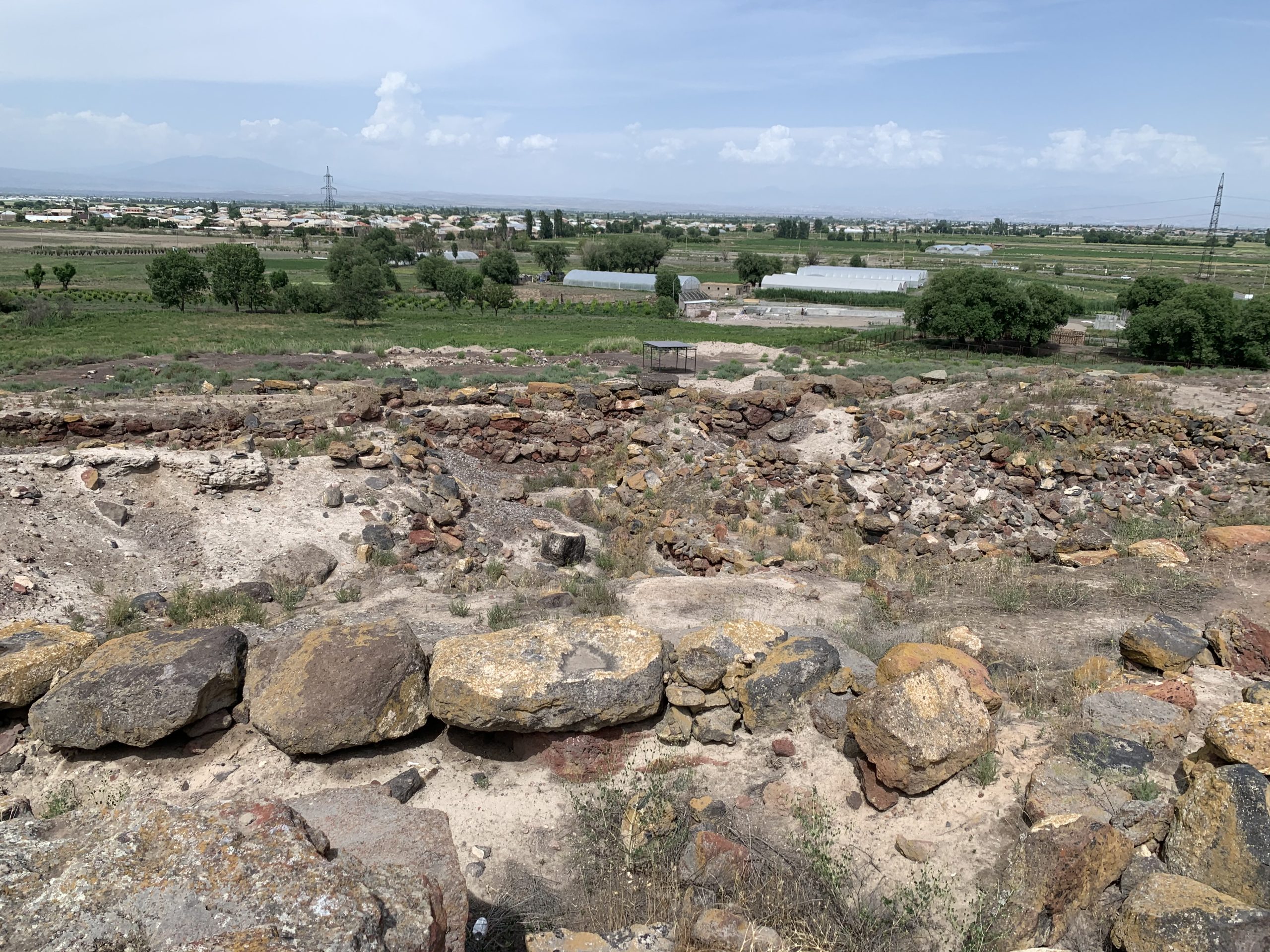
Around the citadel, massive stone walls were raised, built in the technique known as cyclopean masonry, using large, roughly shaped blocks fitted together without mortar. These fortifications, whose remains can still be seen, protected the heart of the settlement and testify to the ability of its inhabitants to organize substantial collective effort, a sign of a well-established and capable community.
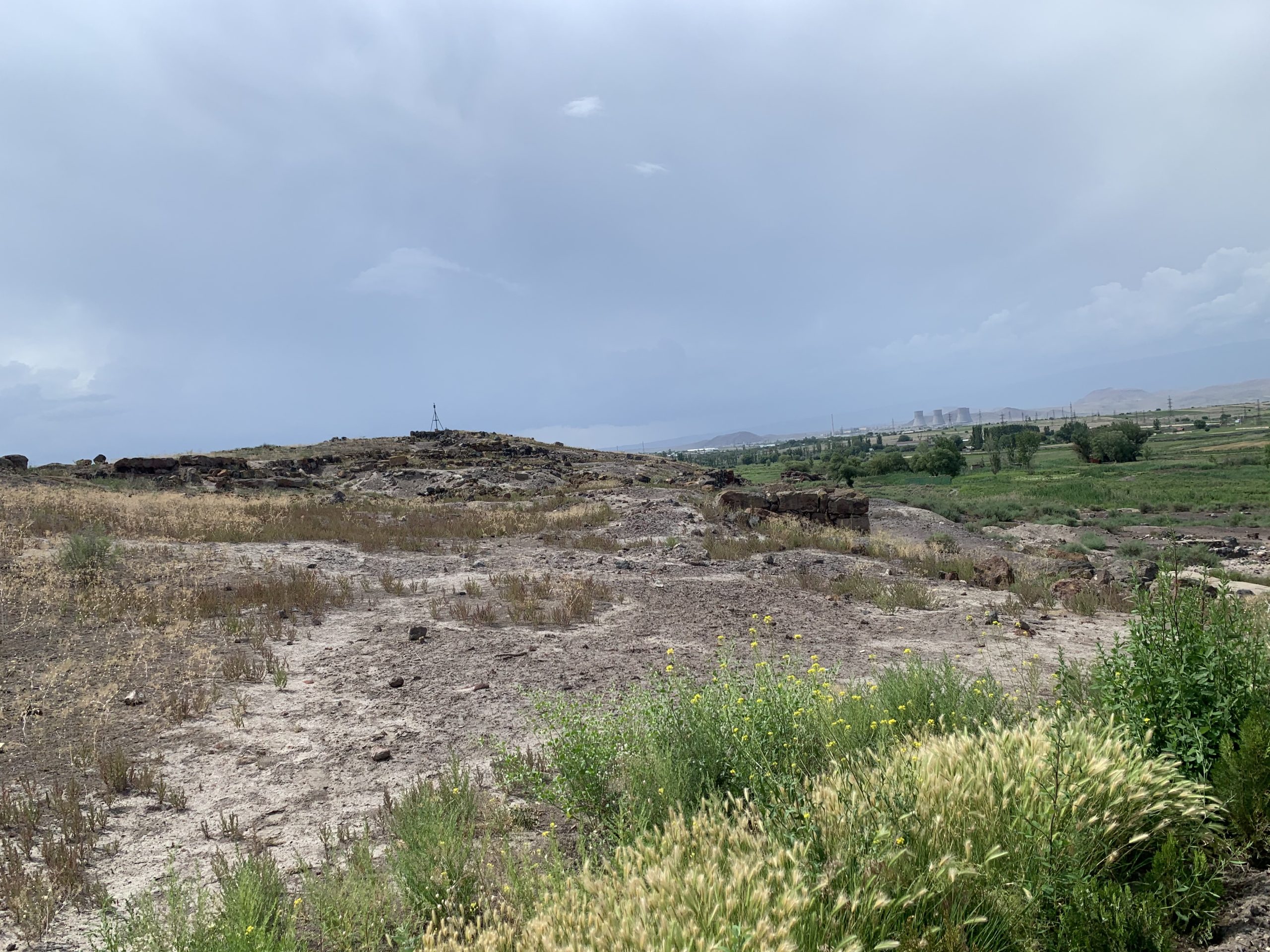
From the mound, the view stretches across the plain to the mountains, with Ararat itself dominating the southern horizon. It is a landscape of great beauty and deep symbolic resonance for Armenians, and it formed the backdrop to the long life of Metsamor. The people who lived here for thousands of years did so beneath the same great peak that still watches over the Armenian heartland today.
The Ararat plain has been one of the great population centers of the Armenian highlands for millennia, and Metsamor is only one of many ancient sites that dot its fertile expanse. The concentration of settlement here reflects the plain’s natural advantages, and it makes the region a kind of open-air museum of Caucasian prehistory, where site after site records the long human presence in this favored land.
Five Thousand Years of Life
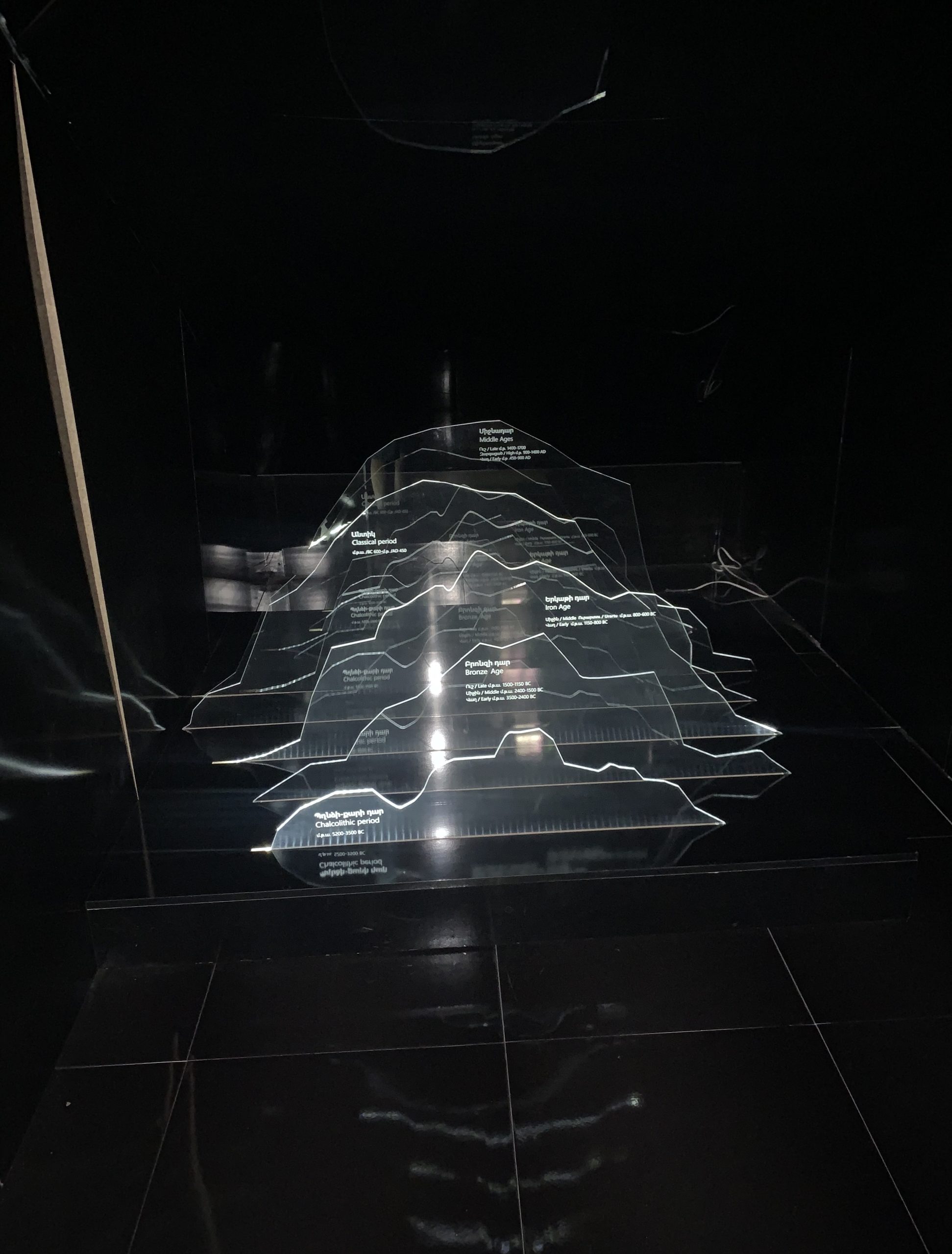
The occupation of Metsamor reaches back an astonishingly long way. Evidence of settlement at the site begins in the Neolithic and Chalcolithic periods, in roughly the fifth to fourth millennia BC, and continues, with changes and interruptions, through the Bronze Age, the Iron Age, and into much later times. Few sites in the region preserve so long and continuous a record of human life.
During the Bronze Age, Metsamor grew into a significant center, and it is from this period and the following Iron Age that many of its most important remains and finds date. The community reached a peak of prosperity and sophistication, developing its metallurgy, its religious sanctuaries, and its trade connections, and building the fortifications that guarded its citadel.
The site’s long life means that its layers capture the great cultural transformations of the ancient South Caucasus: the spread of metalworking, the rise of fortified centers, the coming of new peoples and powers, and eventually the incorporation of the region into larger kingdoms and empires. Metsamor is, in effect, a deep archive of Armenian prehistory and early history, readable in its stratified deposits.
This continuity also makes Metsamor invaluable for understanding how the ancient societies of the region developed over time. Rather than a single snapshot, the site offers a long sequence, allowing archaeologists to trace change and continuity across thousands of years in one place, from the earliest farming villages to the sophisticated Bronze and Iron Age community that made Metsamor famous among specialists.
Radiocarbon dating and other scientific techniques have helped anchor Metsamor’s long sequence in absolute time, confirming just how far back its occupation reaches. The results place its beginnings firmly in the prehistoric era, thousands of years before the rise of the classical civilizations, and underline the site’s value as a record of the earliest chapters of settled life in the region.
A Center of Ancient Metallurgy
The achievement for which Metsamor is best known is metallurgy. The site was a major center of metalworking in the ancient South Caucasus, and archaeologists have uncovered evidence of large-scale production of metal, including furnaces, casting installations, and the debris of extensive smelting and working of copper, bronze, and other metals over a long period.
This was no small-scale village craft but an organized industry. The scale of the metallurgical remains suggests that Metsamor produced metal not only for its own needs but for trade and exchange with a wider region, making it an important node in the network of metal production and distribution that helped drive the Bronze Age economy across the Near East and Caucasus.
The region around Metsamor was rich in the raw materials that made this possible, with sources of metal ores accessible in the surrounding lands. The inhabitants developed the technical knowledge to extract and work these metals, mastering the control of fire and the chemistry of smelting that turned ore into usable metal, one of the transformative skills of the ancient world.
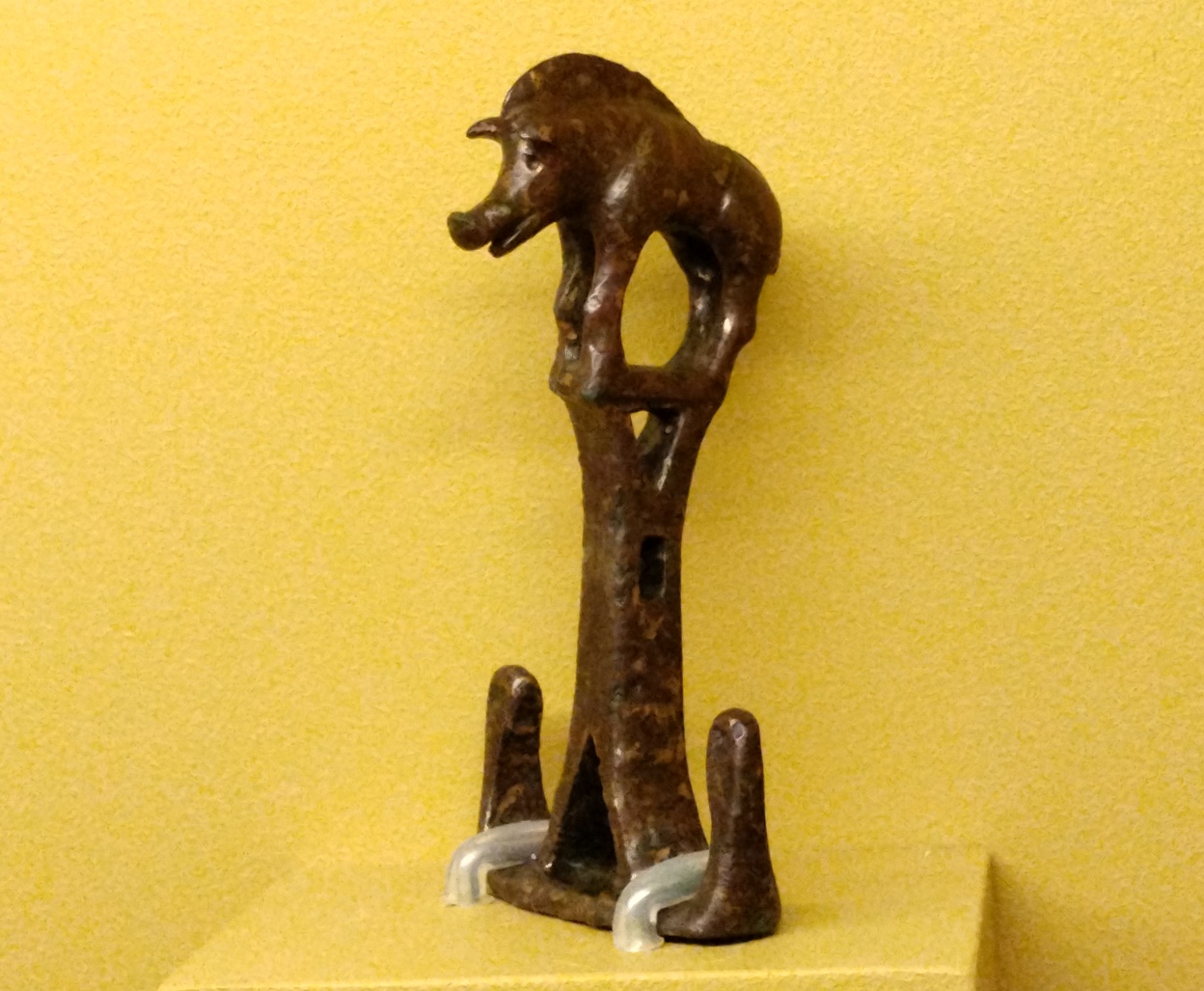
The metalwork produced here, and found in the site’s graves and deposits, ranges from tools and weapons to fine ornaments and ritual objects, some of them of considerable artistry. This industry was the engine of Metsamor’s prosperity and importance, drawing wealth and connections to the community and placing it among the significant centers of early metallurgy in the whole region.
The importance of metallurgy in the ancient Caucasus can hardly be overstated. The region was one of the early heartlands of metalworking, and its products and expertise rippled outward across the ancient world. Sites like Metsamor were where this crucial technology was developed and practiced on a serious scale, contributing to a transformation in human capability that reshaped economies, warfare, and society everywhere it spread.
Reading the Sky Before Writing
One of the most intriguing and debated features of Metsamor is the claim that it was home to one of the world’s oldest astronomical observatories. Certain stone platforms and carved markings at the site have been interpreted by some researchers as instruments for observing the heavens, used to track the movements of the sun, moon, and stars, and perhaps to mark the seasons and important celestial events.
If this interpretation is correct, it would mean that the people of Metsamor were watching and recording the sky in a systematic way thousands of years ago, long before the development of writing in the region. Such observations would have had practical value for agriculture, telling farmers when to plant and harvest, as well as likely religious significance, connecting the community to the rhythms of the cosmos.
Like many such claims about ancient observatories, this one is treated with caution by scholars, and the exact function of the stone features remains a matter of discussion. It can be difficult to distinguish a deliberate astronomical instrument from other kinds of ritual or practical installation, and interpretations of ancient sky-watching are notoriously prone to over-enthusiasm. The debate continues among specialists.
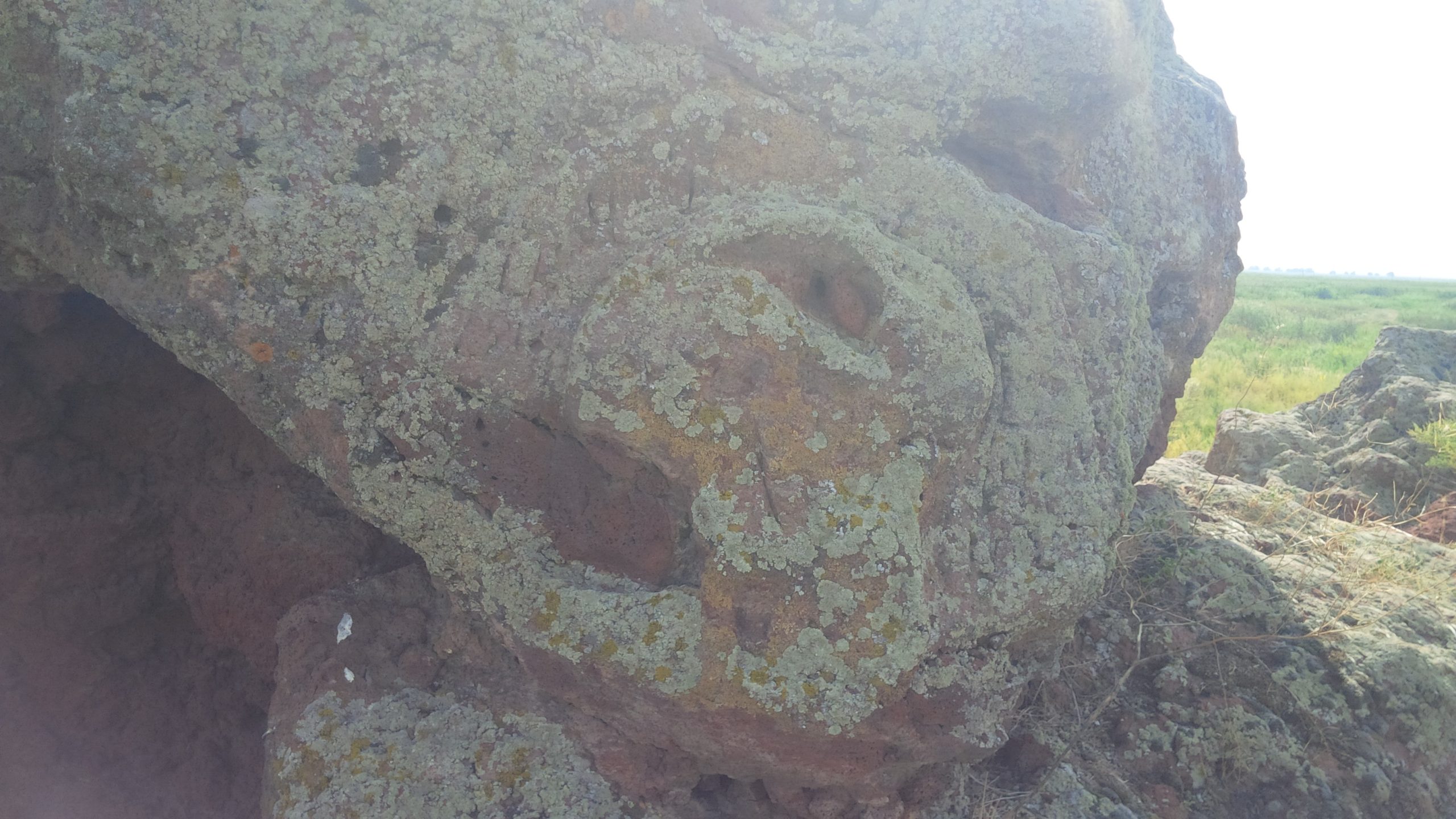
Whatever the truth of the observatory claim, the idea captures something real about ancient Metsamor: a community sophisticated enough to be interested in the heavens, the seasons, and the order of the natural world. The people who smelted metal and built cyclopean walls were clearly capable of complex thought, and an interest in the sky would fit naturally with the religious and practical concerns of such a society.
Claims of ancient observatories tend to attract both genuine scholarly interest and a good deal of romantic speculation, and Metsamor is no exception. Serious researchers approach the question carefully, weighing the evidence for deliberate astronomical alignment against simpler explanations. Whatever the verdict, the very fact that the question arises reflects the sophistication of the community that built and used the site.
Sanctuaries and the Spirit World
Religion and ritual were woven deeply into the life of Metsamor. Excavations have revealed sanctuaries and cult installations within the settlement, places where the inhabitants worshipped their gods and performed the ceremonies that bound their community together. These sacred spaces are among the most evocative discoveries at the site, offering a glimpse into the spiritual world of its ancient people.
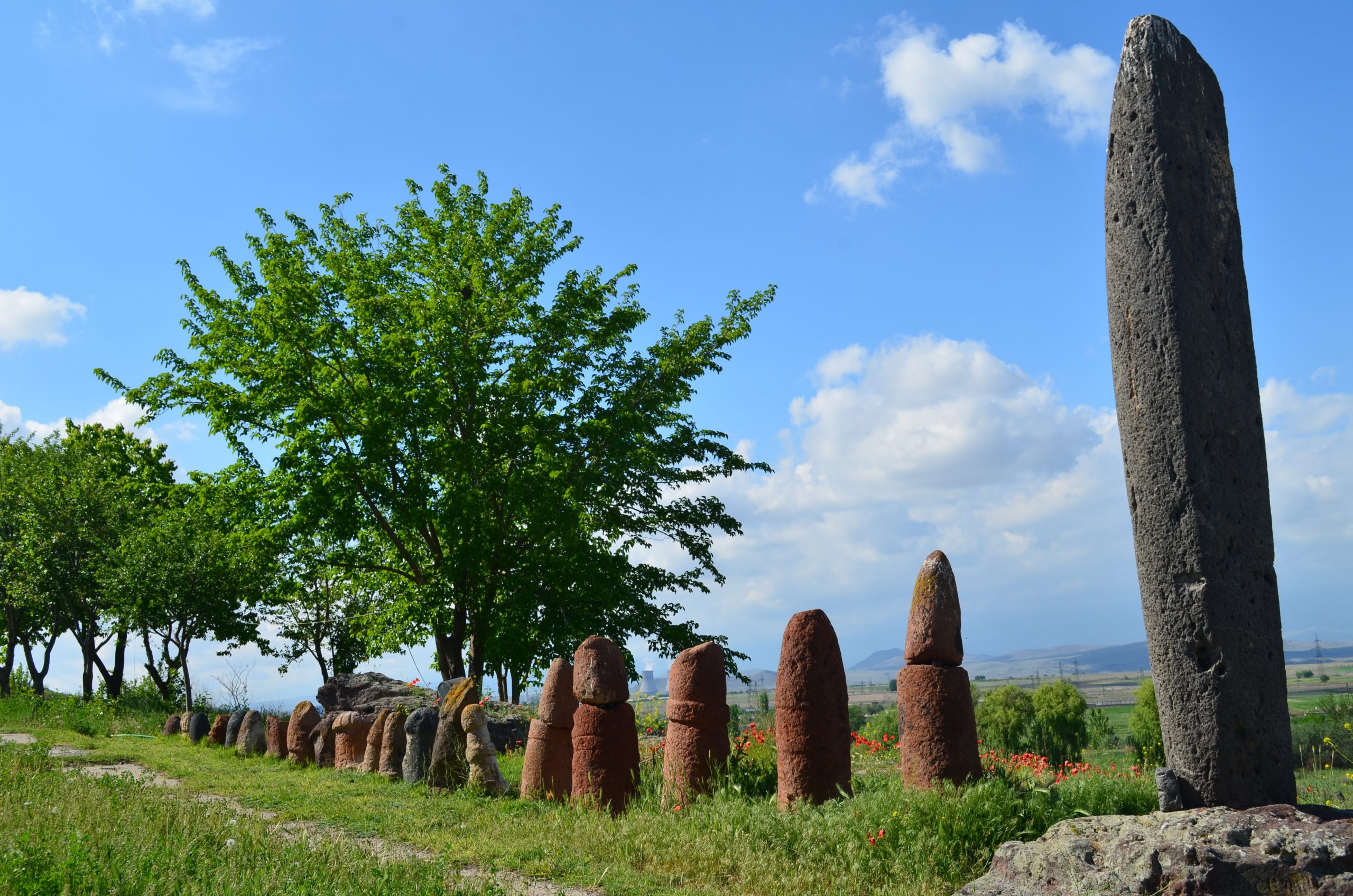
The religious life of the region was rich with imagery and belief, and Metsamor shared in the broader traditions of the ancient South Caucasus. Among the most striking monuments associated with this world are the so-called dragon stones, or vishaps, carved standing stones found across the Armenian highlands, often near water sources, that are thought to have had ritual or protective significance in ancient times.
These enigmatic stones, some shaped like fish or bulls and set up in high pastures and beside springs, reflect a deep and ancient concern with water, fertility, and the forces of nature. They belong to a tradition of sacred landscape that long predates written history in Armenia, and they help us imagine the spiritual world within which communities like Metsamor understood their place in the cosmos.
The burials at Metsamor also speak to belief. The dead were interred with grave goods, sometimes rich ones, reflecting ideas about the afterlife and about the status of individuals in the community. Some graves contained the remains of what appear to be sacrifices, and the careful, ritualized treatment of the dead underlines how central religion was to the whole rhythm of life at the ancient settlement.
The vishap dragon stones remain among the most mysterious monuments of ancient Armenia, and their study continues to yield surprises about the beliefs of the highland peoples. Their frequent association with water and high pastures points to a worldview in which the sources of life and fertility were sacred, and in which carved stone could serve to mark, protect, or honor these vital places in the landscape.
When Urartu Came to the Valley
In the first millennium BC, the Ararat plain and the wider Armenian highlands came under the sway of the kingdom of Urartu, a powerful state centered on Lake Van that rose to rival Assyria. Metsamor, long established as a center in its own right, was drawn into the orbit of this expanding kingdom, and the Urartian presence left its mark on the region and the site.
Urartu was a kingdom of great builders, famous for its massive fortresses, its irrigation works, and its metalwork, and its expansion across the highlands reshaped the political landscape within which Metsamor existed. The settlement continued through this period, adapting to the new power that dominated the region and participating in the wider Urartian world of the Iron Age Caucasus.
The coming of Urartu connects Metsamor to one of the great early kingdoms of the region, the same power whose fortresses and inscriptions dot the Armenian landscape and whose legacy fed into the later history of Armenia itself. The founding of the fortress that would become Yerevan, for instance, belongs to this Urartian age, tying the deep past of Metsamor to the origins of the modern Armenian capital.
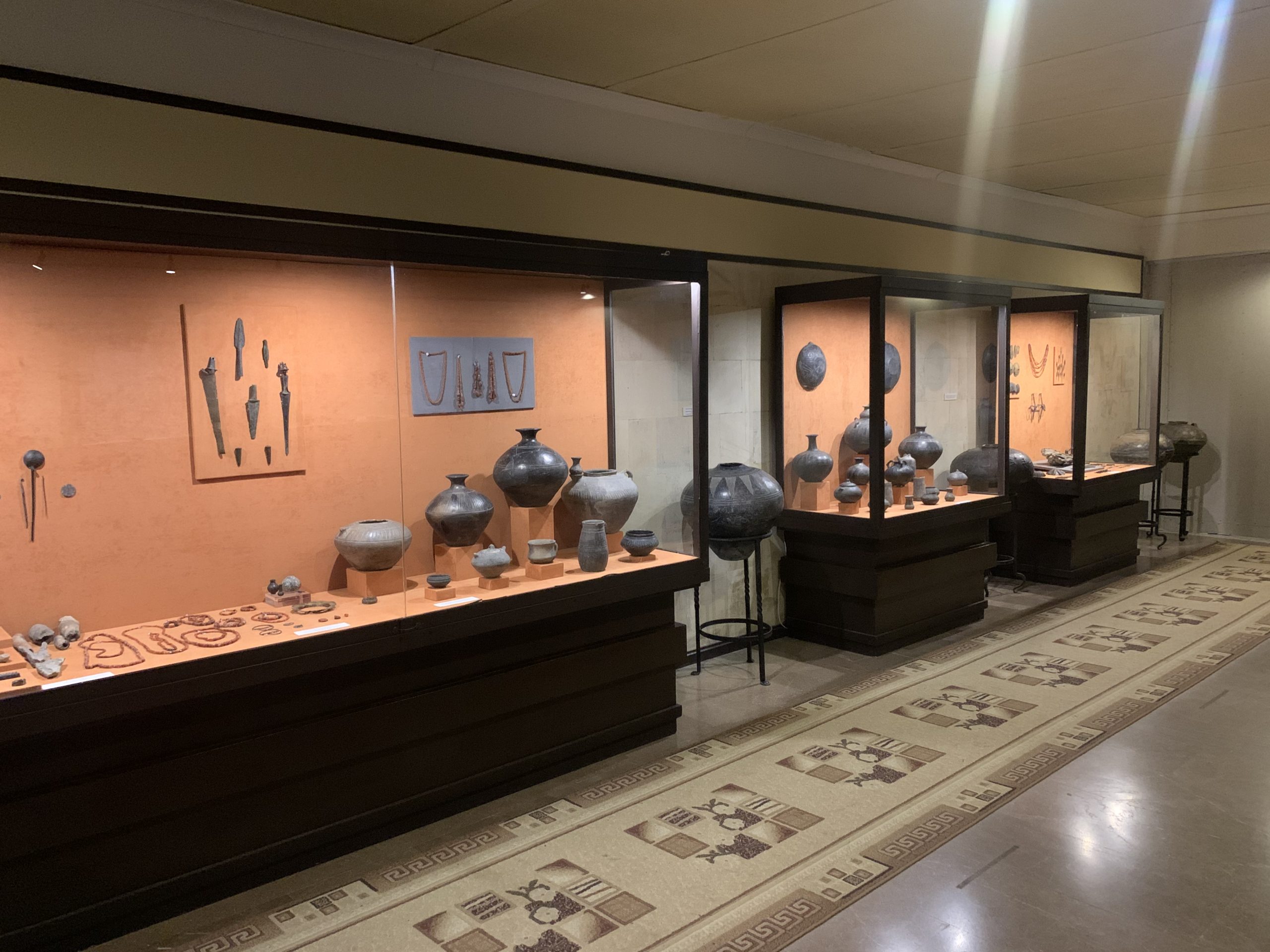
Through the Urartian period and beyond, Metsamor remained an inhabited and significant place, its long continuity persisting even as great kingdoms rose and fell around it. The settlement that had begun in the age of the first farmers was now part of the story of organized states and empires, carrying its ancient traditions forward into a changing world.
Urartu itself is a fascinating chapter of ancient history, a highland kingdom that held its own against the might of Assyria for centuries and left behind some of the most impressive fortresses and engineering works of the ancient Near East. Its legacy runs deep in the story of Armenia, and Metsamor’s incorporation into the Urartian world links the prehistoric mound to this pivotal era of highland state-building.
Gold, Bronze, and Distant Trade
The wealth of Metsamor is vividly reflected in the objects recovered from its graves and deposits, many of which are treasures of ancient art. Beyond the practical products of its metal industry, the site has yielded fine ornaments, jewelry, and prestige goods, some made of gold and other precious materials, that speak to the prosperity and sophistication of its people.
Among the most remarkable finds are imported objects that reveal the reach of Metsamor’s trade connections. Items originating in distant lands, including materials and artifacts linked to Egypt, Mesopotamia, and other far-off centers, have been found at the site, showing that this community on the Ararat plain was plugged into the long-distance exchange networks of the ancient Near East.
These exotic imports are precious clues to the ancient world’s connectivity. A carved seal or an ornament that traveled hundreds or thousands of kilometers to end up in a grave at Metsamor testifies to the movement of goods, and probably of ideas, across the vast distances of the ancient world. Metsamor was not an isolated backwater but a participant in a web of trade spanning much of western Asia.
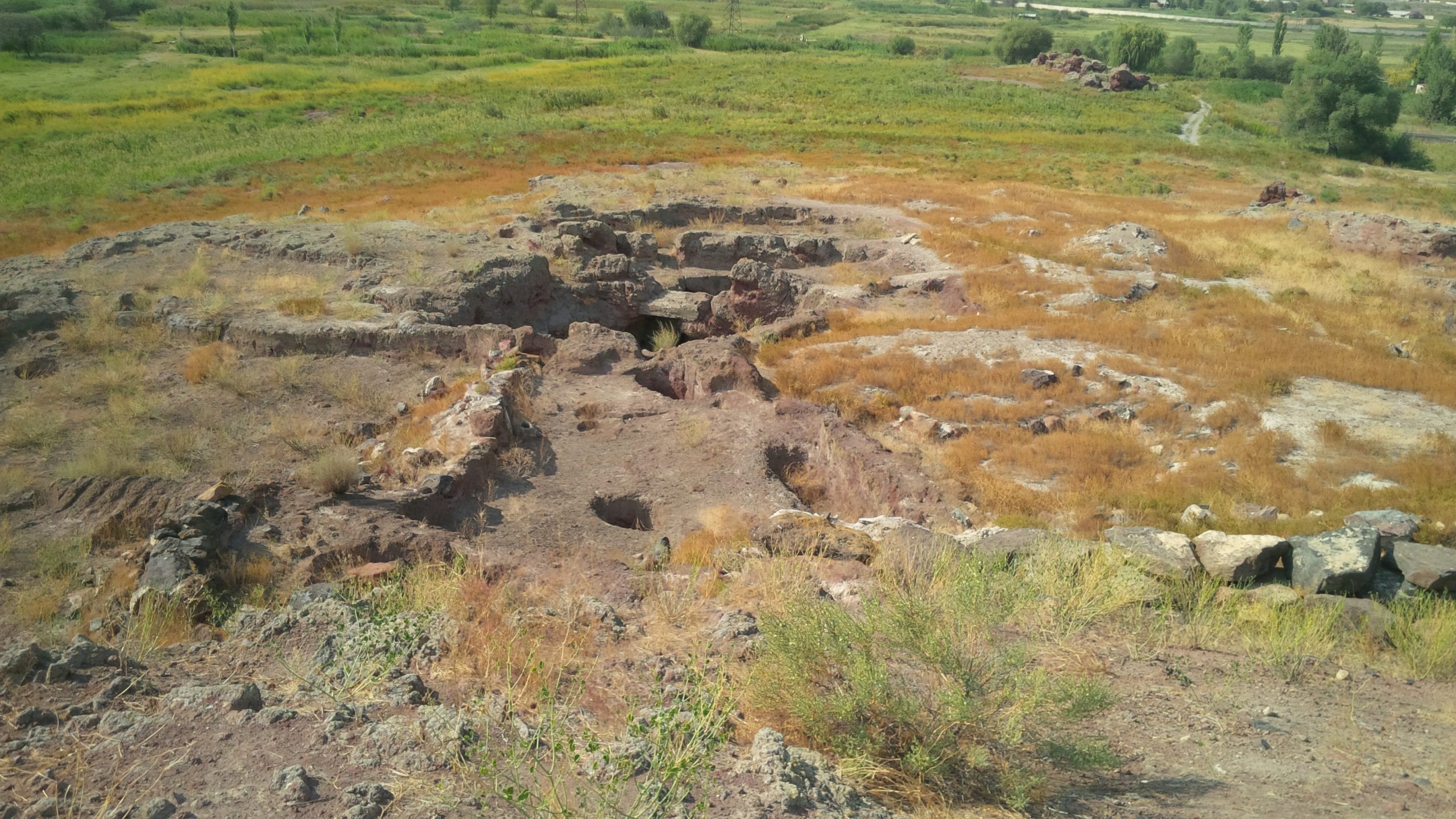
The combination of local production and distant imports gave Metsamor a rich and varied material culture. Its craftsmen created objects of real beauty, and its people acquired treasures from far away, building a community whose wealth and connections belied its position on what might seem, from a distance, the margins of the ancient world. The finds now displayed in its museum bring this vanished prosperity back to life.
The distances involved in some of these trade connections are genuinely striking. For an object to travel from Egypt or Mesopotamia to a settlement on the Ararat plain, it had to pass through many hands and across formidable terrain, a reminder that the ancient world was far more interconnected than we sometimes imagine. Metsamor’s exotic finds are small but eloquent witnesses to that ancient connectivity.
The Long Afterlife of the Settlement
Metsamor’s story did not end with the great kingdoms of the Iron Age. The site continued to be occupied, in changing forms, through the later ancient and into the medieval period, its long life persisting across the many upheavals that swept the Armenian highlands. This extraordinary continuity of settlement is one of the site’s defining characteristics.
As the centers of power and the patterns of life shifted over the centuries, the importance of the old settlement gradually diminished, but people continued to live in and around the site for a very long time. The mound that had been a thriving Bronze Age metallurgical center became, in later ages, a more modest place, its glory days behind it but its occupation enduring.
This layering of period upon period is exactly what makes the site so rich for archaeologists, and so complex to excavate. Medieval remains overlie ancient ones, and the whole sequence must be carefully disentangled to recover the story of each phase. The very longevity that makes Metsamor important also makes it a challenging puzzle to read.
Eventually, like so many ancient sites, Metsamor faded from active life and became a field of ruins and buried remains, its long history forgotten by all but local memory. It waited, as such places do, for the archaeologists who would eventually come to uncover its deep past and restore it to its rightful place in the story of Armenia and the ancient Caucasus.
The persistence of settlement at Metsamor across so many centuries is a theme worth pausing on. Where many ancient sites were founded, flourished briefly, and were abandoned, Metsamor kept drawing people back, generation after generation. That enduring appeal speaks to the fundamental advantages of its location on the fertile, well-watered plain, advantages that outlasted the rise and fall of the kingdoms that ruled the land.
Unearthing Metsamor
Systematic excavation of Metsamor began in the second half of the twentieth century, when archaeologists recognized the extraordinary potential of the site. Extensive digging over many seasons uncovered the citadel and its cyclopean walls, the metallurgical installations, the sanctuaries, and the rich cemeteries, revealing the full importance of this ancient center.
The excavations brought to light the evidence of metalworking, the debated astronomical features, the religious structures, and the wealth of finds, from local metalwork to exotic imports, that together established Metsamor as one of the key sites for understanding the prehistory and early history of Armenia. The results transformed a little-known mound into a site of national and scholarly significance.
Work at the site has continued in more recent years, including international collaborations that have applied modern scientific methods to the study of the settlement and its cemeteries. These ongoing investigations keep refining and expanding our knowledge, uncovering new graves and structures and shedding fresh light on the long, complex life of the ancient community.

The finds from all this work are preserved and displayed, and the site itself is protected as an important part of Armenia’s cultural heritage. Metsamor has become both a focus for research into the deep past and a place where visitors can connect directly with the ancient roots of Armenian civilization, standing among ruins that reach back five thousand years.
The recovery of Metsamor’s story is a good example of how archaeology can restore an entire chapter of the past that had vanished from written memory. Nothing in the classical histories prepares us for the richness of this prehistoric center; it is only through patient excavation that its metallurgy, its sanctuaries, and its trade connections have been brought to light, adding a deep new dimension to the known history of ancient Armenia.
The Site and Museum Today
A visit to Metsamor today combines the archaeological site with an excellent museum built beside it. The mound itself, with its cyclopean walls and excavated structures, can be explored on foot, offering a direct encounter with the ancient citadel and its defenses, set against the backdrop of the Ararat plain and the distant mountains.
The museum is the essential companion to the site, displaying the wealth of objects recovered over decades of excavation: metalwork and ornaments, pottery and tools, imported treasures, and material illustrating the metallurgy, religion, and daily life of ancient Metsamor. Together the ruins and the collection tell the full story of this remarkable place, from the first farmers to the great Bronze Age center.
Because Metsamor lies close to Yerevan, it makes an easy and rewarding excursion for those exploring the deep history of Armenia, and it pairs naturally with the many other ancient sites of the Ararat plain. Its combination of great antiquity, fascinating discoveries, and beautiful setting makes it a highlight for anyone interested in the roots of Caucasian and Armenian civilization.
For the thoughtful visitor, Metsamor offers something special: not the grandeur of a famous capital, but a profound sense of depth in time. To stand on its mound, beneath Mount Ararat, aware of the five thousand years of human life beneath your feet, is to feel the extraordinary continuity of settlement in this ancient land, where people have lived, worked metal, and watched the same eternal mountain since the dawn of history.
The pairing of Metsamor with the other great sites of the Ararat plain makes it possible to trace, in a single day or two of exploration, an enormous span of the Armenian past, from prehistoric mounds to Urartian fortresses and classical temples. Few regions offer such a concentrated encounter with so many layers of history, and Metsamor’s deep antiquity anchors that story at its very beginning.
Nearby Places to Explore
Metsamor lies on the Ararat plain in the heart of ancient Armenia, a landscape dense with the remains of the peoples and kingdoms that shaped the South Caucasus. If the deep prehistory of this metalworking center has intrigued you, these neighboring sites carry the story of Armenia and its region forward, from Urartian fortresses to a Greco-Roman temple and the ancient Caucasus beyond.
- Erebuni — the Urartian fortress founded on a hill above what is now Yerevan, marking the beginning of the Armenian capital and the same age that drew Metsamor into Urartu.
- Garni — the elegant classical temple set above a dramatic gorge, a rare survival of the Greco-Roman heritage of ancient Armenia.
- Gobustan — the great open-air gallery of ancient rock carvings on the Caspian shore, recording the deep prehistory of the wider Caucasus region.
A Window Into Armenia’s Deep Past
Metsamor is a place that rewards those willing to look beneath the surface of history. It offers no soaring columns or famous names, but in its cyclopean walls, its metal furnaces, its debated observatory, and its treasure-filled graves, it preserves one of the longest and richest records of ancient life anywhere in Armenia. For five thousand years people lived, worked, and worshipped on this mound beneath Mount Ararat, and the traces they left let us reach back to the very foundations of civilization in the region.
What makes Metsamor so moving is precisely its ordinariness raised to extraordinary depth. This was a working community of smiths, farmers, traders, and priests, not a seat of emperors, and yet its long continuity and its remarkable achievements in metallurgy and, perhaps, astronomy place it among the significant sites of the ancient world. In the quiet ruins on the Ararat plain lies a profound reminder that the deep roots of great civilizations often lie in such modest, patient, enduring places.
You May Like
Norse Explorers Reached Canada 500 Years Before Columbus


One thought on “Metsamor: Armenia’s Bronze Age Metal Center Beneath Mount Ararat”