Most cities cannot tell you the year they were born. Yerevan can. High on a hill overlooking the modern Armenian capital stand the remains of an ancient fortress whose founding was recorded, in cuneiform, on a stone tablet nearly three thousand years ago. That fortress is Erebuni, and the inscription that marks its establishment gives the city that grew up around it a claim to one of the most precisely documented birthdays of any capital in the world. Few places can point to the exact moment of their creation with such confidence.
Erebuni was built as a stronghold of Urartu, a powerful ancient kingdom that once dominated the highlands around the mountains of the region, rivaling the great empires of Mesopotamia. Perched on its hill, the fortress commanded the surrounding plain and served as a center of royal power, religion, and administration. Its massive walls, its temples, and its brilliantly painted halls made it a place of real importance, and its ruins today preserve a vivid record of the civilization that raised it.
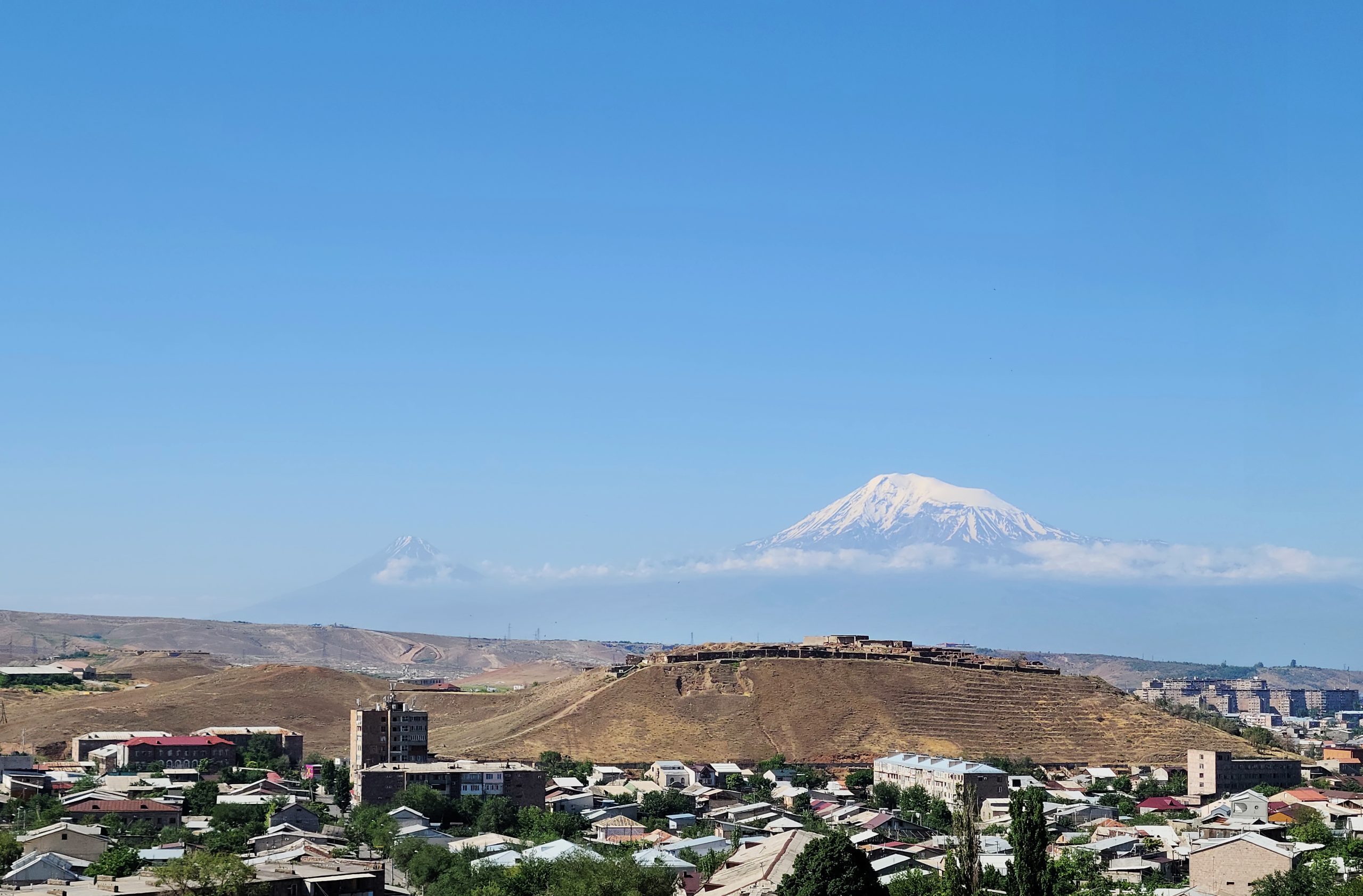
This is the story of that ancient fortress: the kingdom that built it, the inscription that fixed its founding, the painted splendor of its halls, and the remarkable way its foundation is now celebrated as the very beginning of one of the world’s oldest continuously inhabited capital cities, still thriving in the shadow of the hill where it all began.
Contents
- The Birthday of a Capital
- A Fortress of the Kingdom of Urartu
- The Stone That Records Its Own Founding
- Walls, Temples, and Painted Halls
- Colors From a Lost World
- A Watchtower Over the Ararat Plain
- From Urartian Stronghold to Persian Center
- The Long Road to Rediscovery
- The Fortress and the Modern City
- Standing on Arin Berd Today
- Nearby Places
- To Conclude
The Birthday of a Capital
The most celebrated fact about Erebuni is the precision with which its founding is known. A cuneiform inscription discovered at the site records the establishment of the fortress by an Urartian king, naming him and the year of his reign in which the work was done. From this inscription, scholars have been able to calculate a founding date, giving the fortress and, by extension, the modern city that descends from it a documented origin reaching back nearly three thousand years. This is a rare and precious thing in the study of ancient cities.
Because of this inscription, the modern Armenian capital celebrates its foundation as dating back to the establishment of Erebuni, making it one of the oldest continuously inhabited cities in the world with a precisely known founding. The very name of the ancient fortress is often seen as an ancestor of the name of the modern city, forging a direct link between the Urartian stronghold on the hill and the bustling capital that surrounds it today. Few cities can trace so clear a line from an ancient citadel to a living metropolis.
The recorded founding of Erebuni gives the site a special resonance, transforming it from a mere archaeological ruin into the documented birthplace of a nation’s capital. The knowledge that the fortress was established in a particular year, by a named king, for specific purposes, brings the ancient past into focus with unusual clarity. It allows the modern city to celebrate anniversaries of its foundation reaching back into the depths of antiquity, an extraordinary continuity of civic memory.
This documented birthday is more than a curiosity; it is a powerful symbol of the deep roots of the modern city and the long continuity of human settlement in the region. The fortress on the hill is not just an ancient monument but the acknowledged origin of the living capital, its founding inscription a kind of birth certificate for a city that has endured for nearly three thousand years. In Erebuni, past and present are bound together in an unbroken line stretching from an Urartian king to the present day.
It is worth reflecting on how unusual this certainty is. The founding dates of most ancient cities are lost entirely, or survive only as legends embroidered by later generations who had no real evidence to draw on. Erebuni is different precisely because its origin rests not on myth but on a contemporary royal record, cut into stone at the time of the event itself. That grounding in a genuine ancient document is what allows a modern city to celebrate an anniversary reaching back nearly three thousand years without resorting to guesswork or invention.
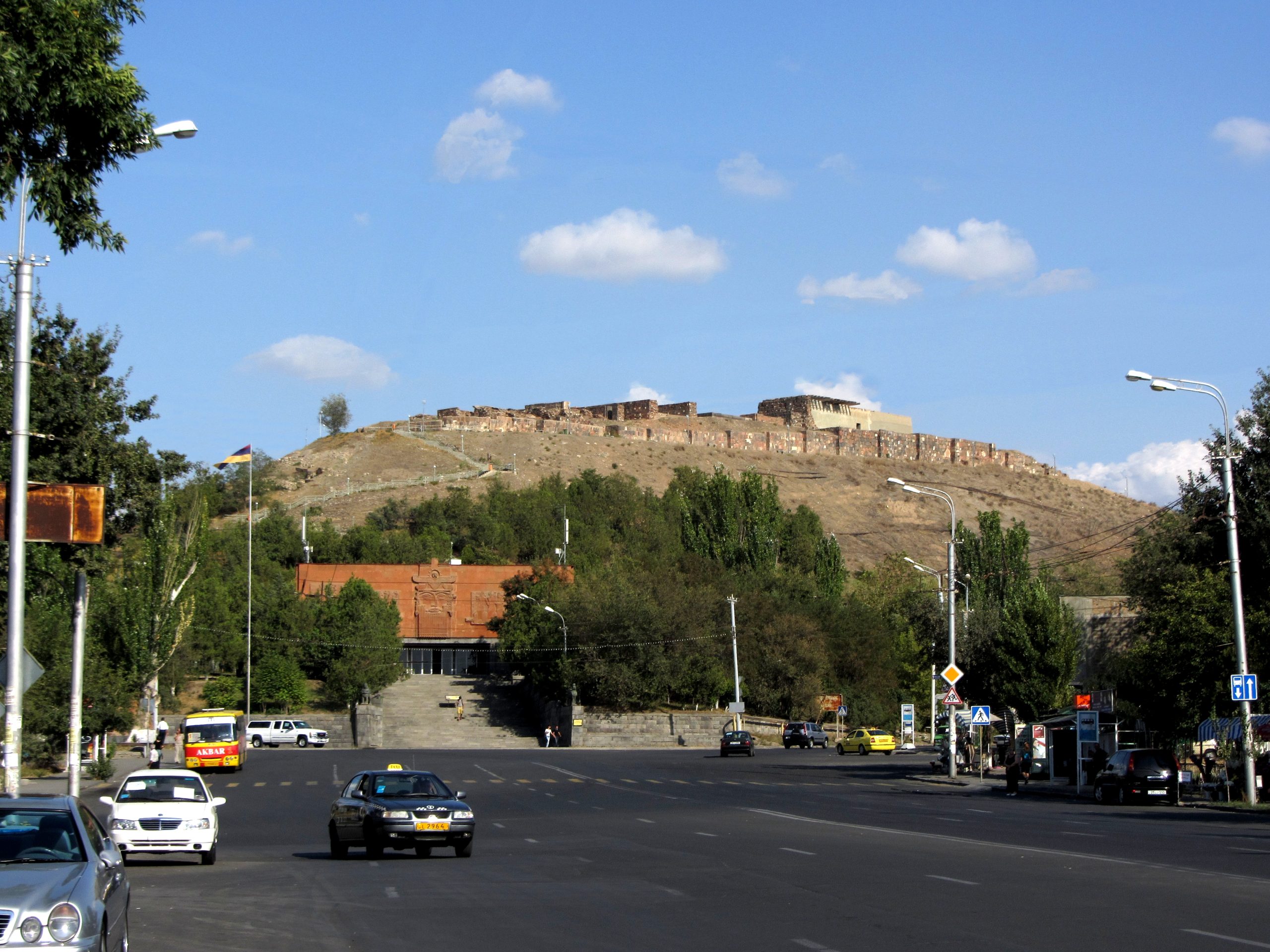
A Fortress of the Kingdom of Urartu
Erebuni was a creation of Urartu, one of the great powers of the ancient Near East and a civilization that flourished in the mountainous highlands of the region. Centered on a great lake and its surrounding lands, Urartu rose to prominence as a formidable kingdom, organized, militarily powerful, and culturally sophisticated. It stood as a serious rival to the empires of Mesopotamia, engaging them in war and diplomacy, and it left behind an impressive legacy of fortresses, temples, and inscriptions across the highlands it once controlled.
The Urartians were master builders, renowned for their fortifications and their skill in working with stone. They constructed a network of powerful fortresses throughout their territory, strongholds that served as centers of royal authority, military power, and economic administration. Erebuni was one of these fortresses, established as part of the kingdom’s expansion into the fertile plains to the north, a base from which to control and develop newly incorporated lands. Its construction reflected the ambition and organization of the Urartian state at its height.
Urartian civilization drew on and contributed to the wider culture of the ancient Near East while maintaining its own distinctive character. The kingdom developed sophisticated systems of administration, agriculture, and craft, and it adopted writing to record the deeds of its kings and the management of its realm. Its art and architecture display a blend of local traditions and influences from neighboring cultures, producing a style that is recognizably Urartian. Erebuni embodies this civilization, a fortress that showcases the achievements of the kingdom that built it.
Though Urartu eventually fell and was for a long time overshadowed in historical memory by its more famous neighbors, modern scholarship has restored it to its proper place as a major power of the ancient world. Sites like Erebuni have been central to this recovery, providing rich evidence of Urartian civilization and its accomplishments. To understand Erebuni is to encounter this once-mighty kingdom, a highland power whose fortresses, including the one that gave birth to a modern capital, testify to its former greatness.
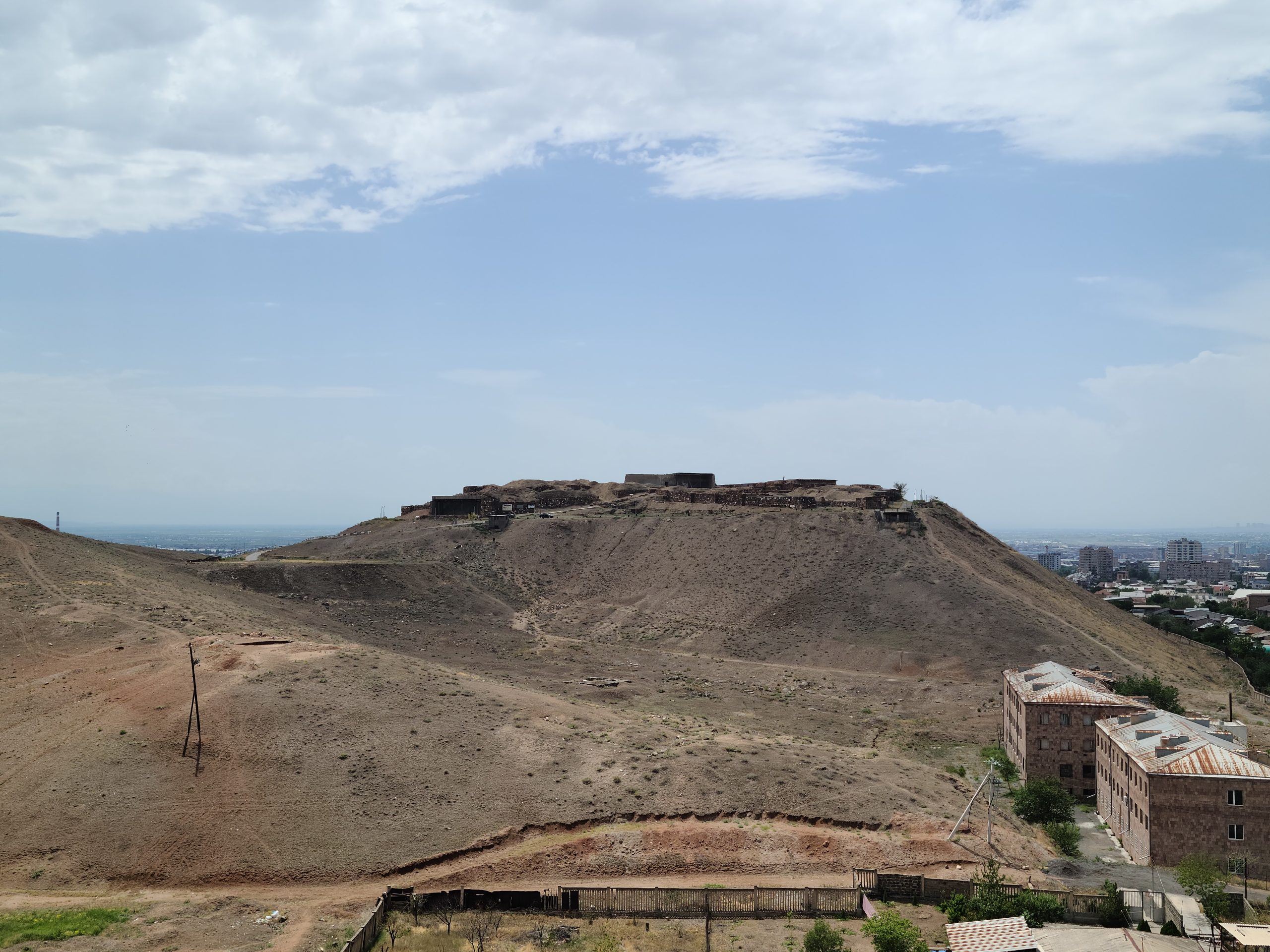
The Stone That Records Its Own Founding
The cuneiform inscription that records the founding of Erebuni is one of the most significant finds from the site, a document that speaks directly across the millennia about the establishment of the fortress. Carved in the wedge-shaped script used by the Urartians, borrowed and adapted from Mesopotamian tradition, the inscription names the king who built the fortress and proclaims its foundation. It is a royal statement of achievement, intended to record for posterity the deeds of the ruler and the establishment of his stronghold.
The content of the inscription is characteristic of Urartian royal texts, which typically celebrated the accomplishments of kings, including the construction of fortresses, temples, and other works, along with military victories and acts of piety toward the gods. In recording the founding of Erebuni, the inscription follows this pattern, memorializing the king’s establishment of the fortress and situating it within the wider record of his reign. Such texts were both practical documents and expressions of royal ideology, asserting the power and legitimacy of the ruler.
The survival and decipherment of this inscription have been crucial to understanding Erebuni, providing the precise information about its founding that makes the site so remarkable. Without the written record, the fortress would still be an impressive ruin, but it would lack the documented origin that gives it such special significance. The inscription transforms Erebuni from an anonymous stronghold into a fortress whose birth is known, a place whose founding moment has been recovered from the depths of the past.
This reliance on the written word to establish the history of the site underscores the importance of the Urartian practice of inscription. By recording their deeds in durable stone, the kings of Urartu ensured that their achievements would be remembered, and in the case of Erebuni, they provided the modern world with a precise anchor for the founding of a great city. The stone that records its own founding is thus one of the treasures of Erebuni, a direct link between an ancient king and a living capital.
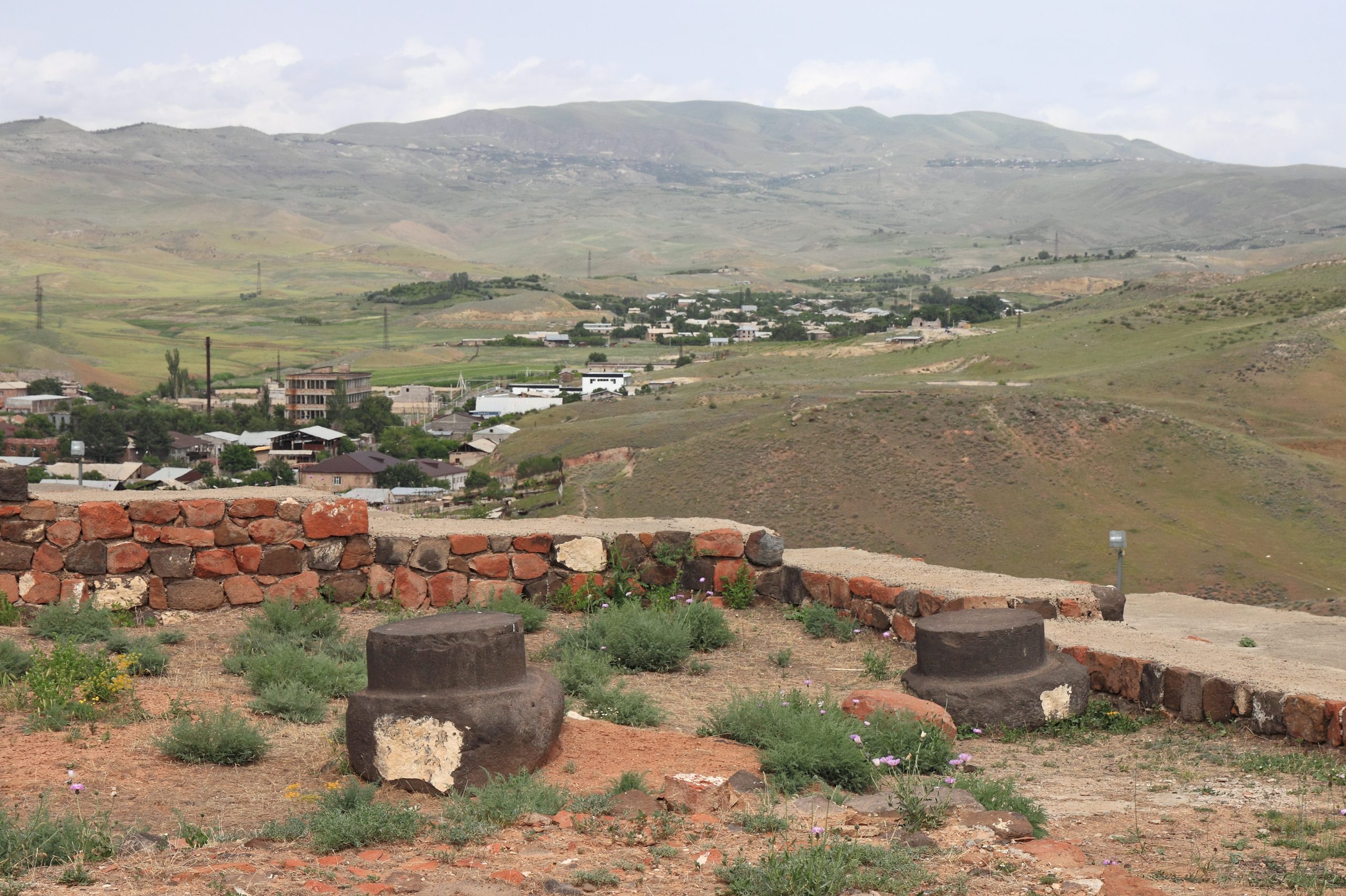
Walls, Temples, and Painted Halls
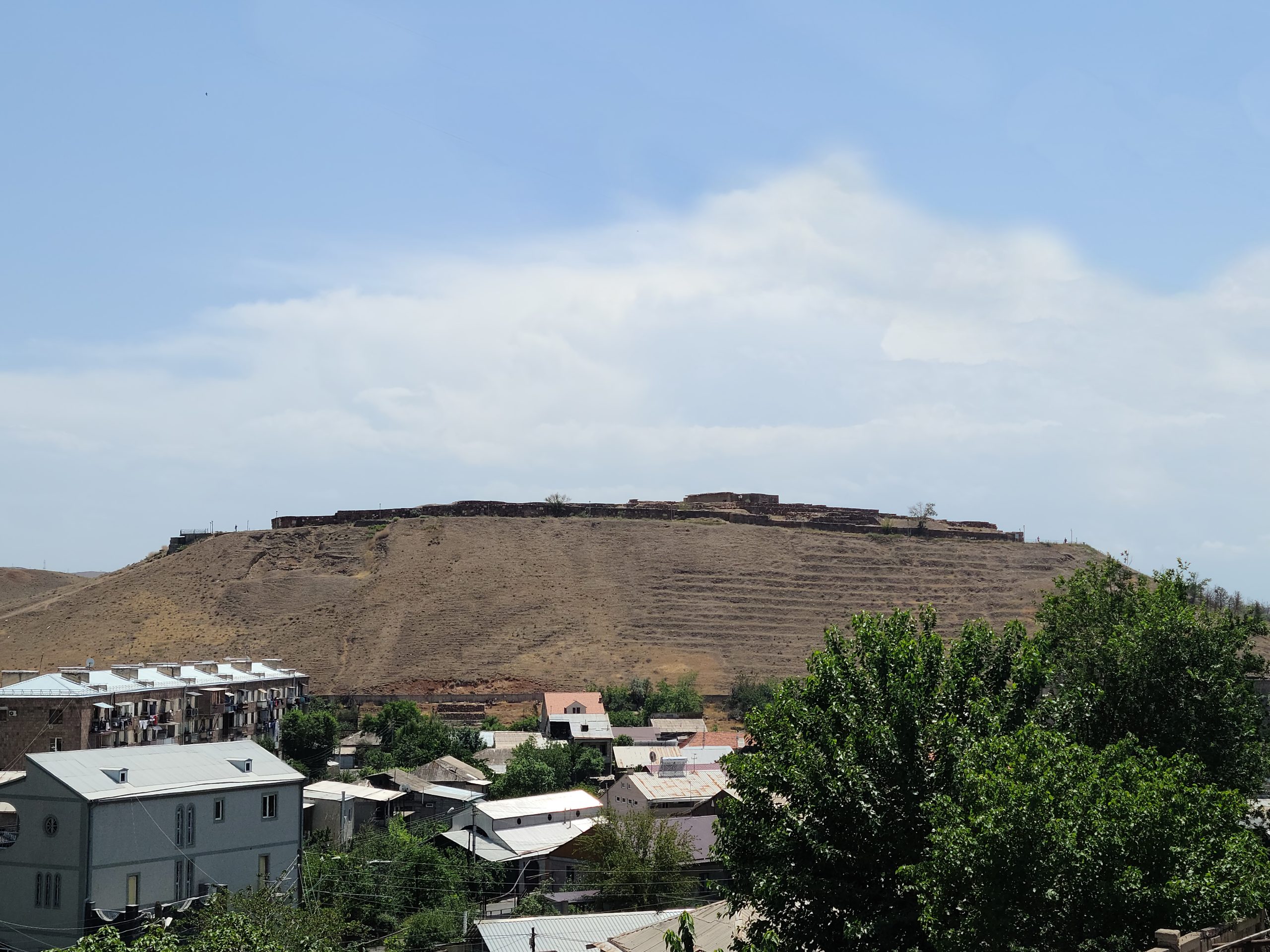
Erebuni was a substantial fortress, its buildings arranged across the hill on which it stood, enclosed by massive defensive walls. The architecture combined military strength with the requirements of a royal and religious center, incorporating fortifications, palaces, temples, and storerooms into a coherent complex. The scale and organization of the fortress reflect the resources and ambitions of the Urartian kingdom, which built Erebuni as a major stronghold and administrative center in the lands it controlled.
Among the most important buildings within the fortress were its temples, dedicated to the gods of the Urartian pantheon, including the supreme deity of the kingdom. Religion was central to Urartian life and kingship, and the presence of temples at Erebuni underscores its role as a religious as well as a military and administrative center. The layout of these sacred spaces and the rituals conducted within them were integral to the functioning of the fortress and to the ideology of the Urartian state.
The fortress also contained palatial and residential quarters, halls for ceremony and administration, and extensive storage facilities for the goods that sustained the complex and reflected its economic role. Great storerooms held provisions and produce, testifying to the fortress’s function as a center for the collection and management of agricultural wealth. This combination of military, religious, administrative, and economic functions made Erebuni a comprehensive center of Urartian power in the region.
The construction of the fortress made use of the characteristic Urartian building techniques, combining stone foundations with mudbrick superstructures, a method well suited to the materials and conditions of the highlands. The remains of these structures, along with the reconstructions that help visitors visualize them, convey the impressive scale and sophistication of the original fortress. Erebuni was a formidable and well-appointed stronghold, a fitting expression of the power of the kingdom that raised it on its commanding hill.
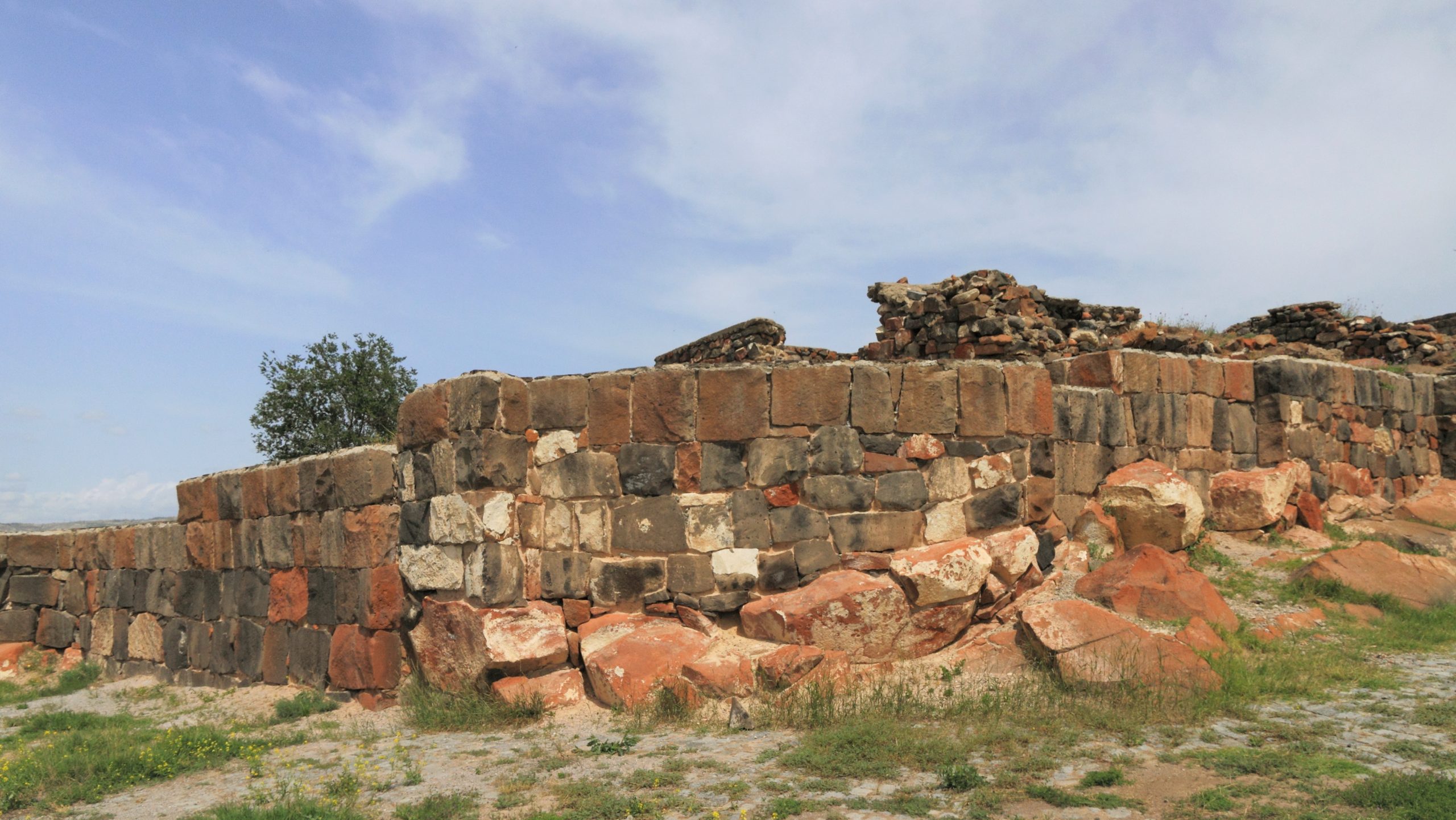
The great storerooms in particular deserve emphasis, because they reveal how a fortress like this functioned as an engine of the regional economy rather than a purely military outpost. Rows of enormous vessels once stood sunk into the floors of these magazines, holding grain, wine, and other produce gathered from the surrounding plain. The scale of this storage capacity implies a sophisticated system for collecting, recording, and redistributing agricultural wealth, with the fortress serving as the hub where the productivity of the land was concentrated and controlled by the Urartian administration.
Colors From a Lost World
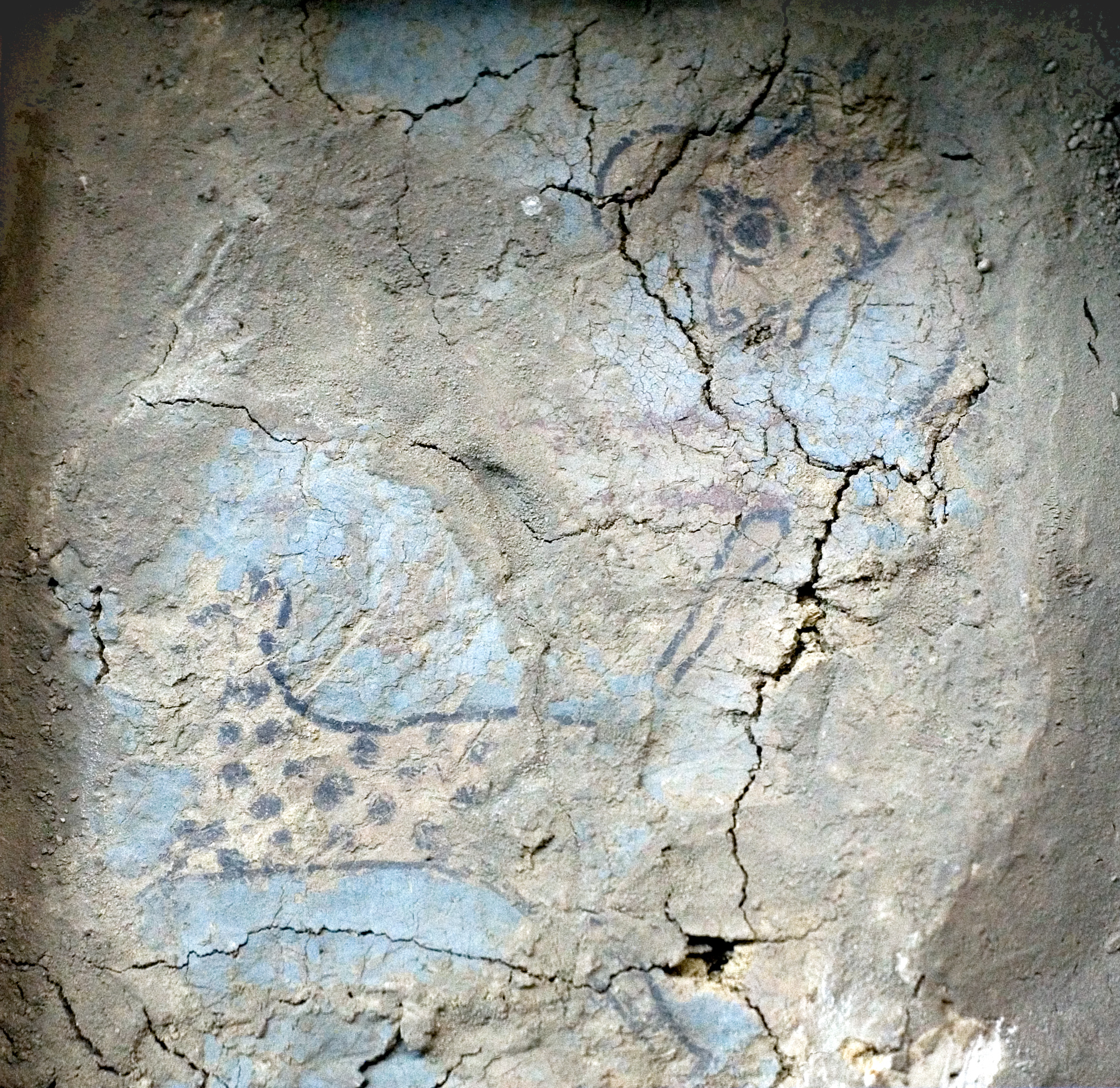
Among the most spectacular discoveries at Erebuni are the remains of brightly painted wall decorations, frescoes that once adorned the halls of the fortress with vivid color and pattern. These paintings, executed in rich hues, decorated the interiors of the important buildings, transforming their walls into surfaces of beauty and meaning. The survival of these frescoes, even in fragments, offers a rare and precious glimpse into the artistic achievements of the Urartians and the sumptuous appearance of their royal halls.
The frescoes feature geometric patterns, decorative motifs, and depictions of figures and scenes drawn from the religious and cultural world of Urartu. Their bright colors and careful execution reveal a sophisticated artistic tradition and a taste for richly decorated interiors. In their original state, these painted halls must have been dazzling, their walls alive with color and design, creating an environment of splendor befitting a royal fortress. The frescoes bring the lost world of Urartu vividly to life.
The study of these paintings has contributed significantly to understanding Urartian art, religion, and cultural connections. The motifs and styles reflect both indigenous traditions and influences from neighboring civilizations, illustrating the place of Urartu within the wider artistic world of the ancient Near East. The frescoes are thus valuable not only for their beauty but for the light they shed on the culture that produced them, offering insights that go far beyond mere decoration.
For the modern visitor, the painted decoration of Erebuni, seen in surviving fragments and reconstructions, is among the most memorable features of the site. The colors that have endured across nearly three thousand years connect us directly to the artists and inhabitants of the ancient fortress, revealing their love of beauty and their skill in creating it. In these frescoes, the vanished splendor of an Urartian royal hall is partly recovered, a flash of ancient color reaching across the immense gulf of time.
The loss of most of this painted decoration is a reminder of how much of the ancient world’s color has vanished. We are accustomed to imagining antiquity in the neutral tones of bare stone and weathered brick, but the reality was often vivid, even gaudy, with walls and sculptures brightly painted. The surviving fragments from Erebuni puncture that grey illusion, insisting that the fortress was once a place of intense color, its halls glowing with reds, blues, and other pigments that have almost entirely faded from the ruins we see today.
A Watchtower Over the Ararat Plain
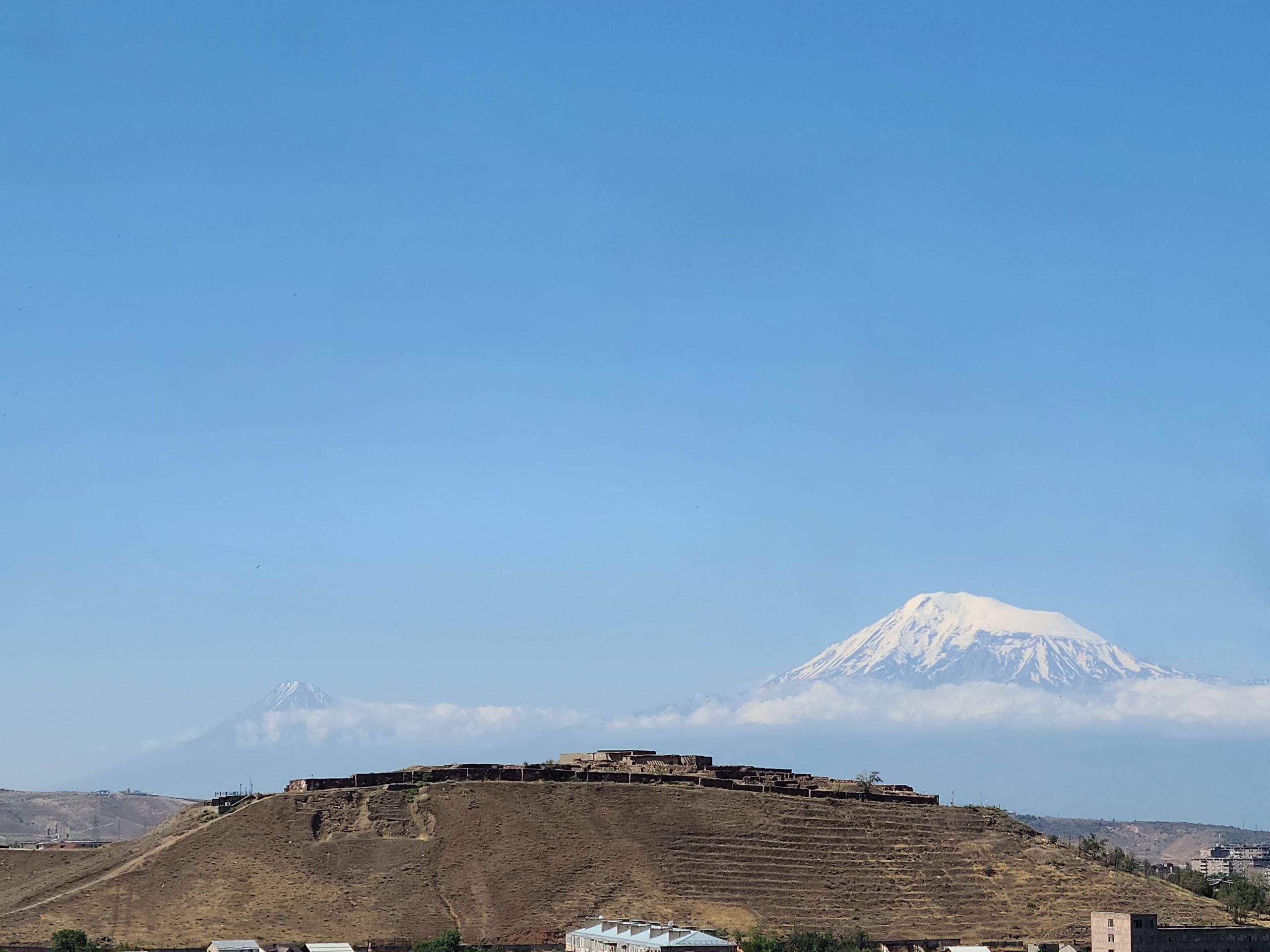
The location of Erebuni was chosen with strategic care, set upon a hill that commands the surrounding plain and offers sweeping views across the landscape toward the great mountain that dominates the region. From this elevated position, the fortress could survey and control the fertile lands below, monitor the movements of people and goods, and project the power of the Urartian kingdom over the newly incorporated territory. The site combined the practical advantages of a defensible height with a commanding view of the surrounding country.
The plain that Erebuni overlooked was fertile and valuable, capable of supporting agriculture and sustaining a substantial population. Control of this land was an important motive for the fortress’s construction, as the Urartian kingdom sought to develop and exploit the resources of the region. From its hilltop, Erebuni served as the center from which this rich territory could be administered, its produce collected and stored, and its inhabitants governed. The fortress was thus intimately connected to the productive landscape it dominated.
The commanding position of Erebuni also gave it great symbolic power, elevating the fortress and the royal authority it represented above the ordinary world of the plain. To those living and working below, the fortress on its hill would have been a constant, visible reminder of the presence and power of the Urartian state. The elevated site combined military, economic, and symbolic advantages, making it an ideal location for a fortress intended to secure and display the kingdom’s control over the region.
The view from Erebuni toward the great mountain that looms over the landscape adds a further dimension to the site, linking the ancient fortress to one of the most iconic features of the region’s geography. This dramatic backdrop, unchanged across the millennia, connects the ancient inhabitants of Erebuni to the modern residents of the city below, all of whom have lived in the shadow of the same great peak. The fortress on its hill remains, as it was in antiquity, a watchtower over a landscape of enduring beauty and significance.
From Urartian Stronghold to Persian Center
The history of Erebuni did not end with the decline of the Urartian kingdom. After Urartu fell, the fortress and its region came under the influence of new powers, and Erebuni continued to be occupied and to serve important functions. In particular, the site remained significant during the period of Persian dominance in the region, when it was adapted and used as a center within the wider imperial framework. The continuity of occupation reflects the enduring value of the location and the infrastructure the Urartians had established.
Under Persian influence, Erebuni saw new construction and adaptation, as the changing political order left its mark on the ancient fortress. Structures associated with this later period have been identified at the site, showing how it was repurposed to serve the needs of new rulers. This layering of occupation, from Urartian foundation through later Persian use, adds to the richness of the site and demonstrates its persistent importance across successive eras of the region’s history.
The transition from Urartian to Persian control was part of the broader shifts in power that reshaped the ancient Near East, as older kingdoms gave way to new empires. Erebuni’s ability to survive and remain useful through these changes speaks to the strategic and economic value of its location. Rather than being abandoned when its original builders fell, the fortress was inherited and adapted by those who came after, continuing to play a role in the life of the region.
This long continuity of use is central to the significance of Erebuni, for it helps explain how the site could serve as the origin of a continuously inhabited city. The fortress was not a brief episode but a persistent center, occupied and reused across the ages, its life extending far beyond the kingdom that founded it. In this endurance lies the seed of the modern capital, a settlement that grew from the ancient stronghold and has continued, in one form or another, down to the present day.
The Long Road to Rediscovery
For long ages, the full significance of Erebuni lay buried and forgotten, the ancient fortress reduced to ruins on the hill and its history obscured. The recovery of the site was the work of modern archaeology, which excavated the hill and gradually uncovered the remains of the Urartian fortress. These excavations revealed the walls, temples, and painted halls of the ancient stronghold, and, crucially, the inscriptions that established its founding and its connection to the kingdom of Urartu.
The discovery of the founding inscription was a pivotal moment, providing the documented origin that transformed understanding of the site and its relationship to the modern city. As the excavations proceeded, the picture of Erebuni as a major Urartian fortress came into focus, and its importance both for the study of Urartu and for the history of the modern capital became clear. The rediscovery of Erebuni was thus a significant achievement, restoring to knowledge a site of great historical and cultural value.
The archaeological work at Erebuni has continued to illuminate the fortress and the civilization that built it, adding detail to the understanding of Urartian architecture, art, religion, and administration. The finds from the site, including the frescoes, inscriptions, and artifacts, have enriched knowledge of the ancient kingdom and its accomplishments. Through this ongoing research, Erebuni has taken its place as one of the most important Urartian sites and as the acknowledged origin of a great city.
The Fortress and the Modern City
Perhaps the most remarkable thing about Erebuni is its living connection to the modern city that surrounds it. The Armenian capital embraces the ancient fortress as its origin, celebrating the founding of Erebuni as the foundation of the city itself. This gives the modern metropolis a documented history reaching back nearly three thousand years, and it makes the fortress on the hill not a distant, disconnected ruin but a cherished symbol of the city’s deep roots and long endurance.
The city marks its foundation with reference to the establishment of Erebuni, and the anniversary of that ancient founding is a matter of civic pride. The fortress and its founding inscription are woven into the identity of the modern city, representing the continuity of settlement from the Urartian stronghold to the bustling capital of today. Few cities can claim so direct and so ancient an origin, and the people of the modern city honor this heritage as a defining part of who they are.
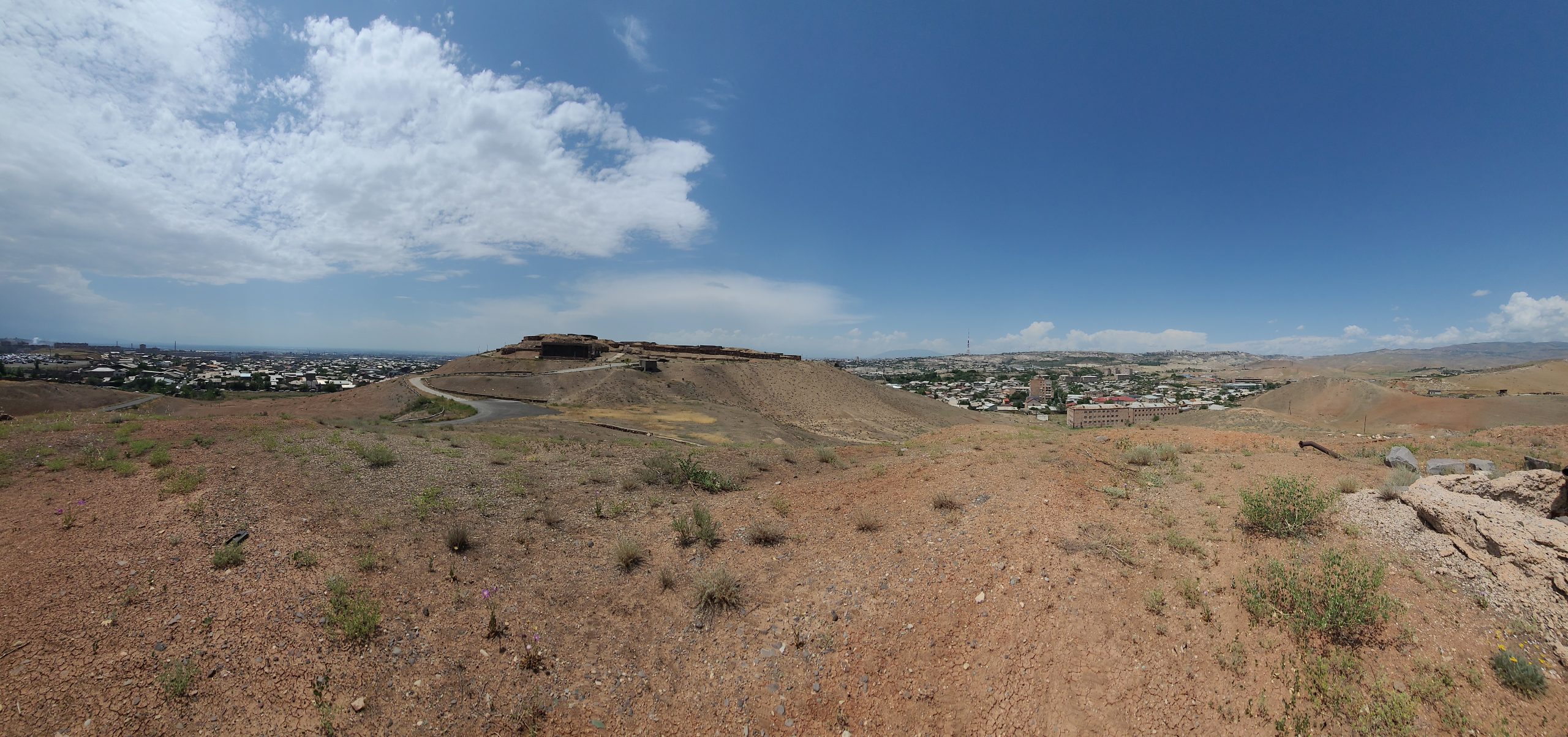
This connection lends Erebuni a special significance beyond its archaeological value. The fortress is not merely a monument to a vanished kingdom but the acknowledged birthplace of a living city, a place where the ancient and modern meet in an unbroken line of settlement. Standing on the hill of Erebuni, one is aware of both the ancient fortress and the modern metropolis spread out below, two chapters of a single long story separated by nearly three thousand years yet joined in continuous succession.
The relationship between the fortress and the city is a powerful example of the way the deep past can remain alive in the present. In honoring Erebuni as its origin, the modern city keeps faith with its ancient roots, maintaining a link to the Urartian kingdom and the fortress on the hill. This living heritage enriches the identity of the city and gives its inhabitants a profound sense of connection to the long history of their home, from an ancient stronghold to a thriving modern capital.
Standing on Arin Berd Today
Today the hill of Erebuni, known by a local name meaning the fortress on the height, is home to the excavated remains of the ancient stronghold and a museum dedicated to its history. Visitors can explore the site, walking among the walls, temples, and halls of the Urartian fortress, and viewing the reconstructions and finds that bring its story to life. From the hilltop, the modern city spreads out below, and the great mountain rises on the horizon, uniting the ancient and modern in a single sweeping view.
The museum at the site houses artifacts recovered from the excavations, including examples of Urartian art and craft, and helps interpret the significance of the fortress and its founding. Together with the visible remains and reconstructions, it offers a rich encounter with the ancient civilization of Urartu and the origins of the modern city. The site serves as both an archaeological monument and a place of civic memory, honoring the deep roots of the capital.
For the visitor, standing on the hill of Erebuni is a moving experience, connecting the ancient fortress to the living city and to the long continuity of human settlement in this beautiful region. The founding inscription, the painted halls, the commanding views, and the modern city below all combine to convey the extraordinary story of a place whose birth was recorded nearly three thousand years ago and whose life continues, unbroken, to the present day. Erebuni is a fortress that gave birth to a capital, and it endures as a symbol of that remarkable continuity.
Nearby Places
The Caucasus and the wider Near East are home to ancient sites of great richness, from the rock art of the Caspian shore to the fortress cities of the mountains and the capitals of Persia. If the ancient story of Erebuni has drawn you in, these related places carry the history of the region further.
- The Open-Air Gallery by the Caspian Where Forty Thousand Carvings Wait: The Story of Gobustan
- The Closed Gates of the Caspian, Where a Wall Ran Into the Sea: The Story of Derbent
- The Ceremonial Capital Where an Empire Carved Its Own Reflection: The Story of Persepolis
To Conclude
Erebuni holds a unique place among the ancient sites of the world as the documented origin of a great modern capital. Founded by an Urartian king nearly three thousand years ago and recorded in a cuneiform inscription that fixes its birth, the fortress on the hill has given the city that descends from it one of the most precisely known origins of any capital. In its walls, temples, and painted halls, Erebuni preserves the legacy of the powerful kingdom of Urartu and the deep roots of a living city.
Perhaps the most powerful thing about Erebuni is the unbroken line it represents, stretching from an ancient stronghold to a thriving modern metropolis. To stand on the hill and look out over the city below, with the great mountain on the horizon, is to feel the extraordinary continuity of human settlement in this place, from an Urartian king to the present day. Erebuni is more than a ruin; it is the living origin of a city, a fortress whose founding, recorded in stone, marks the beginning of a story that continues still.
You May Like
Mafra, the Palace a King Built From a Vow


4 thoughts on “Erebuni: The Urartian Fortress Whose Founding Stone Dated a City”