In the desert of northern Iraq stand the ruins of Hatra, a great fortified city that twice defied the might of Rome. A caravan hub on the frontier between the Roman and Parthian empires, Hatra grew rich on trade and religion, and its temples blended the art of Greece, Rome, Mesopotamia and Arabia into a style all its own.
Protected by massive circular walls, Hatra was one of the best-preserved cities of the Parthian world, until it suffered deliberate destruction in the twenty-first century. Its temples and sculptures remain a haunting record of a crossroads civilisation.

Table of Contents
- The Desert Fortress-City of Mesopotamia
- A Meeting of Parthian, Greek, and Roman Worlds
- The Great Temple and Its Iwans
- The City of the Sun God
- Walls That Defied Rome
- Columns, Facades, and Architecture
- The Sculpture and Art of Hatra
- A Caravan City Between Empires
- Fall to the Sasanians and Abandonment
- Rediscovery, Destruction, and UNESCO
- Getting There
- Nearby Places
- Closing Thoughts
The Desert Fortress-City of Mesopotamia
Hatra rose to prominence in the first centuries AD, in the region between the Tigris and the Euphrates. Set in open desert, it depended on wells and its position on trade routes rather than on a great river.
Its circular plan, ringed by strong double walls and towers, made it a formidable stronghold. Within lay a great sacred precinct of temples that was the religious heart of the city and the source of much of its fame.
A Meeting of Parthian, Greek, and Roman Worlds
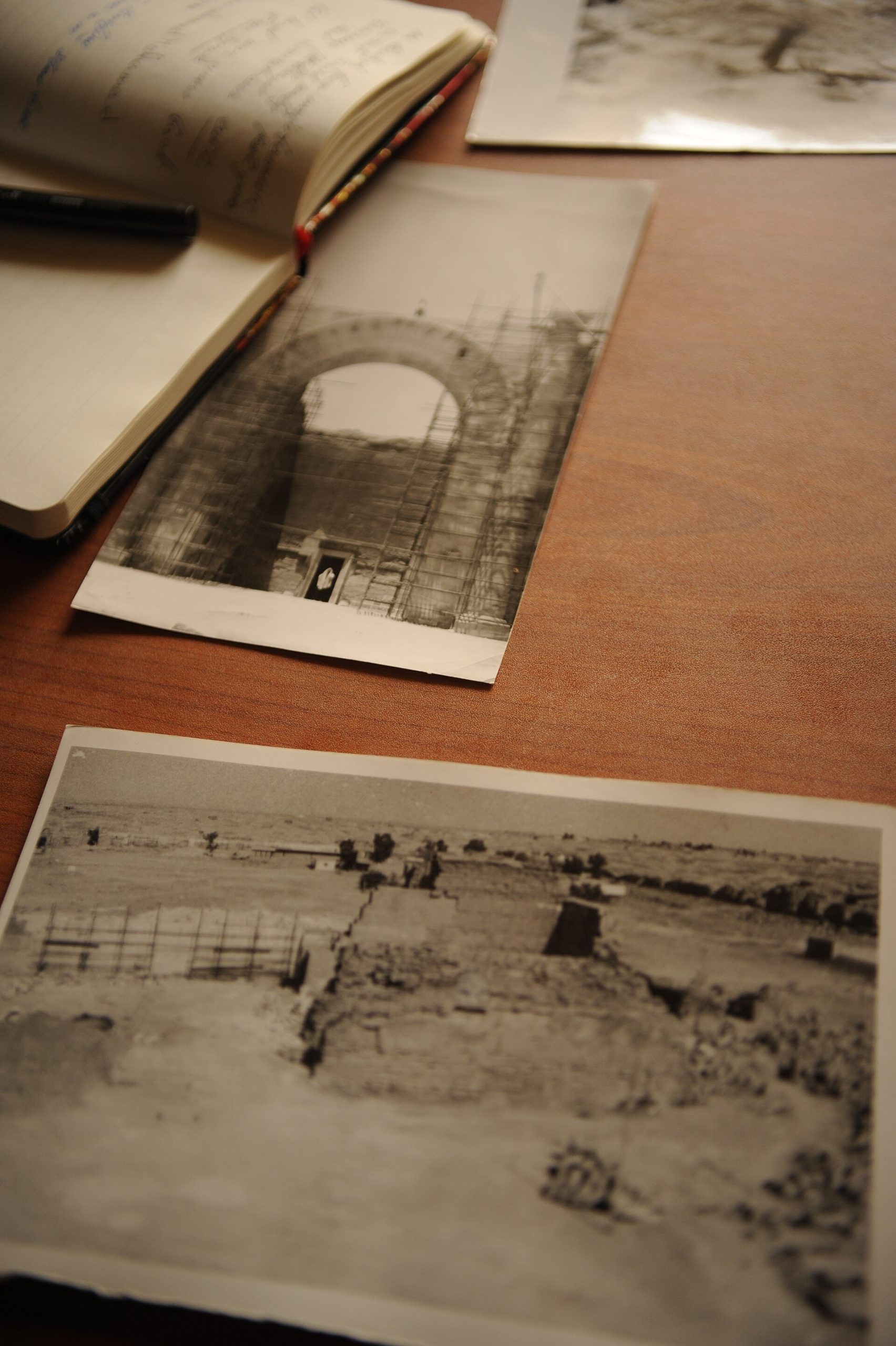
Hatra sat on the edge of the Parthian Empire, which ruled Persia and Mesopotamia and was Rome’s great eastern rival. As a result its culture drew on many worlds at once.
Its art and architecture mixed Greek and Roman forms with Parthian dress and Mesopotamian and Arab religion. This blending gives Hatra’s sculpture its distinctive character, familiar and exotic at the same time.
The Great Temple and Its Iwans
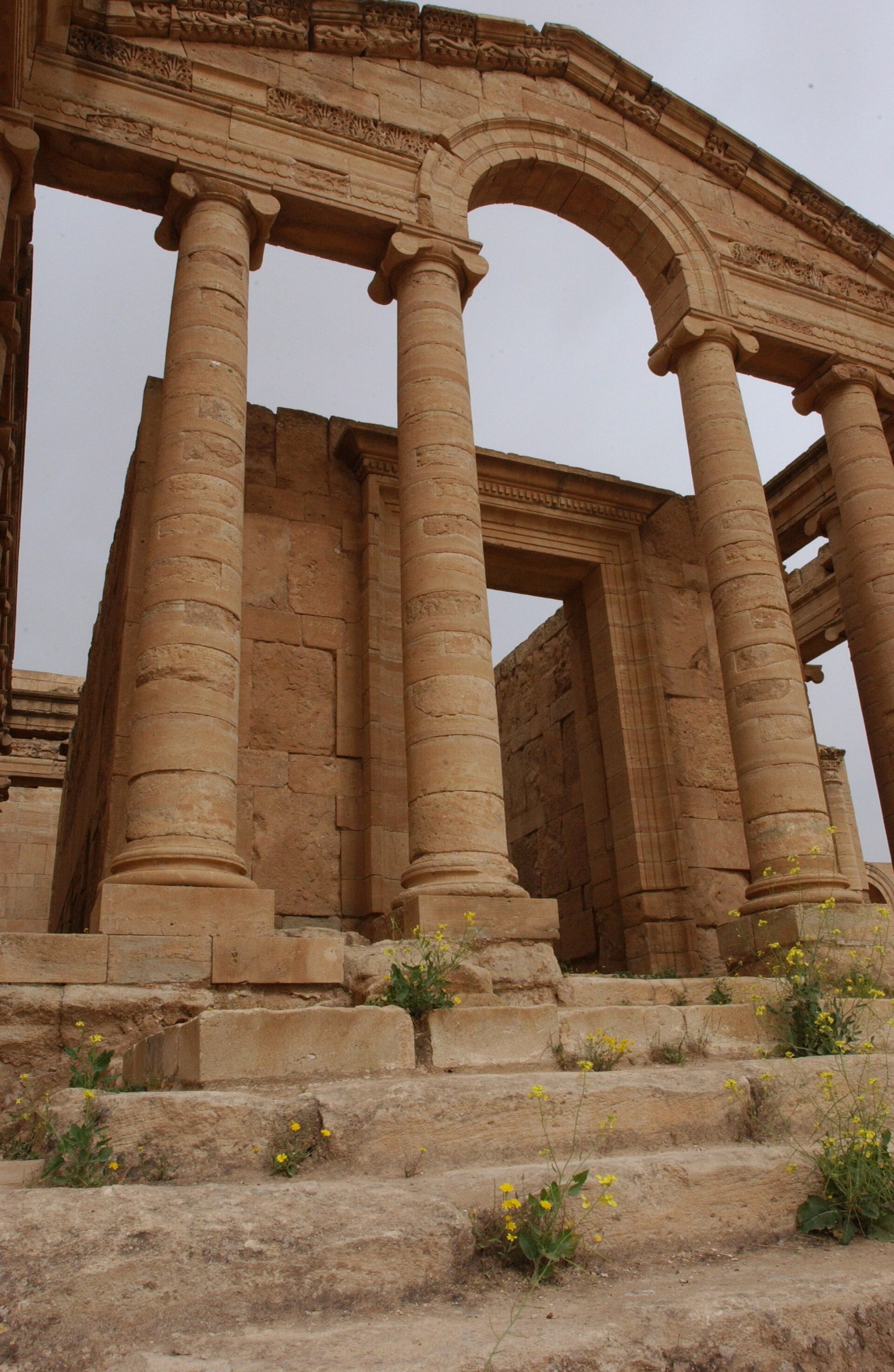
At the centre of Hatra stood a vast walled sanctuary containing its principal temples. Their most striking feature is a row of great iwans, deep vaulted halls open at one end, a form typical of Parthian architecture.
These soaring brick and stone vaults, decorated with columns and carvings, dominated the sacred precinct. They are among the finest surviving examples of the architecture of the Parthian world.
The City of the Sun God
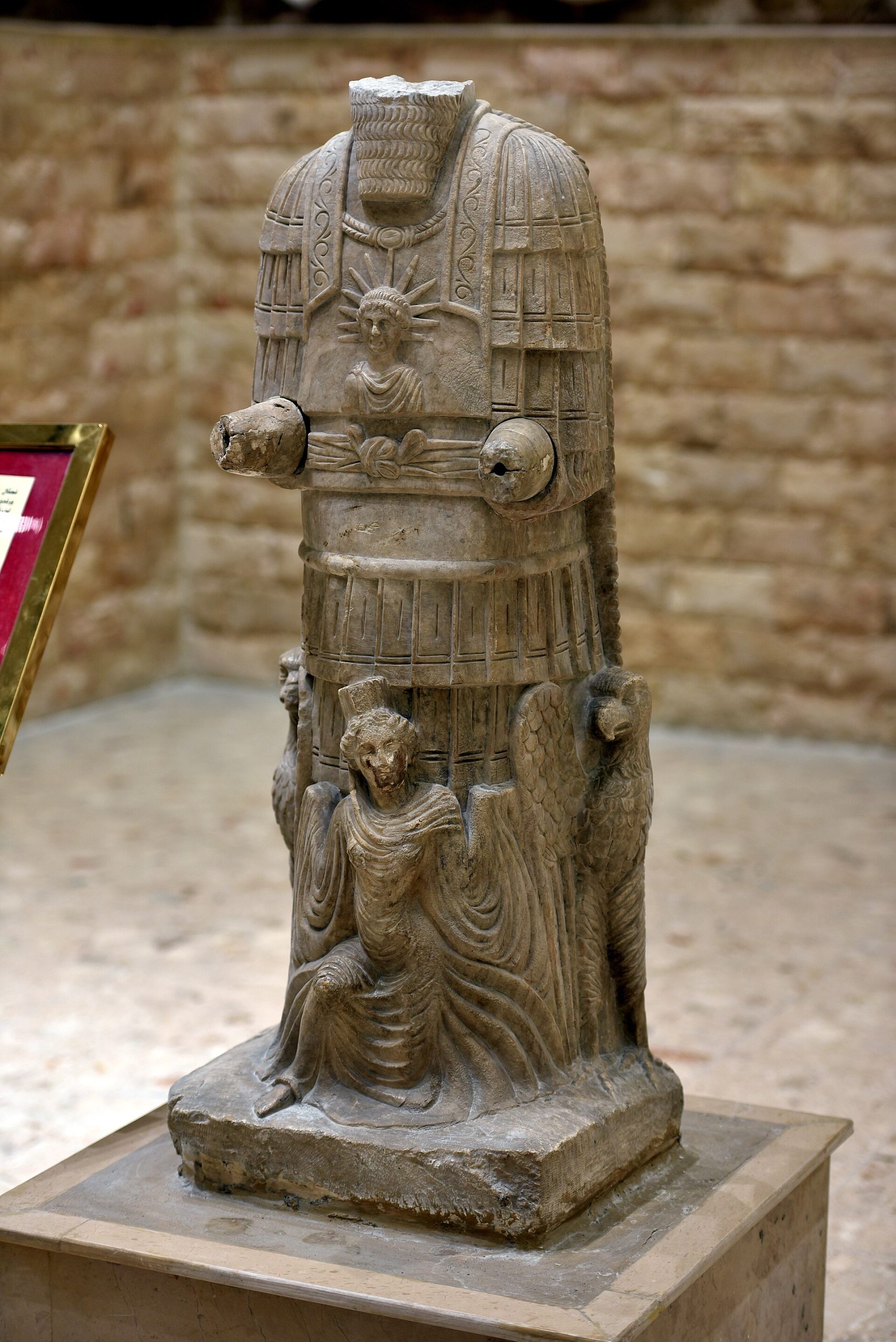
Hatra was above all a holy city, and its chief deity was the sun god, worshipped under the name Shamash. The city styled itself as being under the sun god’s special protection.
Alongside him a whole pantheon of gods was honoured, drawn from Mesopotamian, Arab and classical traditions. Pilgrims came to Hatra’s temples, and the wealth of the shrines added to the city’s riches.
Walls That Defied Rome
Hatra is famous for having twice withstood the Roman army. Both the emperor Trajan and, later, Septimius Severus besieged the city, and both failed to take it.
Its strong double walls, desert setting and determined defenders proved too much even for Rome’s legions. These successful defences made Hatra legendary as a city that turned back the greatest power of the age.
Columns, Facades, and Architecture
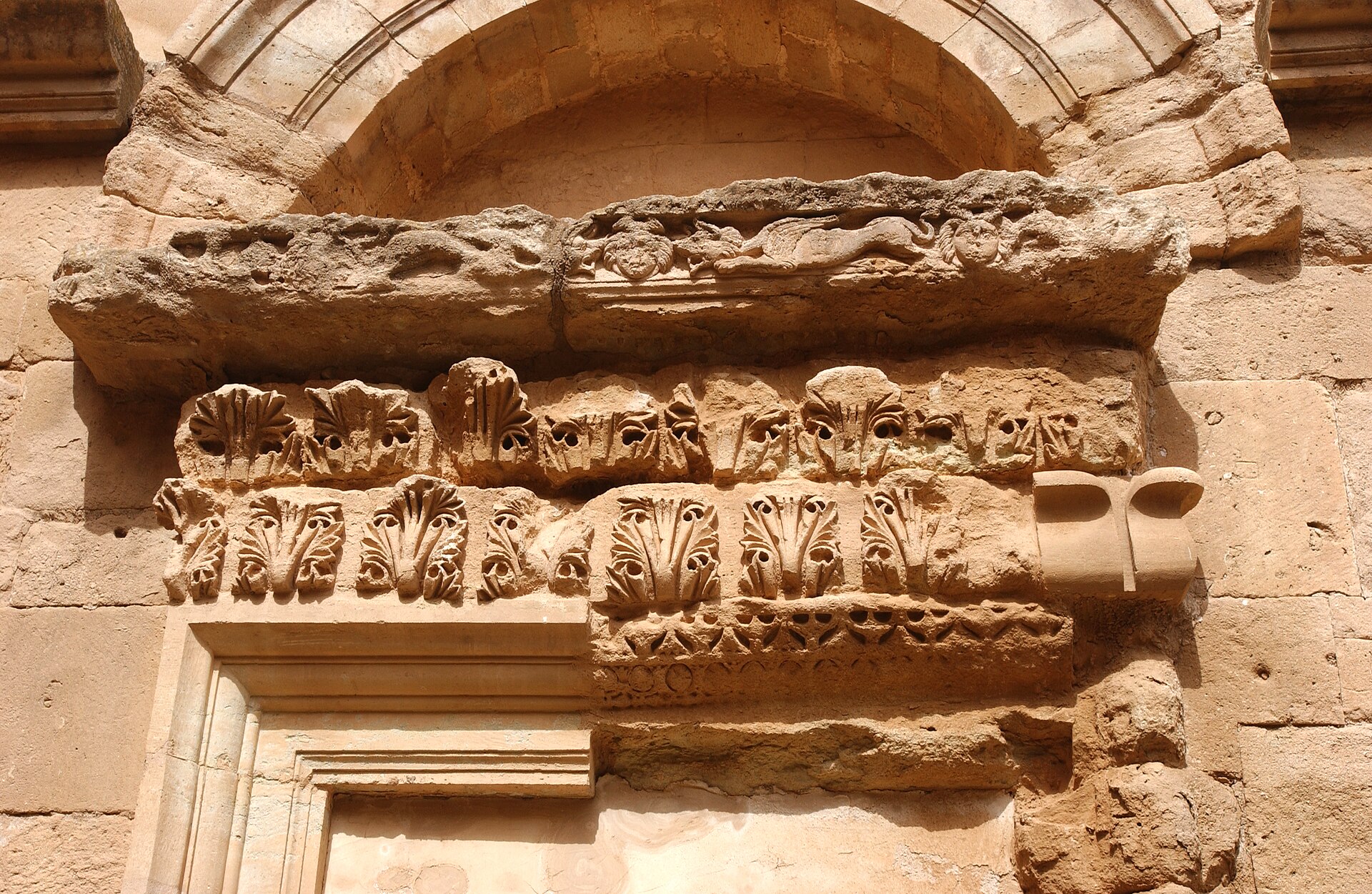
Beyond the great iwans, Hatra was rich in columned facades, decorated gateways and smaller shrines. Its builders combined classical columns and pediments with eastern vaulting and ornament.
The stonework was often elaborately carved with masks, eagles, deities and geometric patterns. The overall effect was of a city where the architectural languages of East and West met and mingled.
The Sculpture and Art of Hatra
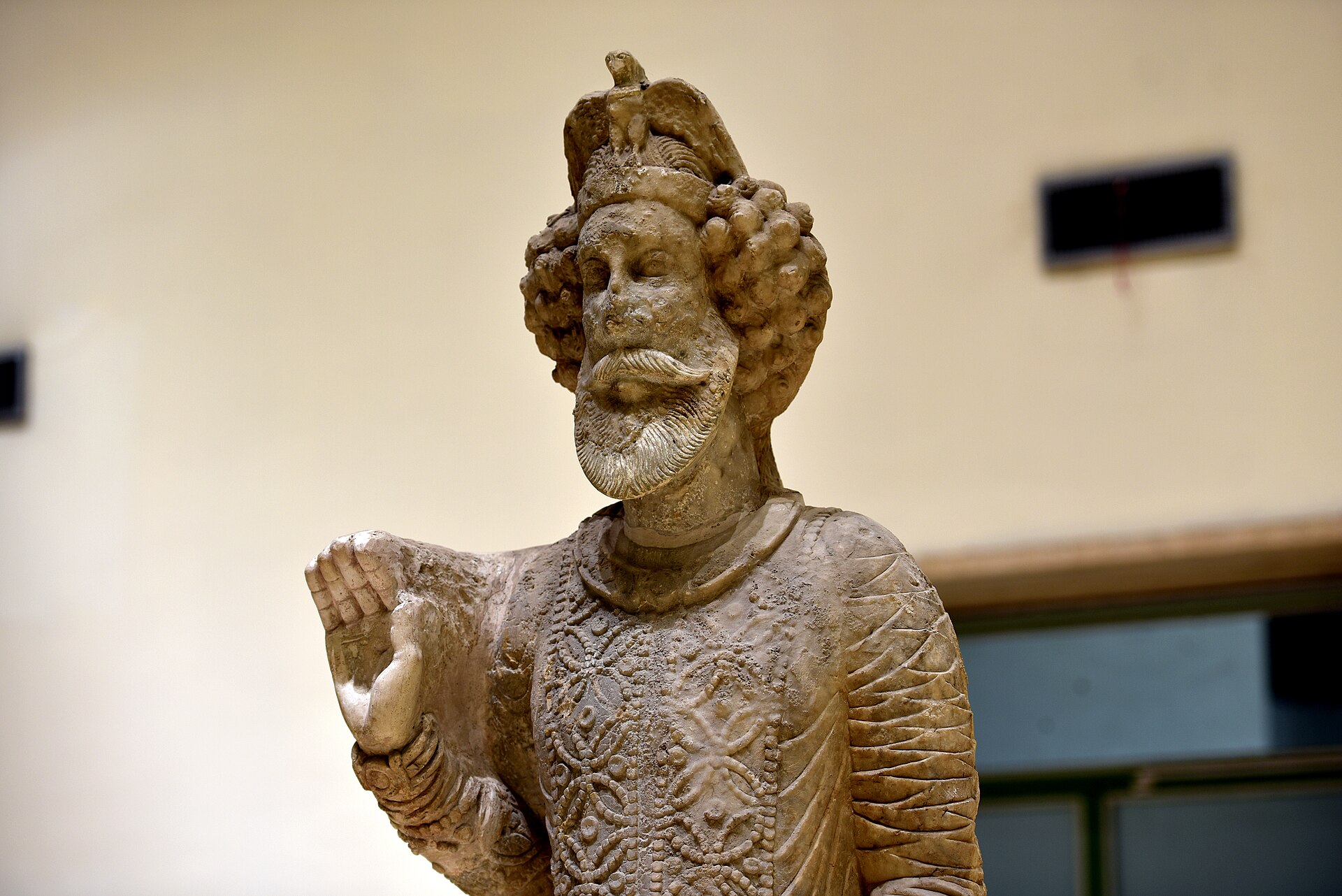
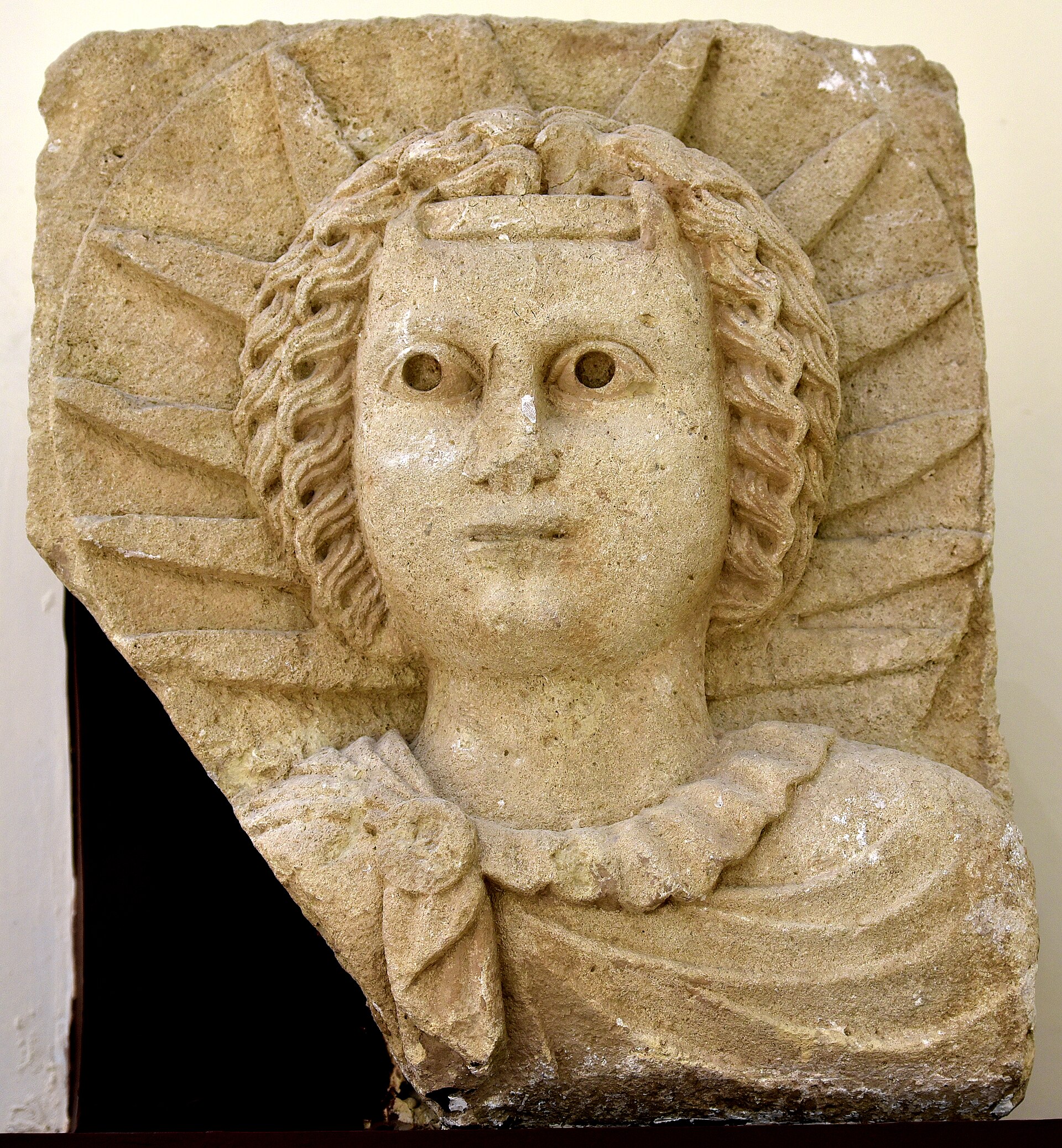
Hatra is celebrated for its statues, which lined its temples and public spaces. They depict kings, nobles, priests and gods, shown frontally in rich robes and jewellery in the Parthian manner.
Carved heads and reliefs from the city are masterpieces of their kind, combining classical technique with eastern style. Many were preserved in museums, giving us vivid faces from this frontier civilisation.

A Caravan City Between Empires
Hatra’s wealth came from its position on the trade routes crossing the desert between the Roman and Parthian worlds. Caravans passing through paid for protection and provisions, and the city prospered as a middleman.
For a time Hatra was the capital of a small Arab kingdom, ruled by its own kings under Parthian influence. It flourished as a semi-independent power balanced between the two great empires.
Fall to the Sasanians and Abandonment
Hatra’s fortunes changed when the Parthian Empire fell to the new and more aggressive Sasanian dynasty of Persia. Around 240 AD the Sasanians besieged and finally captured the city that Rome had failed to take.
After its fall Hatra was abandoned and never reoccupied on the same scale. Left in the desert, its temples and walls slowly decayed but remained remarkably well preserved for many centuries.
Rediscovery, Destruction, and UNESCO
Rediscovered and studied by archaeologists, Hatra was inscribed on the UNESCO World Heritage List in 1985 as an outstanding example of a Parthian city. For decades its ruins were among the best preserved of their kind.
In 2015 the site suffered deliberate damage during the conflict in Iraq, when militants attacked its sculptures and buildings. The losses were mourned worldwide, and efforts to assess and repair the damage continue.
Getting There
Hatra lies in the desert of the Nineveh Governorate in northern Iraq, roughly a hundred kilometres southwest of the city of Mosul. It stands well away from major towns, in open country.
Access depends heavily on the security situation in the region, which has varied greatly in recent years. Travellers should check current conditions and local guidance carefully before attempting to visit.
Coordinates: 35.5881, 42.7186 — open Hatra in Google Maps.
Nearby Places
- Palmyra — another desert caravan city between Rome and the East, sharing Hatra’s blended art and tragic recent fate.
- Nineveh — the ancient Assyrian capital nearby, in the same corner of northern Iraq.
- Petra — a caravan city of the Arab world whose wealth, like Hatra’s, flowed from the desert trade.
Closing Thoughts
Hatra was a city of the crossroads, where the gods and arts of many peoples met, and whose walls turned back the armies of Rome itself. Its blended temples were among the finest monuments of the Parthian age.
Damaged in our own time but not erased from memory, Hatra endures as a symbol both of a lost frontier civilisation and of the fragility of heritage in troubled lands. Its sun god’s city still rises, battered but proud, from the northern desert.
You May Like
Mafra, the Palace a King Built From a Vow


One thought on “Hatra: The Desert City of the Sun God That Twice Defied Rome”