Kultepe is the site of ancient Kanesh in central Turkey, where a merchant colony of Assyrian traders left behind over twenty thousand cuneiform tablets, the oldest written records ever found in Anatolia.
Long before the Hittites built their capital at Hattusa, a mound near modern Kayseri was already home to a thriving trade city where Assyrian merchants from distant Assur lived, worked, married, and argued over business deals in a foreign land. The tablets they left behind, buried in pots beneath the floors of their own houses, turned Kultepe into one of the richest textual archives anywhere in the ancient Near East outside Mesopotamia itself, and gave historians their first direct written window into daily life in Bronze Age Anatolia, centuries before any Hittite king ever put a word into writing.
Contents
- A Mound and a Merchant Quarter
- Assyrian Traders Far From Home
- An Archive of Twenty Thousand Tablets
- The Business of Tin and Textiles
- Houses, Families, and Foreign Wives
- The Palace on the Mound
- Anatolia’s Earliest Written Language
- A Turkish Excavation Spanning Decades
- Temples and Local Religion
- From Trade Colony to Hittite City
- Nearby Places to Explore
- Why Kultepe Still Matters
A Mound and a Merchant Quarter
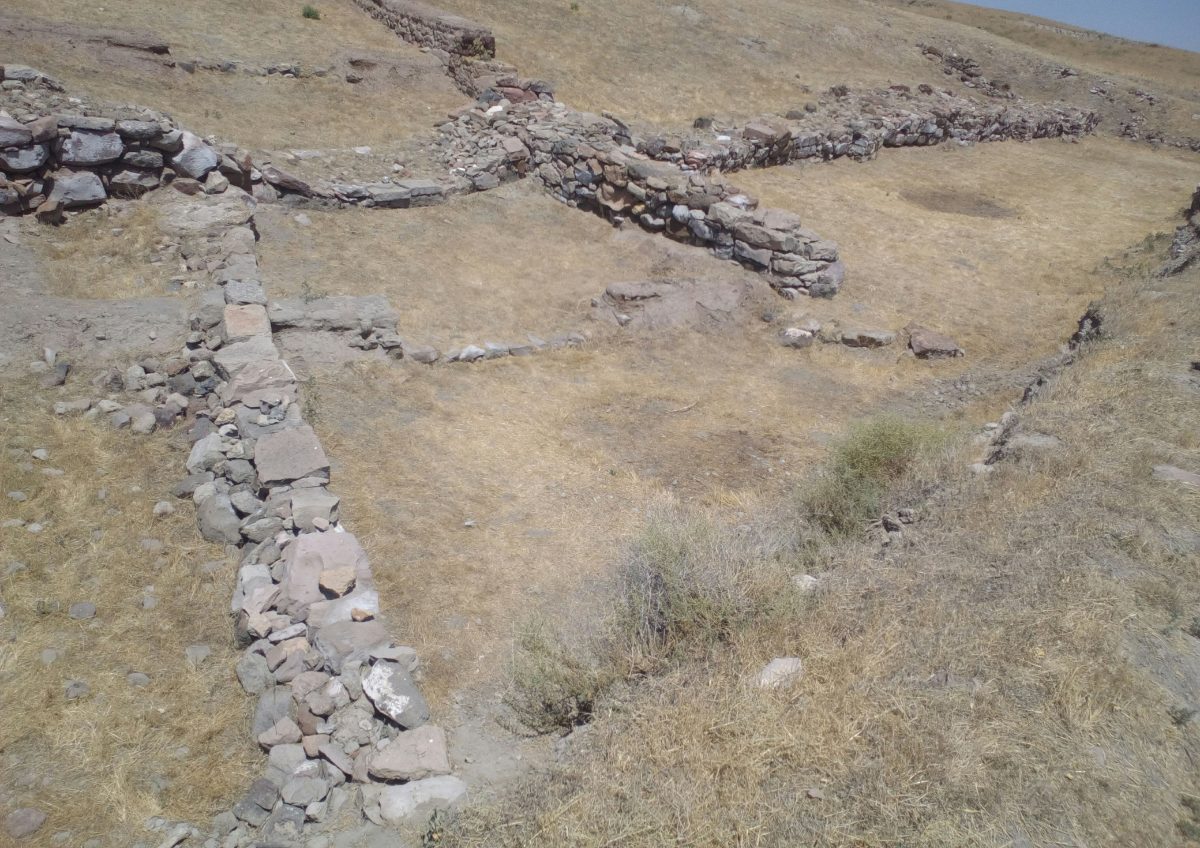
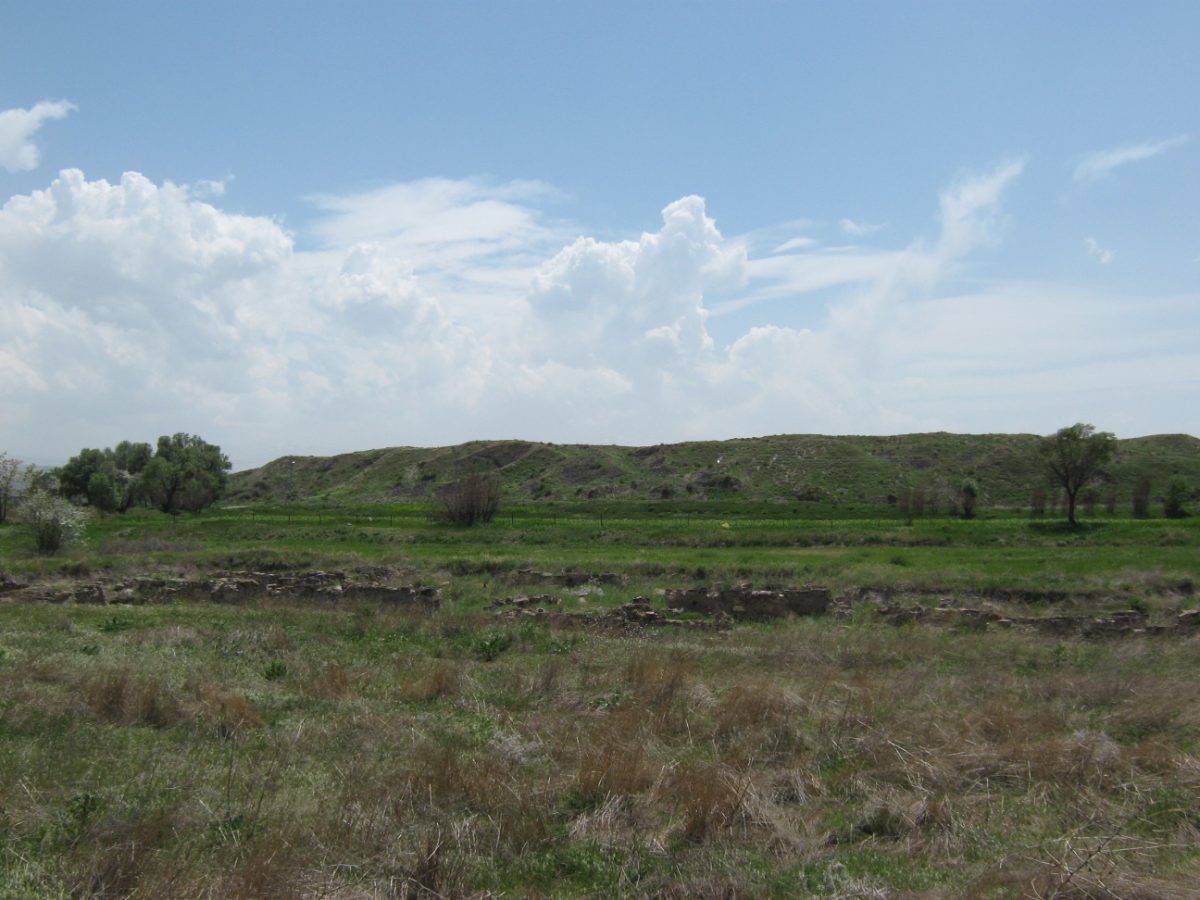
Kultepe consists of two distinct but connected parts. The first is a tell, or mound, that rose gradually over thousands of years of occupation and held the local citadel, palace, and ruling elite. The second is the karum, a lower town spread across the flat ground surrounding the mound, where the Assyrian merchant community built its own houses, storerooms, and workshops. This division between an Anatolian-ruled citadel and a semi-autonomous foreign merchant quarter attached to it became a defining feature of the Old Assyrian trade network, repeated at smaller scale in other karum settlements across central Anatolia.
The ancient name of the settlement was Kanesh, sometimes rendered as Nesa in later Hittite sources. Local Anatolian rulers controlled the citadel and collected taxes on the trade passing through their territory, while the Assyrian merchants who lived in the karum operated under agreements that granted them a measure of legal and commercial independence, including the right to maintain their own archives, resolve certain disputes among themselves, and travel back and forth to Assur with caravans of goods.
Geographically, Kayseri province sits at a natural crossroads within Anatolia, positioned along routes connecting the central plateau to both the Euphrates basin and the roads leading south toward Syria and Mesopotamia. This position made Kanesh a logical hub for a trade network built around long-distance caravan travel, since goods moving between Assur and various points across Anatolia could be efficiently redistributed from a single well-placed central colony rather than requiring separate direct routes to each smaller settlement.
Modern place names in the surrounding countryside still echo this deep history in subtle ways, with local tradition and regional museums in Kayseri drawing direct connections between the ancient trade colony and the broader story of central Anatolia’s transition from scattered Bronze Age settlements to the unified Hittite kingdom that would eventually dominate the region for several centuries.
Assyrian Traders Far From Home
The merchants who built and lived in the Kanesh karum came from Assur, a city on the Tigris River in what is now northern Iraq, roughly a thousand kilometers away by donkey caravan. Their journey crossed difficult terrain, including mountain passes and river crossings, and typically took several weeks each way. Despite the distance, the Assyrian presence at Kanesh was not a brief visiting arrangement but a settled, multi-generational community, with merchant families living at the site for decades, raising children, and in many cases never returning permanently to Assur at all.
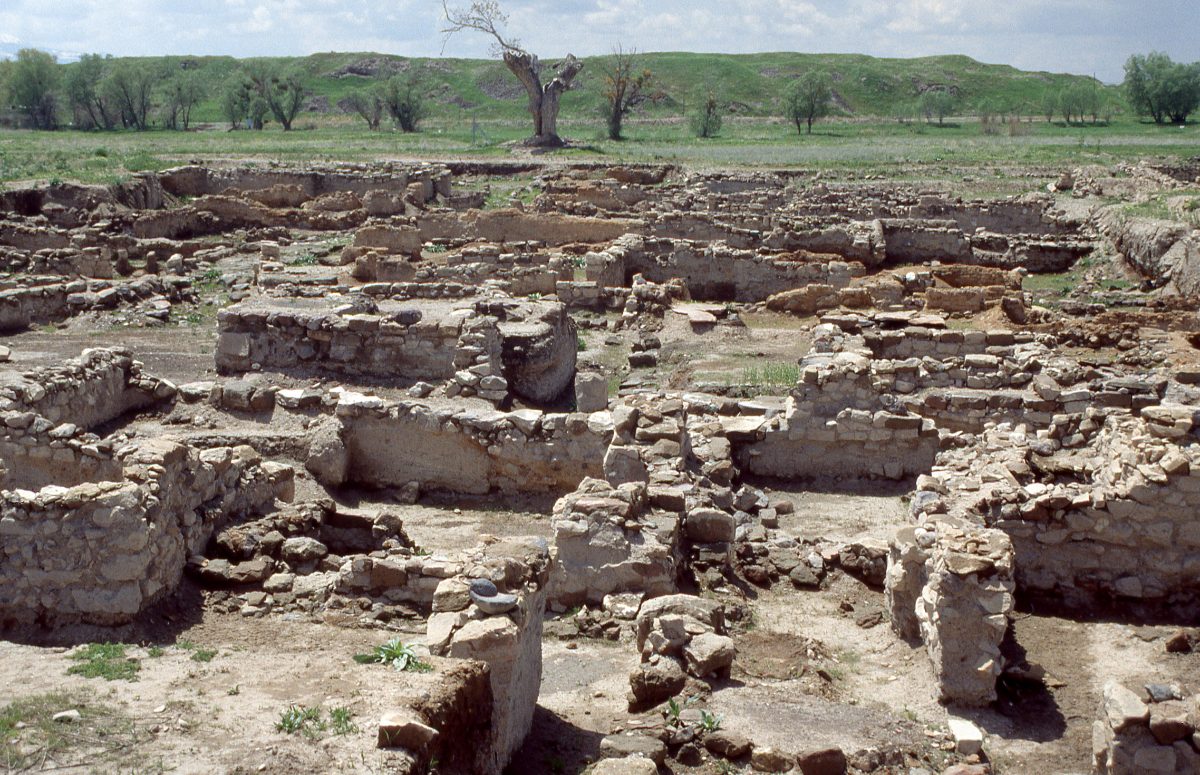
This was not the only Assyrian trading colony in Anatolia. Kanesh functioned as the central hub of a wider network of karum settlements scattered across the region, each smaller than Kanesh itself, receiving and redistributing goods that passed through the main colony first. Letters recovered from the site frequently mention business dealings connecting Kanesh to these satellite colonies, sketching out a genuine commercial network rather than a single isolated outpost, one that operated with remarkable consistency for roughly two centuries during the early second millennium BCE.
Life for these merchant families combined real hardship with real opportunity. Caravan journeys carried genuine risk from weather, terrain, and banditry, and the tablets occasionally record shipments that went missing or disputes over losses along the route. Yet the potential profits were substantial enough that merchant families continued the trade across multiple generations, building considerable personal wealth and, in some cases, extending their influence into local Anatolian society through marriage, property ownership, and long-term residence far from their ancestral home in Assur.
The relationship between the Kanesh karum and its satellite colonies was not purely economic. Correspondence between merchants at different sites also touches on family matters, shared legal disputes, and requests for assistance in resolving disagreements with local Anatolian authorities, showing that the network functioned as a genuine social community spread across multiple settlements rather than a purely transactional arrangement between otherwise unconnected trading posts.
An Archive of Twenty Thousand Tablets
The single most important discovery at Kultepe is its archive of cuneiform tablets, numbering in the tens of thousands and recovered mainly from private houses in the karum rather than from any centralized state archive. Written in Old Assyrian, a dialect of Akkadian, the tablets were typically encased in clay envelopes stamped with cylinder seals belonging to the parties involved, then stored in labeled ceramic jars kept within the merchants’ own homes. This private, distributed method of record-keeping is part of why so much of the archive survived: individual households, not a single vulnerable palace repository, preserved their own business records for future reference.
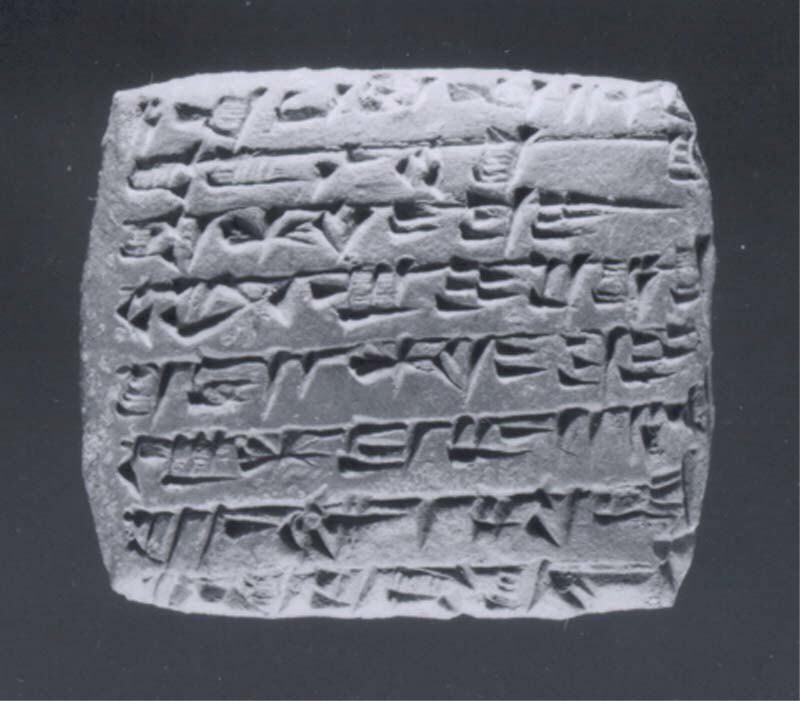
The content of the tablets ranges from routine business correspondence and shipment records to marriage contracts, wills, court proceedings, and personal letters between family members separated by the long journey between Assur and Kanesh. Because the archive captures ordinary commercial and family life rather than royal propaganda, it gives historians an unusually direct, unfiltered view of how real people conducted trade, resolved disputes, and managed households nearly four thousand years ago, a level of everyday detail rarely available from any other Bronze Age site in the region.
Cylinder seals impressed into the clay envelopes surrounding many tablets provide an additional layer of evidence, since the same individual seal often appears across multiple documents, allowing researchers to trace a single merchant’s activity across years of correspondence. Some seals show artistic influence from Mesopotamian, Syrian, and local Anatolian traditions blended together, visually reflecting the same cultural mixing that shows up in the marriage practices and business partnerships recorded in the written texts themselves.
Publication of the Kanesh tablets has proceeded gradually over decades, since translating and cataloguing tens of thousands of individual documents requires enormous specialist effort, and new volumes of translated texts continue to appear even today. This ongoing work means the full historical potential of the archive is still being realized, with each newly published batch of letters and contracts adding further detail to an already remarkably rich picture of Bronze Age commercial and family life at the site.
The Business of Tin and Textiles
The trade that sustained Kanesh centered on two main commodities carried from Assur: tin, essential for producing bronze, and textiles, particularly finely woven wool cloth. Anatolia itself produced neither in sufficient supply to meet local demand, making both valuable imports. In exchange, merchants carried Anatolian silver and gold back to Assur, along with a smaller trade in copper and other local goods. This exchange of finished or semi-finished goods for precious metal formed a profitable cycle that merchant families repeated across multiple caravan journeys per year, with profits recorded meticulously in the tablets recovered from their homes.
Caravans were typically organized as joint commercial ventures, with several merchants or family members pooling donkeys, goods, and capital for a single expedition, then dividing the resulting profit according to prior agreements recorded in writing. Interest rates, partnership shares, and repayment schedules all appear in the tablets, revealing a level of financial sophistication, including credit arrangements and long-distance partnerships, that predates similar developments in most other parts of the ancient world by centuries.
Textiles traded through Kanesh were not simply raw wool but finished, often high-quality woven cloth produced in Assyria and further afield, sometimes originating from sources even more distant along Mesopotamian trade routes. Anatolian buyers valued these textiles enough to pay premium prices in silver, and letters occasionally include specific instructions about weave quality, size, and finish, showing that merchants paid close attention to matching supply with local Anatolian taste and demand rather than simply shipping standardized goods without regard for what buyers actually wanted.
Silver served as the primary medium of exchange and store of value throughout the trade system, with tablets recording debts, prices, and profits almost universally in silver weights rather than any other commodity. This reliance on a standardized precious metal currency, agreed upon across a network spanning hundreds of kilometers and multiple political jurisdictions, represents a remarkably mature commercial system for its time, one that anticipated monetary practices that would not become widespread in other parts of the ancient world for centuries afterward.
Houses, Families, and Foreign Wives
Many Assyrian merchants at Kanesh maintained two households at once: a primary wife and family remaining in Assur, and a secondary wife taken locally in Anatolia, a practice documented explicitly in several marriage contracts recovered from the site. These arrangements were not secret or scandalous by the standards of the time but were formally recognized in writing, with contracts specifying inheritance rights, the status of children from each marriage, and obligations owed to each wife. The documents give historians a rare, concrete look at how a merchant diaspora community negotiated family life across two very different cultures living side by side in the same small settlement.
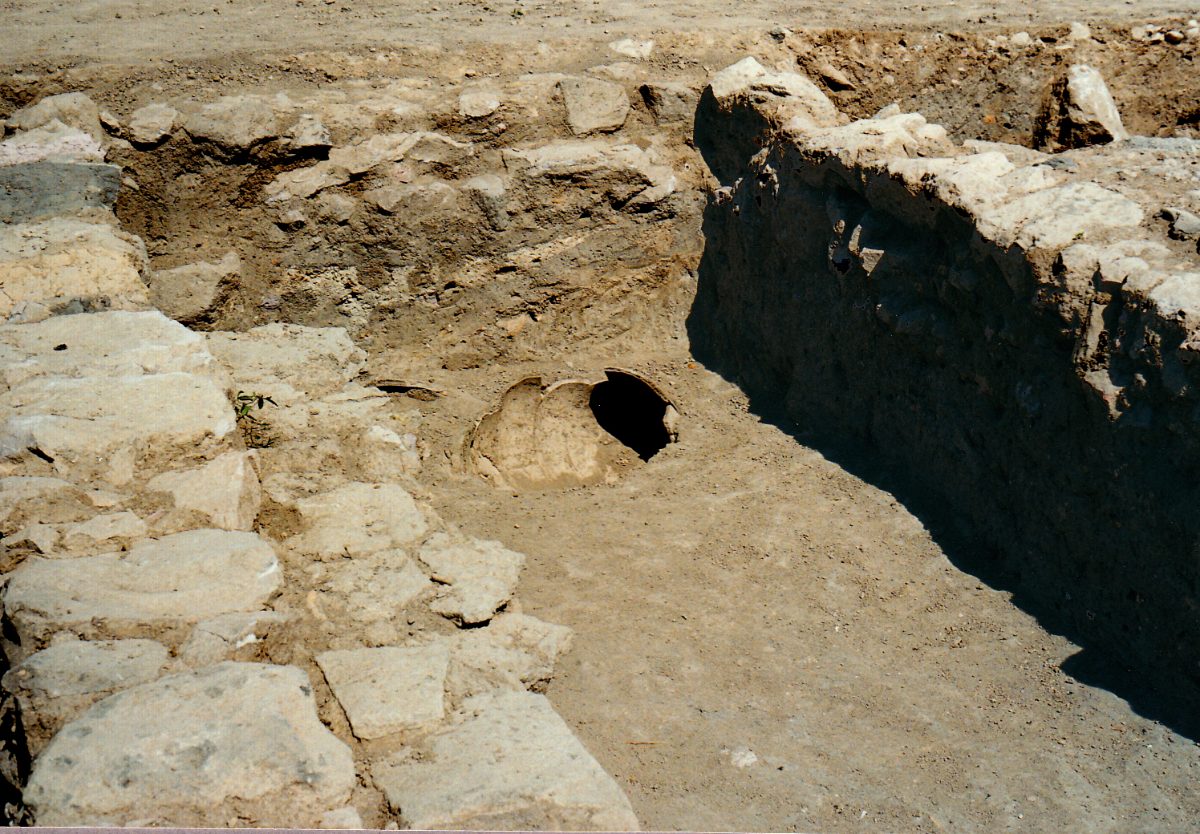
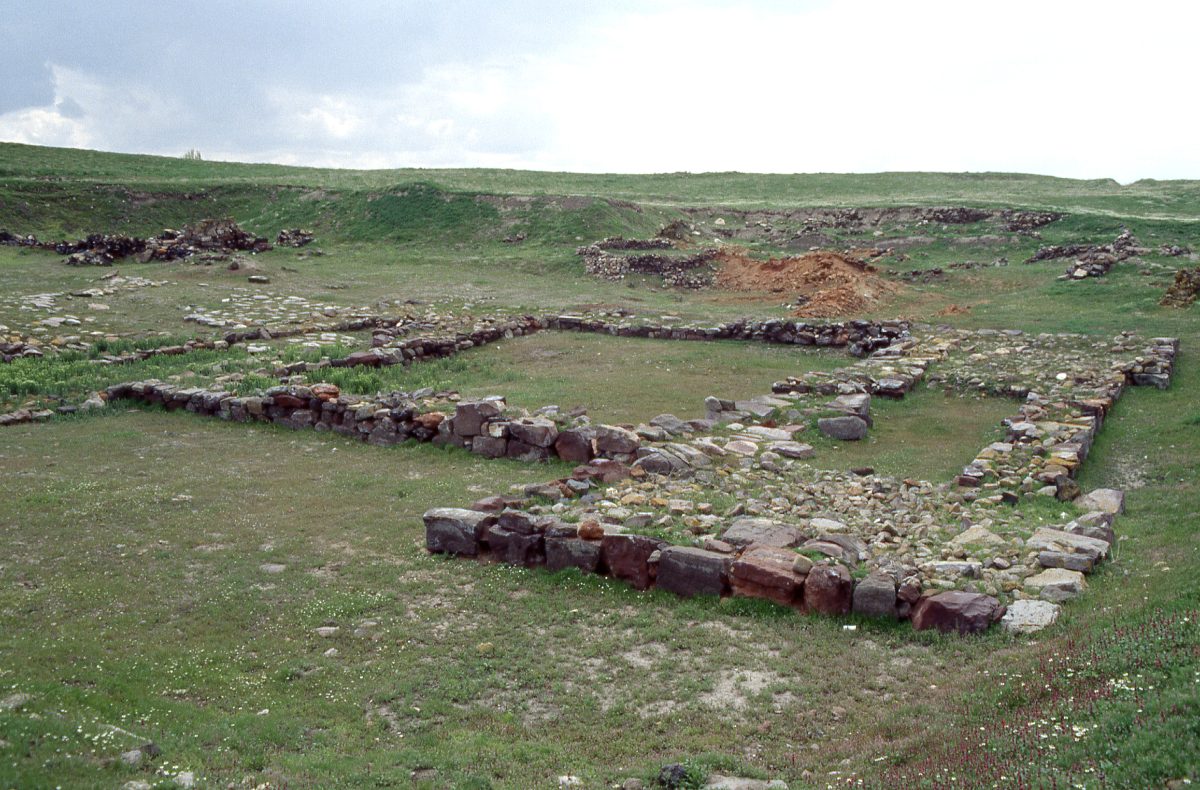
Houses excavated in the karum show a standard layout adapted to both domestic life and business storage, with rooms for living quarters set alongside spaces used for storing goods and archiving tablets. Burials beneath house floors, a practice common across much of the ancient Near East, have also been found at the site, sometimes accompanied by grave goods reflecting the wealth an individual merchant family had accumulated through years of successful trading.
Women in the Assyrian community, both those who remained in Assur and those living at Kanesh, appear as active participants in the trade rather than passive dependents. Letters show wives in Assur managing textile production, negotiating shipments, and corresponding directly with husbands away on business, while women at Kanesh appear in property transactions and legal disputes in their own right. This level of documented female economic activity is unusual for the period and has made the Kanesh archive an important source for historians studying gender and commerce in the ancient Near East.
Divorce, inheritance disputes, and disagreements between business partners all appear regularly among the surviving tablets, giving historians insight into how Assyrian merchant law functioned in practice rather than only in theoretical legal codes. Several tablets record formal proceedings before a body of merchant representatives acting as a kind of commercial court, resolving disputes according to established customary rules that merchants themselves had developed and enforced within their own community, largely independent of the local Anatolian legal system.
The Palace on the Mound
While the karum housed the Assyrian merchant community, the mound itself held the residence and administrative center of the local Anatolian ruler who governed the wider territory and taxed the trade passing through it. Excavations on the mound have uncovered the remains of a large palace structure on its southern terrace, along with associated storage and administrative buildings, reflecting the political authority that coexisted alongside, and profited from, the foreign merchant quarter at its base.
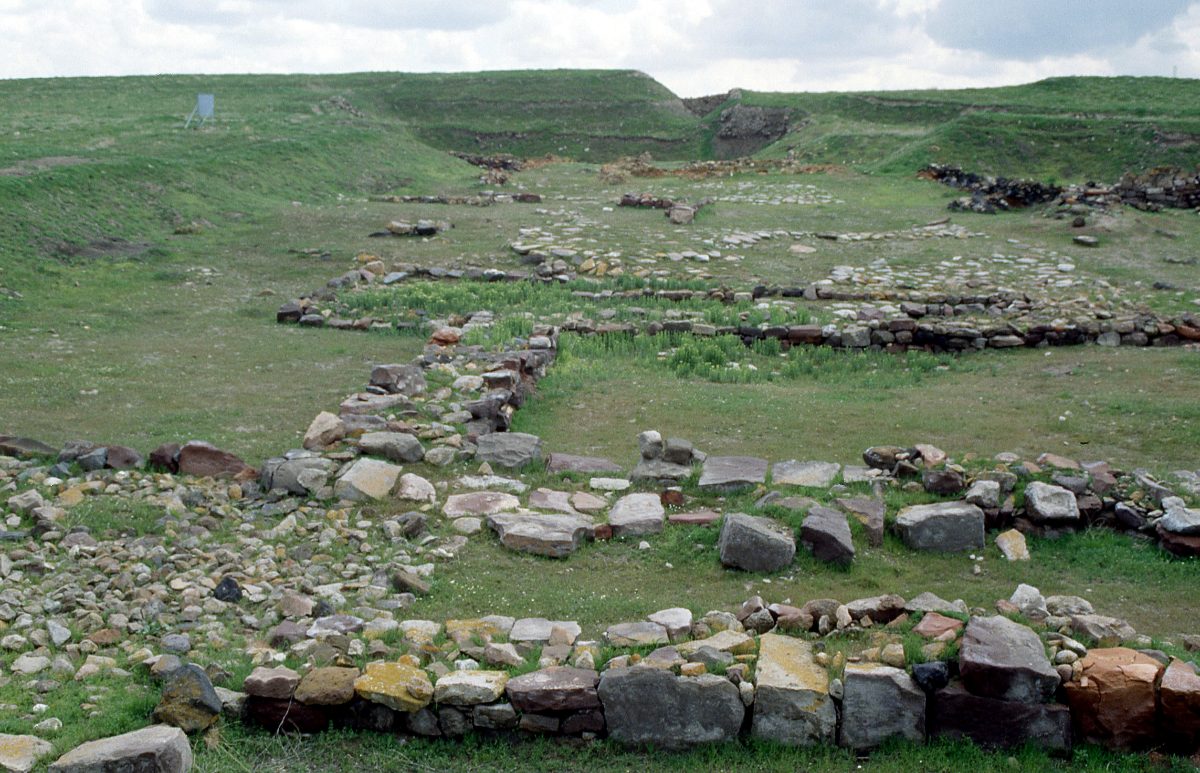
The relationship between the Assyrian merchants and the local ruling authority was formalized through treaties that set out tax rates, trading privileges, and mutual obligations, some of which survive among the tablets recovered from the site. These agreements show a level of diplomatic and legal sophistication on the part of local Anatolian rulers, who negotiated as equals with a foreign merchant power rather than simply extracting tribute by force, a dynamic that shaped the economic and political landscape of central Anatolia for generations before the rise of the Hittite state.
Archaeological work on the mound has also revealed a sequence of earlier occupation layers predating the Assyrian trade colony, showing that the site was already inhabited and locally significant well before Assyrian merchants arrived to establish their karum. This deeper history situates the famous trade colony as one chapter within a much longer settlement sequence stretching back into the Chalcolithic period, reinforcing the broader pattern seen across central Anatolia of long-lived mounds accumulating layer after layer of continuous or intermittent habitation.
Storage facilities uncovered near the palace complex point to a centralized administration capable of managing tax revenue collected from the passing caravan trade, likely in the form of a percentage of goods or silver taken as tribute for granting merchants safe passage and market access. This administrative capacity indicates that the local Anatolian polity controlling the mound was no minor chiefdom but a functioning state-level authority, sophisticated enough to negotiate formal treaties and manage a complex, ongoing relationship with a powerful foreign merchant community operating within its own territory.
Anatolia’s Earliest Written Language
Although the Kanesh tablets are written in Old Assyrian, a Mesopotamian language, they occasionally record local Anatolian names, terms, and even short phrases in the native language spoken by the region’s inhabitants. Linguists have used these embedded fragments to reconstruct elements of early Anatolian languages centuries before the Hittites left their own inscriptions. The Hittites themselves later referred to their own language as Nesili, meaning the language of Nesa, a direct reference to Kanesh under its alternate name, suggesting the settlement held enough prestige or historical importance that the Hittites associated their own tongue with it, even after Hattusa had long since become their political capital.
This connection between Kanesh and the Hittite language has made the site a key point of reference for historical linguists studying the Anatolian branch of the Indo-European language family. The name Nesili appears repeatedly in later Hittite royal inscriptions and ritual texts, preserving the memory of Kanesh’s linguistic and cultural significance long after the Assyrian merchant colony that made the city famous had faded from the region’s political life.
Beyond the Anatolian personal names and loanwords scattered through the Old Assyrian tablets, researchers have also identified evidence of the Hittite, Luwian, and Hattic languages coexisting in the region during this period, suggesting central Anatolia was already linguistically diverse well before any of these languages had their own dedicated writing systems. The tablets from Kanesh, despite being written by and for Assyrian merchants, therefore serve as an unexpected but valuable secondary source for reconstructing the linguistic landscape of Bronze Age Anatolia.
Modern epigraphic study of the Kanesh tablets continues to yield new insights, as scholars apply updated linguistic methods to previously studied texts and occasionally identify subtle Anatolian grammatical influences that earlier generations of researchers had overlooked. Each new pass through the archive tends to refine understanding of exactly how deeply the Assyrian merchant community had adapted to, and blended with, its Anatolian surroundings over the roughly two centuries the karum remained active at full strength.
A Turkish Excavation Spanning Decades
Systematic excavation at Kultepe began in 1948 under Tahsin Ozguc, a Turkish archaeologist who would go on to direct work at the site for decades, establishing it as one of the longest-running excavation projects in Turkish archaeological history. Ozguc’s team uncovered the bulk of the karum’s tablet archive along with detailed architectural records of the merchant houses, and later excavation seasons extended the picture to include the palace structures on the mound itself. The excavation continued under subsequent directors after Ozguc, with work ongoing well into the twenty-first century, gradually expanding the known extent of both the mound and the lower town.
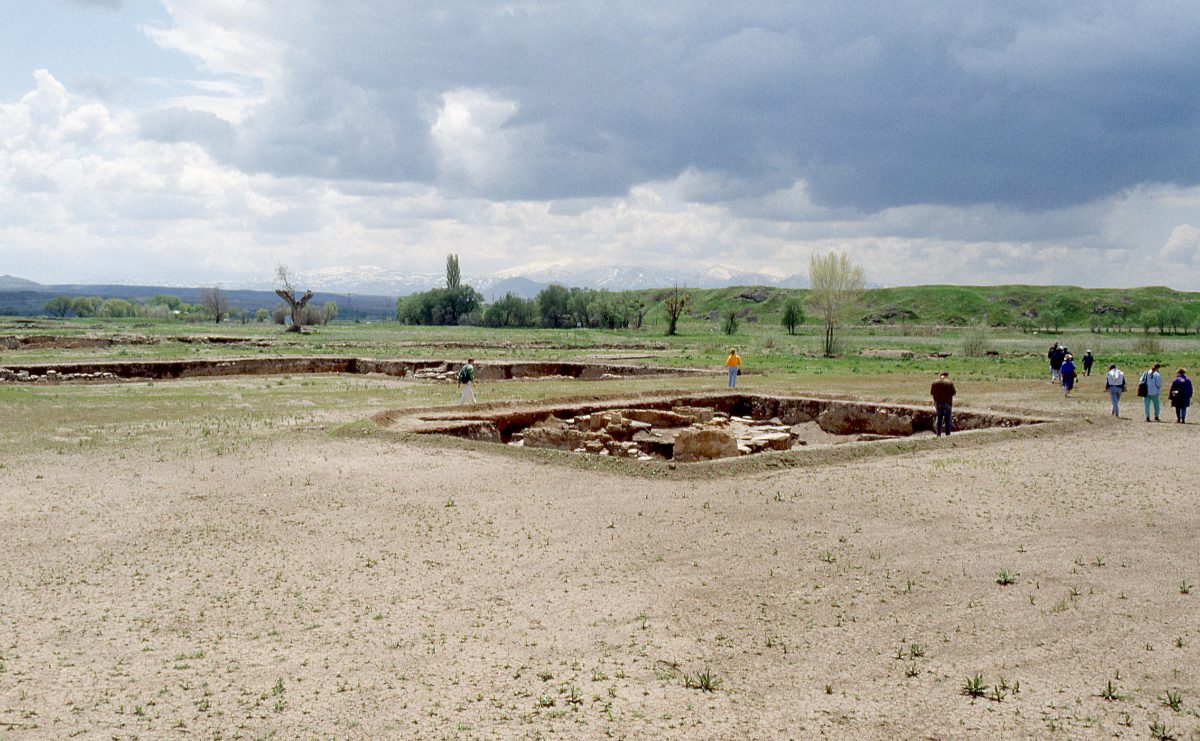
Because so much of the karum’s archive was recovered from clearly defined individual houses rather than a jumbled, disturbed context, archaeologists have been able to reconstruct which tablets belonged to which specific merchant families, in some cases tracing the business dealings and personal lives of the same individuals across multiple tablets spanning years of activity. This level of contextual precision is unusual for any Bronze Age archive and has made Kultepe a model case study in how private commercial archives can be studied as coherent family histories rather than as disconnected fragments.
Later excavation seasons at Kultepe employed increasingly refined recording methods, allowing archaeologists to correlate specific tablet finds with precise architectural contexts down to individual rooms within merchant houses. This precision has enabled detailed reconstructions of household organization, showing which rooms were used for archiving business records, which for storage of trade goods, and which for ordinary domestic activities, giving a fuller picture of how commercial and family life intertwined within the same physical space.
Temples and Local Religion
Religious life at Kanesh combined local Anatolian traditions with elements brought by the resident Assyrian community, though most of the surviving textual evidence naturally reflects Assyrian commercial concerns rather than detailed religious practice. Excavations on the mound have identified structures interpreted as temples, associated with the ruling authority rather than the merchant colony, reflecting the separation between the political and religious institutions of the Anatolian elite and the largely secular, commercially focused life of the karum below.
Personal letters from the archive occasionally reference religious practices, oaths sworn before specific deities, and offerings made in connection with business agreements, showing that religious belief remained woven into commercial life even within a community whose surviving records focus overwhelmingly on trade. These fragments, while limited, offer valuable comparative evidence for understanding how Mesopotamian religious concepts may have interacted with local Anatolian belief systems during the centuries the Assyrian colony operated at the site.
Votive objects and small figurines recovered from both the mound and the lower town add further evidence for religious practice at the site, spanning both the earlier Anatolian occupation and the period of Assyrian residence. While the Assyrian archive itself focuses overwhelmingly on commerce, the broader archaeological record from the site suggests that religious observance remained an active part of daily life for both the local Anatolian population and the resident foreign merchant community throughout the centuries the karum was active.
The coexistence of Assyrian commercial law and local Anatolian religious and political institutions at Kanesh offers a compact case study in how two very different cultural systems accommodated one another over a long period without either side fully absorbing the other. Rather than the merchants imposing Assyrian religious or legal norms wholesale on their Anatolian hosts, or the reverse, the surviving evidence points toward a pragmatic, negotiated coexistence, with each community maintaining its own core institutions while adapting where necessary to make the shared commercial relationship work smoothly.
From Trade Colony to Hittite City
The Old Assyrian trading system at Kanesh eventually declined during the eighteenth century BCE, likely due to a combination of regional political instability and shifting trade routes, and the karum was largely abandoned as an active merchant colony. The settlement itself did not disappear, however. Anatolian texts from the following centuries associate the site with Anitta, a local king who is credited in an early Hittite-language text with conquering Kanesh and later Hattusa, events often treated as an important early chapter in the political prehistory of the Hittite state.
By the time the Hittite Old Kingdom was fully established, Kanesh had lost the commercial prominence it once held, but its memory persisted in Hittite tradition through the name Nesili given to their own language. Later occupation at the site continued into subsequent centuries at a reduced scale, leaving Kultepe as a place where visitors can trace a direct line from an international Bronze Age trading hub to a formative moment in the earliest political history of the Hittite civilization that would later dominate the region.
The Anitta text itself, one of the earliest known compositions in the Hittite language, describes its royal author’s conquest of Kanesh and subsequent actions in terms that later Hittite kings would continue to reference for centuries, using the episode to legitimize their own rule. This makes Kanesh not just an economically important trade hub in its own right, but also a foundational reference point within the Hittites’ own historical memory of how their kingdom came into being, connecting the site to the earliest stages of Hittite political identity.
Understanding Kanesh’s transition from an international trade hub to a site remembered primarily in early Hittite political tradition helps historians bridge what would otherwise be a frustrating gap in the archaeological record between the well-documented Assyrian trade period and the later, better-known Hittite Empire. Few other sites in Anatolia offer this kind of continuous textual and archaeological thread connecting two otherwise distinct chapters of Bronze Age history so directly.
Nearby Places to Explore
Kultepe sits within the broader network of central Anatolian sites connected to the rise and fall of the Hittite civilization, and visitors interested in the Assyrian trade colony often continue on to explore the following related destinations.
- Hattusa: Highland Capital of the Forgotten Hittite Superpower
- Alacahoyuk: The Bronze Age Tombs Behind a Sphinx Gate
- Gordion: Where the Real King Midas Lies Beneath a Great Mound
Why Kultepe Still Matters
Kultepe occupies a unique place among Turkey’s ancient sites because its fame rests not on monumental architecture but on paper, or rather clay: tens of thousands of private business letters, contracts, and family records that give historians an intimacy with daily Bronze Age life found almost nowhere else in the ancient world. The Assyrian merchants who lived, traded, and raised families in the karum left behind a written record so detailed that individual personalities, business rivalries, and family disputes can still be reconstructed nearly four thousand years later.
That legacy, combined with the site’s later role in early Hittite political history and its lasting linguistic imprint through the name Nesili, makes Kultepe one of the most historically significant, if visually understated, archaeological sites in Turkey, a place where the ordinary paperwork of ancient trade turned out to preserve history more vividly than any palace or temple ever could.
You May Like

Mafra, the Palace a King Built From a Vow